
我花了三个月搞明白中国龙到底是什么东西 | It Took Me Three Months to Figure Out What the Chinese Dragon Actually Is
我花了三个月搞明白中国龙到底是什么东西 | It Took Me Three Months to Figure Out What the Chinese Dragon Actually Is
我是一个在成都生活了六年的澳大利亚人。刚来中国那年,有人问我"你属什么",我说属龙,他们立刻露出羡慕的表情。我当时心想——这是一只喷火、毁灭城堡的怪物,有什么好羡慕的?后来我花了很长时间才理解:中国龙和西方龙根本不是一个物种。甚至不在同一个叙事宇宙里。
I'm an Australian who has lived in Chengdu for six years. During my first year in China, someone asked me my zodiac sign. I said Dragon, and they immediately looked envious. I thought — this is a fire-breathing, castle-destroying monster, what's there to envy? It took me a long time to understand: the Chinese dragon and the Western dragon are not even the same species. They don't exist in the same narrative universe.
一条蛇,加上鹿角、鹰爪、鱼鳞
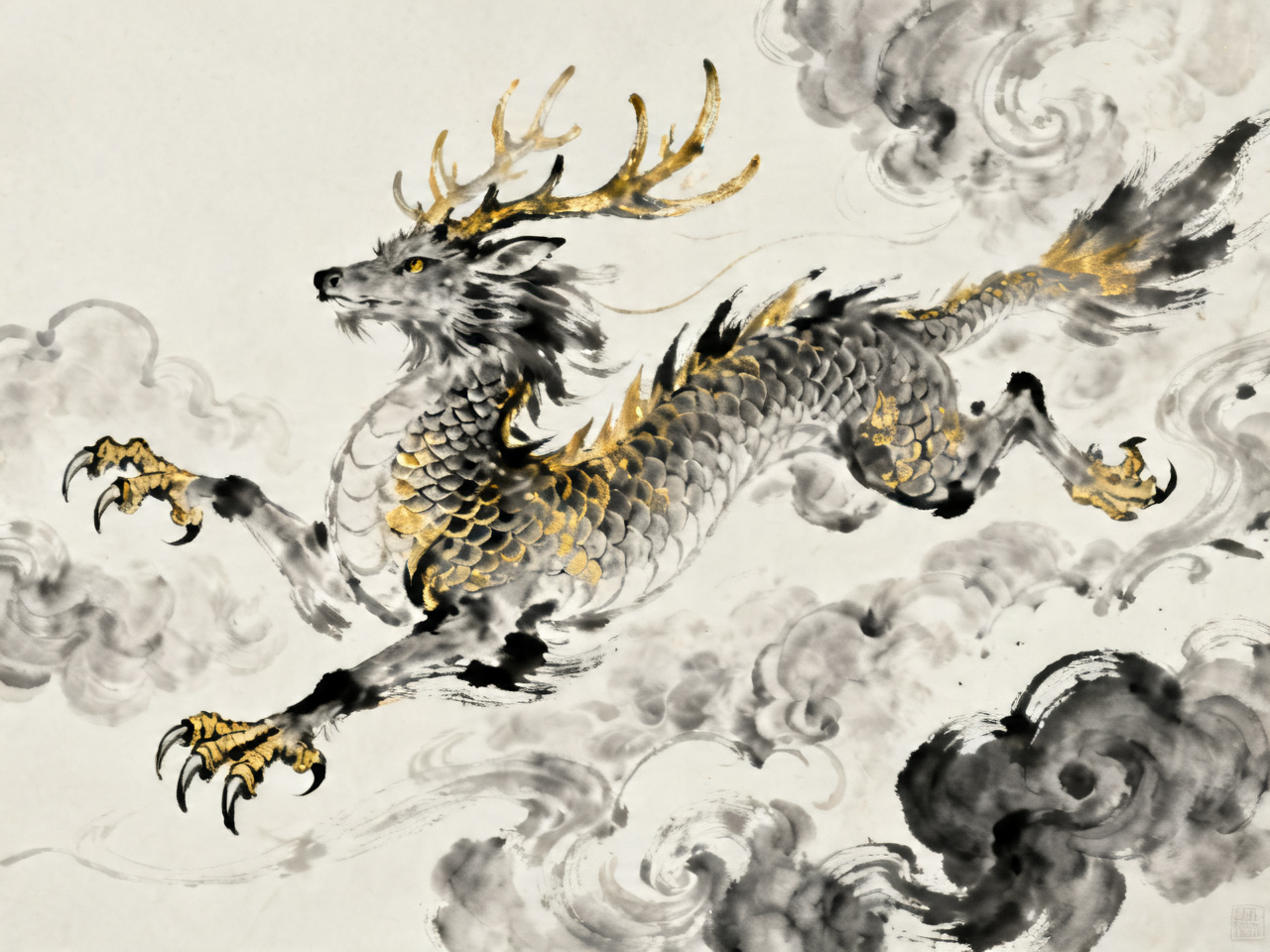
中国龙长什么样?经典描述是"九似":角似鹿,头似驼,眼似兔,项似蛇,腹似蜃,鳞似鱼,爪似鹰,掌似虎,耳似牛。也就是说,这东西本身就是一个拼装体——学术界最主流的说法叫"图腾融合论":远古部落各自崇拜不同动物,最终统一后把各部落的图腾拼在一起,就成了龙。闻一多先生在1940年代的论文里最早系统论述了这个观点。
What does a Chinese dragon look like? The classic description lists "nine resemblances": antlers of a deer, head of a camel, eyes of a rabbit, neck of a snake, belly of a clam, scales of a fish, claws of an eagle, paws of a tiger, ears of a cow. In other words, it's a composite creature. The most mainstream academic theory is "totem fusion": ancient tribes each worshipped different animals, and when they unified, their totems were merged into one — the dragon. Scholar Wen Yiduo first systematically articulated this view in his 1940s papers.
龙是皇帝的私有财产——直到辛亥革命
从秦始皇自称"祖龙"开始,龙就跟皇权深度绑定了。汉代以后,五爪龙成为天子专属——民间只能用三爪或四爪。明清两代更严格:龙袍上的龙有固定数量和位置,正龙、行龙、升龙各有规矩。我在北京故宫数过太和殿里的龙——据说整座大殿内外有一万三千多条龙的形象,我数了两百条就放弃了。
From the moment Qin Shi Huang called himself the "Ancestral Dragon," the dragon became deeply bound to imperial power. After the Han dynasty, five-clawed dragons were reserved exclusively for the emperor — commoners could only use three or four claws. The Ming and Qing dynasties were even stricter: dragon robes had fixed numbers and positions of dragons, with specific rules for front-facing, walking, and ascending dragons. I tried counting the dragons inside the Hall of Supreme Harmony at the Palace Museum — reportedly the entire hall contains over 13,000 dragon images inside and out. I gave up after two hundred.
普通人真正能自由使用龙的形象,是1912年以后的事了。辛亥革命推翻了帝制,龙也从皇家符号变成了全民文化符号。但这个转变并不彻底——到今天,很多中国人对龙依然有一种敬畏感,不是害怕,而是觉得这东西"太大了",不能随便用。我有一次穿了件印着中国龙的T恤去朋友家吃饭,他妈妈看了一眼说"你胆子真大"。
Ordinary people only gained the freedom to use dragon imagery after 1912. The Xinhai Revolution toppled the imperial system, and the dragon transformed from a royal symbol to a universal cultural icon. But the transition was incomplete — even today, many Chinese maintain a sense of reverence toward the dragon. Not fear, exactly, but a feeling that it's "too powerful" to be used casually. I once wore a T-shirt printed with a Chinese dragon to dinner at a friend's house. His mother glanced at it and said, "You're really brave."
"龙的传人"——一首歌塑造了一代人的身份认同
1978年,台湾音乐人侯德健写了《龙的传人》。这首歌的背景是当年中美建交、台湾"断交"的政治巨震。歌词里写"古老的东方有一条龙,它的名字就叫中国",用龙来凝聚一种跨越海峡的民族认同。1983年这首歌传入大陆,此后成为所有中国人都会唱的歌。
In 1978, Taiwanese musician Hou Dejian wrote "Descendants of the Dragon." The backdrop was the political earthquake of US-China diplomatic normalization that year, which left Taiwan severed from formal ties. The lyrics declare: "In the ancient East there is a dragon, its name is China" — using the dragon to forge a sense of national identity that transcended the strait. When the song reached mainland China in 1983, it became something every Chinese person could sing.
我在一次国庆晚会上听过全场两千人合唱这首歌。说实话,作为一个外国人,那个场面让我起了鸡皮疙瘩。不是因为民族主义,而是因为你能感觉到——"龙的传人"这四个字,对这些人来说不是一个隐喻,而是一种真实的身份感。就像我说"我是澳洲人"时会想到袋鼠和大堡礁,他们说"我是龙的传人"时,想到的是五千年的传承。
I once heard two thousand people sing this song in unison at a National Day gala. Honestly, as a foreigner, it gave me goosebumps. Not because of nationalism, but because you could feel that "Descendants of the Dragon" wasn't a metaphor for these people — it was a genuine sense of identity. Just as I picture kangaroos and the Great Barrier Reef when I say "I'm Australian," they picture five thousand years of heritage when they say "I'm a descendant of the dragon."
Loong:一场正在发生的文化翻译革命
最近几年,越来越多的中国学者和官方机构主张:中国龙不应该翻译成"Dragon",而应该用"Loong"。理由很简单——英文的Dragon是一只邪恶的、喷火的、有翅膀的爬行动物,跟中国龙的形象完全相反。2024年甲辰龙年,中国官方媒体开始大量使用"Loong Year"而不是"Dragon Year",央视春晚的英文字幕也用了"Loong"。
In recent years, more and more Chinese scholars and official institutions have argued that the Chinese dragon should not be translated as "Dragon" but rather as "Loong." The reasoning is simple — the English Dragon is an evil, fire-breathing, winged reptile, the exact opposite of the Chinese dragon's image. In 2024, the Year of the Loong (Jiachen Dragon Year), Chinese state media began widely using "Loong Year" instead of "Dragon Year," and CCTV's Spring Festival Gala English subtitles adopted "Loong" as well.
这件事让我想了很久。语言翻译确实会扭曲文化——如果你用一个负面词汇去翻译一个正面符号,那读者的第一印象就是错的。但反过来说,"Loong"这个词对英语世界的人来说完全是个生造词,没有任何联想基础。要让全世界接受一个新词,可能需要一两代人的时间。
This issue occupied my mind for a long time. Language translation can indeed distort culture — if you use a negative word to translate a positive symbol, the reader's first impression is already wrong. Then again, "Loong" is a completely coined term for English speakers, with zero associative foundation. Getting the world to accept a new word might take a generation or two.

舞龙、龙舟、龙抬头——日常生活里的龙
龙在中国不只是一个抽象符号。每年正月十五各地舞龙,铜梁龙舞、汕头英歌舞里都有龙的身影(说到潮汕英歌舞,那是另一个精彩的非遗故事)。端午节赛龙舟更是南方省份的头等大事——我在长沙湘江边看过一次,几十条龙舟同时起步,两岸围观的人比选手还激动。农历二月二"龙抬头",理发店排长队,因为这天剪头发寓意"龙抬头,好运来"。
The dragon isn't just an abstract symbol in China. Every Lantern Festival, lion and dragon dances erupt across the country — the Tongliang dragon dance, the dragon figures in Chaoshan Yingge dance (that's a whole other fascinating intangible heritage story). Dragon boat racing during the Duanwu Festival is a top priority in southern provinces — I watched one on the Xiang River in Changsha, dozens of dragon boats launching simultaneously, spectators on both banks more excited than the rowers. On the second day of the second lunar month, "the dragon raises its head," and barbershops see long queues because a haircut on this day symbolizes "the dragon rises, good fortune arrives."
中国龙没有翅膀,不喷火,不住在洞穴里守着金币。它住在云里、水里、和十四亿人的日常用语里。你下次在中国听到"龙"这个字,别想成Smaug——想成一条在雨云中游泳的、由九种动物组成的、被一首流行歌定义了一代人身份的、正在努力换一个英文名字的古老存在。
The Chinese dragon has no wings, breathes no fire, and doesn't squat in a cave guarding gold. It lives in clouds, in water, and in the daily vocabulary of 1.4 billion people. Next time you hear "dragon" in China, don't think of Smaug — think of an ancient composite of nine animals, swimming through rain clouds, defining a generation's identity through a pop song, and currently in the process of getting a new English name.
- 云南15天深度路线:大理丽江香格里拉 | 15-Day Yunnan Route: Dali, Lijiang & Shangri-La
- 一只陶马,让孩子在西安开始认真追问历史 | A Clay Horse Opened the Door to History for My Child in Xi’an
- 到了郑州才明白,一顿不必介绍来历的晚饭也能让人放松下来 | In Zhengzhou, I Learned That an Unpretentious Dinner Can Let the Body Unclench
- 跨境支付的隐藏成本:汇率、限额与手续费,外国游客怎么少花冤枉钱 | The Hidden Costs of Cross-Border Payment in China: Exchange Rates, Limits & Fees That Catch Tourists Off Guard
- 围炉而坐,这顿饭没有终点 | The Meal That Never Ends: China's Hot Pot Ritual
- 第一次去中国,你可能准备错了 | First Trip to China: You're Probably Preparing for the Wrong Things
- 中国白酒与黄酒:送礼自饮怎么选 | Chinese Baijiu & Huangjiu: Gift & Tasting Guide
- 中山装与唐装:男士传统服饰怎么穿 | Zhongshan Suit & Tang Suit: Men's Traditional Wear
- 酒店前台帮我确认订单时,我学会别只依赖邮箱 | At a Hotel Front Desk, I Learned Not to Rely Only on Email
- 银川清晨的羊肉汤,让我重新理解“清淡”和“厚重” | A Morning Bowl of Mutton Soup in Yinchuan Changed How I Understand Light and Rich
Comments (0)