
花椒档案:一个植物学者眼中的四川味觉地图 | The Peppercorn Dossier: Sichuan's Flavor Map Through a Botanist's Eyes
花椒档案:一个植物学者眼中的四川味觉地图 | The Peppercorn Dossier: Sichuan's Flavor Map Through a Botanist's Eyes
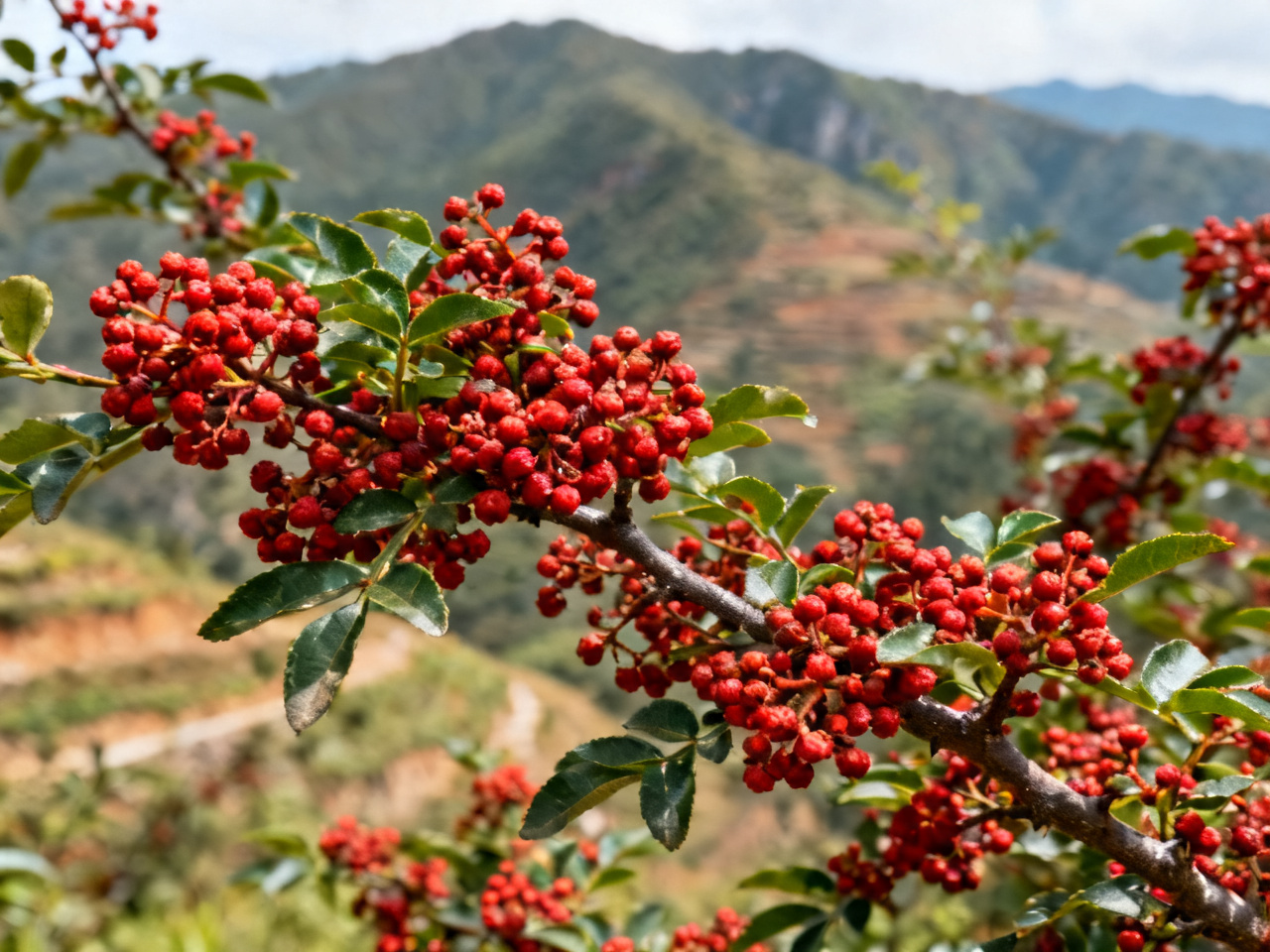
全球已记录的花椒属植物超过250种,但能让人舌尖产生那种独特"麻"感的,主要是两种:汉源花椒(Zanthoxylum bungeanum)和青花椒(Zanthoxylum schinifolium)。前者产自四川汉源县,后者多见于川南和重庆。这两种花椒的化学成分差异,直接决定了四川菜系内部那些微妙的口味分野——而大多数食客,从未意识到自己正在品尝的是一场精密的植物化学实验。
More than 250 species of the genus Zanthoxylum have been documented worldwide, but the distinctive "numbing" sensation on the tongue comes primarily from two: Zanthoxylum bungeanum from Hanyuan County in Sichuan, and Zanthoxylum schinifolium, more common in southern Sichuan and Chongqing. The chemical differences between these two species directly determine the subtle flavor divisions within Sichuan cuisine — divisions most diners never realize they're experiencing as a precise exercise in plant chemistry.
花椒的麻感来自一类叫做"山椒素"(sanshool)的酰胺类化合物。它作用于皮肤和黏膜上的触觉感受器,产生的不是痛觉,而是一种低频振动感——有研究者将其描述为"50赫兹的触觉幻觉"。这解释了为什么花椒的麻和辣椒的辣可以共存而不相互抵消:它们作用于完全不同的神经通路。
The numbing sensation from Sichuan peppercorns comes from a class of amide compounds called sanshools. They act on tactile receptors in skin and mucous membranes, producing not pain but a sensation of low-frequency vibration — some researchers describe it as "a 50-hertz tactile illusion." This explains why the numbing of peppercorns and the burn of chilies can coexist without canceling each other: they operate on entirely different neural pathways.
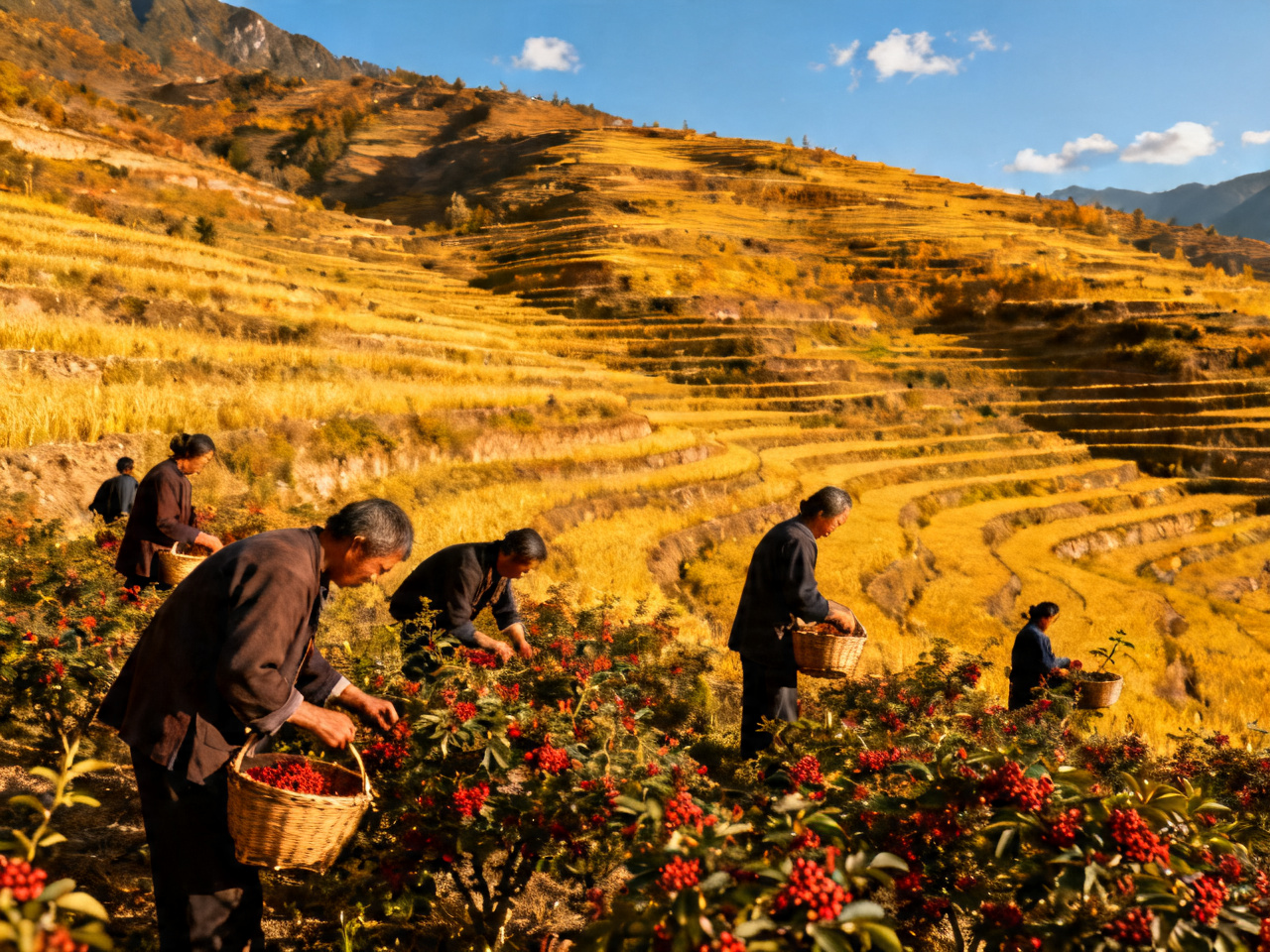
汉源县位于四川盆地西南边缘,大渡河流经此地,海拔落差造就了独特的小气候。当地花椒种植历史可追溯至唐代,曾是皇室贡品。每年八月,汉源的花椒采摘季到来,山坡上密密麻麻的花椒树挂满了红色果实,采摘工人天不亮就上山,戴着手套,用剪刀一串一串地剪下来,动作必须轻柔,否则果皮破损,香气就会散失。
Hanyuan County sits at the southwestern edge of the Sichuan Basin, where the Dadu River carves through and dramatic elevation changes create a unique microclimate. Local peppercorn cultivation traces back to the Tang Dynasty, when it was a tribute to the imperial court. Each August, harvest season arrives: the hillsides dense with peppercorn trees heavy with red fruit, pickers heading up the mountain before dawn, gloved hands using scissors to clip cluster by cluster with deliberate gentleness — break the skin and the fragrance escapes.
汉源花椒的香气成分以柠檬烯和芳樟醇为主,这赋予了它一种清亮的柑橘底调,与辣椒的厚重形成对比。而青花椒的香气则更偏向草本和青涩,常用于川南的"藤椒鸡"和"椒麻鸡",那种清爽的麻感与汉源花椒的醇厚完全不同。
The aromatic compounds in Hanyuan peppercorns are dominated by limonene and linalool, giving them a bright citrus undertone that contrasts with the heaviness of chili. Green Sichuan peppercorns lean more herbal and raw, commonly used in southern Sichuan's téng jiāo jī and jiāo má jī — their clean, fresh numbing sensation is entirely different from the rounded depth of Hanyuan peppercorns.
四川菜系内部,存在一套外人很难察觉的地域分层。成都菜偏重红油和豆瓣酱,口味醇厚;自贡菜以"盐帮菜"著称,用盐量大,口味更重;乐山菜善用豆腐和河鲜;宜宾菜则以燃面和碎米芽菜闻名。这些差异,部分来自地理和物产,部分来自历史上不同移民群体带来的饮食习惯。
Within Sichuan cuisine, there exists a regional stratification that outsiders rarely perceive. Chengdu cooking emphasizes red oil and doubanjiang, rich and rounded; Zigong cuisine, known as "salt gang food," uses salt heavily and runs bolder; Leshan excels with tofu and river fish; Yibin is famous for its dry-tossed noodles and fermented sprouts. These differences stem partly from geography and local produce, partly from the dietary habits brought by different historical migration waves.
郫县豆瓣酱是理解成都菜的另一把钥匙。郫县(今成都郫都区)生产的豆瓣酱,以二荆条辣椒和蚕豆为原料,经过至少六个月的自然发酵,颜色深红,酱香浓郁。正宗的郫县豆瓣酱,翻炒时需要用小火慢慢炒出红油,这个过程叫"炒香",急不得。许多成都厨师认为,一道菜好不好,豆瓣酱炒得到不到位,占了一半的功劳。
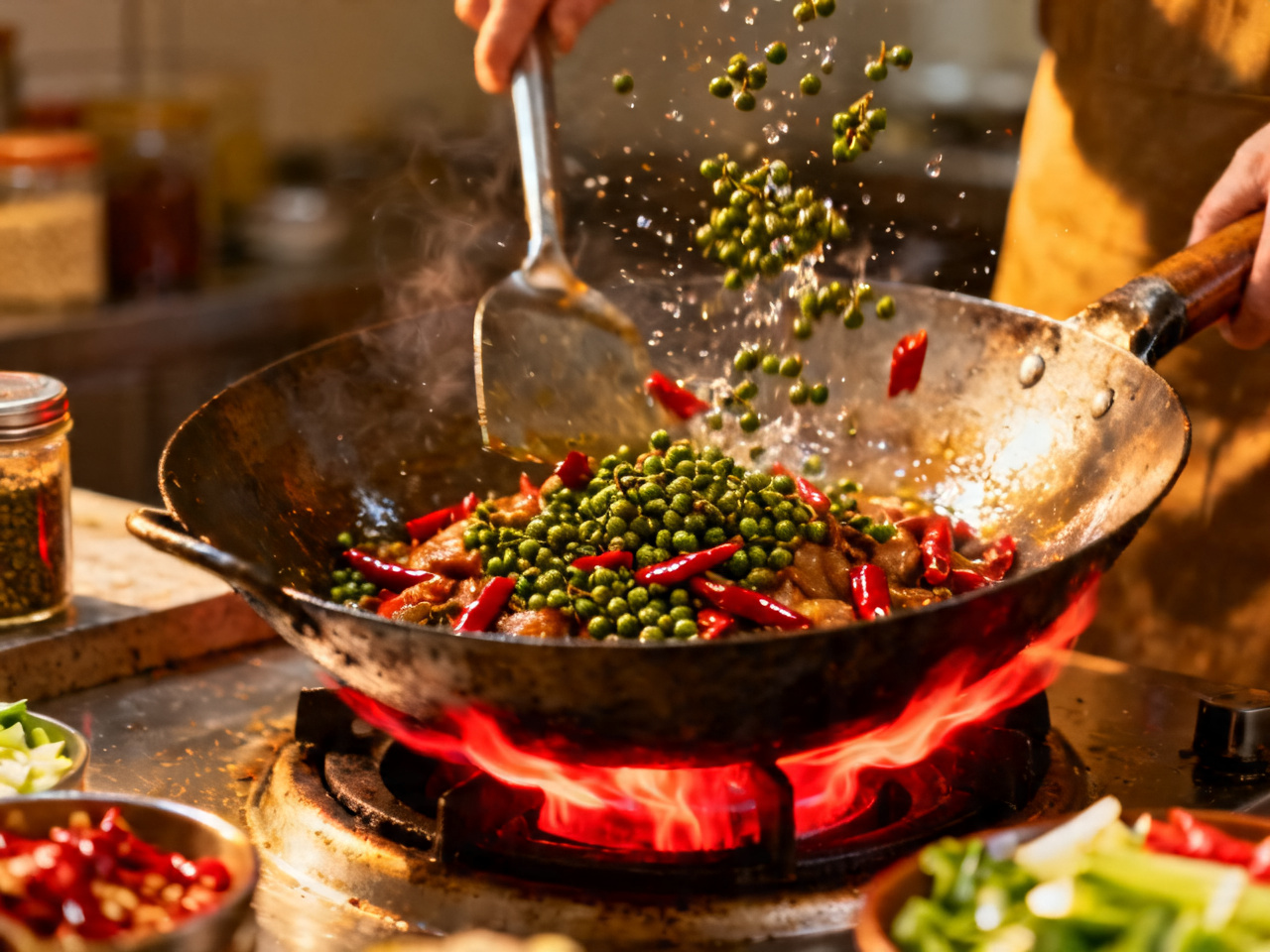
Pixian doubanjiang is another key to understanding Chengdu cooking. The fermented broad bean paste produced in Pixian (now Pidu District, Chengdu), made from er jing tiao chilies and broad beans, undergoes at least six months of natural fermentation, emerging deep red with a complex, savory fragrance. Authentic Pixian doubanjiang must be stir-fried over low heat until the red oil is coaxed out — a process called "chǎo xiāng" that cannot be rushed. Many Chengdu chefs believe that whether a dish succeeds or fails, half the credit or blame belongs to how well the doubanjiang was fried.
从研究者的角度来看,四川饮食最有趣的地方,或许不是它有多辣,而是它的"复合味型"体系。川菜有二十四种标准味型,包括鱼香味、怪味、荔枝味、陈皮味等,每一种都是多种调味料的精确组合。"鱼香"里没有鱼,"怪味"里没有怪东西,这些名字描述的是一种味觉印象,而非食材清单。
From a researcher's perspective, the most fascinating aspect of Sichuan food may not be how spicy it is, but its system of "compound flavor profiles." Sichuan cuisine recognizes twenty-four standard flavor types, including yú xiāng (fish-fragrant), guài wèi (strange flavor), lì zhī (lychee), and chén pí (dried tangerine peel) — each a precise combination of multiple seasonings. There is no fish in "fish-fragrant," nothing strange in "strange flavor." These names describe a sensory impression, not an ingredient list.
这套味型体系,是几百年来厨师经验的系统化结晶。它告诉我们,四川人对味道的理解,早就超越了"酸甜苦辣咸"的基础框架,进入了一个更精细、更具诗意的感知维度。下次你在成都吃到一道鱼香肉丝,不妨停下来想一想:这道菜里,有多少代人的味觉记忆?
This flavor system is the crystallized experience of centuries of cooks. It tells us that Sichuan people's understanding of taste long ago surpassed the basic framework of sour-sweet-bitter-spicy-salty, entering a more refined and almost poetic dimension of perception. Next time you eat yú xiāng ròu sī in Chengdu, pause and consider: how many generations of taste memory are folded into this dish?
- 路边那口锅,才是一座城市的真心话 | The Roadside Wok Doesn't Lie
- 清明踏青好去处:近郊自然游 | Qingming Outing: Nature Trips Near the City
- 中国四季节庆日历:每月最佳活动 | China Festival Calendar: Best Events by Month
- 支付宝绑定国际银行卡实操 | Alipay Foreign Card Binding Walkthrough
- 中国饮品文化:从功夫茶到网红奶茶 | Chinese Drink Culture: From Kung Fu Tea to Viral Milk Tea
- 跨境支付的隐藏成本:汇率、限额与手续费,外国游客怎么少花冤枉钱 | The Hidden Costs of Cross-Border Payment in China: Exchange Rates, Limits & Fees That Catch Tourists Off Guard
- 丽江古城深度游:纳西文化与雪山美景 | Lijiang Old Town: Naxi Culture & Snow Mountain Views
- 五一去哪儿?8个你可能没听过的宝藏目的地 | Where to Go for May Day? 8 Hidden Gems You Probably Haven't Heard Of
- 冬季冰雪旅游完全指南 | Complete Guide to Winter Ice & Snow Tourism
- 婚礼与节庆中的传统服饰 | Traditional Dress in Chinese Weddings & Festivals
Comments (0)