
中国饮品文化:从功夫茶到网红奶茶 | Chinese Drink Culture: From Kung Fu Tea to Viral Milk Tea
中国饮品文化:从功夫茶到网红奶茶 | Chinese Drink Culture: From Kung Fu Tea to Viral Milk Tea
本人在中国断断续续生活了四年,从最初在便利店买矿泉水到现在能熟练地跟茶叶店老板聊"岩韵"和"回甘",中间经历了一场漫长的味觉觉醒。把这些年喝过的、研究过的东西整理一下,做个对比——传统茶和新式饮品,两条线索,同一个中国。
I've lived in China on and off for four years. From buying bottled water at convenience stores in the beginning to now casually discussing "rock rhyme" (yan yun) and "returning sweetness" (hui gan) with tea shop owners, there's been a long sensory awakening in between. Let me organize what I've drunk and studied over these years into a comparison — traditional tea versus new-style drinks, two threads, one China.
传统茶:慢的那一面 / Traditional Tea: The Slow Side
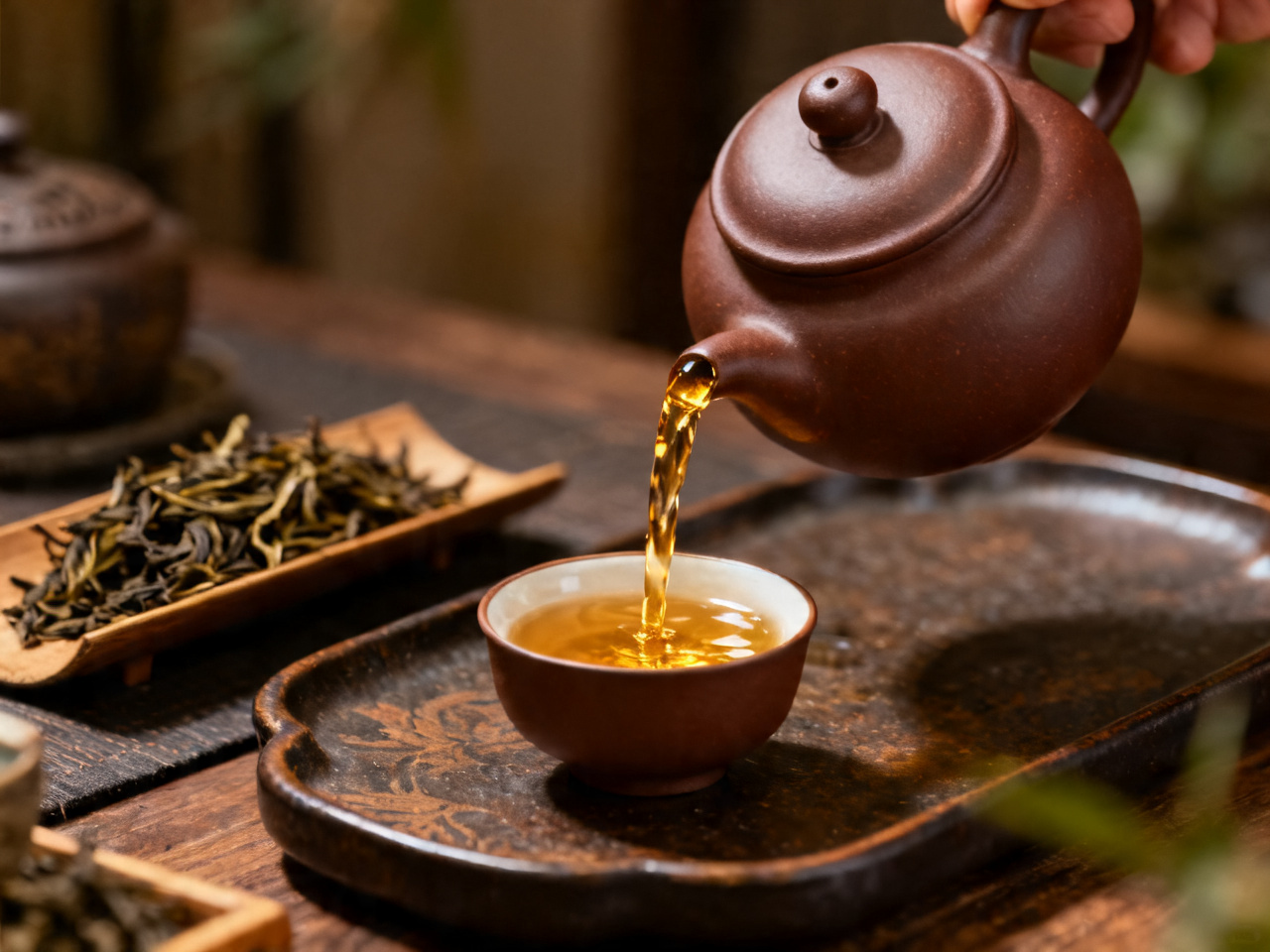
中国是茶的发源地,这句话说出来像废话,但真正坐下来喝一次功夫茶,你才会理解它的分量。
China is the birthplace of tea — stating this feels redundant, but you don't truly grasp its weight until you sit down for a proper gong fu tea session.
功夫茶不是一种茶,是一种泡法 / Gong Fu Tea Is Not a Type of Tea — It's a Brewing Method
很多外国朋友以为"功夫茶"(Kung Fu Tea)是一个茶的品种。不是。它是一套泡茶的方法,核心思路是用小壶、多次冲泡、每次只出几十毫升,把茶叶在不同水温和浸泡时间下的变化喝个遍。
Many foreign friends assume "Kung Fu Tea" is a variety of tea. It isn't. It's a brewing method. The core idea: small pot, multiple infusions, each yielding just a few dozen milliliters — you taste the tea leaf's evolution across different water temperatures and steeping times.
一泡乌龙能冲七八次,每一次的味道都不同。第一泡洗茶不喝;第二泡香气最冲;第三四泡口感最厚;到第七泡,味道淡了,但回甘反而更明显。本人第一次体验完整的功夫茶是在福建武夷山,一位茶农请我坐下喝了两个小时的大红袍。那天下午我什么都没干,就坐在竹椅上喝茶。离开时我问他这茶多少钱一斤,他说"这个不卖的,自己留着喝"。
A single oolong can be infused seven or eight times, each round tasting different. The first infusion is a rinse — you don't drink it. The second hits hardest with aroma. The third and fourth are the richest in body. By the seventh, the flavor fades, but the hui gan (returning sweetness at the back of the throat) actually becomes more pronounced. My first complete gong fu tea experience was in Wuyishan, Fujian, where a tea farmer invited me to sit and drink Da Hong Pao for two hours. I did absolutely nothing that afternoon but sit in a bamboo chair and drink. When I left, I asked him how much this tea cost per jin (500g). He said, "This one isn't for sale — I keep it for myself."
六大茶类速览 / The Six Tea Categories at a Glance
| 类别 | 代表 | 发酵程度 | 本人的一句话感受 |
|---|---|---|---|
| 绿茶 | 龙井、碧螺春 | 不发酵 | 像春天的草地,清爽但不耐泡 |
| 白茶 | 白毫银针、寿眉 | 微发酵 | 淡到你以为没味道,然后回味出现了 |
| 黄茶 | 君山银针 | 轻发酵 | 绿茶的升级版,更柔,但太小众了 |
| 乌龙 | 铁观音、大红袍 | 半发酵 | 变化最多,同一款茶冲十次十个味道 |
| 红茶 | 祁门、正山小种 | 全发酵 | 最接近西方人熟悉的茶味 |
| 黑茶 | 普洱 | 后发酵 | 像喝液体年份,越老越值钱 |
| Category | Examples | Fermentation | My One-Liner |
|---|---|---|---|
| Green | Longjing, Biluochun | Unfermented | Like a spring meadow — refreshing but fades fast |
| White | Silver Needle, Shou Mei | Lightly fermented | So subtle you think there's no flavor, then the aftertaste arrives |
| Yellow | Junshan Silver Needle | Slightly fermented | Green tea's upgrade — softer, but too niche to find easily |
| Oolong | Tieguanyin, Da Hong Pao | Semi-fermented | Most versatile — same tea, ten infusions, ten different flavors |
| Black (Red) | Keemun, Lapsang Souchong | Fully fermented | Closest to what Westerners recognize as "tea" |
| Dark | Pu'er | Post-fermented | Like drinking liquid vintage — the older, the more valuable |
注意:中国人说的"红茶"在英文里是 Black Tea。而中国的"黑茶"(普洱等)在英文里反而叫 Dark Tea。这个翻译错位坑了无数人。
Note: What Chinese call "red tea" (hong cha) is "Black Tea" in English. And Chinese "black tea" (hei cha, like pu'er) is "Dark Tea" in English. This translation mismatch has confused countless people.
在哪里体验? / Where to Experience It?
本人推荐三个层次:
I'd recommend three tiers:
入门级: 任何一个城市的"茶城"或"茶叶市场"。进去随便找一家店,坐下说"想试一下",老板基本都会给你泡几款让你尝。不买也不会被赶走(大多数时候)。北京的马连道茶城、广州的芳村茶叶市场是最大的两个。
Entry level: Any city's "tea city" or "tea market." Walk into any shop, sit down, say "I'd like to try some" — the owner will brew a few types for you to taste. You won't be pressured to buy (most of the time). Beijing's Maliandao Tea City and Guangzhou's Fangcun Tea Market are the two biggest.
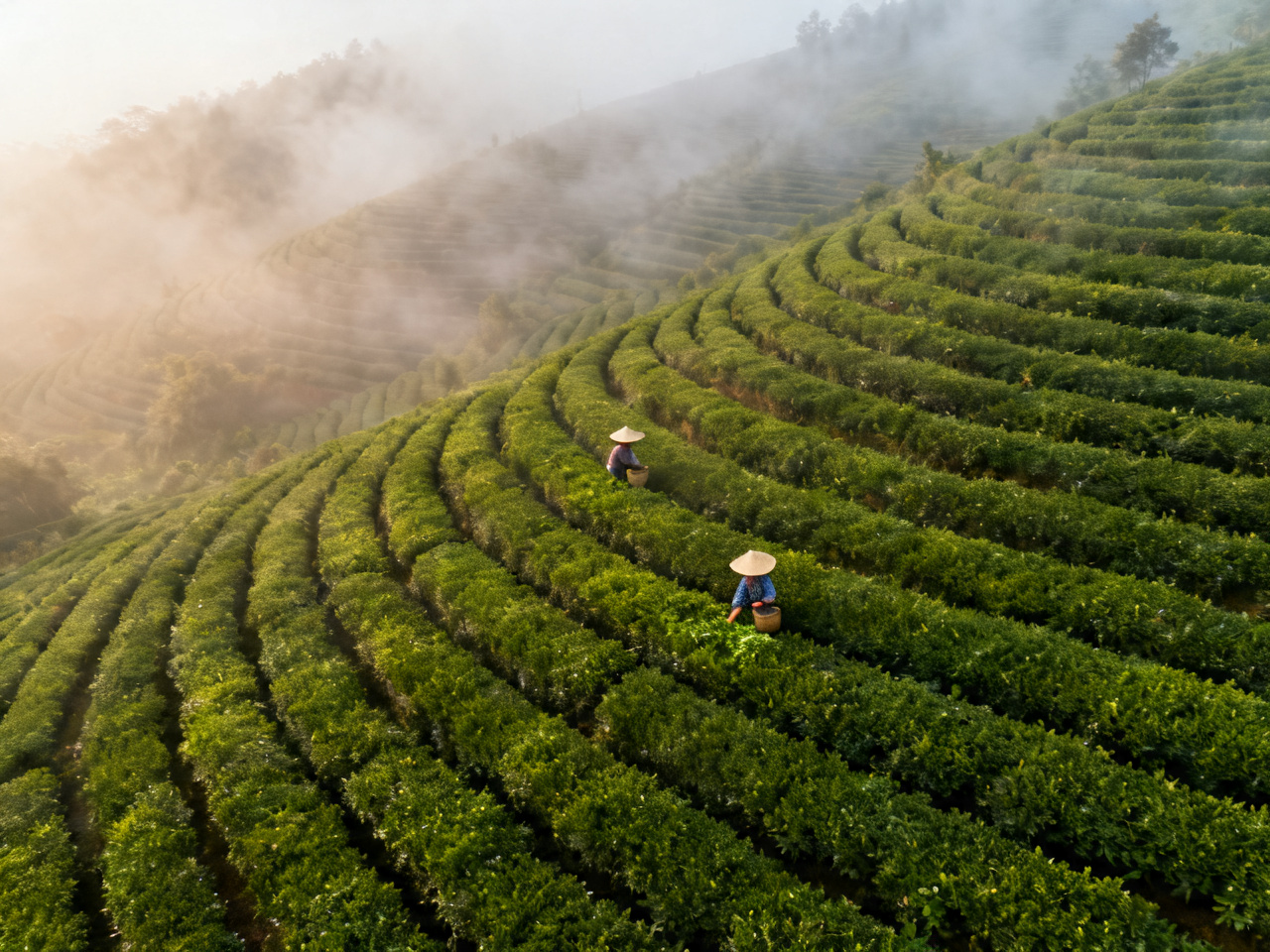
进阶级: 去产区。武夷山的岩茶、杭州的龙井、云南的普洱——在茶叶长出来的地方喝茶,感觉完全不同。特别是武夷山,那里的茶农很多都愿意接待访客,给你看从采摘到炒制的全过程。
Intermediate: Visit the growing regions. Wuyishan for rock oolong, Hangzhou for Longjing, Yunnan for pu'er — drinking tea where it grows feels completely different. Wuyishan in particular: many farmers there welcome visitors and walk you through the entire process, from picking to roasting.
深度级: 参加茶艺课。上海和成都有不少面向外国人的英文茶艺体验课,通常两到三小时,学完你至少能独立泡一壶功夫茶。
Deep dive: Take a tea ceremony class. Shanghai and Chengdu have quite a few English-language tea art classes aimed at foreigners, usually two to three hours. After completing one, you'll be able to brew a proper gong fu tea session on your own.
新式饮品:快的那一面 / New-Style Drinks: The Fast Side
如果传统茶是用两个小时喝出人生感悟,那新式茶饮就是——排队三十分钟,拿到一杯颜值爆表的饮料,拍照发社交媒体,然后在十分钟内喝完。
If traditional tea is spending two hours sipping toward life enlightenment, new-style tea drinks are — queuing for thirty minutes, getting a photogenic beverage, posting it to social media, and finishing it in ten minutes.

这两种形态在中国完全共存,并且互不diss。同一个年轻人,上午在公司楼下买一杯喜茶的"多肉葡萄",下午可能跑去老茶馆泡一壶铁观音。
These two forms coexist perfectly in China, with zero mutual disdain. The same young person might grab a HEYTEA "Grape Boom" downstairs from the office in the morning and head to a traditional teahouse to brew Tieguanyin in the afternoon.
三巨头对比 / The Big Three Compared
中国新式茶饮市场已经卷到了一个令人窒息的程度。但对游客来说,认识三个品牌就够了:
China's new-style tea drink market has reached a suffocating level of competition. But for tourists, knowing three brands is enough:
喜茶(HEYTEA): 定位高端,价格 20-40 元一杯。招牌是用真实水果和芝士奶盖做的茶饮。门店设计极其讲究,每家店的装修风格都不一样,有些已经变成了打卡地标。本人最推荐"多肉葡萄"——整颗巨峰葡萄手剥放进绿茶里,上面一层咸芝士奶盖。听起来怪,喝起来上瘾。
HEYTEA: Positioned as premium, 20–40 yuan per cup. Famous for real-fruit and cheese-cap tea drinks. Store design is meticulous — every location has different decor, some becoming Instagram landmarks themselves. My top recommendation: "Grape Boom" — whole hand-peeled Kyoho grapes in green tea with a salted cheese cap on top. Sounds strange. Tastes addictive.
霸王茶姬(CHAGEE): 近两年最猛的黑马,主打"原叶鲜奶茶"——也就是用真正的茶叶现泡,加鲜牛奶,不用奶精不用茶粉。价格 15-25 元,比喜茶便宜。招牌"伯牙绝弦"是一杯茉莉花茶 + 鲜奶的组合,茶味浓但不苦,奶味香但不腻。这家已经开到了东南亚和欧洲。
CHAGEE (Bawang Chaji): The fiercest dark horse of the past two years, focused on "original leaf fresh milk tea" — real tea leaves brewed fresh, mixed with real milk, no creamer, no tea powder. Priced at 15–25 yuan, cheaper than HEYTEA. Their signature "Boya Juexian" is jasmine tea + fresh milk — strong tea flavor without bitterness, milk aroma without heaviness. They've already expanded to Southeast Asia and Europe.
蜜雪冰城(Mixue / MIXUE Bingcheng): 国民级平价品牌。一杯柠檬水 4 元,一个冰淇淋 3 元。主打极致性价比。门店数量超过 36,000 家,比星巴克在中国的 7,000 多家多了四倍。它的主题曲"你爱我我爱你,蜜雪冰城甜蜜蜜"在中国的洗脑程度堪比"Baby Shark"。你走进去,这首歌大概率正在循环播放。
MIXUE (Mixue Bingcheng): China's national-level budget brand. A lemonade for 4 yuan, an ice cream for 3 yuan. Maximum value for money. Over 36,000 stores — more than four times Starbucks' 7,000+ locations in China. Its theme song, "You love me, I love you, Mixue Ice City so sweet," has reached "Baby Shark" levels of brain-worm status in China. Walk in, and it's probably playing on loop.
不仅是奶茶 / Beyond Milk Tea
新式饮品赛道不止奶茶:
The new-style drink category goes beyond milk tea:
现制咖啡: 瑞幸(Luckin Coffee)已经把咖啡的价格打到了 9.9 元一杯(常态优惠价)。在中国,喝咖啡的成本可能比你在自己国家还低。瑞幸的"生椰拿铁"是爆款中的爆款——椰浆加浓缩咖啡,不加糖也自带甜感。
Fresh-brewed coffee: Luckin Coffee has driven the price down to 9.9 yuan per cup (regular promotional price). In China, your coffee habit might cost less than back home. Luckin's "Coconut Latte" is the mega-hit of mega-hits — coconut milk plus espresso, naturally sweet without added sugar.
鲜榨果汁和椰子水: 几乎每个商场的负一楼都有鲜榨果汁店。15 元左右能买到一杯现切水果打的果汁,用料比你想象中实在。海南椰子水在南方城市随处可见,一整个椰子插根吸管,10 元左右。
Fresh-squeezed juice and coconut water: Almost every mall's basement floor has a fresh juice shop. About 15 yuan gets you a cup of juice from freshly cut fruit, with more generous portions than you'd expect. Hainan coconut water is everywhere in southern cities — a whole coconut with a straw stuck in, about 10 yuan.
对比:两种饮品文化的交汇 / Comparison: Where Two Drink Cultures Meet
| 维度 | 传统茶 | 新式饮品 |
|---|---|---|
| 时间成本 | 30分钟到半天 | 排队+制作 5-30分钟 |
| 社交属性 | 坐下来慢聊 | 买了就走(或拍照) |
| 价格 | 免费试喝到几千元一壶 | 4-40元一杯 |
| 健康度 | 零糖零添加 | 含糖量普遍偏高 |
| 文化深度 | 极深 | 浅但有趣 |
| 适合游客快速体验? | 需要时间和引导 | 直接进店点单 |
| Dimension | Traditional Tea | New-Style Drinks |
|---|---|---|
| Time investment | 30 min to half a day | Queuing + making: 5–30 min |
| Social function | Sit down, slow conversation | Grab-and-go (or photo op) |
| Price range | Free tasting to thousands per pot | 4–40 yuan per cup |
| Health factor | Zero sugar, zero additives | Generally high in sugar |
| Cultural depth | Extremely deep | Shallow but fun |
| Tourist-friendly for quick try? | Needs time and guidance | Walk in, order, done |
本人的建议是两种都试。用一个下午去茶城或茶馆坐坐,感受那种慢节奏;然后在逛街的间隙买一杯霸王茶姬或喜茶,感受年轻中国的那种快节奏和创造力。这两面合在一起,才是真实的中国饮品文化。
My suggestion: try both. Spend an afternoon at a tea market or teahouse, absorbing the slow tempo. Then, while shopping, grab a CHAGEE or HEYTEA and feel the speed and creativity of young China. Put these two sides together, and that's the real Chinese drink culture.
要是让本人只推荐一样东西给第一次来中国的人?去找一家街边的老茶馆,点一壶当地最普通的茶(告诉老板你什么都不懂就行),坐下来喝。茶好不好喝是其次,重要的是那个下午你会看到中国人怎样用一壶茶消磨时光——这个场景本身就是一杯好茶。
If I could recommend just one thing to a first-time visitor? Find a street-side old teahouse, order a pot of whatever the most common local tea is (just tell the owner you know nothing — they'll handle the rest), and sit down. Whether the tea tastes good is secondary. What matters is that afternoon you'll see how Chinese people while away time over a single pot — and that scene itself is the finest cup of tea.
延伸阅读 / Related Reads
- 中国八大菜系全览 | The 8 Great Cuisines of China
- 第一口就着了魔:一个外乡人在成都的麻辣沉沦 | Spellbound at First Bite: A Stranger's Descent into Chengdu's Heat
- 街头那碗热气,才是中国城市的真实体温 | Street Steam: The Real Pulse of Chinese Cities
- 花椒档案:一个植物学者眼中的四川味觉地图 | The Peppercorn Dossier: Sichuan's Flavor Map Through a Botanist's Eyes
- 华东五城10日经典环线 | 10-Day East China Five-City Loop
- 在上海弄堂里学会慢下来 | Learning to Slow Down in Shanghai's Lanes
- 国庆出行避坑指南 | National Day Travel Tips: Avoiding the Crowds
- 元旦跨年旅游目的地盘点 | New Year's Eve Travel Destinations Roundup
- 福州的榕树和路口一起告诉我,这座城是怎么往前走的 | Fuzhou’s Banyan Trees and Crossroads Showed Me How the City Moves
- 无锡下班路口最动人的,不是风景,而是每个人都知道怎么让一让 | What Moves Me Most at a Wuxi Rush-Hour Crossing Is Not the View but the Way People Yield
- 西安兵马俑:完整参观指南 | Xi an Terracotta Warriors: A Complete Guide
- 鸡鸣寺到城墙下那一段夜路,让我读懂南京为什么适合慢慢看 | The Night Stretch from Jiming Temple to the Foot of the Wall Showed Me Why Nanjing Rewards Slow Looking
- 走到一半就下城墙,是我在南京学会的第一个正确决定 | Getting Off the Wall Midway Was the First Right Decision I Learned in Nanjing
- 深圳夜里的便利店,让我看见中国城市的另一种安全感 | A Convenience Store at Night in Shenzhen Showed Me Another Kind of Urban Safety
- 合肥路口那些半秒钟的互让,比任何介绍都更像城市说明书 | The Half-Second Acts of Yielding at Hefei Crossings Explain the City Better Than Any Guide
Comments (0)