
中国人为什么这么在意"面子"? | Why Do Chinese People Care So Much About "Face"?
中国人为什么这么在意"面子"? | Why Do Chinese People Care So Much About "Face"?
我第一次意识到"面子"的重量,是在朋友婚礼上。
新娘的父亲坚持要在五星级酒店办婚宴,三十桌,每桌4000块,总价超过十二万。他月薪八千,为这场婚礼借了钱。不是因为他虚荣——他是真怕女儿"丢面子"。
My first real encounter with the weight of "face" was at a friend's wedding.
The bride's father insisted on a five-star hotel banquet — thirty tables, ¥4,000 each, total bill over ¥120,000. His monthly salary was ¥8,000. He borrowed money for this. Not out of vanity — he was genuinely afraid his daughter would "lose face."
"面子"到底是什么? / What Exactly Is "Face"?
英语里经常翻译成"face",但中文的"面子"至少包含两层:
脸(liǎn)——道德层面的社会评价。说话算数、做事靠谱,叫"有脸"。骗了人、赖了账,叫"丢脸"。
面子(miànzi)——社会地位层面的公众印象。你开什么车、住什么小区、孩子考了什么大学、请客点了几个菜——这些构成你的"面子"。
The English word "face" only partially covers it. Chinese "face" operates on at least two levels:
Liǎn (脸) — moral reputation. Keeping your word = "having liǎn." Cheating or defaulting = "losing liǎn."
Miànzi (面子) — social prestige tied to status. What car you drive, which neighborhood you live in, which university your kid got into, how many dishes you order when hosting — these compose your "miànzi." This dimension is especially pronounced in Chinese culture.
请客吃饭这件事 / The Dinner Table
理解"面子"最快的方式,是和中国朋友出去吃饭。
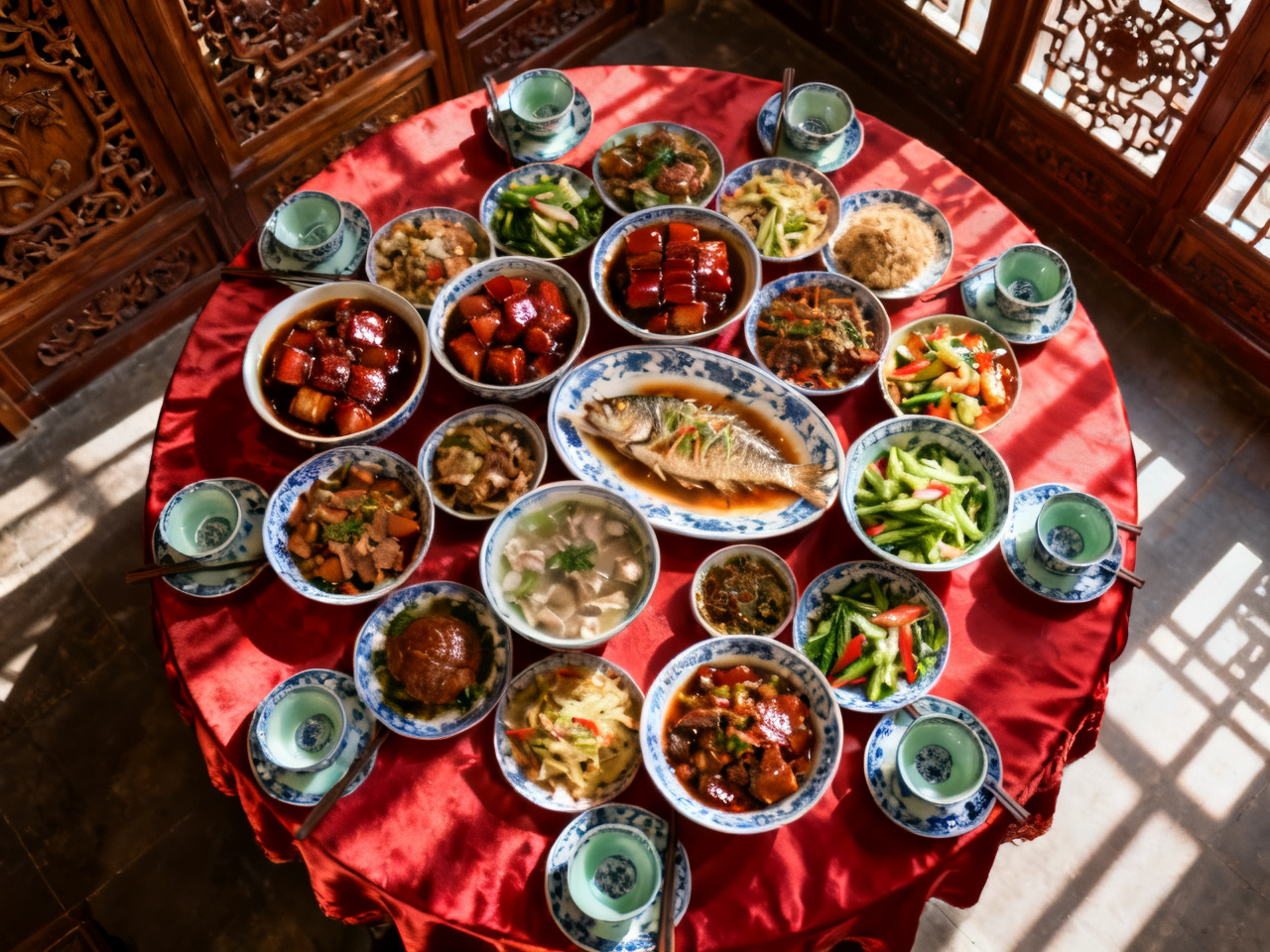
主人点菜的数量远超所需——六个人可能点十二个菜。吃不完没关系。点多了是面子,点少了是寒酸。 这就是为什么"光盘行动"推了这么多年还在推。
抢着买单也是面子的表现。两个人在收银台互相推搡——"我来我来""不行必须我来"——这不是演戏,是真的。谁付了钱,谁就"给了面子"。
The fastest way to understand "face" is to eat out with Chinese friends.
The host orders far more food than the table can finish — six people, twelve dishes. Leftovers are fine. Over-ordering signals generosity; under-ordering signals cheapness. This is why the government's "Clean Plate Campaign" has been running for years.
Fighting over the bill is another face arena. Two people physically wrestling at the cashier — "Let me pay!" "No, I insist!" — this is genuine. Whoever pays "gives face."
面子的历史根源 / Historical Roots
"面子"根植于中国几千年的关系社会(关系 guānxi)——在一个传统上缺乏完善法律和信用体系的社会里,信任建立在名声上。
你在村里的声誉决定了你能不能借到钱、娶到好媳妇、找到生意伙伴。声誉的载体就是"面子"。
到了现代,法律和信用体系已经建立,但面子文化的惯性依然巨大。
"Face" is rooted in thousands of years of Chinese relationship society (关系, guānxi) — where trust was built on reputation rather than legal systems.
Your standing in the village determined whether you could borrow money, marry well, or find business partners. "Face" was the vehicle for this reputation mechanism.
Modern China has legal and credit systems, but the inertia of face culture remains enormous.
外国人最常踩的坑 / Traps Foreigners Fall Into
在中国生活或做生意,有几条面子规则不知道会吃亏:
1. 不要在公开场合指出中国人的错误。 尤其对方有下属在场时——这叫"当众让人下不来台"。有什么问题,私下说。
2. 收到赞美,不要直接说"谢谢"。 中国人的反应是"哪里哪里""没有没有"——不是虚伪,是面子文化的谦虚机制。你直接说"Thank you, yes I am great"会让对方觉得你自大。
3. 送礼要匹配关系深度。 太贵了让人有压力(欠面子),太便宜了让人觉得不被重视(丢面子)。关于这一点,中国送礼学问有更详细的讲解。
4. 不要提AA制。 中国社交场合提出AA制通常会被认为"不够意思"。轮流请——今天你请,下次我请。
If you plan to live or do business in China, several face rules save real trouble:
1. Never point out someone's mistake in public. Especially with their subordinates present — this is "making someone unable to step down from the stage," the most severe form of "not giving face." Raise issues privately.
2. Don't just say "thank you" to compliments. The typical response is "哪里哪里" (not at all). A direct "Thank you, yes I am great" comes across as arrogant.
3. Gift value should match relationship depth. Too expensive creates pressure; too cheap signals disrespect. For more, see The Art of Gift Giving in China.
4. Don't suggest splitting the bill. In Chinese social contexts, going Dutch signals you don't care enough. Take turns hosting instead.
年轻人在反叛"面子"吗? / Are Young Chinese Rebelling?
部分在。
90后和00后确实对面子文化有更多反思。"精致穷"——表面光鲜实际很穷——就是年轻人自嘲面子消费的产物。越来越多人接受AA制、拒绝攀比、甚至在社交媒体上晒"省钱生活"。
但面子文化的底层逻辑——在意他人对自己的评价——几乎刻在社会化过程中。一个00后可能不在乎开什么车,但会在意学历、公司title、朋友圈的形象。载体变了,机制没变。
Partially.
Post-90s and post-00s generations show more critical awareness. "精致穷" (jīngzhì qióng — "exquisitely poor") was coined by young people mocking face-driven spending. More are accepting bill-splitting, rejecting status competition, even showcasing frugal lifestyles on social media.
But the underlying logic — caring about how others perceive you — is embedded during socialization. A Gen-Z Chinese person might not care about cars, but they care about their degree, job title, and curated WeChat Moments image. The vehicles change. The mechanism doesn't.

面子不是缺点也不是优点。它是一个有几千年历史的社会机制。作为外国人,你不需要完全融入面子文化,但理解它会让你在中国少踩坑。最简单的原则:给别人留余地,不要在公开场合让任何人难堪。
Face is neither a flaw nor a virtue. It's a social mechanism with thousands of years of history. As a foreigner, you don't need to adopt it fully — but understanding it saves countless missteps. The simplest principle: leave people room, and never embarrass anyone publicly.

- 读懂中国历史 | Understanding Chinese History
- 在景德镇看一只碗如何被做出来 | Watching a Bowl Take Shape in Jingdezhen
- 我在重庆学会先看楼层关系,再看地图距离 | In Chongqing I Learned to Read Vertical Space Before Map Distance
- 五月在西安城墙下看夜城,我第一次觉得历史不是课本里的东西 | Walking Xi'an's City Wall at Night in May Was the First Time History Stopped Feeling Like a Textbook
- 在成都点微辣,我才知道辣度不是翻译能完全解决的 | Ordering Mild Spice in Chengdu Taught Me Translation Cannot Fully Explain Heat
- 起飞前一夜,我把第一次中国独行准备明白了 | The Night Before Takeoff, I Finally Understood How to Prepare for My First Solo Trip to China
- 孔氏南宗家庙门口的豆腐脑,让我重新认识衢州的早晨 | A Bowl of Tofu Pudding Outside the Southern Confucius Temple Changed How I Saw Quzhou Mornings
- 泉州古城不适合一口气走完:我把海丝路线拆成几次停留 | Quanzhou Old City Is Not a One-Sitting Walk
- 夏季避暑胜地:高原与海岛 | Summer Escapes: Plateaus & Islands
- 在八大关和海边之间,我才明白青岛好走的从来不是直线 | Between Badaguan and the Waterfront, I Learned That Qingdao Is Never Best Read in a Straight Line
Comments (0)