
西安兵马俑与古城墙全攻略 | Xi'an: Terracotta Army & Ancient City Wall
西安兵马俑与古城墙全攻略 | Xi'an: Terracotta Army & Ancient City Wall
兵马俑是世界上最震撼的考古现场之一,但很多人去了之后觉得"就这样?"——问题不在景点,在于没有做好准备。古城墙则是西安最被低估的体验,骑车绕一圈才知道这座城市有多厚重。
The Terracotta Army is one of the world's most awe-inspiring archaeological sites, yet many visitors leave thinking "that's it?" — the problem isn't the site, it's going in unprepared. The Ancient City Wall, meanwhile, is Xi'an's most underrated experience: cycling the full circuit is the best way to feel the weight of this city.
兵马俑:怎么看才震撼 / Terracotta Army: How to Make It Hit
兵马俑距西安市区约40公里,打车约50分钟,或乘游5路公交(华清池/兵马俑方向)约1小时。门票120元,包含三个坑和铜车马展馆。
The site is about 40 km from Xi'an city center — roughly 50 minutes by taxi, or about 1 hour on Tourist Bus Line 5. Tickets cost ¥120, covering all three pits and the Bronze Chariot exhibition.
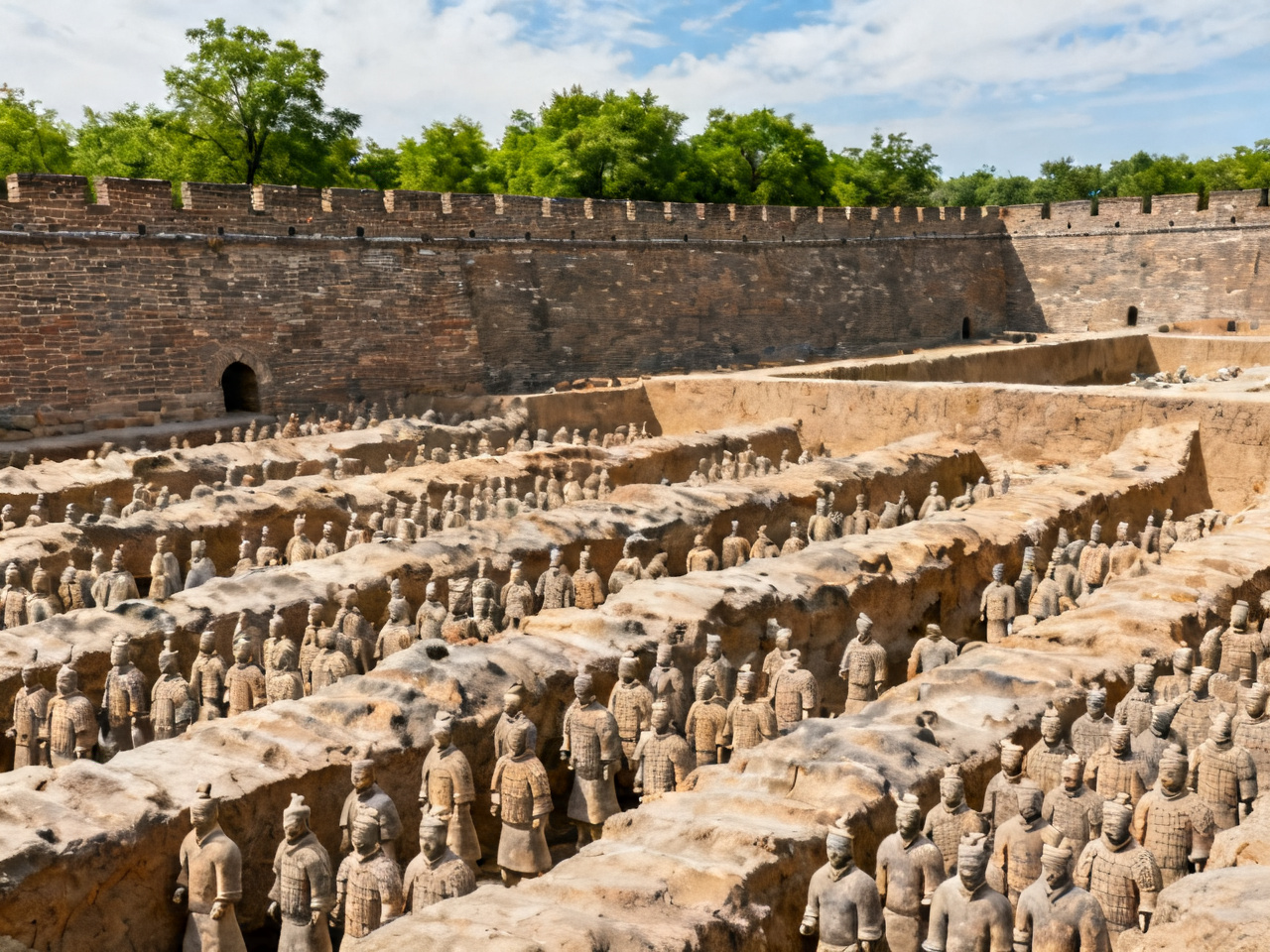
一号坑是核心,面积最大,有超过1000个已出土的陶俑排列成军阵。第一次走进去的视觉冲击是真实的——但要充分感受它,需要在坑边停留至少20分钟,而不是拍完照就走。找一个角度蹲下来,和陶俑视线齐平,你会看到每张脸都不一样。
Pit 1 is the centerpiece — the largest, with over 1,000 excavated warriors arranged in battle formation. The visual impact on first entry is real, but to fully absorb it, stay at least 20 minutes rather than snapping photos and moving on. Find an angle, crouch down to eye level with the figures, and you'll notice every face is different.
二号坑正在发掘中,可以看到考古工作的实际状态——部分区域仍是土坑,陶俑半埋其中。这种"进行时"的感觉比一号坑更有历史现场感。三号坑最小,是指挥部遗址,陶俑数量少但保存完整。
Pit 2 is actively being excavated — you can see the actual state of archaeological work, with some warriors still half-buried in earth. This "in progress" feeling is more viscerally historical than Pit 1. Pit 3 is the smallest, the command headquarters, with fewer but well-preserved figures.
强烈建议租一个中文或英文讲解器(30元),或者提前在网上找一篇背景介绍读一读。不了解秦始皇统一六国的历史背景,兵马俑只是一堆泥人;了解了之后,它是2200年前一个皇帝对永生的执念。
Strongly recommend renting an audio guide (¥30, available in English) or reading background material beforehand. Without knowing the context of Qin Shi Huang's unification of China, the warriors are just clay figures. With it, they're a 2,200-year-old emperor's obsession with immortality.
古城墙:骑车还是步行 / City Wall: Bike or Walk
西安古城墙建于明朝,周长13.74公里,是中国保存最完整的古代城墙。门票54元,租自行车另付45元(双人协力车54元)。
Xi'an's city wall was built during the Ming Dynasty, stretching 13.74 km in circumference — the best-preserved ancient city wall in China. Entry ¥54; bike rental ¥45 extra (tandem bikes ¥54).
骑车绕一圈约1.5小时,是最推荐的方式。步行全程需要3小时以上,大多数人走到一半就累了。城墙上视野开阔,内侧是老城区的屋顶和树冠,外侧是护城河和现代城市,这种新旧并置的景观在中国城市里很少见。
Cycling the full circuit takes about 1.5 hours — the recommended approach. Walking takes 3+ hours and most people give up halfway. The wall offers wide views: the old city's rooftops and tree canopy on the inside, the moat and modern city on the outside. This juxtaposition of old and new is rare among Chinese cities.
傍晚骑车是最佳时间——夕阳把城砖染成橙红色,城墙上人少,护城河边的灯光开始亮起。避开正午,夏天城墙上没有遮阴,暴晒难受。
Evening cycling is the best time — sunset turns the bricks orange-red, crowds thin out, and the moat lights begin to glow. Avoid midday; in summer the wall has zero shade and the heat is brutal.
回民街:吃什么 / Muslim Quarter: What to Eat
古城墙南门步行10分钟可到回民街。这条街已经很商业化,但几样东西还是值得吃:羊肉泡馍(掰馍是仪式的一部分,自己动手掰碎)、凉皮(米皮或面皮,加辣椒油)、肉夹馍(认准白吉馍,不是汉堡面包)。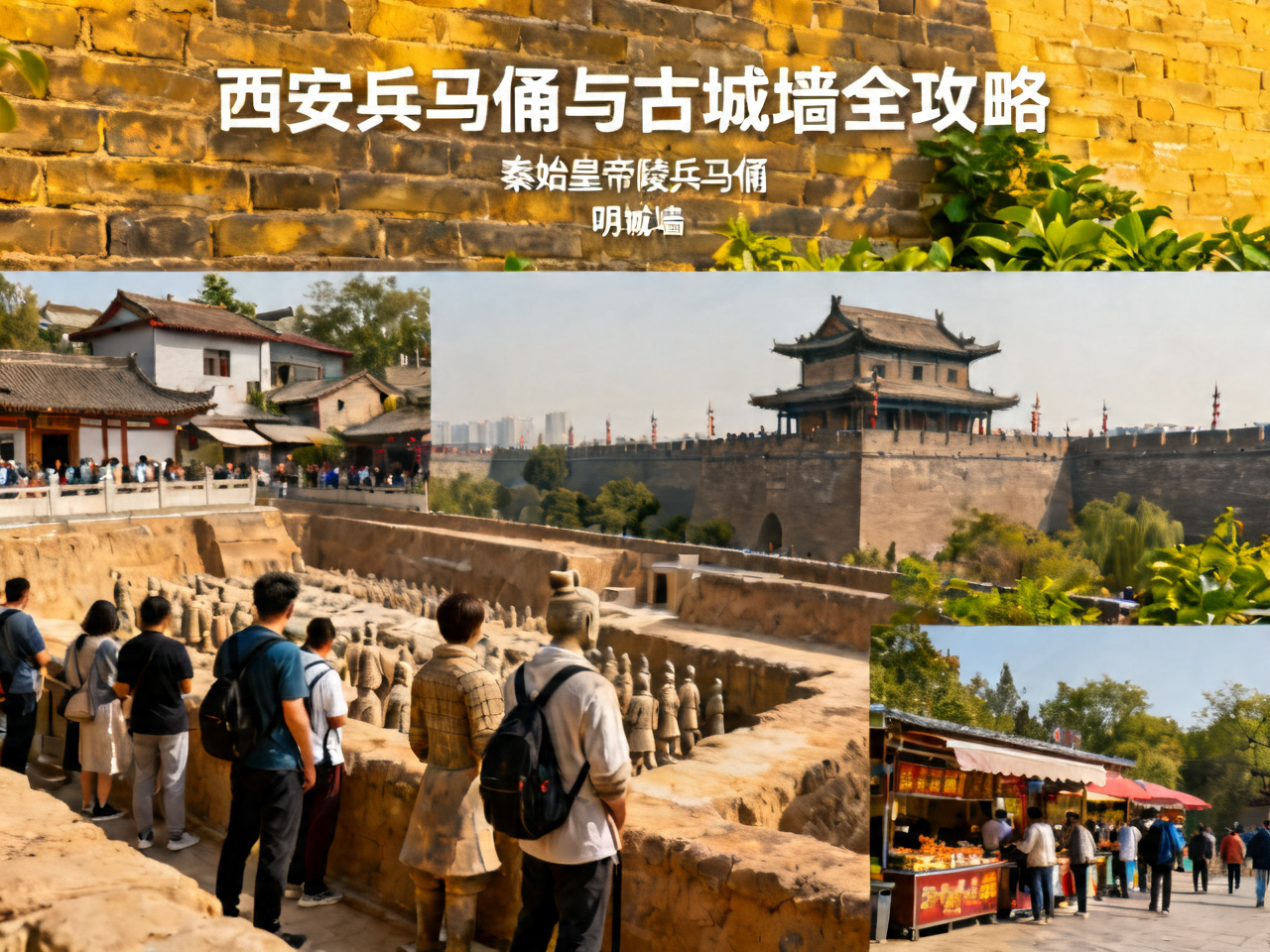
A 10-minute walk from the South Gate brings you to the Muslim Quarter. It's commercialized, but a few things are still worth eating: yangrou paomo (lamb soup with bread — tearing the bread yourself is part of the ritual), liangpi (cold noodles with chili oil), and roujiamo (meat sandwich — look for the baked bun, not a burger bun).
避开街边的"网红小吃"摊,找有排队的本地人的店。价格参考:羊肉泡馍25-40元,凉皮8-12元,肉夹馍10-15元。
Skip the "internet-famous snack" stalls and find shops with local queues. Price reference: yangrou paomo ¥25-40, liangpi ¥8-12, roujiamo ¥10-15.
行程建议 / Itinerary
第一天:早上出发去兵马俑(建议9点前到,避开旅游团高峰),下午返回市区,傍晚骑城墙,晚上回民街吃饭。
Day 1: Head to the Terracotta Army in the morning (arrive before 9 AM to beat tour groups). Return to the city in the afternoon, cycle the wall at dusk, dinner in the Muslim Quarter.
第二天:大雁塔(唐朝地标,门票50元,塔内登顶另付30元)、陕西历史博物馆(免费,需提前网上预约,是理解兵马俑背景的最佳补充)。
Day 2: Big Wild Goose Pagoda (Tang Dynasty landmark, ¥50 entry, ¥30 extra to climb), Shaanxi History Museum (free, requires advance online booking — the best complement to understanding the Terracotta Army).
延伸阅读 / Related Reads
- 华东五城10日经典环线 | 10-Day East China Five-City Loop
- 丽江古城深度游:纳西文化与雪山美景 | Lijiang Old Town: Naxi Culture & Snow Mountain Views
- 张家界玻璃桥与天门山攻略 | Zhangjiajie Glass Bridge & Tianmen Mountain Guide
- 桂林漓江山水游全攻略 | Guilin Li River Scenic Tour Complete Guide
- 春季赏花地图:全国最美花海 | Spring Bloom Map: China's Most Beautiful Flower Fields
- 重庆不需要滤镜:一座让赛博朋克自惭形秽的城市 | Chongqing Needs No Filter: A City That Makes Cyberpunk Feel Inadequate
- 中国购物砍价技巧:市场景区与网购 | Bargaining in China: Markets, Scenic Spots & Online Shopping
- 保温杯没有拧紧的那一刻,我才懂宜春的温泉不是赶场项目 | When My Thermos Came Loose, I Understood That Yichun’s Hot Springs Are Not a Race
- Long Time No See——那些偷偷混进英语的中式表达 | Chinese Expressions That Snuck Into English When Nobody Was Looking
- 我在杭州小馆里第一次听懂“清淡一点” | In a Hangzhou Eatery, I Finally Understood “A Little Lighter”
- 中国旅游网络与上网指南 | Internet & Connectivity Guide for China Travel
- 在贵阳换乘的三次支付,教我给旅途留一点现金 | Three Payments in Guiyang Taught Me to Keep Some Cash
- 呼和浩特被雨洗亮以后,连烧麦店门口的白雾都值得慢慢看 | After Rain Brightened Hohhot, Even the Steam Outside a Shaomai Shop Was Worth Slowing For
- 那本被果汁弄湿的拼音本,让本人第一次学会声调不是唱歌,而是方向 | A Pinyin Notebook Spilled with Juice Taught Me That Tones Are Not Singing but Direction
- 来华游客必备清单:证件/通讯/支付一站搞定 | Essential Checklist for Visitors to China
Comments (0)