
我第一次坐中国夜间高铁,发现安静也是一种旅行服务 | On My First Evening High-Speed Train in China, Quiet Became Part of the Service
我第一次坐中国夜间高铁,发现安静也是一种旅行服务 | On My First Evening High-Speed Train in China, Quiet Became Part of the Service
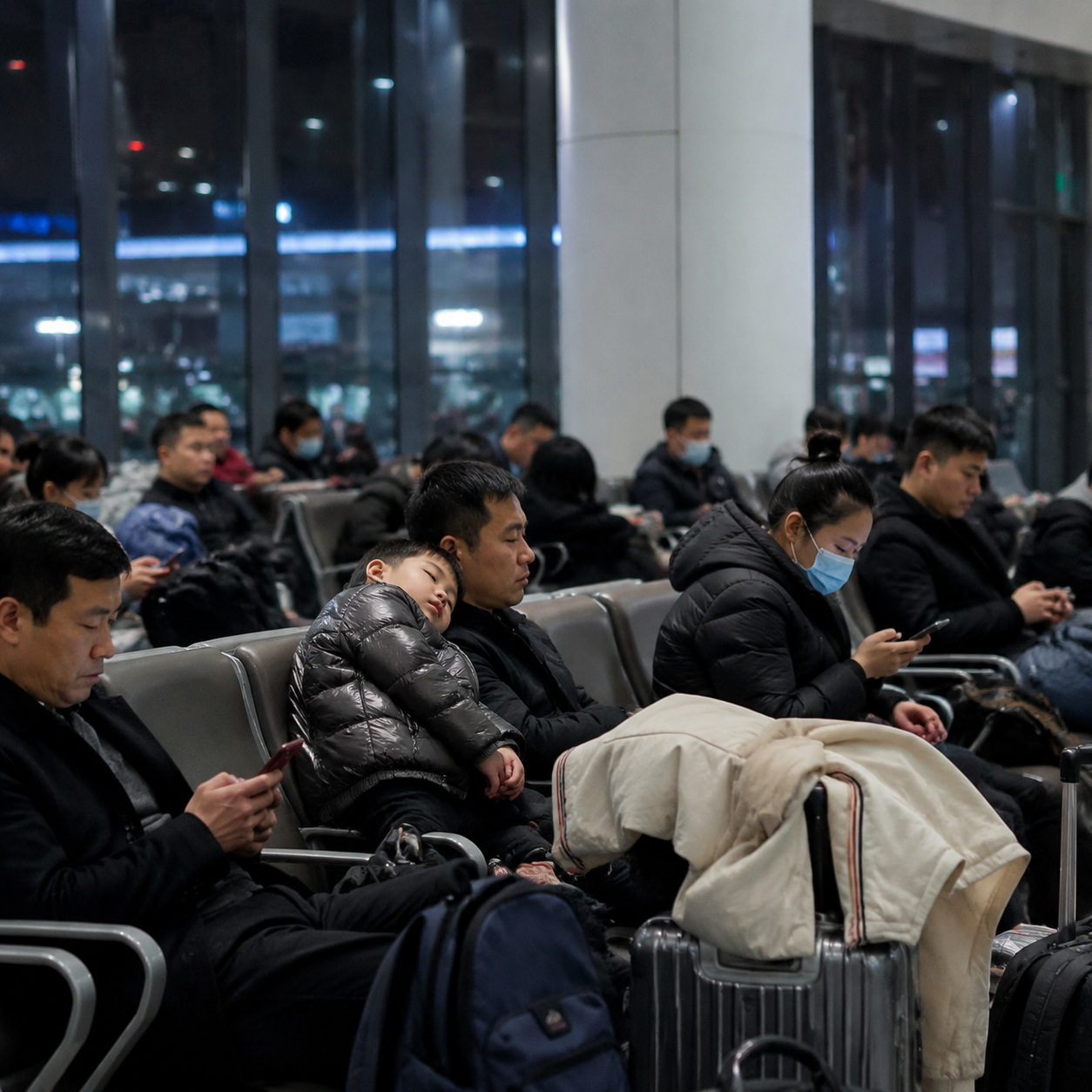
我第一次坐中国夜间高铁,是从南京去长沙。车票上的发车时间是晚上八点四十六分,不算深夜,却已经过了白天旅行最兴奋的时段。白天的高铁站像一个不断刷新信息的屏幕,到了晚上,候车厅的灯还是亮的,人声却往下沉了一层。有人把外套搭在行李箱上,有人低头吃完最后几口饭,还有孩子趴在父亲肩膀上,眼睛睁着,身体已经开始睡。
My first evening high-speed train in China was from Nanjing to Changsha. The ticket said 8:46 p.m., not exactly late at night, but already past the most excited hour of daytime travel. In the day, a high-speed rail station feels like a screen refreshing nonstop. In the evening, the lights are still bright, yet the sound of the hall drops by one layer. Someone lays a jacket over a suitcase, someone finishes the last bites of dinner, and a child rests on his father’s shoulder with open eyes while his body is already falling asleep.
我以前以为夜间交通的服务重点是速度和准点。只要车能来、能走、能按时到达,其他事情都算附加。可那晚我坐上车之后,最先感到的不是速度,而是一种被整理过的安静。它不是完全无声,也不是要求所有人立刻进入睡眠,而是整列车像把音量旋钮轻轻往左转了几格,让每个人都能在自己的小空间里放松下来。
Before that trip, I assumed the main service of night transport was speed and punctuality. If the train arrived, departed, and reached the destination on time, everything else seemed secondary. But after I boarded that evening, the first thing I noticed was not speed. It was a carefully arranged quietness. It was not absolute silence, and it did not force everyone to sleep at once. The whole train simply seemed to turn the volume knob a few notches to the left, giving each passenger a smaller, calmer space.
检票口开放时,队伍没有白天那么急。大家仍然走得很快,但少了那种互相抢先的锋利感。工作人员的声音也放轻了些,提醒车次、站台和车厢方向时,语速清楚,却不高。电梯上有拖箱轮子的声音,金属踏板传来规律的震动。我跟着人流上站台,看见车身停在灯下,银色外壳把夜色映成一条暗蓝的线。
When the gate opened, the line did not feel as sharp as it often does during the day. People still moved quickly, but there was less of the edge of trying to get ahead of one another. The staff spoke more softly too. When they announced the train number, platform, and carriage direction, their words were clear but not loud. On the escalator, suitcase wheels clicked against the metal steps. I followed the crowd to the platform and saw the train waiting under the lights, its silver body reflecting the night as a dark blue stripe.
上车后,我第一件事是找座位旁的行李位置。白天乘车时,大家常常还带着计划清单和拍照心情,包放好以后会立刻讨论下一站吃什么、去哪条街。那天晚上不一样。行李架上升得很快,但人声没有跟着升高。有人把背包推到架子内侧,有人把保温杯放进座椅网袋,动作都像怕惊动什么。车厢不是空的,可拥挤感被这种克制削薄了。
After boarding, my first task was to find space for my bag. On daytime trains, passengers often carry a list of plans and a mood for photos. Once the luggage is settled, conversations immediately turn to what to eat at the next stop or which street to visit. That evening was different. The luggage racks filled quickly, but the voices did not rise with them. Someone pushed a backpack deeper onto the rack; someone placed a thermos into the seat pocket. Every movement seemed careful not to disturb something. The carriage was not empty, yet the crowding felt thinner because of that restraint.
我坐在靠窗的位置。窗外一开始还能看见站台上举着手机的人、穿反光背心的工作人员、远处便利店招牌的光。列车启动后,这些细节很快被拉成线,再被黑色吞掉。车厢内的灯没有刺眼到让人清醒,也没有暗到让人紧张。它像酒店走廊的灯,告诉你公共空间还在工作,但也允许你把身体交给夜晚。
I sat by the window. At first I could still see people holding phones on the platform, staff in reflective vests, and the sign of a convenience store in the distance. After the train moved, those details stretched into lines and then disappeared into blackness. The carriage lights were not bright enough to make people fully alert, nor dim enough to create unease. They felt like hotel corridor lights: a reminder that the public space was still functioning, while also allowing your body to lean into the night.
那晚我开始注意一些白天不会认真看的服务细节。广播仍然报站,但音量比我预想的柔和,重要信息重复得足够清楚,却没有把人从半睡半醒里硬拽出来。乘务员经过时,脚步很稳,推车轮子压过地面接缝的声音也不突兀。有人需要热水,她停下、接过杯子、提醒小心烫,整个过程像在图书馆里完成。
That night I began to notice service details I would not have studied during the day. Announcements still reported stations, but the volume was gentler than I expected. Important information was repeated clearly enough, yet it did not pull people roughly out of a half-asleep state. When the attendant walked through, her steps were steady, and the trolley wheels crossing the floor joints did not sound harsh. When someone wanted hot water, she stopped, took the cup, and reminded the passenger to be careful. The whole exchange felt as if it were taking place in a library.
我身边坐着一位出差回家的工程师。他把电脑拿出来,又很快合上了。屏幕亮起那一下,照出他脸上的疲惫。他看了看周围,把手机调成静音,插上耳机,却没有播放视频,只打开一篇文章慢慢读。过了几分钟,他把头靠在座椅上睡着了。那一刻我突然觉得,夜间高铁照顾的不只是旅客的移动,也照顾他们一天结束后的剩余力气。
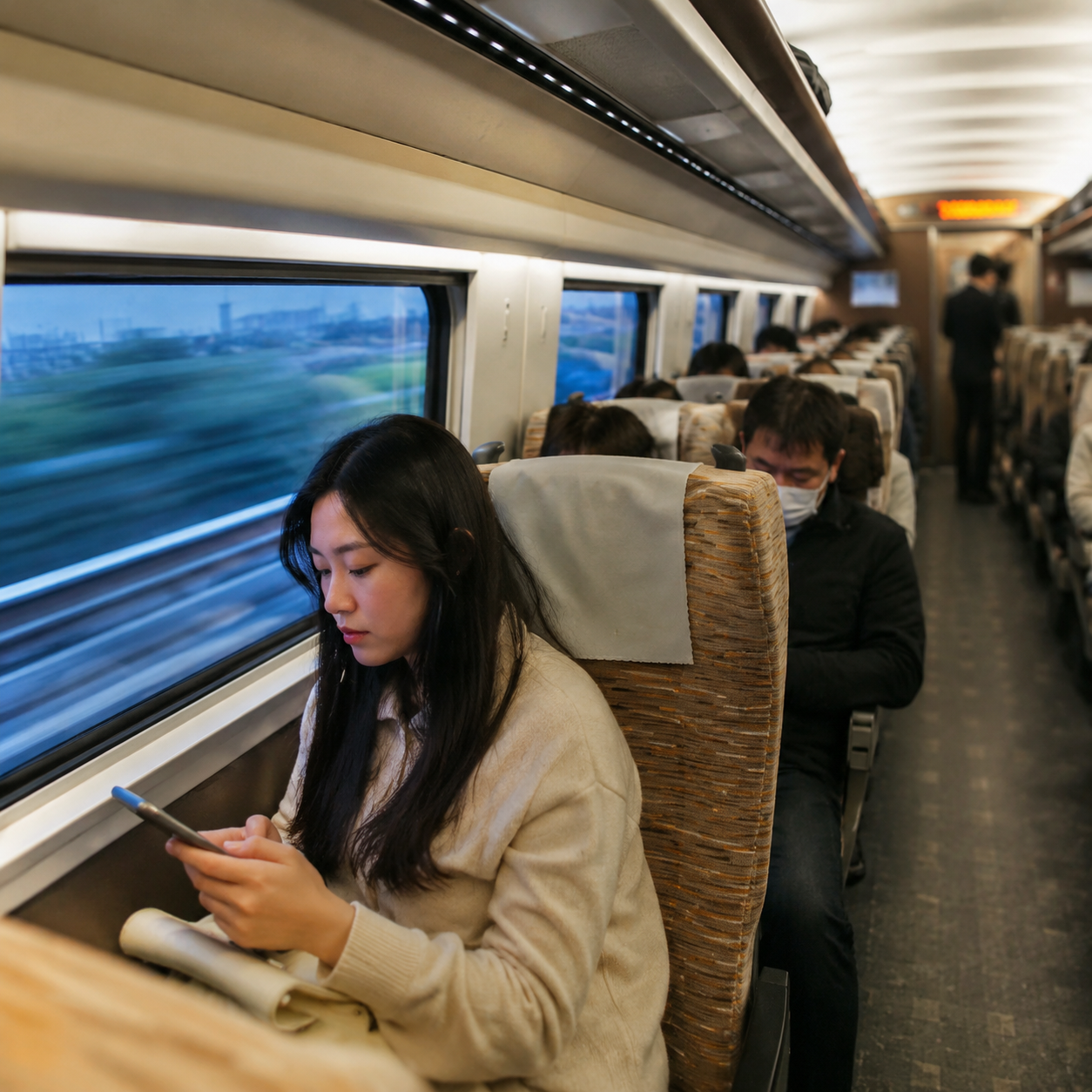
Beside me sat an engineer returning home from a business trip. He took out his laptop, then closed it almost immediately. The brief glow of the screen showed the tiredness on his face. He looked around, put his phone on silent, inserted his earphones, but did not play a video. He opened an article and read slowly. A few minutes later, he leaned his head against the seat and fell asleep. In that moment I felt that evening high-speed rail was not only serving movement; it was also protecting the small amount of strength people had left at the end of the day.
车厢里的安静并不来自一条单独的规定,而是很多小选择叠在一起。有人接电话时会先起身走到车厢连接处,声音压得很低;有人拆零食包装,会停一下,尽量不把塑料袋揉得太响;有人带孩子,就把故事讲成耳语。没有人把这些动作当成表演,它们更像夜间公共交通里一种默认的礼貌。
The quietness in the carriage did not come from one single rule. It came from many small choices stacked together. When someone answered a call, they first stood up and moved toward the vestibule, keeping their voice low. When someone opened a snack, they paused and tried not to make the plastic wrapper crackle too loudly. A parent with a child turned a story into a whisper. No one treated these actions as a performance. They felt more like a default courtesy of nighttime public transport.
我也发现,夜间高铁的秩序感和白天不同。白天的秩序像一张清晰的流程图:排队、检票、找车厢、放行李、落座。晚上则更像一块软垫,重点不是催促你完成动作,而是让每个动作不要太硬。比如过道里有人起身取包,旁边的人会把腿收得更彻底;有人从睡梦中被站名提醒惊醒,邻座会稍微让出一点空间,让他确认车票和行李。
I also noticed that the order of evening high-speed rail differs from daytime order. Daytime order is like a clear flowchart: queue, scan the ticket, find the carriage, store luggage, sit down. Evening order is more like a cushion. Its purpose is not to push you through each action, but to make every action less hard. When someone stands in the aisle to take a bag, nearby passengers pull their legs in more carefully. When a station announcement wakes someone suddenly, the seatmate gives a little extra room so the person can check the ticket and luggage.
列车经过安徽一带时,窗外几乎没有景色,只有偶尔出现的村镇灯光。它们在黑暗里闪一下,像有人从远处打开又合上抽屉。我原本准备看完一集纪录片,结果只看了十分钟就关掉。不是因为无聊,而是因为车厢把我带进了一种不需要填满时间的状态。平时旅行总想抓住每一段空闲,到了那晚,我愿意让空闲保持空着。
As the train passed through parts of Anhui, there was almost no scenery outside, only the occasional lights of towns and villages. They flashed in the darkness like drawers opened and closed far away. I had planned to watch a documentary episode, but I turned it off after ten minutes. Not because I was bored, but because the carriage brought me into a state where time did not need to be filled. Usually, travel makes me want to use every free minute. That night, I was willing to let free time remain free.
中途停靠时,车门打开,冷空气从站台涌进来。几位乘客下车,几位乘客上车。白天停站像一次短暂的交换,晚上停站更像一场轻声的交接。新上车的人会本能地看一眼车厢内的状态:谁在睡,哪里有行李,过道是否能走。然后他们把动作放慢,把外套袖子从背包带里抽出来,尽量不碰到旁边人的肩膀。
At intermediate stops, the doors opened and cold air from the platform rushed in. A few passengers got off, and a few boarded. A daytime stop feels like a quick exchange. An evening stop feels more like a quiet handover. New passengers instinctively look at the carriage: who is sleeping, where the luggage is, whether the aisle is clear. Then they slow their movements, pull a coat sleeve free from a backpack strap, and try not to touch anyone’s shoulder.
我开始理解,安静为什么能成为一种服务。它不是把责任全部推给乘客,说你们自己小声一点就好;它也不是靠生硬的提醒制造压力。真正有效的安静,是设施、人员和乘客共同形成的环境。灯光别太锐利,广播别太突然,通道别堆满,工作人员别用急促的方式处理小事,乘客也愿意把自己的存在感收小一点。
I began to understand why quiet can become a form of service. It does not mean shifting all responsibility to passengers and simply telling everyone to be quieter. Nor does it mean creating pressure through stiff reminders. Effective quietness is an environment formed by facilities, staff, and passengers together. Lights should not be too sharp, announcements should not be too sudden, aisles should not be blocked, staff should not handle small issues in a hurried manner, and passengers should be willing to reduce the size of their own presence.
这和普通意义上的豪华服务很不一样。没有人给我递来特别精致的点心,也没有人用夸张的热情问我是否满意。可是当我能在两个城市之间安全地坐着、稍微休息、不用被噪音反复打断时,我感到一种更朴素的被照顾。旅行者有时需要的不是惊喜,而是一个可以恢复体力的过程。
This is very different from luxury service in the usual sense. No one handed me an especially delicate dessert, and no one asked with exaggerated warmth whether I was satisfied. But when I could sit safely between two cities, rest a little, and not be repeatedly interrupted by noise, I felt a plainer kind of care. Sometimes travelers do not need surprise. They need a process in which their energy can return.
快到长沙前,广播提前提醒到站信息。许多人几乎同时醒来,但车厢没有马上乱起来。大家先伸手摸手机,再确认包和外套,然后才慢慢站起。我也把小桌板收好,检查座位缝里有没有掉东西。那位工程师醒来后看了一眼窗外,像是还没完全从睡梦里出来,却已经知道自己快到家了。
Before arriving in Changsha, the announcement reminded us of the station in advance. Many people woke up almost at the same time, but the carriage did not become chaotic. People first reached for phones, then checked bags and coats, and only then slowly stood up. I folded the tray table and checked the gap around my seat for anything I might have dropped. The engineer beside me looked out the window after waking, as if he had not fully left his sleep, yet already knew he was close to home.
下车时我回头看了一眼车厢。座椅靠背恢复直立,过道重新空出来,几只纸杯被带走,没有留下明显的狼藉。站台上的夜风比车里冷,城市灯光从远处铺过来。我忽然觉得,夜间高铁最难得的地方,不是它把白天的效率延长到夜里,而是它知道夜晚不能只复制白天。
When I got off, I looked back at the carriage. Seatbacks had returned upright, the aisle was clear again, and several paper cups had been taken away. There was no obvious mess. The night wind on the platform was colder than inside the train, and the city lights spread from the distance. I suddenly felt that the most valuable thing about evening high-speed rail was not that it extended daytime efficiency into the night. It was that it understood night should not merely copy day.
如果你第一次在中国坐夜间高铁,我会建议你把观察重点从“快不快”扩大到“稳不稳、静不静、累不累”。提前把行李放在容易取的位置,手机调低亮度,接电话时去连接处,听到到站提醒后再从容整理。你会发现,配合这种安静并不难,而且它会反过来照顾你,让长距离移动不再像一场硬撑。
If you take an evening high-speed train in China for the first time, I would suggest expanding your attention from “Is it fast?” to “Is it steady, quiet, and not too tiring?” Place your luggage where it can be retrieved easily, lower your phone brightness, move to the vestibule for phone calls, and organize your things calmly after hearing the arrival reminder. You may find that joining this quietness is not difficult, and it will care for you in return, making long-distance movement feel less like endurance.
那天晚上走出长沙南站时,我没有立刻叫车,而是在出口外站了一会儿。身后还有乘客陆续出来,拖箱声回到城市地面,声音比车厢里更散。我想到刚才那几个小时:没有戏剧性的故事,没有特别惊险的转折,却让我记住了中国高铁服务中很细的一面。它不仅把人送到远方,也在夜里替人保留了一点安宁。
When I walked out of Changsha South Railway Station that night, I did not call a car immediately. I stood outside the exit for a while. Passengers continued to come out behind me, and the sound of suitcase wheels returned to the city pavement, looser than it had been inside the carriage. I thought about the past few hours: no dramatic story, no dangerous turn, yet I remembered a very fine side of China’s high-speed rail service. It does not only send people far away. At night, it also preserves a little peace for them.
- 一顿家常饭把我教会了中国式礼貌:什么时候该夹菜,什么时候别急着说不 | One Home-Style Meal Taught Me Chinese Politeness: When to Accept Food and When Not to Refuse Too Fast
- 天还没热起来,长安早市已经把一天的味道摆出来了 | Before the Heat Rose, Chang'an's Morning Market Had Already Laid Out the Flavor of the Day
- 广州夜里最好走的那条线,往往不是最热闹的,而是最知道什么时候该坐下的 | Guangzhou’s Best Night Route Is Rarely the Loudest One but the One That Knows When to Sit Down
- 陪父母去乌镇的那个雨天,我第一次不再把“安排周全”当成孝顺 | A Rainy Day in Wuzhen with My Parents Taught Me That Love Is Not the Same as Overplanning
- 很多人第一次敢把中国行程定下来,往往是因为先在上海找到了顺手感 | Many People Finally Commit to a China Trip Because Shanghai Gives Them a First Sense of Ease
- 雾江边的一晚重庆火锅 | A Foggy-River Evening of Chongqing Hotpot
- 桂林码头清晨的雾,教我别把山水只当背景 | Morning Mist at a Guilin Pier Taught Me Not to Treat Landscape as Background
- 十月赏银杏:满城尽带黄金甲 | October Ginkgo Season: When China Turns to Gold
- 一笼一世界:在茶楼里读懂广东人 | One Basket, One World: Reading Cantonese Culture Through Dim Sum
- 九月开学季:短途周末游推荐 | September Weekend Getaways Near the City
Comments (0)