
南京这座城最难拍准的地方,是城墙底下那些还在发生的今天 | The Hardest Thing to Capture Accurately in Nanjing Is the Living Present Beneath Its Walls
他们写南京时最容易先拍城墙和历史重量,但真正让路线成立的是层次怎么落到脚边 | What Foreign Creators Notice First in Nanjing Is the Wall and Historical Weight, but What Truly Makes the Route Work Is How Those Layers Reach the Ground
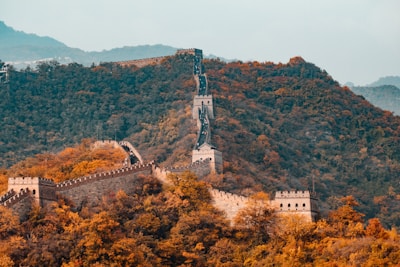
国外博主一写南京,最先被抓住的往往是两类东西:一类是很直观的——城墙、城门、秦淮、梧桐、轴线感;另一类则更难拍清楚——这座城市里历史层次不是挂在说明牌上,而是经常直接压到街道和步行感上。正因为如此,南京特别适合被写成第三人称报道体。它不是那种只靠一个名胜就能解释的地方,而是一座会让人一边走,一边慢慢发现“哦,原来这里不是一个时间层,而是好几层同时露在外面”的城市。
When foreign creators write about Nanjing, they are usually first caught by two kinds of things. The first is visually straightforward: walls, gates, the Qinhuai area, plane trees, and a strong axial feeling. The second is harder to film clearly: historical layers in Nanjing do not remain safely attached to museum labels. They often press directly onto the street and onto the feeling of walking itself. That is exactly why Nanjing suits a third-person reported format so well. It is not a place explained by one landmark alone, but a city that gradually reveals, step by step, that several historical layers remain exposed at the same time.
TravelCN 如果只把南京写成“古都 + 民国气质 + 城墙”,文章会很快变成标签堆叠。真正值得拆开的,是这些层次到底怎么被走进来:先从什么空间开始,什么适合白天,什么适合晚上,哪些地段会让人更容易读懂南京,哪些地段则应该留到读者已经有一点背景和耐心以后再碰。国外博主如果把这种层次感拍到了,站内最该做的不是继续堆名词,而是把进入顺序讲清楚。
If TravelCN writes Nanjing merely as “ancient capital plus Republican-era mood plus city wall,” the article quickly turns into stacked labels. What truly deserves breaking down is how these layers are entered in practice. Where should the route begin? Which parts belong to daytime? Which belong to evening? Which districts help a visitor read Nanjing more easily, and which should wait until the reader has already built a little context and patience? If foreign creators capture this layered quality, the site’s task is not to add more terminology. It is to clarify the sequence of entry.
南京最值得被写清楚的,不是“厚重”,而是“厚重怎么不压人” / What Most Needs Clarifying in Nanjing Is Not That It Is Heavy, but How That Heaviness Avoids Crushing the Traveler
历史城市最容易出现的问题,是内容一厚就把人压得没法靠近。南京其实很有趣,它虽然有重量,却并不总是靠压迫感建立记忆。很多时候,它反而是通过街边树影、城墙边的风、河道、坡度不大的步行和夜里亮起来的旧街区,把这些重量一点点分散开。这样一来,读者不会觉得自己在被一整块历史往下压,而会觉得自己正在一层层接近它。
Historic cities often run into the same difficulty: once the content becomes heavy, it becomes hard for the traveler to approach. Nanjing is interesting precisely because, while it does carry weight, it does not always build memory through pressure. Very often, it diffuses that weight through tree shade beside the street, wind along the city wall, water channels, gently sloped walking, and old districts that come alive at night. Because of this, the reader does not feel pushed down by one huge block of history. The reader feels as though that history is being approached layer by layer.
这也是为什么,国外博主如果真的把南京拍顺,TravelCN 最该学的不是哪几个镜头最有氛围,而是这种“重而不闷”的路线结构。它说明南京不应该被当成一份死板的历史作业,而应该被写成一种能慢慢把读者拉进来的城市阅读方式。
That is why, if foreign creators truly get Nanjing right, the lesson TravelCN should learn is not which atmosphere shot worked best, but this route structure of heaviness without suffocation. It shows that Nanjing should not be treated like a rigid history assignment. It should be written as a way of reading a city that gradually draws the traveler in.
真正值得写明白的,还有南京怎样把“历史”拆回普通步行 / What Also Needs Explaining Clearly Is How Nanjing Breaks History Back Down into Ordinary Walking
很多人一提历史城市,就先想到要补背景、背名字、记节点。可南京真正高明的地方,是它并不总要求旅行者先知道再进去。很多时候,是街边先把人接住:树影、坡度不大的街、临水的边缘、吃饭时听见的城市声,再慢慢把“历史”从一个抽象名词,拆回一种脚底可以接受的步行密度。国外博主如果把这种变化拍出来,TravelCN 最该继续写,因为这说明南京不是只能被讲解的城市,它也是能被感受到的城市。
Many people hear historic city and immediately imagine that they must first study context, memorize names, and learn chronology. What Nanjing does unusually well is that it does not always demand knowledge before entry. Quite often, the street receives the traveler first: tree shade, gently sloped roads, water at the edge, the ordinary sound of the city during a meal. Only later does history return, no longer as an abstract noun, but as a walking density the body can actually accept. If foreign creators capture that shift, TravelCN should absolutely continue the explanation, because it shows that Nanjing is not only a city that must be interpreted. It is also one that can be felt.
南京真正会打动第一次来中国的读者的,不只是“历史很厚”,而是“你仍然能在里面走得进去” / What Truly Moves a First-Time Reader About Nanjing Is Not Only Its Historical Weight, but the Fact That One Can Still Walk Into It
很多读者对历史城市的警惕,来自一种担心:会不会这里所有重要的东西都离自己太远,只能远远看、远远听、远远记。南京真正珍贵的地方,在于它很少把人彻底挡在外面。你仍然可以沿着街走、沿着墙边走、沿着水边走,然后在这些走路的过程中慢慢意识到,历史不是悬在高处的,它一直在和现在的城市混在一起。国外博主如果把这种“仍然能走进去”的感觉拍出来,TravelCN 最该做的,就是把它写成第一次来中国也能接近历史城市的方法。
Many readers feel cautious around historic cities because of one fear: that everything important there may remain too far away, visible only from a distance, heard only from a distance, and remembered only from a distance. What makes Nanjing precious is that it rarely shuts the traveler out completely. One can still walk along the street, along the wall, and along the water, and gradually realize through those acts of walking that history is not hanging high above the present. It is mixed directly into the current city. If foreign creators capture that sense of still being able to enter, the best thing TravelCN can do is write it into a method by which even a first-time traveler to China can approach a historic city.
还有一点最容易被忽略:南京不是只适合“懂历史的人”,它也适合“正在学着进入历史的人” / One More Easily Missed Point: Nanjing Is Not Only for People Who Already Know History, but Also for People Learning How to Enter It
很多城市内容一说到历史,就默认读者必须先有足够知识,才能不浪费这趟路。南京最宝贵的地方恰恰在于,它允许一种更温和的进入方式。你可以先被树影、街道、城墙和水边吸引,再慢慢补足背景;你可以先从走路获得感觉,再回头把那些感觉接到更厚的时间线上。国外博主如果能把这种“先感受、后理解”的路径留在镜头里,TravelCN 最应该把它继续写清楚,因为这会直接降低很多第一次来中国的读者面对历史城市时的心理门槛。
Many city articles assume that once history appears, the reader must already possess enough background to avoid wasting the trip. What makes Nanjing especially valuable is that it allows a gentler method of entry. One may first be drawn by tree shade, streets, walls, and water, and only later fill in the deeper context. One may first gain a feeling through walking and then connect that feeling back to a denser historical timeline. If foreign creators preserve that route of feeling first and understanding later, TravelCN should certainly write it out more clearly, because doing so directly lowers the psychological threshold many first-time visitors to China feel when facing a historic city.
公开素材来源 / Public Source Notes
- 基于国外博主公开可见的南京城墙/历史城市路线内容切口重写,偏“南京层次如何落到脚边”的报道体分析。
- 不做整段搬运,重点转写路线与进入逻辑。
Public source note:
- Rewritten from publicly visible foreign-creator angles on Nanjing’s walls and layered historic-city routes, focusing on how those layers become walkable.
- No wholesale reproduction is used; the emphasis is on route logic and layered entry.
- 苏州园林不是用来赶场的,我在一扇漏窗前停了十分钟 | Suzhou Gardens Are Not for Rushing; I Stopped Ten Minutes Before One Lattice Window
- 和大学朋友去嘉兴的五月周末,我们在南湖边把成年人的心事聊开了 | A Rainy May Weekend in Jiaxing Let My Old Friends and Me Finally Talk Through What Adulthood Had Done to Us
- 面塑摊前的半个下午:我第一次看见面团也能有表情 | At a Dough Figurine Stall: The First Time I Saw Flour and Dough Grow a Face
- 青岛真正舒服的地方,不是海风和啤酒本身,而是白天夜里总会自己换挡 | What Makes Qingdao Truly Comfortable Is Not Sea Breeze and Beer Themselves but the Way the City Shifts Gears Between Day and Night
- 第一次在中国自助快餐学会先找托盘回收口 | The First Thing I Learned in a Chinese Self-Service Fast Food Place Was to Find the Tray Return Area First
- 腾冲:火山热海之间的边地温度 | Tengchong: A Borderland Journey Between Volcanoes and Hot Springs
- 配饰指南:扇子、帽子等 | Accessories: Fans, Hats, and More
- 零下二十多度的哈尔滨,先考验的不是勇气,是手机电量 | In Harbin Below Minus Twenty, the First Test Was Not Courage but Phone Battery
- 我在中国学会先看队伍,再决定吃什么 | In China I Learned to Read the Queue Before Choosing What to Eat
- 中国新年:传统与习俗 | Chinese New Year: Traditions and Customs
Comments (0)