
我在中国学会先看队伍,再决定吃什么 | In China I Learned to Read the Queue Before Choosing What to Eat
我在中国学会先看队伍,再决定吃什么 | In China I Learned to Read the Queue Before Choosing What to Eat
我来自加拿大,原本以为自己在旅行中最擅长的是找吃的。可是在中国,真正让我进步的不是味觉,而是判断力。第一次到成都时,我一心想吃最有名的店,结果在一条热门美食街里,连续排了两次长队,吃得匆忙,回酒店的路上又因为太撑而头晕。那天我突然明白,对外国旅客来说,吃饭并不只是“找到好吃的东西”,而是一次关于节奏、安全、体力和社交环境的综合选择。后来我不再只看推荐榜单,而是学会先看队伍、看门口、看桌面、看周边,再决定自己该不该进去。
I am from Canada, and I used to think the skill I handled best while traveling was finding good food. In China, however, what truly improved was not my sense of taste but my judgment. The first time I went to Chengdu, I was determined to eat only at the most famous places. I ended up standing in two long lines on a popular food street, eating too quickly, and walking back to the hotel feeling dizzy because I was too full. That day I realized that for a foreign traveler, eating is not only about finding delicious dishes. It is a combined decision involving pace, safety, physical energy, and the social environment. After that, I stopped looking only at recommendation lists and learned to observe the queue, the entrance, the tables, and the surroundings before deciding whether I should go in.
我现在判断一家店,先看队伍的“形状”,而不是只看队伍的“长度”。如果排队的人移动均匀、店员会主动说明剩余等待时间、外卖和堂食的动线分开,我通常会觉得这家店管理清楚,即使要等也值得。相反,如果门口挤成一团,扫码点单和现场买单的人混在一起,服务员忙得说不清楚规则,这种店就算网上评分高,我也会谨慎。外国人最怕的不是等待,而是在混乱中不知道自己该站哪里、什么时候该开口、出了问题找谁处理。
When I judge a restaurant now, I look at the “shape” of the line before the “length” of the line. If the queue moves steadily, staff clearly explain the expected wait, and takeaway traffic is separated from dine-in flow, I usually feel the place is well managed and worth waiting for. In contrast, if people are packed together at the entrance, app ordering and on-site payment are mixed, and staff are too rushed to explain the rules, I become cautious even if the online score is high. What foreigners fear most is not waiting itself. It is standing in confusion without knowing where to be, when to speak, or whom to ask if something goes wrong.
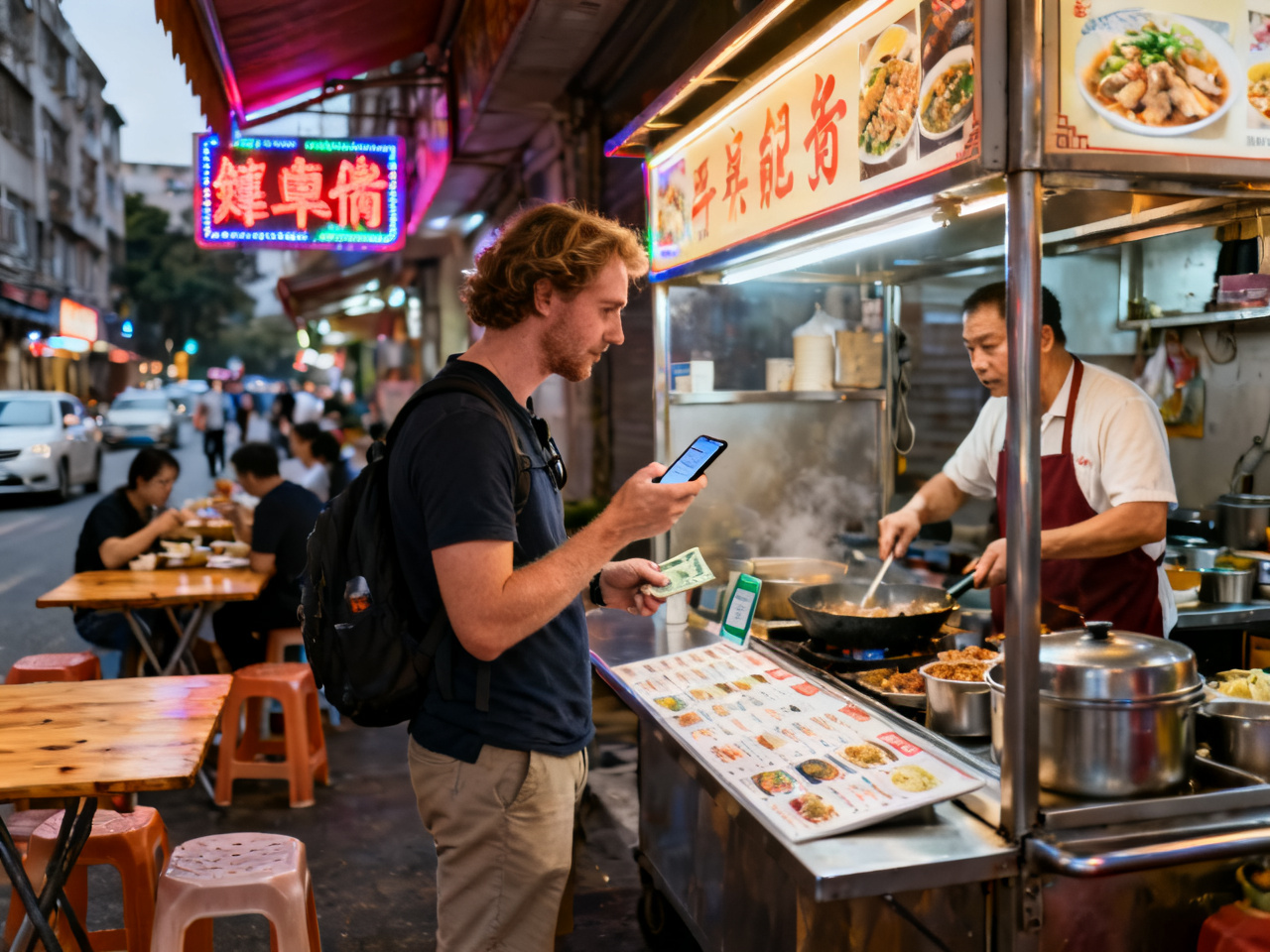
我在重庆有一次印象很深。那天晚上我想吃火锅,附近有两家店,一家排队很长,另一家人少一些。我没有立刻看哪家更“火”,而是先看两边门口的细节。第一家虽然人多,但门口有明确叫号屏、店员会提醒辣度和等待时长,桌面收拾节奏也很快。第二家看似轻松,实际上价格标识不完整,菜单照片和实际菜品盘量差异很大,门口还有几位顾客在和收银台反复确认账单。我最后选择了第一家,等了二十五分钟,却吃得非常安心。对我来说,排队本身并不是坏消息,失去透明度才是。
I remember one evening in Chongqing very clearly. I wanted hotpot, and there were two places nearby. One had a long queue, while the other seemed less crowded. I did not immediately assume the busier one was better. Instead, I studied the details at both entrances. The first place had many people, but it also had a clear queue number screen, staff who explained spice levels and waiting times, and a very efficient table-cleaning rhythm. The second place looked easier to enter, but the price signs were incomplete, the menu photos did not match the real portions well, and several customers were repeatedly checking the bill at the counter. I chose the first restaurant, waited twenty-five minutes, and ate with much more peace of mind. For me, a queue itself is not bad news. A lack of transparency is.
在中国吃饭时,我还学会了一种很实用的安全判断:看桌上的水、纸巾、调料和结账方式能不能被快速理解。很多时候,我不会因为自己看不懂所有菜名而焦虑,但如果连基础流程都模糊,我就会提高警惕。比如桌上有没有清楚的茶位提示、调料区是否整洁、是否需要先付款还是后付款、二维码点单后有没有人工确认。流程越清楚,我越容易放松,也越愿意尝试自己不熟悉的菜。
While eating in China, I also learned a practical safety judgment: check whether the water, tissues, condiments, and payment process on the table can be understood quickly. I do not usually become anxious just because I cannot read every dish name, but if the basic procedure feels vague, I raise my alert level. For example, is there a clear indication of tea charges? Is the condiment area orderly? Do I pay before or after the meal? After scanning the QR code, does a staff member confirm the order? The clearer the process, the more I can relax, and the more willing I am to try dishes that are unfamiliar to me.
另一个变化,是我不再盲目追求“最地道”,而是更重视“我能不能稳定完成这顿饭”。外国旅客有时候会把“融入当地”理解成必须去最拥挤、最嘈杂、最少英文的地方,好像这样才算真正体验。可我的经验恰好相反。真正的融入,是知道自己此刻的体力、语言状态和胃口边界,再选择合适的场景。如果我刚下高铁、又拖着箱子、还没喝水,那我宁愿先进一家干净明亮、翻台快的面馆,而不是硬撑着去挤一个需要复杂点单流程的热门小馆。适配自己,不等于退缩。
Another change is that I no longer chase “the most authentic” without thinking. Instead, I care more about whether I can complete the meal smoothly. Foreign travelers sometimes treat “integrating locally” as if it means choosing the most crowded, the loudest, and the least English-friendly place, as though that alone proves the experience is real. My experience has been the opposite. Real integration means understanding your own energy, language state, and appetite limits, then choosing the right setting. If I have just gotten off a high-speed train, am dragging luggage, and have not even had water yet, I would rather walk into a clean, bright noodle shop with fast table turnover than force myself into a trendy small place with a complex ordering process. Adapting to yourself is not cowardice.
我在西安回民街附近学到过一课。当时我看见一家烧烤摊人很多,香味也很重,本来很想停下。但我发现付款和取餐的位置混在一起,旁边摩托车、电动车和游客流线交错,地面还有油渍。我退到路边观察了两分钟,最后转去一条侧街,找到一家同样本地客很多、但收银口和出餐口分开的店。那顿饭并没有少一分烟火气,却多了一分秩序感。对独自旅行的外国人而言,这一分秩序感常常就决定了一晚上的状态。
I learned an important lesson near Xi’an’s Muslim Quarter. I saw a barbecue stall with a huge crowd and a wonderful smell, and at first I really wanted to stop there. But then I noticed that payment and food pickup were happening in the same narrow area, with scooters, e-bikes, and tourist foot traffic crossing paths. There were also greasy patches on the ground. I stepped back and observed for two minutes, then moved to a side street where I found another place that was also full of local customers, but with a separate cashier point and pickup point. The meal lost none of its lively street feeling, but gained a sense of order. For a foreigner traveling alone, that extra bit of order often shapes the entire evening.
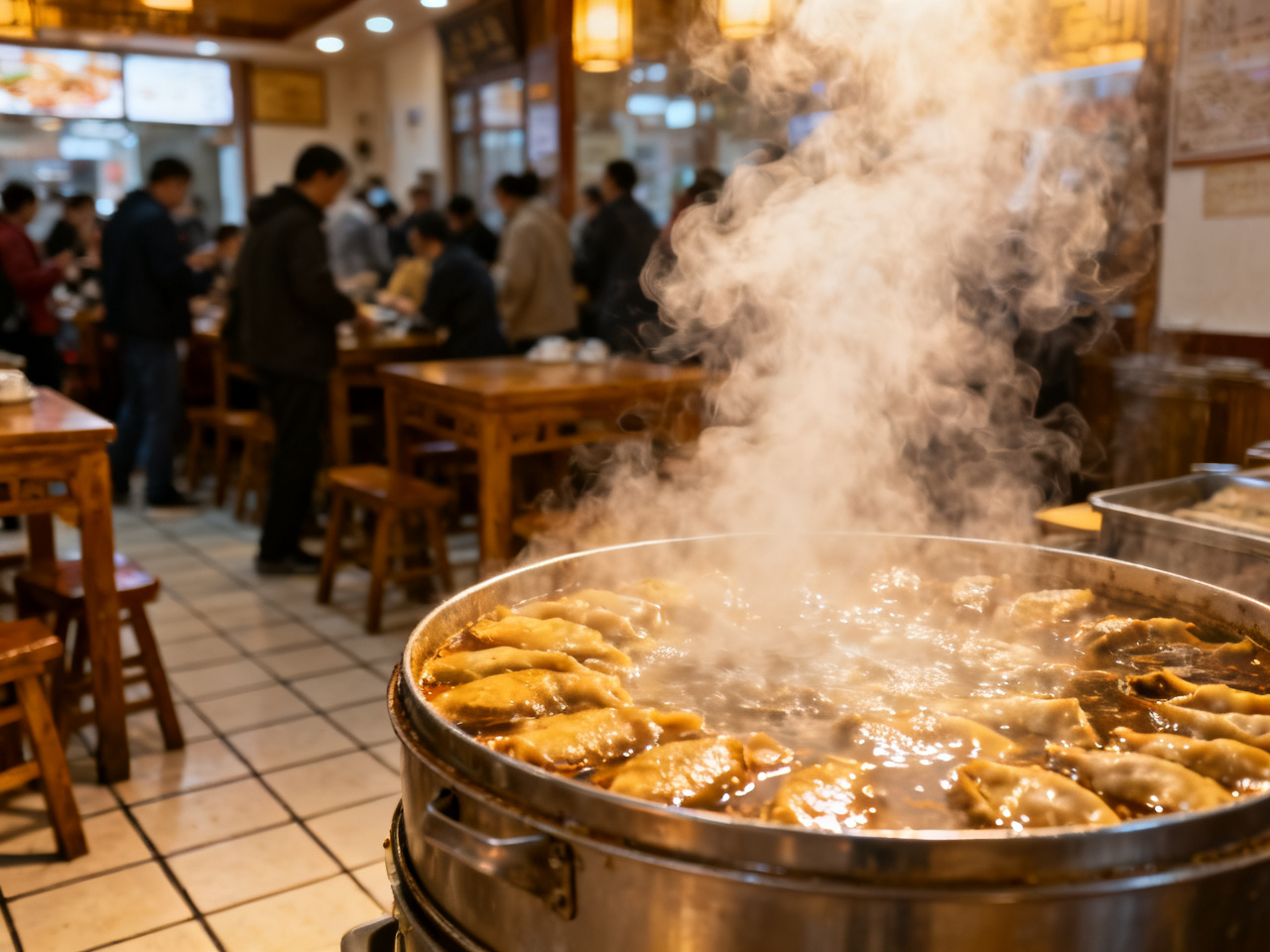
现在如果朋友问我,在中国怎么更稳地吃到好东西,我通常会给出下面这份顺序。
Now when friends ask me how to eat well and more safely in China, I usually give them the following sequence.
- 先看队伍是否有秩序,再看网上评分高不高。
- Check whether the line is orderly before caring about the online rating.
- 先确认付款、取餐、落座流程,再决定要不要尝试复杂菜品。
- Confirm the payment, pickup, and seating process before trying complicated dishes.
- 刚到一个城市、体力不足时,优先选择流程清楚的店。
- When you have just arrived in a city and your energy is low, prioritize restaurants with a clear process.
- 如果门口动线混乱、价格不透明、地面湿滑,我会直接放弃。
- If the entrance flow is chaotic, prices are unclear, or the ground is slippery, I walk away.
- 真正的“本地体验”不是勉强自己,而是找到适合自己状态的真实场景。
- A real “local experience” is not forcing yourself; it is finding a real setting that fits your condition.
后来我会把吃饭前的判断和旅行整体节奏连起来看。我会参考 城市用餐时段安排、热门街区安全步行提醒 和 独自旅行的体力分配经验 这类文章,再决定一顿饭究竟值不值得多走几站路。中国美食当然值得追,但我越来越相信,最好的那一顿,往往不是最难抢到的,而是你在对的时间、对的状态、对的环境里吃到的那一顿。
Later, I began connecting restaurant judgment with the overall rhythm of travel. I often review articles such as how to arrange city meal times, safe walking reminders for busy districts, and lessons on managing physical energy while traveling alone before deciding whether a meal is worth crossing several stations for. Chinese food is absolutely worth pursuing, but I increasingly believe that the best meal is often not the hardest one to obtain. It is the one you eat at the right time, in the right condition, and in the right environment.

- 优雅的旗袍 长衫 | The Elegant Qipao/Cheongsam
- 把中国拍成高铁大线以后,最值钱的内容其实藏在换乘和转场里 | Once China Becomes a High-Speed Rail Arc on Camera, the Real Value Hides in Transfers and Transitions
- 遵义老城坡道上,我把台阶数错了 | I Lost Count of the Steps on Zunyi’s Old-Town Slopes
- 我第一次看懂明代衣服,不是在博物馆,而是在裁缝铺里看人怎么站 | I First Understood Ming Clothing Not in a Museum, but in a Tailor's Shop Watching How People Stood
- 福州的榕树和路口一起告诉我,这座城是怎么往前走的 | Fuzhou’s Banyan Trees and Crossroads Showed Me How the City Moves
- 汉服入门指南:形制、场合与穿搭 | Hanfu Beginner's Guide: Styles, Occasions & Outfits
- 我们在西塘的雨夜里分着一把伞走散又重逢,那一晚比酒吧更像青春 | Sharing One Umbrella in Xitang Rain, We Got Lost and Found Again in a Night That Felt More Like Youth Than Any Bar
- 苏州这种地方,最怕人还没看够,词已经先把它写完了 | A Place Like Suzhou Suffers Most When Words Finish It Before the Eyes Do
- 配饰指南:扇子、帽子等 | Accessories: Fans, Hats, and More
- 山西古建筑文化5日游 | 5-Day Shanxi Ancient Architecture Tour
Comments (0)