
读一面敦煌壁画的次序:从洞窟入口开始 | How to Read a Dunhuang Mural: Begin at the Cave Entrance
读一面敦煌壁画的次序:从洞窟入口开始 | How to Read a Dunhuang Mural: Begin at the Cave Entrance
走进敦煌洞窟,先不要急着寻找最有名的佛像。站在入口处,让眼睛适应昏暗的光线,先看整面墙的布局:中心、两侧、上方和地面附近分别承担什么作用。壁画不是一幅孤立的画,而是随着洞窟空间展开的视觉秩序。入口的位置决定了第一眼的范围,也提醒我们,观看本身是一段由外向内的旅程。
When entering a Dunhuang cave, do not immediately search for the most famous Buddha. Stand at the entrance and let your eyes adjust to the dim light. First observe the composition of the entire wall: what roles are played by the center, the sides, the upper area, and the space near the floor. A mural is not an isolated picture, but a visual order unfolding with the architecture. The entrance sets the range of the first glance and reminds us that looking is a journey from outside to inside.
接着把视线放到中央或最醒目的区域。这里常常有佛、菩萨或重要的经变场景,但中心并不只是主角所在之处,也像一把钥匙,帮助我们理解周围人物的身份和动作。注意人物的朝向、手势、衣纹与光环,再看他们如何组成层层相接的关系。不要只辨认形象,还要观察画面怎样引导你的目光移动。
Next, bring your gaze to the central or most striking area. It often contains a Buddha, a bodhisattva, or an important narrative scene, but the center is more than the location of the protagonist; it is also a key to understanding the identities and movements of the surrounding figures. Notice their directions, gestures, robes, and halos, then see how these elements form connected layers. Do not merely identify the figures; observe how the composition guides your eyes.
看清主体后,再沿着左右两侧慢慢展开。飞天、供养人、乐舞伎和侍从可能大小不同、姿态各异,却共同构成洞窟的节奏。比较他们的尺度、颜色和重复出现的姿势,可以发现画师如何制造对称、流动与停顿。边缘部分尤其值得留意,那里有时保存着细小的建筑、花草和器物,像是把宏大的宗教世界落实到具体生活中。
After understanding the main subject, slowly move outward along both sides. Feitian figures, donors, musicians, dancers, and attendants may differ in size and posture, yet together they create the rhythm of the cave. By comparing their scale, colors, and recurring gestures, you can see how the painters created symmetry, movement, and pauses. The edges deserve special attention: small buildings, plants, and objects may survive there, grounding the vast religious world in details of ordinary life.
最后回到整体,并把画面与洞窟的形状联系起来。穹顶、壁面、佛龛和地面的界线,会改变人物的排列与叙事的速度。此时可以退后几步,看看局部细节如何汇入完整气氛;也可以靠近观察颜料的层次、线条的力度和岁月留下的痕迹。敦煌壁画的阅读没有唯一答案,重要的是从空间开始,经过图像与细节,重新感受信仰、技艺和时间共同留下的回声。
Finally, return to the whole and connect the image with the shape of the cave. The ceiling, walls, niches, and floor boundaries alter the arrangement of figures and the pace of the narrative. Step back to see how local details merge into the complete atmosphere, then move closer to examine layers of pigment, the force of the lines, and marks left by time. There is no single way to read a Dunhuang mural. What matters is beginning with space, passing through images and details, and sensing the echo left jointly by faith, craft, and time.
洞窟里的光线会不断改变观看的重点。入口处的自然光让墙面轮廓先浮现出来,深入之后,瞳孔逐渐适应暗处,原本平淡的色块才开始显出层次。不要用手电筒或手机灯直射壁面,强光会让局部颜色瞬间变得刺眼,也会遮住周围较柔和的线条。可以先停留片刻,等眼睛稳定下来,再从明暗交界处寻找人物的轮廓。那些并不抢眼的侍从、乐伎和云气,往往正是在这样的光线里慢慢显形。
Light inside a cave continually changes what deserves attention. Natural light at the entrance first reveals the outline of the walls; farther inside, as your pupils adjust to darkness, ordinary blocks of color begin to show their layers. Do not shine a flashlight or phone light directly at the wall. Harsh light makes one area glaring and hides the softer lines around it. Pause for a moment, allow your eyes to settle, and then look for figures along the boundary between light and shadow. Less conspicuous attendants, musicians, and clouds often emerge gradually in this way.
观看距离也应当随着对象调整。距离墙面稍远时,适合判断构图的重心、人物之间的疏密和色彩的呼应;靠近一些,才能看见衣带转折、指尖方向和面部线条的轻重。但靠近并不等于贴近,保持一个不会碰到墙面、也不会挡住别人视线的位置,才能让细节观察持续下去。若某处需要借助讲解设备,可以先记住大致方位,听完后退回原位重新寻找,而不是让设备的屏幕代替双眼。
Viewing distance should change with the subject. From a little farther away, you can judge the composition’s center of gravity, the density of figures, and the way colors answer one another. Moving closer helps reveal turns in a sash, the direction of a fingertip, and the varying pressure of facial lines. Closer, however, does not mean touching the wall. Keep enough space to avoid contact and to preserve other visitors’ sightlines. If an audio guide points out a detail, remember its approximate location, listen, and then look for it again rather than letting the screen replace your eyes.
当一面墙的信息过于密集时,可以采用短暂的往返观看。先从上部的天宫楼阁或装饰带看起,再下移到主要人物,最后落到地面附近的供养人和器物;随后从下往上回看一次,比较人物的视线和动作是否形成呼应。这样的次序能避免一开始就陷入某个面孔或局部纹样,也能让叙事从背景、主体到现实人物逐渐落地。每次往返都不必追求看完,留下未解的部分,反而会使第二次进入时更有方向。
When a wall contains too much information, use a brief back-and-forth method. Begin with the heavenly architecture or decorative bands above, move down to the principal figures, and finish near the floor with donors and objects. Then look upward once more and compare whether the figures’ gazes and gestures answer one another. This order keeps you from becoming trapped in one face or pattern at the start, while allowing the narrative to settle from setting to subject and finally to human presence. You do not need to finish everything in one pass; what remains unresolved can give your next look a clearer direction.
看具体人物时,可以先从姿态而不是身份入手。一个人是正面站立、侧身回望,还是在行进、奏乐、献花,动作会决定他与周围人物的关系。再看手中所持的物件:莲花、香炉、乐器、幢幡和供盘不仅是装饰,也提示了礼仪场景与人物职责。最后才结合服饰、冠饰和位置判断身份。这样观察,能够避免把所有身着华丽衣饰的人都笼统看成同一种角色,也更容易发现画面中不同等级和不同任务的区别。
When studying individual figures, begin with posture rather than identity. Is a person standing frontally, looking back in profile, moving forward, playing music, or offering flowers? The action determines the relationship with surrounding figures. Then examine the object in the hands: a lotus, incense burner, musical instrument, banner, or offering tray is not merely decoration, but a clue to ritual setting and duty. Only afterward should you use clothing, headdress, and position to identify the figure. This approach prevents every richly dressed person from being reduced to the same role and makes distinctions of rank and task easier to see.
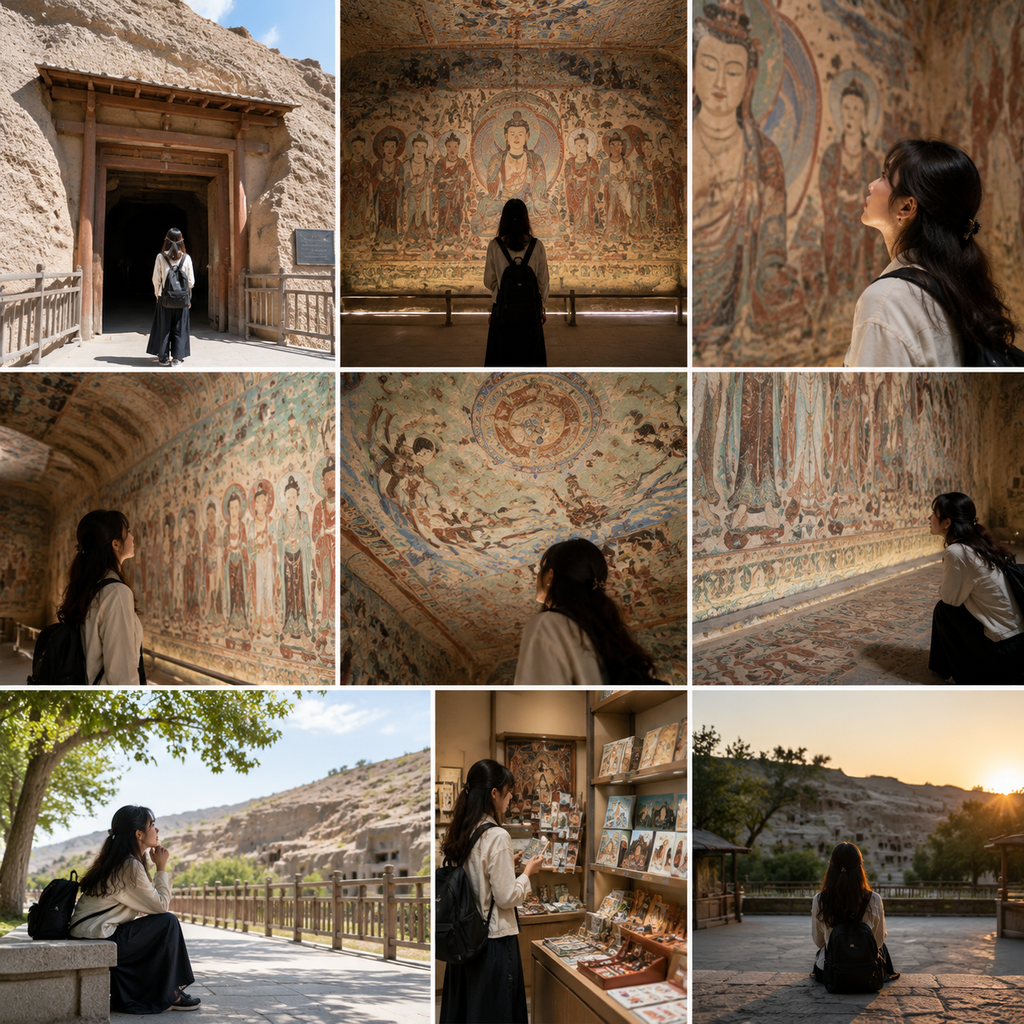
供养人的观看尤其需要耐心。他们常被安排在画面下方或边缘,身形较小,却带着鲜明的现实感。可以留意男女之间的服装差异、发式变化、腰间饰物和行走姿态,也可以比较不同人物的手势是否庄重、谦恭或带有地方特色。不要只把他们当作壁画的署名者;他们的排列还保存了当时人们如何进入宗教空间、如何以家庭或群体面貌参与仪式的线索。某个低头的人、牵衣的小孩或回身的随从,常常比宏大的场面更能拉近历史与今天的距离。
Donor figures require particular patience. They are often placed near the lower edges of a composition, smaller in scale but rich in a sense of everyday reality. Notice differences in men’s and women’s clothing, changes in hairstyles, ornaments at the waist, and the manner of walking. Compare whether their gestures appear solemn, humble, or marked by local custom. Do not treat them merely as signatures of the mural. Their arrangement preserves clues about how people entered a religious space and participated in ritual as families or groups. A person lowering the head, a child holding a sleeve, or an attendant turning back may bring the past closer to the present more powerfully than a grand scene.
乐舞人物则可以按照动作的连续性来观看。不要只找最夸张的舞姿,先看乐器的方向,再沿着手臂、衣袖和飘带移动视线,判断节拍如何从一个人物传到下一个人物。琵琶反弹、横笛、腰鼓或长袖的不同姿态,会形成快慢相间的视觉声音。若画面中有飞天,可观察她们身体的倾斜角度与云带走向,想象一种没有固定地面的运动。人物虽然静止,线条却让空间保持流动,这正是壁画观看中很有趣的部分。
For musicians and dancers, follow the continuity of movement. Do not look only for the most dramatic pose. Start with the direction of an instrument, then trace the arms, sleeves, and ribbons to see how a beat passes from one figure to the next. A pipa played backward, a transverse flute, a waist drum, or a long sleeve creates a visual sound with alternating speeds. When feitian figures appear, observe the angle of their bodies and the direction of the clouds, imagining motion without a fixed ground. The figures are still, yet the lines keep the space moving; this is one of the great pleasures of looking at a mural.
参观秩序会直接影响观看质量。洞窟空间有限,进入后应先跟随队伍完成一次缓慢移动,不在入口、佛龛前或狭窄转角处长时间停留。想仔细看某个局部,可以等人流自然错开,再站到不影响通行的位置;如果后方已有游客靠近,就先让出视线,待下一处再回看。低声交谈、关闭闪光和避免反复进出,不只是礼貌,也是在保护所有人共同拥有的安静观察时间。
The order of a visit directly affects the quality of looking. Cave spaces are limited, so after entering, make one slow movement with the group and avoid stopping for a long time at the entrance, in front of a niche, or beside a narrow turn. If you want to study a detail, wait for the flow to open and stand where passage remains clear. When visitors approach from behind, release the sightline and return to the detail later. Speaking softly, turning off flash, and avoiding repeated movement in and out are not merely matters of courtesy; they protect a quiet period of attention shared by everyone.
同行者之间也可以分工,而不是同时挤向同一面墙。一个人先观察整体,另一个人记住人物位置和颜色变化,离开洞窟后再交换各自看到的细节。带孩子参观时,可以让他们寻找一个重复出现的花纹、一种乐器或一位正在回头的人,比要求他们记住年代更容易建立兴趣。面对年长者或行动较慢的同行者,应把停留点安排在较宽的位置,不催促,也不让拍照成为队伍的瓶颈。好的参观节奏,应该让每个人都能保留自己的发现。
Companions can also divide their attention instead of crowding around the same wall. One person may first observe the overall composition while another remembers the locations of figures and changes in color; after leaving the cave, they can exchange what they noticed. With children, ask them to find a repeated pattern, a type of instrument, or a person turning back. This builds interest more easily than asking them to memorize dates. For older companions or anyone moving slowly, choose wider places to pause, avoid rushing, and do not let photography become a bottleneck. A good visiting rhythm leaves room for everyone to make a discovery of their own.
离开之前,再做一次不带任务的回望。不要急着确认看到了多少名人物,也不必立刻用相机记录最后一眼。站在合适的位置,让刚才经过的中心、边缘、上部和下部重新合在一起,感受光线怎样把细节藏起又显露。此时记住的可能不是某个著名形象,而是一位衣袖微扬的乐伎、一名安静低头的供养人,或一条把两组人物连接起来的线。洞窟观看最珍贵的成果,往往就是这些具体而缓慢生成的记忆。
Before leaving, look back once without a specific task. Do not hurry to count how many figures you have seen, and do not immediately let the camera record the final glance. Stand where appropriate and allow the center, edges, upper area, and lower area encountered earlier to come together again. Notice how the light hides and reveals details. What stays with you may not be a famous image, but a musician with a raised sleeve, a donor quietly lowering the head, or a line linking two groups of figures. The most valuable result of viewing a cave is often this kind of precise memory, formed slowly and personally.
如果时间允许,可以把最后几分钟留给一处此前略过的角落。回到墙面边缘时,先寻找色彩之间的关系:赭红是否与青绿相邻,深色线条是否托住浅色衣裙,残缺的部分是否仍能看出原来的轮廓。再观察人物的脸部,不必执着于辨认每一张面孔,而是比较眉眼的方向、嘴角的弧度和脸部朝向所形成的情绪。有人安静凝视中央,有人侧身迎向同伴,也有人仿佛正在听远处的乐声。这样的细节让壁画不再只是平面的图案,而像一群在同一空间中彼此回应的人。
If time allows, reserve the last few minutes for a corner you passed over earlier. When returning to the edge of a wall, first look for relationships among colors: whether ochre red meets blue-green, whether dark lines support pale robes, and whether damaged areas still preserve the outline of what once existed. Then observe the faces. You do not need to identify every person; compare the direction of the eyes, the curve of the mouth, and the orientation of each face. Some figures gaze quietly toward the center, some turn toward companions, and others seem to be listening to music from afar. These details make the mural feel less like a flat pattern and more like a group of people responding to one another in shared space.
还可以留意人物脚下和身后的空间。画师未必用现代透视法表现远近,却会通过重叠、大小、色带和云气安排空间层次。前面的侍从可能遮住后方的一角,远处的楼阁则以较轻的线条出现;一块看似空白的区域,也许正是为了让主要人物的动作更加清楚。观察这些留白与遮挡,能理解画面为何没有把每一处都填满。它们像呼吸的间隙,使密集的队列拥有方向,也让观者的视线能够暂时停靠。
It is also worth noticing the space beneath and behind the figures. The painters may not have used modern perspective, yet they created layers through overlap, scale, bands of color, and clouds. An attendant in front may cover part of someone behind, while a distant pavilion appears in lighter lines. An apparently empty area may have been left to clarify the movement of a principal figure. By observing these gaps and overlaps, you can understand why the composition does not fill every surface. They act like pauses for breathing, giving a dense procession direction and offering the viewer a place to rest the gaze.
当讲解结束、队伍准备离开时,不妨把刚才听到的知识转换成自己的问题。这个人物为什么面向那里?这件乐器怎样被握住?衣带的方向是否与旁边的云纹相连?某种颜色为何集中在上部,另一种颜色为何反复出现在人物衣饰中?带着问题离开,比背下一串朝代和术语更容易延续观看。走到下一个洞窟时,也可以用同样的几个问题重新开始,但不要期待每个洞窟都给出相同答案。差异本身,就是敦煌艺术跨越时代仍然有生命力的地方。
When the explanation ends and the group is ready to leave, turn what you heard into questions of your own. Why does this figure face that direction? How is the instrument being held? Does the sash follow the cloud pattern beside it? Why is one color concentrated above while another repeatedly appears in clothing? Leaving with questions is more likely to sustain attention than memorizing a chain of dynasties and terms. In the next cave, you can begin again with the same broad questions, but do not expect identical answers. The differences themselves are part of what keeps Dunhuang art alive across time.
走出洞窟后,先不要立刻把注意力交给手机。让眼睛重新适应明亮的天空,回想刚才最清晰的三处细节:一处宏观的构图、一位具体人物和一种不易察觉的颜色或线条。若需要记录,可以用几句话写下它们,以及自己站在洞窟中的大致位置;这种简短笔记比拍下大量相似照片更能帮助记忆。也请按照开放时间、讲解安排和现场规定完成离场,不在保护区域停留或触碰壁面。参观的结束并不是把艺术留在洞里,而是带着更细致的目光回到现实生活中。
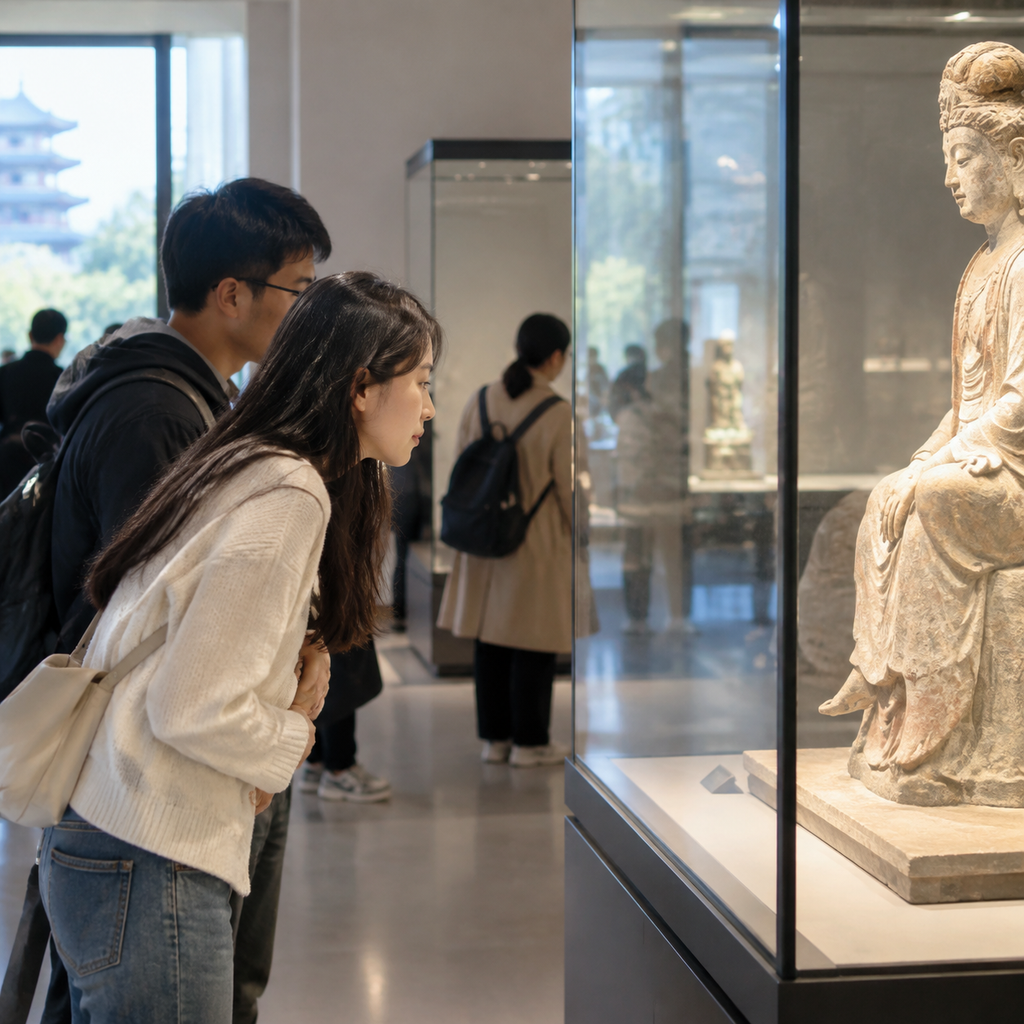
After leaving the cave, do not hand your attention to the phone immediately. Let your eyes readjust to the bright sky and recall three details: one broad feature of the composition, one particular person, and one easily missed color or line. If you want a record, write a few sentences about them and about where you were standing; a short note often supports memory better than many similar photographs. Follow the site’s opening hours, guide arrangements, and on-site rules as you depart, and never linger in protected areas or touch the walls. The visit does not end by leaving art inside the cave; it ends by carrying a more attentive way of seeing back into ordinary life.
回望敦煌壁画,最好的顺序不是把所有内容一次讲完,而是先让空间建立方向,再让人物建立关系,最后让细节留下温度。入口的停顿、中央的凝视、两侧的展开、上下的往返,以及离开前的安静回看,共同组成一次完整的观看。下一次再来,你或许会发现同一位人物的手势有了新的含义,同一片云纹也改变了速度。壁画从不只等待被看见,它也在训练我们耐心、克制而具体地看。带着这种观看离开,洞窟的幽暗、色彩和人物的神情,才会继续在记忆中发光。
Looking at Dunhuang murals is best understood not as explaining everything in one pass, but as allowing space to establish direction, figures to establish relationships, and details to retain their warmth. Pausing at the entrance, looking toward the center, opening outward along the sides, moving up and down, and looking back quietly before departure together form a complete act of viewing. On a later visit, the gesture of the same figure may carry a new meaning, and the same cloud pattern may seem to move at a different speed. Murals do not merely wait to be seen; they train us to look with patience, restraint, and precision. When you leave with that way of looking, the cave’s darkness, colors, and human expressions can continue to shine in memory.
如果同行者各自记下了不同人物,可以在离开后互相描述,而不要马上用图片搜索替代记忆。一个人也许记住菩萨衣褶里的细线,另一个人记住供养人袖口的颜色,第三个人则注意到楼阁栏杆的排列。把这些片段拼在一起,常常会发现自己原先忽略了画面的另一层秩序。回到休息处时,再用一张简单的纸画出中心和四周的大致位置,不求准确,只为保存观看路径。这样的回忆会让短暂的洞窟参观变成一段可以反复展开的经验。
If companions remember different figures, describe them to one another after leaving instead of immediately replacing memory with an image search. One person may recall fine lines in a bodhisattva’s robe, another the color of a donor’s cuff, and a third the arrangement of railings on a pavilion. When these fragments are put together, another layer of order often appears—one that each viewer missed alone. At a rest area, you can even sketch the center and surrounding positions on a simple sheet of paper. Accuracy is not the goal; preserving the path of your gaze is. This kind of recollection turns a brief cave visit into an experience that can unfold again and again.
结束参观时,身体上的疲惫也值得被纳入体验。长时间仰头看穹顶,或在狭窄空间中保持同一姿势,都会让注意力逐渐下降。可以在洞窟之间缓慢走动、喝水和整理笔记,再决定是否继续观看,而不是为了数量勉强塞进更多内容。敦煌并不适合用“看了多少个洞窟”简单衡量,真正留下来的,可能只是两三面墙,却足以改变你对线条、色彩和宗教图像的理解。给自己留下余地,也是对古老艺术的一种尊重。
Physical tiredness is also part of the experience at the end of a visit. Looking upward for a long time or holding one posture in a narrow space gradually weakens attention. Walk slowly between caves, drink some water, and organize your notes before deciding whether to continue, rather than forcing in more sights for the sake of a number. Dunhuang is not best measured by how many caves you have entered. Two or three walls may be all that remains vividly with you, yet they can change how you understand line, color, and religious imagery. Leaving yourself some room is also a form of respect for ancient art.
当一天的行程真正结束,可以把最初在入口处的印象与最后离开时的感受放在一起比较。刚进去时,洞窟也许显得沉默、拥挤而难以理解;离开时,某些人物已经拥有了动作、声音和彼此之间的联系。这个变化并不完全来自壁画,也来自观者逐渐放慢脚步、调整距离并学会等待。下一次面对陌生的文化遗产时,同样可以先观察空间,再阅读人物,最后辨认细节。敦煌带走的不只是几幅画的记忆,更是一套温和而有耐心的观看方法。
When the day’s itinerary truly ends, compare your first impression at the entrance with the feeling you have while leaving. At first the cave may seem silent, crowded, and difficult to understand; by the end, certain figures have acquired movement, sound, and connections with one another. This change comes not only from the murals, but also from slowing down, adjusting distance, and learning to wait. The next time you encounter unfamiliar cultural heritage, you can again begin with space, read the figures, and finally attend to details. What Dunhuang gives you is not only the memory of several paintings, but also a gentle and patient method of looking.
保护壁画,首先要保护洞窟里的微小环境。游客带入的热量、湿气和尘土,都会在狭窄空间中慢慢积累,因此参观时应按规定控制停留人数,不在洞内饮食,也不要携带会散发气味或产生粉尘的物品。即使天气炎热,也不能为了凉快而随意触碰墙面或靠在洞壁上。人的衣物、背包和头发都可能带来摩擦与污染,保持身体与壁面之间的距离,是最简单也最有效的保护动作。
Protecting the murals begins with protecting the cave’s small environment. Heat, moisture, and dust brought in by visitors can gradually accumulate in a confined space, so follow limits on the number of people inside, do not eat or drink in the cave, and avoid carrying items that release odors or particles. Even on a hot day, never touch the wall or lean against it for comfort. Clothing, bags, and hair can all cause friction or carry contamination. Keeping a clear distance from the surface is the simplest and most effective protective action.
拍照时也应把“留下纪念”和“减少干扰”放在一起考虑。遵守现场是否允许拍摄、是否禁止闪光以及是否限制支架和长时间取景;即使允许拍照,也不必为每一处细节反复按下快门。屏幕亮光会影响身边人的适应,举起手机过高还可能遮住后方游客的视线。可以在离开洞窟后,根据记忆写下人物的位置和颜色,再用公开展陈资料补充知识,而不是把拍摄数量当成参观成果。
Photography should balance keeping a memory with reducing disturbance. Follow the site’s rules about whether photography is allowed, whether flash is forbidden, and whether tripods or prolonged framing are restricted. Even where photographs are permitted, there is no need to press the shutter repeatedly for every detail. A bright screen can disturb nearby visitors’ adaptation to darkness, and holding a phone high may block the view of people behind you. After leaving, write down the figures’ positions and colors from memory, then use authorized exhibition information to deepen your understanding rather than measuring the visit by the number of photographs.
听到工作人员提醒时,应把它当作保护工作的一部分,而不是对个人兴趣的否定。洞窟里的开放方式、路线和可观看范围,往往经过监测和长期经验调整;某个区域暂时关闭,可能是为了控制温湿度,也可能是修复人员正在进行细致检查。不要跨越隔离线寻找更近的角度,不要追问工作人员没有权限公开的细节,更不要传播未经确认的传闻。尊重专业判断,等于为壁画保留继续被观看的机会。
When staff offer a reminder, treat it as part of conservation rather than a rejection of personal interest. Routes, opening methods, and viewing areas are often adjusted through monitoring and long experience. A temporarily closed section may need humidity control, or conservators may be carrying out a careful inspection. Do not cross barriers for a closer angle, press staff for information they cannot release, or spread unverified rumors. Respecting professional judgment helps preserve the murals’ opportunity to be seen in the future.
人物细节还可以从“没有画出来的部分”开始理解。残损的眉眼、脱落的衣色和被后世修补过的线条,都提醒我们壁画并非静止不变的完整图像。面对缺失,不要急着用想象填满,也不要把修补色与原有色彩混为一谈。可以观察边缘的断裂形状、底层颜色和线条是否连续,再思考时间、环境与材料如何共同改变了画面。保留不确定性,不会削弱欣赏,反而让观看更接近真实的文物经验。
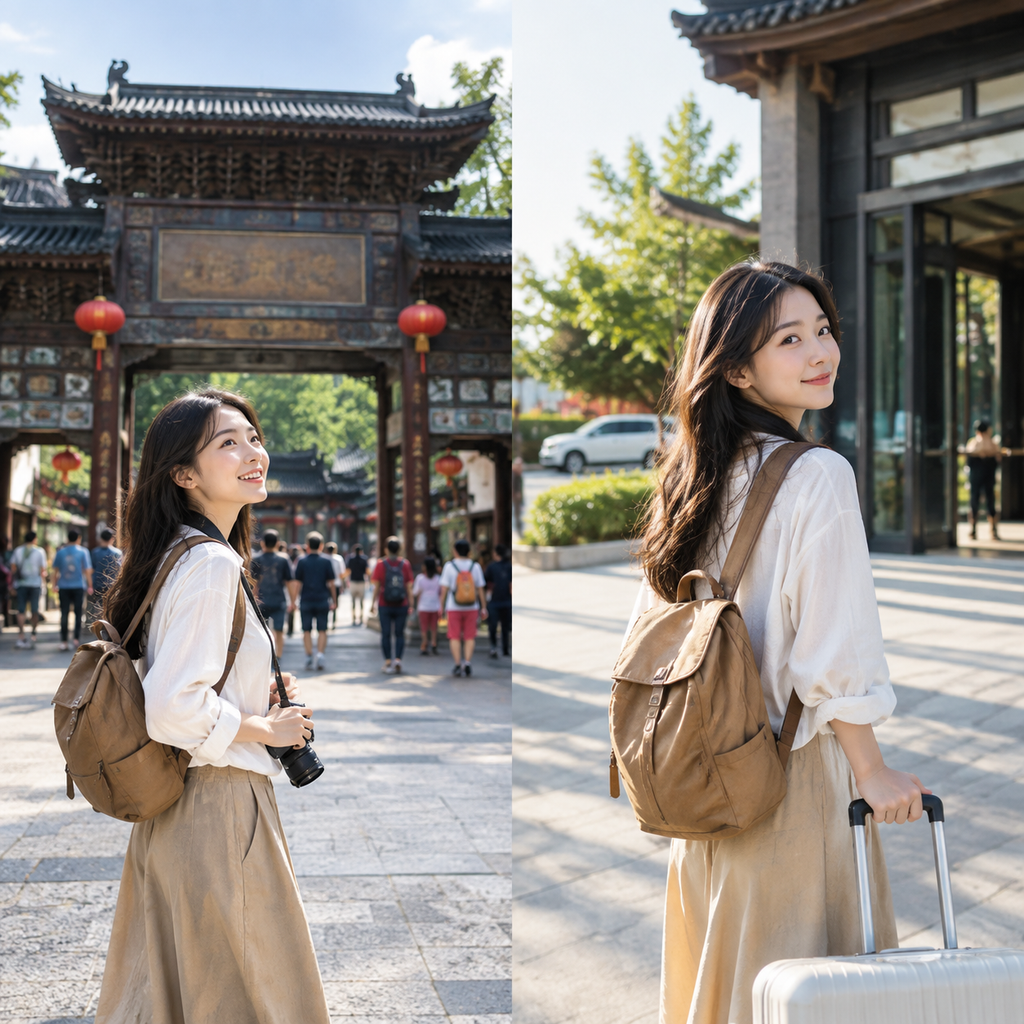
Details of a figure can also be understood by beginning with what is no longer visible. Damaged eyes, fallen colors, and lines repaired in later periods remind us that a mural is not a fixed, complete image. Do not rush to fill missing areas with imagination or confuse restoration colors with original ones. Observe the shape of a break, the colors beneath it, and whether a line continues, then consider how time, environment, and materials have changed the scene together. Preserving uncertainty does not weaken appreciation; it brings looking closer to the reality of an artifact.
如果遇到需要预约、分时或凭证进入的洞窟,应提前核对自己的时段,并按要求准时到达。迟到后不要在通道中追赶队伍,也不要因为担心错过而推挤他人。对临时调整保持耐心,先听清工作人员的安排,再决定是否更换观看顺序。遗产参观不是普通商业空间里的自由进出,规则越细,通常越说明环境越脆弱。把时间安排得宽松一些,能减少焦虑,也能让眼睛真正停下来。
For caves requiring reservations, timed entry, or passes, check your time slot in advance and arrive as requested. If you are late, do not chase the group through a passage or push other visitors. When arrangements change, listen carefully to staff before deciding whether to alter your viewing order. Heritage sites are not ordinary commercial spaces with unrestricted movement; detailed rules often indicate a fragile environment. Allowing extra time reduces anxiety and gives your eyes a real chance to settle.
与壁画相处时,安静并不意味着被动。你可以在心里描摹一条衣带的走向,比较两位人物的眉眼,或者记录一段颜色从鲜明到褪淡的变化;这些主动观察都不需要身体靠近墙面。若想向讲解员提问,可以围绕画面中确实看见的内容,例如人物动作、构图关系和材料痕迹,而不要只要求给出一个“最正确”的故事。好的问题会让更多细节浮现,也会帮助同行者以自己的方式加入观看。
Quietness around a mural does not mean passivity. You can trace the path of a sash in your mind, compare the eyes of two figures, or note how a color changes from vivid to faded; none of these active observations requires moving close to the wall. If you ask a guide a question, base it on what you can actually see, such as gestures, compositional relationships, or material traces, rather than demanding one single “correct” story. Good questions reveal more details and allow companions to join the viewing in their own ways.
离开敦煌之后,也可以把保护意识延伸到日常文化遗产参观中。看到有人触摸石刻、使用闪光或堵住通道时,先用平和方式提醒;若情况不便干预,就及时告知工作人员,不要在现场争执。回到家后分享照片和文字时,标明哪些是自己的观察,哪些来自正式讲解,避免把推测包装成定论。对遗产负责,不只是参观当天遵守规定,也包括传播时保持准确、克制和尊重。
After leaving Dunhuang, carry this conservation awareness into visits to other heritage sites. If someone touches a carving, uses flash, or blocks a passage, offer a calm reminder when appropriate; if direct intervention is unsuitable, inform staff rather than arguing on site. When sharing photographs and notes later, distinguish your own observation from information provided by an official guide, and do not present speculation as fact. Responsibility toward heritage means more than following rules during the visit; it also means communicating with accuracy, restraint, and respect.
当你再次想起某个面孔时,可以问自己记住的究竟是什么:是眼睛朝向的角度,是嘴角微小的弧线,还是人物与旁边飘带之间的距离?把感受拆成这样的具体部分,记忆会从“很美”“很震撼”变得更有层次。也许多年以后,原先看不懂的一组人物会因为一次新的学习而重新排列,某个不起眼的色块也会变成理解整面墙的入口。耐心并不只是延长停留时间,而是让每一次回看都产生新的联系。
When you remember a face later, ask what exactly remains: the angle of the eyes, a slight curve at the mouth, or the distance between the figure and a nearby ribbon? Breaking an impression into such precise parts gives memory more depth than saying only that a scene was beautiful or moving. Years later, a group of figures you once failed to understand may rearrange itself through new learning, and an inconspicuous patch of color may become the entry point to an entire wall. Patience is not merely staying longer; it allows every return to create a new connection.
走出景区时,可以把参观分成三个缓冲阶段。先是留在洞窟出口附近,让眼睛重新适应日光;接着在不挡路的地方喝水、整理衣物和记录关键词;最后才与同行者讨论印象,或者前往下一处展馆。这样的安排对第一次来敦煌的人尤其有用,因为洞窟中的暗光、讲解和人流会让人接收大量信息。给自己十几分钟沉淀,不会浪费行程,反而能把刚才的观看从一串模糊感受变成可以回忆的片段。
When leaving the site, divide the transition into three gentle stages. First, remain near the exit long enough for your eyes to adjust to daylight. Second, move somewhere clear of traffic to drink water, straighten your clothes, and write down a few keywords. Only then discuss impressions with companions or continue to another exhibition hall. This is especially helpful for first-time visitors, because dim light, explanations, and crowds create a heavy flow of information. Allowing ten or fifteen minutes for it to settle does not waste the itinerary; it turns a blur of impressions into memorable fragments.
如果同行者中有摄影爱好者,可以请他把相机先收起来,凭记忆描述一位人物;同行的学生则可以选择一个问题,在休息时写下自己的猜测;带着父母出行的人,可以询问他们最先注意到的是颜色、人物还是建筑。比如,摄影师林岚记住的是一条被风带起似的长袖,大学生周野注意到供养人队列的秩序,退休教师陈阿姨则一直在寻找乐器与舞姿的呼应。不同年龄和职业的人站在同一面墙前,看到的并不是互相排斥的答案,而是同一空间的多重入口。
If one companion loves photography, ask that person to put the camera away briefly and describe a figure from memory. A student can choose one question and write down a hypothesis during the break. Someone traveling with parents might ask whether color, people, or architecture first caught their attention. Photographer Lin Lan may remember a long sleeve that seems lifted by wind, university student Zhou Ye the order of the donor procession, and retired teacher Ms. Chen the connection between instruments and dance. Different ages and occupations do not produce mutually exclusive answers; they reveal several entrances into the same space.
想把参观安排得从容一些,可以把莫高窟放在上午或个人精神最充足的时段,把午后留给展陈中心、文书和保护知识的了解。先看展览,再进洞窟的人,往往能带着问题寻找细节;先进入洞窟的人,则可以在展厅里补足刚才没有听清的背景。两种顺序都可以,但最好不要把洞窟参观夹在长途奔波和匆忙用餐之间。敦煌的风沙、日照和距离会消耗体力,预留交通与排队的余量,才能避免一边看表一边看壁画。
For a calmer visit, place the Mogao Caves in the morning or at the time of day when you have the most energy, and reserve the afternoon for the exhibition center, manuscripts, and conservation displays. Visitors who see the exhibition first may enter the caves with questions; those who enter the caves first can use the exhibition to fill in background they missed. Either order works, but avoid placing the cave visit between a long transfer and a rushed meal. Dunhuang’s wind, sun, and distances consume energy. Extra time for transport and queues lets you look at the murals instead of watching the clock.
若只有一天,不必贪多,可以选择一次完整洞窟参观,随后安排短暂休息,再去看与敦煌艺术有关的展览或城市中的博物馆。傍晚回到住处后,翻看当天写下的三条笔记,分别对应一面墙的整体、一位人物和一个材料细节。第二天若还有时间,再把重点放在不同主题上:一日观察佛与菩萨的姿态,一日寻找供养人和世俗生活,一日专门看建筑、乐舞或色彩。按问题而不是按景点数量组织路线,更容易形成清晰而持久的理解。
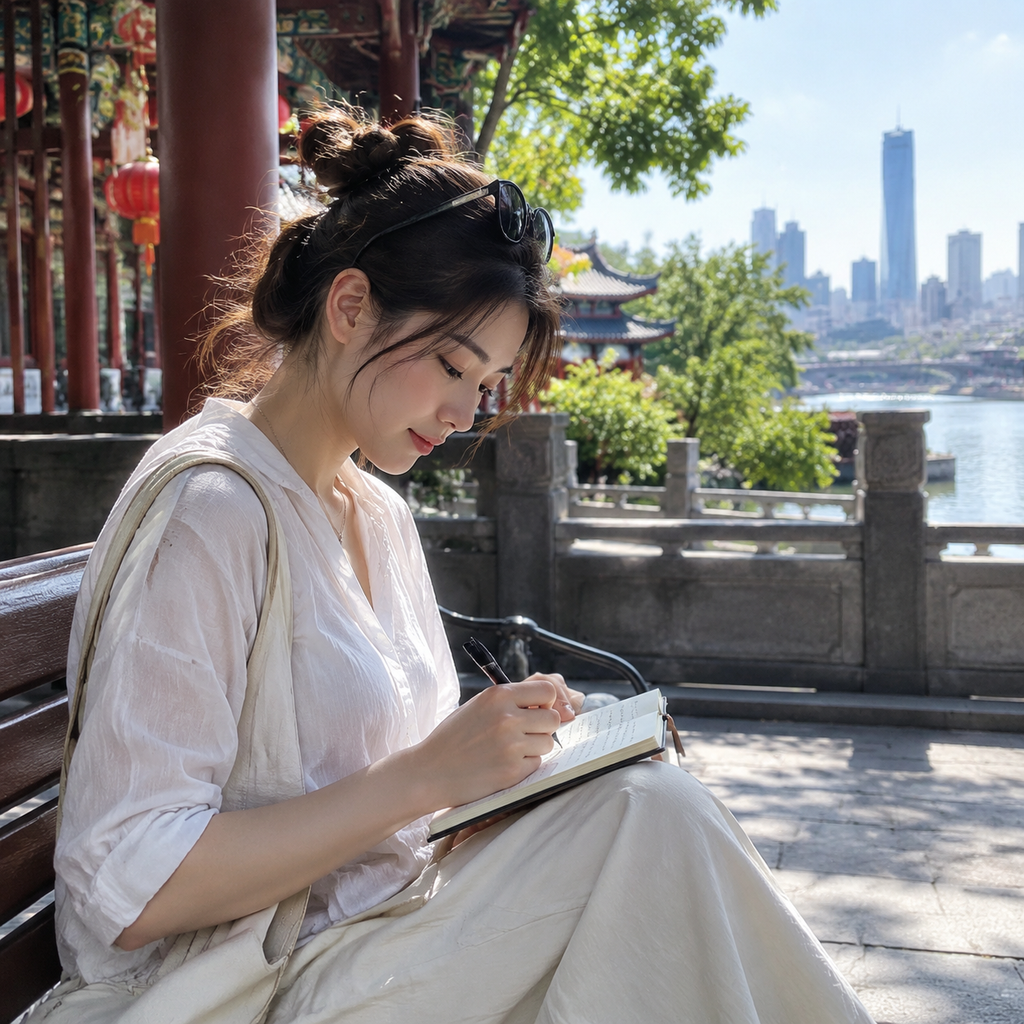
With only one day, do not chase quantity. Choose one complete cave visit, take a real break afterward, and then see an exhibition or a city museum related to Dunhuang art. In the evening, review three notes from the day: one about the whole wall, one about a particular person, and one about a material detail. If you have another day, give each day a different focus: the postures of Buddhas and bodhisattvas, donors and ordinary life, or architecture, music, dance, and color. Organizing a route around questions rather than the number of attractions creates clearer and more lasting understanding.
多日行程可以留出一个“回看日”,不安排新的远距离奔波,只回到展厅、街区或住处附近安静整理笔记。此时再看自己拍下的合规照片,常会发现现场没有注意到的构图关系;也可以把记忆中的人物画在纸上,旁边写下他面向哪里、手里拿着什么、与谁形成呼应。旅行不一定每天都要填满,留白能够让敦煌的色彩从眼前退开,转而进入思考。真正的回望,常发生在已经离开洞窟之后。
A multi-day itinerary can include a day for looking back. Avoid another long transfer and spend the time quietly reviewing notes in an exhibition hall, neighborhood, or near your accommodation. When you revisit permitted photographs, you may notice compositional relationships that escaped you on site. Sketch remembered figures on paper and note where they faced, what they held, and whom they answered. Travel does not need to fill every day. Open space allows Dunhuang’s colors to recede from immediate sight and enter reflection. The deepest looking back often begins only after leaving the cave.
离开敦煌前,也可以为自己设计一段小小的告别:在没有人流拥挤的地方坐一会儿,听风声,回忆洞窟内最安静的瞬间,再决定要不要购买纪念品或继续拍照。若同行者意见不同,想去市场的人可以先行,想独处的人则保留一段不被催促的时间。陈阿姨后来没有买很多东西,只把当天的路线写在纸上;周野把问题带回学校,准备查阅更多图像资料;林岚则删掉了许多重复照片,只留下那条长袖和一片褪色的青绿。每个人都可以用自己的方式带走敦煌。
Before leaving Dunhuang, create a small farewell ritual. Sit somewhere away from the crowd, listen to the wind, recall the quietest moment inside the cave, and only then decide whether to shop for souvenirs or take more photographs. If companions want different things, those heading to the market can go ahead while anyone needing solitude keeps an unhurried interval. Ms. Chen bought little and wrote the day’s route on paper. Zhou Ye took his questions back to school to study more images. Lin Lan deleted many repeated photographs and kept only the raised sleeve and a patch of faded blue-green. Everyone can carry Dunhuang away in a different form.
离开洞窟后的回望,还可以从身体感受开始。刚才为了看清穹顶而抬起的脖颈、在队伍中收窄的肩膀、因为不敢触碰墙面而保持的距离,都会提醒你:这不是隔着屏幕浏览图片,而是一次真实发生在建筑内部的相遇。走到室外后,看看脚下的沙土和远处的山色,再回想墙面上的青绿、赭红与金色,眼前的自然光会与洞窟的幽暗形成对照。这样的对照不是简单的明暗变化,它让人意识到壁画曾经也处在真实的风土、材料和人的生活之中。
After leaving the cave, look back through bodily sensation as well. The neck raised to see a ceiling, the shoulders narrowed within a group, and the distance carefully kept from the wall all remind you that this was not browsing an image on a screen, but a meeting that took place inside real architecture. Outdoors, notice the sand beneath your feet and the mountains in the distance, then recall the blue-green, ochre, and gold on the wall. Natural light and the cave’s darkness now stand in contrast. This is more than a change in brightness: it reminds you that the murals once belonged to real landscapes, materials, and human lives.
具体的行程安排也应留出“看完之后”的时间。若上午进入洞窟,中午不要马上塞入密集景点,可以选择安静用餐,饭后散步十到二十分钟,再去展陈中心或整理当天笔记。若下午才参观,晚上不妨只安排轻松的街区行走,把最想讨论的问题留到第二天。带孩子的家庭可以让孩子在离开后画出一位人物,情侣或朋友则可以各自说出一处不同的细节,再决定是否一起查阅资料。行程的价值不只在抵达下一站,也在于给上一站留下回声。
A practical itinerary should also reserve time for what happens after viewing. If you enter the caves in the morning, do not immediately pack in more attractions at noon. Have a quiet meal, walk for ten to twenty minutes, and then visit the exhibition center or organize your notes. If your visit is in the afternoon, keep the evening to an easy neighborhood walk and save the most important discussion for the next day. Families can invite children to draw one figure after leaving; couples or friends can each name a different detail before deciding whether to consult further material. An itinerary gains value not only by reaching the next stop, but by allowing an echo from the previous one.
若同行者出现疲惫、头晕或对暗光不适,应优先离开狭窄空间,到通风处休息,不要为了完成既定路线勉强坚持。年长者可以提前准备轻便鞋、水和可折叠坐垫,但坐下时仍要遵守场地规定;儿童则需要在进入前说明不能奔跑、触摸和大声喧哗。把这些细节安排好,才能让所有人把注意力放在壁画本身。敦煌的参观不应是一场耐力竞赛,照顾好同行者,也是理解这片遗产所需要的耐心。
If a companion becomes tired, dizzy, or uncomfortable in dim light, leave the narrow space first and rest somewhere ventilated rather than forcing the planned route. Older travelers may prepare light shoes, water, and a foldable cushion, while still following the site’s rules about where to sit. Children should be told before entering that running, touching, and loud voices are not acceptable. Taking care of these details allows everyone to focus on the murals. A Dunhuang visit should not be an endurance contest; caring for companions is another form of the patience required to understand this heritage.
回到住处后,最好不要只把当天的感想写成“震撼”或“值得一看”。可以记下四个具体问题:哪一面墙让自己停留最久,哪位人物最容易被忽略,哪种颜色在暗处仍然清楚,以及讲解中哪个词让自己产生疑问。第二天再读这些笔记时,答案可能已经发生变化。这样的记录也方便同行者互相补充,避免所有人只留下同一张合影和几句笼统评价。把观看写得具体,等于给未来的再次理解保留一条路。
Back at your accommodation, do not reduce the day’s impression to “incredible” or “worth seeing.” Write down four concrete questions: which wall held your attention longest, which figure was easiest to overlook, which color remained clear in the darkness, and which word in the explanation left you curious. When you reread the notes the next day, your answers may have changed. Such records also let companions add to one another’s observations instead of leaving only one group photograph and a few general comments. Making the viewing specific preserves a path toward future understanding.
若计划再次到访,可以把这次留下的问题变成下一次的观察任务,但不要预先规定必须找到某个答案。第一次来的人也许只看见整面墙的庄严,第二次来会注意服饰与器物,第三次来才发现边角处一个回头的侍从。季节、光线、同行者和当天的心情都会改变观看的重心。正因为每次都不完全相同,敦煌才不会被一次打卡式行程消耗殆尽。把下一次留给新的问题,也把这一次的记忆留给时间慢慢发酵。
If you plan to return, turn today’s questions into tasks for the next visit, without deciding in advance that you must find one fixed answer. On a first visit, you may see only the solemnity of an entire wall; on a second, clothing and objects; on a third, an attendant turning back in a corner. Season, light, companions, and mood all shift the center of attention. Because no two visits are exactly alike, Dunhuang cannot be exhausted by a checklist. Leave the next visit for new questions, and allow this one’s memory to mature with time.
因此,观看敦煌壁画既是阅读图像,也是学习如何与脆弱事物相处。保持距离、降低声音、遵守路线、接受看不完整,并不减少旅行的自由,反而让自由建立在不伤害遗产和他人的基础上。面对细小人物时多留几秒,面对残损时少一些武断,面对秩序时多一份体谅,便能让洞窟中的观看更深入、更可靠。那些被保护下来的颜色与线条,也会因此继续把古人的动作、神情和想象传向后来的人。
Viewing Dunhuang murals is therefore both a reading of images and a lesson in living with fragile things. Keeping distance, lowering your voice, following routes, and accepting that you cannot see everything do not reduce the freedom of travel; they place that freedom on a foundation that does not harm heritage or other people. Spend a few more seconds with a small figure, make fewer hasty judgments about damage, and show more understanding toward site order. Your viewing will become deeper and more dependable, while the preserved colors and lines can continue carrying ancient gestures, expressions, and imagination toward those who come later.
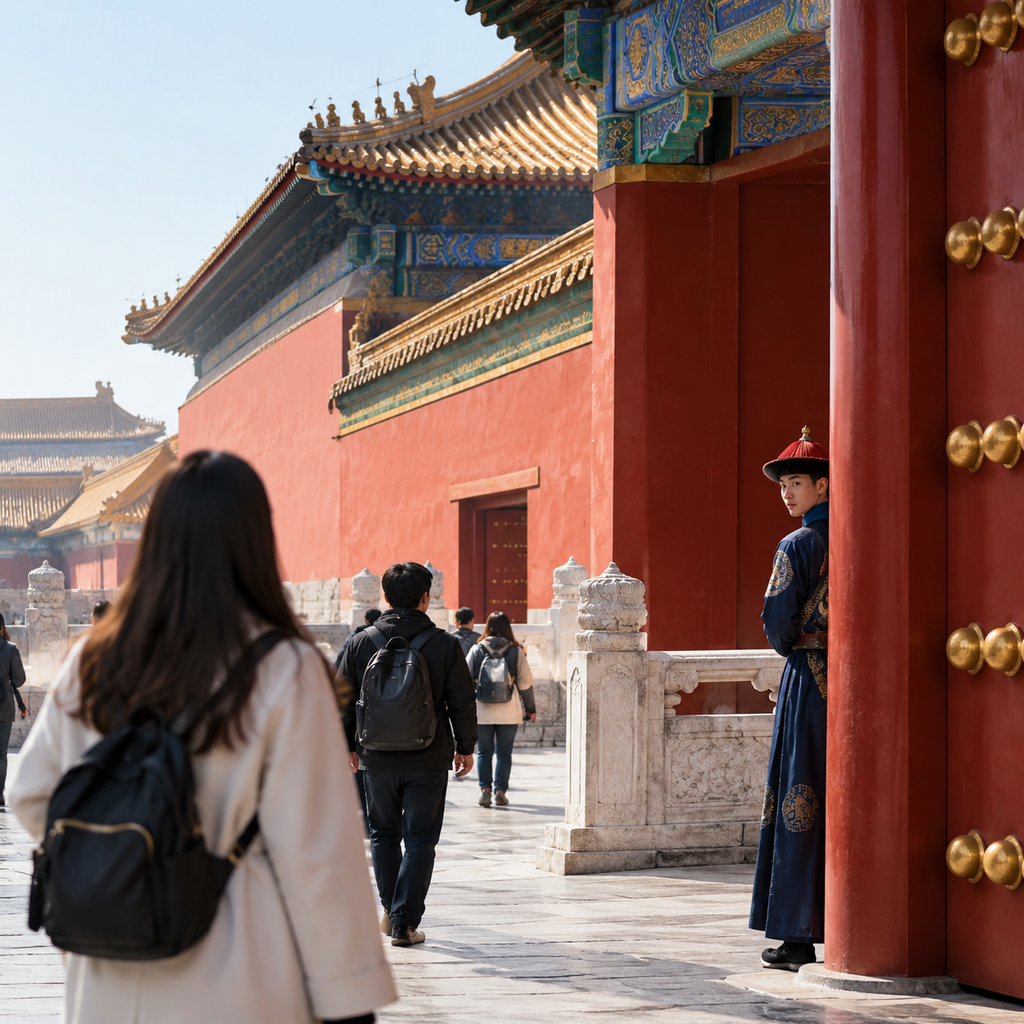
如果想把人物看得更细,可以先选择一组关系明确的三到五个人,而不是把整面墙上的形象同时纳入视线。观察他们之间的距离、身高差和身体朝向,再留意谁处在动作的起点,谁像是在回应,谁又承担了停顿的作用。一个举臂的人可能把视线引向上方,一位侧身的人可能把叙事折回中央,低头或合掌的人则让热闹的场面出现安静的节拍。把人物当作相互作用的群体来读,画面便不再是排列整齐的名单,而会显出关系与情绪。
To study figures more closely, choose a clear group of three to five people rather than trying to include every figure on the wall at once. Observe their distances, differences in height, and directions of the body. Then notice who begins an action, who seems to answer it, and who provides a pause. A raised arm may lead the eye upward, a figure turned sideways may fold the narrative back toward the center, while a lowered head or joined hands can give a lively scene a quiet beat. Reading figures as an interacting group makes the mural feel less like an orderly list and more like a field of relationships and emotion.
面部细节不一定要靠近才能理解。可以先比较同一组人物的脸部轮廓,再看眉线、鼻梁和下颌是否用相近的线条处理,最后观察不同肤色或背景色怎样改变表情的感觉。有些面孔因颜料脱落而只剩轮廓,有些则被阴影遮住,但身体的方向和手势仍会补足没有说出的情绪。观看残缺人物时,既要承认自己无法恢复全部信息,也可以相信画师留下的结构仍然足够引导理解。克制的想象,往往比任意补全更接近文物本身。
Facial details do not always require moving closer. First compare the outlines of faces within one group, then see whether the brows, noses, and jaws are treated with similar lines, and finally notice how skin tones or background colors alter the feeling of an expression. Some faces have lost their pigment and retain only an outline; others are obscured by shadow, yet the direction of the body and the gestures may still complete what is not spoken. When looking at damaged figures, acknowledge that some information cannot be recovered, while trusting that the surviving structure still guides interpretation. Restrained imagination is often closer to the artifact than arbitrary reconstruction.
衣饰是人物身份之外的一条视觉路径。看衣领、袖口和腰带时,可以顺着线条寻找它们如何覆盖身体、露出手腕,或在转身处形成褶皱;再比较同一场景中轻薄织物与厚重衣料的不同画法。冠饰和发式也不只是华丽的符号,它们会改变头部的轮廓,使人物在密集的队列中保持辨识度。若某种纹样反复出现,不妨记住它的位置和方向,看看它是否与建筑、莲花或云气形成呼应。服饰的细节,常常把抽象的身份变成可感的身体。
Clothing offers another visual route beyond identifying social roles. When looking at collars, cuffs, and belts, follow the lines to see how they cover the body, reveal a wrist, or form folds as a figure turns. Compare the treatment of light fabric with heavier material in the same scene. Headdresses and hairstyles are not merely signs of splendor; they alter the outline of the head and help a figure remain recognizable in a crowded procession. If a pattern repeats, remember its position and direction and see whether it answers architecture, lotuses, or clouds. Costume details turn an abstract identity into a body that can be felt.
观看器物时,可以把它们放回人物动作里,而不是单独寻找“名物”。香炉的托举高度、花枝的倾斜方向、乐器与手臂的夹角,都会提示人物正在进行什么样的仪式或表演。器物边缘即使已经模糊,仍可能通过一条横线、一个圆形或一处深色阴影保留功能线索。把这些形状与人物脚下的地面、身后的建筑联系起来,还能判断动作发生在行列、庭院还是想象中的天界。细小器物不是画面的附属品,而是理解场景节奏的支点。
When observing objects, place them back within the figures’ actions instead of searching for isolated “famous objects.” The height at which an incense burner is held, the tilt of a flower branch, and the angle between an instrument and an arm may reveal whether the figure is performing a ritual or making music. Even when an object’s edge has blurred, a horizontal line, a circle, or a dark patch may preserve clues to its function. Linking these shapes with the ground beneath the figures and the architecture behind them can suggest whether the action belongs to a procession, a courtyard, or an imagined heavenly realm. Small objects are not accessories; they anchor the rhythm of a scene.
保护也包括对自己的观看欲望设定边界。遇到特别想确认的颜色或面孔时,不要为了得到更清楚的角度而越过栏杆、打开强光,或在同一处反复停留。可以先用语言描述眼前所见,再接受某些细节只能在当下短暂出现。若展厅提供复制品、高清图像或数字导览,应优先使用这些方式满足放大观察的需要,把脆弱的原作留在适合它的光线、距离和人流条件中。技术应当帮助理解,而不是把保护责任转嫁给文物。
Conservation also means setting a boundary for one’s desire to see. When a color or face is especially tempting to confirm, do not cross a barrier, use harsh light, or remain repeatedly in one spot just to gain a clearer angle. Describe what you can see in words and accept that some details may appear only briefly. If the exhibition offers replicas, high-resolution images, or a digital guide, use those methods for magnified observation and leave the fragile original in the light, distance, and visitor conditions suited to it. Technology should support understanding, not shift the responsibility for protection onto the artifact.
离开后整理资料时,最好保留一份未经加工的现场笔记,再另写一份经过学习后的理解。前者记录当时真正看见的线条、颜色和情绪,后者可以补充展签、讲解和书籍中的信息。两者分开,能避免后来读到的知识覆盖最初的感受,也能在发现自己误判时及时修正。分享给朋友时,不妨说明“我当时看见的是……”或“后来了解到的是……”,让个人体验和可靠知识各自保持清楚的位置。这样做,既诚实,也给别人留下独立观看的空间。
When organizing material after the visit, keep one version of your unprocessed field notes and write a separate version of your learned interpretation. The first should preserve the lines, colors, and feelings you actually noticed; the second can add information from labels, guides, and books. Keeping them apart prevents later knowledge from overwriting the first impression and makes it easier to correct a mistaken reading. When sharing with friends, say, “What I saw at the time was…” or “What I learned afterward was…” so personal experience and reliable knowledge remain distinct. This is both honest and generous, leaving others room to look independently.
如果购买文创或复制品,可以把选择也变成一次延伸观看。先想清楚自己真正记住的是哪种形状、颜色或人物动作,再挑选能回应这份记忆的物件,而不是因为包装醒目就匆忙购买。购买时关注产品说明、制作信息和正规渠道,避免把未经授权的复制或对敏感图像的随意挪用当成纪念。回到家后,把它放在能够提醒自己慢下来观察的位置;它不需要替代原作,只要成为一次有分寸的回想入口即可。纪念品最好的作用,是把保护意识和日常生活连接起来。
If you buy a cultural product or reproduction, let the choice extend your viewing. First ask which shape, color, or gesture you truly remember, then choose an object that answers that memory rather than buying something simply because its packaging is striking. Check the description, maker, and legitimate sales channel, and do not treat unauthorized copies or casual borrowing of sensitive imagery as souvenirs. At home, place the object somewhere that reminds you to slow down and look. It need not replace the original; it only needs to become a measured doorway back to memory. The best souvenir connects conservation awareness with ordinary life.
真正离开之后,敦煌仍会通过一些很小的动作继续存在:你在别的博物馆前自觉退后半步,看到褪色的展品时不再急于判断,面对一张复杂图像时愿意先看整体再问细节。那次洞窟里的安静并没有消失,而是变成一种可以带走的习惯。若未来再次来到这里,路线、开放范围和观看条件或许都会变化,但尊重空间、珍惜停留、辨认人物关系的原则仍然有用。把一次旅行收束成具体行动,才算真正完成了告别。
After truly leaving, Dunhuang may continue through small actions: stepping back on your own in another museum, hesitating before judging a faded artifact, or choosing to see a complex image as a whole before pursuing details. The quiet inside the cave has not disappeared; it has become a habit you can carry. If you return in the future, routes, viewing areas, and conditions may change, but the principles of respecting space, valuing pauses, and recognizing relationships among figures will remain useful. Turning a journey into concrete actions is what completes the farewell.
- 如果八月只能挑几站,笔者会把海风、馆藏和夜路留给这三座城 | If August Only Leaves Room for a Few Stops, the Writer Would Save Sea Breeze, Museums, and Night Walks for These Three Chinese Cities
- 苗绣与蜡染:我在贵州看见布上的山河 | Miao Embroidery and Batik: In Guizhou, I Saw Mountains and Rivers Written on Cloth
- 中国书法用品 | Chinese Calligraphy Supplies
- 保温杯没有拧紧的那一刻,我才懂宜春的温泉不是赶场项目 | When My Thermos Came Loose, I Understood That Yichun’s Hot Springs Are Not a Race
- 南甜北咸是个谎言,但也不全是 | "Sweet South, Salty North" Is a Lie — But Not Entirely
- 第一次在中国面馆学会先看桌上调料再加辣 | The First Lesson I Learned in a Chinese Noodle Shop Was to Check the Table Seasonings Before Adding Chili
- 中国对游客安全吗?一个在华生活多年的人告诉你真相 | Is China Safe for Tourists? An Honest Answer from Someone Who Lives Here
- 六月在中国,我会把古镇、山路和夜市拆开来走 | In June in China, I Split Old Towns, Mountain Paths, and Night Markets into Different Rhythms
- 皮影戏:光与影之间的千年叙事 | Shadow Puppetry: A Thousand Years of Storytelling Between Light and Shadow
- 七月避暑:中国最凉快的地方在哪里 | July Cool Escapes: Where to Beat the Heat in China
Comments (0)