
走进中国56个民族:旅行者的少数民族文化指南 | Exploring China's 56 Ethnic Groups: A Traveler's Guide to Minority Cultures
走进中国56个民族:旅行者的少数民族文化指南 | Exploring China's 56 Ethnic Groups: A Traveler's Guide to Minority Cultures
云南,西双版纳。三月中旬,泼水节的第三天。
Xishuangbanna, Yunnan. Mid-March. The third day of the Water-Splashing Festival.
你走在曼听公园的石板路上,突然从侧面飞来一盆水。浇你的是穿傣族筒裙的小姑娘,她笑得比泼出来的水还灿烂。你不会生气——因为按照传统,被泼到的水越多,来年就越幸运。十分钟后,你浑身湿透,但笑得比她更大声。
You're walking the stone paths of Manting Park when suddenly a basin of water comes flying at you from the side. The culprit is a little girl in a Dai-style sarong, smiling even brighter than the water she threw. You won't be angry — because tradition says the more water you receive, the luckier your coming year will be. Ten minutes later, you're soaked to the bone, but laughing louder than she is.
这就是中国少数民族文化最迷人的地方。它不是博物馆里隔着玻璃看的展品,而是活着的、会朝你泼水的体验。
That is the most captivating thing about China's ethnic minority cultures. They are not exhibits to view behind museum glass — they are alive, and they splash you with water.
56 这个数字怎么来的 / Where Does the Number 56 Come From?
中国有十四亿人口。其中超过九十一 percent 是汉族。剩下的十二亿多人口分布在五十五个少数民族之中。加上汉族,一共五十六个民族。
China has 1.4 billion people. Over 91 percent are Han Chinese. The remainder — still over one hundred million people — are distributed across fifty-five ethnic minority groups. Add the Han, and you get fifty-six.
五十五个听起来很多。但其中四个——壮族、回族、满族、维吾尔族——就占了少数民族人口的近一半。而剩下的五十一个民族加起来还不到四分之一。最小的民族如珞巴族,全国只有三千多人。
Fifty-five sounds like a lot. But four of them — Zhuang, Hui, Manchu, and Uyghur — account for nearly half of the minority population. The remaining fifty-one groups together comprise less than a quarter. The smallest, like the Lhoba, number only about three thousand people nationwide.
少数民族自治区域占中国国土面积的百分之六十四。这意味着你在中国旅行时,大部分土地都属于少数民族自治区、自治州或自治县。
Autonomous minority regions cover 64 percent of China's total land area. This means that when traveling in China, most of the land you cross belongs to ethnic minority autonomous regions, prefectures, or counties.
西南:山地民族的烟火与歌声 / Southwest: Mountain Peoples, Smoke and Song
从成都出发,往西翻越横断山脉,你会进入中国少数民族最密集的地带。
Heading west from Chengdu, crossing the Hengduan Mountains, you enter China's most ethnically dense region.
贵州,千户苗寨。凌晨六点,你推开木窗,看到整座山谷被薄雾包裹。一百多座吊脚楼依山而建,层层叠叠,像一部从山坡上生长出来的建筑教科书。苗族奶奶们在木廊上晾晒靛蓝色的蜡染布,那些布上的螺旋纹和鸟纹图案,是没有文字的民族用来记录历史的方式。
Guizhou, Xijiang Qianhu Miao Village. At six in the morning, you open a wooden window to find the entire valley wrapped in mist. Over a hundred stilted houses cascade down the mountainside, layered like an architectural textbook grown from the hillside. Miao grandmothers hang indigo-dyed batik cloth on wooden balconies — the spiral and bird patterns on the fabric are how a people without written language record their history.
苗族是中国最大的少数民族之一,人口约一千万。他们最壮观的节日是姊妹节(每年农历三月),姑娘们穿上盛装,头戴沉重的银角——有的重达十几公斤——在芦笙的节奏中跳圆月形的舞步。
The Miao are one of China's largest minority groups, with a population of roughly ten million. Their most spectacular festival is the Sisters' Meal Festival (third lunar month), when girls dress in their finest and wear heavy silver horn headdresses — some weighing over ten kilograms — dancing in circular steps to the rhythm of the lusheng, a traditional pipe instrument.
云南大理,白族。白族的房子有一个特点:白墙青瓦,门楼雕花精美。白族人喜欢石头——他们的房子用当地大理石建造,庭院铺着鹅卵石拼成的吉祥图案。到了三月三(农历),苍山脚下的蝴蝶泉旁,成千上万的白族青年男女聚集在一起,对歌、跳舞、寻找心仪的对象。这已经延续了一千多年。
Dali, Yunnan, the Bai people. Bai houses have a distinctive look: white walls, gray tiles, and intricately carved gatehouses. The Bai love stone — their houses are built from local marble, and courtyards are paved with pebbles arranged in auspicious patterns. On the third day of the third lunar month, tens of thousands of Bai young people gather by Butterfly Spring at the foot of Cangshan Mountain, singing, dancing, and seeking romantic partners. This tradition has continued for over a millennium.
云南,傣族泼水节。前面已经描述过了——但值得补充的是,泼水节的官方名称叫"宋干节"(Songkran),与泰国、缅甸、老挝的同一节日同源。傣族的泼水不是乱泼——第一天是"采花日",第二天是"空日"(不算在旧年也不算在新年),第三天才是正式泼水。每一盆水都有仪式意义。
Yunnan, Dai Water-Splashing Festival. Already described above — but worth adding: the official name is "Songkran," shared with Thailand, Myanmar, and Laos. The splashing isn't random — day one is flower-gathering, day two is the "empty day" (neither old year nor new year), and day three is the actual splashing. Every basin of water has ritual significance.
西北:沙漠边缘的色彩与信仰 / Northwest: Colors and Faith on the Edge of the Desert
翻过祁连山,进入甘肃和新疆,文化景观骤然改变。
Cross the Qilian Mountains into Gansu and Xinjiang, and the cultural landscape changes dramatically.
新疆,维吾尔族。喀什老城(Kashgar Old City)是中国保存最完好的伊斯兰风格传统建筑群。走在高台民居的土巷子里,你会看到打铜师傅坐在门口,用锤子把铜片敲打成精美的器皿。空气中弥漫着烤馕的麦香和孜然的味道。清真寺的宣礼塔矗立在天际线上方,唤拜声在傍晚响起,整座城市安静下来。
Xinjiang, the Uyghurs. The old city of Kashgar is one of China's best-preserved collections of Islamic-style traditional architecture. Walking through the earthen alleys of the elevated residential quarter, you'll see coppersmiths sitting at doorways, hammering copper sheets into exquisite vessels. The air smells of naan bread and cumin. The minarets of mosques rise above the skyline, and when the call to prayer sounds at dusk, the entire city grows quiet.
维吾尔族是中国唯一以伊斯兰教为主要信仰的突厥语民族。他们的饮食文化对中国美食版图贡献巨大——烤羊肉串、大盘鸡、抓饭(手抓饭,维吾尔语叫"波罗")、馕。如果你去新疆旅行,你会发现当地的馕坑(tandoor)遍布大街小巷,刚出炉的馕外脆内软,比任何面包都好吃。
The Uyghurs are China's only Turkic-speaking ethnic group for whom Islam is the predominant faith. Their culinary contributions to Chinese cuisine are enormous — lamb skewers, big plate chicken, pilaf (called "polo" in Uyghur), and naan. Travel to Xinjiang and you'll find naan pits (tandoors) on every corner. Freshly baked naan is crispy outside and soft inside — better than any bread you've had.
甘肃,临夏回族自治州。这里被称为"中国的麦加"。回族的清真寺建筑风格独特——中式屋顶与伊斯兰穹顶并存,飞檐翘角之下是阿拉伯风格的拱门和经文。回族的饮食规矩严格(不吃猪肉),但他们的烹饪技艺堪称一绝。兰州牛肉面就出自回族厨师之手——一清(汤清)、二白(萝卜白)、三红(辣椒油红)、四绿(香菜蒜苗绿)、五黄(面条黄亮)。
Gansu, Linxia Hui Autonomous Prefecture. Known as "China's Mecca." Hui mosques feature unique architectural blends — Chinese-style roofs coexisting with Islamic domes, flying eaves above Arabic arches and Quranic inscriptions. Hui dietary rules are strict (no pork), but their cooking is extraordinary. Lanzhou beef noodles were created by Hui chefs — clear broth, white radish, red chili oil, green cilantro and garlic sprouts, yellow noodles. Five elements in one bowl.
东北与南方:被遗忘的文化宝藏 / Northeast and South: Forgotten Cultural Treasures
吉林延边,朝鲜族。冬天零下二十度,你走进朝鲜族家庭,炕上热得只能穿短袖。桌上摆着辣白菜、打糕、冷面。朝鲜族的冷面是荞麦面配冰牛肉汤,面条要咬断才正宗。如果你冬天来延边,一定要去体验一次朝鲜族民居——火炕(地暖)的发明让零下二十度的室内温暖如春。
Yanbian, Jilin, the Korean ethnic group. At minus twenty degrees in winter, you step into a Korean ethnic home. The heated floor (kang) is so warm you can only wear a short-sleeved shirt. The table is loaded with spicy kimchi, rice cakes, and cold noodles. The cold noodles (naengmyeon) are buckwheat noodles in iced beef broth — you're supposed to bite through them, not slurp them whole. Visit Yanbian in winter and you must experience a traditional Korean house — the floor-heating invention that makes minus-twenty interiors as warm as spring.
广西,壮族。壮族是中国人口最多的少数民族,约一千九百万人——比澳大利亚总人口还多。但大多数人不知道壮族的存在。壮族没有自己的文字(1950年代才创制了拉丁字母文字),文化被汉文化吸收很深。不过壮族的三月三歌圩节依然壮观——成千上万的人聚集在田野边,男女对唱山歌,歌声在山谷间回荡。
Guangxi, the Zhuang. The Zhuang are China's largest minority group by population — about 19 million people, more than the entire population of Australia. Yet most people don't know they exist. The Zhuang had no written script of their own (a Latin-based system was created in the 1950s), and their culture has been deeply absorbed into Han culture. But their March 3rd singing festival remains spectacular — thousands gather in the fields, men and women singing antiphonal mountain songs that echo across the valleys.
云南,彝族火把节。农历六月二十四日。你站在石林景区的空地上,突然四周亮起几百个火把。彝族年轻人手持火把,围着篝火跳舞,火星在空中画出圆弧。这个节日的起源是驱赶害虫、祈求丰收,但现在它更像一场山地嘉年华——摔跤、斗牛、选美、篝火晚会,持续三天三夜。
Yunnan, Yi Torch Festival. On the 24th day of the sixth lunar month. You're standing on the grounds near the Stone Forest when suddenly hundreds of torches ignite in all directions. Yi young people carry torches, dance around bonfires, and sparks trace arcs through the night sky. The festival originated as a ritual to drive away pests and pray for good harvests, but today it's more like a mountain carnival — wrestling, bullfighting, beauty contests, and bonfire parties lasting three days and three nights.
旅行者实用建议 / Practical Tips for Travelers
| 民族 | 最佳旅行地 | 最佳时间 | 特色体验 |
|---|---|---|---|
| 傣族 | 西双版纳 | 4月中旬(泼水节) | 泼水、傣家竹楼住宿 |
| 苗族 | 贵州西江/肇兴 | 农历三月(姊妹节) | 苗族银饰制作、长桌宴 |
| 白族 | 大理 | 农历三月(三月街) | 三道茶体验、扎染DIY |
| 维吾尔族 | 喀什 | 9-10月 | 老城徒步、巴扎购物 |
| 回族 | 临夏/西宁 | 全年 | 清真美食、清真寺建筑 |
| 彝族 | 楚雄/凉山 | 农历六月(火把节) | 火把节狂欢 |
| 壮族 | 桂林/百色 | 农历三月(三月三) | 对歌、绣球制作 |
| Ethnic Group | Best Destination | Best Time | Unique Experience |
|---|---|---|---|
| Dai | Xishuangbanna | Mid-April (Water Festival) | Splashing, bamboo house stay |
| Miao | Guizhou (Xijiang/Zhaoxing) | 3rd lunar month (Sisters' Festival) | Silver jewelry making, long-table banquet |
| Bai | Dali | 3rd lunar month (March Fair) | Three-course tea, tie-dye DIY |
| Uyghur | Kashgar | Sep-Oct | Old city walking, bazaar shopping |
| Hui | Linxia/Xining | Year-round | Halal cuisine, mosque architecture |
| Yi | Chuxiong/Liangshan | 6th lunar month (Torch Festival) | Torch festival celebration |
| Zhuang | Guilin/Baise | 3rd lunar month (March 3rd) | Antiphonal singing, embroidered balls |
一个被低估的理由 / One Underrated Reason to Go
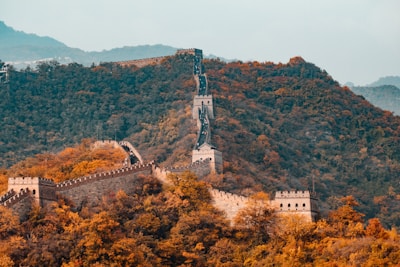
很多人去中国看长城、故宫、兵马俑。这些当然值得看。但如果你愿意深入少数民族地区,你会看到中国真正多元的一面——不是一个同质化的"中国",而是几十个不同的世界,每种都有自己的语言、服饰、节日、信仰和美食。
Many people go to China for the Great Wall, the Forbidden City, the Terracotta Warriors. These are all worth seeing. But if you venture into ethnic minority regions, you will see a truly diverse China — not a homogenized "China," but dozens of different worlds, each with its own language, clothing, festivals, beliefs, and cuisine.
在云南的一个白族村子里,一位奶奶用生硬的英语对我说:"我们的房子,我们的布,我们的歌,这些都是我们的文字。"她没有说"我们没有文字"。她说"这些就是我们的文字"。
In a Bai village in Yunnan, a grandmother said to me in broken English: "Our houses, our cloth, our songs — these are our writing." She did not say "we have no writing." She said "these are our writing."
下次你来中国,试试往西走、往南走。那里有一个你从未见过的中国。
Next time you visit China, try heading west, heading south. There is a China there that you have never seen.
延伸阅读 / Related Reads
- 中国高铁出行完全指南 | Complete Guide to China's High-Speed Rail
- 来华游客必备清单:证件/通讯/支付一站搞定 | Essential Checklist for Visitors to China
- 中国高铁乘车全攻略(境外游客版) | Complete HSR Guide for Foreign Tourists
- 中国景区门票预约与排队技巧 | Booking Tickets and Beating Queues at Chinese Attractions
- 华东五城10日经典环线 | 10-Day East China Five-City Loop
- 我第一次在中国茶馆里学会慢下来 | The First Time I Learned to Slow Down in a Chinese Teahouse
- 中国旅游预算规划指南 | China Travel Budget Planning Guide
- 雾江边的一晚重庆火锅 | A Foggy-River Evening of Chongqing Hotpot
- 天还没热起来,长安早市已经把一天的味道摆出来了 | Before the Heat Rose, Chang'an's Morning Market Had Already Laid Out the Flavor of the Day
- 无锡下班路口最动人的,不是风景,而是每个人都知道怎么让一让 | What Moves Me Most at a Wuxi Rush-Hour Crossing Is Not the View but the Way People Yield
- 和妈妈在福州三坊七巷躲五月阵雨时,我们终于把很多不好意思问出口的话说出来了 | Sheltering from a May Shower in Fuzhou, My Mother and I Finally Said Things We Had Long Left Unspoken
- 丽江的雨停在屋檐上以后,我开始跟着水渠和石板路慢慢走 | After Rain Stopped Along Lijiang’s Eaves, I Began Following the Canals and Stone Lanes Slowly
- 微信支付开通全流程(境外用户) | WeChat Pay Setup for Foreign Visitors
- 南甜北咸是个谎言,但也不全是 | "Sweet South, Salty North" Is a Lie — But Not Entirely
- 天津海河边的傍晚,不适合用打卡速度走完 | An Evening by Tianjin’s Haihe River Is Not for Check-In Speed
Comments (0)