
中国节假日全解:春节、黄金周与调休制度 | Chinese Holidays Explained: Spring Festival, Golden Week & the Adjusted Schedule System
中国节假日全解:春节、黄金周与调休制度 | Chinese Holidays Explained: Spring Festival, Golden Week & the Adjusted Schedule System
一月底的北京地铁里,你会注意到一些奇怪的变化。行李箱变多了。人们的脸上开始挂上一种焦虑与期待混合的表情。手机屏幕上全是12306的抢票页面。空气中隐约有一种离别的味道——不是悲伤,而是一种"终于要回家了"的如释重负。
In late January, you'll notice something changing on the Beijing subway. There are more suitcases. People's faces carry a blend of anxiety and anticipation. Phone screens glow with the 12306 ticket-booking app. There's a faint feeling of departure in the air — not sadness, but the relief of "finally going home."
春运开始了。
Chunyun has begun.
春节:一切的起点 / Spring Festival: Where It All Starts
春节不是一天。它是一整段时间的引力场,从腊月二十三的小年到正月十五的元宵节,前后将近一个月。但法定假期通常是七天——除夕到正月初六。
Spring Festival is not a single day. It is a gravitational field stretching nearly a month, from the Little New Year on the 23rd day of the twelfth lunar month to the Lantern Festival on the 15th of the first lunar month. The official holiday, however, is usually seven days — from New Year's Eve to the sixth day of the first month.
这七天里,中国几乎停摆。
During these seven days, China practically shuts down.
不是夸张。超过十四亿人中,至少有三分之一在路上。2024年春运期间,全国旅客发送量超过九十亿人次。火车票提前十五天开售,热门线路的票在开售后三十秒内售罄。你没看错——三十秒。
This is not an exaggeration. Of China's 1.4 billion people, at least a third are on the move. During the 2024 Chunyun period, total passenger trips exceeded nine billion. Train tickets go on sale fifteen days in advance, and popular routes sell out within thirty seconds. You read that right — thirty seconds.
如果你在春节期间来中国旅行,你需要知道以下几件事:
If you're traveling to China during Spring Festival, here's what you need to know:
交通:机票和火车票价格翻倍甚至三倍。热门旅游城市的酒店价格飙升。但——好消息是——大城市反而变空了。北京、上海、深圳这些打工人聚集的城市,春节期间人口减少30%以上,地铁不挤了,餐厅不排队了,有一种末日后的宁静感。
Transport: Flight and train ticket prices double or triple. Hotels in popular tourist cities surge in price. But — good news — the big cities actually empty out. Beijing, Shanghai, and Shenzhen, cities where migrant workers concentrate, lose over 30% of their population during Spring Festival. The subway is uncrowded, restaurants have no queues, and there's an almost post-apocalyptic calm.
商业:大量餐厅和小店关门。连锁快餐(麦当劳、肯德基)和大型商场通常照常营业,但营业时间可能缩短。街边的小面馆、理发店、水果摊基本全部歇业,老板们都回老家了。
Businesses: Many restaurants and small shops close. Fast food chains (McDonald's, KFC) and large malls usually stay open, but with reduced hours. Street-side noodle shops, barbershops, and fruit stalls all shut down — their owners have gone home for the holiday.
氛围:除夕夜,整个中国都在放烟花(虽然很多城市禁止了,但郊区和农村依然热闹)。春晚——中央电视台的春节联欢晚会——是全球收视率最高的电视节目,超过七亿人同时观看。大年初一,街上安静得出奇,因为所有人都在家吃饺子、打麻将、给孩子发红包。
Atmosphere: On New Year's Eve, all of China lights up with fireworks (though many cities have banned them, suburbs and rural areas remain lively). The Spring Festival Gala on CCTV is the world's most-watched TV program, with over 700 million simultaneous viewers. On the first day of the new year, streets are eerily quiet — everyone is home eating dumplings, playing mahjong, and handing red envelopes to children.
调休:中国独有的"借日还日" / Tiaoxi: China's Unique "Borrow-a-Day" System
春节放七天假,听起来不错?但代价是——你可能要在前一个周末或后一个周末上班。
Seven days off for Spring Festival sounds great, right? But the catch is — you might have to work on the weekend before or after.
这就是调休(tiáoxiū),一个让十四亿中国人又爱又恨的制度。
This is tiaoxi (tiáoxiū), a system that 1.4 billion Chinese people simultaneously love and hate.
原理很简单:为了凑出连续长假,政府把相邻的周末工作日和假期互换。比如,如果国庆节(10月1日)是周三,政府会让你周六周日正常休息,然后周一到周五放假加上下一个周末——但你需要用之前的周六或之后的周六来"还"这些天。
The principle is straightforward: to create consecutive long holidays, the government swaps adjacent weekend days with workdays. For example, if National Day (October 1st) falls on a Wednesday, you might get Monday through Friday off plus the following weekend — but you'll need to "repay" those days by working on the preceding or following Saturday.
结果就是:你可能会遇到连上七天班的情况。没错,七天。调休前上六天班 + 调休后再补一天,或者其他排列组合。每年调休安排公布时,社交媒体上的吐槽堪比一场全民运动。
The result: you might end up working seven consecutive days. Yes, seven. Six days before the holiday plus one makeup day after, or some other combination. When the annual tiaoxi schedule is announced, the complaints on social media rival a national sporting event.
对游客的影响:调休日(补班的周六或周日)虽然是工作日,但学校可能放假,部分景区和商场按周末模式运营,交通比正常工作日稍繁忙。如果你的行程恰好碰上调休日,别被日历上的"周六"迷惑——它实际上是工作日。
Impact on tourists: On tiaoxi days (the Saturday or Sunday you work to "repay"), schools may be off, some attractions and malls operate on weekend schedules, and traffic is slightly heavier than a normal workday. If your itinerary falls on a tiaoxi day, don't be fooled by "Saturday" on the calendar — it's functionally a workday.
黄金周:十月的全民出游 / Golden Week: October's National Migration
如果春节是"回家",那国庆黄金周就是"出去玩"。
If Spring Festival means "going home," then the National Day Golden Week means "going out to play."
每年十月一日至七日,中国放假七天。这是除了春节之外最长的假期,也是中国人集中出游的高峰。2024年国庆黄金周,全国旅游出行人次达到八亿二千万,旅游收入超过七千亿元。
October 1st through 7th is a seven-day national holiday every year. It is the longest vacation besides Spring Festival and the peak travel season for Chinese tourists. During the 2024 National Day Golden Week, domestic tourist trips reached 820 million, with tourism revenue exceeding 700 billion yuan.
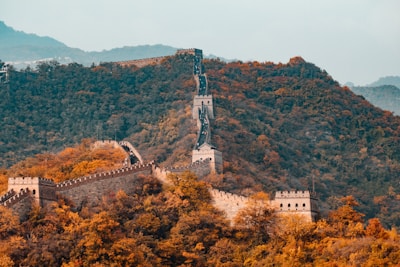
这意味着什么?意味着你在长城上拍照时,照片里会有大约两千个陌生人的脑袋。意味着故宫的门票需要提前十天抢。意味着高速公路变成了停车场——不是比喻,是字面意义上的停车场,有人下车在路边野餐。
What does this mean? It means when you take a photo on the Great Wall, roughly two thousand strangers' heads will be in your frame. It means Palace Museum tickets need to be snatched up ten days in advance. It means highways become parking lots — not metaphorically, literally, with people getting out of their cars to picnic on the roadside.
游客生存指南:
Tourist Survival Guide:
| 项目 | 黄金周期间 | 平时 |
|---|---|---|
| 故宫门票 | 需提前10天抢,¥60 | 提前1-3天可买到 |
| 长城(八达岭) | 日客流8万+ | 日客流1-2万 |
| 高铁票 | 提前15天抢,热门线路秒光 | 随时可买 |
| 酒店价格 | 上涨50%-200% | 正常 |
| 景区排队 | 2-4小时 | 15-30分钟 |
| Item | During Golden Week | Normal Times |
|---|---|---|
| Palace Museum tickets | Book 10 days ahead, ¥60 | Available 1-3 days before |
| Great Wall (Badaling) | 80,000+ daily visitors | 10,000-20,000 daily |
| HSR tickets | Book 15 days ahead, hot routes sell instantly | Buy anytime |
| Hotel prices | 50%-200% markup | Normal |
| Attraction queues | 2-4 hours | 15-30 minutes |
如果你非要在黄金周来中国,建议选择冷门目的地——甘肃、宁夏、贵州这些省份,游客密度远低于北京上海。或者反其道而行之:留在大城市,享受本地人都出去旅游后的清静。
If you must visit China during Golden Week, consider less popular destinations — provinces like Gansu, Ningxia, and Guizhou have far lower tourist density than Beijing or Shanghai. Or do the opposite: stay in the big cities and enjoy the calm after locals have left for their trips.
其他法定假日速览 / Other Public Holidays at a Glance
| 假日 | 日期 | 天数 | 特点 |
|---|---|---|---|
| 元旦 | 1月1日 | 1天 | 通常凑成3天小长假 |
| 春节 | 农历正月初一 | 3天(调休至7天) | 全年最大规模人口流动 |
| 清明节 | 4月4-6日左右 | 1天(调休至3天) | 扫墓踏青,墓园周边堵车 |
| 劳动节 | 5月1日 | 1天(调休至5天) | 旅游小高峰 |
| 端午节 | 农历五月初五 | 1天(调休至3天) | 吃粽子看龙舟 |
| 中秋节 | 农历八月十五 | 1天(调休至3天) | 吃月饼赏月 |
| 国庆节 | 10月1日 | 3天(调休至7天) | 全年第二大出行高峰 |
| Holiday | Date | Days | Characteristics |
|---|---|---|---|
| New Year's Day | Jan 1 | 1 (extended to 3) | Usually a short break |
| Spring Festival | Lunar New Year | 3 (extended to 7) | Largest population movement on Earth |
| Qingming | Around Apr 4-6 | 1 (extended to 3) | Tomb-sweeping, cemetery area traffic jams |
| Labor Day | May 1 | 1 (extended to 5) | Minor tourism peak |
| Dragon Boat | Lunar May 5 | 1 (extended to 3) | Zongzi and dragon boat races |
| Mid-Autumn | Lunar Aug 15 | 1 (extended to 3) | Mooncakes and moon-gazing |
| National Day | Oct 1 | 3 (extended to 7) | Second-largest travel peak |
什么时候来中国最划算? / When Is the Best Time to Visit?
说了这么多,简单总结就是:避开春节和国庆。
After all this, the simple summary is: avoid Spring Festival and National Day.
最佳窗口期是三月中旬到四月底(清明假期除外的工作日)、六月中旬到九月中旬(暑假期间学生多但成人上班,总体可控)、以及十一月到十二月。这些时段机票便宜、酒店正常价、景区不挤。
The best windows are mid-March to late April (excluding the Qingming holiday), mid-June to mid-September (students are on summer break but adults are at work, manageable overall), and November through December. During these periods, flights are cheap, hotels are at normal prices, and attractions aren't overcrowded.
不过话说回来——如果你能忍受人潮,在春节或国庆期间来中国,你会看到一个完全不同的中国。那种全民参与的集体仪式感,那种高速公路上三千万辆车同时出发的壮观,那种除夕夜整个天际线被烟花点亮的震撼,都是平日里看不到的。
That said — if you can handle the crowds, visiting China during Spring Festival or National Day shows you a completely different China. The collective ritual of an entire nation participating together, the spectacle of thirty million cars hitting the highway simultaneously, the shock of an entire skyline lit up by fireworks on New Year's Eve — these are things you simply cannot see on ordinary days.
有时候,不方便本身就是体验的一部分。
Sometimes, the inconvenience itself is part of the experience.
延伸阅读 / Related Reads
- 中国高铁出行完全指南 | Complete Guide to China's High-Speed Rail
- 来华游客必备清单:证件/通讯/支付一站搞定 | Essential Checklist for Visitors to China
- 中国高铁乘车全攻略(境外游客版) | Complete HSR Guide for Foreign Tourists
- 中国景区门票预约与排队技巧 | Booking Tickets and Beating Queues at Chinese Attractions
- 华东五城10日经典环线 | 10-Day East China Five-City Loop
- 黄河、桥和夜市之间,我先把兰州装进了一块手机屏幕里 | Between the Yellow River, Bridges, and Night Markets, I First Fit Lanzhou into My Phone Screen
- 路边那口锅,才是一座城市的真心话 | The Roadside Wok Doesn't Lie
- 杭州下雨的下午,孩子第一次主动找陌生小朋友一起玩 | On a Rainy Afternoon in Hangzhou, My Child Asked a Stranger to Play Together
- 我们带着孩子在杭州遇上五月细雨,才知道西湖不用一路赶 | Traveling Hangzhou with a Child in May Rain Taught Us West Lake Never Needed Rushing
- 南京五月的雨把我们一家三口困在城墙边,却顺手送来了一顿最好吃的鸭血粉丝汤 | A May Rain by Nanjing's City Wall Stranded Our Family of Three and Delivered the Best Bowl of Duck Blood Soup Instead
- 苏州园林不是用来赶场的,我在一扇漏窗前停了十分钟 | Suzhou Gardens Are Not for Rushing; I Stopped Ten Minutes Before One Lattice Window
- 扬州早茶的一场耐心训练 | A Lesson in Patience at Yangzhou Morning Tea
- 中国地理概览 | China Geographic Overview
- 我在中国县城汽车站学会先看人群走向,再找检票口 | I Learned at a Chinese County Bus Station to Watch Where People Flow Before Looking for the Gate
- 鸡鸣寺到城墙下那一段夜路,让我读懂南京为什么适合慢慢看 | The Night Stretch from Jiming Temple to the Foot of the Wall Showed Me Why Nanjing Rewards Slow Looking
Comments (0)