
两周中国行,我帮你把行程想清楚了 | A 2-Week China Itinerary That Actually Makes Sense
两周中国行,我帮你把行程想清楚了 | A 2-Week China Itinerary That Actually Makes Sense
朋友问我:两周去中国,怎么安排最值?
我想了一下,这个问题其实很难回答——因为"值"这个字,每个人定义不同。有人要看古迹,有人要吃遍各地,有人就想在某个地方发呆三天。
但如果你是第一次去,或者只有两周,有一条路线是我反复推荐过的:北京→西安→成都→上海。不是因为它最"全",而是因为它把中国最核心的几个面——帝国历史、古代文明、西南生活气、现代都市——用最合理的交通动线串起来了。
这篇文章就按这条线来写。如果你有不同偏好,我在最后也给了几个变体方案。
出发前要知道的事 / Before You Go
两周14天,扣掉国际航班的出发日和回程日,实际在中国的时间大概是12天。这12天里,城市间移动会消耗2-3天(高铁+适应时差),所以真正能深度游览的时间是9-10天。
别贪多。很多人第一次来中国,把7个城市塞进14天,结果每个地方只待了一天半,全程在赶路。
Two weeks sounds like a lot until you factor in arrival day, departure day, and the time spent moving between cities. You're realistically looking at 9–10 full days of actual sightseeing. That's enough to do 4 cities well — not 7.
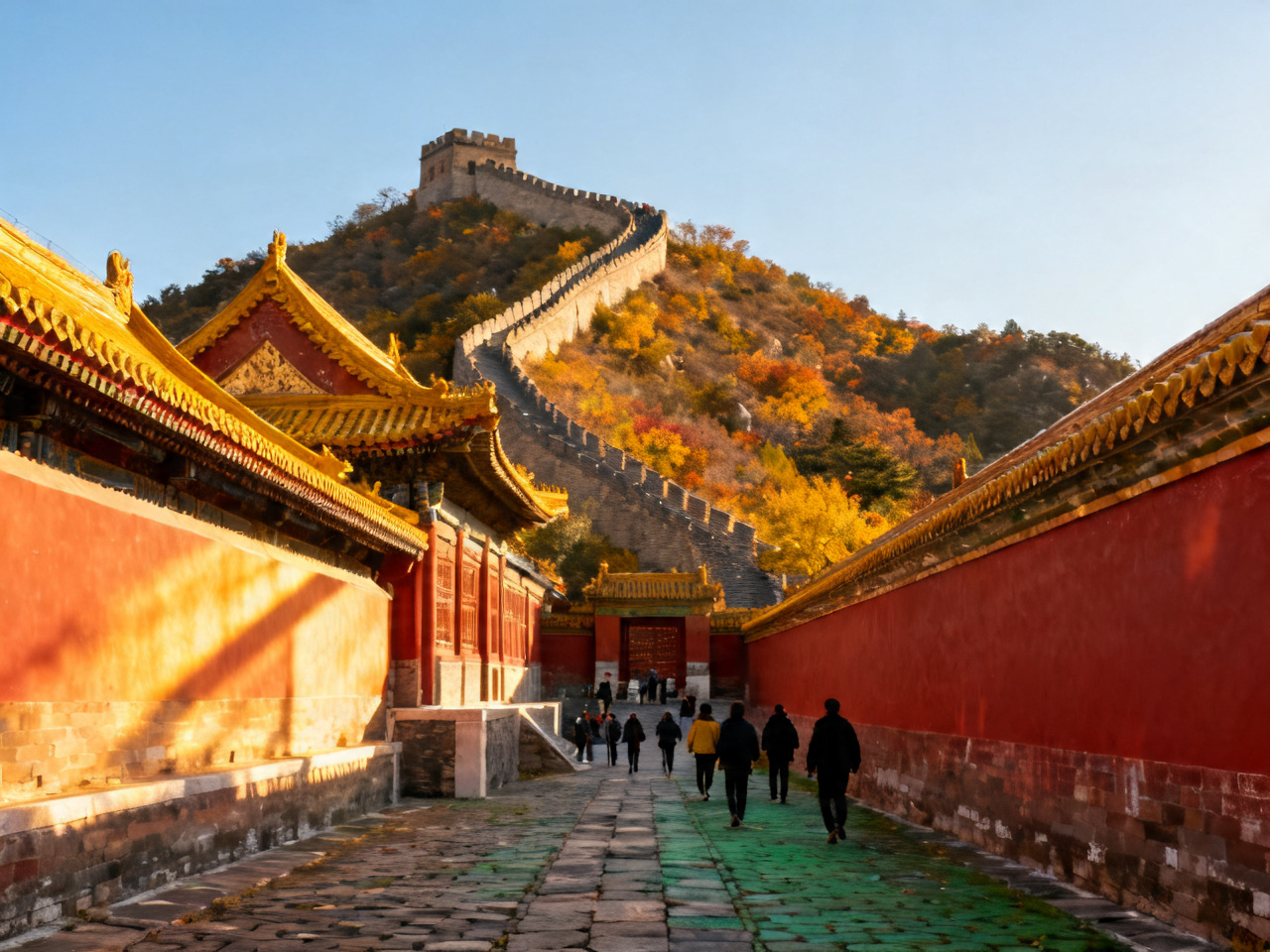
第1-3天:北京 / Days 1–3: Beijing
落地日:从首都机场或大兴机场进城,地铁直达市区,别打出租车,贵还堵。
第一天别安排太多,时差会让你在下午三点突然困到不行。故宫留到第二天精神好的时候去。
Day 1(到达):安顿,附近随便吃,王府井或南锣鼓巷走走,感受一下北京的气温和节奏。
Day 2(故宫+景山):故宫要提前在官网预约,不接受现场购票。进去之后别只走中轴线,东西两侧的珍宝馆和钟表馆才是精华。下午爬景山,俯瞰故宫全景,这个角度是免费的。
Day 3(长城):慕田峪长城比八达岭人少、保存更好,从市区打车或拼车约1.5小时。建议早上8点前出发,避开旅游团。
Arrival day: Take the subway from the airport — it's direct, cheap, and avoids the notorious Beijing traffic. Don't over-schedule your first day; jet lag will hit you hard around 3pm.
Day 2 (Forbidden City + Jingshan): Book tickets online in advance — no walk-ins allowed. Don't just walk the central axis; the Treasure Gallery and Clock Museum on the sides are worth the extra time. Finish at Jingshan Park for the rooftop view over the palace.
Day 3 (Great Wall): Go to Mutianyu, not Badaling. It's less crowded, better preserved, and has a cable car. Leave before 8am to beat the tour groups.
第4-5天:西安 / Days 4–5: Xi'an
北京到西安,高铁约4.5小时,早上出发下午到,不浪费时间。
西安是中国历史密度最高的城市之一。秦始皇兵马俑、唐代大雁塔、汉代城墙,三个朝代的遗迹在同一座城市里叠着。
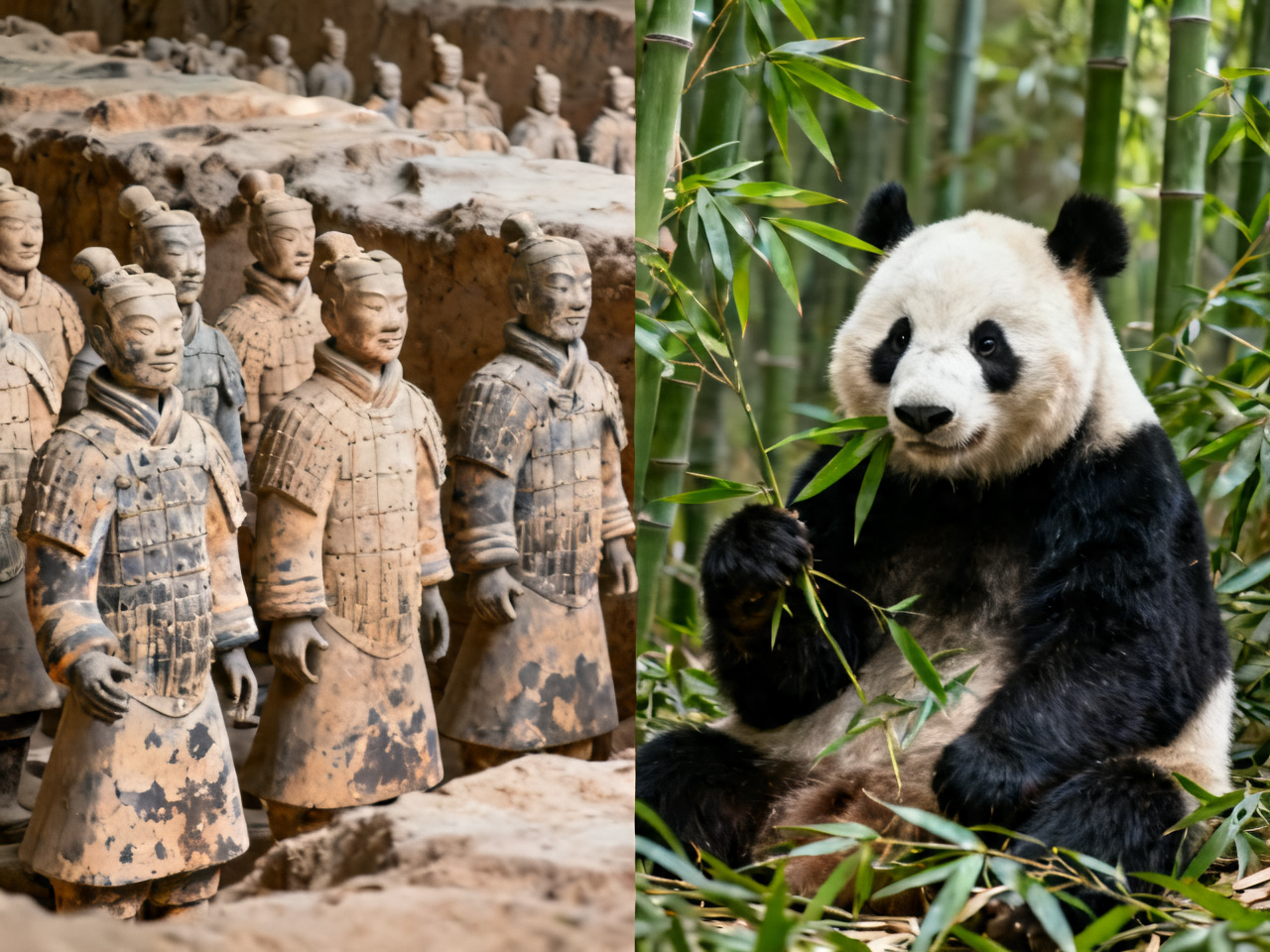
Day 4(兵马俑+华清宫):兵马俑在市区东边约40公里,打车或坐旅游专线。一号坑规模最大,但三号坑的"指挥部"遗址更有意思。下午顺路去华清宫,唐玄宗和杨贵妃的温泉行宫,现在还能看到当年的浴池遗址。
Day 5(城墙+回民街):早上租自行车骑城墙一圈,约14公里,1.5小时。下午逛回民街,吃羊肉泡馍、肉夹馍、凉皮。晚上大唐不夜城的灯光秀值得去看一次。
Getting there: High-speed train from Beijing takes about 4.5 hours. Leave in the morning, arrive by early afternoon.
Day 4 (Terracotta Army): It's 40km east of the city center — take a tourist bus or taxi. Pit 1 is the most dramatic, but Pit 3 (the command center) tells a more interesting story. Combine with Huaqing Palace on the way back.
Day 5 (City Wall + Muslim Quarter): Rent a bike and ride the full 14km loop on top of the ancient city wall — one of the best things you can do in Xi'an. Afternoon in the Muslim Quarter for lamb soup, roujiamo (Chinese "hamburger"), and cold noodles.
第6-8天:成都 / Days 6–8: Chengdu
西安到成都,高铁约3小时。
成都是这条路线里节奏最慢的城市,也是很多人最喜欢的一站。不是因为景点最多,而是因为这里的生活方式本身就是景点——茶馆、麻将、火锅、熊猫,还有那种不紧不慢的成都气质。
Day 6(大熊猫繁育研究基地):必须早上8点前到,熊猫在早上最活跃,10点之后基本都在睡觉。下午去宽窄巷子,这里是成都老城区改造后的步行街,比较商业化,但建筑格局还在。
Day 7(乐山大佛):从成都南站坐高铁约40分钟到乐山,再打车到景区。乐山大佛是世界最大的石刻佛像,71米高,坐在山崖上俯瞰三江汇流。建议坐游船从水面仰望,角度震撼。
Day 8(成都市区+火锅):留一天在市区慢慢逛。锦里古街、武侯祠、杜甫草堂,选一两个去。晚上吃一顿正经的成都火锅——不是连锁店,找当地人推荐的街边馆子。
Day 6 (Giant Panda Base): Arrive before 8am — pandas are most active in the morning and basically asleep by 10am. Afternoon at Kuanzhai Alley for a taste of old Chengdu architecture.
Day 7 (Leshan Giant Buddha): 40-minute high-speed train from Chengdu South Station. The Buddha is 71 meters tall, carved into a cliff face at the confluence of three rivers. Take the boat for the best view — looking up from the water is genuinely awe-inspiring.
Day 8 (Slow day in Chengdu): Pick one or two from Jinli Street, Wuhou Shrine, or Du Fu Thatched Cottage. Save your energy for dinner — a proper Chengdu hotpot, not a chain restaurant.
第9-11天:上海 / Days 9–11: Shanghai
成都到上海,飞机约2.5小时,或高铁约11小时(建议飞)。
上海是这条路线的收尾,也是最"国际化"的一站。如果你在北京和西安感受到的是中国的历史厚度,在成都感受到的是中国的生活温度,那上海给你的是中国的当代面貌——外滩的殖民地建筑、陆家嘴的摩天楼、弄堂里的咖啡馆,三个时代叠在一起。
Day 9(外滩+陆家嘴):白天在外滩走走,看黄浦江两岸的建筑对比。晚上去陆家嘴,东方明珠或上海中心大厦的观景台,俯瞰夜景。
Day 10(法租界+田子坊):上午在武康路、安福路一带的法租界街区漫步,这里是上海最适合发呆的地方。下午去田子坊,石库门弄堂改造的艺术区,比新天地更有烟火气。
Day 11(豫园+出发前):豫园是上海市区里保存最完整的明代园林,早上人少的时候去。下午留出时间去机场,上海虹桥和浦东两个机场,别搞错了。
Getting there: Fly from Chengdu — it's 2.5 hours versus 11 hours by train.
Day 9 (The Bund + Lujiazui): Walk the Bund in the afternoon, then cross to Lujiazui for the skyline view at night. The contrast between the colonial-era buildings on one side and the skyscrapers on the other is the defining image of modern China.
Day 10 (French Concession + Tianzifang): Spend the morning wandering Wukang Road and Anfu Road — tree-lined streets, art deco buildings, good coffee. Afternoon in Tianzifang, a maze of shikumen alleyways converted into galleries and cafes.
Day 11 (Yu Garden + departure): Yu Garden is a well-preserved Ming dynasty garden in the old city — go early before the crowds. Leave the afternoon free for the airport. Shanghai has two airports (Hongqiao and Pudong) — double-check which one your flight uses.
实用信息 / Practical Notes
交通:城市间全程高铁+一段飞机(成都→上海)。高铁买票用铁路12306 App,需要护照信息注册。
支付:微信支付和支付宝现在都支持境外银行卡绑定,出发前开通好,现金只需备少量应急。
签证:大多数国家公民需要提前申请中国签证,部分国家享有免签或落地签,出发前确认自己国家的政策。
最佳季节:4-5月(春)和9-10月(秋)是全国性的好时节。7-8月北方热、南方热且多雨,但成都全年都可以去。
Transportation: All intercity travel by high-speed rail except the Chengdu–Shanghai leg (fly). Book train tickets on the 12306 app with your passport details.
Payment: Both WeChat Pay and Alipay now support foreign bank cards. Set them up before you arrive — you'll need them for almost everything.
Visa: Most nationalities need a visa in advance. Some countries have visa-free access or visa-on-arrival — check your country's current status before booking flights.
Best time to visit: April–May and September–October are ideal nationwide. Summer (July–August) is hot and humid in most cities, though Chengdu is manageable year-round.
如果你不想走这条线 / Alternative Routes
偏爱自然风光:把西安换成张家界(湖南),或者把上海换成桂林+阳朔。
偏爱历史文化:在西安多待一天,加上洛阳龙门石窟(从西安高铁约2小时)。
偏爱美食:成都多待两天,加一天去重庆(高铁1.5小时),两座城市的火锅文化完全不同。
If you prefer nature: Swap Xi'an for Zhangjiajie (Hunan), or replace Shanghai with Guilin and Yangshuo.
If you want more history: Add a day in Xi'an and make a side trip to Luoyang's Longmen Grottoes (2 hours by high-speed rail).
If food is your priority: Spend an extra day in Chengdu and take a day trip to Chongqing (1.5 hours by train) — the two cities have distinct hotpot cultures worth comparing.
两周不算长,但如果你把时间花在对的地方,回去之后你会发现,你对中国的理解比很多去了一个月的人还要清晰。
因为你不是在走马观花,你是在认真看。
Two weeks isn't long. But if you spend it in the right places, you'll come back with a clearer picture of China than most people who spent a month there — because you were paying attention, not just collecting stamps.
- 中国免签政策 | China's Visa-Free Policies Fully Decoded (2025-2026)
- 都江堰的水没有被堵住:我沿着分流口看一座工程怎样工作 | Dujiangyan’s Water Was Not Blocked: How I Read Its Flow
- 香包制作:我第一次发现香气也可以被一针一线缝起来 | Scented Sachet Making: The First Time I Realized Fragrance Could Be Sewn Together with Needle and Thread
- 九月开学季:短途周末游推荐 | September Weekend Getaways Near the City
- 我在和田河边捡了一块石头,然后掉进了八千年的坑 | I Picked Up a Stone by the Hetian River and Fell Into an 8,000-Year Rabbit Hole
- 我在服务区吃到一碗热汤,才懂中国公路旅行的细节 | A Hot Soup at a Highway Service Area Showed Me the Details of Road Trips in China
- 陪父母去乌镇的那个雨天,我第一次不再把“安排周全”当成孝顺 | A Rainy Day in Wuzhen with My Parents Taught Me That Love Is Not the Same as Overplanning
- 重庆火锅不需要你懂,它只需要你坐下来 | Chongqing Hotpot Doesn't Need You to Understand It — Just Sit Down
- 我坐绿皮火车从昆明晃到北京 | I Took a Slow Train from Kunming All the Way to Beijing
- 面子、关系与人情:读懂中国社会的三把钥匙 | Face, Guanxi & Renqing: Three Keys to Understanding Chinese Society
Comments (0)