
第一次用中国公共厕所,我学会提前看标识和纸巾 | My First Public Toilet Lesson in China Was to Check Signs and Tissue First
第一次用中国公共厕所,我学会提前看标识和纸巾 | My First Public Toilet Lesson in China Was to Check Signs and Tissue First
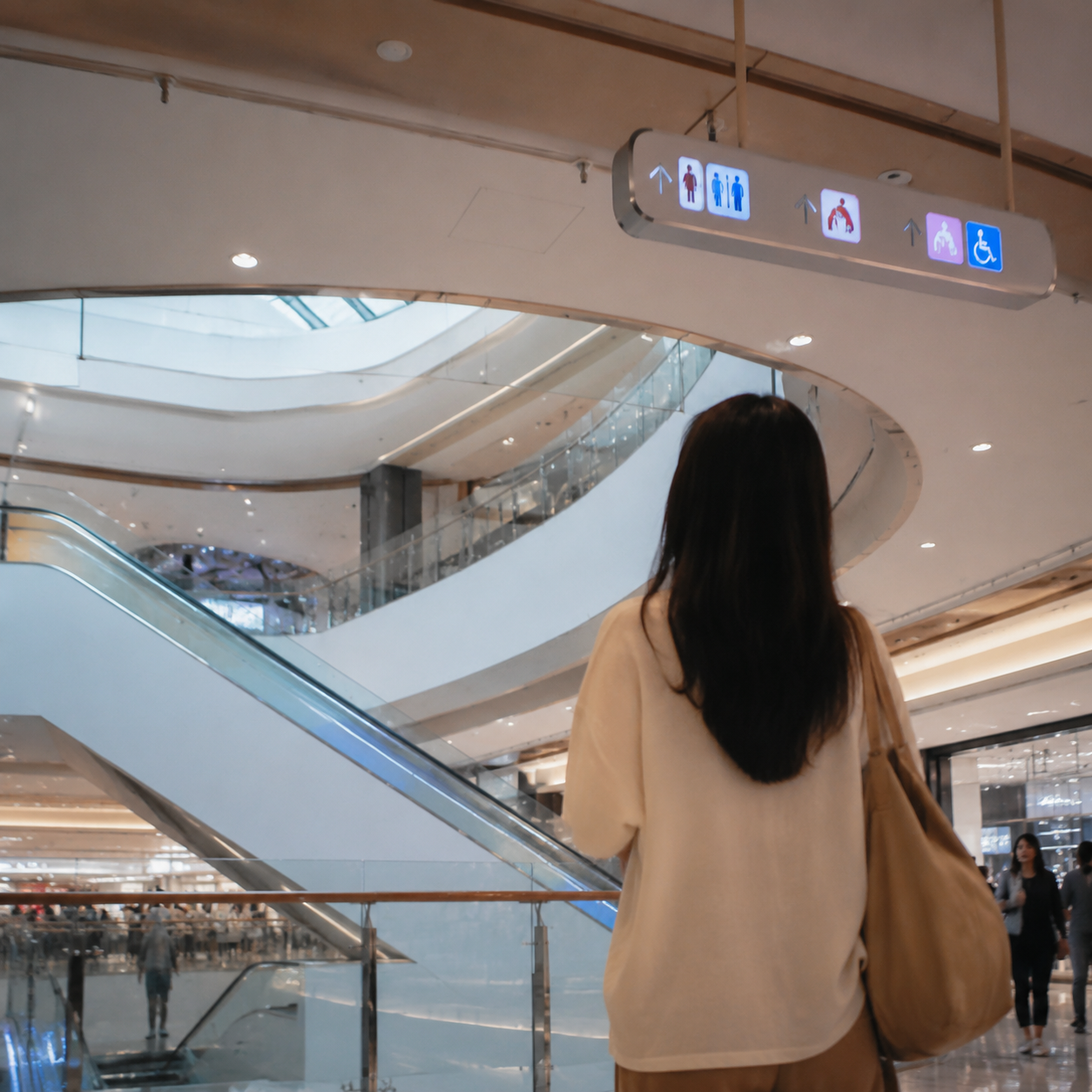
我第一次在中国真正意识到公共厕所也需要“读懂现场”,是在一个周末的商场里。那天我刚到一座南方城市,上午逛完地铁口附近的书店,下午又去商场吃饭。咖啡、热汤和空调让我突然很想找洗手间。我以为这会像在家乡一样简单:看到 restroom 的牌子,顺着箭头走进去就好。可我站在商场扶梯旁,抬头看见的是“卫生间”“母婴室”“无障碍卫生间”和一排不同颜色的图标,心里一下子慢了半拍。
My first real lesson about public toilets in China happened inside a shopping mall on a weekend. I had just arrived in a southern city, spent the morning in a bookstore near the metro, and then went to the mall for lunch. Coffee, soup, and strong air conditioning suddenly made the restroom urgent. I assumed it would be simple, like back home: find the restroom sign, follow the arrow, walk in. Instead, I stood near an escalator and saw signs for 卫生间, 母婴室, and 无障碍卫生间, plus several colored icons. My confidence paused for a second.
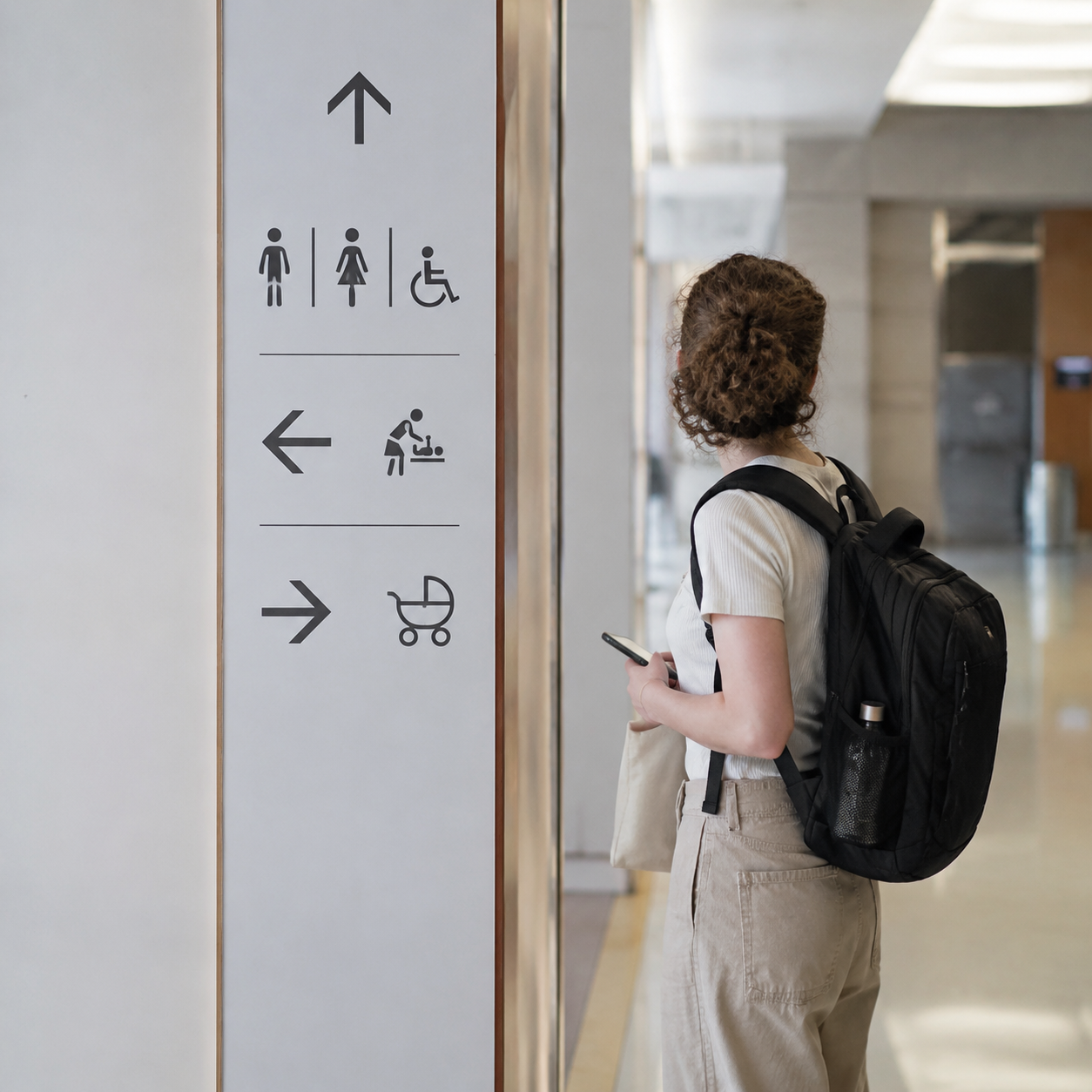
商场里的标识其实很清楚,只是我一开始没有耐心看。楼层导览牌上有小小的厕所图标,旁边写着在 L3 东侧和 L5 西侧。我先顺着最近的箭头走,却发现自己走到了母婴室门口;门边有婴儿车图案,我才明白这个不是普通厕所。后来我退回走廊,重新看墙上的箭头,注意到男厕和女厕图标分在左右两侧,中间还有一个无障碍卫生间。对一个刚来的外国人来说,最重要的不是走得快,而是先把图标和中文词看完整。
The signs in the mall were actually clear; I was the one who did not slow down enough. The floor map showed small toilet icons with locations on the east side of L3 and west side of L5. I followed the nearest arrow first and ended up in front of the nursing room. The stroller icon on the door finally told me it was not a regular toilet. I walked back to the corridor, looked again, and noticed that the male and female icons were separated to different sides, with an accessible toilet in the middle. For a foreigner new to China, the key is not moving fast. The key is reading the icons and Chinese words fully.
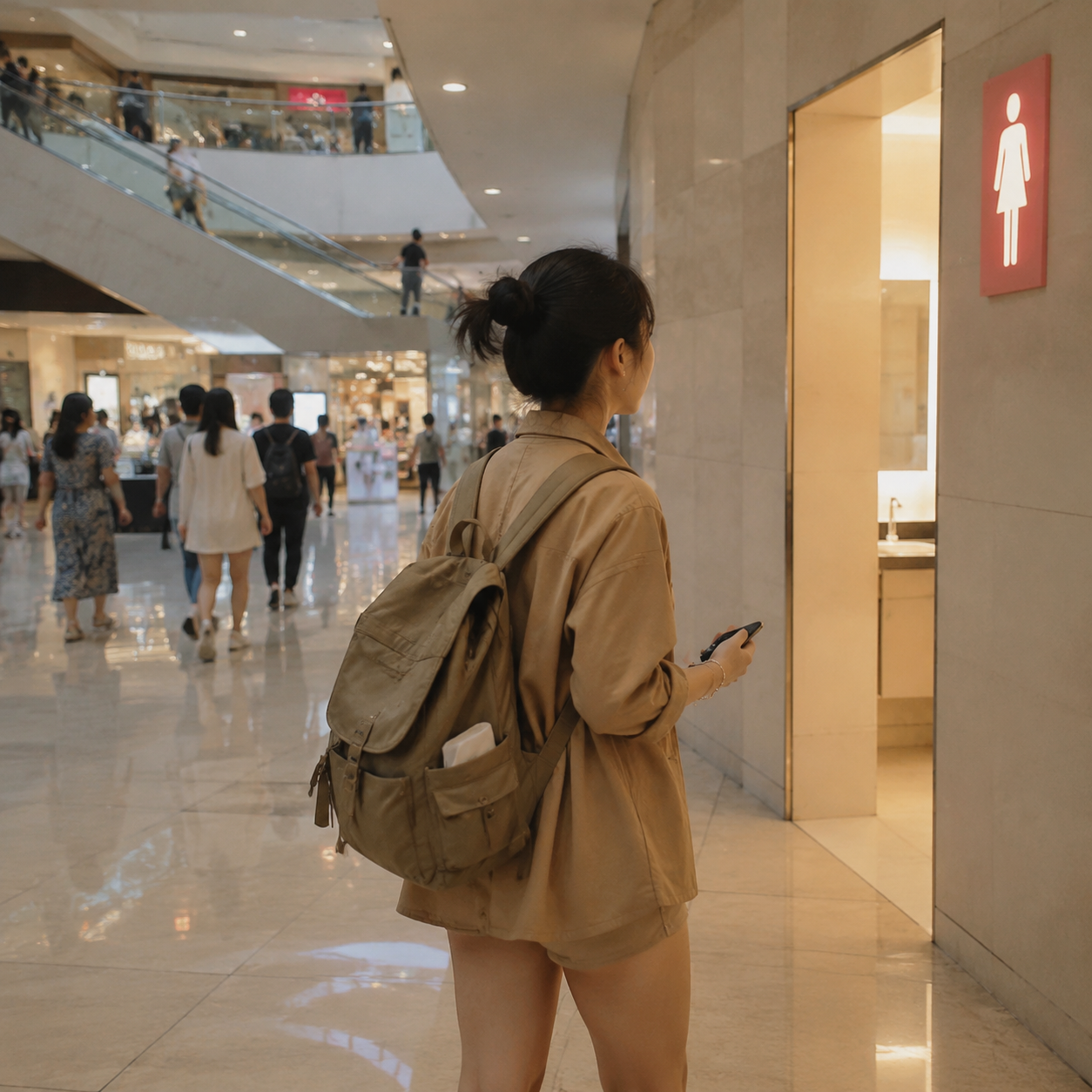
进门前我还遇到一个小小的尴尬:门口没有我熟悉的长英文说明,只有图标和几个中文提示。有人从里面出来,我差点跟着往里走,结果保洁阿姨用手指了指另一边,很温和地说:“男厕在那边。”我马上道谢,脸有点热。她没有笑我,只是继续拖地。那一刻我明白,在公共场所不确定时,停下来问一句比假装懂更轻松。中国商场人很多,但很多工作人员也习惯给迷路的人指路。
Before entering, I met a small embarrassment. There was no long English explanation like I expected, only icons and short Chinese notices. Someone came out, and I almost followed them in. A cleaning auntie gently pointed to the other side and said, “The men’s room is over there.” I thanked her at once, feeling my face get warm. She did not laugh at me; she simply continued mopping. In that moment I understood that when I am unsure in a public place, asking is easier than pretending I know. Chinese malls can be crowded, but staff are often used to helping lost people.
排队是第二个课堂。商场厕所门口排着一小队人,大家不是挤成一团,而是自然地沿墙站成一列。有人看手机,有人拎着购物袋,有人带着孩子。我的第一反应是去看每个隔间门口有没有空位,后来发现这样会挡住别人出来。我学着站到队尾,跟着前面的人慢慢移动。中国公共厕所的排队有时很安静,没人特意解释规则,但你只要观察十秒,就能看出队伍从哪里开始、哪里结束。
The queue was my second classroom. A small line had formed at the entrance, and people were not pushing into a cluster. They stood naturally along the wall. Some checked their phones, some held shopping bags, and one person had a child with them. My first instinct was to look at each stall door for an empty one, but I realized that would block people coming out. I copied the others, stood at the end of the line, and moved forward slowly. In Chinese public toilets, the queue can be quiet. Nobody explains the rule, but if I observe for ten seconds, I can usually see where the line starts and ends.
第三件事是纸巾。我的家乡很多公共厕所都把纸放在每个隔间里,所以我进隔间前没有多想。可我看到有人在门口的抽纸盒前先抽几张,也有人从包里拿出自己的纸巾。我突然想起朋友提醒过我,中国不少公共厕所可能没有隔间内厕纸,或者纸巾放在外面公共区域。我赶紧回头看,洗手台附近果然有一个纸盒,但已经快空了。那天我从纸盒里拿到最后几张纸,心里像完成了一次小型救援。
The third lesson was tissue. In my home country, many public toilets keep paper inside each stall, so I did not think much before going in. Then I saw people taking paper from a dispenser near the entrance, and others pulling tissues from their own bags. I suddenly remembered a friend telling me that some public toilets in China may not have paper inside the stall, or the paper may be placed in a shared area outside. I turned back quickly and saw a tissue box near the sinks, almost empty. I got the last few sheets from it, and it felt like a tiny rescue mission.
从那以后,我不再把纸巾当成小事。逛商场、去景区、坐高铁前,我都会确认包里有一小包纸和湿巾。它们不占地方,却能让人安心很多。特别是在景区,厕所离入口、停车场或观景台很远时,临时找便利店并不现实。中国很多城市的设施很现代,但公共厕所的配置仍然可能因地点而不同。包里有纸巾,就像给自己留了一点余地,不必在最急的时候再研究墙上的机器能不能扫码取纸。
Since then, I have stopped treating tissue as a minor detail. Before walking through malls, visiting scenic spots, or taking a high-speed train, I check that my bag has a small pack of tissues and wet wipes. They take almost no space but give me a lot of calm. This matters especially in scenic areas, where toilets may be far from the entrance, parking lot, or viewing platform, and finding a convenience store at the last minute is not realistic. Many Chinese cities have modern facilities, but toilet supplies still vary by location. Having tissue in my bag gives me a margin of comfort.
景区的厕所又给我上了另一课。那次我去一个山水景点,入口处的厕所又大又干净,标识也醒目。我以为里面的每个厕所都会一样,结果走到半山腰的小厕所时,才发现空间窄得多,排队也更长。门口的牌子写着“女厕请排队”“请节约用纸”“小心地滑”,旁边还有英文翻译,但翻译字体很小。我站在队伍里慢慢读,才知道地面刚被冲洗过,走路要格外小心。
A scenic area gave me another lesson. I visited a landscape park with mountains and water, and the toilet near the entrance was large, clean, and easy to find. I assumed every toilet inside would be the same. Halfway up the hill, I found a much smaller one with a longer queue. The signs at the door said to queue, save paper, and beware of slippery floors. There were English translations, but the letters were small. Standing in line gave me time to read them properly, and I realized the floor had just been washed, so I needed to walk more carefully.
在那个景区,我也第一次认真注意到蹲厕和坐厕的区别。门口墙上有小图标,显示某些隔间是蹲厕,某些是坐厕。以前我只看空不空,现在我会先看标识。对我来说,蹲厕一开始有点紧张,因为背包、手机和门锁都要顾到。我学会先把手机收好,把背包背紧或挂稳,再进去。动作慢一点没关系,后面的人通常会等。比起慌张地进去再手忙脚乱,进门前花几秒钟准备更舒服。
At that scenic toilet, I also seriously noticed the difference between squat toilets and seated toilets. Small icons on the wall showed that some stalls were squat style and others were seated. Before, I only looked for an empty stall; now I check the sign first. For me, squat toilets felt a little stressful at the beginning because I had to think about my backpack, phone, and door lock at the same time. I learned to put my phone away, secure my backpack, and then go in. Moving slowly is fine. People behind me usually wait. A few seconds of preparation before entering is better than panic inside.
洗手台也有自己的细节。商场里的水龙头常常是感应式,手伸过去就出水;景区里有些是按压式,需要按一下才会流水。我第一次遇到按压式时,以为坏了,旁边一个小朋友看了我一眼,直接按下去给我示范。我笑着说谢谢,他也笑了。洗手液有时在水池中间,有时在墙上,有时已经空了。烘手机可能很强,也可能没有反应。所以我包里的湿巾和纸巾再次派上用场。
The sinks have their own details too. In malls, faucets are often sensor-based; water comes out when I place my hands underneath. In scenic areas, some faucets are push-button style and need to be pressed. The first time I met one, I thought it was broken. A child beside me glanced at me and pressed it down to show me. I smiled and said thank you, and he smiled back. Soap may be in the middle of the sink area, on the wall, or already empty. Hand dryers may be powerful or may not work at all. My wet wipes and tissues become useful again.
保洁阿姨的提醒让我印象很深。有一次在商场厕所,地面刚拖过,她把黄色“小心地滑”的牌子放在入口处,又提醒大家“慢点走”。我当时急着往前,差点踩到一块湿地。她看见我停住,指了指旁边干一点的地方。我说“谢谢阿姨”,她点点头。那不是旅游攻略里会写的大场面,却很真实地改变了我的动作:公共厕所里不要只盯着门和队伍,也要看脚下、看提示牌、听工作人员的话。
A cleaning auntie’s reminder stayed with me. Once in a mall toilet, she had just mopped the floor, placed a yellow caution sign at the entrance, and reminded everyone to walk slowly. I was in a hurry and almost stepped onto a wet patch. She saw me stop and pointed to a drier area beside it. I said, “Thank you, auntie,” and she nodded. It was not a grand travel-guide moment, but it changed how I moved: in a public toilet, I should not only look at doors and queues. I should also watch the floor, read warning signs, and listen to staff.
我也学会区分“入口”和“出口”。有些大型商场的厕所像一个小通道,从一边进,另一边出;如果逆着人流走,就会跟别人撞在一起。景区厕所更明显,入口处可能排队,出口处靠近洗手台和垃圾桶。我以前只要看到门就往里走,现在会先看人流方向。哪边有人排队,哪边有人洗手,哪边有人出来,这些都在告诉我路线。看懂路线,心里就不会那么慌。
I also learned to distinguish entrance and exit. Some large mall toilets work almost like a small passage: people enter from one side and leave from another. If I walk against the flow, I bump into others. In scenic areas, the difference can be even clearer. The entrance may have a queue, while the exit is closer to sinks and trash bins. Before, I walked toward any door I saw. Now I first read the movement of people. Where are they lining up? Where are they washing hands? Where are they coming out? The route is already visible if I slow down.
不慌的办法,其实来自几个简单动作。第一,远远看到厕所标识时就开始观察,不要等到站在门口才判断。第二,先确认男厕、女厕、无障碍和母婴室的图标,别只跟着别人走。第三,进队伍前看有没有公共纸巾盒,包里也准备一包。第四,洗手时看水龙头类型和地面是否湿滑。第五,遇到不确定就问工作人员,中文不会说完整也没关系,指着标识说“这个?”通常别人能明白。
My way of staying calm comes from a few simple actions. First, when I see toilet signs from far away, I start observing early instead of waiting until I stand at the door. Second, I confirm the icons for men’s room, women’s room, accessible toilet, and nursing room, instead of just following others. Third, before joining the queue, I check whether there is a shared tissue dispenser, and I keep my own pack in my bag. Fourth, at the sink, I look at the faucet type and whether the floor is wet. Fifth, if I am unsure, I ask staff. Even incomplete Chinese can work; pointing at a sign and saying “this?” is often enough.
在中国旅行久了,我发现公共厕所并不是一个尴尬话题,而是日常旅行能力的一部分。会看标识,就少走错路;会排队,就少挡住别人;有纸巾,就少一点紧张;听保洁阿姨提醒,就少一点危险。它们都是小事,却会在最普通的下午决定你是继续轻松逛街,还是突然变得狼狈。第一次出错并不可怕,可怕的是一直用同一种急躁方式处理不同的现场。
After traveling in China for a while, I realized that public toilets are not an embarrassing topic; they are part of everyday travel skill. If I can read signs, I take fewer wrong turns. If I understand the queue, I block fewer people. If I carry tissue, I feel less nervous. If I listen to the cleaning auntie, I avoid small dangers. These are small things, but on an ordinary afternoon they can decide whether I keep enjoying the city or suddenly feel helpless. Making a mistake the first time is not terrible. Repeating the same rushed behavior everywhere is the real problem.
现在我走进商场或景区,看到卫生间标识时会自然放慢一点。不是因为害怕,而是因为我知道这些地方有自己的秩序。箭头、图标、队伍、纸巾盒、洗手台、黄色警示牌和保洁阿姨的提醒,都在用很普通的方式告诉我该怎么做。我仍然是那个会偶尔看错中文的外国人,但我不再慌张。只要先看标识,确认纸巾,跟着队伍和人流走,中国公共厕所就从一个难题变成了旅行中可以处理好的日常细节。
Now, when I enter a mall or scenic area and see restroom signs, I naturally slow down a little. Not because I am afraid, but because I know these places have their own order. Arrows, icons, queues, tissue boxes, sinks, yellow caution boards, and reminders from cleaning aunties all tell me what to do in ordinary ways. I am still the foreigner who sometimes misreads Chinese, but I no longer panic. If I check the signs first, confirm the tissue situation, and follow the queue and the flow of people, public toilets in China stop being a problem and become a daily travel detail I can handle.
- 中国景区门票预约与排队技巧 | Booking Tickets and Beating Queues at Chinese Attractions
- 把重庆说成超大城市很容易,难的是教人第一晚从哪层开始不慌 | Calling Chongqing Massive Is Easy; Showing a Visitor Where to Begin on the First Night Without Panic Is Harder
- 我在大理的风里,重新听见自己说话 | In Dali’s wind, I heard myself speak clearly again
- 七月在杭州安安静静避雨,我终于不再把下雨当行程损失 | My First Rainy July Plan in Hangzhou Taught Me to Stop Treating Rain as Lost Travel Time
- 南甜北咸是个谎言,但也不全是 | "Sweet South, Salty North" Is a Lie — But Not Entirely
- 作者在中国一路张口学会的10句中文 | 10 Chinese Phrases the Writer Learned to Actually Use While Traveling in China
- 中国西部丝绸之路探险 | Silk Road Adventures in Western China
- 我在中国早餐摊第一次学会豆浆要先问甜不甜 | The First Time I Learned at a Chinese Breakfast Stall to Ask Whether the Soy Milk Was Sweet
- 中国高铁出行完全指南 | Complete Guide to China's High-Speed Rail
- 从汉服到旗袍,我在中国各朝代的衣柜里翻了个遍 | I Raided the Wardrobe of Every Chinese Dynasty and Here's What I Found
Comments (0)