
我在高铁站丢过方向,但没丢掉行程 | I Lost My Direction at a High-Speed Railway Station but Not My Trip
我在高铁站丢过方向,但没丢掉行程 | I Lost My Direction at a High-Speed Railway Station but Not My Trip
我第一次独自坐中国高铁去另一个城市时,最紧张的不是车速,也不是语言,而是站内的方向。那天我背着一个不大的包,手里捏着护照和车票信息,站在高铁站进站口前,看见人流像一条很有秩序的河往里走。我以为只要跟着大家,就能自然抵达站台,可我很快发现,车站里的每一步都需要我自己判断。
The first time I took a Chinese high-speed train alone to another city, what made me nervous was not the speed or even the language, but direction inside the station. I carried a small backpack, held my passport and ticket information, and stood in front of the station entrance while streams of people moved forward in an orderly way. I thought following the crowd would naturally bring me to the platform, but I soon learned that every step inside the station required my own decision.
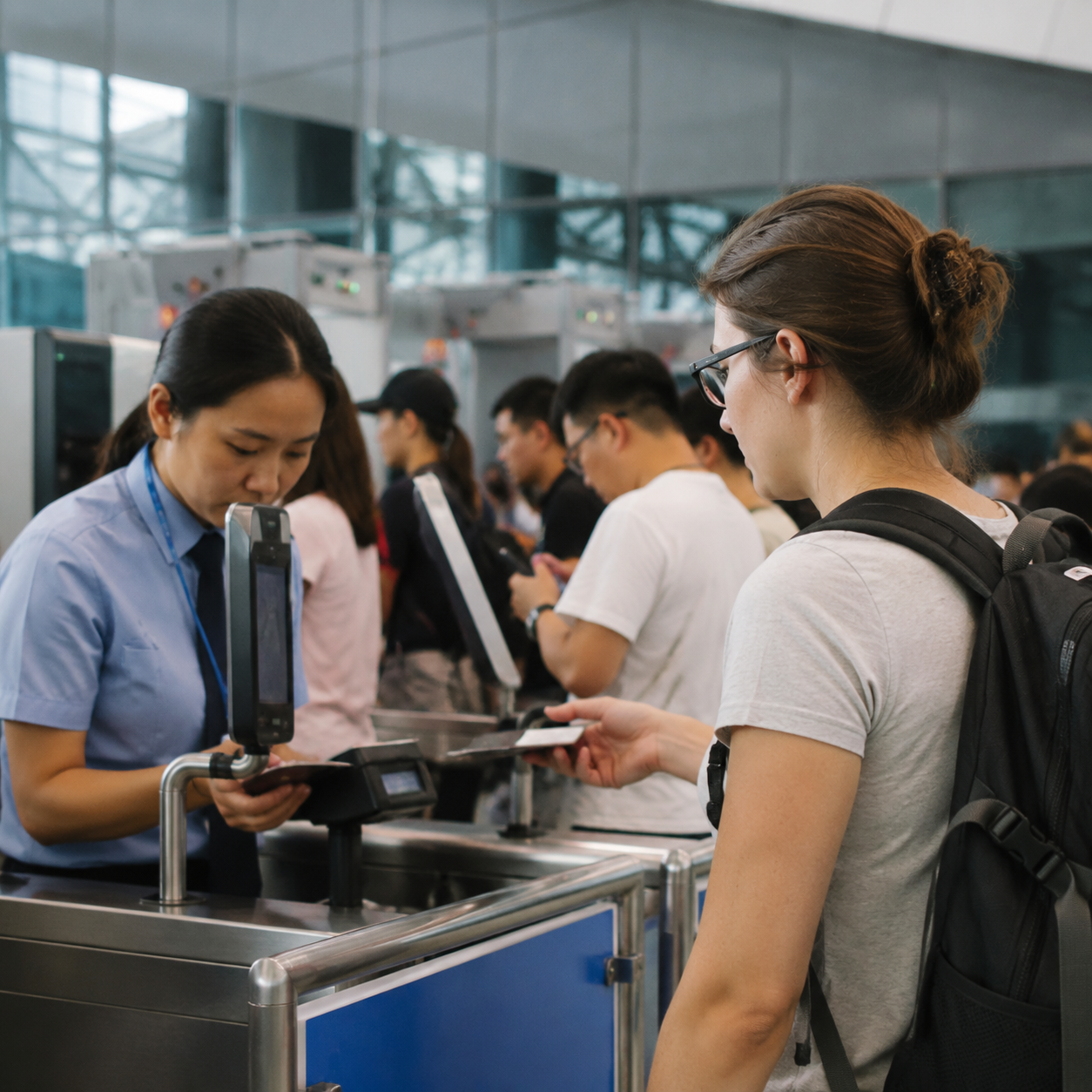
进站口外有几排队伍,旁边有安检通道和实名验证设备。有人刷身份证,有人拿手机给工作人员看,我作为外国人只能把护照递过去。工作人员看了一眼我的证件,又看了屏幕,点头让我通过。那一刻我松了一口气,以为最难的部分已经结束了,结果真正让我迷路的部分才刚开始。
Outside the entrance there were several lines, with security channels and real-name verification machines nearby. Some passengers scanned ID cards, others showed phones to the staff, while I, as a foreign visitor, handed over my passport. The staff checked my document, looked at the screen, and nodded me through. I relaxed for a second and thought the hardest part was finished, but the part that would make me lose my way had only just begun.
过了安检以后,我进入一个很大的候车大厅。屋顶很高,灯光很亮,座位区一排接一排,电子屏挂在远处,上面不停滚动着车次、终点站、检票口和状态。我知道自己要找的是车次,可屏幕上信息太多,中文地名太密,我盯着看了好几轮,仍然担心自己看错了行。
After security, I entered a huge waiting hall. The ceiling was high, the lights were bright, rows of seats stretched across the floor, and electronic screens hung in the distance, constantly showing train numbers, terminal stations, ticket gates, and status updates. I knew I needed to find my train number, but there was so much information and so many Chinese place names that I watched several cycles and still worried I had read the wrong line.
我的车票信息显示要去南京南,车次旁边写着一个检票口号码。我找到对应的数字以后,心里稍微稳定了一点。可是大厅里并不只有一个方向可以走,左边有一串检票口,右边也有一串检票口,中间还有通往卫生间、便利店和热水处的标志。我走到一半,又回头看电子屏,像是在确认自己没有被大厅的规模吞掉。
My ticket information said I was going to Nanjing South, with a gate number beside the train number. Once I found the matching number, I felt a little steadier. Yet the hall did not have only one direction to follow. There were gates on the left, more gates on the right, and signs in the middle pointing to restrooms, convenience stores, and hot water. I walked halfway, then turned back to look at the screen again, as if checking that the size of the hall had not swallowed my plan.
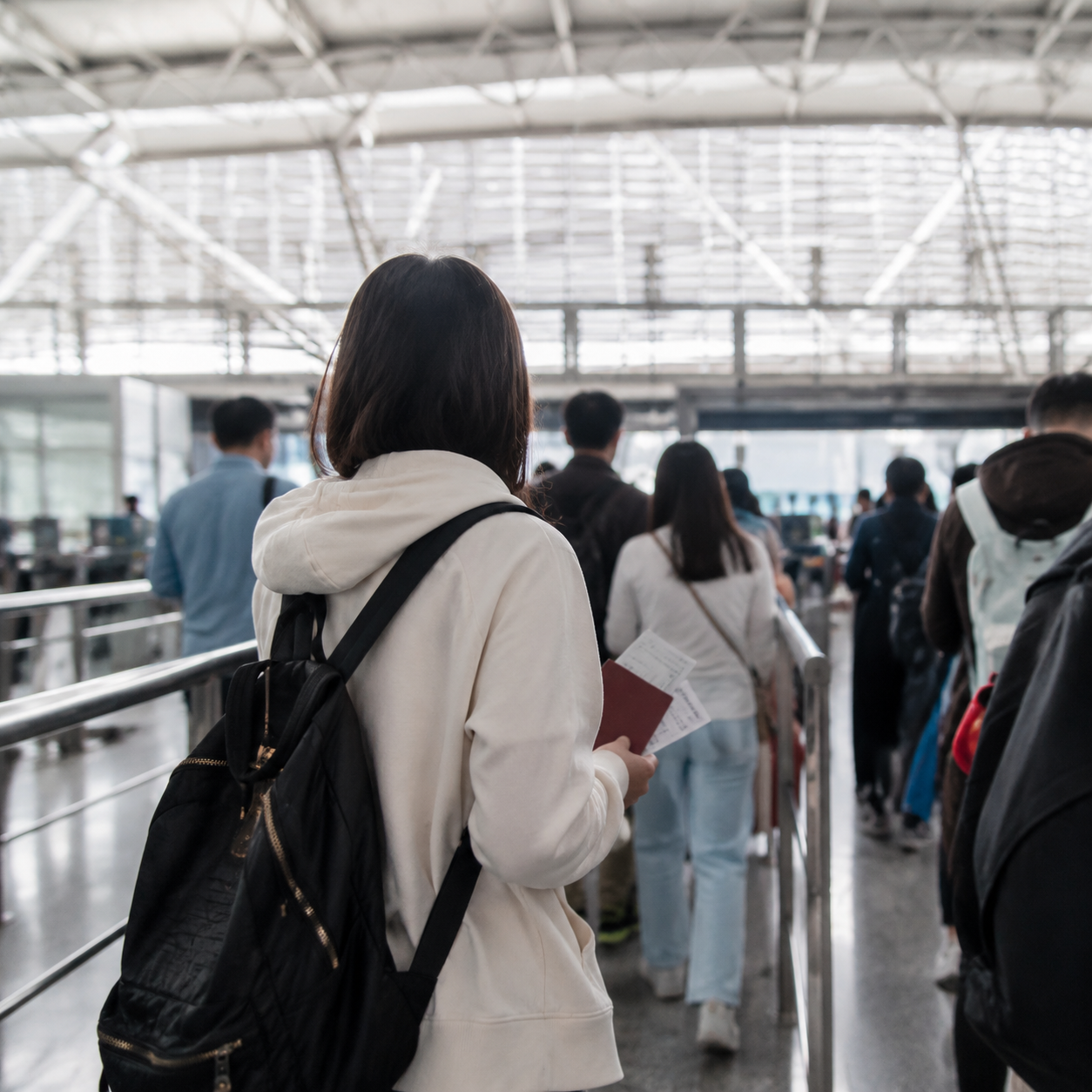
我犯的第一个错误,是把检票口号码和站台方向想成同一件事。我看见一个箭头指向相近的数字,就跟着走了过去。路上人很多,广播里也有声音,我听不懂每一句,只能抓住偶尔熟悉的车次读音。几分钟后,我发现前面的检票口排着长队,但屏幕上显示的车次不是我的那趟。
My first mistake was treating the gate number and the platform direction as the same thing. I saw an arrow pointing toward a nearby number and followed it. There were many people on the way, announcements echoed through the hall, and I could not understand every sentence, so I caught only the occasional sound of a train number I recognized. A few minutes later, I saw a long line at the gate ahead, but the screen above it showed a different train.
那一刻我没有立刻慌张,只是站在队伍旁边发愣。我把手机里的订单页面打开,又抬头看检票口上方的小屏幕,再低头看手机。两个号码不一样,目的地也不一样。我终于明白自己走错方向了。奇怪的是,我不是完全迷路,我还能看见大厅、座位和商店,可我不知道自己应该往哪边回去。
At that moment I did not panic immediately; I simply stood beside the line and froze. I opened the order page on my phone, looked up at the small screen above the gate, then looked down at my phone again. The numbers were different, and the destination was different too. I finally understood that I had walked the wrong way. Strangely, I was not completely lost. I could still see the hall, the seats, and the shops, but I did not know which way I should return.
我试着按原路走回去,可人流不断改变我的方向。有人从检票口出来,有人拖着箱子往前冲,还有一家人停在路中间整理孩子的外套。我绕过他们以后,发现自己站在另一个区域,头顶的标志写着别的检票口。我开始有点出汗,不是因为热,而是因为离开车时间越来越近。
I tried to walk back the way I had come, but the flow of passengers kept changing my direction. Some people came out from the gate, others rushed forward with suitcases, and one family stopped in the middle of the walkway to adjust a child’s jacket. After I moved around them, I found myself in another area, under signs for other gates. I began to sweat a little, not because it was hot, but because the departure time was getting closer.
我看到一位穿制服的工作人员站在通道口,便走过去,把手机屏幕转向她,指着车次和检票口。我只说了几个简单的中文词:“这个,哪里?”她先看车次,又看时间,然后抬手指向我身后的另一个方向。她没有责备我,只是很清楚地说了一串话,又用手势示意我先回到大厅中央,再往右边走。
I saw a uniformed staff member standing near a passage and went to her. I turned my phone screen toward her and pointed at the train number and gate. I used only a few simple Chinese words: “This, where?” She looked at the train number, checked the time, and then pointed behind me in another direction. She did not scold me. She spoke clearly and used gestures to show that I should return to the center of the hall first, then go to the right.
她的提醒让我重新有了路线感。我按照她指的方向走,先找到大厅中央的电子屏,再从那里重新确认自己的车次。屏幕上我的车次状态已经变成正在检票,检票口号码也清楚地显示出来。我突然明白,在这样大的车站里,电子屏不是背景,它是路线的一部分;工作人员不是最后的求救点,而是可以帮助我重新定位的人。
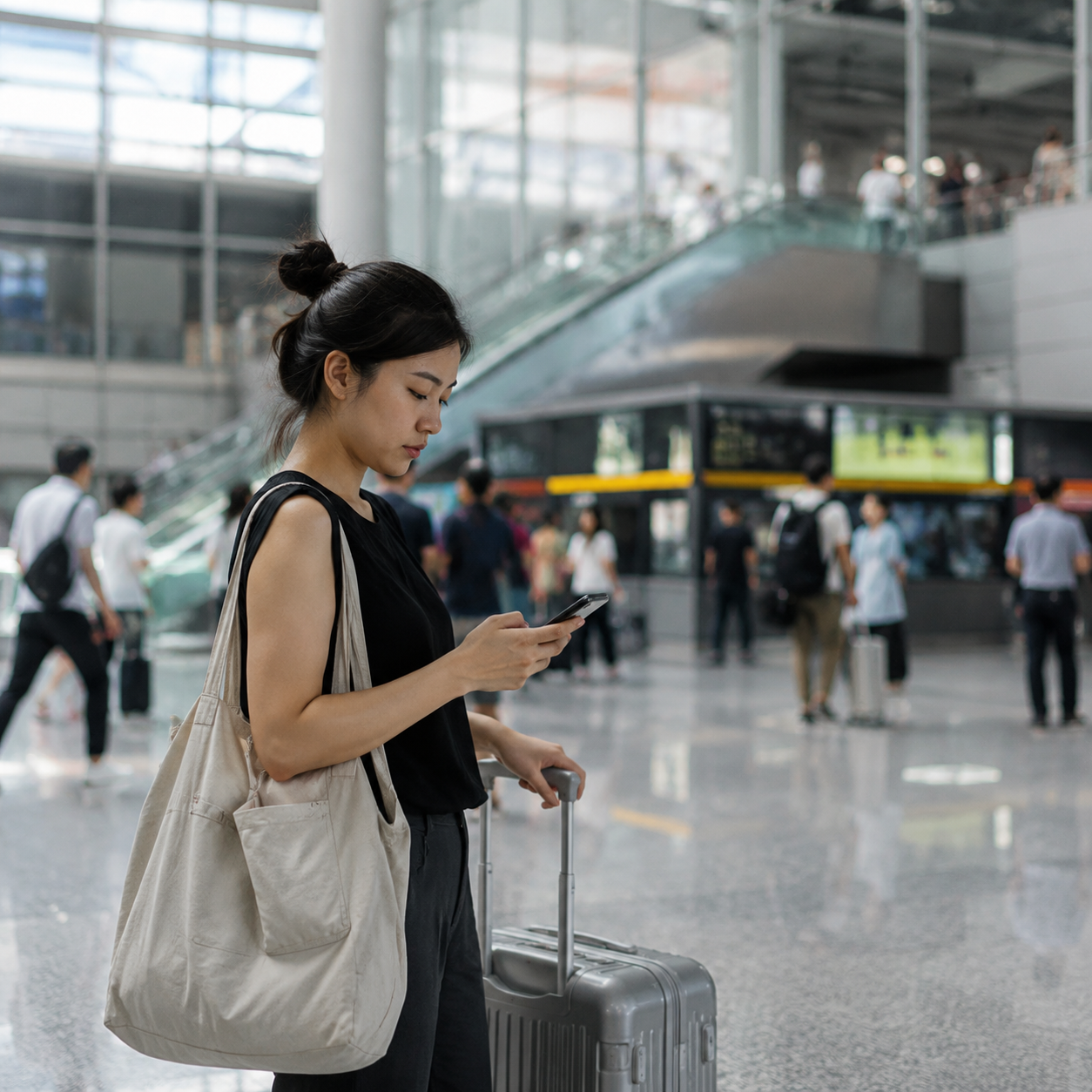
Her reminder gave me a sense of route again. I followed the direction she indicated, first finding the central electronic screen in the hall, then confirming my train number from there. The status of my train had changed to ticket checking, and the gate number was clearly displayed. I suddenly understood that in a station this large, the electronic screen was not just background; it was part of the route. Staff were not only a last resort, but people who could help me locate myself again.
我往正确的检票口走去时,脚步比刚才快,但脑子反而更清楚。我不再盲目跟着人群,而是每走一段就看一次上方标志。到了检票口前,我看见屏幕上的车次、目的地和时间终于和手机一致。排队的人很多,可队伍移动得很快。轮到我时,我把护照和车票信息给工作人员看,她确认以后让我通过。
As I walked toward the correct gate, my steps became faster, but my mind became clearer. I no longer blindly followed the crowd; instead, I checked the overhead signs every short distance. When I reached the gate, the train number, destination, and time on the screen finally matched my phone. There were many people in line, but the line moved quickly. When it was my turn, I showed my passport and ticket information to the staff, and after checking them, she let me pass.
通过检票口以后,我以为可以直接下到站台,结果又遇到岔路。左边和右边分别通向不同的站台编号,楼梯口旁边还有电梯。我停下来,先看墙上的标识,再看脚下贴着的方向箭头。以前我会觉得停下来很丢脸,好像所有人都知道路,只有我不知道。那天我学会了,停下来确认比走错更省时间。
After passing the ticket gate, I thought I could go straight down to the platform, but there was another split in the path. The left and right sides led to different platform numbers, and there was an elevator beside the stairs. I stopped, looked at the sign on the wall, and then checked the direction arrows on the floor. Before, I would have felt embarrassed to stop, as if everyone knew the way except me. That day I learned that stopping to confirm saves more time than walking wrong.
我最后走到正确的站台时,列车已经停在那里,车身很长,门口站着乘务人员。站台上有车厢号标志,我又花了一点时间找到自己的车厢。整个过程没有电影里的惊险奔跑,也没有差一点错过车的夸张场面,只是一个外国人在陌生系统里不断核对、走错、被提醒、再调整。
When I finally reached the correct platform, the train was already there, long and still, with attendants standing near the doors. There were carriage number signs on the platform, and I spent a little more time finding my carriage. The whole process did not include a dramatic movie-style run or an exaggerated near-miss. It was simply a foreign traveler in an unfamiliar system, checking, going wrong, being reminded, and adjusting again.
上车以后,我把包放好,坐在靠窗的位置,才真正感觉到身体放松。列车开动时,窗外的站台慢慢后退,我回想刚才在大厅里的慌乱,觉得那不是失败,而是旅程的一部分。旅行并不总是从景点开始,有时从一个进站口、一块电子屏、一个检票口和一次走错方向开始。
After boarding, I put my bag away and sat by the window, only then feeling my body relax. When the train started moving, the platform outside slowly slipped backward. I thought about my confusion in the hall and realized it was not a failure, but part of the journey. Travel does not always begin at a scenic spot. Sometimes it begins at an entrance, an electronic screen, a ticket gate, and one wrong turn.
那次之后,我对中国高铁站有了更具体的理解。它们通常很大,但信息也很完整;它们会让不熟悉的人感到压力,但并不是故意让人迷路。入口、安检、候车厅、电子屏、检票口、站台,每个环节都有自己的逻辑。只要我愿意把速度放慢一点,这个逻辑就会慢慢显出来。
After that experience, I gained a more concrete understanding of Chinese high-speed railway stations. They are often large, but the information is usually complete. They can pressure someone unfamiliar, but they are not designed to make people lost. Entrance, security, waiting hall, electronic screen, ticket gate, platform—each step has its own logic. If I am willing to slow down a little, that logic gradually becomes visible.
我也更明白了为什么很多本地乘客看起来那么自然。他们不是天生就比我更会旅行,而是已经熟悉这些重复出现的细节。他们知道电子屏要看车次和检票口,知道检票开始后人流会突然集中,知道站台和车厢号还需要再确认一次。我看到的是速度,他们拥有的是经验。
I also understood better why many local passengers looked so natural. They were not born better at traveling than I was; they were familiar with the repeated details. They knew the electronic screen should be checked for train number and gate, that people would suddenly gather once ticket checking began, and that platform and carriage numbers still needed another confirmation. What I saw as speed was really experience.
作为外国人,我在那个车站里最需要的不是完美的中文,而是承认自己可能会看错。只要我愿意问,愿意把手机信息清楚地给工作人员看,愿意回到电子屏前重新核对,事情就会重新变得可处理。迷路最可怕的部分,不是方向错了,而是我假装自己没错。
As a foreigner, what I needed most in that station was not perfect Chinese, but the willingness to admit I might have read something incorrectly. If I was willing to ask, to show my phone information clearly to the staff, and to return to the electronic screen to check again, the situation became manageable. The most frightening part of being lost is not taking the wrong direction, but pretending that I have not.
我后来回想,那位工作人员的手势其实非常重要。她没有给我复杂解释,而是先把我带回一个可以重新判断的位置:大厅中央的电子屏。对一个迷路的人来说,最有用的帮助不一定是直接说出所有步骤,而是把他带回能看清全局的地方。那一刻,我不是被推着走,而是重新拿回了自己的路线。
When I thought about it later, the staff member’s gesture was very important. She did not give me a complicated explanation. Instead, she first directed me back to a place where I could judge again: the central electronic screen in the hall. For someone who is lost, the most useful help is not always listing every step, but returning him to a point where the whole picture can be seen. At that moment, I was not being pushed along; I was taking back my route.
这件事也改变了我对行程安排的看法。以前我只计算从城市到城市的时间,很少把车站内部移动算进去。那天以后,我会把进站、安检、看屏幕、找检票口、走到站台都当成行程的一部分。它们不是附加的小麻烦,而是决定我能否顺利出发的真实步骤。
The experience also changed how I planned trips. Before, I calculated the time from one city to another, but rarely counted movement inside the station. After that day, I treated entrance, security, screen checking, gate finding, and walking to the platform as part of the itinerary. They were not extra little inconveniences; they were real steps that determined whether I could depart smoothly.
如果我再次到一个陌生的高铁站,我会先把车次记清楚,再看大屏,而不是只盯着目的地。我会确认检票口是否已经开放,也会留意车站内不同区域的编号。如果走到一个检票口前发现屏幕不一致,我不会再硬着头皮排队,而会立刻退回到更容易确认的位置。
If I arrive at an unfamiliar high-speed railway station again, I will first remember the train number clearly and then check the large screen, instead of staring only at the destination. I will confirm whether the gate has opened and pay attention to the numbering of different areas in the station. If I reach a gate and the screen does not match my ticket, I will not stubbornly join the line. I will step back immediately to a place where confirmation is easier.
我也会更早向工作人员求助。那并不表示我不独立,反而表示我尊重现场信息。车站每天处理大量乘客,工作人员对常见错误非常熟悉。我的问题在他们眼里可能很普通,但对我来说却能决定一次行程是否顺利。旅行中有些帮助不需要复杂表达,只需要把正确的信息放在对方面前。
I will also ask staff for help earlier. That does not mean I am not independent; it means I respect the information on site. Stations handle huge numbers of passengers every day, and staff are familiar with common mistakes. My question may look ordinary to them, but for me it can decide whether a trip goes smoothly. Some help during travel does not require complex expression; it only requires placing the correct information in front of the right person.
那趟列车到达南京南时,我已经不再为刚才的迷路感到难堪。我下车时看见另一个巨大的车站,又看见新的电子屏、新的出口编号和新的人流。我知道自己仍然可能走错,但我也知道自己可以调整。方向感不是一次学会的,它是在一次次陌生场景里被练出来的。
When that train arrived at Nanjing South, I no longer felt embarrassed about having lost my way earlier. As I got off, I saw another huge station, new electronic screens, new exit numbers, and new flows of people. I knew I might still walk the wrong way, but I also knew I could adjust. A sense of direction is not learned all at once; it is trained through repeated unfamiliar scenes.
现在回看那段经历,我觉得它比顺利无误的旅程更有记忆点。因为它让我真正接触到旅行的现场部分:不是地图上的线,也不是订单里的时间,而是眼前的标志、周围的人、工作人员的提醒和我自己的判断。高铁把城市之间的距离缩短了,车站则提醒我,抵达之前还要学会读懂当下。
Looking back now, I remember that experience more clearly than a perfectly smooth trip. It brought me into the live part of travel: not the line on a map, not the time in an order, but the signs in front of me, the people around me, the reminder from staff, and my own judgment. High-speed rail shortens the distance between cities, while the station reminds me that before arriving, I still have to learn how to read the present moment.
我在那个高铁站丢过方向,却没有丢掉行程。相反,那次短暂的混乱让我更信任自己的适应能力。只要车还没开走,只要信息还能核对,只要有人可以询问,路线就不是彻底断掉的。它只是暂时弯了一下,等我重新看清楚,再继续往前。
I lost my direction in that high-speed railway station, but I did not lose my trip. In fact, that short confusion made me trust my ability to adapt more. As long as the train has not left, as long as the information can still be checked, and as long as there is someone to ask, the route is not completely broken. It has only bent for a moment, waiting for me to see clearly again and continue forward.
- 中国游客签证指南 | China Visa Guide for Tourists
- 九月金秋草原:中国最美的秋天从这里开始 | September on the Grasslands: Where China's Most Beautiful Autumn Begins
- 唐装:传统与现代之美 | Tang Suit: Modern Traditional Wear
- 美国人去中国旅行前必须知道的事 | What Americans Need to Know Before Traveling to China
- 古镇民俗体验:赶集、社戏与手工艺 | Ancient Town Folk Culture: Markets, Opera & Crafts
- 西安兵马俑:完整参观指南 | Xi an Terracotta Warriors: A Complete Guide
- 中国四季节庆日历:每月最佳活动 | China Festival Calendar: Best Events by Month
- 六月在成都躲避开午后的热,我发现了更舒服的旅行节奏 | In June Chengdu, Everything Went Smoother Once I Stopped Fighting the Midday Heat
- 洛阳牡丹花期里,我学会把热闹拆成几个小时 | During Luoyang Peony Season, I Learned to Divide Crowds by the Hour
- 威海的海风还没吹到脸上,我先把车票、地图和付款码排好了顺序 | Before Weihai’s Sea Wind Reached My Face, I Had Already Put Tickets, Maps, and Payment Codes in Order
Comments (0)