
洛阳牡丹花期里,我学会把热闹拆成几个小时 | During Luoyang Peony Season, I Learned to Divide Crowds by the Hour
洛阳牡丹花期里,我学会把热闹拆成几个小时 | During Luoyang Peony Season, I Learned to Divide Crowds by the Hour
洛阳的牡丹花期给我的第一印象,不是花,而是时间。抵达前我以为只要选对公园、赶上盛放、天气不坏,就能顺利看见想看的春天。真正站到人流里才明白,花开是一件自然的事,看花却是一件需要拆分的事。你不能只问哪一天去,还要问几点进、几点退、在哪一段停留、把哪一段留给人群自己过去。
My first impression of Luoyang’s peony season was not flowers, but time. Before arriving, I thought the plan was simple: choose the right park, catch the blooming period, hope for decent weather, and spring would present itself. Once I stood inside the crowd, I understood that blooming is natural, but viewing requires division. It is not enough to ask which day to go. You have to ask when to enter, when to leave, where to pause, and which stretch of crowd should be allowed to pass without you.
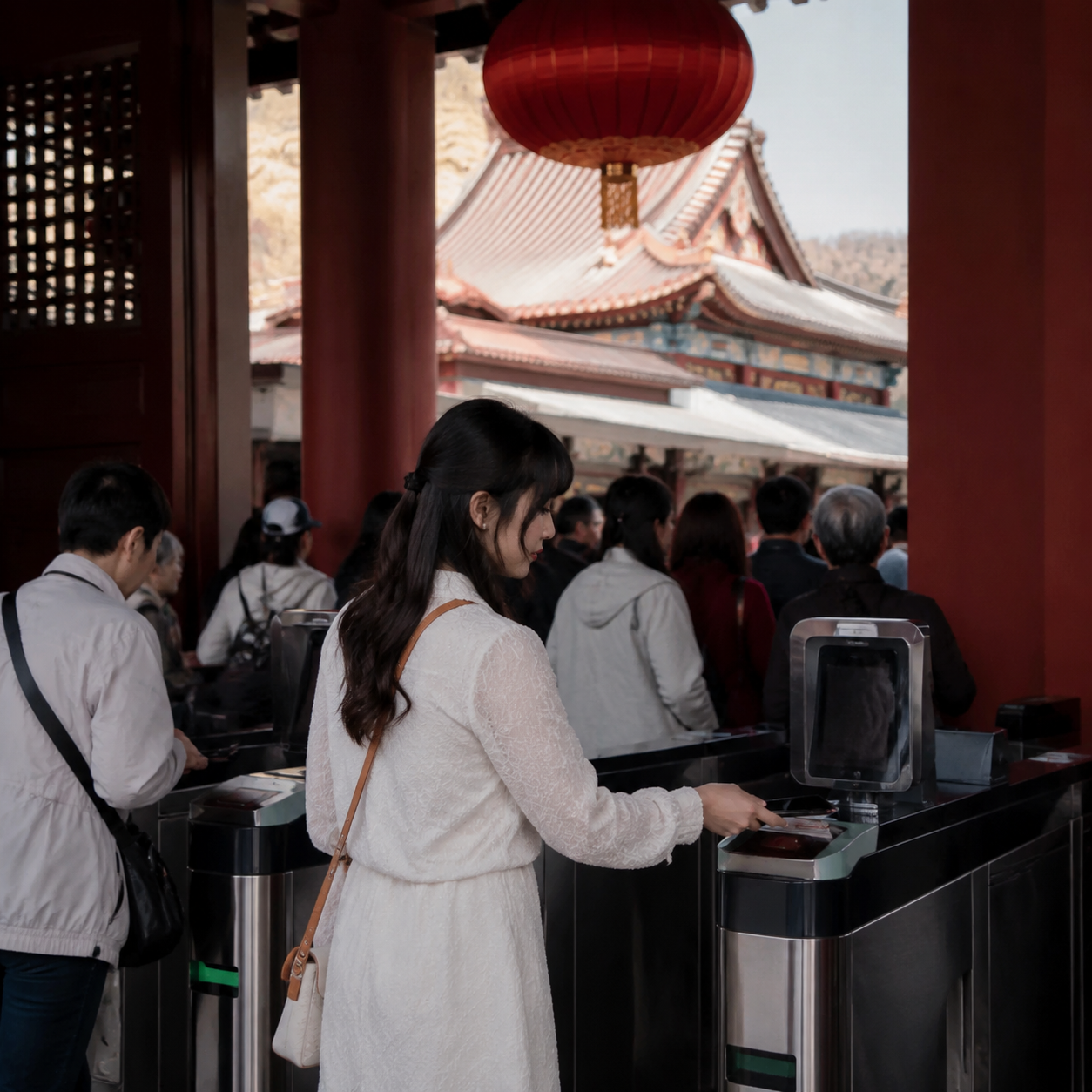
我把第一天安排得太满。上午想去王城公园,中午想换到老城吃水席,下午又打算看另一个牡丹园,晚上还想去应天门附近走走。纸面上很顺,现实里每一段都被人流拉长。买票、安检、找卫生间、等车、穿过拍照的人群,这些都不是失败的环节,而是花期的一部分。热闹不会只存在于花丛前,它会渗进交通、餐馆、路口和你的耐心里。
I packed the first day too tightly. In the morning I wanted to visit Wangcheng Park, at noon I planned to eat water banquet dishes in the old city, in the afternoon I hoped to see another peony garden, and at night I imagined walking near Yingtian Gate. On paper it flowed; in reality every segment stretched. Ticket checks, security lines, restrooms, vehicles, and paths blocked by photo-taking visitors were not failures in the itinerary. They were part of the season. Crowds do not stay only beside the flowers; they seep into transport, restaurants, intersections, and patience.
后来我重新看自己的行程,把它从“景点清单”改成“小时清单”。早上七点到九点属于入园和第一轮拍照,九点到十一点属于主路拥挤和热门花圃,十一点到一点适合离开园区吃饭或换到较安静的街巷,下午两点到四点可以选择边缘区域或室内展陈,傍晚再回到城门、河边或灯光渐起的地方。这样的拆法不浪漫,却救回了我对洛阳春天的感受。
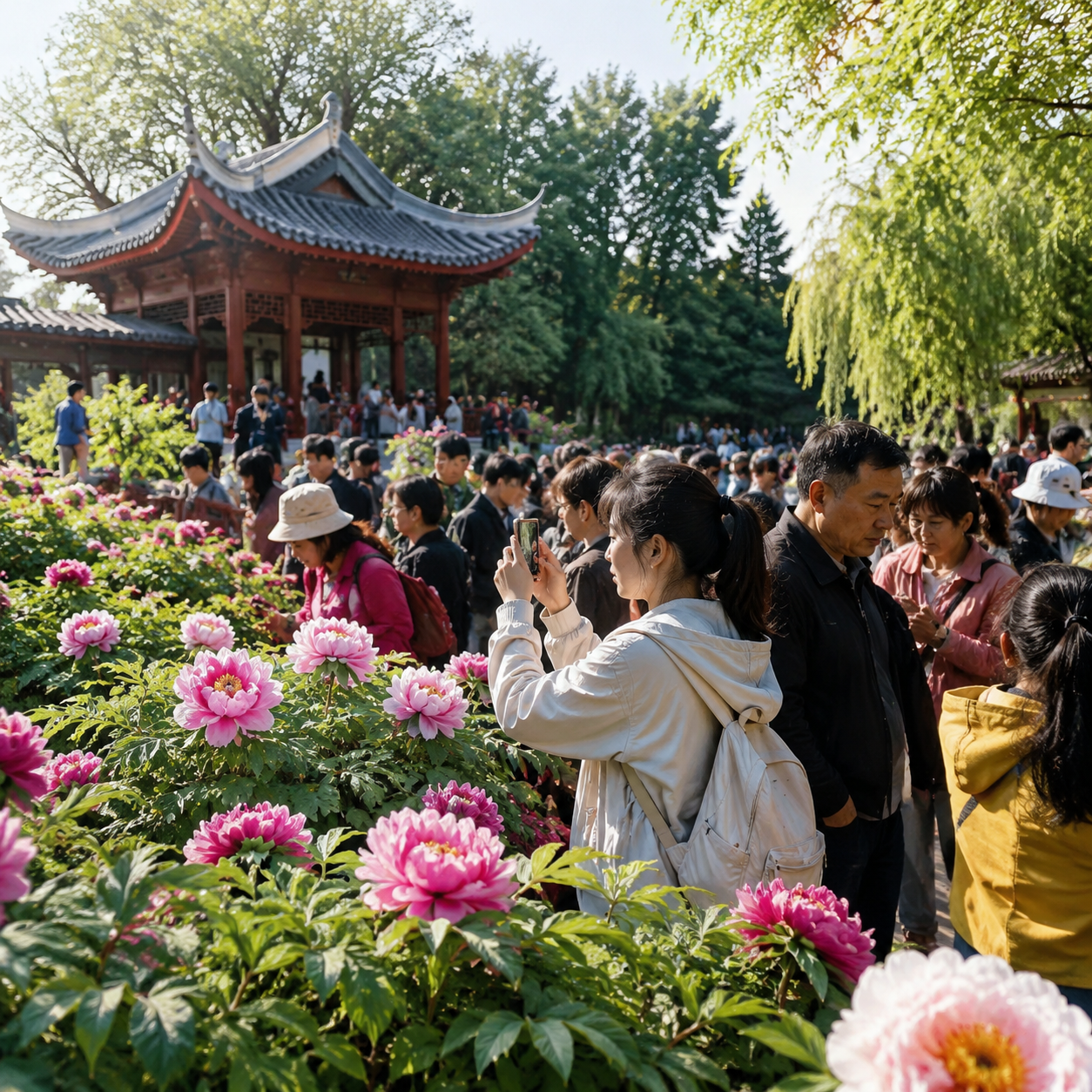
I later rewrote my itinerary from a list of attractions into a list of hours. Seven to nine in the morning belonged to entering the park and taking the first photographs. Nine to eleven belonged to crowded main paths and popular beds. Eleven to one was better for leaving the park, eating, or moving into quieter lanes. Two to four could be used for edge areas or indoor displays. Evening could return to gates, riversides, or places where lights began to rise. This division was not romantic, but it rescued my sense of Luoyang’s spring.
在花期里,早到不是为了炫耀勤快,而是为了给自己保留选择。清晨的园区还没有完全被声音填满,保洁员推着车经过,工作人员把隔离带重新拉直,第一批游客的脚步轻得多。花在这个时候并不一定最艳,但空气更松。你可以慢慢靠近一丛姚黄,绕到侧面看叶片下的阴影,也可以等一阵风把花瓣的层次吹开,而不是在别人的镜头缝隙里匆忙按下快门。
During peony season, arriving early is not about showing discipline; it is about preserving options. In the early morning, the park has not yet been filled with noise. Cleaners push carts, staff straighten barriers, and the first visitors walk more lightly. The flowers may not be at their brightest then, but the air is looser. You can approach a cluster slowly, circle to the side to see the shade beneath the leaves, or wait for a breeze to open the layers of petals instead of squeezing a photograph through gaps between other cameras.
九点以后,人群开始把路变窄。不是每个人都无礼,事实上大多数人都只是和你一样想看花、想拍照、想把一年里很短的盛放带回去。真正让人疲惫的是方向太多:有人逆行找角度,有人停在路中间看手机,有人把老人和孩子安排到花前合影。这个时候,我学会不再硬挤热门点,而是把主路当作河流,顺着它走,等它把我带到一个可以靠边呼吸的地方。
After nine, the crowd begins to narrow the paths. Not everyone is rude; most people simply want what you want: to see flowers, take pictures, and carry home a short annual bloom. What becomes tiring is the number of directions at once. Someone walks against the flow for a better angle, someone stops mid-path to check a phone, someone arranges grandparents and children in front of a bed. At that hour, I stopped fighting for the famous spots. I treated the main path like a river, followed it, and waited for it to carry me to an edge where I could breathe.
把热闹拆成几个小时之后,我对“错过”也放松了。以前我会担心没有拍到最经典的一片花,或者没有进入人最多的展区,就像少拿了一张旅行证明。可在洛阳,我看到一位本地老人坐在长椅上,只看一株半开的粉牡丹,看了很久。他没有追逐花王,也没有移动到更响亮的背景前。那一刻我明白,花期的价值不一定按品种和人气计算,也可以按你愿意停留的分钟计算。
Once I divided the excitement into hours, I became less anxious about missing things. I used to worry that failing to photograph the most famous bed or enter the busiest exhibition area meant losing a piece of travel evidence. In Luoyang, I watched a local elder sit on a bench and look for a long time at a half-open pink peony. He did not chase the celebrated specimen or move toward a louder backdrop. In that moment I understood that the value of the season is not measured only by variety or popularity. It can also be measured by the minutes you are willing to stay.
中午是我最建议退出园区的时间。不是因为花不好看,而是因为人的节奏会变粗。大家饿了、累了、晒了,排队买水和找厕所的情绪会盖过赏花本身。如果这时候继续把自己压在园区中心,很容易把一上午积累的好感消耗掉。我选择去老城找一碗汤,或者在背街小店坐下,让脚从花期的速度里退出来。休息不是浪费花期,而是为下午保留感官。
Noon is the time when I most recommend leaving the park. Not because the flowers are less beautiful, but because human rhythm becomes rougher. People are hungry, tired, sunlit, and the emotions around buying water or finding toilets can overwhelm the act of viewing. If you keep pressing yourself into the center of the park, it is easy to spend all the goodwill gathered during the morning. I chose to find a bowl of soup in the old city or sit in a small backstreet shop, letting my feet step out of the season’s speed. Rest is not a waste of bloom time; it preserves your senses for the afternoon.
下午再看牡丹,方式应该换。阳光更硬,花瓣边缘更容易显出疲态,人也更容易急躁。这个时段适合找树荫、看说明牌、走偏一点的路,或者把注意力从“整片花海”转到“单株和细节”。我喜欢看花瓣如何从根部深到边缘浅,喜欢看蜜蜂在一朵花里反复转向,也喜欢看工作人员怎样把倒伏的枝条轻轻扶起。下午的美不在第一眼,而在愿意减速的第二眼。
In the afternoon, the method of viewing should change. The light is harder, petal edges show fatigue more easily, and people become more impatient. This period suits shade, explanatory signs, side paths, or shifting attention from broad flower seas to individual plants and details. I liked watching color deepen near the base and pale toward the edge. I liked seeing bees turn again and again inside one blossom. I liked noticing how workers gently supported branches that had bent down. Afternoon beauty is not in the first glance, but in the second glance that slows down.
交通也需要按小时处理。花期里的洛阳不是平时地图上的洛阳,同一段路在不同时间会变成不同难度。早上打车可能顺,中午出园可能排队,傍晚主干道又会被去夜景的人占满。我后来尽量把移动安排在整点前后错开一点,比如十点四十离开热门区,或者一点二十再出发。不是每次都成功,但只要避开所有人同时转场的瞬间,行程就会轻很多。
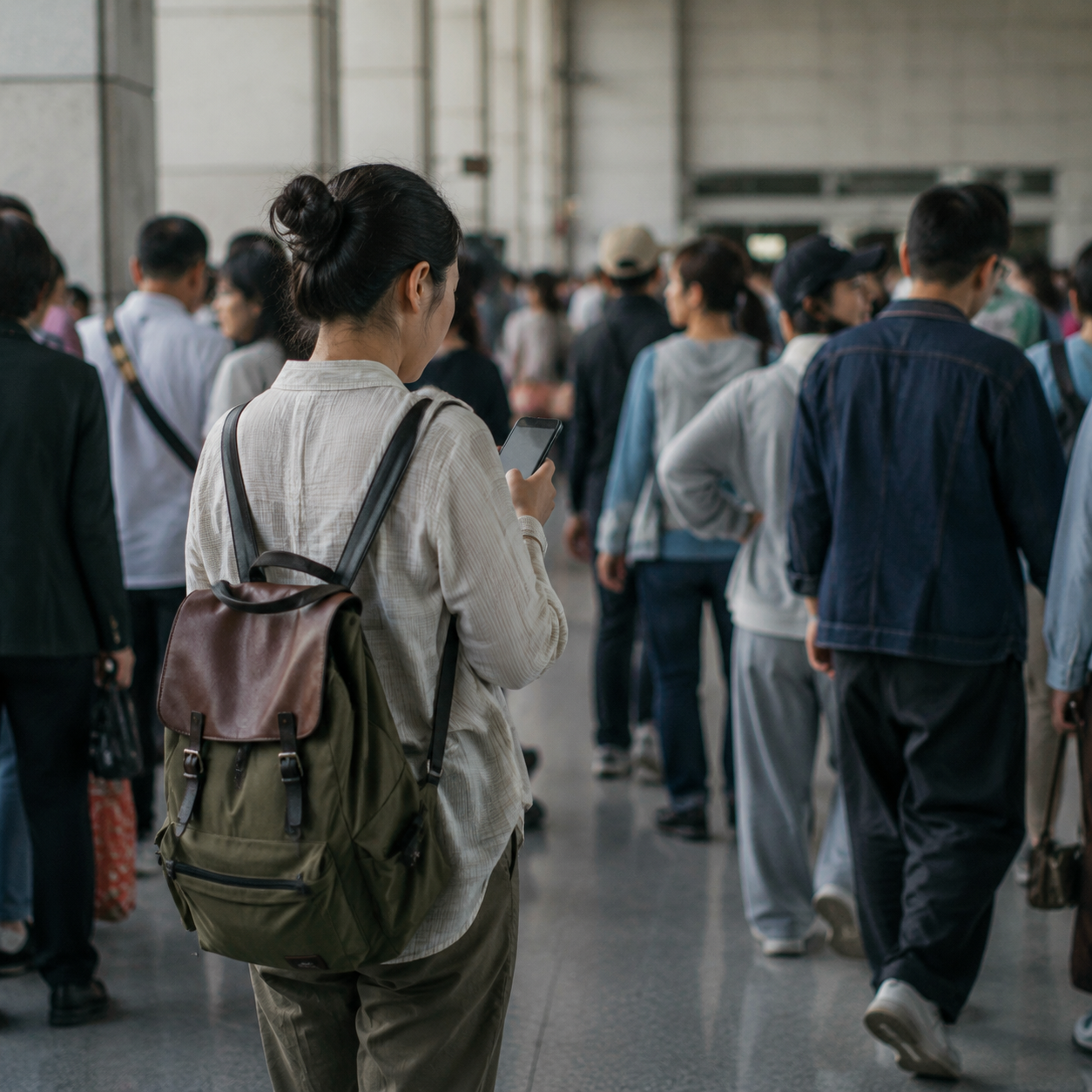
Transport also needs to be handled by the hour. Luoyang during peony season is not the Luoyang shown on an ordinary map. The same road changes difficulty at different times. A taxi may be easy in the morning, park exits may jam at noon, and main roads can fill again with people heading toward night views. I began moving slightly off the obvious transitions, such as leaving a popular area at 10:40 or starting again at 1:20. It did not work every time, but avoiding moments when everyone changes location at once made the day much lighter.
我还发现,花期旅行要给“普通路段”留位置。很多人把牡丹季想成一串高密度画面:名园、名花、古都建筑、夜间灯光。可真正让身体恢复的,常常是两段热闹之间的一条普通路。路边有卖饮料的小车,有孩子拿着风车跑,有本地人骑车穿过游客的缝隙。那些地方不一定值得专门打卡,却能让你确认自己还在一座真实城市里,而不是被节庆推着走的通道里。
I also learned to leave room for ordinary stretches. Many people imagine peony season as a chain of high-density images: famous gardens, famous flowers, ancient-capital architecture, and night lights. But the body often recovers on an ordinary road between two lively places. There may be a cart selling drinks, a child running with a pinwheel, or a local resident cycling through gaps in the visitors. These places may not deserve a special check-in, yet they remind you that you are still in a real city, not merely inside a corridor pushed along by a festival.
对拍照,我的策略也变简单了。早晨拍人少的整体,上午拍一两张到此一游的合影,中午收起手机,下午拍细节,傍晚拍城市和花期的关系。这样做的好处是,手机不再一直举在眼前,我也不会把每一次靠近花丛都变成抢位置。照片当然重要,但如果一天结束时只剩下一堆相似的花瓣特写,而记不住风、脚酸、汤的温度和人群退去后的空隙,那就太可惜了。
My photography strategy became simpler too. In the early morning, photograph broader scenes with fewer people. Later in the morning, take one or two proof-of-visit portraits. At noon, put the phone away. In the afternoon, photograph details. At dusk, photograph the relationship between the city and the season. The benefit is that the phone no longer stays constantly in front of your eyes, and every approach to a flower bed does not become a fight for position. Photos matter, but it would be a pity to end the day with only similar petal close-ups and no memory of wind, sore feet, warm soup, or the spaces left after crowds thin.
傍晚是洛阳牡丹季最容易被误解的时间。很多人以为花看完了,晚上只剩夜景;也有人白天太累,直接放弃后半场。其实傍晚适合把花期从植物重新放回城市。你可以去城门附近看光线落在城墙上,也可以沿河走一段,看白天的喧闹怎样慢慢变成饭后的散步。此时不必再追求看多少花,而是看这座古都怎样把春天留到灯亮以后。
Dusk is the most easily misunderstood time of Luoyang’s peony season. Some people think the flowers are finished and only night views remain; others are too tired from the day and abandon the second half. In fact, dusk is when the season can be placed back into the city rather than only inside plants. You can watch light fall on city walls near a gate, or walk along the river and see daytime noise turn into after-dinner strolling. At that hour, the goal is not to count more flowers, but to see how the ancient capital keeps spring after the lights come on.
如果重新给第一次来洛阳看牡丹的人建议,我会把话说得很具体:不要把一天塞进三个园区;不要在最拥挤的时段和最热门的花圃较劲;随身带水,但把补给放在离核心区远一点的地方完成;给午饭和坐下留足时间;把返程交通提前想好;允许自己只认真看少数几处。花期不是一场考试,没人要求你把所有盛放都答完。
If I were advising a first-time visitor to Luoyang’s peony season, I would be specific: do not force three gardens into one day; do not compete with peak-hour crowds at the most popular beds; carry water, but handle supplies away from the core area; leave enough time for lunch and sitting down; think through return transport early; allow yourself to look carefully at only a few places. The season is not an exam. No one requires you to answer every bloom.
当然,计划再好也会被天气和人流打乱。花可能因为一夜风雨少了精神,某条路可能临时限行,想去的餐馆可能排到门外。这个时候,按小时拆分的好处就出现了:你不用推翻整天,只需要替换一个时段。上午太挤,就把细看挪到下午边缘区;午饭排不上,就换一条街;夜景人多,就早点回住处休息。弹性不是随便,而是让一天有可以转弯的地方。
Of course, even the best plan can be disrupted by weather and crowd flow. Flowers may lose energy after a windy night, a road may be temporarily controlled, and the restaurant you wanted may have a line outside. This is where hourly division helps. You do not have to overturn the whole day; you replace one segment. If the morning is too crowded, move careful viewing to an afternoon edge area. If lunch is impossible, change streets. If night views are packed, return to your lodging earlier. Flexibility is not randomness. It gives the day places to turn.
我离开洛阳时,记住的不是某一张最成功的照片,而是自己终于不再被热闹推着跑。牡丹仍然盛大,游客仍然很多,城市仍然在节庆里发亮,可我学会把它们分成可以承受的几个小时。早晨给花,上午给人群,中午给身体,下午给细节,傍晚给城市。这样看下来,热闹没有消失,却变得可亲。春天也不再是一整团扑面而来的喧哗,而是一段一段可以走进去的时间。
When I left Luoyang, what stayed with me was not one most successful photograph, but the feeling that I was no longer being pushed by excitement. The peonies were still grand, the visitors still numerous, and the city still bright with festival energy, but I had learned to divide everything into bearable hours. Morning for flowers, late morning for crowds, noon for the body, afternoon for details, dusk for the city. Seen this way, the liveliness did not disappear; it became approachable. Spring was no longer one overwhelming wave of noise, but a sequence of hours I could enter.
- 在南京城墙脚下,我第一次看清一座古城不是景点,是还在运转的日常 | Beneath Nanjing’s Wall, I First Saw That an Ancient City Is Not a Sight but an Ongoing Daily Life
- 中国送礼学问 | The Art of Gift Giving in China
- 我们带着孩子在杭州遇上五月细雨,才知道西湖不用一路赶 | Traveling Hangzhou with a Child in May Rain Taught Us West Lake Never Needed Rushing
- 我在中国高铁上学会安静地分享空间,不是靠规则,而是靠先读懂别人的节奏 | On a Chinese High-Speed Rail Trip, I Learned to Share Space Quietly Not Through Rules, but by Reading Other People’s Rhythm First
- 在洛阳看牡丹之外:一座古都的日常层次 | Beyond Peonies in Luoyang: The Everyday Layers of an Ancient Capital
- 零下二十多度的哈尔滨,先考验的不是勇气,是手机电量 | In Harbin Below Minus Twenty, the First Test Was Not Courage but Phone Battery
- 风筝制作与放飞:我第一次看懂中国人为什么把春天送上天空 | Kite Making and Flying: My First Real Understanding of How China Sends Spring into the Sky
- 中国时区与营业时间指南 | China Time Zones and Business Hours
- 我在上海学会先看地铁口周边,再决定在哪家咖啡馆坐下 | In Shanghai I Learned to Read the Metro Exit Area Before Choosing a Café
- 比“中国哪里最好玩”更重要的,是有人先把来华准备讲明白了 | More Important Than “Where to Go in China” Is Having Someone Explain the Preparation First
Comments (0)