
把天气留在行程里:秋天去喀纳斯的公路节奏 | Leave Weather in the Itinerary: An Autumn Road Rhythm for Kanas
把天气留在行程里:秋天去喀纳斯的公路节奏 | Leave Weather in the Itinerary: An Autumn Road Rhythm for Kanas
从阿勒泰出发去喀纳斯,秋天的第一项准备不是把沿途景点排满,而是先看道路、天气和当晚住在哪里。地图上的距离并不惊人,真正决定节奏的却是降温、晨雾、雨雪和天黑时间。若前一晚抵达阿勒泰市,次日清晨再取车或乘车出发,通常比下飞机后立刻赶路从容,也能留出补给、确认路况和调整衣物的时间。
When leaving Altay for Kanas in autumn, the first task is not to fill every hour with sights, but to check the road, the weather, and where you will sleep that night. The distance on the map looks manageable, yet falling temperatures, morning fog, rain or snow, and early darkness set the real pace. Spending the previous night in Altay City and departing the next morning leaves time for supplies, road updates, and clothing adjustments.
秋季公路的变化常发生在短短几十公里里。阿勒泰周边可能还是干燥晴朗,驶向山地后,云层会压低,背阴路段也可能留着霜。不要用夏季车程估算抵达时间,更不要把导航显示的分钟数当作承诺。自驾应在出发前检查轮胎、防冻液和玻璃水,途中遇到湿滑弯道主动降速;包车则要提前问清车辆状况、司机是否熟悉山区道路,以及临时封路时如何调整。
Autumn road conditions can change within only a few dozen kilometers. It may be dry and bright near Altay, while low clouds and frost appear as the road climbs into the mountains. Summer driving times are unreliable, and navigation estimates are not promises. Self-drivers should check tires, antifreeze, and washer fluid, while charter passengers should confirm the vehicle condition, the driver’s mountain experience, and the backup plan for closures.
天气预报适合判断趋势,却无法替你决定每一个弯道。喀纳斯一带昼夜温差明显,晴天中午可以暖得让人松开外套,日落后却会迅速变冷。更实用的做法是分层穿衣,把防风防水外层放在随手可取的位置,并准备手套、帽子和不会轻易进水的鞋。相机、电池和手机也怕低温,备用电源应贴身保存,别全部塞进后备箱。
A forecast is useful for reading the general trend, but it cannot make decisions at every bend. Around Kanas, a sunny noon may feel warm enough to loosen your coat, while temperatures drop quickly after sunset. Dress in layers, keep a windproof and waterproof shell within reach, and carry gloves, a hat, and water-resistant shoes. Cold also drains camera and phone batteries, so keep a power bank close to your body rather than buried in the trunk.
住宿选择会反过来影响交通判断。住贾登峪,进出景区和换乘通常更直接,房型也相对集中,但旺季早晚可能拥挤;住在沿途村镇,可以把长车程拆开,却要接受餐饮选择少、供暖时间不一和临时订车较难。若计划清晨看雾或日出,住宿位置比房间装修更重要。预订时应确认供暖、热水、停车、退改规则,以及恶劣天气下是否还能抵达。
Accommodation choices directly shape transport decisions. Staying in Jiadengyu usually makes scenic-area transfers easier and offers more rooms, though peak-season mornings and evenings can be busy. A night in a roadside village can divide a long drive, but dining may be limited, heating schedules may vary, and last-minute cars may be hard to arrange. For sunrise or morning mist, location matters more than decoration; confirm heating, hot water, parking, cancellation terms, and bad-weather access.
抵达景区并不意味着可以继续按公路旅行的方式自由移动。部分路段需要换乘区间车,班次、排队和末班时间都会影响当天安排。把最想看的湖湾或观景台放在天气较稳定的半天,不要同时塞入太多往返点位。若云雾很浓,也不必急着失望:森林、木屋和河谷在低云下会呈现另一种层次,但应放弃能见度不足时的高处停留。
Arrival at the scenic area does not mean you can keep moving with the freedom of a road trip. Some sections require shuttle buses, so departure intervals, queues, and the last service of the day matter. Place your most important lake bend or viewpoint in the half-day with the steadier forecast, rather than forcing too many stops into one route. Heavy mist can add depth to forests, cabins, and valleys, but high viewpoints are not worth lingering at when visibility is poor.
秋色最浓的时段也往往最难精确押中。树叶转黄受海拔、降温和风雨共同影响,同一周里,不同山谷的颜色可能已经错开。与其把旅程成败押在某个“最佳日期”,不如给行程留一个可交换的半天:天气好时去开阔观景点,风雨来时走较低的林间路线,或在住宿地附近慢慢散步。这样的空白不是浪费,而是应对山区变化的余地。
The strongest autumn colors are also difficult to predict precisely. Foliage depends on elevation, cooling, wind, and rain, so neighboring valleys may peak at different times within the same week. Instead of betting the whole journey on one “perfect date,” keep one flexible half-day. Use clear weather for open viewpoints, switch to lower forest paths in wind or rain, or take a slow walk near your lodging. That blank space is not wasted; it is room for the mountains to change.
从阿勒泰到喀纳斯,稳妥的交通方案通常带有退路。自驾者应避免夜间赶山路,并在油量过半时就留意补给;不熟悉冰雪驾驶的人,遇到明显降雪预报时选择当地正规包车更安心。公共交通适合时间宽松、行李轻的旅行者,但换乘信息和季节班次需要提前确认。无论哪种方式,都应把身份证件、饮水、简单食物和保暖层放在车内可取之处。
A reliable transport plan from Altay to Kanas always includes an exit route. Self-drivers should avoid mountain roads after dark and start watching for fuel before the tank falls below half. Travelers without snow-driving experience may feel safer booking a licensed local vehicle when snowfall is forecast. Public transport suits flexible schedules and light luggage, but seasonal services and transfers must be confirmed. Keep identification, water, snacks, and a warm layer accessible inside the vehicle.
返程同样需要留白。不要把离开喀纳斯的时间与阿勒泰机场或火车站的出发时刻卡得过紧,因为晨雾、结冰、排队和临时管制都可能延长路程。更稳妥的做法是在阿勒泰市再住一晚,尤其是早班航班或天气转坏时。秋天去喀纳斯,真正舒服的节奏不是追着每一片金黄奔跑,而是承认天气也是同行者:它改变道路,也决定你何时停下、何时前进。
Leave space in the return journey as well. Do not connect your departure from Kanas too tightly to a flight or train from Altay, because morning fog, ice, queues, and temporary controls can extend the drive. An extra night in Altay City is the safer choice, especially before an early flight or when conditions are worsening. The best autumn rhythm is not chasing every golden tree, but accepting weather as a travel companion that tells you when to move and when to stop.
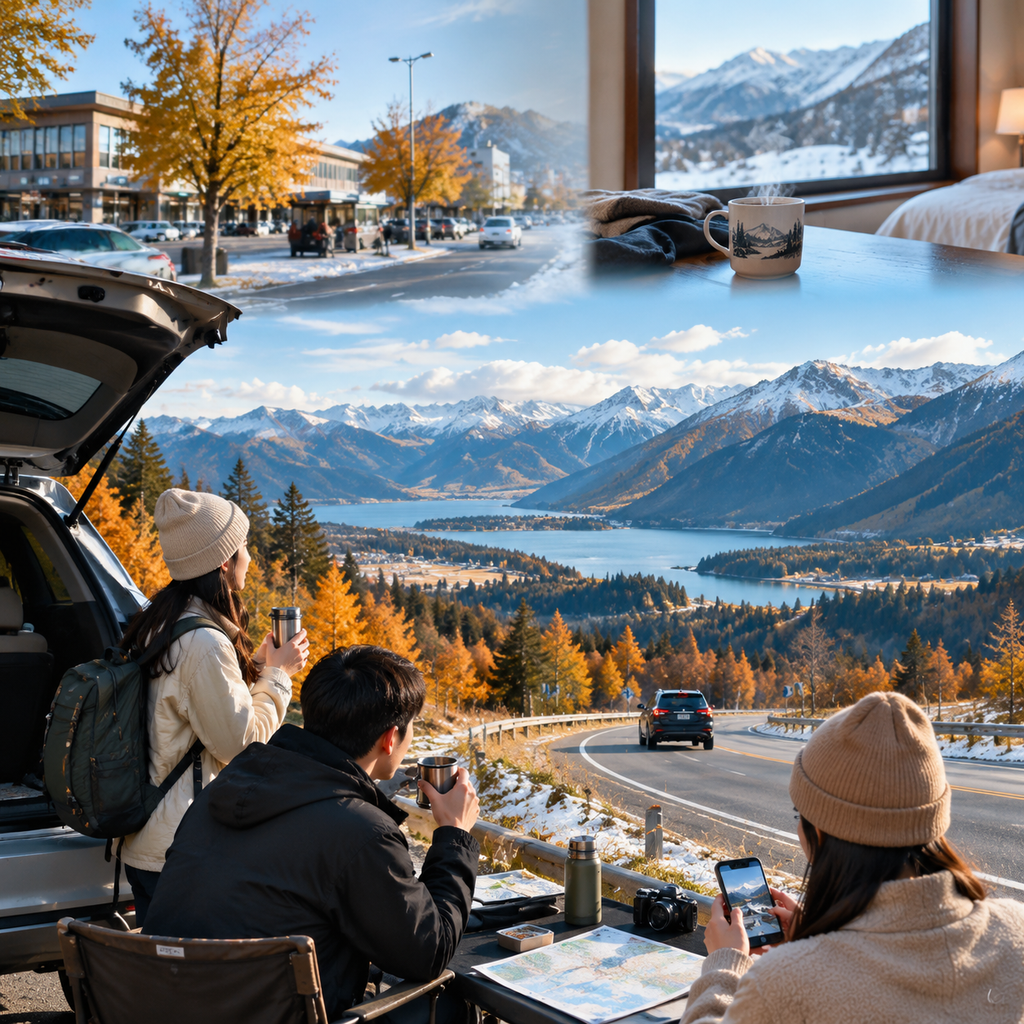
从阿勒泰市真正驶上北去的路,最需要调整的是对“赶路”的理解。前段公路往往让人觉得顺畅,视野开阔,车速也容易不知不觉提高;但进入山地后,弯道、起伏和偶尔出现的牲畜会把注意力重新拉回来。建议把每天的驾驶目标设成抵达一个可以安心吃饭、加热水和办理入住的地点,而不是单纯追求某个景点。这样即使中途因拍照、检查或天气停留,也不会让傍晚变成一场仓促的竞速。
Once you leave Altay City and take the northern road, the main adjustment is to rethink what it means to make progress. The early highway may be open and smooth, encouraging you to increase speed without noticing. In the mountains, however, bends, elevation changes, and occasional livestock demand your full attention. Set the day’s goal as reaching a place where you can eat, refill hot water, and check in calmly, rather than merely reaching a landmark. Then an unexpected stop will not turn dusk into a race.
出发时间也不宜只看日出时间。秋天清晨的车窗可能结霜,车辆需要预热,山口还可能被薄雾遮住。若前一晚住在阿勒泰,早饭后留出检查车况的时间,再在光线足够、路面更容易辨认时出发,通常更合理。赶早并不等于摸黑上路。尤其是第一次走这条线的人,宁可少安排一个上午的停靠点,也要把判断路面和观察来车放在第一位。
Departure time should not be based on sunrise alone. In autumn, frost may cover the windows, the car may need warming up, and a mountain pass may still be wrapped in fog. After staying in Altay the night before, it is often wiser to have breakfast, inspect the vehicle, and leave when the road surface is clearly visible. An early start does not mean driving in darkness. First-time drivers should drop a morning stop before sacrificing road awareness.
沿途天气判断要看天空,也要看风。云层移动很快时,某个观景点可能只在十分钟内短暂放晴;持续横风则会让高架、桥面和开阔路段更难控制。遇到小雨,不必立刻改变全部计划,但要降低车速、拉开车距,并把拍摄安排从路边危险位置移到正规停车点。若雨夹雪逐渐加重,路面开始发亮或轮胎抓地感变差,就应把安全抵达住宿地置于风景之前。
Read the weather through both the sky and the wind. When clouds move quickly, a viewpoint may clear for only ten minutes; persistent crosswinds can make bridges and exposed sections difficult to handle. Light rain does not always require abandoning the plan, but it does call for slower driving, more distance, and stops in designated pull-offs rather than on unsafe shoulders. If sleet intensifies and the road begins to shine or the tires lose grip, reaching shelter safely comes before scenery.
住宿不只是晚上睡觉的地方,也是应对天气的缓冲区。连续驾驶后,能否在房间里晾干外套、喝到热水、获得清楚的第二天路况建议,往往比是否住在最佳拍摄点旁更有价值。选择村落客栈时,可提前询问房间是否有独立供暖、卫生间热水是否全天供应、停电时有没有备用方案。木屋环境很有氛围,但保温和隔音差异较大,怕冷的人应优先确认床品和取暖设备。
Lodging is more than a bed for the night; it is a buffer against changing weather. After a long drive, a room where you can dry a jacket, drink hot water, and receive practical advice about the next day’s road can be more valuable than a location beside the most photogenic spot. At a village inn, ask whether heating is independent, whether hot water runs all day, and what happens during a power cut. Cabins can be atmospheric, but insulation varies, so cold-sensitive travelers should confirm bedding and heating first.
如果当天无法顺利抵达喀纳斯核心区域,不必把它视为行程失败。把住宿点向阿勒泰方向或沿线前移,第二天在光线和路况更好的时段继续走,常常比冒险夜行更节省体力,也更能保住体验。预订时尽量选择评价稳定、沟通及时并允许合理调整的住处;对于偏远区域,确认订单是否真正保留,不能只依赖自动短信或网络页面。
If reaching the central Kanas area is not possible that day, the trip has not failed. Moving the night’s stay back toward Altay or choosing an intermediate village, then continuing in better light and road conditions the next morning, usually saves energy and protects the experience. Prefer lodging with reliable reviews, responsive communication, and reasonable change policies. In remote areas, confirm that the booking is actually held instead of relying only on an automated message.
进入喀纳斯后的住宿判断还要结合第二天的活动半径。若想一早看晨雾,住得近可以减少换乘和等待;若更重视安静、预算或晚餐质量,则可接受每天多一点交通。不要只比较房价,还要把景区接驳、行李搬运、早餐时间和天气不佳时的室内空间一起算进去。秋季夜晚长,拥有一个能舒服坐下来整理照片、烘干鞋袜的公共区域,会明显改善连续旅行的疲惫感。
After entering Kanas, choose lodging according to the next day’s activity radius. Staying close helps if you want morning mist, while a quieter place with better meals may justify a little extra transport. Compare more than room prices: include shuttle arrangements, luggage handling, breakfast hours, and indoor space for poor-weather days. Autumn nights are long, and a comfortable common area for sorting photos and drying socks can make a real difference on a multi-day journey.
最后,把天气预案写成可以执行的选择,而不是一句模糊的“看情况”。晴天走远、阴天走林、降雪时减少高处停留、能见度下降就提前返回,住宿则尽量向有稳定交通和补给的地点靠拢。这样从阿勒泰出发的道路不再只是连接两个目的地的空白,而会成为旅程本身:你会听见风向,记住霜线,知道什么时候该把车停好,也知道一间温暖的房间为何值得提前留下。
Finally, turn the weather plan into clear actions rather than a vague promise to see how things go. Travel farther in clear weather, choose forest routes under cloud, avoid high ground during snow, and return early when visibility falls. Shift lodging toward places with dependable transport and supplies. Then the road from Altay is not empty space between two destinations; it becomes the journey itself, teaching you to read the wind, notice the frost line, and understand why a warm room is worth reserving in advance.
体力安排也应从“今天能不能走完”改成“明天还能不能舒服地走”。秋季低温会让身体消耗加快,背着相机或小包在木栈道上行走,看似没有剧烈爬升,连续两三个小时后仍会明显疲劳。每天只选一段必须完成的长线,其余景点作为加分项;午后若脚踝、膝盖或腰部开始不适,应及时缩短路线,而不是靠止痛药硬撑到天黑。旅行的目标是保留判断力,不是完成一张打卡清单。
Physical planning should ask not only whether you can finish today’s walk, but whether you can still walk comfortably tomorrow. Cold weather increases energy consumption, and carrying a camera or small pack on wooden paths can become tiring after several hours even without a steep climb. Choose one essential longer route each day and treat other stops as optional. If your ankles, knees, or lower back begin to hurt in the afternoon, shorten the route instead of forcing yourself onward until dark. The goal is to preserve good judgment, not to complete a checklist.
高海拔和寒风叠加时,疲劳有时会伪装成“只是有点冷”。如果出现头痛、恶心、异常心慌、走路发飘或注意力难以集中,应先停下保暖、补水和进食,必要时返回较低处并寻求帮助。同行者不要各走各的,尤其在雾大、天色变暗或手机信号不稳定时,要约定集合点和返回时间。老人、儿童以及有心肺疾病的人,更应把短距离、慢速度和随时撤回放在计划核心。
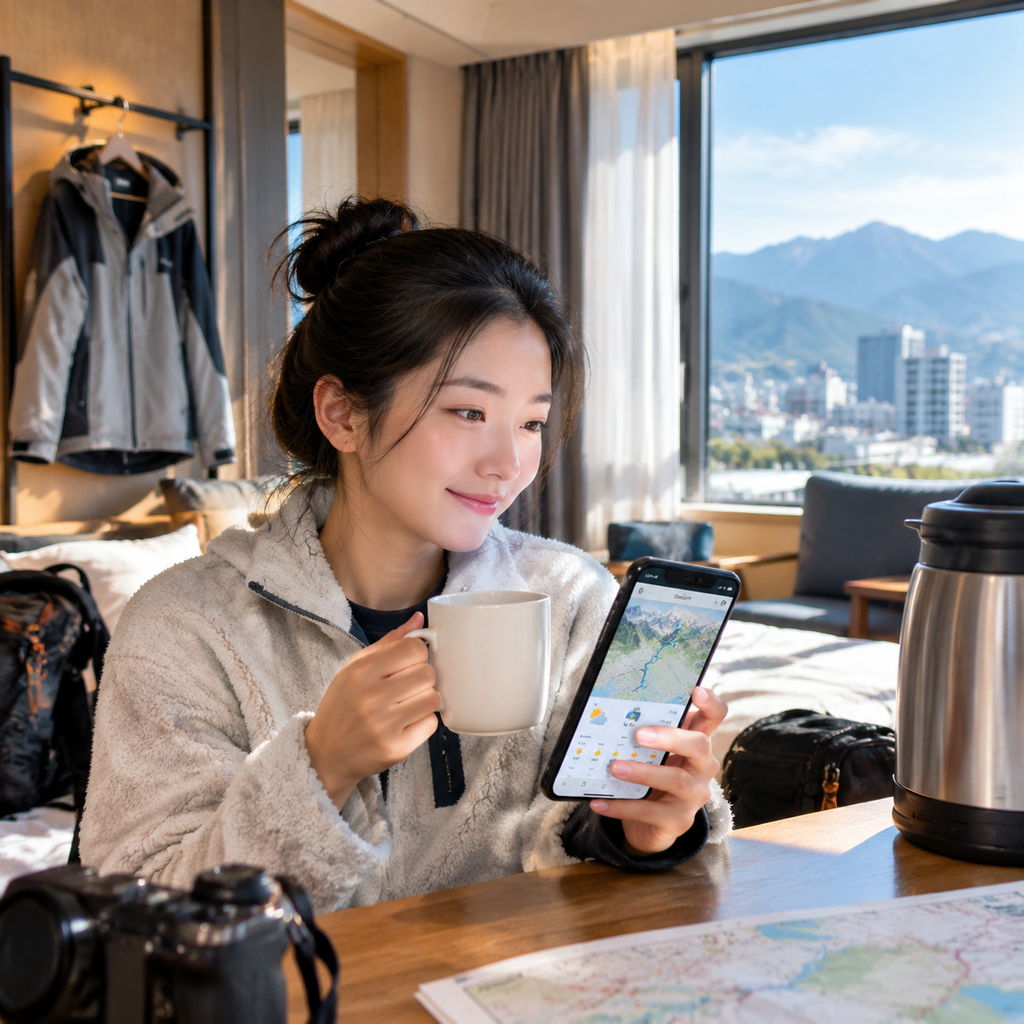
At higher elevations, cold wind and exertion can make serious fatigue feel like “just being chilly.” If you develop a headache, nausea, unusual palpitations, unsteady walking, or difficulty concentrating, stop, warm up, drink, and eat; if needed, descend and seek assistance. Companions should not scatter, especially in fog, fading light, or areas with unstable phone service. Older travelers, children, and people with heart or lung conditions should build the plan around short distances, a slow pace, and the ability to turn back at any time.
步道上的体力消耗还取决于鞋袜是否合适。秋雨后的木板、石阶和泥地可能比照片里更滑,鞋底纹路不足会让每一步都变成小心翼翼的支撑。准备一双已经穿开、防滑并能包住脚踝的鞋,袜子至少带一双备用;如果鞋袜受潮,到了住宿地先处理,不要第二天继续穿湿物出门。轻便并不等于少带,保暖、照明和应急食品都是为了让你在计划改变时仍有余地。
Energy use on trails also depends on footwear and socks. Wet boards, stone steps, and mud after autumn rain can be much more slippery than they appear in photographs, and poor tread makes every step uncertain. Bring broken-in shoes with good grip and ankle coverage, plus at least one spare pair of socks. If they become damp, deal with them at the lodging that evening instead of starting the next day in wet gear. Light packing does not mean leaving out essentials: warmth, lighting, and emergency food give you options when plans change.
在住宿地休息时,不要只顾着整理照片和刷手机。先补充温水与热量,检查第二天要穿的衣物是否干燥,再根据天气决定是否取消早起。若夜里风声很大、窗外结冰或预报显示降雪增强,清晨行程可以改成晚一点出发;少看一次日出,换来清醒的身体和更安全的道路,通常是值得的。真正了解当地节奏的住宿经营者,往往能告诉你哪些路段清晨最容易起雾、哪些时段车辆更方便。
When resting at your lodging, do more than sort photos and scroll on your phone. Drink warm fluids, eat enough, check that the next day’s clothing is dry, and then decide whether an early start still makes sense. If the wind is strong overnight, ice forms outside, or snowfall is intensifying, leave later in the morning. Missing one sunrise in exchange for a rested body and safer roads is usually worthwhile. Local hosts who understand the area can often explain which stretches fog up first and when transport is easiest.
若同行者体力差异较大,可以把路线拆成“共同段”和“可选段”。大家一起走到视野开阔、方便休息的位置,体力较好的人再继续前往更远的观景点,约定时间返回汇合。不要让最慢的人独自追赶,也不要让最疲惫的人因为不好意思而沉默。秋季景区人流有时减少,反而更要重视彼此照应;一杯热水、一次短暂坐下和十分钟的重新评估,常常比继续赶路更能保护整队人的心情。
When companions have different fitness levels, divide the route into a shared section and an optional extension. Walk together to a broad resting place, then let stronger walkers continue to a farther viewpoint and return at an agreed time. Never make the slowest person chase the group or allow the most tired person to stay silent out of embarrassment. Autumn crowds may be thinner, which makes mutual care even more important. Warm water, a short seat, and ten minutes of reassessment can protect everyone’s mood better than pushing ahead.
把每天的结束时间提前写进计划,尤其是需要换乘或返回村落的日子。山区光线变暗后,景物辨识度下降,体感温度也会比实际读数更低;即使距离住宿只有一小段,也不宜因为“马上就到了”而放松警惕。离开观景点前确认同行者、手机电量和车次信息,给司机或住宿方留下可联系的时间。早点回到房间,不代表错过风景,而是把夜间的不确定性挡在门外。
Write an end time into each day’s plan, especially when shuttles or a return to a village are involved. Once mountain light fades, landmarks become harder to read and the perceived cold increases, even if the thermometer has not changed much. Do not relax simply because the lodging is “almost there.” Before leaving a viewpoint, check on companions, battery levels, and transport information, and allow time to contact the driver or host. Returning early does not mean missing the landscape; it keeps nighttime uncertainty outside the door.
秋天的喀纳斯适合慢慢走,也适合承认自己并非每一天都处在最佳状态。道路顺利时,把节省下来的时间用来停靠、喝茶或观察林线;天气转坏时,把目标改成安全抵达、吃上一顿热饭、睡足一晚。第二天是否还能看见清晨的河谷,往往取决于前一天有没有及时收手。将交通、天气、住宿与体力放在同一张判断表里,旅程就不会被单一变量牵着走,而能在变化中保持从容。
Autumn in Kanas rewards slow travel and the honesty to admit that not every day will be your strongest. When the road is easy, use saved time for a safe stop, tea, or watching the tree line. When conditions worsen, redefine success as reaching shelter safely, eating a hot meal, and sleeping well. Whether you can enjoy the river valley the next morning often depends on whether you stopped in time the day before. When transport, weather, lodging, and fitness are considered together, no single variable can control the whole journey, and flexibility becomes calm rather than compromise.
如果是带孩子出行,体力判断还要加入保暖和情绪两个尺度。孩子在车上精神很好,不代表下车后能承受长时间寒风;看到美景兴奋,也容易忽略口渴、饥饿和脚冷。车内准备温水、小份高热量零食和备用手套,步行途中每隔一段时间主动询问状态,不要等到哭闹才寻找室内空间。同行者之间提前分配背包、相机和儿童用品,避免让一个人同时承担导航、照看和搬运行李。
For families with children, fitness planning should include warmth and mood as well as distance. A child who is lively in the car may not tolerate a long exposure to cold wind outside. Excitement can also hide thirst, hunger, or cold feet. Keep warm water, small high-energy snacks, and spare gloves in the vehicle, and check in during the walk instead of waiting for tears. Share the camera, navigation, and child-care load among adults so that one person is not carrying every responsibility.
到了最后一晚,最好把第二天的离开拆成几个小动作,而不是只写一个出发时间。先确认车辆或区间车的集合地点,再把行李按“车上取用”和“途中不用”分开,最后检查房卡、证件、充电线和水。清晨若有霜,给装车留出余量;如果前一夜下过雪,还要让司机重新判断道路,而不是照搬昨天的预计时长。这样的准备看起来琐碎,却能让人在低温里少翻几次包,也不必因为落下一件手套而临时折返。离店前顺手问一句当天哪段路最容易堵、哪一班车更稳,往往比反复刷新地图更有用,因为住宿经营者看到的是当天正在变化的山路,而不是一条静止的线。
On the final night, break the next day’s departure into small actions instead of writing down only one departure time. Confirm the meeting point for the vehicle or shuttle, separate luggage into “needed in the car” and “not needed on the way,” then check the room card, documents, charging cables, and water. If frost is expected, leave extra time for loading; after overnight snow, ask the driver to reassess the road instead of copying yesterday’s estimate. These details may seem minor, but they mean less rummaging in the cold and fewer dangerous turnarounds for a forgotten glove. Before leaving, asking which stretch is most likely to slow down and which departure is more dependable can be more useful than refreshing a map, because a local host sees the changing road rather than a fixed line on a screen.
返程途中可以安排一个真正的休息点,哪怕只是有热饮和卫生间的小店。连续坐车的人容易把疲倦误认为“再坚持一会儿就好”,下车走几步、活动肩颈、吃一点东西,反而能更早发现头晕或失温迹象。若有人开始沉默、反应变慢,或者手指僵硬到难以操作手机,就不要再把拍照和赶路放在前面。把车停在安全位置,补水、保暖、联系住宿或司机,等身体恢复后再决定是否继续。老人和孩子尤其需要有人观察脸色、步伐和说话速度;他们未必会主动说冷,却可能已经把外套拉链拉到最上面、把手缩进袖口,或走路时不再抬头看风景,这些都是该停下来的信号。
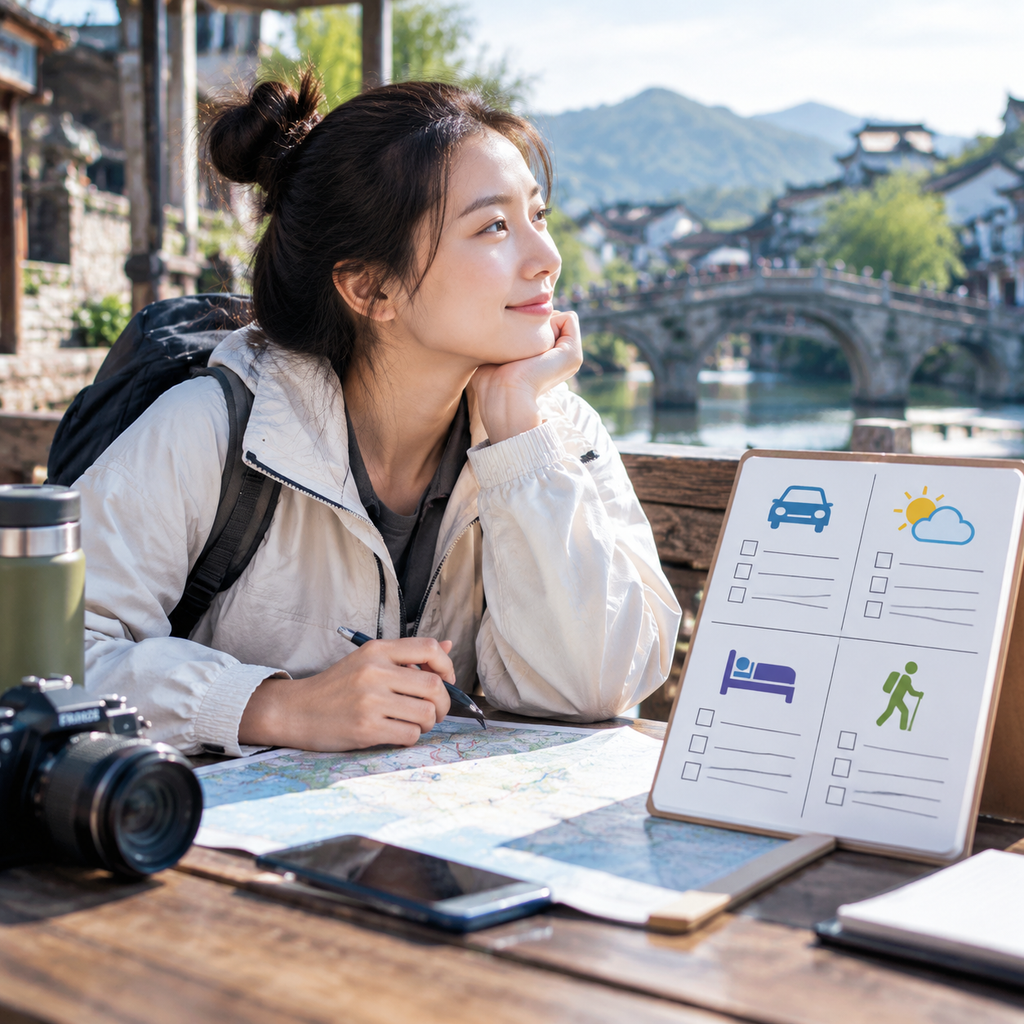
Plan one genuine rest stop on the return journey, even if it is only a small shop with hot drinks and a restroom. People sitting in a vehicle for hours may mistake exhaustion for “just a little longer.” Stepping out, loosening the shoulders, and eating something can reveal dizziness or the early signs of getting too cold. If someone becomes unusually quiet, slow to respond, or too stiff-fingered to use a phone, photography and speed should no longer come first. Pull over safely, drink, add warmth, and contact the lodging or driver before deciding whether to continue. Older travelers and children need special observation: they may not say they are cold, but a fully zipped coat, hands hidden in sleeves, or a sudden lack of interest in the view can all mean it is time to stop.
住宿的取舍也可以在返程日变得更实际。若航班时间宽裕,宁可在阿勒泰住一间交通方便、晚上能安静睡觉的普通房间,也不必为了最后一眼山景把自己留在偏远村落。相反,若天气稳定且只剩短途移动,沿线多住一晚也未尝不可,前提是补给、信号和第二天的交通都说得清楚。房间不需要成为旅程的奖品,它更像一个让身体把寒气排出去的中转站:热水能用,鞋能烘干,窗外风声不会让人整夜担心。退房时把湿袜子、零食包装和充电线收干净,再看一眼床下和门后,既是对下一位住客的尊重,也能避免把旅途最后的慌乱带上车。
Lodging choices become even more practical on the return day. If the flight is not early, a simple room in Altay with easy transport and quiet sleep is usually wiser than staying in a remote village just to chase one last mountain view. If the weather is settled and only a short transfer remains, another night along the route can work, provided supplies, signal, and the next day’s transport are clear. The room does not need to be a prize at the end of the trip; it is a transfer station where the body can release the cold, hot water is available, and shoes can dry. Before checking out, gather damp socks, snack wrappers, and charging cables, then look once under the bed and behind the door. It shows respect for the next guest and keeps last-minute disorder from following you into the car.
返程前还可以做一次轻量的行李减法。把已经用完的食品包装、湿纸巾和不再需要的厚外层整理出来,让车内留出能放水壶和外套的位置;常用药、纸巾、手套和证件则放在同一个小袋里,任何人都能迅速找到。秋季山路上,真正让人焦躁的常常不是路程本身,而是冷风里翻找东西、停车后才发现充电线落在最底层。物品归位,同行者也更容易互相接手,谁开车、谁看路、谁照看孩子,不必一路临时争论。
Before leaving, make one light pass through your luggage. Remove empty food wrappers, used tissues, and outer layers you no longer need, leaving room in the car for water bottles and coats. Keep medicine, tissues, gloves, and documents in one small pouch that anyone can find quickly. On an autumn mountain road, what creates anxiety is often not the distance itself, but searching in the cold or discovering that the charging cable is buried at the bottom after stopping. When everything has a place, companions can take over one another’s tasks more easily: driving, watching the road, or caring for a child does not have to become a last-minute argument.
返程日如果出现两种声音——有人想再去一个点,有人只想早点下山——不要把它变成谁更会旅行的争论。可以把选择拆开:全队先完成安全撤离,体力和时间都允许的人再在可控范围内短暂停留,其他人到住宿地休息。这个安排既不让谨慎的人被迫冒险,也不必让精力充足的人觉得整天被拖住。旅行中的照顾不是把所有人固定在同一种速度上,而是让不同状态的人都能保留选择,并且知道何时重新汇合。
If two voices arise on the return day—one person wanting one more stop and another wanting to descend early—do not turn it into an argument about who knows how to travel. Split the decision: let the whole group complete a safe exit first, then allow those with enough energy and time to make a brief, controlled stop while others rest at the lodging. This keeps cautious travelers from being pushed into risk without making energetic companions feel held back all day. Caring for one another does not mean forcing everyone into one speed; it means preserving choices for different conditions and agreeing on when to meet again.
当车窗外的金色林线逐渐退远,喀纳斯秋季公路真正留下的,往往不是某一个被拍得最亮的观景台,而是一套更可靠的判断顺序:先看能不能安全走,再看体力能不能承受,随后确认住处是否能接住变化,最后才决定要不要多看一个景点。下次再遇到突降的风雪、推迟的车次或临时关闭的步道,你会少一点懊恼,多一点办法。把这条顺序带回城市,旅程就算在离开之后仍然发挥作用。车驶出山口时,若有人还在翻看照片,不妨先把手机放低,记住那段因风雪而提前结束的路、那杯在客栈里喝完的热水,以及大家最终平安抵达的安静。对秋天的喀纳斯来说,这已经是很完整的收束。
As the golden tree line gradually recedes beyond the window, what the autumn road to Kanas truly leaves behind is not necessarily the viewpoint photographed in the brightest light, but a dependable order of judgment: first ask whether the route is safe, then whether your body can manage it, then whether the lodging can absorb a change, and only afterward decide whether one more stop is worthwhile. When sudden snow, a delayed shuttle, or a closed trail appears next time, there will be less frustration and more options. Carry that order back to the city, and the trip continues to work after you leave. As the car clears the mountain pass, if someone is still reviewing photos, it may be worth lowering the phone for a moment and remembering the road shortened by wind and snow, the hot water finished at the inn, and the quiet relief of everyone arriving safely. For an autumn journey in Kanas, that is a complete ending.
真正适合山区的时间表,应该同时给道路和身体留出缓冲。可以把每天分成出发、抵达、步行和休息四个阶段,每个阶段之间预留调整空间,而不是把所有空档都填成拍照点。出发前确认当天最晚需要到达的地方,抵达后先办理入住、补水和进食,再决定是否进行短距离散步。这样即使路上比预想慢了一个小时,后面的安排仍有可以压缩的部分,不会因为一处延误牵动整天。
A mountain-friendly schedule leaves buffers for both the road and the body. Divide each day into departure, arrival, walking, and rest, with room to adjust between them instead of filling every gap with photo stops. Before leaving, identify the latest safe place to reach. After arrival, check in, drink water, and eat before deciding on a short walk. Even if the road takes an hour longer than expected, some later activities can be shortened without disturbing the whole day.
遇到道路临时管制或车辆排队时,最容易出现的错误是站在风口里反复等待,同时消耗保暖和耐心。若现场人员建议暂缓通行,应先回到车内或附近有遮挡的空间,记录新的集合时间,再重新分配食物、饮水和电量。车内不要长时间密闭怠速,尤其在积雪、通风不良或排气口可能被遮挡的地方。等待本身也需要计划:让一名同行者负责听取通知,其他人休息、加衣或整理下一段路线,避免所有人一起焦虑。
When a temporary control or a queue forms, the common mistake is to wait in exposed wind while spending warmth and patience. If staff advise delaying passage, return to the vehicle or a sheltered area, note the new meeting time, and redistribute food, water, and battery use. Do not idle for long in a closed vehicle, especially where snow could block the exhaust or ventilation is poor. Waiting needs a plan too: one person can follow updates while others rest, add layers, or prepare the next route.
天气转晴后也不要立刻把取消的项目全部塞回去。降雪停止不等于路面马上恢复,融雪遇到阴影可能重新结冰,泥泞路段也会让步行速度明显下降。可以先选择离住宿地近、撤回容易的路线,观察鞋底、车轮和同行者状态,再决定是否前往更远的位置。若连续两天都在低温中活动,第三天主动安排半天休整并不奢侈,热饭、睡眠和干燥衣物会直接影响后续判断。
Clear skies after bad weather do not mean every canceled activity should be added back immediately. Snow may stop while shaded surfaces remain icy, and melted sections can turn muddy and slow walking considerably. Start with a route close to the lodging and easy to abandon, observe the condition of shoes, tires, and companions, and only then consider going farther. After two cold, active days, a half-day recovery is not indulgent. A hot meal, proper sleep, and dry clothing directly improve later decisions.
住宿地之间的转换也要考虑行李对体力的影响。不要把所有物品分成许多零散袋子,尤其不要让需要频繁搬运的包里混入只在晚上使用的东西。把白天用品压缩成一个轻便背包,装上水、保暖层、药品、纸巾和备用电源;大件行李则在确认下一站后再搬动。若住处没有电梯,提前把沉重物品分装,宁可多走一次,也不要在结冰台阶上抱着过重行李急着上楼。
Moving between lodgings also requires attention to how luggage affects energy. Avoid scattering belongings across many small bags, and keep evening-only items out of the bag that must be carried repeatedly. Reduce daytime gear to one light pack containing water, warm layers, medicine, tissues, and a power bank; move heavier luggage only after confirming the next stop. If an inn has no elevator, divide heavy items in advance. Making one extra trip is safer than rushing up icy steps with an overloaded bag.
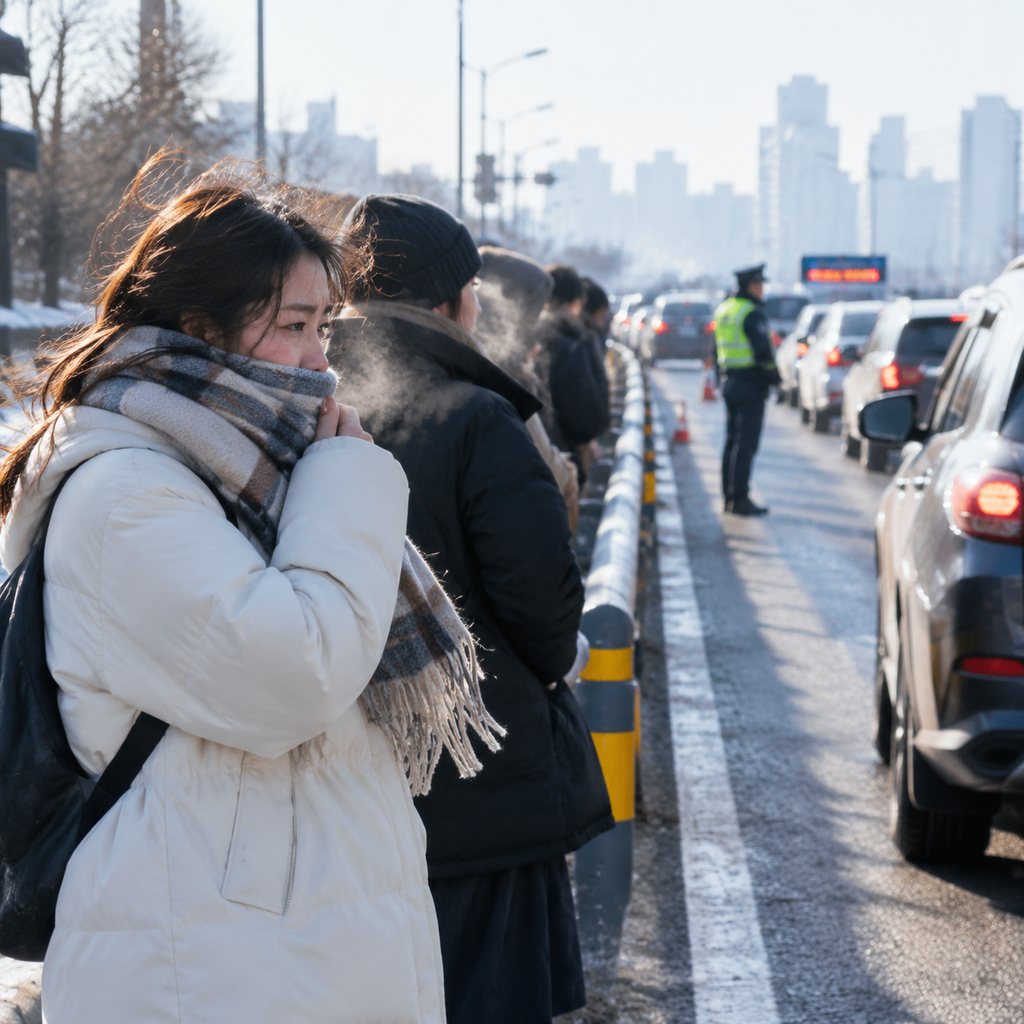
喀纳斯的天气有时会让计划在一天之内反复变化,因此同行者最好提前约定几个简单的“停止条件”:能见度降到看不清前方路面时停止远行,风力明显增强时不在开阔高处久留,任何人出现持续不适时全队回到温暖处。停止条件不是扫兴的规定,而是让每个人都不用在疲惫时独自承担决定。只要规则事先说清,临时折返就不会被误解为胆小,也不会因为面子继续冒险。
Kanas weather can change a plan several times in one day, so companions should agree on a few simple stop conditions in advance: stop traveling farther when visibility no longer reveals the road, leave exposed high ground when winds strengthen, and return to warmth if anyone feels persistently unwell. These are not rules meant to spoil the trip; they prevent one exhausted person from carrying the decision alone. When the conditions are agreed beforehand, turning back is not cowardice or disappointment, and no one has to continue for the sake of pride.
离开喀纳斯前,如果天气仍不稳定,最好把路线信息从多个渠道交叉确认:向住宿方询问实际车况,向司机确认集合和替代道路,再用手机保存关键电话与离线地图。不要只依赖某一个应用里的颜色提示,也不要在信号断续时临时搜索全部信息。把下一晚的住处、可补给地点和最迟抵达时间写在纸上或截图保存,手机没电时仍能让同行者知道大方向。准备越清楚,遇到变化时越不需要用体力换取信息。
Before leaving Kanas in unsettled weather, cross-check route information through several practical channels. Ask the lodging host about the current road situation, confirm meeting times and alternatives with the driver, and save essential contacts and an offline map on the phone. Do not depend on one app’s color indicator or try to search for everything when the signal is intermittent. Write down or capture the next lodging, supply points, and latest safe arrival time. The clearer the preparation, the less energy you must spend gathering information during a disruption.
当旅程最后回到阿勒泰,身体可能仍处于被寒风和长时间坐车拉紧的状态。不要把抵达城市当成可以立刻恢复常态的瞬间,先吃一顿热食,洗澡后检查脚部、肩颈和腰背是否有持续疼痛,必要时把购物或夜间散步删掉。第二天返家前留出足够睡眠,整理照片可以延后,重要的是让身体从山地节奏平稳地切换回来。道路、天气、住宿和体力并不是四个孤立的清单,它们共同决定一段旅程能否安全、舒服而且记得住。
When the journey finally returns to Altay, the body may still be tense from cold wind and long hours in the vehicle. Reaching the city does not instantly restore normal energy. Eat something warm, check your feet, shoulders, neck, and lower back after a shower, and remove shopping or an evening walk if pain persists. Get enough sleep before traveling home; photo sorting can wait. Roads, weather, lodging, and fitness are not four separate checklists. Together they determine whether a journey is safe, comfortable, and worth remembering.
若返程需要赶飞机,建议把“离开住宿地”和“到达机场”当成两个不同节点计算。先向司机确认车辆最早能到的时间,再查清机场值机、安检和还车所需的缓冲;不要因为地图显示两小时车程,就把航班前的安排压到最后一刻。山路上的安全停车、景区出口排队和市区短时拥堵都可能叠加。比较稳妥的做法是前一晚把行李装好,清晨吃些容易携带的食物,预留至少一段可以应对突发延误的时间。若航班较早,住在阿勒泰机场方向或市区交通顺畅的区域,通常比继续住在偏远景区更合适。
If the return requires catching a flight, calculate “leaving the lodging” and “reaching the airport” as two separate milestones. Ask the driver for the earliest realistic arrival, then allow time for check-in, security, and returning a rental car; do not compress everything simply because a map shows a two-hour drive. Safe stopping on mountain roads, queues at the scenic-area exit, and brief urban congestion can add up. A safer approach is to pack the night before, carry an easy breakfast, and reserve a buffer for an unexpected delay. For an early flight, lodging in Altay near the airport route or on a reliable city connection is usually better than remaining in a remote scenic-area village.
如果返程改乘火车或长途汽车,集合地点和进站时间同样要提前核实。部分站点距离市中心并不远,但清晨可用车辆少,临时叫车未必顺利;大件行李也会让换乘变得更慢。可以在手机里保存车票、身份证件和住宿地址的截图,并把纸质记录放在外套口袋中。到达阿勒泰后,先确认下一段交通已经落实,再安排采购和用餐,避免因为买伴手礼错过发车。遇到天气恶化时,优先询问承运方和住宿方的最新安排,必要时把返程顺延一晚,往往比在路上反复等待更省心。
For a return by train or long-distance bus, verify the meeting point and boarding time just as carefully. A station may not be far from downtown, yet few vehicles may be available early in the morning, and large bags make transfers slower. Save screenshots of tickets, identification, and the lodging address, and keep a written note in an outer pocket. Once in Altay, confirm the next transport before shopping or arranging a meal, so souvenirs do not cause you to miss departure. If weather worsens, ask the carrier and lodging host for current arrangements; postponing the journey by one night may be far easier than waiting repeatedly on the road.
返程最后一段不必追求“再看一次完整的喀纳斯”。如果清晨天气晴朗,可以在住宿地附近走到安全的河边或木栈道入口,停留半小时后按计划离开;如果雾雪未散,就把窗边的光线、院落里的脚印和远处的风声留作告别。真正具体的结束方式,是在出发前完成三件事:确认车辆和车次,确认阿勒泰的落脚处,确认最迟到达机场或车站的时间。三项都落实后,按预留时间下山,途中只在安全地点休息,不为临时出现的景色改变底线。
The final stretch does not need to chase “one last complete view of Kanas.” If the morning is clear, take a safe half-hour walk near the lodging, perhaps by a riverbank or the entrance to a boardwalk, and then leave as planned. If fog or snow remains, let the light by the window, footprints in the yard, and distant wind become the farewell. A concrete ending means completing three checks before departure: confirm the vehicle or ticket, confirm where you will stay in Altay, and confirm the latest safe arrival time at the airport or station. Once these are settled, descend within the planned window, stop only at safe places, and do not weaken your safety boundary for a sudden view.
回到城市后,可以用一张简单的清单结束这次旅行:外套和鞋彻底晾干,电池充满并备份照片,检查是否遗落证件或充电设备,再把实际花费和道路耗时记下来。记录不需要写成攻略,只要留下哪一段路最早结冰、哪家住宿供暖稳定、哪种出发时间最舒服,下一次就能少走弯路。喀纳斯的秋天会年年变化,树叶、云层和道路不会重复,但一套经过验证的返程习惯可以保留下来。它让旅人带着风景离开,也带着平安回家。
Back in the city, close the journey with a simple checklist: dry the coat and shoes completely, charge devices and back up photos, check that no documents or cables were left behind, and note the actual travel time and expenses. The record need not become a guidebook; simply noting where ice appeared first, which lodging had dependable heating, and what departure time felt comfortable will make the next trip easier. Kanas changes every autumn, and its leaves, clouds, and roads will never repeat, but a tested return routine can remain. It lets travelers leave with the landscape and come home safely.
若返程后仍要转机或继续长途移动,别把山地旅行的疲劳带进下一段行程。抵达机场、车站或城市住处后,先检查身体和行李,再决定是否继续购物、聚餐或连夜出发。长时间低温和颠簸之后,肩颈酸痛、脚底发麻、轻微头晕都值得认真对待;早点休息并不等于浪费城市夜晚,而是给接下来的路保留余力。把这次真实的天气、道路、住宿和返程经历记下来,下一次安排行程时就能更准确地判断需要几天、该住哪里、何时出发,也更知道哪些美景值得等待,哪些路况不值得冒险。
If you still have a connecting flight or another long transfer after returning, do not carry mountain fatigue into the next leg. After reaching the airport, station, or city lodging, check your body and luggage before deciding whether to shop, dine out, or travel overnight. Neck and shoulder pain, numb feet, or mild dizziness deserve attention after prolonged cold and bumpy roads. Resting early does not waste the city evening; it preserves strength for what follows. Record the actual weather, roads, lodging, and return experience so the next trip can be planned more accurately: how many days to allow, where to stay, when to leave, which views are worth waiting for, and which conditions are not worth the risk.
- 乌鲁木齐老街的灯一亮,孜然和人声就把夜晚烤热了 | Once the Old-Street Lights Came On in Urumqi, Cumin and Voices Warmed the Night
- 我在青岛学会把海边步行和补水当成一件事 | In Qingdao I Learned to Treat Waterfront Walking and Hydration as One Task
- 中国社交礼仪速成:称呼、送礼与餐桌文化 | Chinese Social Etiquette: Greetings, Gifts & Dining
- 中国红:一种颜色如何定义一个文明 | Chinese Red: How One Color Defines a Civilization
- 那张被擦亮的桌子,让我看见沙县小吃如何成为日常 | The Polished Table Showed Me How Shaxian Snacks Became Everyday Food
- 成都茶馆里的一下午,比三个景点更让我记住这座城 | An Afternoon in a Chengdu Teahouse Stayed With Me More Than Three Attractions
- 中国寺庙参观礼仪完全指南 | The Complete Guide to Temple Etiquette in China
- 唐装:传统与现代之美 | Tang Suit: Modern Traditional Wear
- 潮州早茶的一张小桌 | A Small Table at Chaozhou Morning Tea
- 版画拓印体验:我第一次明白一张纸为什么也能“接住时间” | Print Rubbing Experience: The First Time I Understood How Paper Can Catch Time
Comments (0)