
我在北京胡同便利店刷不过码的那一分钟,后来成了最好用的支付预案 | The Minute My QR Code Failed in a Beijing Hutong Store Became My Best Payment Backup
我在北京胡同便利店刷不过码的那一分钟,后来成了最好用的支付预案 | The Minute My QR Code Failed in a Beijing Hutong Store Became My Best Payment Backup Plan
晚上九点十七分,北京东四一条的风从灰砖墙缝里钻出来,我拎着一瓶冰矿泉水和一包咸花生站在胡同口便利店的收银台前,手机屏幕亮得发白,老板娘已经把扫码枪抬起来,而我的付款码偏偏在那一刻刷不过去。
At 9:17 p.m., wind slipped through the cracks of the gray brick walls in Dongsi Hutong, Beijing. I stood at the counter of a corner convenience store holding a cold bottle of water and a packet of salted peanuts. My phone screen glowed pale, the shop owner had already lifted the scanner, and at that exact moment my payment code refused to go through.
收银台边那盏白灯照得玻璃柜里的茶叶蛋有些发青,电饭锅里保温的玉米散着甜热的气味,门口一辆外卖电动车的提示音一下一下扎进耳朵。后面排队的小伙子抱着两听啤酒,没有催我,只是往旁边挪了半步。老板娘看了我一眼,说,没事,你先试第二次。我点头,手心却开始冒汗,因为这不是一瓶水和一包花生的问题,而是我忽然意识到:一旦最顺手的支付方式失灵,人会在一分钟内暴露出自己准备得够不够。
The white bulb above the register cast a faint greenish sheen over the tea eggs in the glass warmer. Sweet steam rose from the rice cooker where corn was being kept hot. At the door, the chime of a delivery scooter kept stabbing into the air. A young man behind me, holding two cans of beer, did not rush me; he simply shifted half a step aside. The owner glanced at me and said, “It’s okay, try a second time.” I nodded, but my palms were already damp, because this was no longer about one bottle of water and one packet of peanuts. In that minute, I realized that when your easiest payment method fails, you immediately find out whether you prepared well enough.
我第二次点开付款码,网络转圈。第三次,我把亮度调高。第四次,老板娘把扫码枪往前又伸了一截,像在帮我把事情推进去。依然不行。那一瞬间最尴尬的不是“付不出去”,而是脑子里出现了一个很短却很刺耳的念头:如果接下来每一家小店都这样,我今晚怎么回酒店,明天怎么坐车,后天怎么吃早餐?旅行里真正让人慌的,从来不是大风大雨,而是小系统忽然卡住。
I opened the code a second time; the network icon just spun. On the third try, I turned the screen brightness up. On the fourth, the owner extended the scanner a little farther, as if physically helping the process move forward. Still nothing. The most awkward part was not that I could not pay. It was the sharp little thought that flashed across my mind: if every small shop is like this from now on, how do I get back to the hotel tonight, take the train tomorrow, or buy breakfast the day after? What truly unsettles a trip is rarely a storm. It is a tiny system freezing at the wrong time.
那天白天其实一切都很顺。我从国子监街慢慢走到雍和宫外,午后又钻进一条短胡同喝了杯手冲。手机支付一路顺利,快到让我忘了它背后有许多看不见的条件:电量、网络、账户状态、限额、软件切换、偶尔抽风的机器。太顺的时候,人很容易把“能支付”误以为“永远能支付”。如果你正准备来中国旅行,最好比我早一点学会这一课,而不是在便利店白灯底下临场补作业。
That day had gone smoothly until then. I had wandered from Guozijian Street toward Yonghegong, then slipped into a short hutong for a hand-brewed coffee in the afternoon. Mobile payment worked all day so seamlessly that I forgot how many invisible conditions stood behind it: battery, signal, account status, limits, app switching, and the occasional moody scanner. When things work too well, people start confusing “it works now” with “it will always work.” If you are preparing for a China trip, it is better to learn that lesson earlier than I did, not under a convenience-store bulb with your purchases on the counter.
我后来把自己的支付预案总结成四层,不复杂,但一定要提前搭起来。第一层,是你最常用、最快的一层,也就是已经绑定好的主支付工具。它负责日常的小额高频动作:便利店、地铁口咖啡、路边水果、打车结束时那一秒钟的结账。主工具一定要提前在安静、有网、有人可问的环境里测过,不要把第一次真正付款留给奔跑中的站台或排队中的小店。关于基础设置,早做一遍功课会轻松很多,可以顺手读读这篇旧文:Payment setup for China。
I later turned my experience into a four-layer payment backup plan. It is not complicated, but it has to be built in advance. Layer one is the tool you use most often and fastest: your primary payment setup. It handles small, frequent actions—convenience stores, a coffee near the subway exit, fruit from a street stand, or that one-second checkout after a ride. Your main tool should be tested beforehand in a calm place with stable signal and someone available to help if needed. Do not make your first real payment while running through a station or standing in line at a tiny shop. For basic setup, doing your homework early helps a lot, and the legacy article titled Payment setup for China is a useful place to start.
第二层,是同平台里的备用路径。很多人以为“我有一个能用的软件”就够了,但旅行里真正有用的是“同一件事我能不能换一种点法继续做完”。例如主卡临时验证失败、默认付款顺序不对、某张卡被风控、某个小店的机子更认某种码,这些都不算灾难,却都足以把你拦在一瓶水前面。第二层不是另起炉灶,而是把绑卡顺序、备用卡、余额入口、离线可否打开等细节提前看过一遍,让自己在三十秒内能切换。
Layer two is a backup path inside the same ecosystem. Many travelers think, “I have one working app, that’s enough.” In practice, what matters is whether you can finish the same task by tapping through a different path. Your main card may fail verification, the default payment order may be wrong, one card may trigger risk controls, or a certain small store’s scanner may simply prefer a different code format. None of these are disasters, but any one of them can stop you in front of a bottle of water. Layer two is not about building a whole new system. It is about checking payment order, backup cards, balance options, and whether you can still open the needed screen fast enough, so you can switch within thirty seconds.
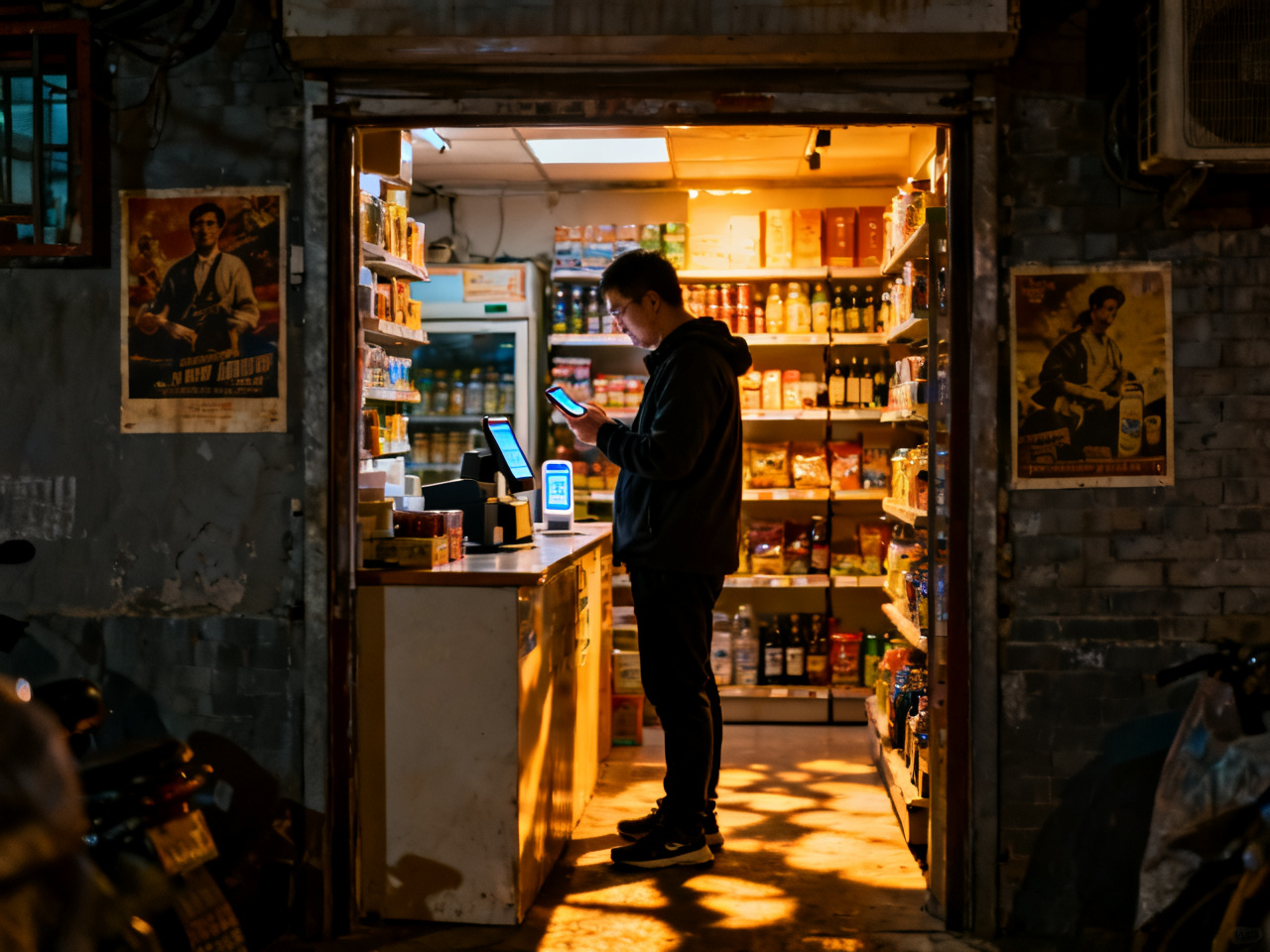
第三层,是平台之外的第二条河。那天真正把场面救回来的,不是我第四次刷新,而是后面那位抱着啤酒的小伙子低声提醒我:你是不是另一种付款方式也开了?他语气很平常,像在提醒我背包拉链没拉。于是我退出当前页面,换到另一个已经绑定过的支付入口,再扫一次,滴,过了。那一声提示音轻得很,却比任何攻略都更有教育意义。支持角色不一定是“贵人”,有时只是一个在你卡住时愿意开口点一句的人。
Layer three is a second river outside the first platform. What actually saved the moment that night was not my fourth refresh. It was the young man with the beer behind me, speaking quietly: “Did you also enable the other payment option?” He said it casually, the way someone reminds you your backpack zipper is open. So I backed out, switched to another payment channel I had already linked, and scanned again. Beep—success. The sound was tiny, but it taught me more than any generic guide ever could. A supporting character in travel does not have to be a dramatic savior. Sometimes it is simply someone willing to say one useful sentence when you get stuck.
老板娘把矿泉水推过来,又顺手给了我一个小塑料袋。她说,北京有时候地铁口信号好,胡同里就一般,你要是住几天,最好别只靠一个码。我拎着袋子站在门口,才发现夜里空气里混着柏油路散热后的土腥味和隔壁炸鸡店的油香。她这句话让我明白,支付预案不是技术清单,而是地理意识。高楼商场、地铁通道、景区入口、老城区小店、深夜路边摊,它们对网络、电量、反应速度的要求都不一样。
The owner slid the bottle toward me and handed me a small plastic bag. “Sometimes the signal is good at the subway exit and weaker in the hutongs,” she said. “If you’re staying a few days, don’t rely on just one code.” Standing outside with the bag in my hand, I noticed the night air carried both the earthy smell of warm asphalt and the oil-rich scent from the fried chicken shop next door. Her comment made something click: a payment backup plan is not just a technical checklist. It is also geographic awareness. A high-rise mall, a subway corridor, a scenic gate, a tiny old-town shop, and a late-night street stall all stress your setup in different ways.
第四层,是最朴素也最容易被轻视的一层:小额缓冲。不是叫你带很多现金,而是要给自己留一块心理和操作上的空地。比如在旅程开始时先判断一天大概有多少高频小额消费,把预算拆成几个桶,不要让每一笔都从同一个口子挤出去。这样就算某个环节临时抽风,你也还有余地,不至于在晚高峰、在暴雨里、在一段陌生路中间被迫做第一次复杂设置。这个思路和这篇旧文讲得很像:Budget buckets for China trips。
Layer four is the plainest and most overlooked one: a small-value buffer. This does not mean carrying a huge wad of cash. It means leaving yourself operational and psychological breathing room. At the start of a trip, estimate your frequent low-cost spending for a day and split it into a few buckets instead of forcing every transaction through one narrow channel. Then if one step fails temporarily, you still have room to maneuver. You will not be forced into your first complicated setup during rush hour, in heavy rain, or halfway through an unfamiliar road. The thinking is close to what the legacy article titled Budget buckets for China trips explains.
我后来还补了一条经验:真正危险的不是“偶尔失败一次”,而是你因为前面几十次都太顺,就开始在任何场景里都只剩一种肌肉记忆。比如手机只剩百分之十二却不带充电宝,比如把所有卡都绑在同一来源上,比如酒店回程、夜间到达、跨城中转这些关键节点之前不检查。支付风险往往不像骗子电影里那样戏剧化,更多是温吞地、日常地、不声不响地把你推到被动位置。相关的坑,这篇老文章也值得提前看一眼:Payment scams。
I added one more lesson afterward: the real danger is not “one occasional failure.” It is that after dozens of easy successes, you train yourself into having only one muscle memory for every situation. Your phone is down to 12 percent and you forgot a power bank. All your cards are linked through the same source. You do not check anything before critical moments like returning to the hotel, arriving late at night, or transferring between cities. Payment risk rarely looks cinematic. More often it is ordinary, slow, and quiet, pushing you into a weak position before you notice. For a useful look at common traps, the legacy article titled Payment scams is worth reading in advance.
如果把那一分钟拆开看,其实它像一棵很小的决策树。第一步,先判断是网络、屏幕、账户还是店家机器。第二步,不要在原地机械重复五次以上,重复会制造假忙碌,却不产生新结果。第三步,立刻切到同平台的备用路径,或者平台外的第二入口。第四步,如果仍然不行,优先解决“回住处”“进站”“补电量”这些关键动作,再处理不那么急的消费。决策树的意义不在于让你显得专业,而是在慌张来之前把顺序放好。
If you break that minute apart, it looks like a tiny decision tree. Step one: identify whether the issue is signal, screen brightness, account status, or the store’s machine. Step two: do not mechanically repeat the same action five times; repetition creates the illusion of effort without producing a new result. Step three: switch immediately to a backup path within the same platform or to a second platform outside it. Step four: if it still fails, solve the critical actions first—getting back to your lodging, entering the station, restoring battery—before worrying about less urgent spending. The point of a decision tree is not to make you look expert. It is to put the order in place before panic arrives.
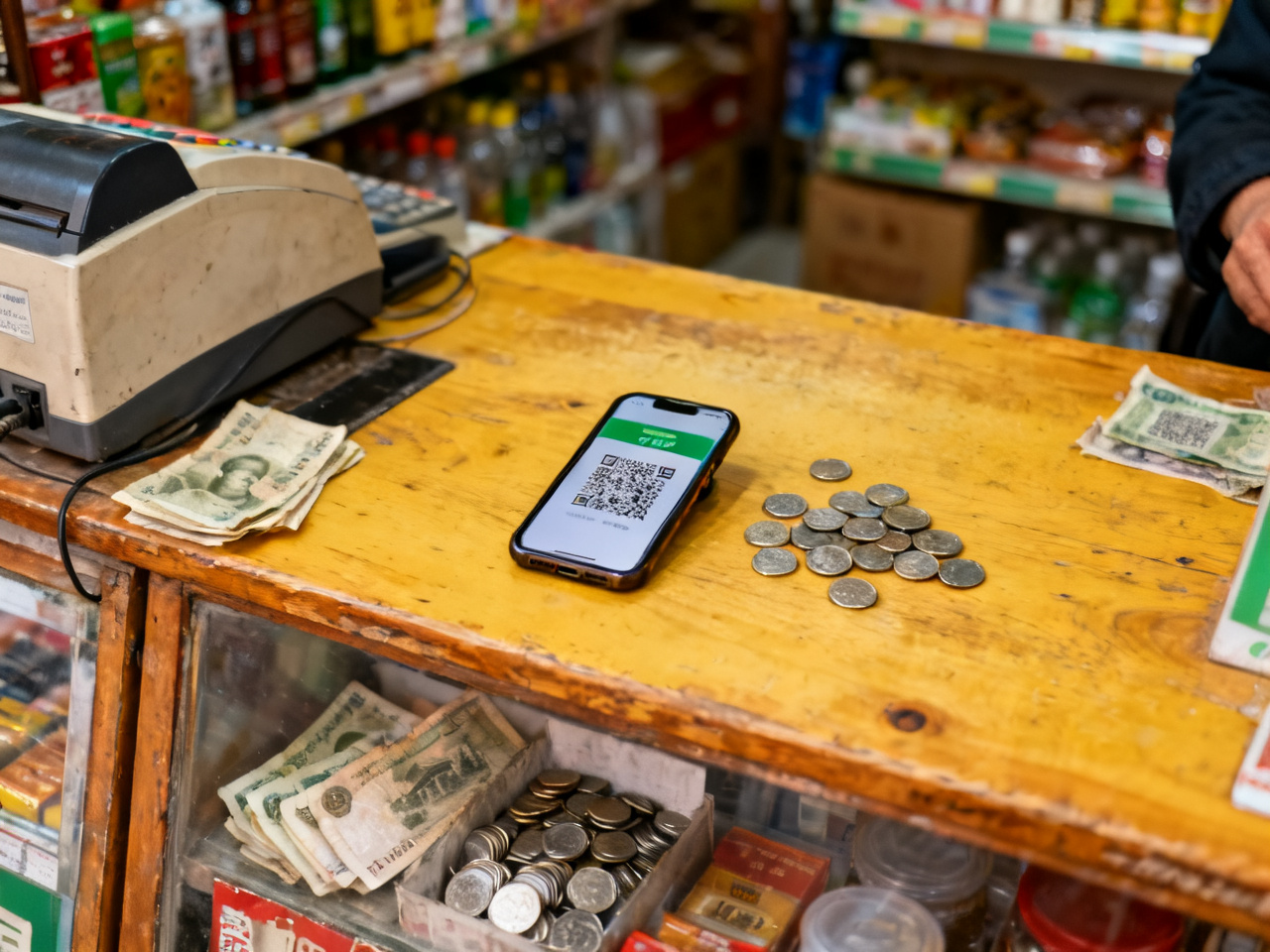
第二天早上,我特地绕回那家便利店,买了一杯豆浆和一个饭团,算是给自己做一次复盘。晨光比前夜柔和,老板娘换了件浅蓝色围裙,门边摆着刚到的箱装饮料,塑料封膜被裁开后有一点新纸箱的干燥味。我这次先站稳,确认网络、亮度、付款顺序,再把码递过去,一次通过。她笑了一下,说,今天顺吧。我也笑,说,昨天那一分钟值钱。
The next morning, I deliberately walked back to the same store and bought a cup of soy milk and a rice ball, partly to replay the scene properly. The morning light was gentler than the night before. The owner had changed into a light blue apron. Cases of newly delivered drinks stood by the door, and the cut plastic wrap gave off that dry scent of fresh cardboard. This time I stood still, checked the signal, brightness, and payment order, then presented the code. It worked on the first try. She smiled and said, “Smooth today, right?” I smiled back and said, “That minute yesterday was expensive, but useful.”
旅行里很多成熟并不来自远方的大风景,而来自小地方的小阻力。不是每个人都会在北京胡同便利店遇到同样的卡顿,但每个人都可能在某个不体面的时刻发现,自己把太多顺利当成了默认设置。好的支付预案不是让你永不出错,而是让你在出错时不必把一整晚都赔进去。真正踏实的感觉,不是手机里有一个会亮的码,而是你知道码失灵之后,下一步该往哪走。
A lot of travel maturity does not come from grand landscapes far away. It comes from tiny frictions in ordinary places. Not everyone will freeze in a Beijing hutong convenience store the way I did, but almost everyone will one day discover, at an awkward moment, that they treated too much good luck as a default setting. A good payment backup plan does not guarantee perfection. It keeps one failed transaction from ruining an entire evening. Real steadiness is not just having a code that lights up on your phone. It is knowing exactly where to move next when that code fails.
离开时,胡同里刚有早餐摊把蒸笼掀开,白汽扑到冷空气里,远处自行车铃响了一声又一声。我把豆浆放进外套口袋边走边暖手,手机安静地躺着,没有再证明什么。那家小店的玻璃门在身后轻轻合上,像把一个很短的险情关回了昨夜,只留下更结实的准备,陪我继续往前走。
When I left, a breakfast stall farther down the hutong had just lifted its bamboo steamer, and white vapor rushed into the cool air. A bicycle bell rang again and again in the distance. I tucked the soy milk against my coat pocket to warm my hand as I walked. My phone lay quietly in place, no longer needing to prove anything. Behind me, the glass door of the little store closed with a soft click, as if sealing last night’s brief emergency back where it belonged, leaving only stronger preparation to travel on with me.
- 十二月的中国:北方玩雪,南方过冬 | December in China: Snow Up North, Warmth Down South
- 成都最会让国外镜头停久一点的,往往不是熊猫,而是人坐下来以后那股松弛 | What Most Often Makes Foreign Cameras Linger in Chengdu Is Not the Pandas but the Ease That Begins Once People Sit Down
- 泥塑体验:我第一次觉得泥土不是材料,而是一种很慢的语言 | Clay Figurine Experience: The First Time I Felt Earth Was Not a Material, but a Slow Language
- 凌晨五点的生料粉摊,把我带进了玉林 | A 5 A.M. Rice-Noodle Stall Led Me into Yulin
- 十月赏银杏:满城尽带黄金甲 | October Ginkgo Season: When China Turns to Gold
- 中国街头小吃十选:从北到南,一路吃过去 | Ten Chinese Street Snacks: Eating Your Way from North to South
- Long Time No See——那些偷偷混进英语的中式表达 | Chinese Expressions That Snuck Into English When Nobody Was Looking
- 中国的户籍制度到底是怎么回事? | What Exactly Is China's Hukou System?
- 中国白酒与黄酒:送礼自饮怎么选 | Chinese Baijiu & Huangjiu: Gift & Tasting Guide
- 我如何在中国换城时给自己留出不慌张的缓冲 | How I Build Calm Buffers When Changing Cities in China
Comments (0)