
我第一次在中国寄快递,把纸箱、胶带和身份证明全学会了 | My First Time Shipping a Parcel in China: Boxes, Tape, and ID Checks
我第一次在中国寄快递,把纸箱、胶带和身份证明全学会了 | My First Time Shipping a Parcel in China: Boxes, Tape, and ID Checks
上午十点四十,我在成都一条不算宽的居民街上抱着一个快要散架的纸箱,箱角被前一晚的雨泡得发软,胶带也黏不住,我手机电量只剩百分之十二,站在一家快递驿站门口和店员大眼瞪小眼,因为我直到那一刻才知道,在中国寄快递不是把东西一放就完事,包装、实名、收件信息、禁寄检查,每一步都要过。
At 10:40 in the morning, I stood on a not-very-wide residential street in Chengdu hugging a cardboard box that was close to falling apart. One corner had softened in last night’s rain, the tape refused to hold, my phone battery was down to twelve percent, and I found myself staring helplessly at the clerk inside a parcel station. That was the moment I learned that shipping a parcel in China is not just a matter of setting a box on the counter. Packaging, real-name verification, recipient details, and prohibited-item checks all have to line up.
事情起因其实很普通。我在西南一路走了十来天,书、茶、几只小碗、换下来的厚外套越积越多,行李箱已经塞到拉链发出危险的声音。我原本打算硬扛去下一站,结果酒店前台小哥看我整理行李时笑了,说:“你这样坐高铁会很辛苦,寄掉一箱更轻松。”他说得太自然,好像人人都知道怎么寄,只有我是最后一个才补课的人。
The reason was ordinary enough. After traveling through the southwest for more than ten days, I had accumulated books, tea, a few small bowls, and a heavy jacket I no longer needed. My suitcase was so full that the zipper made a dangerous sound every time I pulled it shut. I had planned to wrestle everything onto the next train anyway, but the young man at the hotel front desk laughed when he saw me repacking. “Traveling by high-speed rail like that will be exhausting,” he said. “Shipping one box is much easier.” He said it so casually, as if everyone already knew how to do it and I was the last student to show up.
于是我问前台最近的驿站在哪儿。他给我在地图上点了一个位置,又补了一句:“带上证件,东西别先封死,店里可能要看里面装什么。”这句话我当时听进去了,但没完全懂。等我真的抱着箱子走到那家店,柜台后面的阿姨第一句话就是:“先别封,我要看一眼内容物。”她说得很平静,我却像突然参加一场没预习过的考试。
So I asked the front desk where the nearest parcel station was. He marked a spot on the map and added, “Bring your ID, and don’t seal the box completely yet. The shop may need to see what’s inside.” I heard the words but did not fully understand them. When I finally carried the box into the shop, the auntie behind the counter said the exact thing at once: “Don’t seal it yet. I need to see what’s inside.” She said it calmly. I felt as if I had been pulled into an exam I had not studied for.
驿站不大,玻璃门上贴着取件码提示,墙边堆满各色包裹,空气里有纸板、胶带和刚拖过地的清洁水味。电子秤旁边放着美工刀、记号笔、透明胶、黑色防水袋,一切都像准备充分,而我却显得最不充分。排在我前面的是个带孩子的妈妈,孩子趴在柜台边看打印面单,一边念收件地址,一边把棒棒糖咬得咔咔响。我抱着烂箱子站在后面,只盼轮到我时不要出更多状况。
The station was small. Pickup-code notices were taped to the glass door, parcels of different sizes were stacked along the wall, and the air smelled of cardboard, packing tape, and the clean water from a recently mopped floor. Beside the scale sat a utility knife, markers, clear tape, and black waterproof bags. Everything looked prepared except me. Ahead of me in line was a mother with her child. The child leaned over the counter to read the printed waybill aloud while crunching a lollipop. I stood behind them with my collapsing box, hoping nothing else would go wrong by the time it was my turn.
轮到我以后,问题果然一个接一个地冒出来。阿姨先看了一眼箱子就皱眉,说这个角太软,路上容易压坏。她打开一看,又问我碗是不是单独包过、茶叶是不是密封、书会不会把瓷器边缘磨到。我只能老实承认:没有,我只是把衣服塞在空隙里,心想大概能缓冲。她听完叹了口气,却没有不耐烦,只把箱子往我这边一推:“来,重新整理。我教你一次。”
When my turn came, the problems indeed arrived one after another. The auntie took one look at the box and frowned, saying the soft corner would be crushed in transit. She opened it and then asked whether I had wrapped the bowls separately, whether the tea was sealed, and whether the books might grind against the porcelain edges. I could only admit the truth: no, I had simply stuffed clothes into the gaps and hoped that would provide enough cushioning. She sighed, but not impatiently. She pushed the box back toward me and said, “All right. Repack it. I’ll teach you once.”
这就是我那天遇到的关键配角。她看起来像每天要处理上百个包裹的人,但对新手的笨拙很有办法。她先从架子底下抽出一个更结实的新纸箱,让我把旧箱子放一边,再拿出几张气泡膜,示范怎么给碗口、碗底各包一层,最后用胶带斜着固定,避免在箱里滚动。她动作极快,嘴里还不断解释:“重的放下,轻的放上;硬的和脆的隔开;有空隙就塞软衣服,但别让东西能晃。”
She became the key supporting character of my day. She looked like someone who handled hundreds of parcels every day, yet she had a practiced patience for beginners’ clumsiness. First she pulled a sturdier carton from under the shelf and told me to abandon the old one. Then she took out sheets of bubble wrap and showed me how to protect both the rim and the foot of each bowl, fixing the layers diagonally with tape so the pieces would not roll around. Her hands moved fast while she explained: “Heavy things on the bottom, light things on top. Separate hard items from fragile ones. Fill gaps with soft clothes, but don’t leave anything free to shake.”
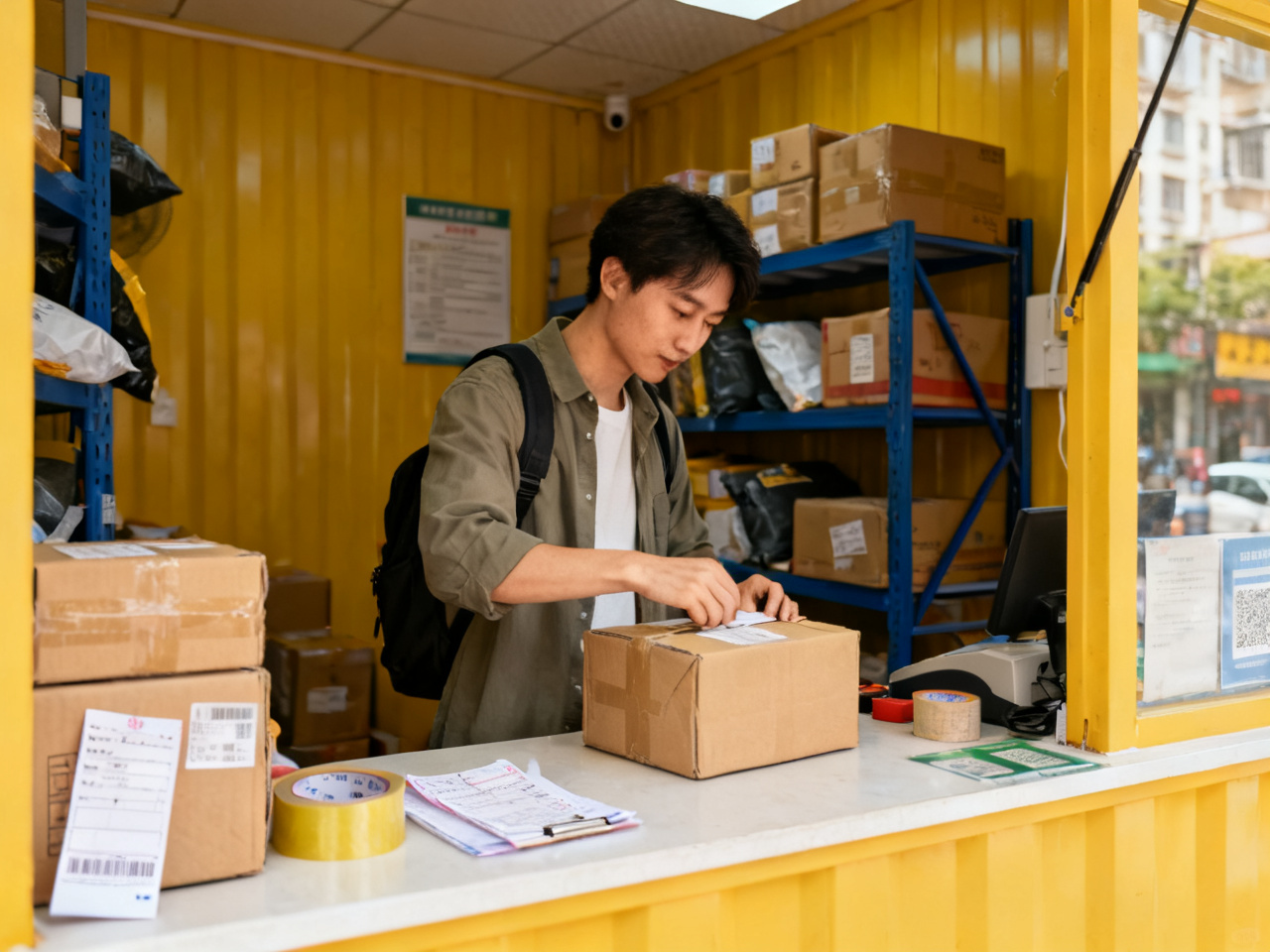
我照着做,才发现寄快递这件事很像临时上了一堂生活课。原来纸箱不是随便找一个就行,尺寸太大反而增加碰撞;原来胶带要横封、竖封、十字加固,不是只在中间糊一道;原来快递员关心的不是你寄得多快,而是东西能不能安全、合规地到。阿姨甚至让我把收件人的电话和地址重新核对两遍,说“地址错一个字,后面全是麻烦”。
As I followed her steps, I realized shipping a parcel was like taking an unexpected lesson in practical life. A box cannot be just any box; too large a carton actually increases the chance of impact. Tape is not one lazy strip across the middle; it needs horizontal sealing, vertical sealing, and cross reinforcement. And what matters to the shipping staff is not how quickly you want it gone, but whether it can arrive safely and within the rules. The auntie even made me check the recipient’s phone number and address twice. “One wrong character,” she said, “and the trouble begins afterward.”
打包刚有点样子,第二个问题又来了:实名。她问我要身份证明,我掏手机想出示电子证件和订单截图,结果屏幕亮了一下就黑了——只剩最后一点电,自动省电模式把我刚才没保存好的收件信息也卡掉了。那一瞬间我真有点崩。外面太阳很亮,门口电动车进进出出,店里打印机吱吱响,我站在柜台边,只觉得自己像最不会处理现实问题的游客。
Just as the packing began to look acceptable, the second problem arrived: real-name verification. She asked for my ID. I pulled out my phone to show an electronic document and the order information, but the screen lit once and went black. With the last sliver of battery gone, the power-saving mode swallowed the recipient details I had failed to save properly. For a second I nearly collapsed inside. Outside the sun was glaring, scooters kept stopping and starting by the entrance, the printer inside the shop squeaked on, and I felt like the least competent traveler in the city.
阿姨抬头看了我一眼,倒比我镇定得多。她指了指柜台角落一个旧排插,说“先充五分钟。”然后又问我有没有护照原件或其他证件。我连忙从随身小包里翻出来。她核对姓名后,教我用店里的纸笔先把收件人姓名、电话、详细地址写下来,等手机恢复一点电再补系统。边上排队的大哥也插了一句:“第一次寄都这样,别急,国内快递流程其实挺清楚的。”一句“别急”,比任何教程都管用。
The auntie looked up at me and remained much calmer than I was. She pointed to an old power strip in the corner of the counter and said, “Charge it for five minutes first.” Then she asked whether I had my passport or another original ID document with me. I hurriedly pulled one from my small bag. After verifying the name, she handed me pen and paper from the shop and told me to write down the recipient’s name, phone number, and detailed address first, then complete the system entry once my phone recovered a little charge. A man waiting behind me added, “Everyone’s like this the first time. Don’t rush. Domestic courier procedures are actually pretty clear.” His “don’t rush” helped more than any tutorial.
那几分钟里,我顺便学会了寄件时真正该确认的内容:寄到哪座城市、哪一个区、有没有楼栋门牌;物品里是否有液体、电池、打火机之类禁寄或敏感品;是否需要保价;收方是否能放驿站代收。阿姨一个个问,我一个个答,才发现自己之前对“寄快递”的理解实在太简单。我以为它是运输,实际上它更像信息核对、风险控制和包装物理学的合体。
During those few minutes I also learned what actually needs to be confirmed when shipping: which city, which district, whether the address includes building and unit details; whether the parcel contains liquids, batteries, lighters, or other restricted items; whether insurance is needed; and whether the recipient can allow station pickup. The auntie asked the questions one by one, and as I answered them one by one I realized how simplistic my previous understanding had been. I had thought of parcel shipping as mere transport. In reality it is a combination of information verification, risk control, and the physics of packaging.
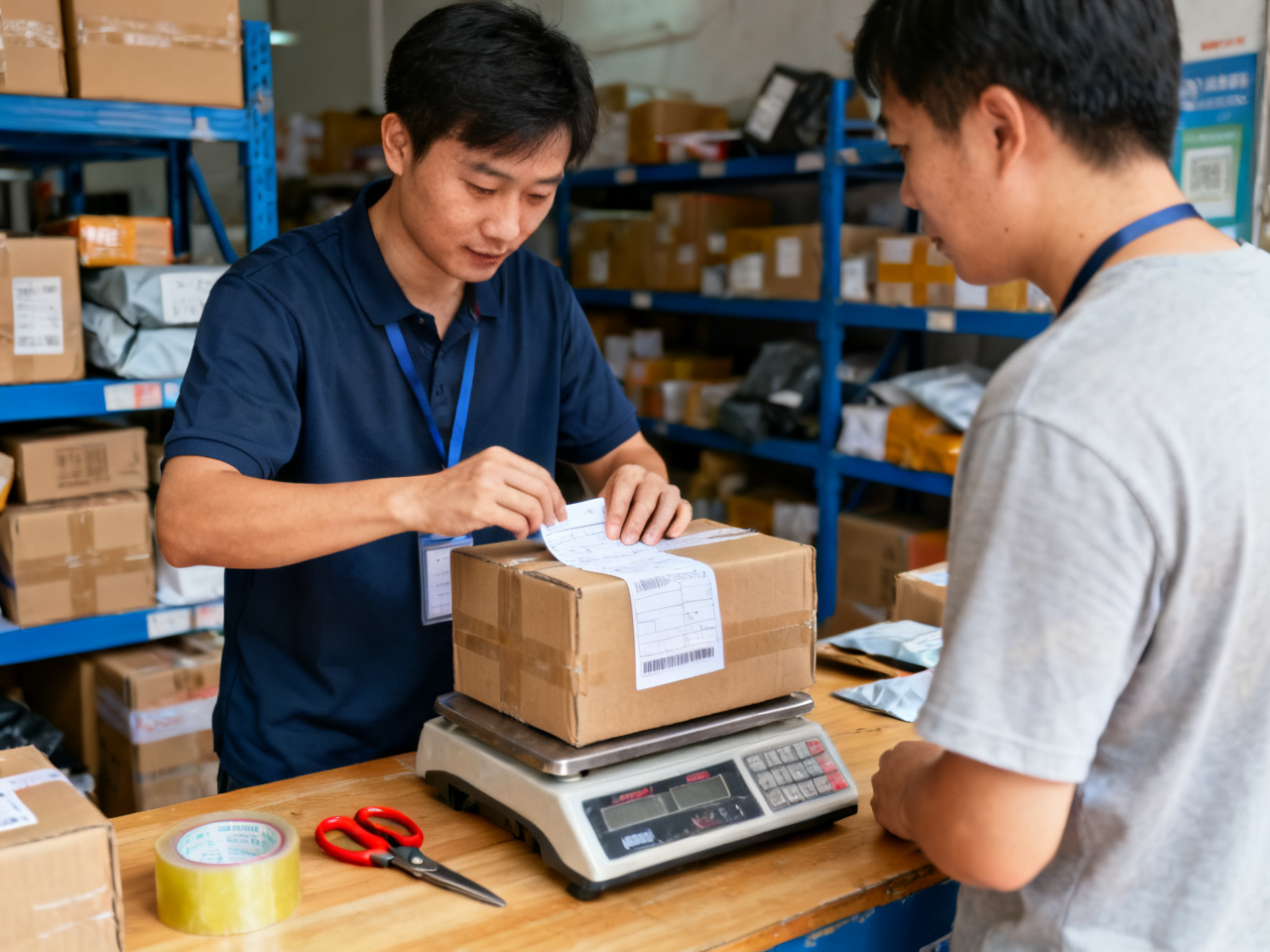
等手机恢复到能亮屏,我按她说的把信息填进小程序,提交后她打印出面单,动作利落地贴到箱子正面,又用粗黑笔在侧面写了“易碎”。那几个字一写上去,纸箱忽然像有了正式身份,不再是一堆被我胡乱塞进去的旅途剩余物,而是一个会被认真处理、沿着系统流转的包裹。她把箱子抬上电子秤,报出重量和价格,我竟有种任务终于进入正轨的轻松。
Once my phone had enough charge to stay awake, I filled the details into the mini-program as she instructed. After submission, she printed the waybill, slapped it neatly onto the front of the box, and wrote “fragile” in thick black marker on the side. The moment those characters appeared, the carton seemed to gain a proper identity. It was no longer a pile of leftover travel items I had shoved together in panic, but a parcel that would be handled seriously and move through a system. She lifted it onto the scale, announced the weight and price, and I felt the relief of finally getting a task onto solid tracks.
如果你是旅行中第一次处理这类现实问题,先熟悉中国城市里的基本移动逻辑会很省心,比如什么时候坐地铁、什么时候步行、什么时候叫车,可以参考 Chinese city commuting choices。而如果你的下一站靠高铁衔接,行李轻一点真的会幸福很多,China high-speed rail end-to-end guide 能帮助你把交通和行李安排一起想清楚。至于支付问题,很多驿站、小店和快递点都高度依赖手机支付,出发前看看 Mobile payments in China for foreigners 也非常必要。
If this is your first time dealing with such practical matters during travel, it helps a lot to understand the basic movement logic of Chinese cities first—when to use the metro, when to walk, and when to call a car. For that, Chinese city commuting choices is useful. And if your next stop is connected by high-speed rail, a lighter suitcase truly changes your mood; China high-speed rail end-to-end guide helps you think through transport and luggage together. As for payment, many parcel shops, convenience stores, and courier points rely heavily on phone payment, so it is also wise to read Mobile payments in China for foreigners before you go.
寄件快办完时,阿姨忽然把多余的一卷胶带递给我,说“路上带着,有时真有用。”我笑着接过来,像领到一件不大但很实在的装备。她又提醒我保留底单,查物流别只看“已揽收”,还要注意中转和派送状态。旁边那个带孩子的妈妈已经取完件走了,新的客人进来,对着堆满墙边的包裹报手机尾号,整个小店继续按自己的节奏运转。
Just as the shipment was being finalized, the auntie suddenly handed me the extra roll of tape and said, “Keep this with you. It can be genuinely useful on the road.” I accepted it with a laugh, as if receiving a small but practical piece of equipment. She also reminded me to keep the receipt and not to check the tracking only for “collected”; I should watch the transfer and delivery stages too. By then the mother with the child had already left with her package, new customers were coming in and reading out the last digits of their phone numbers, and the little shop kept operating in its own steady rhythm.
我走出驿站时已经快中午,街边小面馆的汤气从门里扑出来,晒热的水泥地反着白光,手里一下轻了很多,连肩膀都松开了。回头透过玻璃门,我看到那位阿姨正低头给下一只箱子缠胶带,动作和刚才一样熟练。那一刻我忽然明白,第一次在中国寄快递学到的并不只是流程,而是一种让旅行重新变轻的方法。我的旧外套、书和茶在系统里继续往前走,而我拎着只剩必需品的行李,转身去下一家店吃午饭,口袋里那卷胶带硌着手心,像一堂课留下的实体注脚。
It was nearly noon when I stepped out of the parcel station. Steam from a noodle shop rushed through the doorway next door, sun-heated concrete reflected a white glare, and my hands suddenly felt much lighter; even my shoulders loosened. Looking back through the glass door, I saw the auntie already bending over the next box, wrapping tape around it with the same practiced skill. In that moment I understood that what I had learned from my first time shipping a parcel in China was not just a procedure. It was a way to make travel light again. My old coat, books, and tea were moving forward inside the logistics system, and I turned toward lunch carrying only the essentials. The extra roll of tape pressed against my palm from inside my pocket, like a physical footnote left behind by the lesson.

- 中国旅游礼仪与文化禁忌 | Travel Etiquette & Cultural Taboos in China
- 中国住宿避坑指南:酒店民宿青旅怎么选 | Accommodation in China: Hotels, B&Bs & Hostels
- 在绍兴,一张公交卡小票和一座小桥一起把我领进了城 | In Shaoxing, a Transit Receipt and a Small Bridge Led Me into the City Together
- 中国旅游购物攻略:特产与纪念品 | China Shopping Guide: Local Specialties & Souvenirs
- 广州最厉害的地方,是你很难说清自己到底是在逛街,还是已经坐进了一顿饭里 | Guangzhou’s Gift Is That You Can Hardly Tell Whether You Are Walking the City or Already Sitting Inside a Meal
- 成都-重庆5日美食与熊猫行程 | 5-Day Chengdu-Chongqing Food & Panda Trip
- 中国旅游摄影技巧与最佳拍摄地 | Photography Tips & Best Spots in China
- 西藏拉萨朝圣之旅:布达拉宫与大昭寺 | Lhasa Pilgrimage: Potala Palace & Jokhang Temple
- 读一面敦煌壁画的次序:从洞窟入口开始 | How to Read a Dunhuang Mural: Begin at the Cave Entrance
- 我在重庆学会先看楼层关系,再看地图距离 | In Chongqing I Learned to Read Vertical Space Before Map Distance
Comments (0)