
中国跨城旅行怎么管钱:预算分桶法实战 | Budget Buckets for China Trips: A Practical Money System
中国跨城旅行怎么管钱:预算分桶法实战 | Budget Buckets for China Trips: A Practical Money System
跨城旅行一旦超过两站,很多人的花钱方式就会开始失控。不是因为预算太少,而是因为所有支出都混在一起:高铁票和咖啡混在一起,酒店和临时打车混在一起,结果每天都在付款,却不知道哪里该省、哪里值得加码。分桶法的价值,就是先把钱按功能拆开。
Once a China trip includes more than two cities, spending often starts feeling messy. The problem is not always a lack of budget. It is that everything gets mixed together: high-speed rail tickets with coffee, hotel payments with random taxis. You keep paying all day without knowing where to save and where to upgrade. The value of a bucket system is simple: separate money by function before the trip blurs it all.
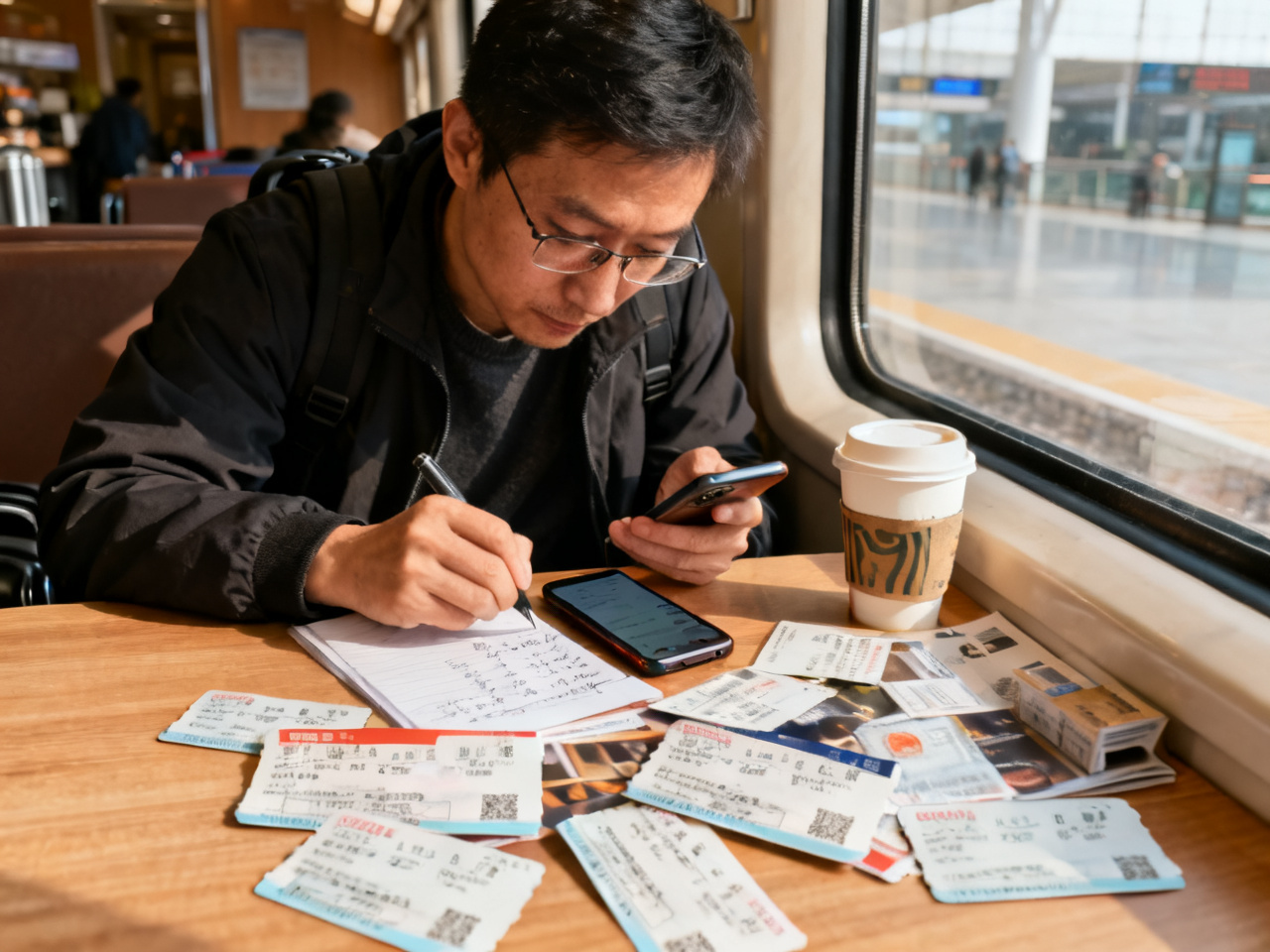
最基础的四个桶已经够用:交通、住宿、日常、应急。交通桶只负责火车、机票和跨城位移;住宿桶只看睡觉成本;日常桶装吃饭、咖啡、小门票和零碎消费;应急桶平时不动,专门给延误、改签、临时换酒店或身体不适留位置。这样一拆,情绪会先稳定下来。
A basic four-bucket setup is already enough: transport, lodging, daily life, and emergency. The transport bucket covers trains, flights, and intercity movement. The lodging bucket is only for where you sleep. The daily bucket handles meals, coffee, small tickets, and incidental spending. The emergency bucket stays mostly untouched and exists for delays, rebooking, sudden hotel changes, or health problems. Once the money is separated, stress usually falls first.
真正的关键不是记账,而是提前授权 / The Key Is Not Tracking but Pre-Approval
很多人以为预算管理就是每晚记一遍账单。那当然有用,但更有用的是在出发前给每个桶定一个心理边界。比如住宿可以稍微超一点,但日常不能无上限;交通必须优先保证准点和稳,不要为了小省牺牲整段路线。这样你在现场做决定时就不会反复内耗。
Many travelers think budgeting means reviewing receipts every night. That helps, but the stronger move is to assign psychological boundaries before departure. Lodging may be allowed to run slightly high, while daily spending should not become endless. Transport should prioritize punctuality and reliability rather than tiny savings that damage the whole route. Those pre-decisions reduce internal friction when choices appear on the road.
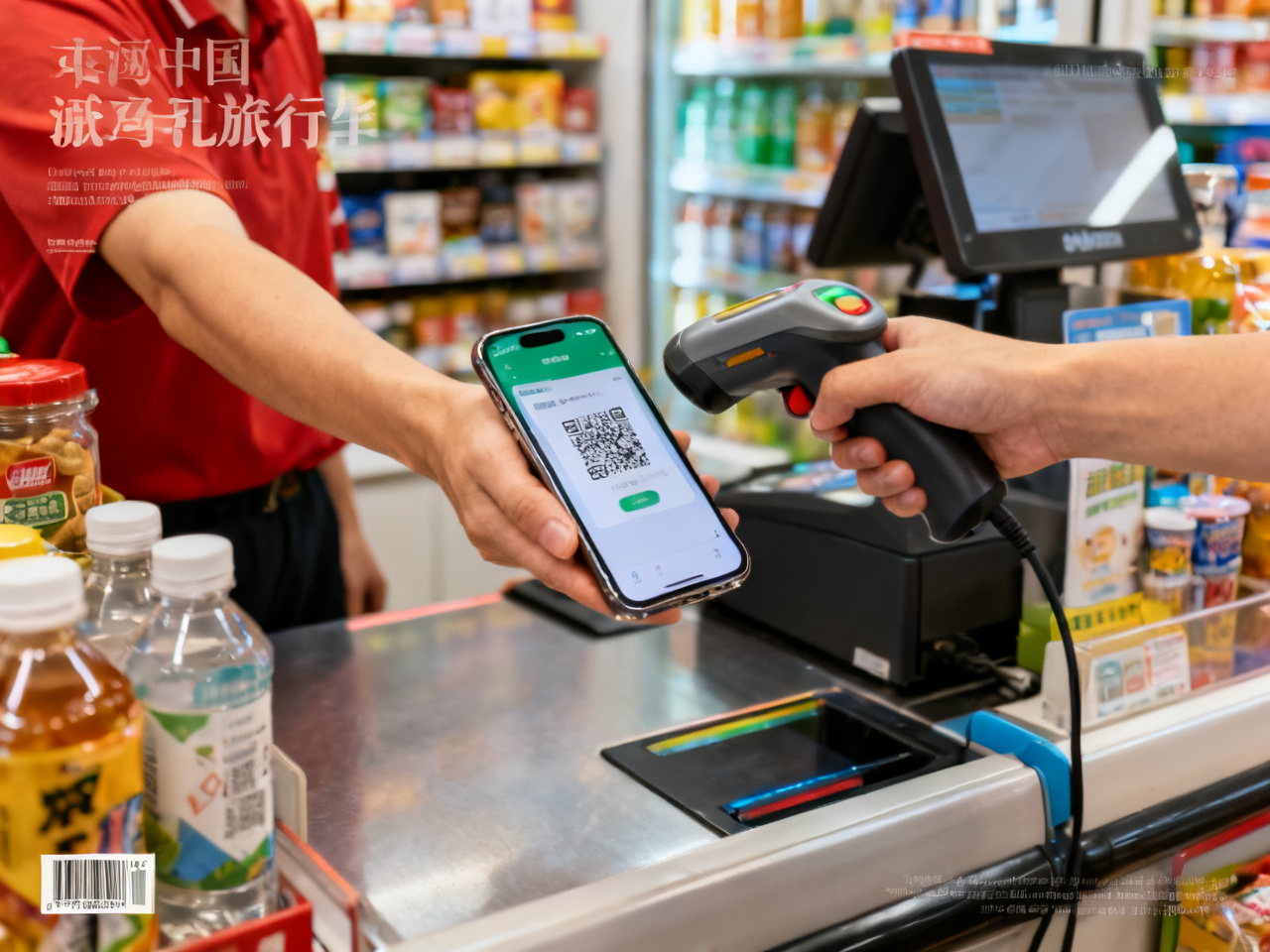
分桶以后,花钱会更有方向感 / Once Bucketed, Spending Gains Direction
跨城旅行真正耗钱的,不一定是贵项目,而是持续的小偏移:临时升舱一点、打车多一点、咖啡甜品随手一点。单笔看不大,堆起来就会让你失去判断。分桶法不是让旅行变抠门,而是让每一笔钱知道自己属于哪一类,从而保住行程的重点。
What really drains money on multi-city trips is not always one expensive purchase. It is the constant drift: a small seat upgrade, one extra taxi, one casual dessert or coffee too many. Each item looks minor, but together they blur judgment. Bucket budgeting is not about becoming stingy. It is about making every payment belong somewhere so the trip's priorities stay protected.
如果你还想继续看站内支付与预算文章,可以读 来华支付经验 和 中国路线成本控制文章。跨城旅行最好的金钱感,不是处处省,而是你随时知道自己为什么在这一项上花钱。
If you want more payment and budgeting reading on the site, continue with another China payment article and a piece on route cost control in China. The healthiest money feeling on a multi-city trip is not saving everywhere. It is always knowing why this category deserves the spend.
- 中国景区门口的安检队伍,其实有自己的节奏 | Security Lines at Chinese Scenic Spots Have Their Own Rhythm
- 广州一下雨,真正该重排的不是心情,而是那条原本顺手的晴天路线 | Once Rain Hits Guangzhou, What Needs Rearranging Is Not Your Mood but the Sunny-Day Route You Trusted
- 乌鲁木齐老街的灯一亮,孜然和人声就把夜晚烤热了 | Once the Old-Street Lights Came On in Urumqi, Cumin and Voices Warmed the Night
- Long Time No See——那些偷偷混进英语的中式表达 | Chinese Expressions That Snuck Into English When Nobody Was Looking
- 我在成都宽窄巷子喝盖碗茶:坐下来才看见成都节奏 | Sitting Down for Gaiwan Tea in Kuanzhai Alley, Chengdu
- 七月去青岛,我才真正学会用「反方向」看海边城市 | I Only Understood Qingdao in July After Learning to Use a Seaside City Backwards
- 窑火没有替我把碗烧好:景德镇一只歪口杯的诞生 | The Kiln Could Not Fix My Crooked Cup in Jingdezhen
- 地铁、打车、便利店:三大场景手机支付实战 | Subway, Taxi & Convenience Store: Mobile Pay in Action
- 我在中国县城汽车站学会先看人群走向,再找检票口 | I Learned at a Chinese County Bus Station to Watch Where People Flow Before Looking for the Gate
- 三天玩转上海:完整旅行指南 | Shanghai in 3 Days: Complete Travel Guide
Comments (0)