
哈尔滨冬天的第一口热汤,救了我冻僵的旅行计划 | The First Bowl of Hot Soup in Harbin Saved My Frozen Travel Plan
哈尔滨冬天的第一口热汤,救了我冻僵的旅行计划 | The First Bowl of Hot Soup in Harbin Saved My Frozen Travel Plan
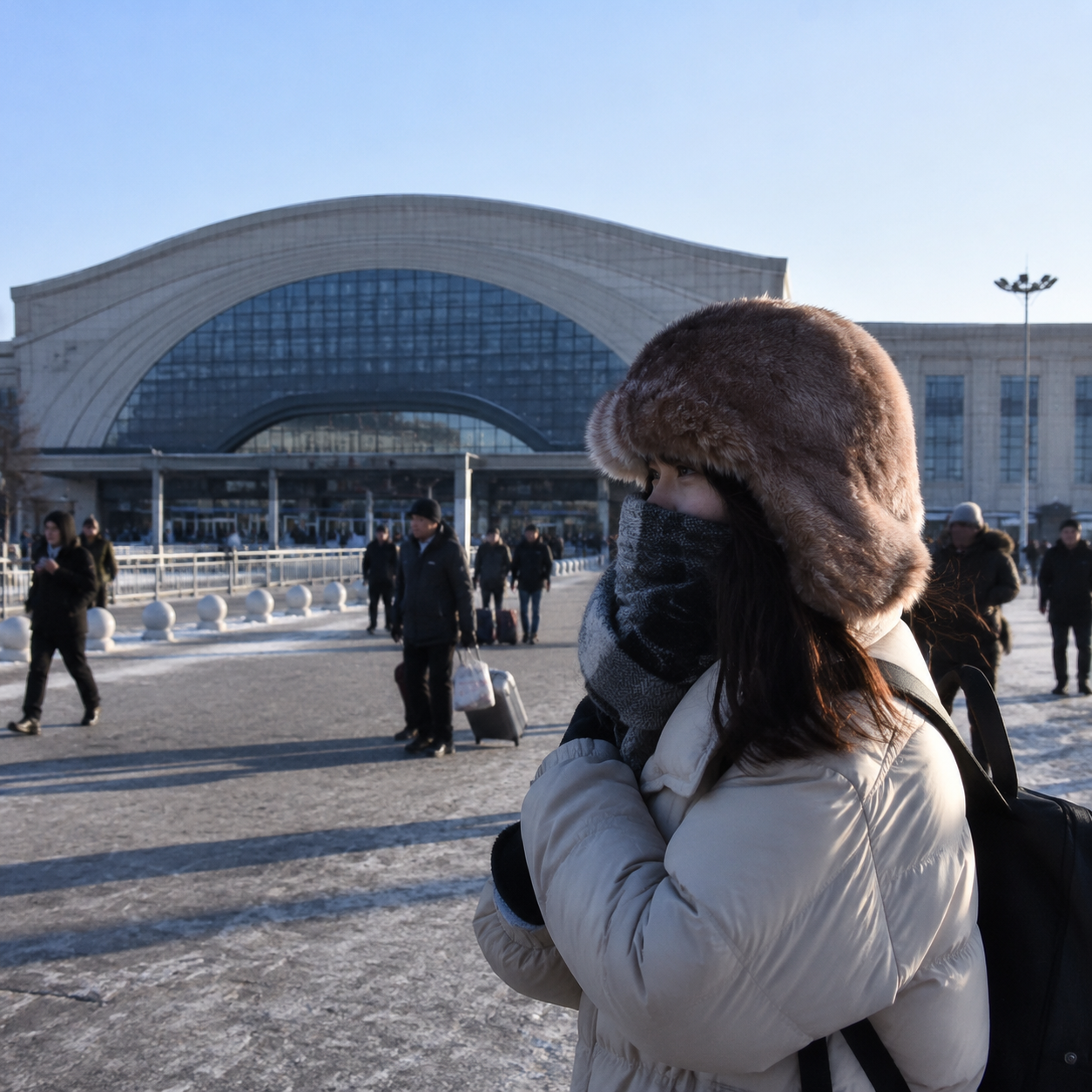
到哈尔滨的第一天,我把行程排得过于自信。上午去中央大街,下午看松花江,傍晚去冰雪大世界,夜里再找一家东北菜馆吃锅包肉。出发前我看过温度,也准备了厚羽绒服、帽子、手套和暖宝宝,自以为已经尊重了北方冬天。可真正从车站走到室外时,风像一把薄刀贴着脸刮过来,我才明白零下二十多度不是一个数字,而是一种会立刻改写身体反应的现实。
On my first day in Harbin, I arranged my itinerary with too much confidence. Central Street in the morning, the Songhua River in the afternoon, the Ice and Snow World at dusk, and a northeastern restaurant for sweet-and-sour pork at night. Before leaving, I had checked the temperature and prepared a thick down jacket, hat, gloves, and heat packs. I thought I had respected northern winter enough. But when I stepped outside from the station, the wind scraped across my face like a thin blade, and I understood that minus twenty-something degrees was not a number. It was a reality that immediately rewrote the body’s reactions.
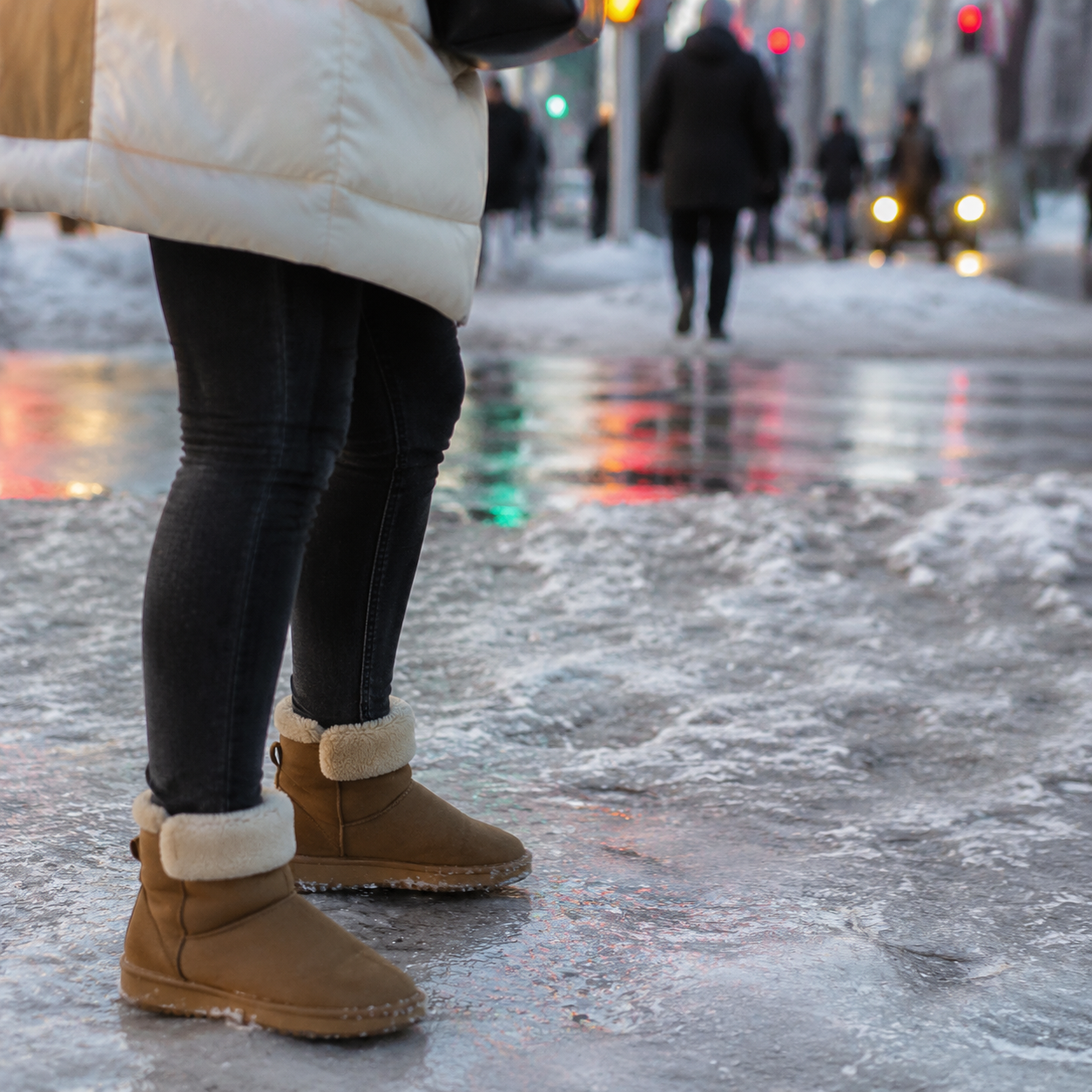
最先失去耐心的是脚。靴子看起来很厚,真正踩在结冰的人行道上,却像隔着一层不够诚恳的保护。每走几分钟,我就想进店躲一下。手机在手套里不好操作,摘下手套又很快被冻得指尖发麻。地图上那些距离本来很短的点,在寒风里被拉得很长。我站在路口等红灯,心里还在倔强地想着按计划走,可身体已经开始用更直接的方式投票:先找热的地方,别再逞强。
My feet were the first to lose patience. The boots looked thick, but on the icy pavement they felt like a protection that was not sincere enough. Every few minutes I wanted to duck into a shop. My phone was hard to use with gloves on, but once I removed them, my fingertips quickly went numb. Distances that looked short on the map stretched long in the wind. Standing at an intersection waiting for the light, I was still stubbornly thinking about following the plan, while my body had already voted in a more direct way: find somewhere warm first, and stop pretending.
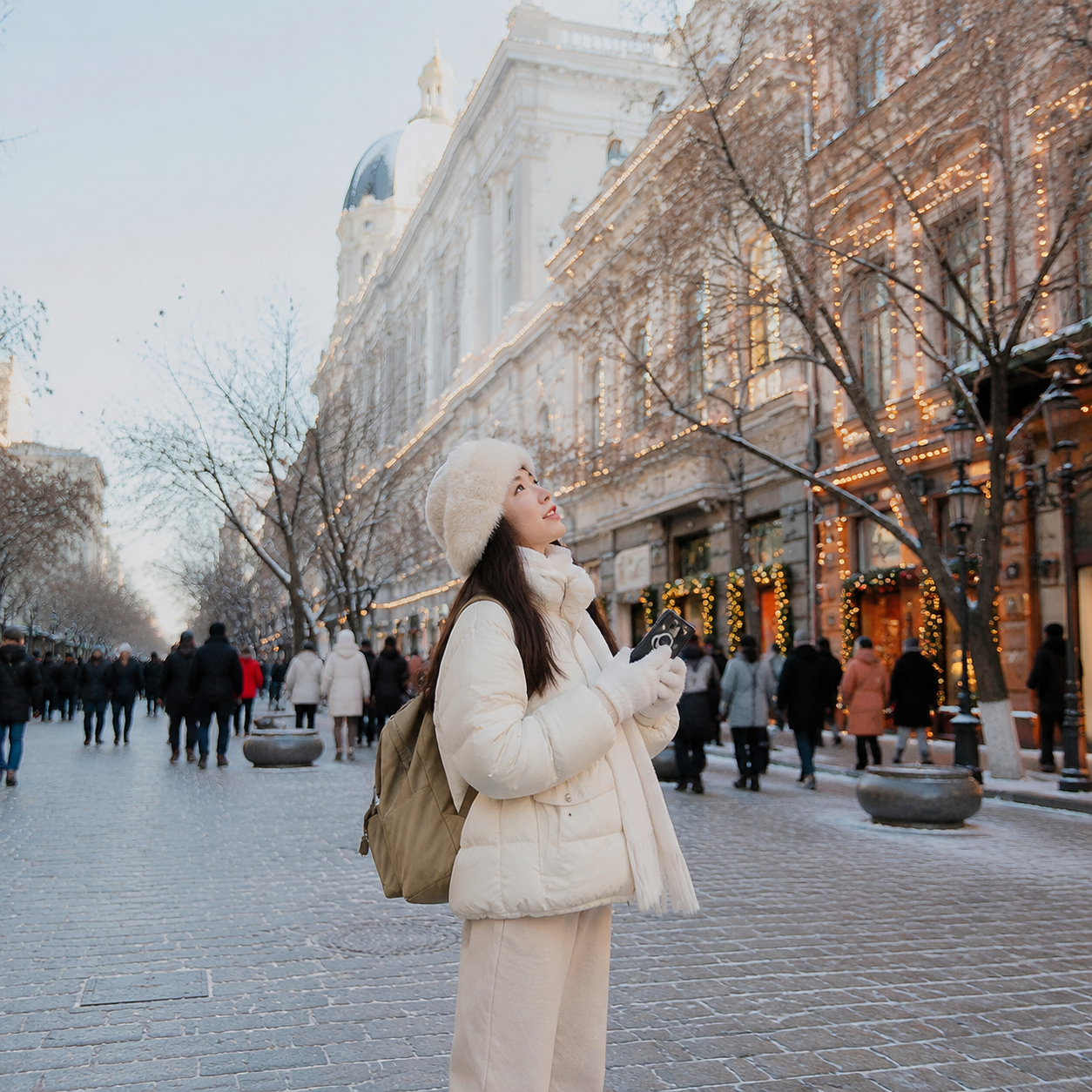
中央大街的建筑当然漂亮。雪落在屋檐和窗框上,面包店门口排着人,马迭尔冰棍的招牌在冷空气里显得很有名气。我也想像别人一样边走边拍照,甚至买一根冰棍证明自己来过。但那时我的脸冻得有点僵,笑不太出来,相机快门按下去也变得敷衍。旅行计划最尴尬的时刻,就是风景明明在眼前,人却已经没有余力接住它。好看的街道没有问题,是我被低温打乱了接收方式。
Central Street was certainly beautiful. Snow rested on eaves and window frames, people lined up outside bakeries, and the sign for Modern ice pops looked famous in the cold air. I wanted to walk and take photos like everyone else, even buy an ice pop to prove I had been there. But my face was stiff from the cold, I could hardly smile, and even pressing the camera shutter became perfunctory. The most awkward travel moment is when the scenery is clearly in front of you, but you no longer have the strength to receive it. The beautiful street was not the problem. The low temperature had disrupted the way I could take it in.
我原本打算一路走到江边,可走到一半就被一阵风劝退。那阵风从街口灌进来,把围巾的缝隙都找到了。我缩着肩膀拐进一条小路,看见一家门脸很普通的小馆子。玻璃门上全是白雾,门口贴着手写的菜单,有砂锅、馄饨、酸菜汤和几样家常菜。那时我没有精力研究评分,也不想比较哪家更地道,只被“热汤”两个字吸过去。推门进去的一瞬间,眼镜立刻起雾,像整个人终于从室外被捞了回来。
I had planned to walk all the way to the river, but halfway there a gust of wind persuaded me otherwise. It poured in from the street corner and found every gap in my scarf. Hunching my shoulders, I turned into a side road and saw a small restaurant with an ordinary storefront. The glass door was covered with white condensation, and a handwritten menu listed clay-pot dishes, wontons, sauerkraut soup, and several home-style plates. I had no energy to study ratings or compare which place was more authentic. The words “hot soup” pulled me in. The moment I pushed open the door, my glasses fogged up, as if my whole body had finally been rescued from outside.
店里不大,暖气很足,墙边挂着几件客人的厚外套。老板娘让我随便坐,我挑了靠里的一张桌子,把手套摘下来放在暖气片旁边。手指慢慢恢复知觉时,有一种细小的疼,像血液重新想起了路线。菜单上的字很朴素,我点了一碗酸菜白肉汤,又加了米饭。老板娘问我要不要多放点粉条,我点头。她把单子递进后厨,锅铲声和说话声从帘子后面传出来,我突然觉得自己不再是一个被风追着跑的人。
The restaurant was small and very warm, with several thick coats hanging along the wall. The owner told me to sit anywhere, so I chose an inner table and placed my gloves near the radiator. As sensation returned to my fingers, there was a fine ache, like blood remembering its route. The menu was plain. I ordered a bowl of sauerkraut and pork soup with rice. The owner asked whether I wanted extra glass noodles, and I nodded. She passed the order into the kitchen, and the sounds of a wok spatula and voices came from behind the curtain. Suddenly I no longer felt like someone being chased by wind.
汤端上来时,白汽先挡住了我的视线。酸菜的香味很直接,带着发酵后的清亮和肉汤的厚度。薄薄的白肉铺在上面,粉条埋在下面,几片冻豆腐吸着汤汁。第一口我喝得很慢,舌头先感到烫,接着是酸味把冻住的胃口打开,最后肉汤的暖意一点点往胸口扩散。那不是夸张的美味,也没有复杂的摆盘,但它在正确的时刻出现,几乎像一种及时的援助。
When the soup arrived, steam blocked my vision first. The fragrance of sauerkraut was direct, carrying fermented brightness and the depth of pork broth. Thin slices of pork lay on top, glass noodles were buried below, and pieces of frozen tofu had absorbed the soup. I drank the first spoonful slowly. My tongue felt heat first, then the sourness opened my frozen appetite, and finally the warmth of the broth spread little by little toward my chest. It was not an exaggerated delicacy, nor was there complex plating, but it appeared at the correct moment and felt almost like timely assistance.
我吃了几口饭,才发现自己刚才一直屏着劲。旅途中常有一种隐形的压力,叫“来都来了”。来都来了,就应该多看几个地方;来都来了,就不能因为冷而退缩;来都来了,就要把收藏夹里的项目一个个划掉。可是那碗汤让我把这句话暂时放下。一个人到陌生城市,不只是为了完成清单,也要学会把身体照顾好。身体一旦被忽略,所有景点都会变成任务,连惊喜也会被冻硬。
After eating a few mouthfuls of rice, I realized I had been holding myself tense. Travel often carries an invisible pressure: since I came all this way, I should do more. Since I came all this way, I should see more places; since I came all this way, I should not retreat because of cold; since I came all this way, I should check off every saved item. But that bowl of soup let me set the phrase aside for a while. A person visits an unfamiliar city not only to complete a list, but also to learn how to care for the body. Once the body is ignored, every sight becomes a task, and even surprise freezes hard.
旁边一桌坐着两位本地大叔,桌上有一盆炖菜和一盘拌菜。他们看我把围巾还围着,就笑着说屋里不用这么武装。我也笑,慢慢把围巾松开。他们问我是不是第一次冬天来哈尔滨,我说是,而且显然低估了风。他们并没有嘲笑,只说外地人都这样,别把一天排太满,冷的时候进屋喝点热的,缓过来再走。听起来像很普通的建议,可在那一刻,比任何攻略都管用。
At the next table sat two local uncles with a basin of stew and a plate of cold salad. Seeing that I still had my scarf wrapped tight, they laughed and said I did not need so much armor indoors. I laughed too and slowly loosened it. They asked whether this was my first winter visit to Harbin. I said yes, and that I had clearly underestimated the wind. They did not tease me. They only said outsiders were often like this: do not pack the day too full; when it gets cold, go inside and drink something hot; after recovering, continue. It sounded like ordinary advice, but at that moment it worked better than any travel guide.
这顿饭吃到后半段,我的计划开始重新变形。原来的路线像一张硬纸,被低温折出了裂痕;现在它变成了一张可以重新摊开的布。我决定不急着去江边,而是在附近慢慢走一段,下午找个室内地方待一会儿,傍晚再看体力决定是否去冰雪大世界。这个调整并不失败,反而让我恢复了对城市的好奇。热汤救的不是某个具体景点,而是我继续旅行的能力。
During the second half of the meal, my plan began to change shape. The original route had been like stiff paper, cracked by the cold; now it became cloth that could be spread out again. I decided not to hurry to the river. I would walk slowly nearby, spend part of the afternoon indoors, and decide at dusk whether I had enough energy for the Ice and Snow World. This adjustment was not failure. It restored my curiosity about the city. The hot soup did not save one specific attraction; it saved my ability to keep traveling.
吃完后,我没有立刻离开,而是捧着杯热水坐了一会儿。玻璃窗上的雾气被人用手指划出几道痕,外面的行人像在白色背景里移动。屋里有人点锅包肉,酸甜味从厨房飘出来;有人喊再加一碗米饭;老板娘在收银台边把零钱按面额分好。哈尔滨在这一刻不再只是冰灯、欧式建筑和松花江上的雪,它也是这间小馆子里的暖气、汤碗、笑声和让陌生人坐下来缓一缓的耐心。
After finishing, I did not leave immediately. I held a cup of hot water and sat for a while. Someone had drawn several lines with a finger through the condensation on the glass window, and pedestrians outside moved against a white background. Inside, someone ordered sweet-and-sour pork, and its sharp fragrance drifted from the kitchen. Someone called for another bowl of rice. The owner sorted change by denomination at the cashier counter. In that moment, Harbin was no longer only ice lanterns, European-style buildings, and snow on the Songhua River. It was also the radiator, soup bowl, laughter, and patience of this small restaurant that let a stranger sit down and recover.
下午我按新的节奏走。先去附近的书店待了一个小时,让手脚彻底暖起来,再沿着街慢慢往江边靠近。因为不再赶时间,我反而注意到更多东西:公交车门打开时冒出的白汽,路边卖冻梨的小摊,行人睫毛上很快凝出的霜,店员不断擦门把手上的水痕。寒冷仍然存在,但它不再像敌人,而像这座城市必须被理解的一部分。只要找到和它相处的间隔,冬天就没有那么可怕。
In the afternoon I followed the new rhythm. I first spent an hour in a nearby bookstore, letting my hands and feet warm completely, then slowly moved toward the river. Because I was no longer rushing, I noticed more things: white steam rising when a bus door opened, a roadside stall selling frozen pears, frost quickly gathering on pedestrians’ eyelashes, and shop clerks repeatedly wiping water marks from door handles. The cold still existed, but it no longer felt like an enemy. It felt like a part of the city that had to be understood. As long as I found intervals for dealing with it, winter became less frightening.
到松花江边时,天色已经开始发蓝。江面结着厚冰,远处有人在冰上走,像在一张巨大的白纸上移动。风还是很硬,我没有待太久,只拍了几张照片,就把手机塞回内袋。奇怪的是,这次我没有因为停留时间短而自责。热汤之后,我学会给寒冷留出位置,也给自己留出退路。短暂地看见,也可以是真正看见;不把自己冻到崩溃,才有机会记住江面的辽阔。
By the time I reached the Songhua River, the sky had begun to turn blue. Thick ice covered the river, and people in the distance walked across it as if moving on a huge sheet of white paper. The wind was still hard. I did not stay long, taking only a few photos before tucking my phone back into an inner pocket. Strangely, I did not blame myself for the short visit. After the soup, I had learned to leave room for the cold and an exit for myself. Seeing briefly can still be real seeing. Avoiding collapse from freezing is what allows the vast river to stay in memory.
傍晚我还是去了冰雪大世界,只是比原计划晚一些,也不再要求自己走遍每个角落。灯光亮起时,冰墙透出蓝色、紫色和金色,像寒冷被雕刻成了另一种语言。我每看完一片区域,就进休息区喝热水,坐几分钟再出来。这个节奏让夜晚变得可持续。原来冬季旅行不是和低温比赛谁更硬,而是学会把热量分配好,把兴奋放在能承受的范围里。
At dusk I still went to the Ice and Snow World, only later than planned, and without demanding that I cover every corner. When the lights came on, ice walls glowed blue, purple, and gold, as if cold had been carved into another language. After each area, I entered a rest zone to drink hot water and sit for a few minutes before going out again. This rhythm made the night sustainable. Winter travel, I realized, is not a contest against low temperature to see who is tougher. It is learning how to distribute warmth and keep excitement within what the body can bear.
夜里回到住处,我又想起中午那碗酸菜白肉汤。它并没有出现在我出发前收藏的清单里,也不是任何人重点推荐的招牌。可如果没有它,我可能会在上午就被冻到烦躁,接着把整座城市误解成难以亲近。旅行中的救场食物常常有这种能力:它不负责成为最精彩的记忆,却能把人从崩溃边缘拉回来,让后面的记忆继续发生。它像一枚小小的转轴,让糟糕的一天有机会转向。
Back at my lodging that night, I thought again of the sauerkraut and pork soup from noon. It had not appeared on my saved list before departure, nor was it a signature dish anyone had strongly recommended. But without it, I might have become irritable from the cold in the morning and then misunderstood the entire city as unapproachable. Emergency food during travel often has this ability: it does not aim to become the most spectacular memory, but it pulls a person back from the edge so later memories can continue to happen. It is a small hinge that gives a bad day a chance to turn.
第二天我调整了所有安排。每天只保留一个必须去的地方,其他都看天气和体力;每两三个小时安排一次室内停顿;包里除了暖宝宝,还多放了一只保温杯。午饭不再随便推迟,因为在哈尔滨的冬天,热食不是附属项目,而是行程的一部分。这样的计划看起来没有原来漂亮,却真正可执行。它让我走得更稳,也让我有余力去喜欢这座城市,而不是一边发抖一边完成打卡。
The next day I adjusted every arrangement. Each day kept only one must-see place, while the rest depended on weather and energy. Every two or three hours included an indoor pause. Besides heat packs, my bag now carried a thermos. Lunch was no longer something I casually postponed, because in Harbin’s winter, hot food was not an accessory to the itinerary. It was part of the itinerary itself. This plan looked less impressive than the original one, but it was truly executable. It let me move more steadily and gave me enough strength to like the city instead of shivering through check-ins.
后来我在哈尔滨又喝了几次汤:羊汤、馄饨汤、铁锅炖里舀出来的一碗热汤。每一种都不只是味道,也是一段恢复体温的时间。热气把眼镜熏白,汤匙碰到碗沿,手指贴着碗壁回暖,窗外的雪和屋里的灯形成对照。这些瞬间让我明白,冬天的城市不只用景观迎接人,也用室内的热度、食物的盐分和陌生人的一句提醒,帮助人慢慢进入它。
Later in Harbin I drank soup several more times: lamb soup, wonton soup, and hot broth ladled from an iron-pot stew. Each was not only flavor, but also a period of recovering body heat. Steam whitened my glasses, the spoon touched the bowl rim, my fingers warmed against the bowl wall, and the snow outside contrasted with the lights indoors. These moments taught me that a winter city welcomes people not only with scenery, but also with indoor warmth, the salt of food, and a stranger’s reminder, helping them enter it slowly.
如果说第一天有什么值得庆幸,不是我按时完成了多少景点,而是我及时承认自己冷。承认冷,才会推开那扇玻璃门;推开门,才会遇见那碗汤;喝下去,才有了后面重新出发的力气。很多旅行计划失败,并不是因为城市不够好,而是因为计划没有给真实的身体留位置。哈尔滨用一种很直接的方式教我:冬天的浪漫不能只靠想象,它需要热汤、厚袜子、室内停顿和愿意调整的诚实。
If anything was fortunate about that first day, it was not how many attractions I completed on time, but that I admitted I was cold soon enough. Admitting the cold made me push open that glass door; pushing open the door let me meet that bowl of soup; drinking it gave me strength to set out again. Many travel plans fail not because a city is not good enough, but because the plan leaves no room for the real body. Harbin taught me in a very direct way that winter romance cannot rely on imagination alone. It needs hot soup, thick socks, indoor pauses, and the honesty to adjust.
现在回想那趟哈尔滨旅行,我记得冰雕的光,也记得松花江上发蓝的傍晚,但最先浮现的,仍然是那家小馆子玻璃门上的白雾。门外是刺人的冷,门里是热汤和人声。那一口汤没有改变天气,却改变了我面对天气的方式。它把一个冻僵的计划救成了可以继续的旅程,也让我知道,冬季旅行里最可靠的智慧,有时就藏在一只普通的汤碗里。
When I think back on that Harbin trip now, I remember the glow of ice sculptures and the blue dusk over the Songhua River, but the first image that returns is still the white condensation on the glass door of that small restaurant. Outside was biting cold; inside were hot soup and human voices. That first spoonful did not change the weather, but it changed the way I faced the weather. It rescued a frozen plan and turned it back into a journey that could continue. It also taught me that the most reliable wisdom in winter travel is sometimes hidden in an ordinary soup bowl.
- 桂林米粉先拌还是先喝汤,我在一张小桌前改了吃法 | Mix First or Taste the Broth First? My Guilin Noodle Lesson
- 一碗面能走多远:从兰州到潼关,西北人用面食丈量土地 | How Far Can a Bowl of Noodles Take You: Measuring the Northwest by Wheat
- 本人在台州临海古城墙的五月雨雾里,第一次把“看景”变成了“听城” | In Linhai's May Mist, I Stopped Just Seeing the Scenery and Started Listening to the City
- 来华旅行必备配件 | Best Travel Accessories for China
- 华东五城10日经典环线 | 10-Day East China Five-City Loop
- 中国住宿避坑指南:酒店民宿青旅怎么选 | Accommodation in China: Hotels, B&Bs & Hostels
- 中国高铁乘车全攻略(境外游客版) | Complete HSR Guide for Foreign Tourists
- 十一月最适合旅游的城市 | Best Chinese Cities to Visit in November
- 罗平没有油菜花的那天,我还是走上了田野公路 | I Took Luoping’s Country Road Even Without the Canola Blooms
- 古镇民俗体验:赶集、社戏与手工艺 | Ancient Town Folk Culture: Markets, Opera & Crafts
Comments (0)