
在景区买票前,我先学会确认日期和入园时段 | Before Buying Scenic Tickets, I Learned to Confirm Date and Entry Time
在景区买票前,我先学会确认日期和入园时段 | Before Buying Scenic Tickets, I Learned to Confirm Date and Entry Time
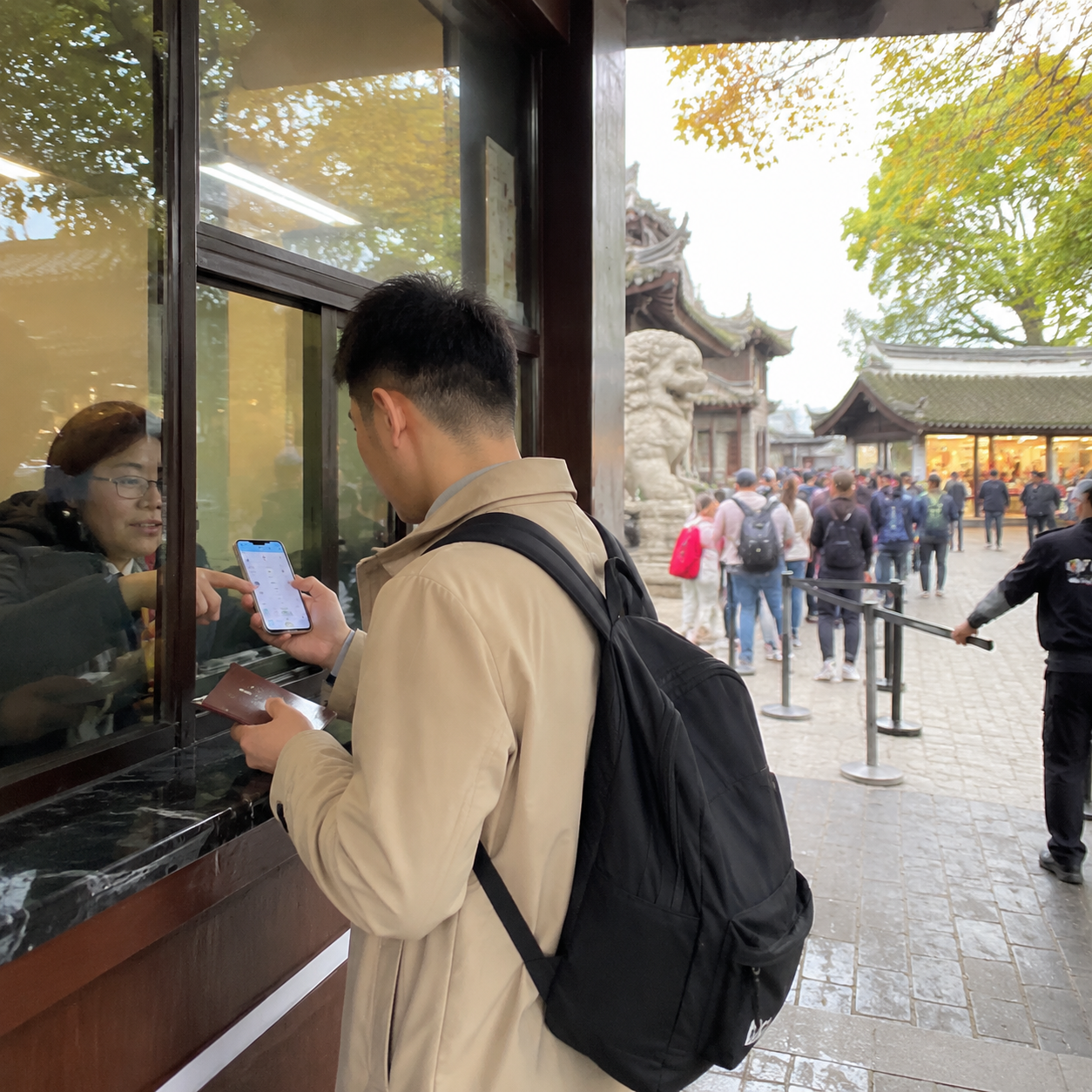
2025年10月18日早上八点四十,我站在苏州一座园林景区的售票窗口前,右手捏着护照,左手拿着手机,屏幕上停着预约页面。检票口旁的银杏叶刚开始发黄,保安把隔离带往外拉了一截,队伍像一条慢慢醒来的线,从石狮子旁绕到纪念品店门口。我原以为买票只是把钱付掉、拿到二维码、跟着人群往里走,直到窗口里的工作人员隔着玻璃轻轻敲了敲我的手机屏幕,问我是不是要买当天上午的票。我低头一看,页面默认日期停在明天,入园时段也是下午。我脸一下热了,身后的人没有催,只是有人把雨伞换到另一只手。那一刻,我才明白在中国景区门口买票,不是简单地排到窗口就结束,而是先把日期、时段、证件和规则一项项看清。
At 8:40 on the morning of October 18, 2025, I stood before the ticket window of a classical garden in Suzhou, holding my passport in my right hand and my phone in my left, the reservation page glowing on the screen. The ginkgo leaves near the entrance were just beginning to yellow, and a security guard pulled the barrier tape farther outward, making the queue stretch from the stone lions to the souvenir shop. I had assumed buying a ticket meant paying, receiving a QR code, and following the crowd inside, until the staff member behind the glass tapped gently toward my phone and asked whether I really wanted a ticket for that morning. I looked down and saw the date had defaulted to the next day, and the entry window was set for the afternoon. My face grew warm. Nobody behind me rushed me; someone only shifted an umbrella to the other hand. In that moment I understood that buying tickets at a Chinese scenic site is not over once you reach the window. You first need to check the date, the entry time, your documents, and the rules one by one.
工作人员没有表现出不耐烦。她把我的手机从玻璃下方的小槽里推回来,用手指在空中比了一个从左到右的顺序,先看日期,再看时段,再看证件类型,最后看退改说明。她说当天上午票量紧张,外籍游客如果用护照购买,姓名和证件号要与入园时出示的证件一致;如果我现在买了明天的票,今天不能用;如果错过时段,有些票可以在当天内协调,有些票就只能按页面规则处理。她的中文说得很清楚,旁边另一位年轻工作人员又用简单英语补了一句:“Check today, morning, passport, refund rule.” 我跟着重复了一遍,像在学一个旅途中很实际的句子。过去我总把景区门票当作旅行里最机械的一步,可在那个窗口前,我第一次认真看见这些小字背后有真实的秩序。
The staff member was not impatient. She slid my phone back through the small gap beneath the glass and traced an order in the air with her finger: first the date, then the time window, then the document type, and finally the refund and change policy. She explained that morning tickets were limited, and if a foreign visitor bought a ticket with a passport, the name and document number had to match the document shown at entry. If I bought tomorrow's ticket now, I could not use it today. If I missed the entry period, some tickets might be adjusted within the same day, while others would follow the stated policy on the page. Her Chinese was clear, and a younger colleague beside her added in simple English, “Check today, morning, passport, refund rule.” I repeated it after them, as if learning a very practical travel sentence. I had always treated scenic tickets as the most mechanical step of a trip, but at that window I saw for the first time that the small print carried a real order behind it.
我退到旁边的石凳上重新操作。清晨的风从水面吹过来,带着桂花和湿木头的气味,远处有人在给孩子整理围巾,也有人把身份证放在透明卡套里。我的手机页面其实并不复杂,只是我之前看得太快:日期栏在最上面,入园时段紧挨着价格,证件类型要从下拉菜单里选,退票说明藏在“购票须知”里,需要点开才能展开完整内容。我把明天改成当天,把下午改成上午,把证件类型从身份证改成护照,再一位一位核对姓名字母。英文名的顺序让我犹豫了一下,因为护照上姓在前、名在后,而页面要求我按证件显示填写。我没有凭感觉处理,而是又走回窗口问了一次。工作人员看了一眼护照,告诉我照护照顺序填,并提醒不要漏掉中间名。
I stepped aside to a stone bench and started again. The morning wind crossed the water, carrying the scent of osmanthus and damp wood. In the distance, someone adjusted a child's scarf, while another person kept an ID card in a clear plastic holder. The page on my phone was not complicated; I had simply looked too quickly. The date field sat at the top, the entry window was next to the price, the document type had to be selected from a drop-down menu, and the refund information was hidden inside the purchase notes, which had to be opened to show the full text. I changed tomorrow to today, the afternoon to the morning, the document type from Chinese ID card to passport, and then checked each letter of my name. The order of my English name made me hesitate because my passport showed surname first and given names after, while the page asked me to fill it in as displayed on the document. I did not rely on instinct. I returned to the window and asked again. The staff member looked at my passport and told me to follow the passport order, reminding me not to omit my middle name.
旁边有一位从上海来的阿姨听见我们说话,笑着告诉我,她上个月带亲戚去博物馆时也差点买错日期,因为她以为系统会自动选择当天。她说现在很多热门景区和博物馆都按时段分流,上午和下午不是装饰性的选择,而是人流管理的一部分。她把自己的订单截图给我看,页面上有清楚的入馆时间,下面还有“请携带本人有效证件”的提示。她说自己以前也嫌这些提醒啰嗦,但有一次忘带证件,在门口来回翻包,才知道提醒不是为了增加麻烦,而是为了减少现场的争执。我听她说话时,队伍继续向前移动,阳光落在售票窗口的玻璃上,反出一层淡淡的白光,像把每个人的急躁都暂时挡在外面。
An auntie from Shanghai standing nearby overheard us and told me with a smile that she had almost bought tickets for the wrong date the previous month when taking relatives to a museum, because she assumed the system would automatically select the current day. She said many popular scenic areas and museums now divide visitors by entry periods, and morning or afternoon is not a decorative choice but part of crowd management. She showed me a screenshot of her own order, with the entry time clearly displayed and a reminder below asking visitors to carry valid personal identification. She said she used to think such reminders were wordy, but after once forgetting her document and searching her bag at the entrance, she realized the warnings were not meant to create trouble but to reduce disputes on site. As I listened, the queue kept moving forward. Sunlight fell on the glass of the ticket window, reflecting a pale white layer that seemed to hold everyone's impatience outside for a while.
重新提交订单前,我点开退改规则读了两遍。那一段文字没有旅行广告里常见的热情语气,只是平静地写着哪些情况下可以退,什么时间前可以改,已核验入园后不能退款,特定活动票可能不支持变更。我以前看见这种说明常常直接滑过去,觉得自己不会出错,也不会临时改变计划。可旅行最会打断人的自信:地铁可能晚到,雨可能突然变大,同伴可能不舒服,手机可能没电,甚至一个路口的施工都能让你错过约定时段。读完规则,我不是更紧张,反而更踏实,因为我知道自己正在买的究竟是什么。付款前的那几十秒,像给接下来半天的行程打了一个结实的扣子。
Before submitting the order again, I opened the refund and change policy and read it twice. The text had none of the excited tone common in travel advertisements. It simply stated under what conditions refunds were possible, before what time changes could be made, that refunds were not available after entry verification, and that tickets for certain events might not allow changes. In the past, I often swiped past such notices, assuming I would not make mistakes or change plans suddenly. But travel is very good at interrupting confidence: the metro can arrive late, rain can grow heavy, a companion can feel unwell, a phone can lose power, and even construction at an intersection can make you miss an appointed entry period. After reading the rules, I did not feel more nervous; I felt steadier, because I knew exactly what I was buying. Those few dozen seconds before payment felt like fastening a firm button on the next half day of the trip.
付款成功后,页面跳出二维码和订单号。我没有立刻往入口冲,而是按照工作人员刚才提醒的顺序又检查了一次:日期是今天,时段是上午,证件是护照,姓名字母没有缺漏,人数是一人,退改说明已读。然后我截了图,把手机亮度调高,又把护照夹在随身小包外侧。检票口的工作人员扫完码后让我出示护照,他只看了几秒,确认姓名和号码一致,就把手往园内一引。那一刻没有戏剧性的惊喜,只有流程顺畅带来的轻微安定。我走过门槛时,听见身后有人因为买了下午票被提醒稍后再来,也有人在窗口前说自己忘记带证件。那些声音没有让我庆幸自己聪明,只让我意识到每一个提醒都不是多余的。
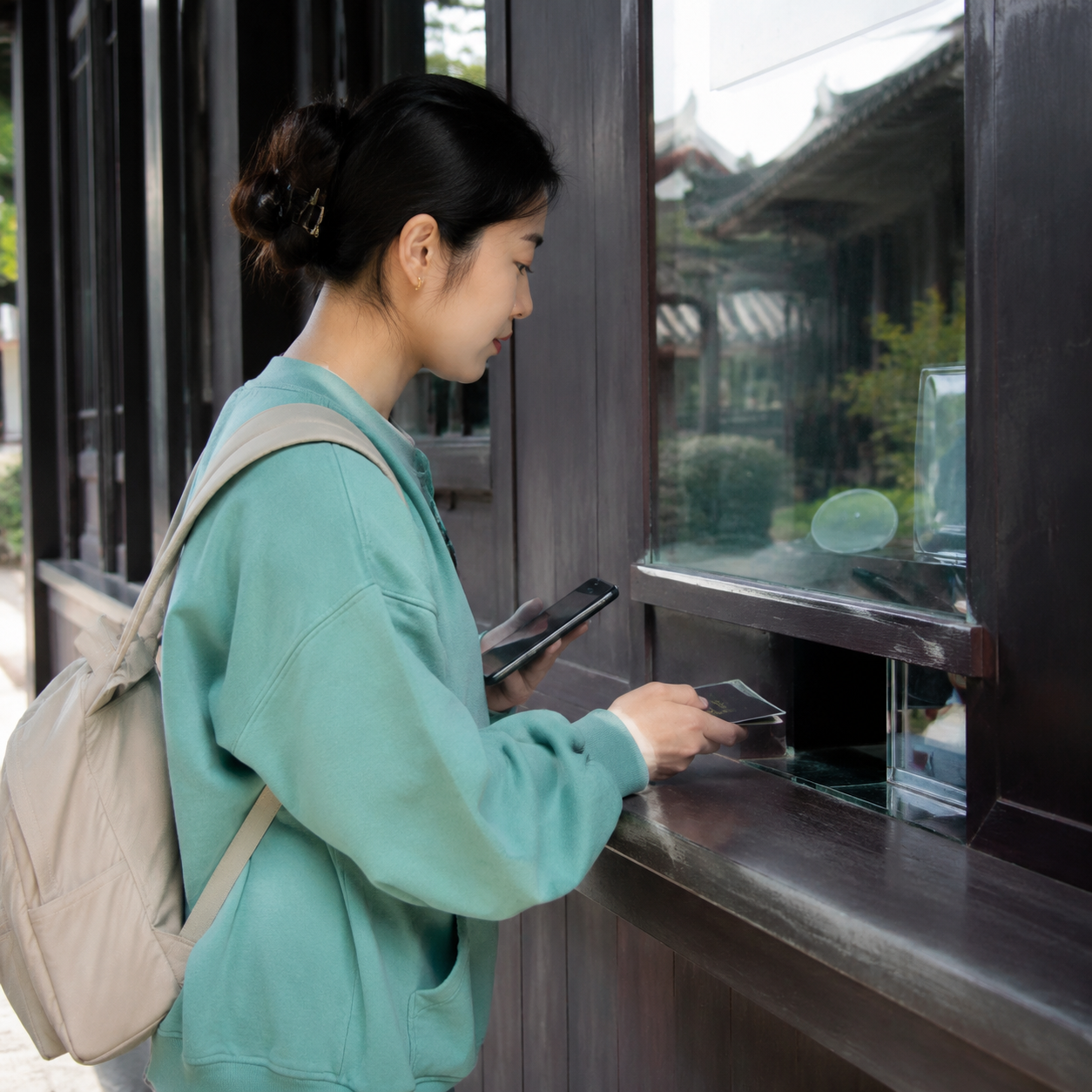
After payment succeeded, the page displayed a QR code and an order number. I did not rush toward the entrance immediately. Instead, I followed the order the staff had just taught me and checked once more: the date was today, the entry window was morning, the document was passport, no letters were missing from my name, the number of visitors was one, and the refund policy had been read. Then I took a screenshot, raised my phone brightness, and placed my passport in the outer pocket of my small shoulder bag. At the gate, the attendant scanned the code and asked to see my passport. He looked for only a few seconds, confirmed that the name and number matched, and gestured me inside. There was no dramatic surprise in that moment, only a quiet ease from a smooth process. As I crossed the threshold, I heard someone behind me being told that their ticket was for the afternoon, while another person at the window said they had forgotten their document. Those voices did not make me feel clever; they made me realize that every reminder had a reason.
园林里的路比我想象得窄,白墙旁的竹影落在青石板上,水池里有几尾鱼贴着倒影游动。我边走边想,如果刚才没有停下来核对,我可能会在门口耗掉更多时间,甚至把情绪带进这座本该安静的园子。很多外国游客到中国旅行时,容易把“买票”理解成一种单一动作,可这里的景区系统已经和实名预约、客流控制、证件核验连在一起。它不像街边买一杯豆浆那样随到随买,也不像某些国家的纸质票那样只看日期不看身份。它更像一个小型约定:你承诺在某个时间来,使用某个证件进入,景区则按这个约定安排人流和服务。理解这个逻辑后,我对窗口前的提醒少了抵触,多了配合。
The garden paths were narrower than I had imagined. Bamboo shadows fell across the blue-gray stone slabs beside white walls, and several fish swam close to their own reflections in the pond. As I walked, I thought that if I had not stopped to check, I might have spent much more time at the gate and carried my frustration into a place meant to be quiet. Many foreign visitors traveling in China may understand “buying a ticket” as a single action, but scenic-site systems here are often connected to real-name reservations, crowd control, and document verification. It is not like buying a cup of soy milk on the street whenever you arrive, nor like paper tickets in some countries that check only the date and not identity. It is more like a small agreement: you promise to arrive at a certain time using a certain document, and the site arranges visitor flow and service according to that agreement. Once I understood that logic, I felt less resistance toward the reminders at the window and more willingness to cooperate.
中午我去了附近的博物馆,买票经历又把这个认识加深了一层。博物馆没有现场纸票,入口旁放着几块蓝色指示牌,写着预约、核验、安检、入馆四个步骤。志愿者是一位戴圆框眼镜的大学生,他看见我在预约入口停住,就主动问我是否需要帮助。我告诉他上午在园林刚学会检查日期和时段,他笑了,说博物馆还要注意闭馆时间和展厅预约,有些特展需要单独确认。他帮我看了页面,提醒我普通展预约是免费的,但如果要看特展,要另选票种,并且护照信息仍要一致。我听到“免费”两个字时差点直接点确认,幸好他让我先看清展览名称,不然我可能会排到特展入口才发现自己预约的是常设展。
At noon I went to a nearby museum, and the ticketing process deepened this understanding. The museum had no paper tickets on site. Several blue signs by the entrance listed four steps: reservation, verification, security check, and entry. A volunteer, a university student wearing round glasses, saw me pause at the reservation area and asked whether I needed help. I told him I had just learned that morning at the garden to check date and entry period. He smiled and said museums also require attention to closing time and exhibition reservations, because some special exhibitions need separate confirmation. He looked at my page and reminded me that the regular exhibition reservation was free, but if I wanted the special exhibition, I needed to choose a different ticket type, and the passport information still had to match. When I saw the word “free,” I almost tapped confirm immediately, but he asked me to read the exhibition name first. Otherwise, I might have reached the special exhibition entrance only to learn that I had booked the permanent galleries.
在博物馆门口,我看见一家三口因为孩子证件号码填错而退到旁边修改,也看见一位老人把身份证贴在闸机感应区,工作人员弯腰帮他调整位置。没有人把这些动作当成表演,它们只是城市公共空间里每天发生的普通细节。对我来说,这些细节却像一堂现场课:证件不是形式,时段不是建议,订单截图不是可有可无,退改规则不是最后才看的麻烦。它们共同决定你能不能顺利走进一个地方,能不能把注意力留给展品、树影、屋檐和人,而不是留给门口的误会。旅行中所谓的顺畅,很多时候不是靠运气,而是靠提前几分钟把容易忽略的事做完。

At the museum entrance, I saw a family of three step aside because their child's document number had been entered incorrectly, and I saw an elderly man place his ID card against the scanner while a staff member bent down to help adjust its position. Nobody treated these actions as performance; they were simply ordinary details of public space in the city. For me, however, they became a practical lesson: documents are not a formality, entry windows are not suggestions, order screenshots are not optional, and refund policies are not a nuisance to read only at the end. Together they determine whether you can enter a place smoothly and whether your attention can remain with exhibits, tree shadows, eaves, and people instead of misunderstandings at the gate. Smooth travel often does not come from luck. It comes from spending a few minutes in advance on things that are easy to overlook.
下午三点多,博物馆外下起小雨。我坐在出口处的长椅上整理手机,把上午和中午的订单截图放进同一个相册,命名为“今日门票”。我还把护照照片、签证页、酒店订单和车票截图分别放进不同相册,给自己建立一个不算复杂的查找方式。这个动作并不浪漫,却让我感到一种旅行者应有的清醒。过去我喜欢把旅行描述成随性,觉得临时决定才显得自由。可在中国的热门景区和博物馆,随性并不等于不看规则;真正的自由常常来自你知道规则在哪里,也知道自己有哪些选择。你看清时间,就能决定是否先吃午饭;你读懂退改,就能判断下雨时是否改去室内;你确认了证件,就不会在入口前反复翻包。
At a little after three in the afternoon, light rain began outside the museum. I sat on a bench near the exit and organized my phone, placing the morning and noon ticket screenshots into one album named “Today's Tickets.” I also put photos of my passport, visa page, hotel booking, and train ticket screenshots into separate albums, creating a simple way to find them. The action was not romantic, but it gave me the clear-headed feeling a traveler should have. In the past, I liked describing travel as spontaneous, believing last-minute decisions made it freer. But at popular scenic areas and museums in China, spontaneity does not mean ignoring rules. Real freedom often comes from knowing where the rules are and what choices you still have. If you understand the time, you can decide whether to eat lunch first. If you understand the refund policy, you can decide whether to switch indoors when it rains. If you confirm your document, you will not have to search your bag repeatedly at the entrance.
傍晚我又从园林门口经过,售票窗口已经没有早上的长队,工作人员把一块提示牌搬到更显眼的位置,上面写着预约日期、入园时段、本人证件、订单信息。我停下来拍了一张没有人的指示牌照片,不是为了发社交平台,而是想留给自己看。那块牌子的语言很朴素,甚至有些普通,却概括了我一天里学到的全部内容。我想到早上那个差点买错日期的自己,想到窗口里耐心提醒我的工作人员,也想到每一个在门口临时发现问题的人。旅行不是一直往前冲的比赛,有时它要求你停在一个窗口前,把手机拿稳,把字看清,把问题问完,然后再进去。
In the evening I passed the garden entrance again. The long morning queue at the ticket window had disappeared, and the staff had moved a reminder board to a more visible spot. It listed reservation date, entry period, personal document, and order information. I stopped and took a photo of the empty sign, not to post on social media but to keep for myself. The language on the board was plain, even ordinary, yet it summarized everything I had learned that day. I thought of my morning self, almost buying a ticket for the wrong date; I thought of the staff member behind the window who reminded me patiently; and I thought of everyone who discovered a problem only at the gate. Travel is not always a race forward. Sometimes it asks you to stop at a window, hold your phone steadily, read the words clearly, ask your questions fully, and then enter.
那天之后,我在中国买景区或博物馆门票时养成了一个固定顺序。先看日期是不是当天或计划中的那天,再看入园时段是否和交通安排相配,再确认票种有没有选错,接着核对证件类型、姓名和号码,最后读退改说明,并保存订单截图。这个顺序并没有让我变成一个死板的人,反而减少了许多临场焦虑。朋友问我为什么在门口总要多站两分钟,我说那两分钟不是浪费,而是给后面的两个小时买安稳。尤其对外国游客来说,语言、系统和证件格式本来就多一层差异,更应该把确认动作放在付款之前,而不是把希望寄托在入口处的解释上。
After that day, I developed a fixed order whenever buying tickets for scenic areas or museums in China. First I check whether the date is today or the planned date, then whether the entry period fits my transport schedule, then whether I have chosen the right ticket type, then the document type, name, and number, and finally the refund and change policy before saving a screenshot of the order. This order did not make me rigid; it reduced a great deal of anxiety on site. When friends ask why I always stand two extra minutes near the entrance, I tell them those two minutes are not wasted. They purchase peace for the next two hours. For foreign visitors especially, language, systems, and document formats already add a layer of difference, so confirmation should happen before payment rather than depending on explanations at the gate.
我也慢慢理解了工作人员的角色。以前我看到他们重复同样的话,会以为那只是流程化的提醒;现在我知道,他们是在把许多可能发生的错误提前挡住。一个日期选错的人,可能要重新排行程;一个证件填错的人,可能会耽误整队同伴;一个没看退改的人,可能会在窗口前争执很久。工作人员每天面对的是成百上千个不同速度、不同语言、不同经验的游客,他们把复杂规则压缩成几句简单提醒,是为了让现场能继续运转。早上那位工作人员没有替我做决定,只是教我按顺序看清决定所需的信息。这样的帮助很小,却很有分量。
I also gradually understood the role of the staff. In the past, when I heard them repeat the same words, I assumed it was merely procedural reminding. Now I know they are stopping many possible mistakes before they happen. A person who selects the wrong date may need to rearrange an entire itinerary. A person who enters the wrong document information may delay all companions. A person who has not read the refund policy may argue at the window for a long time. Every day, staff face hundreds or thousands of visitors with different speeds, languages, and experiences. They compress complex rules into a few simple reminders so the site can keep functioning. The staff member that morning did not make my decision for me; she taught me the order in which to see the information needed for that decision. Such help was small, but it carried weight.
如果要把这段经历讲给第一次来中国旅行的朋友,我不会只说“早点预约”。我会说,站到景区或博物馆门口时,先不要被人流带着跑,也不要因为看见窗口就急着付款。把手机页面停住,像看一张小地图一样看购票页面:上方的日期决定你哪天能进,中间的时段决定你几点能进,证件栏决定你用什么身份进,须知里的退改规则决定计划变化时你还有多少余地。再把护照或证件拿在容易取出的地方,保存截图,调高亮度,确认网络不好时也能出示信息。做完这些,再去看门后的风景,你会发现自己心里少了一个悬着的小问题。
If I were to describe this experience to friends visiting China for the first time, I would not simply say, “Reserve early.” I would say that when you arrive at the entrance of a scenic area or museum, do not be carried away by the crowd, and do not rush to pay just because you see the ticket window. Pause the page on your phone and read it like a small map: the date at the top decides which day you can enter, the entry period in the middle decides what time you can enter, the document field decides under what identity you enter, and the refund rules in the notes decide how much room you have if plans change. Then keep your passport or document easy to reach, save a screenshot, raise your screen brightness, and make sure you can show the information even if the network is weak. After doing these things, go see the scenery behind the gate, and you will find one small worry has disappeared from your mind.
那一天的苏州没有给我一个宏大的旅行感悟,给我的只是一个售票窗口前的慢动作。玻璃后的手指、页面上的日期、护照上的字母、入口处的扫描声、雨后石板上的脚印,都让我记住了旅行里的秩序感。它不是束缚人的东西,而是在陌生城市里帮人少走弯路的扶手。我走出园林时,回头看见最后一批游客正排队入园,有人把手机递给工作人员,有人低头重新核对。我知道他们中的一些人也许会像我一样,在某个普通窗口前学会一件小事:买票之前先确认清楚,风景才会真正从门口开始。
Suzhou did not give me a grand travel revelation that day. It gave me only a slow motion moment at a ticket window. The finger behind the glass, the date on the page, the letters on my passport, the scanning sound at the entrance, and footprints on rain-damp stone all taught me to remember the sense of order in travel. It is not something that binds people; it is a handrail that helps them avoid unnecessary detours in an unfamiliar city. As I left the garden, I looked back and saw the last group of visitors lining up to enter. Some handed their phones to staff, and others lowered their heads to check again. I knew some of them might, like me, learn one small thing at an ordinary window: confirm clearly before buying the ticket, and the scenery will truly begin at the gate.

- 下车后先找薄外套,我在六盘水重新学会看天气 | I Looked for a Light Jacket First and Learned to Read the Weather in Liupanshui
- 南京那场雨后,我在梧桐树下把行程表慢慢放下 | After the Rain in Nanjing, I Let My Itinerary Go Beneath the Plane Trees
- 华东五城10日经典环线 | 10-Day East China Five-City Loop
- 漆扇体验之后,我第一次发现“流动的颜色”也能有秩序 | After Trying Lacquer Fans, I Realized for the First Time That Flowing Color Can Also Have Order
- 从高铁站到古镇,我终于不再慌:一条把换乘、寄存和吃饭都算进去的苏州落地路线 | From High-Speed Rail to Old Town Without Panic: My Suzhou Arrival Route with Luggage, Transfers, and Meals Built In
- 三月桃花源:寻访世外桃源 | March Peach Blossom: Finding Utopia in China
- 中国自驾游完全攻略 | Complete Self-Drive Travel Guide in China
- 木版年画体验:我第一次在一张纸上看见“过年”被印出来 | Woodblock New Year Print Experience: The First Time I Saw New Year Spirit Printed onto Paper
- 凌晨五点的生料粉摊,把我带进了玉林 | A 5 A.M. Rice-Noodle Stall Led Me into Yulin
- 带爸妈游中国七日:一份不累不赶的行程单 | 7 Days in China with Aging Parents: A No-Rush Itinerary
Comments (0)