
在贵阳换乘的三次支付,教我给旅途留一点现金 | Three Payments in Guiyang Taught Me to Keep Some Cash
在贵阳换乘的三次支付,教我给旅途留一点现金 | Three Payments in Guiyang Taught Me to Keep Some Cash
抵达贵阳前,我先处理手机里的不安 / Before Arriving in Guiyang, I Dealt with the Anxiety Inside My Phone
我是在一次需要中途换乘的贵阳行程里,第一次认真意识到,手机支付准备得很充分,仍然不等于旅途就没有支付风险。那天我带着一个不算轻的背包抵达车站,准备在贵阳停留一段时间,再接着赶下一程。站内的灯光很亮,行李轮子在地面接缝上发出连续的震动声,广播和人声混在一起,听久了会让人下意识加快脚步。我原本把这趟换乘想得很简单:看清下一段行程的信息,跟着指引走,饿了用手机买点吃的,需要移动时再用手机处理交通。真正让我改变想法的,不是某一次大意,而是接连遇到的三个支付小问题。它们都不严重,却刚好发生在我最不想停下来翻找办法的时候。
During a Guiyang journey that required a transfer, I realized for the first time that careful preparation for mobile payments does not remove every payment risk. I arrived at the station with a fairly heavy backpack, planning to spend some time in Guiyang before continuing to my next destination. The lights inside were bright, and the wheels of my luggage rattled whenever they crossed the seams in the floor. Announcements and conversations blended together, making me walk faster without noticing. I had imagined the transfer would be simple: check the information for the next leg, follow the signs, use my phone to buy food, and handle local transport digitally when necessary. What changed my mind was not one dramatic mistake, but three small payment problems in a row. None was serious, yet each happened precisely when I least wanted to stop and improvise.
出发前,我已经把常用的支付软件更新到较新的版本,也确认了登录状态。我给手机充满电,带上充电线和移动电源,还把证件、车票信息和住宿地址分别留在容易找到的位置。为了避免在公共场合长时间输入密码,我提前检查了指纹或面容验证是否正常;同时,我没有把所有希望都放在一张银行卡或一个支付入口上,而是确认至少有另一种可以使用的方式。这里有一个很容易被忽略的细节:备用方式必须真的能打开,而不只是“理论上已经绑定”。我曾经以为绑定过就算准备完成,后来才发现,重新登录、网络波动、设备更换或安全验证,都可能让那个备用选项在最需要时暂时不可用。
Before leaving, I updated the payment apps I commonly use and checked that I was still logged in. I fully charged my phone, packed a charging cable and a power bank, and kept my identification, ticket details, and lodging address where I could reach them quickly. To avoid typing passwords for a long time in public, I tested fingerprint or face verification. I also refused to place all my hopes in one bank card or one payment route; I made sure there was at least one alternative. One easily missed detail is that an alternative must actually open and work, not merely be “linked in theory.” I used to think that linking a card meant preparation was finished. Later I learned that a fresh login, unstable connectivity, a device change, or a security check can temporarily make that backup unavailable at exactly the wrong moment.
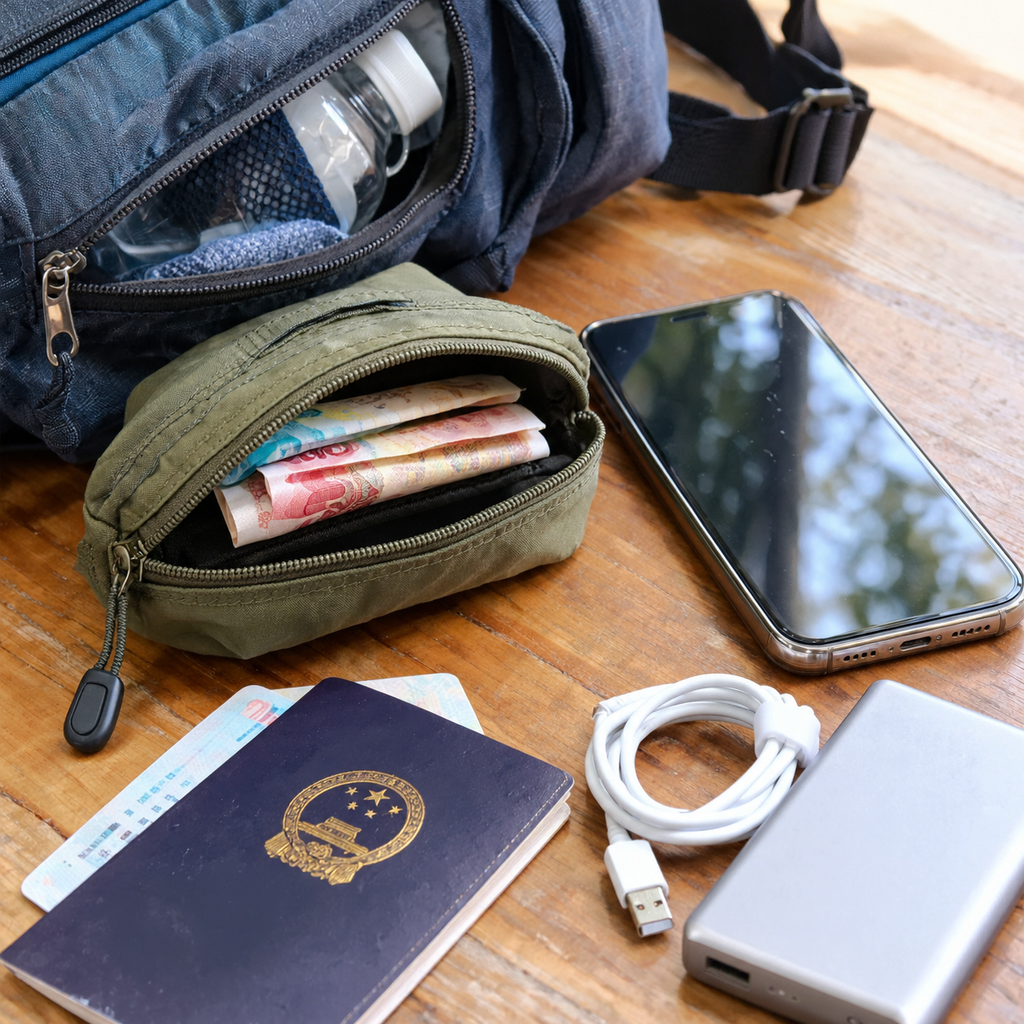
我还做了一个更朴素的准备:在随身小袋里放了一些现金,并把它和手机、证件分开收好。那不是为了预判某家店一定不收手机付款,也不是因为我认为数字支付不可靠,而是因为换乘会把人放进一个不断移动的状态。你可能在站内排队,可能刚走出闸机,可能一手扶着行李一手找出口,也可能在陌生街口被雨水、坡道和人流同时催着做决定。现金的价值不在于它总能解决问题,而在于它能让我在支付入口突然卡住时,先把眼前的一步走完,再慢慢修复手机里的麻烦。
I made one more ordinary preparation: I put some cash in a small pouch and stored it separately from my phone and identification. This was not because I expected a particular shop to reject mobile payment, nor because I believed digital payment was inherently unreliable. A transfer simply places you in constant motion. You may be queuing inside a station, stepping through a gate, holding luggage with one hand while searching for an exit, or making a decision at an unfamiliar street corner while rain, slopes, and crowds all push you forward. Cash is not valuable because it solves every problem. It is valuable because when a payment channel suddenly stalls, it lets me finish the immediate step and troubleshoot the phone afterward.
那时我给自己的原则很简单:手机支付负责效率,现金负责缓冲。两者不是互相替代的关系。手机可以让我少排一次队、少找一次零钱,也方便我保存记录;现金则像一块不显眼的垫子,放在行程底下,不需要频繁拿出来,却能在某个小环节失灵时托住我。这个原则后来被三个人、三个地点分别验证:车站里的一位工作人员让我重新确认支付页面的状态,换乘途中一家小店的经营者让我明白小额消费也要给自己留退路,交通环节遇到的陌生人则让我看见,真正耽误人的常常不是支付本身,而是人在焦急时没有给自己留出判断空间。
My rule at the time was simple: mobile payment handles efficiency, while cash provides a buffer. They are not substitutes. A phone can save me from another queue, reduce the need to search for change, and keep a record of transactions. Cash is more like an unobtrusive cushion beneath the journey. I do not need to take it out often, but it can support me when one small part of the plan stops working. This rule was later tested by three people in three places: a station worker who prompted me to check the payment screen again, a small-shop operator who showed me why even a minor purchase deserves a fallback, and a stranger during the transport portion who made me see that the real delay is often not payment itself, but the lack of room to think when we become anxious.
第一次支付:车站里的页面没有给我答案 / First Payment: The Station Screen Gave Me No Clear Answer
我遇到的第一个问题发生在车站的一个消费环节。那时我已经走了一段路,背包带把肩膀压得发酸,正想买一件方便随手带走的食物。柜台前的人流并不混乱,但每个人都在迅速完成自己的动作:拿东西、打开手机、亮出付款码、拎袋离开。我站到队伍末端,提前把手机解锁,心里还在盘算接下来要走哪一个方向。轮到我时,我像平常一样打开支付页面,却发现网络反应比预想中慢,页面加载停顿了一下。我没有立刻判断失败,因为屏幕上的状态并没有马上给出明确结论。
My first problem happened while buying something at the station. I had already walked a fair distance, and the backpack straps were beginning to ache against my shoulders. I wanted food that would be easy to carry. The line was not chaotic, but everyone was moving quickly: pick up an item, open the phone, present the payment code, take the bag, leave. I unlocked my phone before reaching the counter while still thinking about which direction I should take next. When my turn came, I opened the payment page as usual, but the network responded more slowly than expected and the screen paused while loading. I did not immediately assume the payment had failed, because the display gave no instant and definitive answer.
最麻烦的不是慢,而是不确定。我盯着手机看了几秒,又看了一眼身后的人,手指停在屏幕上,不知道应该刷新、退出,还是继续等。那一刻我很容易做出两个相反的错误:要么反复点击,让自己更难判断到底提交了几次;要么因为怕挡住别人,匆忙离开,之后才发现交易状态没有确认。柜台另一侧的工作人员注意到我的迟疑,用手势示意我先看清页面,再决定下一步。这个动作很小,却把我从“赶紧解决”拉回了“先确认发生了什么”。我重新检查了支付结果和订单提示,确认当前页面没有完成清晰的扣款反馈,才换用准备好的另一种方式。
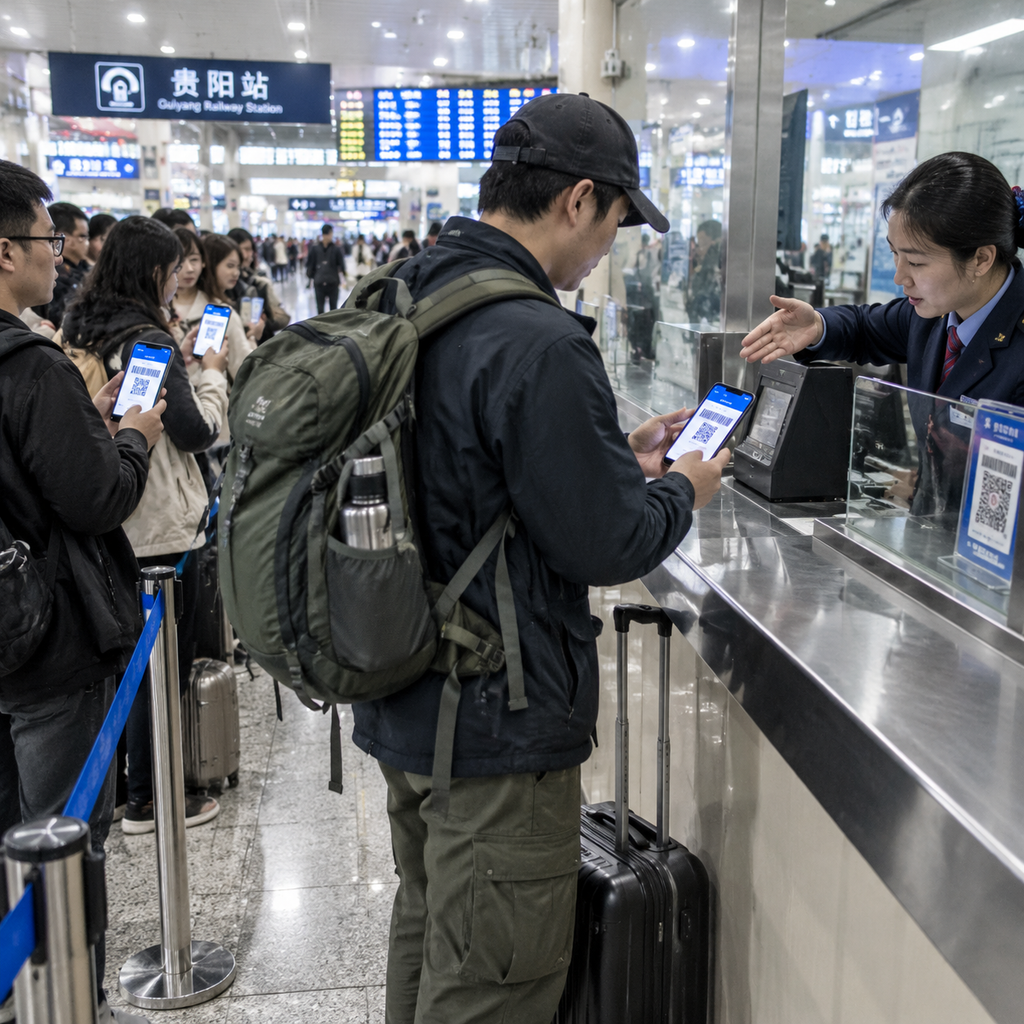
The difficult part was not the slowness but the uncertainty. I watched the phone for several seconds, glanced at the people behind me, and left my finger hovering over the screen, unsure whether to refresh, exit, or wait. Two opposite mistakes were possible: repeatedly tapping and losing track of how many requests had been sent, or leaving in a hurry to avoid blocking others and discovering later that the transaction had never been confirmed. The staff member on the other side of the counter noticed my hesitation and gestured for me to read the page carefully before deciding. It was a small movement, but it pulled me out of “solve this immediately” and back into “first establish what happened.” I checked the payment result and order notice again, saw no clear confirmation of completion, and switched to the prepared alternative.
这次经历让我记住了一个比“多准备一个软件”更实用的动作:支付出现停顿时,不要连续操作,先分辨三种状态——已经成功、明确失败、结果不明。成功时保留记录或确认页面;失败时换一个入口,不要在同一个按钮上消耗耐心;结果不明时,先不要重复付款,给自己一点时间核对通知、账单或订单信息。不同手机和不同场景的页面并不完全一样,所以我不把某个固定按钮当作通用答案。我要做的是找到能证明结果的文字、提示或记录。站内人流会让人觉得多停留一秒都不好意思,但一秒钟的确认,通常比之后花更多时间解释重复支付更省事。
This taught me a more useful action than simply installing another app. When a payment pauses, I should distinguish among three states: completed, clearly failed, and unclear. If it is completed, keep the record or confirmation screen. If it has failed, switch to another route instead of wasting patience on the same button. If the result is unclear, do not pay again immediately; take a moment to check notifications, the bill, or the order record. Screens differ across phones and situations, so I do not treat one fixed button as a universal answer. I look for words, notices, or records that prove the outcome. A station crowd can make one feel guilty for stopping even briefly, but one second of confirmation is usually easier than spending much longer explaining a duplicate payment later.
我把手机稍微抬高了一点,让工作人员和自己都能看见状态,但没有把屏幕长时间朝向旁人。手机电量明明充足,连接也没有完全中断,问题却还是可能发生,这让我不再把“设备有电”当成“支付一定顺利”。我后来还注意到,车站里最容易让人忽略的是注意力:眼睛在看指示牌,耳朵在听广播,手里又拉着行李,支付只是同时发生的第四件事。越是这种时候,越要把付款当成一个需要完成确认的小步骤,而不是顺手一扫就算结束。
I raised the phone slightly so both the staff member and I could see the status, while avoiding holding the screen openly toward everyone nearby. The battery was well charged and the connection had not completely disappeared, yet the problem could still occur. I stopped treating “the device has power” as proof that “payment will certainly go smoothly.” I also began noticing how easily attention gets divided in a station: eyes follow signs, ears listen for announcements, one hand pulls luggage, and payment becomes a fourth task happening at once. In such a moment, payment deserves to be treated as a small step that needs confirmation, not as a casual scan that is finished the instant the screen changes.
我没有因为这一次停顿就把手机支付判定为不适合旅行。相反,我开始把它拆成几个环节来准备。第一是账户本身:登录状态、绑定方式和身份验证要能在出门前正常完成。第二是网络和电量:移动电源要放在不必把整个背包倒出来的位置,充电线不要只在家里测试过一次。第三是信息保存:车票、住宿信息、联系人和必要的地址,不能只存在一个需要联网打开的页面里。第四才是现金。我以前总把现金放在最后,像一件“万一真的倒霉才会用到”的物品;这次之后,我把它当作换乘计划的一部分,和证件、充电设备一样提前安排。
I did not conclude from this pause that mobile payment was unsuitable for travel. Instead, I began separating preparation into several parts. First comes the account itself: the login state, linked payment method, and identity verification should all work before leaving home. Second are connectivity and power: the power bank should be somewhere accessible without emptying the whole bag, and the charging cable should not have been tested only once at home. Third is information storage: tickets, lodging details, contacts, and essential addresses should not exist only on a page that requires a live connection. Only then comes cash. I used to place cash last, as something reserved for a truly unlucky moment. After this experience, I treated it as part of the transfer plan, just like identification and charging equipment.
第二次支付:小店柜台前,我不再假设一切都能扫码 / Second Payment: At a Small Shop, I Stopped Assuming Every Scan Would Work
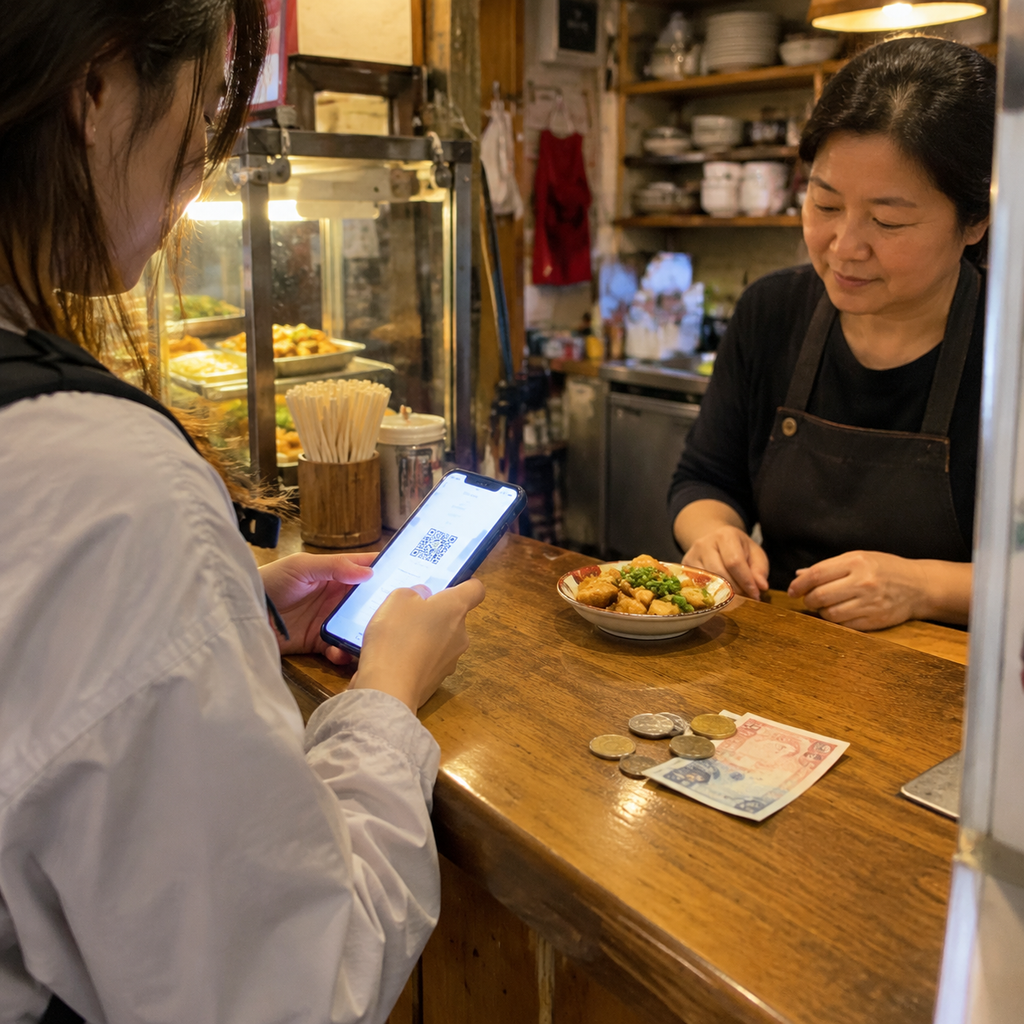
离开车站后,我需要在贵阳完成下一步移动。为了不让自己在饥饿和疲惫里继续做选择,我先在途中找了一家看起来适合快速解决需求的小店。这里我不写店名,也不把它描述成某种固定类型的商户,因为旅途中真正重要的不是招牌,而是那个柜台。店面不大,入口附近摆着几样日常用品,柜台上有收银设备和二维码提示。空气里有食物的香味,门外的路面还带着潮气,行李箱经过门槛时需要抬一下。我把要买的东西放到台面上,打开手机,心里仍然默认接下来会像平时一样顺利完成。
After leaving the station, I needed to make the next move through Guiyang. Rather than make more decisions while hungry and tired, I stopped at a small shop that seemed suitable for handling a simple need quickly. I will not name the shop or assign it a fixed category, because the important part was not the sign but the counter. The store was compact, with everyday goods near the entrance and payment equipment and a QR notice on the counter. The air carried the smell of food, the pavement outside still felt damp, and I had to lift my suitcase slightly over the threshold. I placed my items on the counter and opened my phone, still assuming the next scan would work as it normally did.
这一次,问题不是页面一直转圈,而是我没有提前想清楚“手机能打开”和“这笔交易能完成”之间的差别。扫码之后,我需要确认的内容比刚才更多:是否已经识别了正确的收款方,是否需要再次验证,页面上的结果是不是最终状态。柜台前的空间很窄,我不想让后面的人等太久,于是手上动作变快,反而差点跳过确认。店里的人没有催我,只是把视线落在手机屏幕和收银设备之间。我意识到,自己面对的并非一个复杂技术问题,而是疲劳让我的判断变得粗糙。
This time the problem was not an endlessly loading page. It was that I had not thought through the difference between “the phone opens” and “the transaction can be completed.” After scanning, I had more to confirm than before: whether the correct recipient had been recognized, whether another verification step was required, and whether the message on the screen represented the final status. The space in front of the counter was narrow, and I did not want to keep the next person waiting. I sped up my movements and nearly skipped confirmation. No one in the shop urged me on; the attention simply shifted between my screen and the payment equipment. I realized I was not facing a complicated technical problem. Fatigue had made my judgment careless.
我先把手机屏幕上的信息从头看了一遍,然后把现金备用的想法真正用上。那一刻我没有把现金掏得很夸张,也没有把支付失败理解成尴尬。更实际的做法是先把手机收好,确认自己没有重复提交,再用现金完成眼前的消费。这样一来,柜台不再是我和手机较劲的地方,而只是一个需要结束的小环节。店里的人可以继续忙自己的事,我也不用站在门口反复刷新页面。等走到不挡路的位置,我才重新查看账户记录和通知,判断刚才是否留下了未完成或待确认的状态。
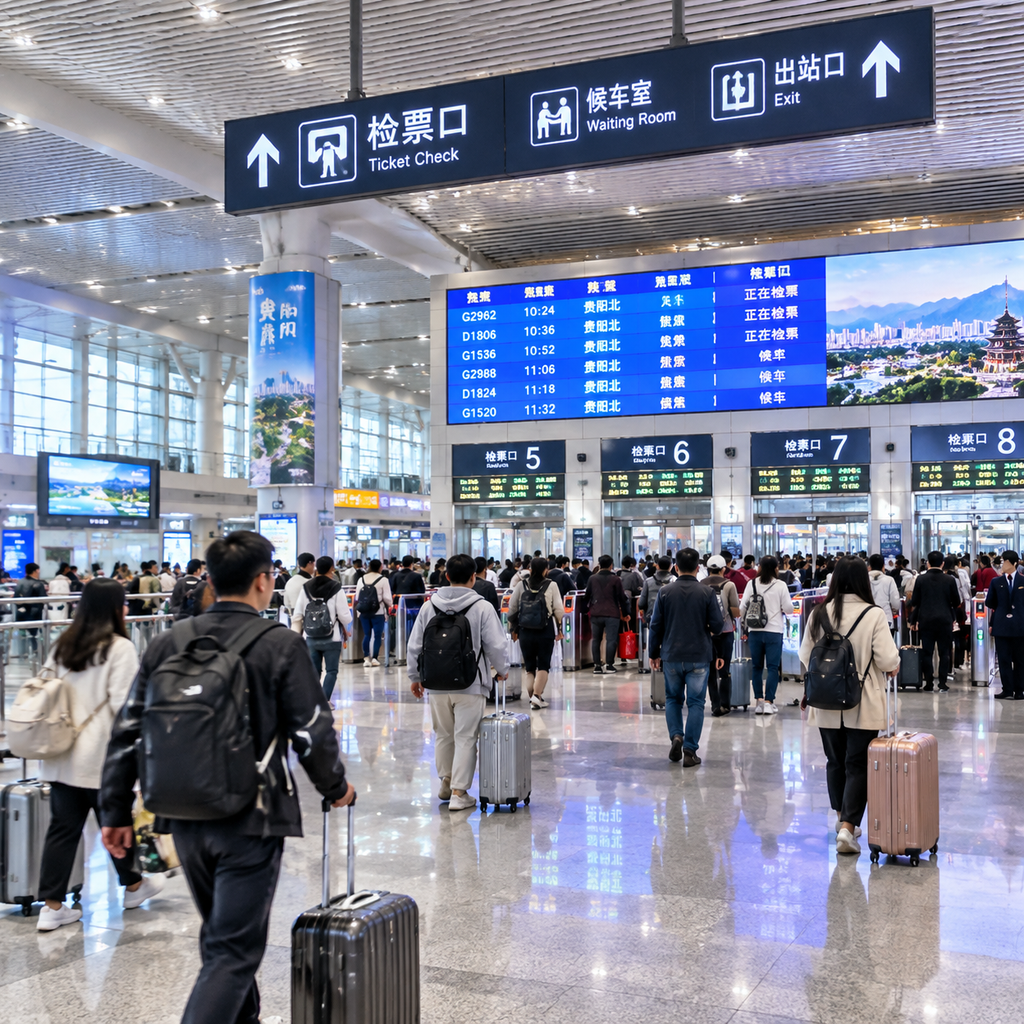
I read the information on the screen from beginning to end and finally put my cash backup to practical use. I did not make a show of taking out the cash, and I did not interpret a failed payment as something embarrassing. The practical move was to put the phone away, make sure I had not submitted the payment repeatedly, and use cash to finish the purchase in front of me. The counter stopped being a place where I wrestled with the phone; it became simply one small task to close. The people in the shop could continue with their work, and I did not have to stand in the doorway refreshing a screen. Once I had moved out of the way, I checked the account record and notifications to see whether the earlier attempt remained incomplete or pending.
这件小事让我重新理解了“备用现金”四个字。备用不是拿出来证明自己早有先见之明,也不是每次都要优先使用现金。它更像一个可以让人停止慌张的开关。当我知道自己还有另一种结账方式时,就不用为了维护“我应该熟练使用手机支付”的形象而连续尝试。旅行中最浪费体力的,往往不是多走一小段路,而是站在原地和一个不确定的页面僵持。现金让我把问题拆开:先完成购买,再确认电子记录;先离开拥挤处,再处理技术细节。这个顺序比我原先坚持的“当场一次解决所有问题”更稳。
This small incident changed how I understood the phrase “backup cash.” A backup is not something to display as proof of foresight, and it does not mean cash should always be used first. It is more like a switch that allows the mind to stop panicking. Once I knew I had another way to settle the purchase, I no longer needed to keep trying merely to preserve the image that I should be perfectly fluent with mobile payment. During travel, what drains energy is often not walking a little farther, but standing still and wrestling with an uncertain screen. Cash let me separate the problem: finish the purchase first, then check the electronic record; leave the crowded doorway first, then handle the technical details. That order was steadier than my old insistence on solving everything at the counter in one attempt.
我也开始留意现金应该怎么放。不能把所有现金和证件塞在同一个夹层里,否则遗失时会同时失去太多东西;也不能把它散放在外套口袋,让自己在拥挤环境中频繁翻找。对我来说,更合适的做法是把少量备用现金放在容易摸到、又不必公开展示的位置,另外保留一个不常打开的存放处。出门前,我会确认自己知道它们在哪里,而不是到了柜台才想起来“好像放过”。如果同行者一起旅行,还应提前说清楚谁保管什么,不要把支付和证件全部压在一个人的手机上。
I also began thinking about how cash should be stored. Keeping all of it with identification in one compartment means losing one thing could mean losing everything; scattering it in coat pockets means repeatedly searching in a crowded place. For me, a better method is to keep a small backup amount somewhere easy to reach without displaying it, while storing another portion in a less frequently opened place. Before going out, I make sure I know exactly where these are, instead of remembering only when I reach a counter. If traveling with someone else, it is also useful to agree who holds which items. Payment and identification should not all depend on one person’s phone.
这里还有一个我后来常提醒自己的边界:不要把“现金备用”写成对当地商户的判断。一次支付没完成,可能是我的设备、网络、账户验证、操作顺序或当时的注意力出了问题,并不能据此推断某个地方“只收现金”或“完全不收现金”。我只记录自己的处境和应对办法,不替陌生店铺下结论。对旅行者来说,真正有用的信息不是给每家店贴标签,而是学会观察柜台提示,听清对方如何说明,遇到不确定时礼貌地停一下,并准备好不让别人为自己的设备故障承担时间成本。
There is another boundary I now remind myself of: “keeping cash as a backup” should not become a judgment about local businesses. If a payment does not complete, the cause may be my device, the network, account verification, the order of my actions, or my divided attention. One incident does not justify claiming that a place “takes cash only” or “never takes cash.” I record my own situation and response rather than labeling an unfamiliar shop. For travelers, the useful lesson is not to classify every shop, but to read the notice at the counter, listen carefully to the other person’s explanation, pause politely when uncertain, and avoid making someone else pay the time cost of a problem with my device.
第三次支付:上车之前,先把脚步放慢 / Third Payment: Slow Down Before Getting On Board
从小店出来,我没有立刻把刚才的事抛在脑后。换乘时最容易出现的误区,是以为离开一个柜台就等于问题已经结束。其实,人的身体和注意力还停留在紧张状态里,下一次需要付款、问路或过闸时,很可能继续凭惯性行动。我先把买到的东西收进包里,确认手机没有夹在手上和行李拉杆之间,又站到不妨碍别人通行的位置看了一遍后续信息。街边的车流、人行道上的行人和远处的站口提醒我,下一段移动并不会自动等待我恢复镇定。我需要先知道自己要去哪里、在哪个方向等候、到达后还要走多远,再决定现在是否应该继续赶路。
After leaving the small shop, I did not immediately put the earlier problem out of mind. A common mistake during a transfer is to assume that leaving one counter means the problem is over. In reality, the body and attention can remain tense, and the next payment, question, or gate can easily be handled on autopilot. I put the food into my bag, made sure the phone was not trapped between my hand and the suitcase handle, and stood somewhere that did not block anyone while reviewing the next information. Traffic by the street, pedestrians on the pavement, and the station entrance in the distance all reminded me that the next move would not wait for me to regain my calm. I needed to know where I was going, which direction to wait in, and how far I would still need to walk after arrival before deciding whether I should keep rushing.
我把这段路看成第三次支付发生之前的准备,而不是支付之外的空白时间。交通环节里的付款,往往和方向感、上车次序、行李位置一起发生。人在陌生城市里打开乘车页面时,屏幕上可能同时出现定位、授权、确认和等待响应的提示;如果这时还在回想小店里那次不确定的交易,判断就会变得更慢。于是我先做了一件看似无关的小事:让自己停下来呼吸几次,把要用的证件和手机分别放到顺手的位置,再检查电量和网络图标。这样的停顿没有减少任何实际路程,却减少了我一边走一边翻包、一边付款一边找方向的可能。
I treated this stretch of walking as preparation for the third payment rather than as empty time outside payment. In transport, paying often happens alongside finding direction, getting on in the right order, and managing luggage. When a traveler opens a ride-related screen in an unfamiliar city, it may show location, permissions, confirmation, and a response delay at the same time. If the mind is still replaying an uncertain transaction from the shop, judgment becomes slower. So I first did something that seemed unrelated: I paused for several breaths, placed the identification and phone where each could be reached easily, and checked the battery and network indicators. That pause did not shorten any physical distance, but it reduced the chance that I would search through my bag while walking, or try to pay while also trying to orient myself.
第三次支付并没有演变成戏剧性的障碍,却比前两次更能说明准备的意义。进入交通相关的环节后,我先按照页面和现场提示完成必要操作,再留意是否出现明确的完成状态。和买东西不同,这里如果因为付款迟疑而错过了该做的动作,影响的不只是眼前的一份消费,还可能牵动后面的等候和路线选择。所以我不再把速度理解为手指点得快,而是把它理解为顺序清楚:先确认自己处在正确的位置,再完成支付;完成后看一眼状态,再把手机收好;确认行李、证件和方向都在掌握中,才开始移动。这个顺序听上去平常,却在嘈杂环境里很有用。
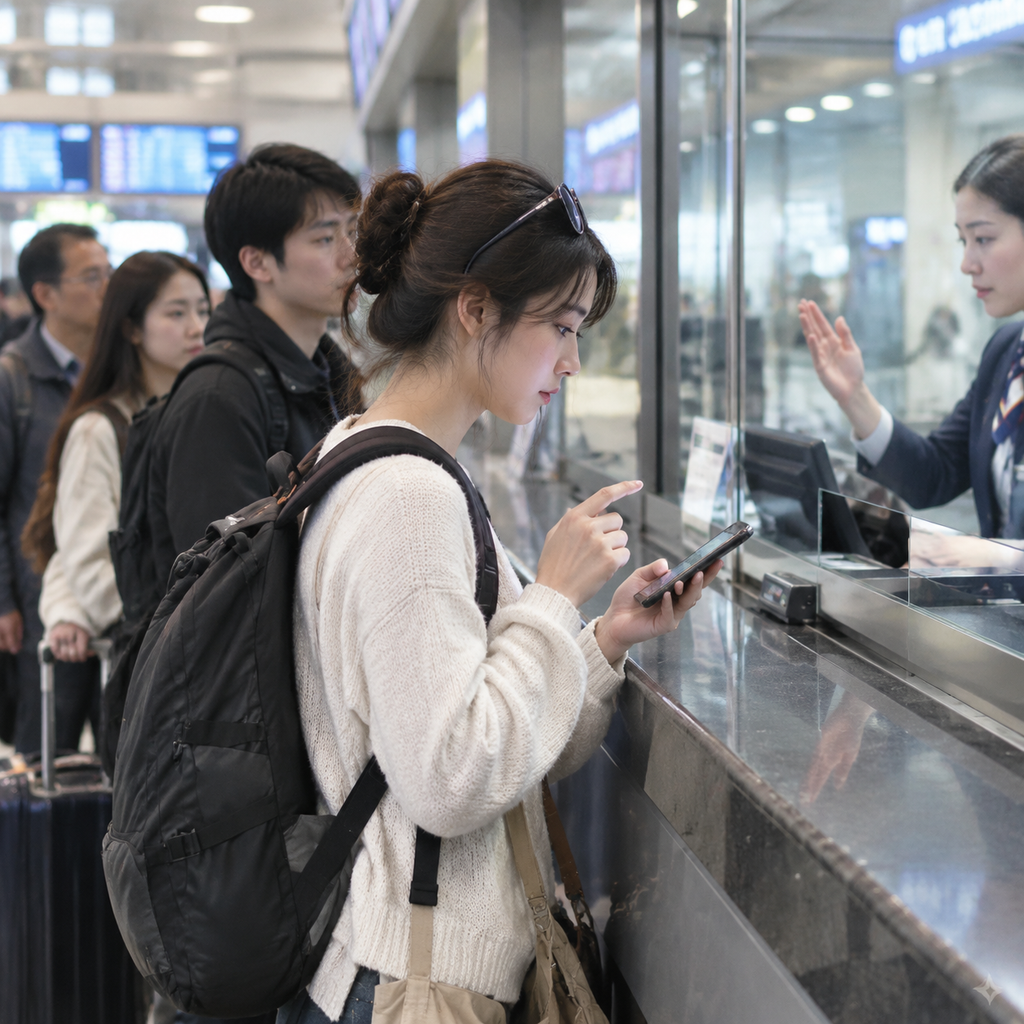
The third payment did not turn into a dramatic obstacle, yet it showed the value of preparation more clearly than the first two. Once I entered the transport-related part of the journey, I followed the screen and on-site guidance for the necessary steps, then looked for an explicit completion status. Unlike buying an item, hesitation here can affect more than the immediate purchase; it can shape subsequent waiting and route choices. I stopped defining speed as tapping quickly. Instead, I defined it as a clear sequence: first confirm that I am in the right place, then pay; after paying, check the status and put the phone away; only when luggage, identification, and direction are all under control do I start moving. It sounds ordinary, but the sequence is useful in a noisy setting.
我没有把交通支付想象成一套必须背熟的固定流程。不同场所、不同服务和不同设备的提示都会变化,旅途中最可靠的不是记住某个画面,而是保留几个判断问题:我是否理解这一步是在授权、确认还是等待?页面是否显示已经完成,还是仍需要后续操作?如果网络暂时不稳定,我能否先站到安全且不挡人的地方再处理?这些问题让我不必假装自己对每个界面都熟悉。看不明白时,停一下、读一下、向工作人员确认,通常比急着完成一个动作更有效。
I did not treat transport payment as a fixed procedure that must be memorized. Prompts vary among places, services, and devices. What travels more reliably than any particular screen is a set of questions: Do I understand whether this step is authorizing, confirming, or waiting? Does the page show completion, or does it still need another action? If the network is unstable, can I move to a safe place that does not obstruct others before handling it? These questions mean I do not have to pretend to know every interface. When something is unclear, pausing, reading, and checking with staff are usually more effective than rushing to complete a gesture.
在这个环节里,一位工作人员的存在推动了我恢复正常节奏。她没有替我操作手机,也没有给出我无法核实的保证,只是在我站得有些犹豫时,指了指更适合停留查看信息的位置,又示意我先看清当前提示。她做的事情并不复杂,却很具体:把我从人流最集中的地方挪开,让我不用一边担心挡路一边处理屏幕。那一瞬间我意识到,旅行中的帮助并不总是大而完整的指引。有时一个人帮你争取到几十秒安静的空间,就足以让你重新读懂页面、整理行李,并把下一步走稳。
At this point, one staff member helped restore my normal pace. She did not operate my phone for me, and she did not make assurances that I could not verify. When I was standing uncertainly, she pointed toward a more suitable place to pause and review the information, then indicated that I should understand the current prompt first. Her action was not complex, but it was specific: it moved me away from the densest flow of people, so I no longer had to worry about blocking others while handling the screen. In that moment, I understood that help during travel is not always a large, complete set of directions. Sometimes someone creates a brief quiet space, and that alone is enough to let you read the page again, arrange your luggage, and take the next step steadily.
手机支付的准备,不该只留在出发前一晚 / Mobile Payment Preparation Should Not Be Left to the Night Before Departure
经历三次支付之后,我重新整理了自己出发前的准备清单。它不追求把所有风险消除,因为旅行本来就会遇到无法预测的情况;它追求的是减少那些本可以提前发现的小麻烦。首先是账户可用性。我会在出发前打开常用支付工具,确认并非只有图标还在,而是确实能进入账户、查看必要信息并完成正常验证。若某个应用要求更新、重新登录或补充安全设置,最好在有稳定网络和充足时间的地方处理,而不是拖到车站队伍里才第一次看见提示。
After the three payments, I reorganized my pre-departure checklist. Its purpose is not to eliminate every risk, because travel inevitably brings unpredictable situations. Its purpose is to reduce small problems that could have been discovered earlier. The first item is account usability. Before leaving, I open the payment tools I expect to use and confirm that more than the icon remains on the phone: I can actually enter the account, view necessary information, and complete normal verification. If an app needs an update, a fresh login, or an additional security setting, it is better to handle that where the connection is stable and time is available, rather than encounter the prompt for the first time in a station queue.
其次是电量,但我现在不再只看手机显示的百分比。移动电源是否有电、充电线是否能正常连接、接口是否方便取出,都属于同一件事。一个装在包底的移动电源,在需要时和没带区别不大;一根接触不稳定的线,也不能在关键时刻提供真正的帮助。我会把这些物品放在无需把衣物和洗漱用品全部翻出来的位置,并在出发前做一次简单检查。这样做不是为了把自己变成设备管理员,而是为了避免最简单的续航问题在换乘时占满注意力。
The second item is power, but I no longer look only at the percentage on the phone. Whether the power bank is charged, whether the cable connects reliably, and whether the port can be reached easily are parts of the same preparation. A power bank buried at the bottom of a bag is nearly the same as not having one when it is needed. A cable with an unreliable connection cannot provide real help at a critical moment. I keep these items where they can be reached without unpacking clothing and toiletries, and I give them a simple check before departure. This is not about becoming a device manager. It is about keeping a basic power problem from consuming all of my attention during a transfer.
网络准备也值得单独考虑,但不必把它理解成必须随时追求最快连接。对我更有用的是,出发前下载或截取那些需要在路上查看的信息,并保留能在离线状态下辨认的版本。比如下一段行程的重要信息、住宿的名称和位置、必要的联系人方式、需要到达的大致区域,都可以在手机里有一个不依赖即时加载的记录。截图不是所有问题的答案,也不应包含不必要的敏感内容;它只是让人在信号变化时还保有基本参照。这样一来,支付受阻时,我至少不用同时担心找不到住处或忘记下一步该去哪。
Network preparation also deserves separate thought, though it need not mean chasing the fastest connection at every moment. What helps me more is downloading or capturing the information I will need on the road and keeping a version that can still be understood offline. Important details for the next part of the trip, the name and location of lodging, essential contact methods, and the general area I need to reach can all have a record on the phone that does not depend on live loading. Screenshots are not the answer to every problem and should not contain unnecessary sensitive information. They simply preserve a basic reference when the signal changes. Then, if payment is interrupted, I do not also have to worry about losing the lodging or forgetting where I need to go next.
我也会提前想一想验证环节。手机支付之所以方便,部分原因就在于它会在必要时要求额外确认;这不是麻烦本身,而是我需要为它预留时间的原因。出发前测试生物识别是否正常、记得必要的登录信息、了解自己的设备在锁屏或网络变化后会出现什么情况,比在众人面前反复猜测更从容。遇到需要验证的页面时,我宁愿先找一个不影响通行的位置,再完成操作,也不愿边走边按、边听广播边判断。安全和效率并不是谁压倒谁,真正的效率来自不让自己在错误的地点做需要专注的事。
I also think ahead about verification. Mobile payment is convenient partly because it can require an extra confirmation when needed. That is not a problem in itself; it is a reason to reserve time for it. Testing whether biometric verification works, remembering necessary login information, and understanding how my device behaves after being locked or losing a connection are calmer approaches than guessing repeatedly in public. When a page asks for verification, I would rather move to a place that does not affect foot traffic and finish the step there than tap while walking and judge the screen while listening to announcements. Safety and efficiency do not cancel each other out. Real efficiency comes from not doing a task that needs concentration in the wrong place.
支付方式的备用也需要讲究边界。我会确认有不止一个可用入口,却不会为了“万全”而在手机里堆叠过多自己不熟悉的服务。备用方式太多、使用条件又没有事先了解,真正遇到问题时反而会增加选择压力。对我来说,更合适的是保留少数自己知道如何打开、如何确认状态的方式,同时配合适量现金。准备的重点不是数量,而是可理解性:我知道每种方式大致用于什么场景,也知道它出现异常时我该先看哪里、何时应该停止重复尝试。
Backup payment methods also need sensible limits. I make sure there is more than one usable route, but I do not fill the phone with too many services that I do not understand merely in pursuit of total coverage. Too many backups with unfamiliar conditions can create more pressure when something goes wrong. A better approach for me is to keep a small number of methods that I know how to open and whose status I know how to confirm, together with a modest amount of cash. The point of preparation is not quantity but clarity: I know what each method is broadly for, where to look first if it behaves unexpectedly, and when I should stop trying repeatedly.
现金的角色:不是倒退,而是让选择不被卡住 / The Role of Cash: Not a Step Back, but a Way to Keep Choices Moving
现金备用最容易被误解为对数字支付的否定。我在贵阳的这段换乘里感受到的恰好相反:越是习惯使用手机,越应该理解现金在特定时刻提供的缓冲。它让我不必把所有现实安排压缩成一块屏幕能否立即响应。手机仍然是我最常用的工具,用来查询、记录和完成许多日常支付;现金只是在页面迟缓、验证未完成、网络不稳或我自己注意力不足时,给我一个不必当场硬撑的选项。这种分工让两种方式都回到各自擅长的位置。
Cash backup is often misunderstood as a rejection of digital payment. What I felt during this Guiyang transfer was the opposite: the more accustomed I am to using a phone, the more useful it is to understand the buffer that cash can provide at particular moments. It means I do not have to compress every practical arrangement into whether one screen responds immediately. The phone remains my most frequent tool for looking things up, keeping records, and completing many everyday payments. Cash is simply an option that prevents me from forcing the issue on the spot when a page is slow, verification is incomplete, the network is unstable, or my own attention is insufficient. This division lets both methods serve the situations they handle best.
我不把现金当作需要在每个场合展示的解决方案。它应当安静、有限、便于取用,也应当和其他重要物品分开保管。旅行者不需要因为带了现金就放松对手机和账户安全的注意,也不需要因为更喜欢数字支付就让自己完全没有替代余地。更重要的是,现金的数量和携带方式应当与个人行程、风险承受能力和保管习惯相匹配。我不在这里给出统一标准,因为每个人的路线、同伴情况和需求都不同;我只保留一个原则:备用物必须在需要时能找到,同时不让一次遗失变成所有资源同时失去。
I do not treat cash as a solution that needs to be displayed in every situation. It should be quiet, limited, easy to reach, and stored separately from other important belongings. Carrying cash does not remove the need to protect the phone and account, and preferring digital payment does not mean leaving oneself with no alternative. More importantly, the amount carried and the storage method should match an individual itinerary, tolerance for risk, and habits of keeping belongings. I do not set a universal standard here because routes, travel companions, and needs differ. I keep one principle instead: a backup must be findable when it is needed, without making one loss mean that every resource disappears at once.
在车站、小店和交通衔接处,现金还有一个很实际的作用:它给双方都留出余地。当我的手机页面迟迟不能确认时,如果我有另一种可行方式,柜台前的人不必陪着我等待,我也不用把焦虑投向陌生人。这里的重点不是要求商户承担我的准备不足,而是承认对方也在处理自己的工作和后面的顾客。把现金作为备用,能让我在某些时刻先把眼前交易妥善结束,再到合适的地方检查电子记录。这种处理并不意味着放弃追踪问题,而是把问题从公共动线里移开。
At stations, small shops, and transport connections, cash has another practical role: it gives both sides room to proceed. If my phone page takes too long to confirm and I have another workable method, the person at the counter does not have to wait with me, and I do not have to project anxiety onto a stranger. The point is not to ask a business to absorb the cost of my lack of preparation. It is to recognize that the other person is also working and serving people behind me. Keeping cash as a backup can let me close the immediate transaction properly, then inspect the electronic record somewhere suitable. That does not mean abandoning the problem; it means moving the problem out of the public flow.
我还发现,现金让旅行节奏变得更有弹性,并不只是因为它能完成一次付款。人在一路赶路时,常常把每个小决定都当作必须马上完成的选择:现在要不要买水、要不要停下来问路、要不要等页面加载、要不要换一个入口。若没有任何缓冲,这些小选择会叠加成一种持续的催促感。备用现金不会替我做决定,却能让我把决定拆开。比如先解决最基本的需求,之后再核对交通信息;先离开拥挤区域,之后再联系相关服务;先让行李和身体稳定下来,之后再研究页面到底提示了什么。
I also found that cash makes the travel rhythm more flexible, not only because it can complete a payment. When people are moving continuously, they often treat every small choice as something that must be made immediately: whether to buy water, whether to stop and ask for direction, whether to wait for a page, whether to change to another route. Without any buffer, these choices accumulate into a constant sense of urgency. Backup cash does not decide for me, but it lets me separate decisions. I can handle the most basic need first and verify transport information afterward; leave a crowded area first and contact the relevant service afterward; stabilize my luggage and body first and then study what the screen is actually saying.
支付受阻后,先处理事实,再处理情绪 / When Payment Is Blocked, Handle the Facts Before the Emotion
三次支付带来的最大收获,不是让我记住了某种操作步骤,而是让我形成了一套处理受阻情况的顺序。第一步是停住手指,不要因为紧张连续点击或重复扫码。第二步是看事实:页面显示的是成功、失败、处理中,还是根本没有明确结果?第三步是保留能帮助判断的记录,例如订单提示、通知或账户中的状态。第四步才是决定是否换用另一种方式。这个顺序没有保证每个问题都会立刻解决,却能避免最容易造成后续麻烦的重复提交和记忆混乱。
The main gain from the three payments was not memorizing a particular procedure. It was forming an order for handling a blocked situation. First, stop the finger. Do not tap repeatedly or scan again because of anxiety. Second, look at the facts: does the page say completed, failed, processing, or provide no clear result at all? Third, keep the record that can help establish what happened, such as an order notice, a notification, or the account status. Only fourth comes the decision to use another method. This order does not guarantee that every problem will be solved immediately, but it can avoid the duplicate submissions and confused memories that create the most trouble afterward.
结果不明时,我会特别克制重复付款的冲动。一次页面迟缓并不自动说明交易没有发生,反复操作也不一定会让系统更快给出答案。比起在柜台前猜测,我更愿意先看有没有清晰的记录,再在不影响他人的地方等待片刻或查看账户状态。若仍然无法确认,我会根据眼前场景选择最能让事务继续向前的方法,同时记下需要之后核对的内容。这里的关键不是把所有疑问压在当下解决,而是让自己能区分“现在必须完成的事情”和“可以在安全、安静处继续确认的事情”。
When the result is unclear, I am especially restrained about the urge to pay again. A slow page does not automatically mean that the transaction never occurred, and repeated actions do not necessarily make a system produce an answer faster. Instead of guessing at the counter, I look first for a clear record, then wait briefly or check the account somewhere that does not affect others. If I still cannot confirm it, I choose the method that best lets the immediate situation move forward and note what will need checking later. The key is not forcing every uncertainty to be settled immediately. It is distinguishing between what must be completed now and what can be confirmed later in a safe, quiet place.
支付不顺也会带来情绪上的尴尬,尤其是当身后有人排队、自己又带着行李时。我后来学会不把这种尴尬转化为仓促。可以简短地示意自己正在确认,也可以先让后面的人处理;必要时把物品和行李移到一旁,再重新看手机。大多数情况下,周围的人关心的是通道是否顺畅,而不是评价一个陌生人的手机为什么没有立刻响应。把注意力从“别人会不会觉得我麻烦”转到“我怎样准确结束这一步”,会让动作更稳,也更尊重现场所有人的时间。
Payment trouble can also feel embarrassing, especially when people are waiting behind you and you are carrying luggage. I learned not to turn that embarrassment into haste. I can briefly indicate that I am confirming the result, let the next person proceed, or move my items and suitcase aside before looking at the phone again. In most cases, people around me care about whether the path keeps moving, not about judging why a stranger’s phone did not respond instantly. Shifting attention from “will others think I am troublesome?” to “how can I close this step accurately?” makes my actions steadier and respects everyone’s time more fully.
那位工作人员对我的影响也在这里变得清楚。她没有把我的迟疑放大成一件需要解释的事,而是通过指向合适位置和提醒我看清提示,给了我一个可以恢复判断的节奏。我因此明白,向工作人员求助时,提问越具体越容易得到有效帮助。与其笼统地说“我的支付不行了”,不如先说明自己已经看到的状态,再询问现在应当站在哪里、是否需要等待或下一步该看哪一类提示。这样既不要求对方处理账户内部问题,也能让对方快速理解我真正卡住的是位置、流程还是页面信息。
The staff member’s influence became clearer here as well. She did not turn my hesitation into something that needed a long explanation. By pointing out a suitable place and reminding me to understand the prompt, she gave me a rhythm in which judgment could return. I learned that requests for help are more likely to be useful when they are specific. Rather than saying vaguely that “my payment is not working,” I can describe the status I have already seen and ask where I should stand, whether I should wait, or what type of prompt I should check next. This does not ask someone else to solve the internal account issue, but it lets them quickly understand whether I am stuck on location, process, or screen information.
换乘的节奏:给每一步留出能出错的空间 / The Rhythm of a Transfer: Leave Each Step Room to Go Wrong
贵阳这段换乘让我意识到,旅行节奏并不等于把每分钟排满。行程写得再紧凑,也无法保证网络、排队、天气、体力和临时提示都恰好配合。把换乘看成几个连续的小步骤,会比把它当作一段必须高速穿过的空白更实际:离开上一段交通、确认方向、处理饮食和洗手间等基本需求、进入下一段交通、到达后再衔接住宿或目的地。每一步都可能需要手机、现金、问路或短暂停留。只要承认这些步骤会占用时间,就不必在任何一个小停顿出现时立刻觉得计划被毁了。
This Guiyang transfer made me realize that travel rhythm is not the same as filling every minute. Even the tightest itinerary cannot ensure that network conditions, queues, weather, energy, and unexpected prompts will all cooperate. It is more practical to see a transfer as a chain of small steps than as an empty stretch that must be crossed at high speed: leaving the previous transport, confirming direction, handling basic needs such as food or a restroom, entering the next transport stage, and connecting to lodging or the destination after arrival. Each step may require a phone, cash, asking for directions, or a brief stop. Once I accept that these steps take time, I do not need to feel that every small pause has destroyed the plan.
我开始给换乘预留一种不写在具体钟点上的余量。它不是某个固定长度的等待,也不是要求人到得越早越好,而是心理上允许自己停下来确认一次的空间。比如走出车站后先确认方向,而不是边走边临时打开所有页面;准备付款前先把行李放稳,而不是在转身时匆忙扫一个码;发现状态不明时先靠边,而不是为了追赶人流把问题带到下一段路。这样的余量看起来没有产出,却能避免后面更大的中断。它让我在需要帮助时能开口,在设备需要充电时能停下,也让我不会把正常的核对误认为拖延。
I began leaving a kind of margin in transfers that is not written as a specific time on a schedule. It is not a fixed waiting period, nor a demand to arrive as early as possible. It is the mental permission to stop and confirm something once. For example, I can confirm direction after leaving a station rather than open every screen while walking; stabilize luggage before paying rather than scan hastily while turning; step aside when the status is unclear rather than carry the problem into the next stretch of movement just to follow the crowd. This margin may appear unproductive, but it prevents larger interruptions later. It lets me ask for help when needed, stop when a device needs power, and avoid mistaking ordinary verification for delay.
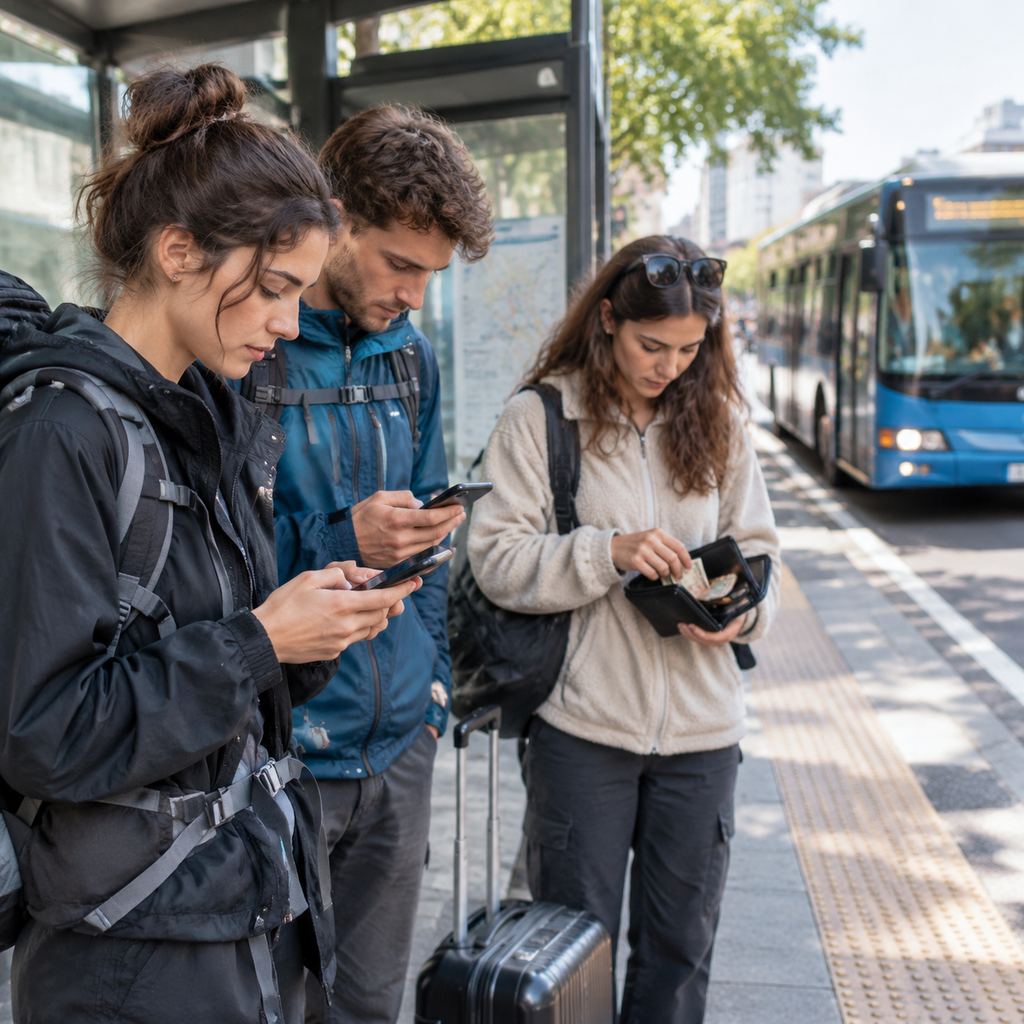
旅途中的节奏也和身体状态有关。饿、渴、困、肩膀酸,都会让人更倾向于选择最快的动作,而不是最清楚的动作。小店那次付款让我看到,我以为自己是在节省时间,其实是在用疲劳换取更高的出错概率。因此,在两段交通之间解决一点基本需求,并不是对行程效率的背离。把水、食物、休息和整理行李放进换乘思考里,能让下一次打开手机时手更稳、眼睛更愿意读完提示。支付准备最终并不只属于电子设备,也属于一个人是否还保有做判断的体力。
Travel rhythm is also tied to physical condition. Hunger, thirst, tiredness, and aching shoulders all make a person more likely to choose the fastest action rather than the clearest one. The payment at the small shop showed me that what I thought was saving time was actually trading fatigue for a higher chance of error. Handling a basic need between two transport stages is not a betrayal of itinerary efficiency. Including water, food, rest, and luggage organization in transfer planning can make the hand steadier and the eyes more willing to read a prompt to the end the next time the phone opens. Payment preparation ultimately belongs not only to electronics, but also to whether a person still has the energy to make a judgment.
具体的人会改变旅行的节奏,这一点在那位工作人员身上尤其明显。她没有替我规划路线,也没有把我当成需要被全程带领的人。她只是通过一个简短的指引,让我知道可以先离开最急的动线,把问题拆成看提示、确认位置、继续移动几个步骤。这个小小推动比任何抽象建议都更贴近当时的需要。它也提醒我,旅行者在接受帮助后可以尽快整理好自己的物品和信息,把通道让出来,并在之后把这种耐心传递给其他也在犹豫的人。
Specific people can change a travel rhythm, and that was especially clear in the staff member’s case. She did not plan my route for me or treat me as someone who needed to be led through every step. With a brief indication, she showed me that I could leave the most urgent flow of movement and split the problem into reading the prompt, confirming my position, and continuing onward. That small push was closer to what I needed then than any abstract advice. It also reminds me that after receiving help, a traveler can quickly organize belongings and information, clear the way for others, and later extend the same patience to people who are hesitating.
这段经历之后,我不会把一次顺利的付款当成理所当然,也不会把一次受阻扩大成对整段旅程的否定。手机支付、现金备用、车站服务和路上的临时判断,本来就是彼此配合的部分。真正让我在贵阳换乘中走得更稳的,并不是某一个万能工具,而是愿意在不确定出现时把事情分开处理:先确认事实,先保障眼前需要,再安排后续核对;先照顾人流和安全,再追求速度;先让自己能继续走下去,再要求每一个页面都立即给出完美答案。
After this experience, I do not take one smooth payment for granted, and I do not enlarge one interruption into a rejection of the whole journey. Mobile payment, cash backup, station service, and on-the-road judgment are parts that work together. What helped me move more steadily through a Guiyang transfer was not one universal tool, but the willingness to handle uncertainty in separate pieces: establish the facts, meet the immediate need, then arrange later verification; consider the flow of people and safety before chasing speed; make sure I can continue moving before demanding that every screen provide a perfect answer at once.
把准备变成习惯,而不是临时补救 / Make Preparation a Habit, Not an Emergency Repair
离开换乘环境以后,我仍会在较安静的时候复核那几次支付留下的记录,但不会让复核占据整段旅行。需要确认的就根据平台提供的正常入口查看,需要等待的就给它合理的时间;没有明确异常时,不必反复把注意力拉回同一个页面。这样做的意义是把责任放回合适的位置:当下先保证自己能安全、从容地继续移动,之后再在网络稳定、环境安静时整理信息。旅行中的准备也因此不再是一张只在出发前使用的清单,而是一种会在每次换乘、每次停下来买东西、每次打开交通页面时自然启动的习惯。
After leaving the transfer environment, I still review the records left by those payments when things are quieter, but I do not let that review consume the whole trip. I use the normal channels offered by the platform for matters that need checking and give reasonable time to matters that need waiting. When there is no clear sign of a problem, there is no need to pull attention back to the same screen again and again. This puts responsibility in the right place: in the moment, first make sure I can continue moving safely and calmly; afterward, organize the information where the network is stable and the setting is quiet. Preparation during travel then stops being a checklist used only before departure. It becomes a habit that starts naturally during every transfer, every small purchase, and every opening of a transport-related page.
我也不再期待某次旅行能把所有支付情境都演练完。真正值得带走的,是对不确定性的基本态度:不夸大一时的阻碍,不因为熟悉数字工具就忽略最简单的备用方案,也不因为有现金就跳过必要的电子记录确认。贵阳的车站、小店和交通衔接处给我的提醒很朴素。一个准备充分的旅行者并不是从不遇到页面迟缓的人,而是在页面迟缓时仍知道如何站稳、如何礼貌地让出空间、如何把事情分成眼前和之后两部分处理的人。那位工作人员提供的短暂协助,也让我更愿意在自己从容时,对其他正在整理行李或看不懂提示的人多留一点耐心。
I no longer expect one trip to rehearse every possible payment situation. What is worth carrying forward is a basic attitude toward uncertainty: do not exaggerate a temporary interruption, do not overlook a simple backup merely because digital tools feel familiar, and do not skip necessary confirmation of electronic records merely because cash is available. The station, small shop, and transport connection in Guiyang offered a plain reminder. A well-prepared traveler is not someone whose page never slows down, but someone who still knows how to stay steady, make room for others politely, and separate what must be handled now from what can be handled later. The staff member’s brief assistance also makes me more willing, when I am calm, to leave a little more patience for other people who are arranging luggage or trying to understand a prompt.
Public Source Notes
- Public transport operator information
- Station service notices
- Mobile payment platform help pages
- Consumer payment-security guidance
- 一锅潮汕牛肉的时间表:从早市吃到深夜粿条 | The Timetable of Chaoshan Beef: From Morning Market to Late-Night Noodles
- 汉服:传统中国服饰 | Hanfu: Traditional Chinese Clothing
- 我在中国高铁上学会安静地分享空间,不是靠规则,而是靠先读懂别人的节奏 | On a Chinese High-Speed Rail Trip, I Learned to Share Space Quietly Not Through Rules, but by Reading Other People’s Rhythm First
- 甘南:被遗忘的藏区秘境七日行 | Gannan: A 7-Day Journey Through Tibet's Forgotten Frontier
- 中国高铁出行完全指南 | Complete Guide to China's High-Speed Rail
- 苏州一到雨天,最容易失灵的不是路线图,而是那种“这里本来很好走”的自信 | When Rain Comes to Suzhou, What Fails First Is Not the Map but the Confidence That the City Is Easy to Walk
- 在建水古井边安排一场慢旅行 | A Slow Journey Around Jianshui's Ancient Wells
- 灯彩作坊里的一小时:我第一次发现光也可以被“做出来” | In a Lantern Workshop: The First Time I Realized Light Can Be Crafted by Hand
- 泉州西街入夜以后,一盏圆灯就能把面线糊和人情都照热 | Once Night Falls on West Street in Quanzhou, One Round Lamp Can Warm Both Noodles and Human Feeling
- 我在中国老小区晾衣绳下学会的,是先看天气,也先看邻里的节奏 | Under the Laundry Lines of an Old Chinese Residential Compound, I Learned to Watch the Weather and the Neighborhood Rhythm First
Comments (0)