
在成都用手机付款的一天 | A Day of Mobile Payments in Chengdu
在成都用手机付款的一天 | A Day of Mobile Payments in Chengdu
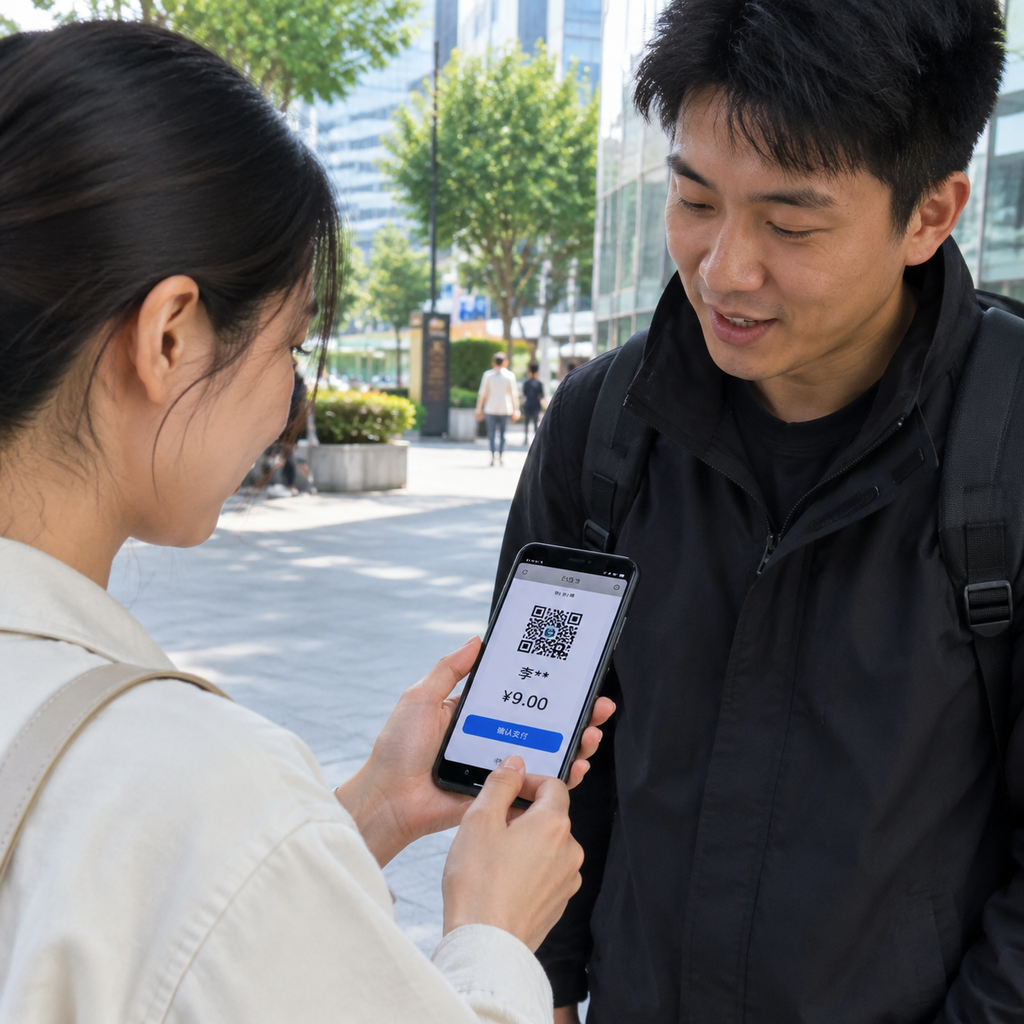
清晨六点四十分,我在成都玉林一条刚醒来的小街上停住。蒸笼白汽越过摊棚,锅里的油轻轻作响。我点了一碗红油抄手和一杯豆浆,老板娘报十二元。我先看收款牌上的名字,再打开支付宝扫一扫,把金额输好后特意让她看一眼屏幕,确认无误才按付款。提示音响起,她已经转身去捞下一碗抄手,动作快得像这笔钱从未占用过她的手。
At 6:40 in the morning, I stopped on a small street in Chengdu’s Yulin neighborhood as it was waking up. Steam rolled over the awning, and oil whispered in a pan. I ordered wontons in chili oil and a cup of soy milk for twelve yuan. Before paying, I checked the name on the merchant’s QR sign, opened Alipay, entered the amount, and showed the screen to the owner before confirming. The payment chime sounded, and she had already turned to scoop the next bowl, as if the transaction had never occupied her hands.
我没有把付款成功页立刻划掉,而是等她点头,再把手机放回外套内袋。这是我给自己定的第一条判断:小摊扫码时,先核对商户名和金额;声音只是提醒,成功页才是凭据。桌角还放着一张稍旧的微信收款码,如果支付宝打不开,我会换微信;两种都不行,我钱包里还有一张百元以内的小额现金和酒店名片,不至于让早餐变成僵局。
I did not swipe away the success page immediately. I waited for her nod before returning the phone to my inside pocket. That is my first rule at a street stall: verify the merchant name and amount; the sound is only a prompt, while the success page is the proof. An older WeChat Pay code stood at the corner of the table. If Alipay failed, I could switch to WeChat Pay. If neither worked, I still carried a small amount of cash and my hotel card, so breakfast would not become a standoff.
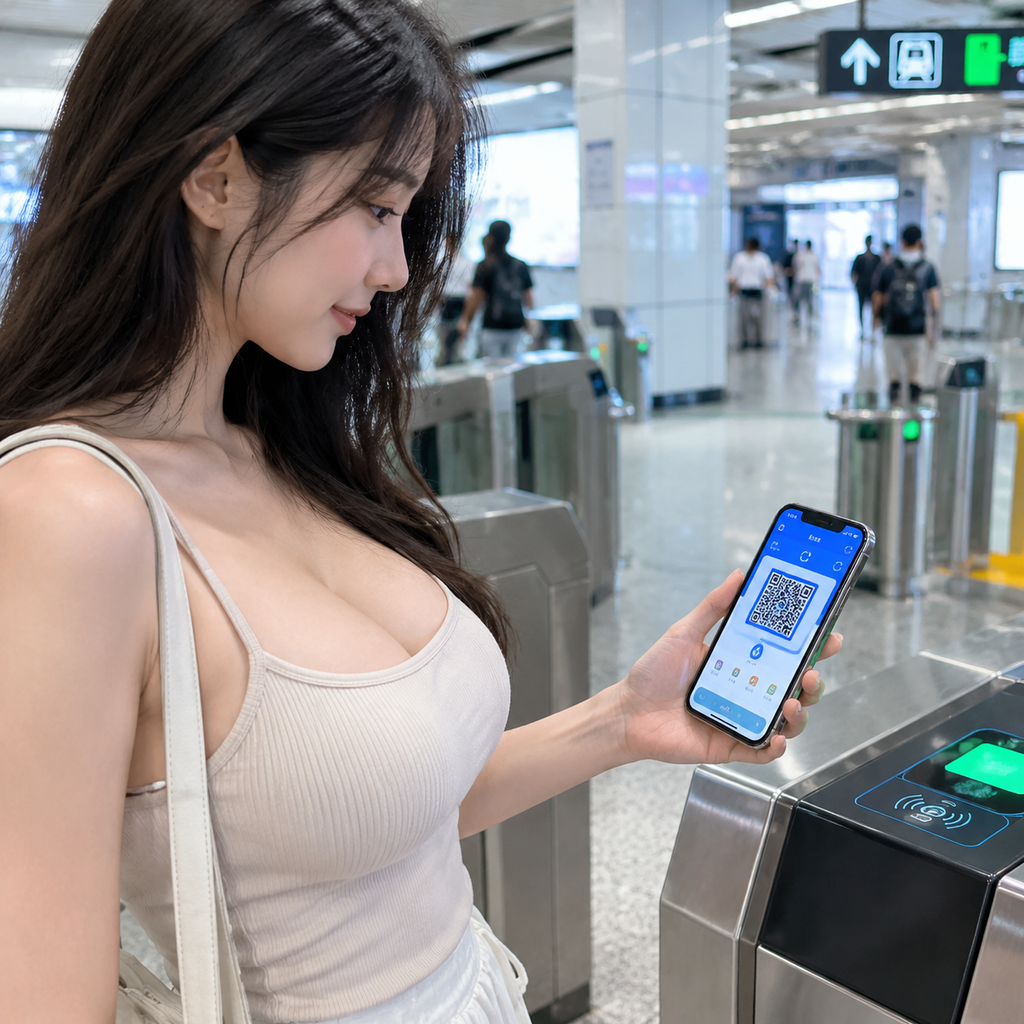
七点二十分,我走到倪家桥地铁站。入口处人流收得很快,前面乘客把乘车码对准闸机,绿灯一闪就过去了。我提前把成都地铁乘车码调到最亮,关掉手机的自动旋转,走近时把屏幕平稳放在扫描窗上方,而不是边走边晃。第一次没有反应,我退半步,避免挡住后面的人;这时屏幕顶端只剩一格信号,乘车码也在缓慢转圈。
At 7:20, I reached Nijiaqiao metro station. The flow at the entrance tightened quickly; passengers ahead held their transit codes over the gates and passed as soon as the light turned green. I had already opened the Chengdu Metro code, raised the screen brightness, and disabled auto-rotation. Instead of waving the phone while walking, I held it steadily over the scanner. Nothing happened on the first try. I stepped back so I would not block the line and noticed one bar of signal while the code kept loading.
我先没有反复扫同一块黑屏,而是切换了一次飞行模式,等移动网络重新连接。十几秒后码仍没刷新,站务员抬手示意我去旁边。我把失败页面给她看,她指向自助售票机,并提醒也可以购买单程票。我尝试连站内网络,但登录页加载很慢,于是直接用现金买票;若身上没有现金,我会去人工服务台询问银行卡或其他购票方式,而不是堵在闸机口连续碰运气。
I did not keep scanning the same frozen screen. I toggled airplane mode once and waited for the mobile connection to return. When the code still had not refreshed after several seconds, a station attendant waved me aside. I showed her the failed page; she pointed to the ticket machine and said I could buy a single-journey ticket. The station Wi-Fi login page loaded too slowly, so I used cash. Without cash, I would have asked at the service counter about a bank card or another ticket option rather than gambling repeatedly at the gate.
那张薄薄的蓝色车票让我松了一口气,也提醒我:备用方案必须在出问题前就准备好。进站后,我把支付应用的境外银行卡状态、当日限额和手机电量都检查了一遍,又截下酒店中文地址,但没有截付款码——付款码会变化,也不该保存在相册里。充电宝还有七成电,短线地铁够用;如果电量跌到百分之二十,我会先找充电处,不再把导航、拍照和支付同时开着。
The thin blue ticket was a relief, but it also reminded me that a backup only works if it is prepared before trouble starts. After entering, I checked the foreign bank card linked to my payment app, the daily limit, and my battery level. I also saved my hotel address in Chinese, but not a screenshot of any payment code—codes change and should not sit in a photo album. My power bank had seventy percent left. If my phone dropped below twenty percent, I would recharge instead of running navigation, photography, and payment at once.
上午在人民公园,我买盖碗茶时遇到另一种付款方式。茶馆服务员把桌号写在小票上,我扫桌边二维码点单,确认了茶名、数量和桌号才提交。页面建议开通免密支付,我选择跳过;在陌生网络和新商户面前,我宁可多按一次确认。茶送来后,我保留订单页,直到服务员把铜壶放稳。付款不只是“扫一下”,还包括核对是谁收钱、我买了什么、是否真的送到。
Later that morning in People’s Park, buying gaiwan tea introduced another payment pattern. A server wrote the table number on a slip, and I ordered through the QR code at the table. Before submitting, I checked the tea, quantity, and table number. The page suggested enabling password-free payments, but I skipped it; on an unfamiliar network with a new merchant, I preferred one extra confirmation. I kept the order page until the server set down the brass kettle. Paying was not merely “scanning”—it meant checking who received the money, what I bought, and whether it arrived.
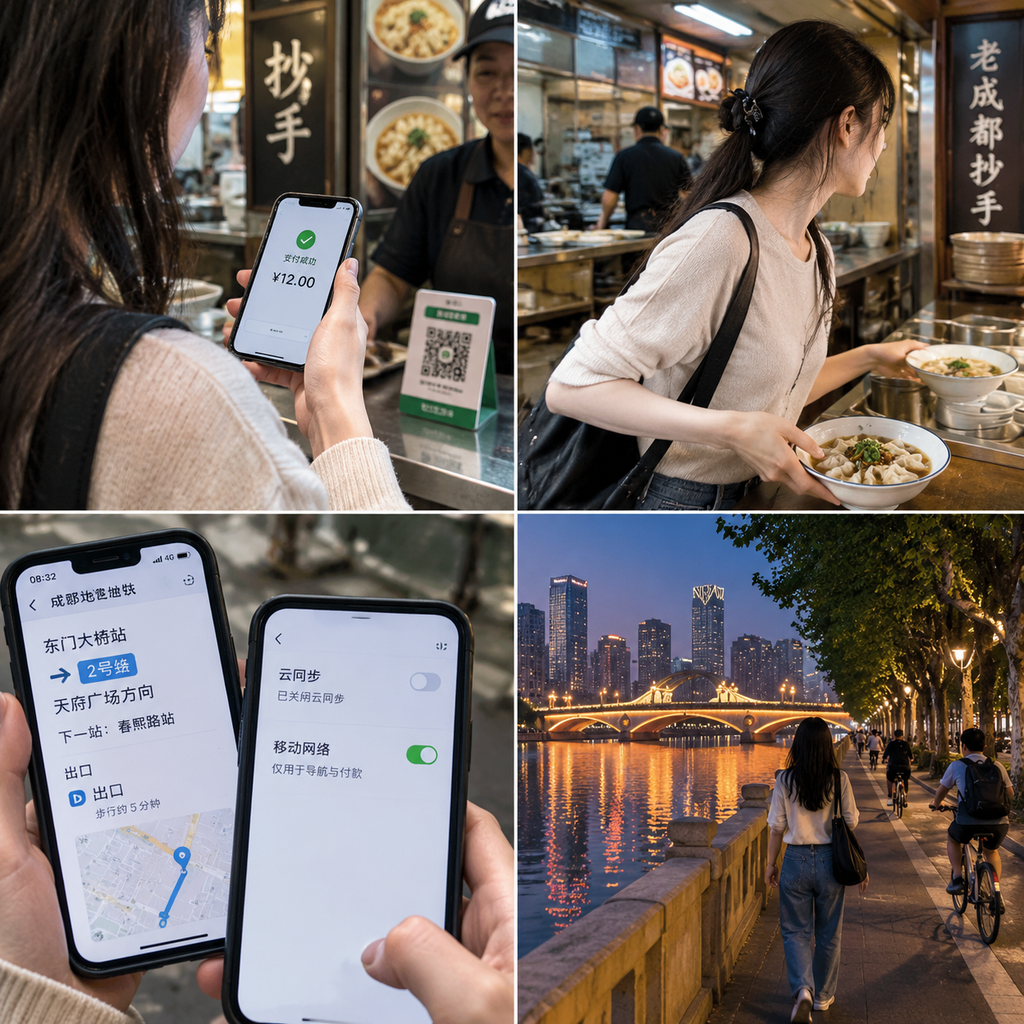
中午我在奎星楼街吃面,墙上并排贴着店铺码和店员个人码。我先问“扫哪一个”,老板指了左边那张。我复述“二十八,对吗”,得到确认再输入。旁边一桌催着结账,我仍把小数点看清才付款;在人声嘈杂时,复述比凭耳朵记报价更稳。
At noon, I stopped for noodles on Kuixinglou Street, where a business code and an employee’s personal code were posted side by side. I asked which one to scan, and the owner pointed left. I repeated, “Twenty-eight, correct?” and entered it only after he confirmed. Another table was calling for the bill, but I still checked the decimal point. In a noisy room, repeating the price was safer than trusting what I thought I had heard.
傍晚回到地铁站,网络已经恢复。我把乘车码先打开,再走向闸机,这一次绿灯立刻亮起。出站后,春熙路的灯牌映在微湿的人行道上,我在水果摊买了一盒切好的菠萝。支付前,手机弹出低电量提醒,我先关掉相机和后台地图,再完成扫码;屏幕出现成功后,我让摊主看清,才接过装着竹签的小盒。
By evening, the network had recovered. I opened the transit code before approaching the gate, and this time the green light came on immediately. After exiting, the signs along Chunxi Road reflected on the slightly wet pavement. I bought a box of sliced pineapple from a fruit stall. A low-battery warning appeared before payment, so I closed the camera and background map first, then scanned. Only after showing the seller the success screen did I take the small box with its bamboo pick.
第二天上午,我又从倪家桥进站,想把昨天的意外变成一套真正顺手的做法。进站前我没有只打开乘车码,还先确认它已经刷新,手机顶部显示稳定的移动网络,付款应用能够正常进入。闸机前一位乘客连续扫了三次,站务员请他移到侧边处理;我因此看懂了成都地铁里的默契:失败并不可怕,及时让出通道才不会把个人问题变成人流问题。轮到我时,屏幕贴近感应区,短促的一声响后闸门打开,我没有停下来截图,而是先通过闸机再收手机。
The next morning, I entered again at Nijiaqiao, hoping to turn the previous day’s mishap into a routine I could actually trust. Before approaching the gate, I did more than open the transit code: I confirmed that it had refreshed, that the mobile signal was stable, and that the payment app opened normally. One passenger scanned three times before an attendant asked him to move to the side. That showed me an unspoken rule of Chengdu’s metro: failure is not the problem; blocking the flow while solving it is. When my turn came, I held the screen near the reader. A short beep opened the gate, and I walked through before putting the phone away rather than stopping to take a screenshot.
在省体育馆换线时,我特意看了一眼行程记录。进站状态已经出现,说明刚才不是“听见提示音就算成功”,而是系统确实记下了这次乘车。我顺手把手机调成省电模式,却没有关掉移动数据,因为接下来出站仍需要实时乘车码。这个次序很重要:可以先降低亮度、停止照片自动备份、关闭不使用的地图和视频,但别为了省几格电,把眼前最需要的网络也切断。站台风从隧道里推过来,屏幕亮度降下去后仍看得清,我才把手机锁屏放进口袋。
While changing lines at Sichuan Gymnasium, I checked the journey record. The entry status was visible, confirming that the system—not merely a reassuring beep—had registered my trip. I enabled battery saver but kept mobile data on because I would still need a live code at the exit. The order mattered: I could lower brightness, pause photo backups, and close unused maps or video apps, but saving a few percentage points by disabling the connection I immediately needed made no sense. Air pushed along the platform from the tunnel. Once I knew the dimmer screen remained readable, I locked the phone and returned it to my pocket.
中午十二点过一点,我离开宽窄巷子附近最拥挤的路口,拐进一条只容两辆电动车错身的小巷。门口没有霓虹招牌,只有一块写着当天菜名的小黑板,屋里六张木桌,辣椒和蒜苗的香气从半开的厨房门里钻出来。老板娘见我盯着菜单太久,问我能不能吃辣,又用手指比了一个“小辣”。我点了回锅肉、素炒时蔬和米饭,没有照着手机里收藏的照片加菜。她先把桌号夹到灶台边,才指给我看收银台上的店铺码。
A little after noon, I left the busiest junction near Kuanzhai Alley and turned into a lane barely wide enough for two electric scooters to pass. There was no neon sign, only a blackboard listing the day’s dishes. Six wooden tables filled the room, and the smell of chilies and garlic shoots slipped through the half-open kitchen door. Seeing me study the menu for too long, the owner asked whether I ate spicy food and pinched her fingers together to indicate “just a little.” I ordered twice-cooked pork, stir-fried greens, and rice instead of adding dishes from saved photos on my phone. She clipped my table number beside the stove before pointing out the shop’s payment code at the counter.
菜端上来时,回锅肉边缘微卷,蒜苗还带着脆响,米饭的热气把眼镜蒙了一层白。吃到一半,手机只剩百分之十八,移动网络却很稳定。我原本想立刻借充电宝,老板娘看见我在柜台旁找插座,说靠窗那张空桌下面就有电源。我没有边充边刷视频,而是把手机设成低电量模式,插上自己的充电头,屏幕朝下放在视线内。结账前电量回到百分之二十三,足够完成扫码、返回地铁和展示酒店地址,我便没有再租一个需要异地归还的充电宝。
When the food arrived, the pork curled slightly at the edges, the garlic shoots still snapped, and steam from the rice fogged my glasses. Halfway through lunch, my phone was down to eighteen percent, though the mobile connection remained stable. I was about to rent a power bank when the owner noticed me searching near the counter and said there was an outlet beneath the empty table by the window. Instead of charging while watching videos, I enabled low-power mode, used my own charger, and placed the phone face down where I could see it. By the time I paid, it had reached twenty-three percent—enough to scan, ride the metro back, and show my hotel address—so I did not rent a battery that would need to be returned elsewhere.
结账时店里突然涌进四个人,老板娘一边报菜名,一边把刚收拾好的桌子让出来。我没有隔着人群举手机问价,而是拿着桌号走到收银台,确认总额是五十二元,再扫店铺码。支付页面转了两秒,我先看手机是否仍有网络,没有立即重复付款;成功页出现后,老板娘瞄了一眼交易时间,说“收到了”。那顿饭让我明白,小店并不等于付款随意:越是忙、越是声音杂,越要把桌号、金额、商户名和成功状态逐一对上。
At checkout, four people arrived at once. The owner called dishes toward the kitchen while clearing a table for them. Rather than raising my phone across the crowd and asking for the price, I carried my table marker to the counter, confirmed the total was fifty-two yuan, and scanned the business code. The payment page spun for two seconds. I checked that the phone still had a connection instead of immediately paying again. When the success page appeared, the owner glanced at the transaction time and said, “Received.” Lunch taught me that a small shop does not mean a casual payment: the busier and noisier the room, the more carefully I should match the table number, amount, merchant name, and final status.
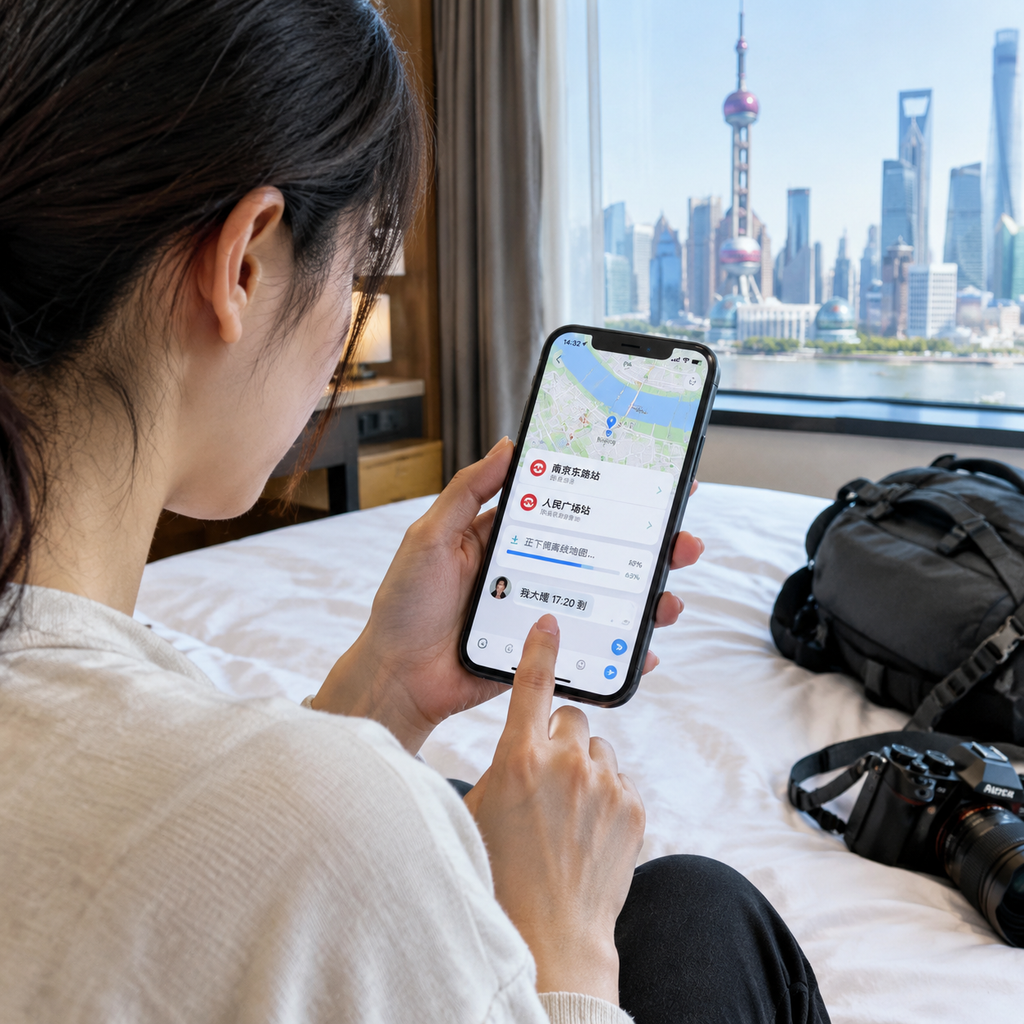
下午准备去东郊记忆前,我在门外重新做了一次取舍。电量虽然不高,却没有必要同时开地图实景、相机定位和照片云同步。我先查好地铁站名与出口,把路线文字保留在手机里,再关闭云同步,只让移动网络服务于导航和付款。这样做不是盲目追求续航,而是把有限电量留给无法替代的动作。等列车进站时,手机还有百分之二十一;如果信号再次波动,我会在站内指示牌前确认方向,少让屏幕承担本可由眼睛完成的工作。
Before heading to Eastern Suburb Memory that afternoon, I reconsidered what the remaining charge actually needed to do. Battery was limited, but I did not need live-view maps, camera location services, and cloud photo uploads running together. I checked the station and exit first, kept the route text available on the phone, and paused cloud syncing so mobile data served navigation and payments. This was not about chasing maximum battery life; it was about reserving charge for tasks with no easy substitute. When the train arrived, I still had twenty-one percent. If the signal became unstable again, I would read the station signs before reaching for the screen, letting my eyes handle work the phone did not need to do.
一天走下来,我最信任的并不是某一个应用,而是顺序明确的判断:先看对象,再核金额;失败一次就让开;检查网络、电量和验证码;同时留着另一款支付应用、实体卡与少量现金。回酒店前,我在路边听见熟悉的收款提示音,摸了摸仍有余电的充电宝,没有再打开手机。成都的付款节奏很快,而我学会的不是跟着快,是在每一次抬起屏幕之前,知道下一步不通时该往哪里走。
After a full day, I trusted no single app as much as a clear sequence of decisions: identify the recipient, verify the amount, step aside after one failed attempt, check the network, battery, and verification access, and keep another payment app, a physical card, and a little cash. Before returning to the hotel, I heard the familiar payment chime from a roadside stall and touched the power bank that still held a charge without opening my phone again. Chengdu’s payment rhythm was fast. What I learned was not simply to move faster, but to know where I would turn whenever the next step failed.
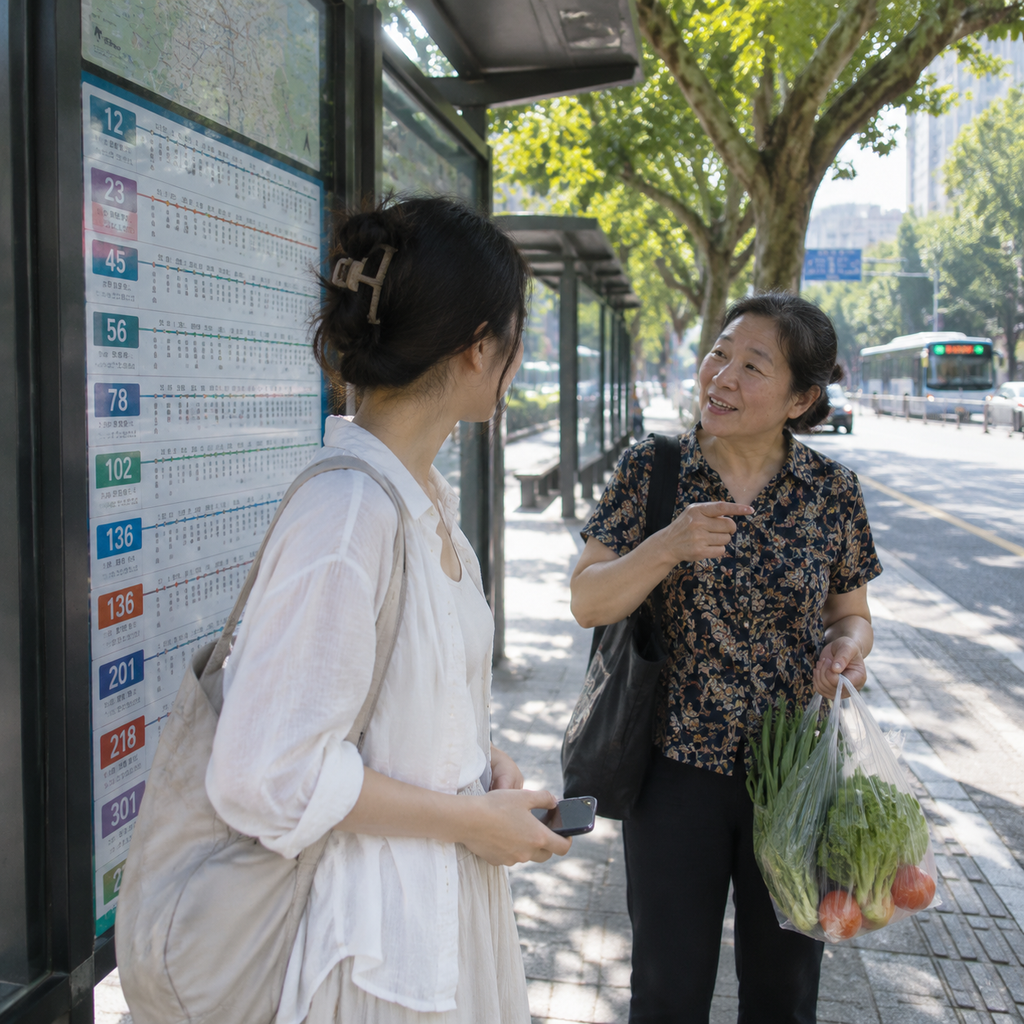
下午两点半,我没有按原计划继续坐地铁,而是在东郊记忆外的公交站等了一辆驶向建设路方向的车。站牌上的线路很多,地图给出的那班还要等二十分钟,我正犹豫要不要步行,一位提着菜的阿姨听见我念站名,提醒我前一站下车也能走到,而且那边树荫更多。她没有替我做决定,只把两个站名指给我看。我重新核对车辆行驶方向,上车后刷乘车码,站到不挡下客的位置,并把下车提醒设在目的地前一站。公交驶过老厂房时,窗外砖墙和新咖啡店一闪一闪,比盯着导航更能让我记住方向。
At 2:30 p.m., I changed my original plan and waited for a bus toward Jianshe Road outside Eastern Suburb Memory instead of taking the metro again. The stop listed many routes, and the bus suggested by my map was still twenty minutes away. As I wondered whether to walk, an auntie carrying vegetables heard me repeat the stop name. She explained that I could get off one stop earlier and still walk there, with more shade along the way. She did not decide for me; she simply pointed out the two stop names. I checked the direction, scanned my transit code after boarding, stood clear of the doors, and set an alert for the earlier stop. As the bus passed old factory buildings, brick walls and new cafés flickered beyond the window, giving me a better sense of direction than staring at the map.
车开到一半,电量从百分之二十一掉到十七,我才发现公交上的实时定位比预想中耗电。我关掉定位页面,只保留刚截下的站名和车辆广播。那位阿姨下车前又回头说:“听到二仙桥就准备,别坐过了。”这句提醒比红色路线线条更实用。我把零钱袋从背包底部挪到外侧口袋,里面是十元、五元和几张一元纸币;它们不一定会用上,却能在手机关机、店里网络中断或押金需要现金时,替我保住选择。充电宝则留到真正需要导航返程时再接,不在摇晃的车厢里拖着线充电。
Halfway through the ride, my battery fell from twenty-one to seventeen percent, and I realized that live bus tracking used more power than expected. I closed the location screen and kept only a screenshot of the stop name, listening to the onboard announcements instead. Before getting off, the auntie turned back and said, “When you hear Erxianqiao, get ready, or you’ll pass it.” Her reminder was more useful than the red route line. I moved my small cash pouch from the bottom of my backpack to an outer pocket. It held ten-yuan and five-yuan notes plus several one-yuan bills. I might not need them, but they preserved my options if the phone died, a shop lost its connection, or a cash deposit was requested. I saved the power bank for the return journey rather than charging with a loose cable in the moving bus.
下车后,原本收藏的网红茶馆门口排着长队,叫号声和外卖电动车的喇叭挤在一起。手机只剩百分之十五,我不想为了一个座位继续开着地图,于是沿阿姨说的树荫路走了七八分钟,在居民楼下找到一家没有精致门头的小茶铺。老板把竹帘卷起一半,里面只有四张桌子,风扇吹动墙上的旧日历。我先问能否充电,再问最低消费;他说喝茶就行,还把靠墙插座让给我。我点一杯茉莉花茶,扫柜台上的店铺码时,页面一直停在加载圈。我没有再次输入金额,而是等老板确认第一笔没到,再切换微信完成付款。
After getting off, I found a long queue outside the popular teahouse I had saved. Number calls collided with the horns of delivery scooters. With only fifteen percent battery left, I did not want to keep the map open just to compete for a seat. I followed the shaded road the auntie had mentioned for seven or eight minutes and found an unpolished tea shop beneath an apartment building. The owner had rolled the bamboo blind halfway up; four tables sat inside, and a fan stirred an old calendar on the wall. I asked whether I could charge first, then whether there was a minimum purchase. He said a cup of tea was enough and offered me the outlet by the wall. I ordered jasmine tea, but the shop-code payment page kept spinning. Instead of entering the amount twice, I waited for him to confirm that the first payment had not arrived, then switched to WeChat Pay.
手机充到百分之三十二时,窗外忽然落了几滴雨。老板看我准备照原路线去望平街,摇头说下班前那一段容易堵,建议我先坐短程公交到地铁口,再从牛王庙换线。他在纸巾背面写下站名,又提醒我别只搜同名店铺。我把地图里的终点从餐馆改成地铁口,避开一段需要反复定位的小巷,也把晚饭从必须打卡的店换成沿线再选。旅行中的路线调整并不是认输;排队、天气、电量和当地人的一句话,都是比早晨计划更新的现场信息。
When my phone reached thirty-two percent, a few raindrops struck the street outside. Seeing that I planned to follow my original route to Wangping Street, the owner shook his head and said that section often became congested before rush hour. He suggested taking a short bus ride to the metro and changing lines at Niuwangmiao. He wrote the stop on the back of a tissue and warned me not to navigate to a shop with the same name by mistake. I changed the map destination from a restaurant to the metro entrance, avoiding a lane that would require constant location checks, and gave up treating dinner as a mandatory check-in. Changing a route was not admitting defeat; queues, weather, battery level, and a local person’s remark were all fresher information than my morning plan.
雨没有变大,我离开前把充电线收紧,确认桌边没有落下转接头,也查看两次付款记录,确保刚才只扣了一笔。老板指着纸巾上的字让我再念一次,我读得不准,他放慢声音重复站名。我走到公交站后先看电子屏,再对照车头方向,没有因为同一路号出现在街对面就匆忙追车。车来时我已提前打开乘车码,刷完立刻锁屏;背包外袋里的零钱仍原封不动,但知道它在那里,让百分之三十的电量不再像倒计时。
The rain did not intensify. Before leaving, I coiled my charging cable, checked that no adapter remained by the table, and reviewed both payment records to make sure I had been charged only once. The owner pointed to the stop written on the tissue and asked me to repeat it. When I mispronounced it, he said it again slowly. At the bus stop, I checked the electronic board and the vehicle direction rather than chasing the same route number across the road. I had the transit code ready when the bus arrived and locked the screen immediately after scanning. The cash in my outer pocket remained untouched, but knowing it was there stopped thirty percent battery from feeling like a countdown.
傍晚五点多,我在牛王庙附近下车,没有再绕去拥挤的热门街区。雨后的树叶发亮,路边小店开始把折叠凳搬到檐下。我在一家卖蛋烘糕的小窗口前停下,先问能否用现金,年轻店员笑着说都可以。我最后还是扫码付了六元,却把那张十元纸币留在最顺手的位置。远处公交报站声传过来,我低头看了一眼写着站名的纸巾,把它折好夹进卡套。下午真正帮我走顺成都的,不只是手机里的路线,而是阿姨的回头提醒、茶铺老板的纸笔,以及我愿意在计划不合适时换一条路。
A little after five, I got off near Niuwangmiao and did not detour toward another crowded tourist street. Leaves shone after the rain, and small shops were moving folding stools beneath their awnings. I stopped at a window selling egg pancakes and asked first whether cash was accepted. The young clerk smiled and said either method was fine. I paid six yuan by scanning, but kept the ten-yuan note in the easiest pocket to reach. A bus announcement drifted from farther down the road. I looked once more at the stop name on the tissue, folded it, and slipped it into my card holder. What carried me smoothly through Chengdu that afternoon was not only the route on my phone, but the auntie’s parting reminder, the tea-shop owner’s pen and paper, and my willingness to change direction when the original plan no longer fit.
六点刚过,天色从灰蓝往深处沉,我在牛王庙地铁口旁找了一家亮着暖黄灯的小面馆。门口蒸汽贴着玻璃,收银台后传来切葱的脆响。我点燃面时,支付宝忽然要求重新验证境外银行卡,短信验证码却迟迟没到。年轻店员没有催,只说:“先坐嘛,网慢就等一下,面好了再付也行。”我停在付款页,没有连续点确认;查清没有待处理扣款后,才切到微信。店员看见成功页上的店名和交易尾号,点头递来取餐牌,还提醒靠窗座位下有插座。那一句“慢慢来”让柜台前的慌乱散了。
Just after six, as the sky deepened from gray-blue, I found a noodle shop glowing with warm yellow light beside Niuwangmiao metro station. Steam clouded the glass, and the crisp sound of chopping scallions came from behind the counter. When I ordered spicy noodles, Alipay suddenly asked me to verify my overseas card again, but the text code did not arrive. The young clerk did not rush me. “Sit down first. If the network is slow, wait. You can pay when the noodles are ready,” he said. I stopped tapping, checked that no charge was pending, and then switched to WeChat Pay. After seeing the shop name and transaction digits on the success page, he handed me a collection token and pointed out an outlet beneath the window seat. His simple “take your time” dissolved my panic.
一碗面吃到见底,手机从百分之二十八充到百分之五十六。电量恢复后,我没有马上把相机、云同步和实时定位全部打开,而是先下载回酒店的一段离线地图,截下最近两个地铁口的中文名,再给同行人发去预计到达时间。拔线后,我摸了一遍桌面和插座边,确认转接头收进拉链袋。出门前,店员又指着路口说前方修路,去河边要从便利店右侧绕;他还提醒我夜里拍照别站在自行车道上。这个提醒与付款无关,却比地图上那条蓝线更能保护晚上的节奏。
By the time I finished the bowl, my phone had climbed from twenty-eight to fifty-six percent. I did not immediately restart the camera, cloud syncing, and live location. Instead, I downloaded an offline section of the route to my hotel, saved the Chinese names of the two nearest metro entrances, and sent my companion an estimated arrival time. After unplugging, I checked the tabletop and outlet and put the adapter back in its zipped pouch. Before I left, the clerk pointed toward roadworks and told me to detour to the river on the right side of the convenience store. He also warned me not to stand in the bicycle lane while taking night photos. That advice had nothing to do with payment, yet it protected the rhythm of my evening better than a blue line on a map.
我沿着较安静的街走到望平街附近,河风带着潮气,餐馆排风口飘出花椒和烤肉味。桥边有人拍照,电动车铃声从身后接连响起,我便把手机绳套在手腕上,每次停下都先靠边。糖油果子摊前只排了三个人,摊主报一份八元,我却听成十八元,手指已经碰到数字键。前面的女孩回头提醒:“是八块。”摊主也笑着伸出八根手指。我删掉多余的“1”,读出金额和商户名再付。若不是她开口,我也许会多付十元;付款前把数字念出来,也是给旁人一次纠错的机会。
I followed a quieter street toward Wangping Street. Damp air came off the river, while restaurant vents carried the smell of Sichuan pepper and grilled meat. People were taking pictures near the bridge, and electric-bike bells kept sounding behind me, so I looped the phone strap around my wrist and moved aside whenever I stopped. Only three people stood at a fried rice-ball stall. The vendor said one portion cost eight yuan, but I heard eighteen and had already touched the number keys. The young woman ahead turned around: “It’s eight.” The vendor laughed and raised eight fingers. I deleted the extra one, read the amount and merchant name aloud, then paid. Without her intervention I might have overpaid by ten yuan; saying the figure aloud gave someone else a chance to catch my mistake.
七点半,手机还有百分之四十八,我接上充电宝,只补到百分之六十便收线。拥挤街口边走边充容易扯落接口,够用比充满重要。我在便利店买水时拿出一张十元纸币,既确认现金能用,也换回几枚零钱。店员把找零和小票一起推来,我当面数清,再把现金分成两处:零钱放外袋,应付小额购买;一张五十元和酒店名片放内袋,留给手机关机、临时打车或需要人工说明的情况。银行卡仍在证件夹里,不与手机同袋。备用不是把所有东西堆在一起,而是一次遗失之后,手里还剩另一条路。
At 7:30, my phone still showed forty-eight percent. I connected the power bank but stopped at sixty. Charging while walking through a crowded junction risked damaging the port; enough power mattered more than a full battery. At a convenience store, I deliberately paid for water with a ten-yuan note, confirming that cash was accepted and obtaining smaller change. I counted the receipt and coins at the counter, then divided the cash: change went into an outer pocket for small purchases, while a fifty-yuan note and my hotel card stayed inside for a dead phone, an emergency ride, or a conversation requiring a clear address. My bank card remained in the document wallet, separate from the phone. A backup was not everything piled together; it was another path remaining after one thing went missing.
八点多,我从东门大桥往回走,桥下灯光被水面揉成长长的橙色碎片,骑车的人从梧桐影里穿过去。网络稳定,电量也足够,我却没有临时加去更远的夜市。白天已经换过地铁、公交和步行,脚底开始发热,注意力也不如傍晚敏锐。我在地铁入口前先确认终点方向和末班车提示,再打开乘车码;闸机绿灯亮后立刻锁屏。站台工作人员见我反复核对站名,提醒下一站换乘要走右侧通道。我复述一遍,她说“对头”。短短两个字,让我安心收起手机,跟着清楚的箭头走。
After eight, I walked back from Dongmen Bridge. Lights beneath it stretched into broken orange ribbons across the water, and cyclists passed through plane-tree shadows. The connection was stable and the battery sufficient, but I did not add a distant night market to the evening. After metro rides, buses, and long walks, my feet felt hot and my attention was less sharp than before dusk. At the metro entrance, I checked the direction and last-train notice before opening the transit code, then locked the phone as soon as the gate turned green. On the platform, a staff member saw me checking the station name repeatedly and said to use the right-hand corridor for my next transfer. I repeated it, and she answered in Sichuan dialect, “That’s right.” Those two words let me pocket the phone and follow the arrows calmly.
九点十分,我回到酒店所在的小街。烧烤摊的炭火正红,塑料凳在树下排开,收款提示音隔几分钟响一次。我没有再买夜宵,只请前台值班员确认第二天去车站的出发时间,并问清大厅哪里能安全充电。进房后,我先核对当天账单:没有重复扣款,面馆、糖油果子和便利店的金额都对应得上;随后把手机充到百分之八十,把充电宝单独接上,现金补回原来的备用额度。那张写过站名的纸巾仍夹在卡套里。窗外最后一辆公交驶过时,我拉上窗帘,把手机调成勿扰。成都的夜不是靠一次顺利扫码收尾,而是靠电量重新充足、现金仍然可用、陌生人的提醒被认真听见,最后让我稳稳走回这盏床头灯下。
At 9:10, I returned to the small street outside my hotel. Charcoal glowed red at a barbecue stall, plastic stools lined the trees, and payment chimes sounded every few minutes. I skipped another snack and asked the night receptionist to confirm when I should leave for the station the next morning and where I could charge safely in the lobby. In my room, I reviewed the day’s transactions first: no duplicate charges, and the noodle shop, fried rice balls, and convenience-store amounts all matched. Then I charged the phone to eighty percent, connected the power bank separately, and restored the cash reserve. The tissue bearing the handwritten stop name was still tucked inside my card holder. As the last bus passed outside, I drew the curtain and enabled Do Not Disturb. Chengdu’s night did not conclude with one successful scan. It settled because my battery was healthy again, cash remained usable, strangers’ reminders had been heard, and I had made it safely back beneath the bedside lamp.
第二天早高峰,我在天府广场地铁站专门试了一次“手机失灵时怎么做”。前一晚已把成都地铁线路图存进相册,并在钱包里放好二十元零钱和一张实体银行卡;进站前再确认乘车码能刷新,而不是到了闸机才找应用。安检后手机突然重启,我没有挤在入口处等开机,直接走到客服中心,清楚说出目的站,请工作人员指明售票机和可用付款方式。机器支持扫码,我却选择用纸币购买单程票,顺便确认找零正常。拿到票后,我把目的站、换乘站和出口写进手机备忘录的离线页面。真正的地铁备用不是截一张可能失效的二维码,而是知道客服中心在哪里、单程票怎么买、没网络时仍能读懂哪几个站名。
The next morning during rush hour, I deliberately tested what I would do if my phone failed at Tianfu Square metro station. The night before, I had saved the Chengdu Metro map, placed twenty yuan in small notes and a physical bank card in my wallet, and checked that my transit code refreshed before approaching the gate. After security, the phone suddenly restarted. Rather than waiting in the entrance flow, I went straight to the service center, named my destination, and asked the attendant to point out the ticket machine and accepted payment methods. The machine took mobile payment, but I bought a single ticket with a banknote and confirmed that it returned change. I then saved the destination, interchange, and exit in an offline note. A useful metro backup is not a screenshot of a code that may expire; it is knowing where the service desk is, how to buy a ticket, and which station names still matter without a connection.
下午在金沙遗址附近上公交,我又把备用方案做得更细。手机乘车码可以正常打开,但我先看清前门刷码、后门下车的动线,再把两枚一元硬币放进外套口袋。成都部分公交线路和车型的支付安排可能不同,上车前看车内标识或直接问司机,比照搬上一趟经验可靠。刷码后屏幕没有立刻显示结果,我停手听设备提示,同时看司机是否点头;确认失败后才重新调亮屏幕再扫,没有连续乱刷。若第二次仍不成功,我会先让后面的乘客上车,再询问能否投币或改乘下一班。这样既保住自己的行程,也不让支付故障堵住车门。
Near Jinsha Site Museum that afternoon, I made the backup plan even more specific before boarding a bus. My transit code opened normally, but I first observed the flow—scan at the front and leave through the rear—then placed two one-yuan coins in my coat pocket. Payment arrangements can vary among Chengdu routes and vehicles, so reading the signs or asking the driver is safer than assuming every bus works like the previous one. When the scanner did not respond immediately, I stopped and listened for the device prompt while watching for the driver’s nod. Only after confirming failure did I raise the brightness and try once more. If the second scan had failed, I would have let other passengers board and asked whether I could use coins or take the next bus. That protected my own route without turning a payment problem into a blocked doorway.
真正考验备用支付的是小店。傍晚我在抚琴一条居民街买锅盔,摊位只挂着一张被油烟熏得发黄的收款码。老板正给面团抹椒盐,手上沾着油,没法接过我的手机。我先问总价和收款人姓氏,扫后发现页面显示的是个人姓名,便把名字念给他听,确认一致才输入九元。网络在确认键后卡住,我没有退出重扫,而是等十秒查看账单;记录显示处理中,老板的手机却没响。我们把锅盔先放在纸袋里,等状态变成成功,他看过时间和金额才递给我。若状态最终失败,我会换另一款支付应用;两款都不通,就用零钱。最危险的不是付不了,而是着急时付两遍。
Small shops put a backup payment plan to the real test. At dusk, I bought a guokui flatbread on a residential street in Fuqin. The stall displayed only one QR code, yellowed by cooking smoke, and the owner’s oily hands were busy spreading pepper salt over dough. I asked for the total and the recipient’s surname before scanning. When a personal name appeared, I read it aloud and entered nine yuan only after he confirmed it. The network froze after I tapped pay, so I did not exit and scan again. I waited ten seconds and checked the transaction list: my payment was processing, but his phone had not chimed. We left the flatbread in its paper bag until the status changed to successful, and he checked the time and amount before handing it over. Had it failed, I would have switched apps, then used change if both apps were unavailable. The greater risk was not being unable to pay, but paying twice in a rush.
我后来把随身备用拆成三个互不依赖的小包:手机壳里不塞银行卡,证件夹内放实体卡,拉链零钱袋留一元、五元和十元纸币,充电宝与短线单独装。每天出门前只做半分钟检查:两款支付应用能登录,境外卡没有验证提醒,短信号码可收验证码,乘车码能刷新,电量和充电线够当天使用。现金不必多,够买几张单程票、坐几趟公交和付一顿简单小吃即可;大额纸币在小摊未必方便找零。酒店中文地址与紧急联系人写在纸上,即使手机彻底关机,也能向站务员、司机或店员说明去向。
I eventually divided my backup kit into three independent parts: no bank card tucked into the phone case, a physical card in the document wallet, small one-, five-, and ten-yuan notes in a zipped coin pouch, and a power bank packed with a short cable. My daily check took only half a minute: both payment apps could open, the overseas card showed no verification warning, my phone number could receive codes, the transit code refreshed, and the battery and cable could cover the day. I did not carry much cash—only enough for several single tickets, a few bus rides, and a simple snack—because a large note may be difficult for a tiny stall to change. I also kept my hotel address in Chinese and an emergency contact on paper. Even with a completely dead phone, I could still explain my destination to station staff, a driver, or a shopkeeper.
回酒店整理这一天时,我把备用支付按“先恢复、再替代、最后求助”重新排了一遍。应用卡住,先看交易记录,不重复提交;网络断开,移到店门外或站厅开阔处,只重连一次;境外卡触发验证,就换已经完成实名和绑卡的另一款应用;手机没电,改用分开放置的小额现金或实体卡。若商家只收扫码,我会先说明情况,请对方保留商品,再去附近便利店、地铁客服中心或酒店前台解决,不把银行卡交给陌生人代操作,也不让别人替我输入验证码。这个顺序看似保守,却能把最容易发生的重复扣款、错误收款人和验证码泄露挡在前面。
Back at the hotel, I reorganized the day’s payment backups into three stages: recover first, substitute second, and ask for help last. If an app froze, I would check the transaction history rather than submit again. If the connection dropped, I would move to an open spot near the shop entrance or station hall and reconnect once. If my overseas card demanded verification, I would switch to the other app that had already been verified and linked. If the phone died, I would use the small cash reserve or physical card stored separately. When a merchant accepted only QR payment, I would explain the problem, ask them to hold the item, and seek help at a nearby convenience store, metro service desk, or hotel reception. I would never hand a bank card to a stranger or let anyone enter a verification code for me. The sequence was cautious, but it blocked the likeliest problems: duplicate charges, the wrong recipient, and exposed security codes.
我还把“能不能用”与“值不值得继续试”分开。付款页面转圈而账单显示处理中,就停手等结果;店员手机没响,也不能据此断定失败。金额较小、队伍很长时,现金往往比反复切网络省事;金额较大时,则宁可请店员重新确认商户名和订单,也不在催促声里仓促付款。退款同样不能只听一句“已经退了”,我会保留订单号、交易时间和金额,等应用出现退款记录再离开。对旅行者来说,备用方案不是多装几个软件,而是在紧张时仍能判断该停、该换,还是该找一个有制服、有柜台的人帮忙。
I also separated “Can this still work?” from “Is it worth trying again?” If the payment screen spun while the ledger showed processing, I stopped and waited; silence from the merchant’s phone alone did not prove failure. For a small purchase with a long queue behind me, cash was often easier than repeatedly changing networks. For a larger amount, I would rather ask the clerk to reconfirm the merchant name and order than pay under pressure. The same rule applied to refunds: I would not rely only on “It has been refunded.” I kept the order number, transaction time, and amount until the refund appeared in the app. A backup plan for a traveler is not a collection of extra apps. It is the ability, under stress, to decide whether to stop, switch methods, or ask someone at a staffed counter for help.
那天真正的结尾发生在夜里十点二十五分。我下楼去红星路旁的便利店买第二天早餐,玻璃门一开,冷柜的嗡鸣和烤肠香一起扑出来。收银员扫完牛奶、饭团和橘子,报二十一元六角。我先用支付宝,页面却再次停在“处理中”;这回我没有慌,也没立刻换微信,而是把手机放在柜台上,打开账单给她看。十五秒后记录变成失败,她确认后台没有收到,我才拿出两张十元、一张一元和一枚硬币补足。她把小票折在塑料袋提手上,说第二天若发现扣款,带小票回来。回到酒店,我又查了一次账单,确认没有迟到的扣款,才把小票压在房卡下面。
The real ending of that day came at 10:25 p.m. I went downstairs to a convenience store near Hongxing Road to buy breakfast for the next morning. When the glass door opened, the hum of the refrigerators met the smell of sausages warming by the register. The clerk scanned milk, a rice roll, and oranges and gave me a total of 21.6 yuan. I tried Alipay, but the page again remained on “processing.” This time I did not panic or immediately switch to WeChat Pay. I placed the phone on the counter and showed her the transaction list. Fifteen seconds later, the record changed to failed. After she confirmed that nothing had reached the store, I paid with two ten-yuan notes, a one-yuan note, and a coin. She folded the receipt over the bag handle and told me to bring it back if a delayed charge appeared the next day. In the hotel, I checked once more for a late debit, then placed the receipt beneath my room card.
十一点前,红星路的车流已稀下来。我站在酒店窗边,能看见远处太古里的屋顶轮廓和写字楼灯格,近处共享单车在路灯下排成一条蓝线。楼下烧烤摊收起最后两张折叠桌,铁签碰进搪瓷盆,发出清脆的一串响;一辆橙色出租车停在斑马线外,乘客关门后,尾灯沿湿亮路面慢慢缩成两个红点。我把第二天要用的零钱放进外袋,实体卡塞回证件夹,手机和充电宝分别插上电,没有让任何一项备用和主设备绑在一起。窗外最后一次收款提示音响过,我关掉床头灯,只留下窗帘缝里一小条成都的暖光。
Before eleven, traffic on Hongxing Road had thinned. From the hotel window, I could make out the roofline of Taikoo Li and the lit squares of distant office buildings, while shared bicycles formed a blue row beneath the nearer streetlamps. The barbecue stall below folded its last two tables, and metal skewers rang brightly as they dropped into an enamel basin. An orange taxi stopped before the crossing; after its passenger closed the door, the taillights receded into two red dots on the damp pavement. I put the next morning’s change in an outer pocket, returned the physical card to my document wallet, and charged the phone and power bank separately so no backup depended on the primary device. One final payment chime rose from the street. I switched off the bedside lamp and left only a narrow strip of Chengdu’s warm night light between the curtains.
第二天七点二十分,我没有吃昨晚买好的饭团,而是拎着它走进酒店斜对面已经冒起白汽的小吃铺,想再做一次真实付款。我要了一碗红油抄手和一杯豆浆,老板娘用夹子把小票压在灶台边,报十六元。我先看墙上的二维码是否与店名一致,再把手机亮度调高、移动数据切回常用线路,扫码后逐字核对收款人和金额,只提交一次。页面很快跳出成功,我没有只凭自己的绿色勾号转身,而是把屏幕上的十六元、时间和订单尾号朝她亮过去。她低头看收款机,提示音恰好响起,笑着说“收到咯”。我把手机锁屏收进口袋,这才端起滚烫的碗,在靠门的小木桌旁坐下。
At 7:20 the next morning, I carried the untouched rice roll from the night before into a small eatery across from the hotel, where steam was already rising, because I wanted to make one more real payment. I ordered red-oil wontons and soy milk. The owner clipped the order slip beside the stove and said the total was sixteen yuan. I checked that the QR code on the wall matched the shop name, raised the screen brightness, restored my usual mobile-data connection, scanned, verified the recipient and amount character by character, and submitted only once. When the success screen appeared, I did not walk away merely because I could see a green tick. I showed her the sixteen-yuan amount, time, and final digits of the order. She glanced at the payment terminal just as its chime sounded and smiled: “Got it.” Only then did I lock the phone, pocket it, lift the scalding bowl, and sit at a small wooden table by the door.
早餐吃到一半,晨班公交从窗外驶过,车门开合声混着碗勺轻碰。昨夜便利店那笔失败记录仍清楚留在账单里,没有延迟扣款;眼前这笔则有商户名、金额、时间和店家的确认,四处都对得上。我把昨晚的小票拍照留存,再把纸票撕碎丢进垃圾桶,零钱依旧留在外袋,没有因为扫码恢复正常就撤掉备用。离店前,我把空碗送到回收台,对老板娘说了声谢谢。她正忙着给下一位客人舀豆浆,只抬手挥了一下。推门出去时,成都清晨的凉气贴上脸,蒸汽在身后合拢;这趟支付练习最后留下的,不是“手机永远可靠”,而是每次付款都看清、等准、确认后再走。
Halfway through breakfast, a morning bus passed the window, its doors opening and closing beneath the light clink of bowls and spoons. The failed convenience-store attempt from the night before remained clearly marked in my ledger, with no delayed debit. The new payment matched in four places: merchant name, amount, time, and the owner’s confirmation. I photographed the old receipt for my records, tore up the paper copy, and discarded it. The change stayed in my outer pocket; one successful scan was no reason to remove the backup. Before leaving, I carried the empty bowl to the return counter and thanked the owner. Busy ladling soy milk for the next customer, she simply raised a hand. When I opened the door, Chengdu’s cool morning air touched my face and the steam closed behind me. What remained from this payment exercise was not a belief that a phone would always work, but a habit: read carefully, wait for the result, confirm together, and only then walk away.
- 春节期间最值得去的古镇 | Best Ancient Towns to Visit During Spring Festival
- 中国城市地铁出行技巧 | Tips for Using Metro in Chinese Cities
- 我在中国县城汽车站学会先看人群走向,再找检票口 | I Learned at a Chinese County Bus Station to Watch Where People Flow Before Looking for the Gate
- 五月在宁波老外滩遇到雨,我一个人看着江面发亮,忽然觉得赶路也值得被原谅 | Rain at Ningbo's Old Bund in May Made Me Feel Even a Hurried Life Deserved Forgiveness
- 手机支付失败后我学会准备备用方案 | After My Mobile Payment Failed, I Learned to Prepare a Backup Plan in China
- 中国书法用品 | Chinese Calligraphy Supplies
- 香包制作:我第一次发现香气也可以被一针一线缝起来 | Scented Sachet Making: The First Time I Realized Fragrance Could Be Sewn Together with Needle and Thread
- 中国医疗就诊指南:看病买药与保险 | Medical Care in China: Hospitals, Pharmacies & Insurance
- 扬州早茶不是一张菜单:我在园林之间学会给一顿饭留时间 | Yangzhou Morning Tea Is Not Just a Menu
- 中国凉菜:一桌好饭从凉菜开始 | Chinese Cold Dishes: Every Great Meal Starts Here
Comments (0)