
我在杭州小馆里第一次听懂“清淡一点” | In a Hangzhou Eatery, I Finally Understood “A Little Lighter”
我在杭州小馆里第一次听懂“清淡一点” | In a Hangzhou Eatery, I Finally Understood “A Little Lighter”
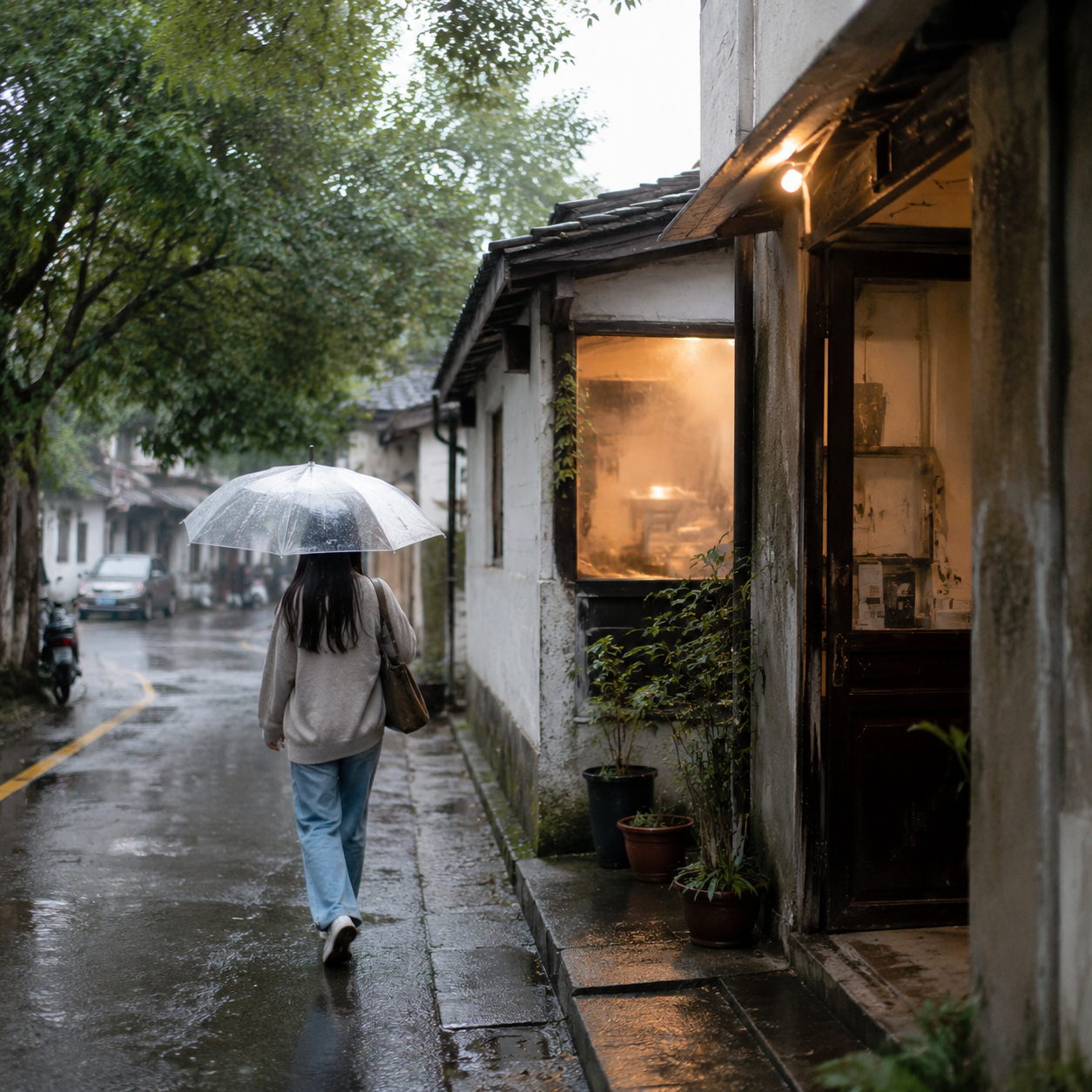
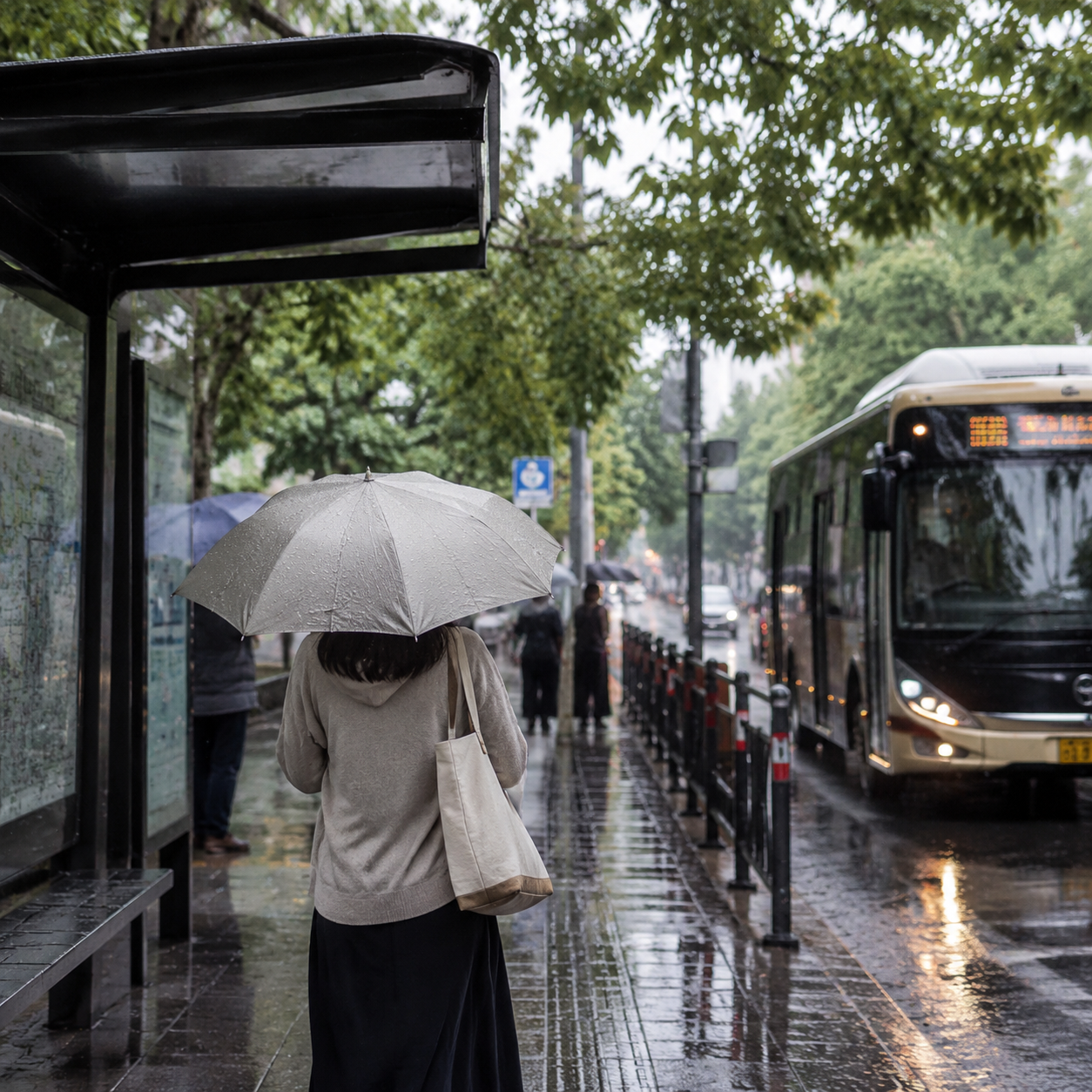
我第一次在杭州小馆里听见“清淡一点”,是在一个下着细雨的中午。西湖边的树叶被雨洗得发亮,我从公交站钻进一条窄巷,伞沿滴着水,鞋底带着湿气。那家小馆没有醒目的招牌,只在门口挂着一块写着“家常菜”的木板,玻璃上蒙着热气,里面传出锅铲碰锅的声音。
The first time I heard the phrase “a little lighter” in a Hangzhou eatery, it was a rainy noon. The leaves near West Lake looked polished by rain, and I slipped from a bus stop into a narrow lane with water dripping from my umbrella. The small restaurant had no flashy sign, only a wooden board that said home-style dishes, with steamed-up glass and the sound of a wok inside.
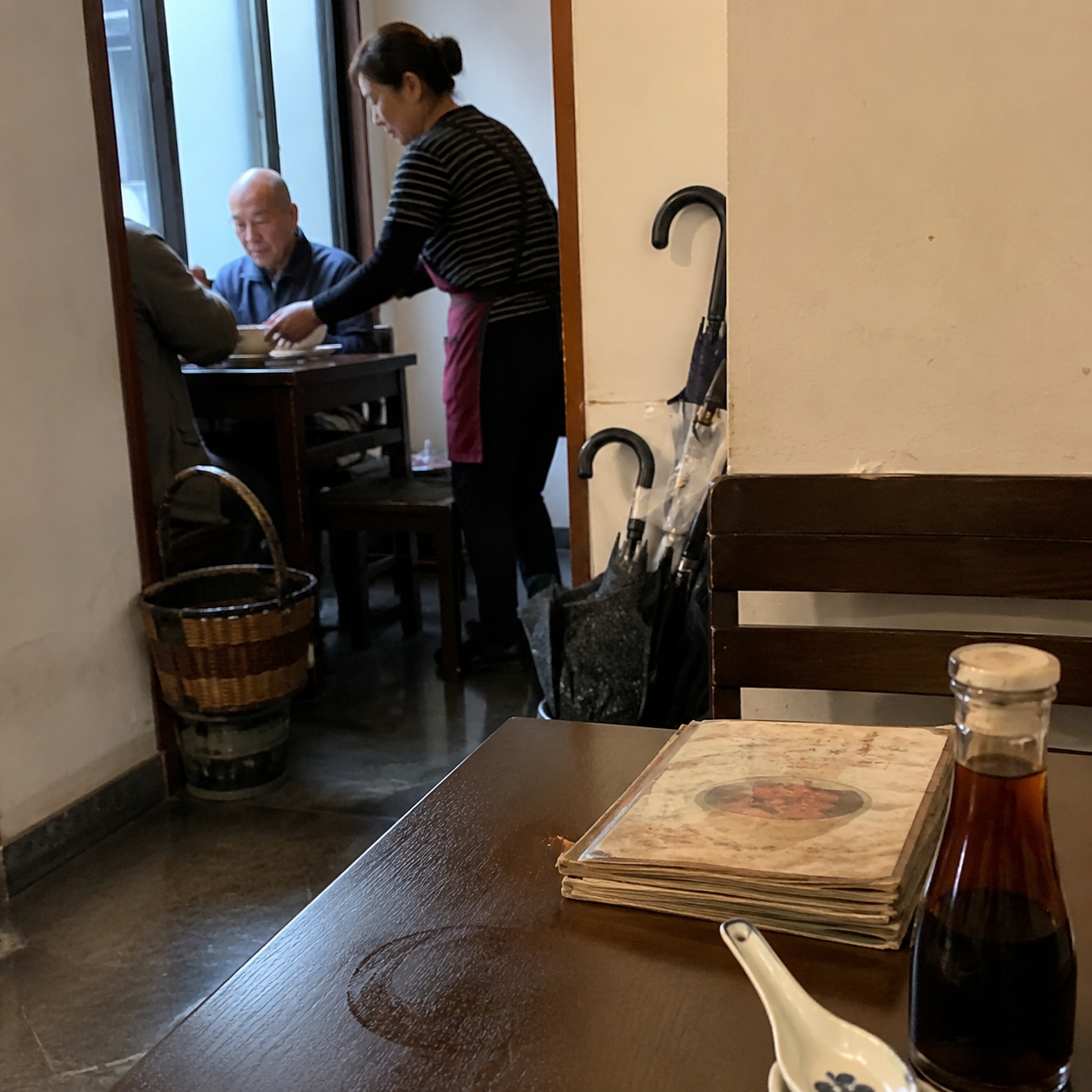
我推门进去时,老板娘正把一碗汤端给靠窗的老先生。她抬头看我一眼,指了指角落里仅剩的一张小桌,像招呼熟人一样说:“坐那儿,暖和些。”我把伞靠在墙边,坐下后发现桌面有浅浅的茶渍,旁边放着一小瓶醋、一只瓷勺和一叠被用旧了的菜单。
When I pushed the door open, the woman who ran the place was carrying a bowl of soup to an old gentleman by the window. She glanced up, pointed at the only small table left in the corner, and told me to sit there because it was warmer. I leaned my umbrella against the wall and noticed tea stains on the tabletop, a small bottle of vinegar, a porcelain spoon, and a stack of worn menus.
菜单上的菜名对我来说并不难读,可我不知道该怎么点。旁边一桌坐着一对母女,女儿把书包放在膝盖上,母亲对老板娘说:“青菜清淡一点,汤也不要太咸。”老板娘没有重复确认,只答了一声“晓得”,转身就进了厨房。那一刻我以为清淡就是少油少盐,接近没有味道。
The dish names on the menu were not hard for me to read, but I still did not know how to order. At the next table, a mother and daughter sat with the daughter’s schoolbag on her knees. The mother told the owner, “Make the greens a little lighter, and the soup not too salty.” The owner simply answered that she knew. I assumed “lighter” meant less oil, less salt, and almost no flavor.
我点了青菜、番茄蛋汤和一份小炒笋片,语气里带着模仿邻桌的自信,也说了一句:“清淡一点。”老板娘从厨房门口探出头,笑着问:“你吃得惯吗?”我一时不知道该怎么回答,只好说:“想试试杭州的味道。”她点点头,说:“那就不是没味道,是给你留点味道。”
I ordered greens, tomato egg soup, and a small plate of stir-fried bamboo shoots. Copying the confidence of the nearby table, I also said, “A little lighter.” The owner leaned out from the kitchen and asked with a smile, “Are you used to that?” I did not know how to answer, so I said I wanted to try the taste of Hangzhou. She nodded and said, “That does not mean tasteless. It means leaving some flavor for you.”
这句话让我停了一下。以前我在旅行中遇到“地方味道”,常以为它应该强烈、醒目、像一张照片里最亮的颜色。杭州小馆里的“清淡一点”却像窗外的雨,细密地落下来,不急着证明自己。我开始听厨房里的动静,锅里的水声、油落下去的轻响、老板娘喊伙计拿葱的声音,都显得有节奏。
That sentence made me pause. When traveling, I used to think local flavor should be strong, obvious, like the brightest color in a photograph. But “a little lighter” in this Hangzhou eatery felt like the rain outside, falling finely without trying to prove itself. I listened to the kitchen: water in the pan, the quiet sound of oil, the owner calling for scallions, all with a steady rhythm.
先上来的是番茄蛋汤。碗很普通,白瓷边缘有一点磕痕,汤面浮着薄薄的蛋花,番茄没有煮到完全散开,还保留着一点红色的轮廓。我用勺子喝第一口时,舌头本来准备寻找盐味,却先碰到番茄的酸甜和蛋的软香,后面才有一点点咸。
The tomato egg soup came first. The bowl was plain, with a tiny chip on the white porcelain rim. Thin ribbons of egg floated on the surface, and the tomato had not been cooked until it disappeared; it still held a red outline. When I took the first spoonful, my tongue was ready to search for salt, but it met tomato sweetness and sourness first, then the softness of egg, and only after that a little salt.
我抬头看老板娘,她正给另一桌添饭。她似乎看出我在判断这碗汤,隔着两张桌子问:“淡不淡?”我说:“不淡。”她笑了笑:“那就对了。清淡不是水,是不把东西压住。”邻桌的母亲也转过头,像是在帮我上课,说:“杭州人吃汤,先喝得到菜的气味。”
I looked up at the owner, who was adding rice for another table. She seemed to see me judging the soup and asked across two tables, “Too light?” I said, “Not light.” She smiled. “Good. Light does not mean water. It means not covering the ingredients.” The mother at the next table turned slightly and added, as if helping teach me, “In Hangzhou soup, you should first taste the scent of the food.”
那位母亲说完又低头给女儿夹菜,动作很自然。我忽然意识到,自己坐在这里不是旁观一个表演,而是被短暂地放进一套日常秩序里。雨天、午饭、孩子放学、老人慢慢喝汤、老板娘记得每个人的口味,这些细节比菜单上的介绍更像一座城市。
After saying that, the mother lowered her head and placed greens into her daughter’s bowl. The movement was ordinary and natural. I suddenly realized I was not watching a performance; I had been briefly placed inside a daily order. Rainy weather, lunch, a child after school, an old man slowly drinking soup, the owner remembering tastes—these details felt more like a city than any menu description.
青菜端上来时,我更明白她们说的意思。菜叶颜色亮,梗还带着清脆,盘底只有一层浅浅的汤汁,不像我在别处见过的那样被浓酱包住。我夹起一根菜梗,入口时先是脆,然后是轻微的甜,最后有一点蒜香从后面追上来,像有人轻轻拍了一下肩膀。
When the greens arrived, I understood them better. The leaves were bright, the stems still crisp, and only a shallow layer of cooking liquid sat at the bottom of the plate. They were not wrapped in thick sauce like vegetables I had eaten elsewhere. I picked up a stem: first crispness, then a small sweetness, and finally a bit of garlic from behind, like someone tapping my shoulder gently.
老板娘把小炒笋片放下时,对我说:“这个你慢点吃,笋有自己的鲜。”我照做了,没有马上配饭,也没有急着找辣椒。笋片薄得透光,边缘带一点淡黄,咬下去有竹林似的清香。我以前会觉得这样的菜不够热闹,可那天我竟然愿意等它慢慢显出来。
When the owner set down the bamboo shoots, she told me to eat them slowly because bamboo shoots had their own freshness. I followed her advice. I did not immediately mix them with rice or look for chili. The slices were thin enough to let light through, pale yellow at the edges, and carried a clean scent like a bamboo grove. I once would have found such a dish too quiet, but that day I was willing to wait for it to appear.
邻桌的女儿偷偷看我使用筷子,可能是觉得我的动作太谨慎。她母亲发现后轻声提醒她别盯着客人看,可老板娘笑着说:“让他学学嘛,外国朋友吃得很认真。”我有点不好意思,却也因此放松下来。我问她们,汤是不是一定要先喝,母亲说:“也不一定,先闻一下就好。”
The daughter at the next table secretly watched how I used my chopsticks, probably because my movements were too careful. Her mother told her not to stare, but the owner laughed and said, “Let him learn. Our foreign friend is eating seriously.” I felt embarrassed, but it also relaxed me. I asked whether soup must always be drunk first. The mother said, “Not always. Just smell it first.”
我于是把汤碗靠近一点,没有急着舀,先让热气碰到脸。番茄的气味、蛋的气味、葱花的气味混在一起,比入口更早告诉我这碗汤的性格。那一瞬间我想到自己在许多城市里都太急了,急着比较,急着总结,急着把每顿饭变成一句结论。
So I moved the soup bowl closer and did not scoop immediately. I let the steam touch my face first. The smell of tomato, egg, and scallion came together, telling me the soup’s character before I tasted it. At that moment I thought about how rushed I had been in many cities: rushing to compare, rushing to summarize, rushing to turn every meal into a conclusion.
小馆外面有外卖骑手停下,雨衣上的水滴落在门口地砖上。他把头探进来问有没有两份青菜饭,老板娘说马上好,又回头提醒厨房少放盐。她不是为我一个人改变做法,而是在不断根据每个客人的身体、天气和心情调整。清淡在这里不是一种固定配方,更像是一种照顾人的方式。
Outside the eatery, a delivery rider stopped, rain dripping from his coat onto the tiles. He leaned in and asked if two orders of greens with rice were ready. The owner said soon, then turned back to remind the kitchen to use less salt. She was not changing the cooking only for me; she was constantly adjusting for each person’s body, the weather, and the mood. Lightness here was not a fixed recipe, but a way of taking care of people.
吃到一半时,老先生把空碗推到桌边,对老板娘说今天汤不错。老板娘回他:“今天番茄好。”这句回答让我喜欢。她没有把功劳揽到自己身上,而是把味道还给食材。我看着自己盘里的青菜,忽然觉得“好吃”也可以是一种很安静的判断,不一定要让人惊讶。
Halfway through my meal, the old gentleman pushed his empty bowl to the edge of the table and told the owner that the soup was good today. She replied, “The tomatoes are good today.” I liked that answer. She did not take all the credit; she returned the flavor to the ingredient. Looking at the greens on my plate, I realized deliciousness could be a quiet judgment and did not always need to surprise me.
我问老板娘,杭州人是不是都喜欢清淡。她把账本放在柜台上,说:“也不是。有人爱辣,有人爱甜,有人胃不好,有人今天累。你不能只记一个词。”她说这话时没有讲大道理的姿态,只像是在告诉我别把城市看扁。一个词能带我进门,却不能替我吃完一顿饭。
I asked the owner whether people in Hangzhou all liked light food. She put her account book on the counter and said, “Not exactly. Some like spice, some like sweetness, some have weak stomachs, some are tired today. You cannot remember only one word.” She did not sound like she was giving a lecture. She was simply telling me not to flatten a city. One phrase could bring me through the door, but it could not eat the meal for me.
这让我想起刚到中国时,我常把口味当成地图上的颜色:四川辣,广东鲜,杭州清淡。这样的分类帮我开始理解,却也容易让我停止观察。真正坐进小馆之后,我才发现“清淡一点”要看对谁说、在什么天气说、配什么菜说,甚至要看端菜的人有没有多问一句。
That reminded me of when I first arrived in China. I often treated flavors like colors on a map: Sichuan spicy, Guangdong fresh, Hangzhou light. Such labels helped me begin, but they also tempted me to stop observing. Only after sitting in a small eatery did I see that “a little lighter” depends on who says it, in what weather, with which dish, and even whether the person serving asks one more question.
饭快吃完时,女儿的作业本从书包里滑出来,掉在地上。我帮她捡起,她用英语对我说了声谢谢,发音认真得像课堂练习。她母亲笑着问我从哪里来,又问我是不是第一次来杭州。我说不是第一次,却像第一次坐下来吃得这么慢。她说:“慢一点,味道才跟得上。”
Near the end of the meal, the daughter’s homework notebook slipped from her schoolbag and fell to the floor. I picked it up for her, and she thanked me in English, pronouncing the words carefully like a classroom exercise. Her mother asked where I came from and whether it was my first time in Hangzhou. I said it was not my first time, but it felt like my first time sitting down and eating this slowly. She said, “Slow down, and the flavor can catch up.”
我没有把这句话写进任何旅游清单,却在之后的几天里一直记着。走过河坊街时,我没有只看招牌;在茶馆里,我没有急着评价茶香;再经过西湖边的小路时,我注意到老人怎样把伞收好,店员怎样把湿脚垫换到门外。城市开始从响亮的景点变成许多轻声的动作。
I did not write that sentence into any travel checklist, but I kept remembering it over the next few days. Walking through Hefang Street, I did not only look at signs. In a teahouse, I did not rush to judge the aroma. Passing a path near West Lake, I noticed how an old man folded his umbrella and how a shop worker moved a wet mat outside. The city began to change from loud attractions into many quiet gestures.
第二天傍晚,我又回到那条巷子。雨已经停了,门口的地砖干了一半,小馆里换成几桌下班的人。我站在门口犹豫,老板娘认出我,说:“今天还清淡一点?”我点头,她又问:“汤要不要多放点葱?”这一次我没有急着说随便,而是想了想,说:“要一点。”
The next evening, I returned to the same lane. The rain had stopped, and the tiles outside were half dry. Inside the eatery, the lunch crowd had been replaced by people after work. I hesitated at the door, and the owner recognized me. “A little lighter again today?” she asked. I nodded. Then she asked whether I wanted more scallion in the soup. This time I did not say whatever. I thought for a moment and said, “A little.”
那一小点葱花让我觉得自己终于参与了这顿饭,而不是只接受安排。汤端来后,葱香确实更明显,却没有抢走番茄和蛋的位置。我像昨天学到的那样先闻,再喝,再吃青菜。老板娘从柜台后看我一眼,没有说话,但她的表情像是确认我已经懂了一点门道。
That small amount of scallion made me feel I was finally participating in the meal rather than only receiving it. When the soup arrived, the scallion was indeed clearer, but it did not steal space from the tomato and egg. As I had learned the day before, I smelled first, then drank, then ate the greens. The owner looked at me from behind the counter without speaking, but her expression seemed to confirm that I had understood a little.
我在杭州学到的不是一个万能点菜公式。要是我把“清淡一点”带到每个地方硬套,它很快就会变成新的误会。真正有用的是那种姿势:把声音放低一点,把判断放慢一点,让老板娘、邻桌、汤碗和蔬菜一起解释它们自己。旅行里难得的不是知道答案,而是愿意让答案晚一点出现。
What I learned in Hangzhou was not a universal ordering formula. If I carried “a little lighter” everywhere and forced it onto every meal, it would quickly become another misunderstanding. What mattered was the posture: lowering my voice, slowing my judgment, letting the owner, the neighboring table, the soup bowl, and the vegetables explain themselves together. In travel, the rare thing is not knowing the answer, but allowing it to arrive later.
离开小馆时,老板娘把我的伞递给我,说外面石板路还滑。我走出门,巷子里有刚洗过的青菜味,也有潮湿木门的气味。回头看,窗上的热气又把里面的人影糊成一片。那句“清淡一点”没有停在菜单上,它留在那碗汤的热气里,也留在我慢慢走回雨后杭州的脚步里。
When I left the eatery, the owner handed me my umbrella and warned me that the stone path outside was still slippery. I stepped into the lane, where the air smelled of freshly washed greens and damp wooden doors. Looking back, steam on the window blurred the people inside again. The phrase “a little lighter” did not remain on the menu. It stayed in the steam of that soup, and in my slow steps back into Hangzhou after the rain.

- 中国丝绸制品 | Silk Products from China
- 面子、关系与人情:读懂中国社会的三把钥匙 | Face, Guanxi & Renqing: Three Keys to Understanding Chinese Society
- 中国货币与支付指南 | China Currency and Payment Guide
- 十一月最适合旅游的城市 | Best Chinese Cities to Visit in November
- 在社区修理铺门口等十分钟,我才明白中国人为什么总说“先看看能不能修” | Waiting Ten Minutes Outside a Neighborhood Repair Shop, I Finally Understood Why People in China Always Say, “Let’s See If It Can Be Fixed First”
- 宁波老街傍晚亮灯的时候,桥边的人情味比河面更深 | At Dusk on Ningbo’s Old Street, the Human Warmth Ran Deeper Than the Canal
- 皮蛋:一颗被误解的中国蛋 | Century Egg: China's Most Misunderstood Delicacy
- 中国地理概览 | China Geographic Overview
- 南昌第一碗拌粉还没吃完,我就先看懂了这座城路口的脾气 | Before Finishing My First Bowl of Rice Noodles in Nanchang, I Had Already Read the Temper of Its Crossings
- 中国茶叶选购:龙井普洱铁观音怎么挑 | Buying Chinese Tea: Longjing, Pu'er & Tieguanyin
Comments (0)