
在潮州把一日三餐走成一条街巷路线 | Eating Through Chaozhou, One Lane at a Time
在潮州把一日三餐走成一条街巷路线 | Eating Through Chaozhou, One Lane at a Time
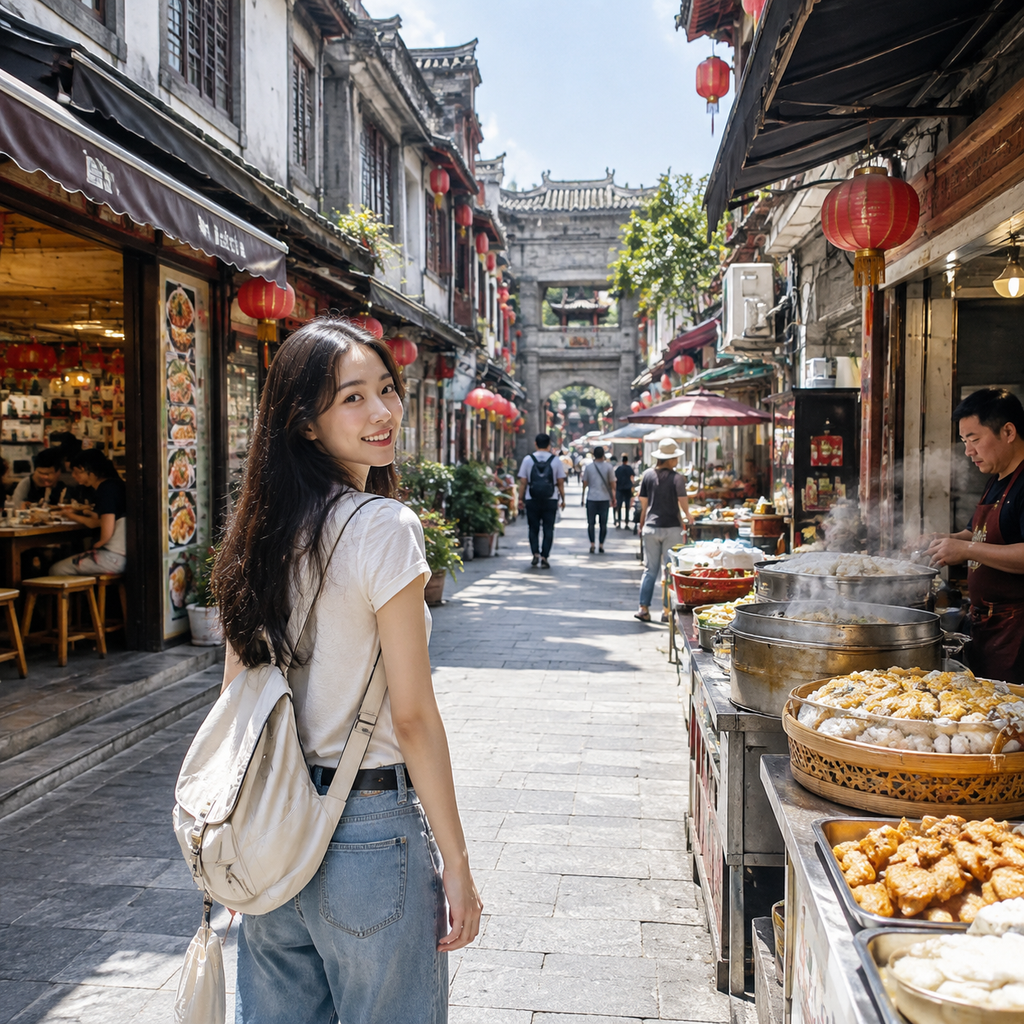
清晨六点四十分,我从牌坊街旁的一间小客栈出来,卷闸门才抬到一半,扫帚刮过石板的沙沙声先把巷子叫醒。昨夜的潮气还贴在墙脚,灰蓝天光从骑楼之间落下来,把卖菜人的红色塑料袋照得很亮。一个骑电动车送豆腐的男人侧身穿过窄口,车尾木箱轻轻磕着,留下短促的豆香。我原本把早餐店记成地图上的一个点,走进这片刚醒的街巷才发现,潮州人的早晨不是去某一家店,而是跟着蒸汽、锅铲声和端碗的人慢慢拐弯。
At 6:40 in the morning, I stepped out of a small guesthouse beside Paifang Street. Shop shutters were only halfway up, and the rasp of brooms over stone slabs seemed to wake the lanes before anything else did. Dampness from the night still clung to the base of the walls. Gray-blue light slipped between the arcades and made the vegetable sellers’ red plastic bags glow. A man delivering tofu eased his electric bike through a narrow opening; the wooden box at the back knocked softly and left a brief trail of soybean fragrance. I had marked breakfast as a pin on a map, but in these waking streets I realized that a Chaozhou morning was not about reaching one shop. It was about turning corners behind steam, spatula beats, and people carrying bowls.
转过开元路附近的小巷,我被一口宽锅拦住了。乳白色米浆沿锅边摊开,老板用竹片一揭一折,薄皮里裹进鸡蛋、豆芽和肉末,再淋一勺颜色很深的卤汁。我听见前面的人说“加粿”,以为“粿”就是这张粉皮,轮到我便指着锅,认真地说要一份“粿,多加粿”。老板的手停在半空,排在后面的短发阿姨先笑了:“你要的是粿条,还是要多一块粿?”我听得更糊涂,只好承认自己把菜单上的粿汁、粿条和肠粉全当成了同一种东西。尴尬并不尖锐,倒像热气扑到眼镜上,四周都变得软了一点。
Near a side lane off Kaiyuan Road, a broad pan stopped me in my tracks. Milky rice batter spread around its rim while the owner lifted and folded the thin sheet with a bamboo scraper, wrapping egg, bean sprouts, and minced pork inside before pouring over a spoonful of dark braising sauce. I heard the customer ahead say something about adding guo, and assumed the word meant the rice sheet itself. When my turn came, I pointed at the pan and earnestly asked for “one guo, with extra guo.” The owner froze mid-motion. A short-haired auntie behind me laughed first: “Do you mean rice noodles, or an extra rice cake?” I became even more confused and admitted that I had treated guo zhi, guo tiao, and rice rolls as if they were the same dish. The embarrassment was not sharp; it was more like steam clouding my glasses, softening everyone around me.
那位阿姨没有替我直接做决定。她把手里的菜篮往脚边一放,先指锅里的薄皮,说这是肠粉;又指向隔壁炉上咕嘟冒泡的褐色汤锅,说那边才是粿汁,碗里有切成三角的小粿片,配卤蛋、豆干或猪杂。她问我早上能不能吃内脏。我下意识摇头,她却不急着劝,只让老板切半只卤蛋、两块豆干,再放一点粉肠给我试味。“不喜欢就留着,先别点大碗。”她说完把菜篮重新提起,却站在桌边等我第一口。这个陌生人没有给我上课,只把一次可能点错、吃撑的早餐,推成了一次可以反悔的小尝试。
The auntie did not make the choice for me. She set her vegetable basket beside her feet and first pointed to the thin sheet in the pan: that was a rice roll. Then she pointed to the brown broth bubbling on the neighboring stove: that was guo zhi, made with small triangular rice sheets and served with braised egg, tofu, or pork offal. She asked whether I could handle offal in the morning. I shook my head instinctively, but she did not press me. Instead, she told the owner to add half a braised egg, two pieces of tofu, and just a little pork intestine for me to taste. “Leave it if you don’t like it. Don’t order a large bowl yet,” she said. She lifted her basket again but remained beside the table to see my first bite. This stranger did not give me a lecture; she simply turned a breakfast that might have been a costly, overfilling mistake into a small experiment I was allowed to abandon.
粿汁入口比颜色温和得多。汤看着浓黑,舌尖先碰到的却是米香和微微的甘,随后才有卤水里的八角气息从鼻腔往上走。粿片不是面条那样弹,而是软中带滑,边角吸饱汤后贴在勺背上;豆干外层咸香,里面仍有细小孔洞蓄着热汁。我迟疑着咬下那截粉肠,外皮略韧,内里却柔软,胡椒和蒜香把内脏味压得很低。阿姨看见我没有放回碗里,只点点头:“这就会吃了。”老板随手把半勺汤添进来,我才明白这句话不是夸我大胆,而是提醒我别急着给陌生味道下结论。
The guo zhi tasted far gentler than its color suggested. The broth looked almost black, yet the first notes on my tongue were rice and a faint sweetness; only afterward did star anise from the braising liquid rise into my nose. The rice sheets had none of a noodle’s bounce. They were soft and slippery, their broth-soaked corners clinging to the back of the spoon. The tofu was savory outside, while its tiny inner holes held bursts of hot liquid. I hesitated before biting the piece of intestine. Its casing had a slight resistance, but the center was tender, and pepper and garlic kept the stronger flavor low. When the auntie saw that I did not return it to the bowl, she nodded. “Now you know how to eat it.” The owner casually added half a ladle of broth. Only then did I understand that she was not praising bravery; she was telling me not to judge an unfamiliar flavor too quickly.
碗见底时,街上的声音已经厚起来。老板把几枚湿漉漉的硬币推回抽屉,我用勺子刮起最后一片粿,才发现早餐最难处理的不是陌生食材,而是“每样都想尝”的贪心。短发阿姨临走前敲了敲我的桌角,问我午饭准备吃什么。我脱口说牛肉丸、蚝烙、卤鹅都要,她皱着眉替我算了一遍胃口:“早上已经有卤味,中午还全点重的,走不到两条街就饱。”她让我先把午餐推迟一点,沿西马路慢慢走,看见真正想吃的再决定。我把原本存在手机里的长菜单关掉,喝了两口温茶。茶水冲淡唇边的卤香,胃里却还留着胡椒的暖意。
By the time the bowl was empty, the street had grown louder and fuller. The owner slid several damp coins back into a drawer, while I scraped up the final rice sheet with my spoon and realized that the hardest part of breakfast was not unfamiliar ingredients but the greed of wanting to taste everything. Before leaving, the short-haired auntie tapped the corner of my table and asked what I planned to eat for lunch. I blurted out beef balls, oyster omelet, and braised goose. She frowned and calculated my appetite for me: “You have already had braised food this morning. Order all those heavy dishes at noon and you will be full before walking two streets.” She told me to delay lunch, stroll toward Xima Road, and decide only when I saw what I truly wanted. I closed the long food list saved on my phone and drank two mouthfuls of warm tea. It washed the braised savor from my lips, though pepper still glowed gently in my stomach.
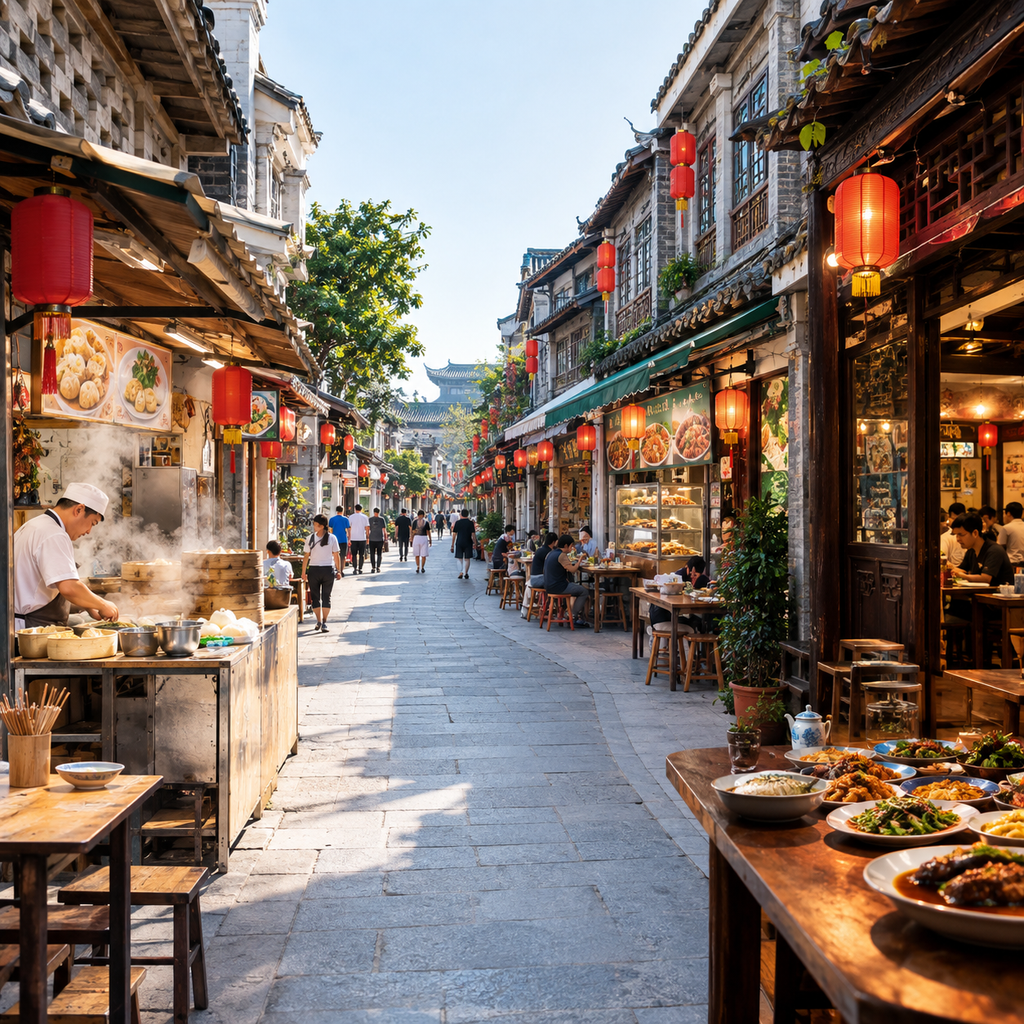
离开摊子,我没有立刻回到牌坊街的正中,而是钻进一条只能容两辆自行车错身的小巷。石板被清晨的水洗得发暗,鞋底踩过时有一点凉滑;门槛后有人切菜,刀锋落在砧板上,节奏比街口的摩托声稳。同行的安娜总想举起相机,一位端着脸盆出来的奶奶却笑着摆手,先让我们靠墙,说送煤气的三轮车要过。车身擦着屋檐下晾晒的衣服慢慢挤过去,司机抬下巴向我们道谢。安娜收起镜头,小声说这里看着安静,实际每一尺路都在工作。我也开始不再只盯门楼和雕花,而会先听身后的车铃,再看脚边排水沟和突然打开的木门。
Instead of returning immediately to the center of Paifang Street, I slipped into a lane barely wide enough for two bicycles to pass. Morning water had darkened the stone paving, which felt cool and slightly slick beneath my shoes. Someone chopped vegetables beyond a doorway, the blade striking the block in a rhythm steadier than the motorbikes at the intersection. Anna, my companion, kept wanting to raise her camera, but a grandmother emerging with a washbasin smiled and waved us against the wall because a gas-delivery tricycle needed to pass. It squeezed through slowly, brushing close to clothes drying under the eaves, and the driver lifted his chin in thanks. Anna lowered her camera and whispered that the lane looked quiet although every foot of it was at work. I, too, stopped staring only at gateways and carvings. I began listening for bicycle bells behind me and watching the drain by my feet and the wooden doors that might suddenly swing open.
走到一处转角,甜香从半掩的木门里漏出来,比招牌先留住我们。门内不是点心铺,而是一张矮茶桌,桌面被热水浇得发亮。店主阿城正在给两位邻居冲工夫茶,见我们探头,只问了一句:“刚吃完吧?先坐,别急着买茶。”他用沸水绕着小壶淋了一圈,盖碗与杯子碰出清脆的轻响,随后把第一巡茶分进三只小杯。杯子比我拇指粗不了多少,我却差点像喝咖啡那样含着慢慢抿。阿城抬手示意先闻杯沿,再分两口咽下。焙火香先像烤坚果,茶汤贴过舌面后才翻出一点熟果的甜,刚才残留的蒜味也被收得干净。
At a corner, a sweet fragrance escaped through a half-closed wooden door and stopped us before any sign could. Inside was not a pastry shop but a low tea table polished by repeated rinses of hot water. The owner, Ah Cheng, was preparing gongfu tea for two neighbors. When he saw us peering in, he asked only, “You have just eaten, haven’t you? Sit first. There is no hurry to buy tea.” He poured boiling water around the small pot, making the gaiwan and cups answer with bright, delicate clicks, then divided the first infusion among three tiny cups. Mine was scarcely wider than my thumb, yet I almost nursed it as slowly as coffee. Ah Cheng raised a hand, signaling me to smell the rim first and swallow the tea in two sips. The roast aroma arrived like toasted nuts; only after the liquor crossed my tongue did a ripe-fruit sweetness unfold, neatly gathering up the last trace of garlic from breakfast.
第二巡茶更亮,苦意在舌根只停了一瞬,回甘却拖得很长。安娜问工夫茶是不是必须把动作做得如此讲究,阿城没有谈规矩,只把公道杯稍微倾斜,让我们看茶汤颜色:“动作是为了每杯差不多,不是为了表演。”他说话时仍盯着出汤速度,手腕一收,最后一滴恰好断在壶嘴。我试着替大家斟下一轮,第一杯倒得太满,第三杯只剩浅浅一层。邻座叔叔把三杯重新并拢,让我轮流点着添,不笑我手笨。等三只杯子的颜色终于接近,安娜碰了碰我的杯沿:“这回谁都不用客气地说自己不渴。”桌边的人都笑了,茶也从一项“必须体验的文化”变成了共同分匀的一口热汤。
The second infusion was brighter. Bitterness paused at the root of my tongue for only a moment, while the returning sweetness lingered. Anna asked whether gongfu tea truly required such careful movements. Ah Cheng offered no speech about rules; he merely tilted the fairness pitcher so we could see the color. “The movements make each cup nearly equal. They are not a performance.” Even while speaking, he watched the flow, drawing his wrist back so the final drop broke cleanly at the spout. I tried pouring the next round. The first cup was too full, and the third received only a shallow layer. An uncle beside us lined all three cups together and showed me how to top them up in rotation, without laughing at my clumsy hand. When their colors finally matched, Anna tapped the rim of my cup. “Now nobody has to be polite and claim they aren’t thirsty.” Everyone laughed, and tea ceased to be a cultural item we were obliged to experience. It became one warm mouthful divided fairly among us.
快到十一点,我们向阿城道谢,重新走进已经晒暖的街面。早餐的饱胀退了一些,茶却把味觉提得很清楚:经过炸物摊,我能闻见旧油的厚重;路过切鹅案板,卤水的甜咸又很诱人。安娜盯着一盘刚起锅的蚝烙,我则被斜对面清汤里浮着的牛肉丸吸引,两个人都差点当场坐下。我们想起阿姨的话,先站在阴影里商量,不按名气点,也不把两份主菜各点一整盘。午餐真正的问题不是哪样最有名,而是哪两种口感放在一起仍吃得出差别。蚝烙边缘焦脆、中心湿润,适合两人分一小份;牛肉丸弹性强,清汤又能把口腔重新收拾干净。至于卤鹅,早晨已经尝过卤香,就留到晚上。
Near eleven, we thanked Ah Cheng and returned to streets now warmed by the sun. The heaviness of breakfast had eased, while the tea had sharpened our senses. At a fried-food stall I could smell the weight of well-used oil; beside a chopping board of goose, the sweet-salty braising liquor tempted me all over again. Anna stared at an oyster omelet fresh from the pan, while I was drawn to beef balls floating in clear broth across the lane. We nearly sat down on the spot. Remembering the auntie’s advice, we first stepped into the shade to discuss the order. We would not choose by fame, nor order a full main dish for each of us. The real lunch question was not which item was most celebrated, but which two textures would remain distinct together. The oyster omelet had crisp edges and a moist center, so we could share a small portion; the beef balls offered springy resistance, and their clear broth could reset the mouth. Braised goose could wait until evening, because breakfast had already introduced us to that family of flavors.
店门口的服务员拿着油笔等我们,安娜用刚学会的方式先问“小份够不够两个人尝”,我接着说明牛肉丸汤只要一碗、拿两个小碗分。服务员看看我们,又看看还没完全消下去的肚子,干脆把蚝烙从大份改成小份,并提醒沙茶酱先蘸一点,觉得甜辣合适再加。我们没有因为少点一道菜而觉得错过潮州,反而在落座前就知道这一餐会怎么吃:先咬一角蚝烙听脆响,再夹起牛肉丸,让热汤把油香送下去。厨房里铁铲已经碰上锅沿,安娜把手机菜单倒扣在桌上。她说:“这次不是菜单替我们决定。”我摸了摸仍带茶香的杯口,听见油锅骤然响起,午餐还没端来,点单却已经有了分寸。
A server waited at the entrance with a grease pencil. Using what we had just learned, Anna first asked whether a small portion would be enough for two people to taste. I added that we wanted only one bowl of beef-ball soup, with two smaller bowls for sharing. The server looked at us, then at our stomachs, which clearly had not forgotten breakfast, and changed the oyster omelet from large to small. She also advised us to dip only a little satay sauce at first and add more if its sweet heat suited us. Ordering one dish less did not make us feel that we had missed Chaozhou. Before sitting down, we already understood the sequence of the meal: bite a corner of omelet and hear it crackle, then lift a beef ball and let the hot broth carry the oiliness away. In the kitchen, a metal spatula struck the wok. Anna turned her phone face down on the table. “This time the menu isn’t deciding for us,” she said. I touched the rim of a cup still scented with tea and heard the oil erupt behind the counter. Lunch had not arrived, but our order already had a sense of proportion.
蚝烙先上桌,圆边被煎成琥珀色,铲子从盘底抽走时还发出细碎的脆响。安娜伸筷太快,被升起的热气逼得往后一仰;服务员笑着把一只空碟推到她面前,让她先拨开一角散热。我夹起带蚝肉的焦边,外壳在齿间裂开,里面的薯粉却软黏,芹菜末的清气从油香里钻出来。牛肉丸汤随后端到,我们各舀两颗,没有再加粿条。安娜把第四块蚝烙夹到我碗边,我摇头,又推回盘子中央:“先等五分钟。”这一次,停筷不是客气,而是给胃口留出回答的时间。
The oyster omelet arrived first, its round edge fried amber. When the spatula slid out from beneath it, the crust still made a scatter of tiny crackles. Anna reached too quickly and recoiled from the rising steam; laughing, the server pushed an empty plate toward her and told her to separate a corner so it could cool. I lifted a crisp piece holding an oyster. The shell-like edge broke between my teeth, while the sweet-potato starch inside remained soft and sticky, with chopped celery cutting through the oil. Beef-ball soup followed. We took two balls each and resisted adding rice noodles. When Anna placed a fourth piece of omelet beside my bowl, I shook my head and returned it to the center. “Let’s wait five minutes.” This time, setting down our chopsticks was not politeness. It was a way of giving our appetites time to answer.
五分钟后,那盘蚝烙还剩两角,我们却都已不饿。过去旅行时,我会把“吃完”当成对厨师的尊重,最后扶着桌沿起身;这回我们请服务员打包,她利落地折好纸盒,又把沙茶酱另装进小袋,提醒别闷太久。结账后,安娜拎着纸袋,我把水瓶塞进背包侧袋,两人没有马上寻找甜汤,而是沿牌坊街往北慢走。正午的光贴着石牌坊的横梁落下,金漆字被照得发亮,电动车铃声从游客身后穿过。我们每经过一块小吃招牌,就只说闻到了什么,不再把它立刻变成下一张订单。
Five minutes later, two corners of omelet remained, yet neither of us was hungry. On earlier trips, I had treated finishing everything as respect for the cook and ended up pushing myself upright by the edge of the table. This time we asked the server to pack the rest. She folded the carton briskly, put the satay sauce in a separate little bag, and warned us not to keep the hot food sealed too long. After paying, Anna carried the paper bag while I tucked our water bottle into the side of my backpack. Instead of immediately hunting for a sweet soup, we walked north along Paifang Street. Noon light ran across the beams of the memorial arches, making the gilded characters gleam, while electric-bike bells threaded through the visitors. At each snack sign, we merely named what we could smell rather than turning it at once into another order.
走到一座牌坊下,安娜后退两步想把飞檐收进画面,差点碰到推婴儿车的年轻父亲。我拉住她的背包带,她立刻侧身让路并道歉。那位父亲没有停下,只指了指路边较宽的骑楼,说从那里拍更安全。我们移过去,才看清街道不只是一排供人仰望的牌坊:修鞋师傅低头穿线,送水工把桶滚过门槛,学生举着冰饮躲进阴影。牌坊把历史抬在高处,日常却从它脚下不断通过。安娜蹲下调整镜头,我在旁边替她看车;拍完后她没有检查十遍照片,而是把相机挂回胸前,接过打包袋继续走。
Beneath one arch, Anna stepped backward to fit the upturned eaves into her frame and nearly collided with a young father pushing a stroller. I caught her backpack strap; she immediately turned sideways, made room, and apologized. The father kept moving but pointed toward the broader arcade, suggesting it as a safer place to take the photograph. From there, we finally saw that the street was more than a row of arches meant for upward gazing. A cobbler bent over his thread, a water delivery worker rolled a bottle across a threshold, and students carrying iced drinks slipped into the shade. The arches held history overhead, while ordinary life kept passing beneath their feet. Anna crouched to adjust her lens, and I watched for traffic beside her. Once the shot was taken, she did not inspect it ten times. She hung the camera against her chest, took back the food bag, and kept walking.
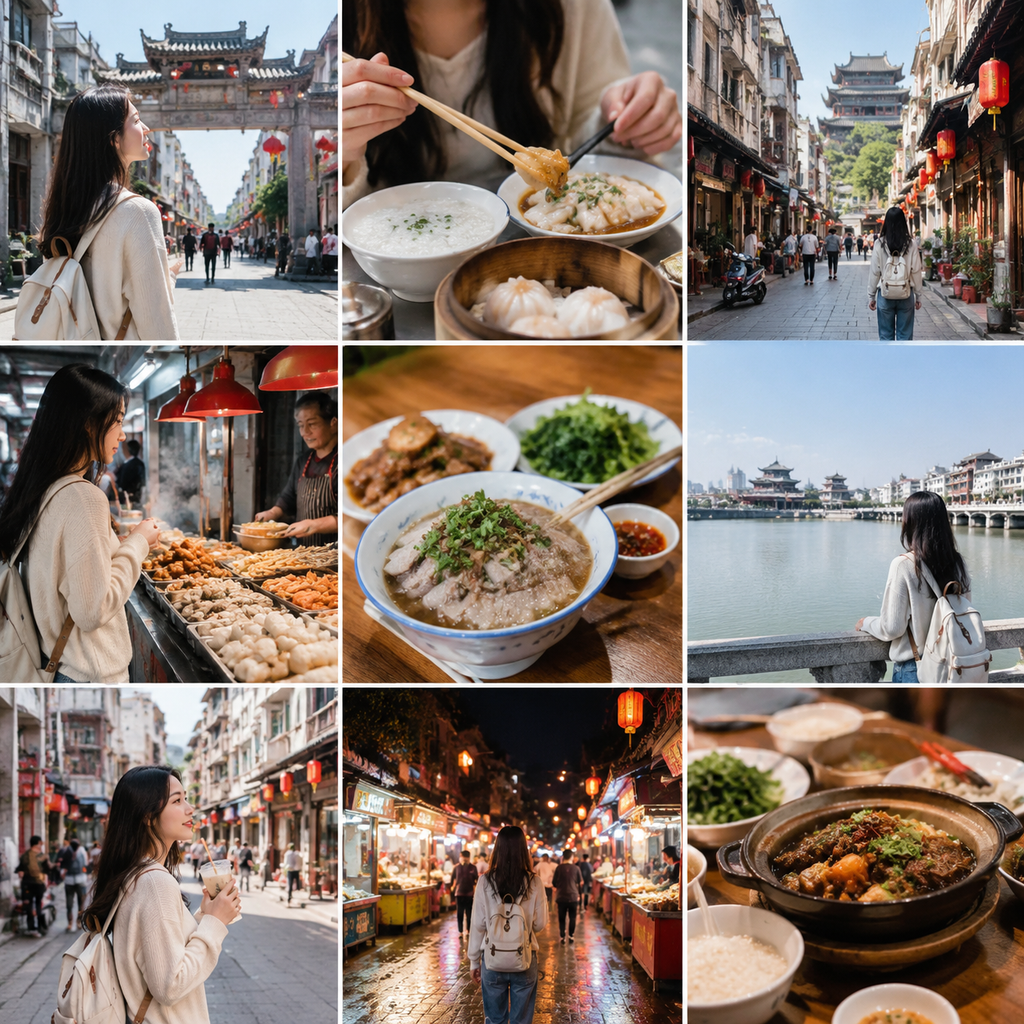
下午一点多,太阳把石板晒得发白,我们在骑楼下一张长凳坐了十分钟。安娜拆开纸盒,本想确认蚝烙是否会变软,闻到油香后又举起筷子。我按住盒盖,提议把剩下的留到傍晚,不是怕浪费,而是承认身体已经够了。她笑我终于学会“反点单”,随后只喝水。我们把下一站从甜品店改成江边散步,还约定晚上若真饿,再分一份卤鹅饭,不把白天没吃完的愿望一次补齐。风从街口吹来,纸盒边缘轻轻颤动;她用橡皮筋重新扎紧袋口,我则在地图上删掉三个小吃收藏点。
A little after one, the sun bleached the paving stones, and we sat for ten minutes on a bench under the arcade. Anna opened the carton, intending only to see whether the omelet had softened, but the smell of oil made her lift her chopsticks again. I held the lid and suggested saving it for evening—not from fear of waste, but because our bodies had already said enough. She laughed that I had finally learned “reverse ordering,” then drank only water. We replaced the dessert shop with a riverside walk and agreed that, if we were truly hungry at night, we could share one plate of braised-goose rice rather than compensate for everything we had skipped during the day. Wind entered from the intersection and fluttered the carton’s edge. She fastened the bag again with a rubber band while I deleted three snack pins from the map.
重新起身时,一位清扫落叶的阿姨正把簸箕贴着牌坊基座挪动。我们各让半步,她抬起扫帚给我们腾出窄路,安娜也顺手拎高纸袋,免得油汁碰到她的袖子。远处锅铲声仍旧密,糖葱薄饼的甜气随风追来,我却第一次没有把“不吃”理解成错过。午餐教会我们的不是克制表演,而是一套更轻松的节奏:先分小份,吃到一半停一停,能打包就带走,再用脚步确认下一次饥饿。穿过下一座牌坊时,安娜拍了拍纸袋,问晚上还要不要卤鹅。我听了听胃里的安静,只说:“到江边再决定。”我们就这样并肩走出正午最亮的一段街面。
When we stood again, a cleaner was edging her dustpan around the base of an arch. We each shifted half a step; she lifted her broom to open a narrow passage, and Anna raised the paper bag so its oily bottom would not brush the woman’s sleeve. Woks still clattered in the distance, and the sweetness of sugar-and-scallion pancakes followed us on the breeze, yet for the first time I did not interpret not eating as missing out. Lunch had not taught us to perform restraint. It had given us an easier rhythm: share small portions, pause halfway, pack what can be saved, and let walking reveal the next genuine hunger. Passing under the next arch, Anna patted the paper bag and asked whether we still wanted braised goose that evening. I listened to the quiet in my stomach and answered, “Let’s decide when we reach the river.” Side by side, we walked out of the brightest stretch of the noon street.
四点左右,我们拐进江边一条晒着萝卜干的小巷。竹匾占去半边路,咸香混着日晒后的草席味,几只橘猫伏在门槛阴影里。巷口小摊卖鸭母捻,锅里白胖的糯米团缓缓翻身,安娜立刻问能否来两碗。我先问一碗有几颗,摊主说通常五颗,听见我们晚上还要吃卤鹅,便用漏勺捞回两颗,只留三颗做一小碗,芝麻、花生和芋泥各一种。她还拿两只小瓷匙,让我们不要另分碗。安娜舀开芝麻馅,黑亮的甜浆从裂口流出来;我只吃半颗,把剩下半颗推给她,她也没有逞强,尝过芋泥便停手。摊主给碗口扣上小盖,叫我们沿路带着,凉一点反而没那么黏。
Around four, we turned into a riverside lane where sliced radish dried in bamboo trays. The trays occupied half the passage, and their salty smell mingled with sun-warmed matting while several ginger cats lay in the shade of a threshold. A stall at the entrance sold yamu nian, plump glutinous-rice dumplings rolling slowly in a pot. Anna immediately asked for two bowls. I first asked how many came in one; the vendor said five, then heard that we still planned to eat braised goose and lifted two back out with her strainer. She made us one small bowl with three fillings—sesame, peanut, and taro—and handed over two porcelain spoons so we would not need separate bowls. Anna opened the sesame dumpling, releasing a glossy black stream of filling. I ate half and nudged the rest toward her. She did not force herself either, stopping after a taste of taro. The vendor fitted a small lid over the bowl and told us to carry it along; once cooler, the dumplings would be less sticky.
傍晚的云把日头遮住后,我们从江边折回太平路。修表铺亮起一盏偏绿的灯,几个孩子追着滚动的羽毛球筒跑过骑楼,楼上晾衣杆滴下一串水珠。纸袋里的蚝烙已经凉了,我们在一处石阶边坐下,把它分着吃掉:焦边失去脆声,薯粉却更有韧劲,蘸一点分装的沙茶酱,甜辣味反而比中午清楚。安娜咬完最后一小块,把空纸盒折平塞回袋里。直到这时,我们才真正感到饿意从散步后面赶上来,不是看见招牌后的条件反射。她指着前方切鹅的灯箱问:“现在?”我点头,却先说好只点一份饭,再加一碟时蔬。
When clouds finally covered the sun, we turned back from the river toward Taiping Road. A watch-repair shop switched on a greenish lamp. Several children chased a rolling shuttlecock tube through the arcade, and a line of water drops fell from a laundry pole overhead. The remaining oyster omelet had cooled, so we sat on stone steps and shared it. Its edge no longer crackled, but the starch had grown pleasantly chewy, and a light touch of the separately packed satay sauce made the sweet heat clearer than it had been at lunch. Anna finished the final small piece and folded the empty carton flat inside the bag. Only then did hunger truly catch up with us from behind the walk; it was not the reflex caused by seeing another signboard. She pointed to the illuminated picture of chopped goose ahead. “Now?” I nodded, but first proposed one rice plate between us and a dish of greens.
卤鹅店的砧板正对街口,师傅左手压住鹅腿,厚刀落下时发出沉闷而整齐的笃笃声。我们刚坐下,店员按常规要写半只拼盘,我赶紧起身走到案边,指着两人说只要一份小拼:几片鹅肉、一点鹅肝和两块豆腐,不要鹅翅,再配一碗白饭分装。师傅抬眼问是不是怕肥,我说白天吃得杂,只想认真尝味道。他便挑了靠腿的一段,肥皮少,又把鹅肝从原本的四片减到两片。店员端来两只饭碗,各装半碗,桌上顿时不像“打卡宴席”,更像一顿终于为当下胃口定做的晚饭。
The chopping block in the braised-goose shop faced the street. The cook held a leg steady with his left hand while his heavy cleaver landed in a slow, even duk-duk. As soon as we sat, a server began writing down the usual half-goose platter. I quickly stood, went to the block, and pointed between the two of us: one small mixed plate only, with several slices of goose, a little liver, and two pieces of tofu; no wing, and one bowl of plain rice divided for us. The cook looked up and asked whether we feared the fat. I explained that we had eaten many things through the day and now wanted to taste this properly. He chose a leaner section near the leg and reduced the liver from four slices to two. The server brought two rice bowls, each half filled. The table no longer resembled a feast assembled for checkmarks; it looked like a dinner made for the appetites we actually had.
鹅肉表面覆着薄薄卤汁,灯下泛出栗色光。第一片入口,皮的胶质先贴住嘴唇,瘦肉随后散开,咸味并不猛,南姜的辛香却留在喉咙后面。鹅肝比肉浓得多,安娜吃半片便把剩下的放到我饭上;我也没有全接,分一半给旁边的热芥蓝。店员见我们一口肉配一口菜,端来一小碗清汤,说不用加单,饭后喝两口就好。汤里只有几段芹菜和胡椒,恰好把卤汁的黏润收住。隔壁桌一家人把鹅翅夹给孩子,孩子戴着一次性手套啃得满脸发亮;我们看着笑,却没有因此追加一份。
A thin coat of braising liquid gave the goose a chestnut sheen beneath the lamp. On the first bite, the gelatinous skin touched my lips before the lean meat loosened beneath it. The salt was restrained, but the peppery scent of southern ginger lingered at the back of my throat. The liver was far richer. Anna ate half a slice and placed the rest on my rice; I did not take it all, either, pairing half with hot Chinese kale. Seeing us alternate meat and greens, the server brought a small bowl of clear soup and said there was no need to add it to the order—just drink a little afterward. It held only celery stems and pepper, exactly enough to clear the braising sauce’s silky weight. At the next table, a family handed a goose wing to their child, who gnawed it in disposable gloves until his face shone. We laughed at the sight without using it as a reason to order another.
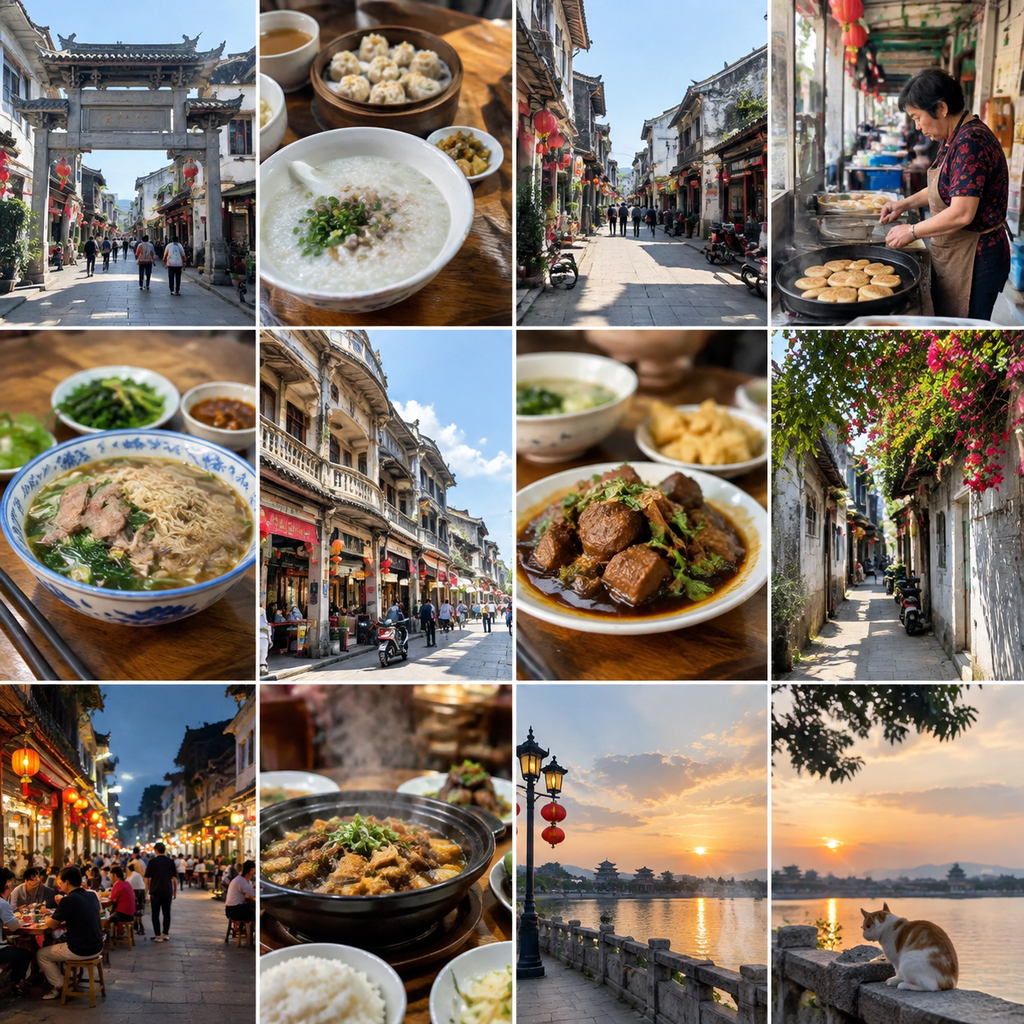
吃到盘底只剩一层卤汁时,安娜把筷子横放在碗上,我也停下。饭还有两口,芥蓝剩三根,鹅肉恰好吃完;这顿饭第一次没有需要证明“来过”的残余。店外的骑楼已被暖黄灯光一格格点亮,收摊的人把金属桌脚拖过地面,远处仍传来工夫茶杯碰响。结账时,师傅用刀背把砧板上的碎骨扫进盆里,问我们明天还吃不吃。我说会,但一次只选一样。他笑着挥刀,示意这才记得住。安娜推开门,把装鸭母捻的小碗递给巷口正在等父亲的女孩。女孩道谢后抱在胸前,我们则空着手走进潮州的晚风里,胃口和脚步终于一样轻。
When only a glaze of sauce remained on the plate, Anna laid her chopsticks across her bowl, and I stopped as well. There were two bites of rice and three stems of kale left, while the goose was finished exactly. For the first time that day, our meal had produced no leftovers meant to prove that we had been there. Outside, warm yellow lamps lit the arcade one bay at a time. Vendors closing for the night dragged metal table legs over the pavement, and the faint click of gongfu teacups still traveled from farther down the lane. As we paid, the cook swept bone fragments from his board with the back of the cleaver and asked whether we would eat again tomorrow. I said yes, but only one specialty at a time. He laughed and waved the knife, as if to say that was how a flavor became memorable. Anna opened the door and gave our covered bowl of remaining dumplings to a girl waiting for her father at the lane entrance. The girl thanked her and held it to her chest. We walked empty-handed into Chaozhou’s evening breeze, our steps finally as light as our stomachs.
九点过后,我们才折回那间亮着白灯的粿条摊。老板正把一把粿条抖进铁锅,火舌从锅底窜起,豆芽和韭菜被铁铲推得沙沙作响。安娜摸了摸肋下,说现在确实有一点空,但一整盘仍太多。老板听完,把原本的一人份减成七成,只加少量牛肉,另外给两只小碗。他还劝我们不要再配牛肉丸汤:“夜里吃炒的,喝茶就够。”粿条端来时颜色不深,边缘有微焦的褐点。第一筷入口,米香、酱油和牛油依次出现,豆芽的水脆把锅气托得更亮;薄牛肉刚熟,牙齿一碰便松开。安娜吃得很慢,每夹一筷都从盘边拨出相近的份量。我注意到盘心露出来后便停手,她也跟着放下筷子。老板看了一眼,没问好不好吃,只把热茶壶往我们这边挪近。
It was after nine when we finally returned to the rice-noodle stall under its bright white lamp. The owner shook a bundle of noodles into an iron wok. Flames leaped around its base as bean sprouts and chives hissed beneath the spatula. Anna touched the space below her ribs and said she was genuinely a little empty now, though a full plate would still be too much. Hearing this, the owner reduced a standard portion to roughly seventy percent, added only a little beef, and gave us two small bowls. He also advised against ordering beef-ball soup. “For fried noodles at night, tea is enough.” The noodles arrived lightly colored, with tiny brown blisters at their edges. In the first mouthful, rice, soy sauce, and beef fat appeared one after another, while the juicy crunch of bean sprouts lifted the wok fragrance. The thin beef had been cooked only just through and yielded at the touch of the teeth. Anna ate slowly, moving nearly equal amounts from the edge of the plate each time. When the center of the plate showed through, I paused; she lowered her chopsticks as well. The owner glanced over without asking whether we liked it and simply slid the pot of hot tea closer.
还剩三四筷时,两个刚下班的年轻人坐到邻桌,一人点炒粿条,一人只要鱼丸汤。他们把手机靠在纸巾盒上看球赛,进球时同时拍桌,又迅速扶住晃动的汤碗。安娜被逗笑,胃口似乎又回来一点,却没有把这种兴奋误当成饥饿。她夹走一筷豆芽和半片牛肉,我吃掉最后一小撮粿条,盘底留着薄薄油光,没有堆成难处理的剩食。热茶入口略涩,随后把牛油香从舌侧带走。结账时老板拿起空盘掂了一下,说七成份刚好;若是照常规分量,我们此刻大概还要互相劝吃。安娜把最后两块番石榴递给那两个看球的年轻人,对方摆手,她便收回盒子,说留给明早也行。
With three or four bites left, two young men finishing work sat at the next table. One ordered fried rice noodles and the other only fish-ball soup. They propped a phone against the tissue box to watch a football match, slapped the table together when a goal was scored, then hurried to steady the wobbling soup bowl. Anna laughed, and her appetite seemed to return slightly, but she did not mistake excitement for hunger. She took one bite of bean sprouts and half a slice of beef; I finished the last small tangle of noodles. Only a sheen of oil remained on the plate, not a heap of food we would struggle to manage. The hot tea tasted faintly astringent and then carried the beef fat away from the sides of my tongue. At the register, the owner lifted the empty plate as if weighing it and said that seventy percent had been exactly right. With a standard portion, we would probably still be urging each other to eat. Anna offered the last two pieces of guava to the football viewers. When they waved them away, she closed the box and said they could wait until morning.
回客栈要经过一排夜粥档,玻璃柜里摆着鱼饭、腌蟹和小碟杂咸,白粥的热气在灯下翻成薄雾。我们本来已经决定结束,安娜却被一盘金黄的反沙芋头绊住脚。她没有问一份多少钱,先问最少能买几块。摊主夹起四根给她看,又在我们摇头后收回两根,说两块也卖。砂糖外壳摸起来干爽,咬开却是绵热的芋心,甜味直而浓。我吃了半根便把纸袋折一道,安娜也只再咬一口,剩下的包好。旁边喝粥的司机把腌菜拨进碗里,呼噜喝下一大口;我们没有羡慕他的食量,只觉得每个人的夜晚都有自己的尺度。十点的钟声从街后传来,摊主擦净夹子,我们拎着那一小截芋头继续走。
The way back to the guesthouse passed a row of late-night congee stalls. Fish, marinated crab, and small plates of salty condiments filled the glass cases, while steam from plain rice porridge turned to mist beneath the lamps. We had already decided to finish eating, but a tray of golden sugar-coated taro stopped Anna. Instead of asking the price of a portion, she asked for the smallest number of pieces the vendor would sell. He held up four sticks, then returned two when we shook our heads and said two were fine. The sugar shell felt dry to the fingers, but its center was warm and floury, with a direct, concentrated sweetness. I ate half a stick and folded the paper bag closed; Anna took only one more bite before wrapping the rest. At the next table, a driver pushed pickled vegetables into his bowl and noisily swallowed a large mouthful of congee. We did not envy his appetite. Every person’s night, it seemed, had its own measure. A clock sounded ten somewhere behind the street. The vendor wiped his tongs clean, and we walked on carrying one small piece of taro.
客栈门口,白天那位送豆腐的男人正把空木箱绑回车尾,绳结收紧时发出吱的一声。安娜把剩下的反沙芋头递给前台姑娘,姑娘掰成两半,与值夜的同事一人一块。水果盒则被放进公共冰箱,盒盖上写了我们的房号。上楼时,安娜没有像往常那样扶着胃抱怨吃撑,反而两级一级地快走,到了转角才回头说,今天记得最清楚的不是哪道菜最好吃,而是哪一次有人帮我们把份量减小。房门合上前,楼下粥勺碰到锅沿,清亮地响了一声。潮州的夜宵还在继续,我们的这一餐却停在刚刚好的地方:嘴里留一点芋香,手里没有沉重的袋子,明早也仍有胃口。
At the guesthouse entrance, the tofu deliveryman from the morning was fastening empty wooden crates to the back of his bike, the rope squeaking as he pulled the knot tight. Anna offered the remaining sugared taro to the receptionist, who broke it in half and shared it with the night-shift colleague. We put the fruit box in the communal refrigerator and wrote our room number on the lid. Climbing the stairs, Anna did not hold her stomach and complain of being overfull as she often did. She took the steps two at a time, then looked back at the landing and said that what she remembered most clearly was not which dish tasted best, but each moment when someone helped us make a portion smaller. Just before our door closed, a congee ladle struck a pot downstairs with one bright note. Chaozhou’s late-night eating continued, but our meal stopped in exactly the right place: a little taro fragrance in the mouth, no heavy bags in our hands, and an appetite still waiting for morning.
洗漱后我们又下楼取水,街上的热闹已经向更远处退去。夜粥档还亮着,桌椅却收掉一半,店员把冲洗地面的水扫进沟里,石板映出断断续续的灯影。送豆腐的男人发动电动车前认出了我们,问今天吃了几顿。我掰着手指数到一半,自己先笑了。他提醒我们回程别走太平路正中,那边还有游客和三轮车,从客栈后门的小巷绕更清静。我们照他说的拐进去,墙边停着蒙了雨布的自行车,窗内传出电视戏曲声,空气里剩下洗衣粉、潮砖和一点卤水的气味。安娜把脚步放轻,仿佛大声说话也会碰动屋檐下刚晾好的衬衫。
After washing up, we went downstairs again for water, and the street’s bustle had already withdrawn into the distance. The congee stalls were still lit, though half their tables had been stacked away. A worker swept rinse water into the gutter, and broken reflections trembled across the stone paving. Before starting his electric bike, the tofu deliveryman recognized us and asked how many meals we had eaten. I began counting on my fingers and laughed before reaching the end. He suggested that we avoid the middle of Taiping Road, where visitors and tricycles were still passing, and take the quieter lane behind the guesthouse instead. We followed his direction past bicycles covered with rain sheets. Opera from a television drifted through one window, and the air held detergent, damp brick, and a trace of braising liquid. Anna softened her steps, as though a loud voice might disturb the freshly washed shirts beneath the eaves.
巷子在一口老井旁分成两岔,我们停下来辨认方向。白天茶桌旁的阿城恰好提着装废茶叶的小桶出来,他把茶渣倒进花盆,顺手指了指左边那条有红灯笼的窄路,说走到底就是客栈后墙。安娜向他道谢,又说第二天想回来买茶。阿城却让她先睡一晚,明早若舌头还记得那股熟果香,再买小包;若只记得冲茶的动作,就不必为了纪念带走一大罐。说完,他要赶去接收铺的母亲,朝我们摆摆手便跨上自行车。车铃响了两下,灯影沿青砖墙滑远。这场告别没有交换联系方式,也没有约下一次见面,却把“喜欢”和“购买”之间留出了一夜。
The lane forked beside an old well, and we stopped to work out the direction. Ah Cheng, from the tea table earlier, happened to emerge carrying a bucket of spent leaves. He emptied them into a flowerpot and pointed toward the narrow left-hand lane marked by a red lantern, explaining that it ended behind our guesthouse. Anna thanked him and said she wanted to return for tea the next day. He told her to sleep on it first: if her tongue still remembered the ripe-fruit fragrance in the morning, she could buy a small packet; if she remembered only the graceful brewing, there was no reason to carry away a large tin as a souvenir. Then he said he had to collect his mother from her shop, waved, and mounted his bicycle. The bell rang twice as his light slid along the blue-brick wall. We exchanged no contact details and made no promise to meet again, yet his farewell left a full night between liking something and purchasing it.
第二天七点半,安娜敲门时只背着相机包,行李已寄放在前台。昨夜的番石榴盒空了,柜台姑娘见我们下来,笑着举了举洗净的盒子。我们没有回到第一天那张长菜单,而是在骑楼口先把身体的感觉说清楚:她想喝热汤,胃里不愿再碰油;我有些饿,却不想用一顿丰盛早餐延续昨天。最终我们只去吃一碗双拼鱼丸汤,鱼丸与肉丸各两颗,再要一小碟咸菜,两人各自点一杯淡茶。经过肠粉锅时,老板已经认得我,扬起竹片问要不要照旧。我指指前面的汤店,说今天换清的。他点头继续摊米浆,没有用“最后一次”催我们多吃。
At half past seven the next morning, Anna knocked carrying only her camera bag; her luggage was already stored at reception. The guava box from the night before was empty, and the receptionist lifted the clean container with a smile when she saw us. Instead of reopening the long list from our first day, we stopped beneath the arcade and described what our bodies actually wanted. Anna wanted hot broth and no more oil. I was somewhat hungry, but did not want to extend yesterday with another elaborate meal. We settled on one shared bowl containing two fish balls and two beef balls, a small plate of pickles, and a cup of lightly brewed tea each. At the rice-roll pan, the owner recognized me and raised his bamboo scraper to ask whether I wanted the usual. I pointed toward the soup shop and said I was choosing something clear today. He nodded and went on spreading batter, making no attempt to turn our final morning into an excuse for excess.
汤店里没有景区式的大菜单,墙上只贴着几行红字。老板娘听说安娜中午前要走,建议不要加面,也不要点炸蒜太多,免得上车口渴。她把汤分进两个碗,安娜那碗多舀汤,我这碗多放一颗丸子。鱼丸细嫩,咬开有海鱼的鲜;牛肉丸更紧实,胡椒气从热汤里升起,却不像昨晚炒粿条那样留下油香。我们把咸菜只夹了几片,剩下的没有硬吃。安娜说原本担心少点会显得小气,现在才发现,把需要讲明白,店家反而更容易照顾。窗外有人提着早餐快步上班,装汤的塑料袋在车把上轻晃,我们的碗也很快见了底。
The soup shop had no tourist-sized menu, only several red lines of writing on the wall. When the owner heard that Anna would leave before noon, she advised us to skip noodles and use very little fried garlic so the bus ride would not make her thirsty. She divided the soup between two bowls, giving Anna more broth and me one extra ball. The fish ball was delicate and released a clean marine savor when bitten; the beef ball was firmer, with pepper rising through the steam but none of the oily finish of the previous night’s fried noodles. We ate only a few slices of pickle and did not force down the remainder. Anna said she had worried that a small order might appear stingy, but now understood that clearly stating a need made it easier for a shopkeeper to help. Outside, commuters hurried past carrying breakfast, soup bags swinging from scooter handlebars, while our own bowls were soon empty.
离开汤店,我们特意绕回昨晚那口老井。清晨的巷子比夜里窄得更真实:修车铺把扳手一字排在门槛上,楼上的竹竿滴着洗衣水,两个穿校服的孩子各捏一只热包子,从我们身边跑过去。阿城的小门已经敞开,他没有问我们要买多少,只把昨晚那泡茶重新冲了一巡。安娜闭眼含住第一口,过了几秒才说,记得的确实是熟果香,不只是那些漂亮动作。阿城便从纸罐里称出一小撮,装进巴掌大的牛皮纸袋,又用铅笔写下“水开后稍等,快出汤”。他把分量压在一周能喝完的程度,说茶放在旅行箱里不是纪念品,回家肯拆开才算。
After leaving the soup shop, we deliberately looped back to the old well from the previous night. In daylight the lane felt honestly narrower: a repair shop had lined its wrenches along the threshold, laundry water dripped from a bamboo pole overhead, and two uniformed children ran past with hot buns in their hands. Ah Cheng’s little doorway was already open. He did not ask how much we wished to buy; instead, he brewed another round of the tea from the night before. Anna closed her eyes over the first sip and, after several seconds, said that she truly remembered the ripe-fruit fragrance, not merely the graceful movements. Ah Cheng weighed out a small pinch from a paper canister, sealed it in a palm-sized kraft bag, and penciled on the instructions: “Let the boiling water settle briefly; pour quickly.” He kept the amount to what she could finish in a week. Tea shut inside a suitcase was not a souvenir, he said; it counted only if she would open it at home.
轮到我斟茶时,手腕仍不算稳,但三只杯子只差了薄薄一线。昨晚教我的叔叔不在,阿城也没有替我补救,只用指尖把杯子推近,让我自己来回添匀。门外送豆腐的电动车再次经过,木箱还是那声轻轻的磕碰;我忽然发现,同一条巷子第二次走,记忆靠的不是再拍一张照片,而是能认出声音来自谁、下一步该往哪边让。安娜把最满的一杯递给刚进门取茶的邻居,自己拿了最浅的那杯。邻居一口喝下,说今天火候正好。她听不懂整句,见大家点头,也跟着笑,随后把空杯倒扣在茶盘边,提醒我该回客栈取行李了。
When my turn came to pour, my wrist was still unsteady, but the levels in the three cups differed by only a fine line. The uncle who had taught me the night before was absent, and Ah Cheng did not correct the result for me. He simply nudged the cups closer so I could top them up in turn. Outside, the tofu delivery bike passed again, its wooden crate making the same soft knock. I suddenly understood that walking a lane twice did not deepen memory by producing another photograph. It meant recognizing whose sound was approaching and knowing which way to step aside. Anna handed the fullest cup to a neighbor who had just entered for tea and kept the shallowest one herself. The neighbor swallowed it in one sip and said the heat had been just right today. Anna could not understand the whole sentence, but she saw everyone nod and smiled with them. Then she turned her empty cup upside down beside the tea tray, reminding me that it was time to collect the luggage.
回客栈的路上,我们又经过昨天让安娜险些撞上婴儿车的牌坊。她这次没有倒退取景,而是站进骑楼阴影,等送水工和上学的孩子都走过,才举起相机。镜头里,一位卖菜阿姨正把空筐摞上三轮车,晨光从牌坊横梁落到她的蓝布袖套;照片拍完,安娜主动走过去,把滚到石缝边的一只筐扶正。阿姨用潮州话回了句什么,又改用普通话问她是不是今天走。安娜听懂了“今天”,点头说去汕头,明年也许再来。阿姨没有说一路顺风,只塞给她一颗小青橄榄,叫她车上含着醒神。那颗橄榄酸得安娜皱起整张脸,她却舍不得吐,含糊地说这比买一盒包装点心更像告别。
On the way back to the guesthouse, we passed the arch where Anna had nearly backed into a stroller the day before. This time she did not retreat into the traffic for her photograph. She stood in the arcade’s shade, waited for a water carrier and several schoolchildren to pass, and only then raised the camera. In her frame, a vegetable seller stacked empty baskets on a tricycle while morning light fell from the arch beam onto her blue cloth sleeves. After taking the picture, Anna crossed over and steadied a basket that had rolled toward a crack between the stones. The woman replied in Teochew, then switched to Mandarin to ask whether Anna was leaving today. Anna understood “today,” nodded, and said she was going to Shantou and might return next year. The woman offered no formal wish for a smooth journey. Instead, she pressed a small green olive into Anna’s hand and told her to suck it on the bus to stay alert. Its sourness folded Anna’s whole face, but she refused to spit it out. Through the olive she murmured that this felt more like a farewell than any boxed pastry could.
十点五十分,去汕头的车停在路口,司机打开行李舱。安娜买了阿城建议的小包茶,不买茶具;我替她把纸袋塞进衣服之间,免得一路挤碎。她上车前把那张删掉许多标记的美食地图发给我,留下的只有鱼丸汤、昨晚的卤鹅店和阿城的小门。我们没有再去买送别点心。车门合上时,她隔着玻璃用手比出“小份”的距离,我也用两根手指回她。车开走后,我独自回到巷口,闻见刚出锅的春卷,却径直经过。中午我选一碗白粥配两碟杂咸,晚上再决定是否吃剩下那家牛肉火锅。潮州没有被我们吃完,也无需吃完;这次告别留下的不是空胃,而是下一餐仍能认真选择的余地。
At 10:50, the bus for Shantou stopped at the intersection and the driver opened the luggage compartment. Anna had bought the small packet of tea Ah Cheng recommended, but no tea set. I tucked the paper packet between her clothes so it would not be crushed. Before boarding, she sent me the food map from which we had deleted most of the pins. Only the fish-ball soup, the braised-goose shop, and Ah Cheng’s little doorway remained. We did not buy farewell pastries. As the door closed, she held her fingers a short distance apart through the glass—the sign for a small portion—and I answered with two fingers of my own. After the bus left, I walked alone toward the lane. Fresh spring rolls scented the corner, but I passed them without stopping. For lunch I chose plain congee and two tiny plates of salty condiments; whether to try the remaining beef hotpot could wait until evening. We had not eaten all of Chaozhou, and did not need to. What this farewell left was not an empty stomach, but enough room to choose the next meal with care.
- 在成都用手机付款的一天 | A Day of Mobile Payments in Chengdu
- 我在杭州把西湖走成一天慢电影:从晨雾到夜船都不赶 | I Turned West Lake into a Slow Day Film from Morning Mist to Night Boat
- 我在高铁站丢过方向,但没丢掉行程 | I Lost My Direction at a High-Speed Railway Station but Not My Trip
- 在上海弄堂里学会慢下来 | Learning to Slow Down in Shanghai's Lanes
- 香包制作:我第一次发现香气也可以被一针一线缝起来 | Scented Sachet Making: The First Time I Realized Fragrance Could Be Sewn Together with Needle and Thread
- 宁波老街傍晚亮灯的时候,桥边的人情味比河面更深 | At Dusk on Ningbo’s Old Street, the Human Warmth Ran Deeper Than the Canal
- 我在上海地铁早高峰里学会先站稳再看地图 | In Shanghai Morning Rush Hour, I Learned to Stand Still Before Reading the Map
- 泉州古城的香火与街巷 | Incense and Lanes in Quanzhou Old City
- 在北京一节低年级语文课后,作者终于明白小朋友为什么总先学量词 | After a Beijing Language Class, I Finally Understood Why Kids Learn Measure Words So Early
- 第一次在中国小区门口等人,我学会站在门侧别贴着门禁 | The First Time I Waited Outside a Chinese Compound Gate, I Learned to Stand to the Side Instead of Pressing Up Against the Access Door
Comments (0)