
中国免签政策 | China's Visa-Free Policies Fully Decoded (2025-2026)
中国免签政策 | China's Visa-Free Policies Fully Decoded (2025-2026)
走进中国,不再需要那一叠厚厚的签证材料了——至少对越来越多国家的公民来说是这样。2023年底以来,中国的免签"朋友圈"以前所未有的速度扩大,从最初的几个东南亚邻国,到如今覆盖欧洲、大洋洲、美洲的数十个国家。这篇文章把所有你需要知道的信息拆解清楚:谁能免签、怎么用、停留多久、有哪些坑要避开。
Walking into China no longer requires that thick stack of visa documents — at least not for citizens of an ever-growing list of countries. Since late 2023, China's visa-free "circle of friends" has expanded at unprecedented speed, from a handful of Southeast Asian neighbors to dozens of countries spanning Europe, Oceania, and the Americas. This article breaks down everything you need to know: who qualifies, how to use it, how long you can stay, and what pitfalls to avoid.
三种免签通道,别搞混了
中国目前的免签政策分三大类,很多人把它们混为一谈,结果在机场被拦下来。我们逐一拆解。
China currently has three major categories of visa-free entry. Many people confuse them, ending up stopped at the airport. Let's break them down one by one.
第一类:普通免签(Mutual Visa Exemption)。 这是最宽松的政策。截至2025年初,中国已与泰国、马来西亚、新加坡、格鲁吉亚等国实行互免签证。以中泰互免为例,2024年3月1日正式实施,双方公民持普通护照可免签入境对方国家,停留不超过30天。这种互免通常不限制入境口岸和入境目的。
Category One: Mutual Visa Exemption. This is the most generous policy. As of early 2025, China has mutual visa-free agreements with Thailand, Malaysia, Singapore, Georgia, and others. Take the China-Thailand agreement as an example: effective March 1, 2024, citizens of both countries can enter the other with ordinary passports for stays up to 30 days. These mutual exemptions typically impose no restrictions on entry ports or purposes.
第二类:单方面免签(Unilateral Visa-Free Entry)。 这是2024年最大的政策突破。中国先后对法国、德国、意大利、荷兰、西班牙、瑞士、爱尔兰、匈牙利、奥地利、比利时、卢森堡、澳大利亚、新西兰、韩国、日本等国实行单方面免签,持普通护照可免签入境中国,停留不超过15天或30天(具体天数因国别而异)。到2025年底,这份名单已扩展至超过30个国家。需要注意的是,"单方面"意味着中国公民去这些国家仍然需要签证。
Category Two: Unilateral Visa-Free Entry. This was the biggest policy breakthrough of 2024. China successively granted unilateral visa-free entry to citizens of France, Germany, Italy, the Netherlands, Spain, Switzerland, Ireland, Hungary, Austria, Belgium, Luxembourg, Australia, New Zealand, South Korea, Japan, and more, allowing stays of 15 or 30 days with ordinary passports (duration varies by country). By the end of 2025, this list had expanded to over 30 countries. Note that "unilateral" means Chinese citizens still need visas to visit those countries.
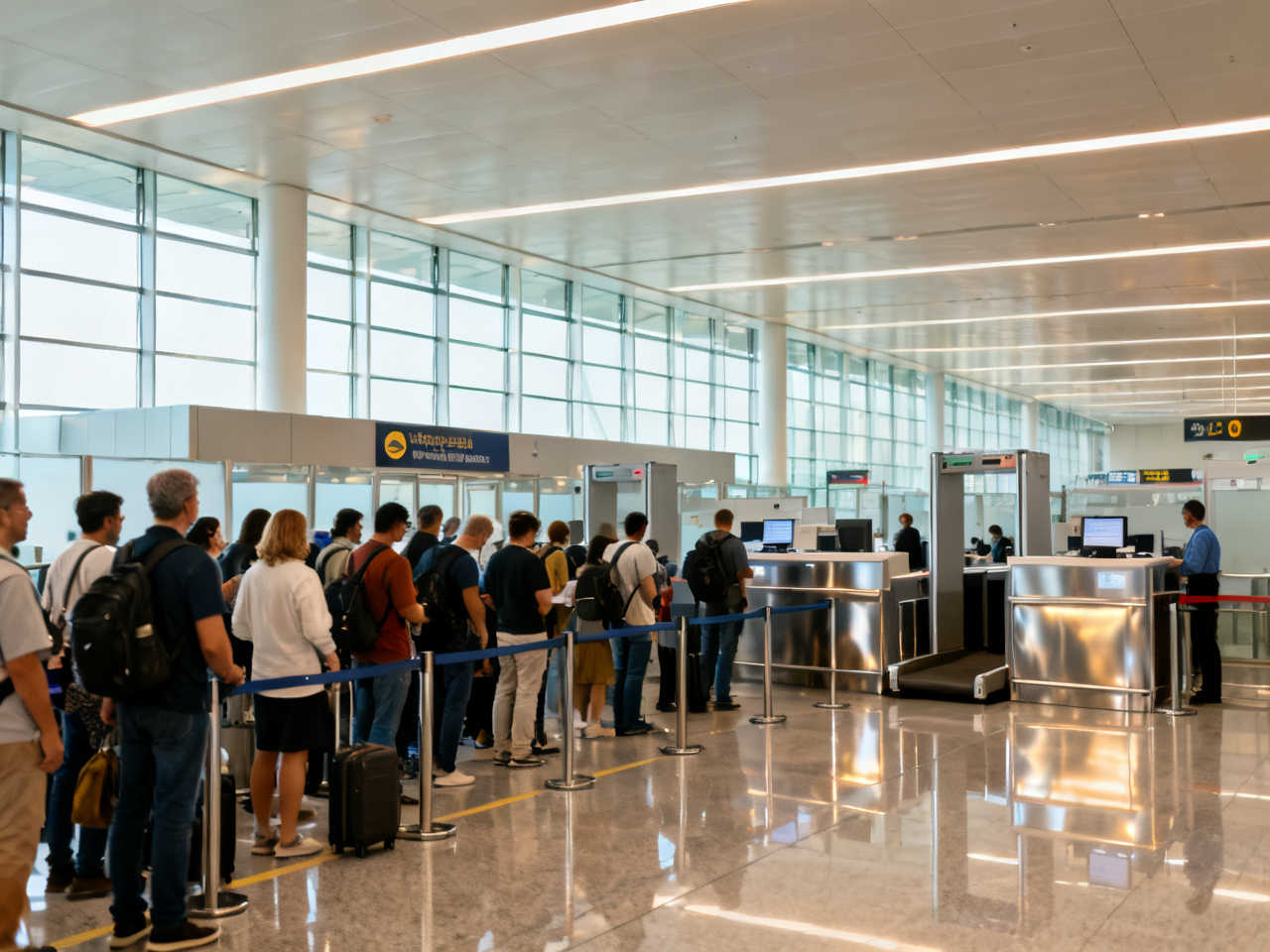
第三类:过境免签(Transit Visa Exemption)。 已经实行多年的政策,目前有三种规格:24小时、72小时和144小时。其中144小时过境免签适用的国家最多(超过50个),覆盖的口岸也在持续扩大。符合条件的旅客在前往第三国途中经停中国,可以在规定区域内免签停留。2024年底,144小时过境免签的适用口岸已从原来的20多个扩展至近40个。关于过境免签的实际使用细节,可以参考中国政府官网的最新公告。
Category Three: Transit Visa Exemption. This long-standing policy comes in three tiers: 24-hour, 72-hour, and 144-hour. The 144-hour transit exemption covers the most countries (over 50) and applicable ports of entry continue expanding. Eligible travelers transiting through China en route to a third country can stay visa-free within designated areas. By late 2024, the number of ports applicable for 144-hour transit exemption expanded from around 20 to nearly 40. For the latest details on transit visa exemption, refer to official announcements on the Chinese government website.
过境免签的隐藏规则
过境免签是外国游客用得最多的政策,但暗藏不少细节。首先,你必须持有已确认的前往第三国(或地区)的联程机票,而且第三国不能和你出发的国家相同。比如你从日本飞来、最终也飞回日本,这不算"过境",不能使用这个政策。
Transit visa exemption is the policy foreign tourists use most, but it contains several hidden details. First, you must hold a confirmed onward ticket to a third country (or region), and that third country cannot be the same as your departure country. For example, flying from Japan to China and back to Japan doesn't count as "transit" — you can't use this policy.
其次,"144小时"不等于"6天"。很多人以为可以待6个整天,但实际上是从入境次日零点开始计算的。假设你周一晚上11点入境上海,你的144小时从周二零点开始算,到周日晚上24点结束。这意味着你实际只有大约5天的完整游玩时间。
Second, "144 hours" doesn't equal "6 days." Many assume they can stay for six full days, but the clock actually starts at midnight the day after entry. If you enter Shanghai at 11 PM on Monday, your 144 hours start at midnight Tuesday and end at midnight Sunday. This means you effectively have only about 5 full days of sightseeing.
第三,活动范围有限制。在上海入境的144小时免签旅客可以在上海、江苏和浙江活动,但不能飞去北京或成都。北京的过境免签区域则覆盖北京、天津和河北。2024年起,部分口岸的活动范围进一步扩大,但具体规定经常变动,出发前务必核实最新信息。
Third, there are geographic restrictions. Travelers entering on a 144-hour transit exemption in Shanghai can move within Shanghai, Jiangsu, and Zhejiang, but cannot fly to Beijing or Chengdu. Beijing's transit zone covers Beijing, Tianjin, and Hebei. Since 2024, some ports have expanded their coverage areas, but specific rules change frequently — always verify the latest information before departure.
免签入境后怎么解决实际问题
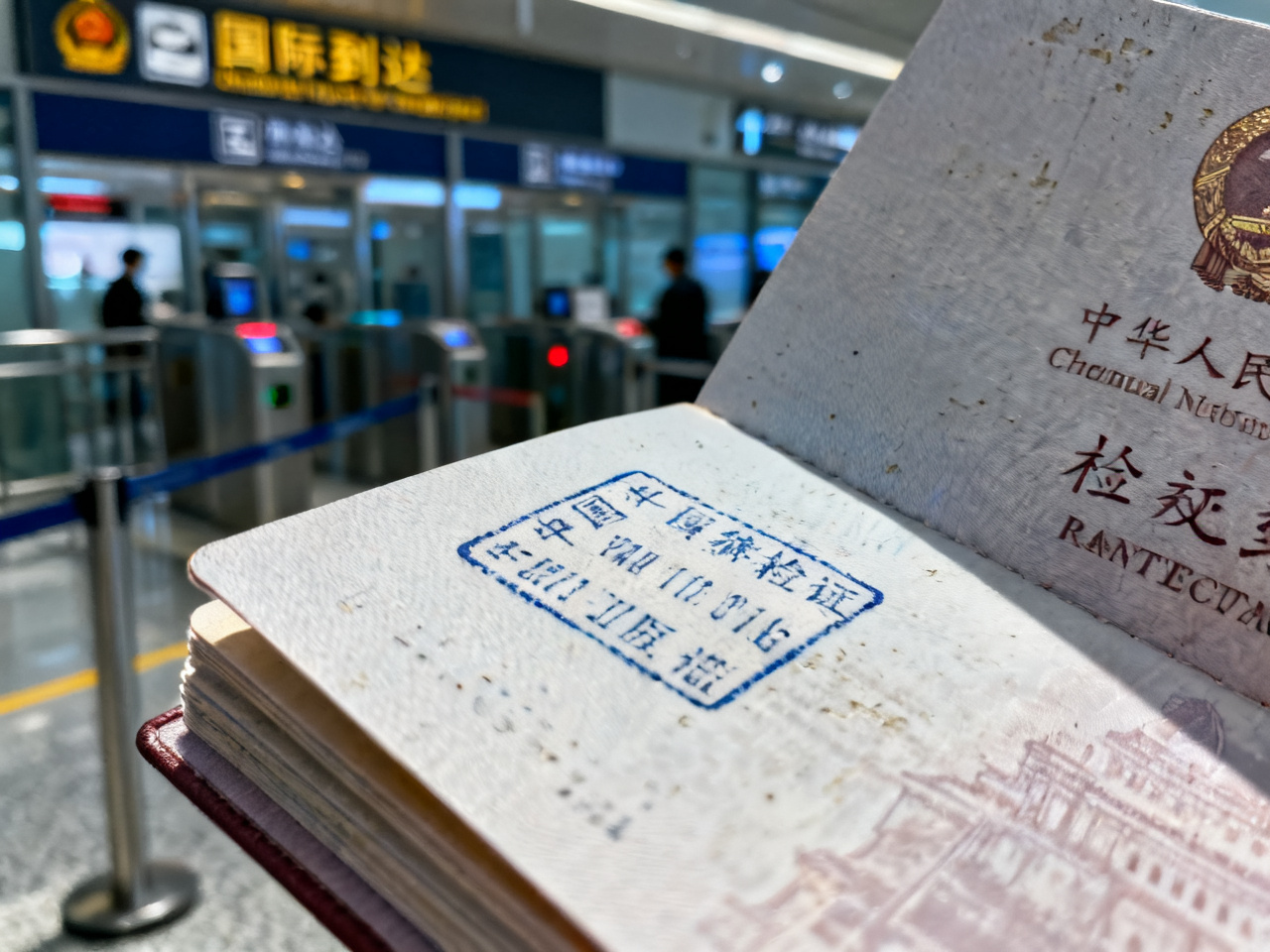
拿到免签入境只是第一步。落地之后,你会面对几个现实问题。支付是最大的一个——中国几乎是无现金社会,但外国游客现在可以使用护照注册微信支付和支付宝。2024年起,这两个平台都大幅降低了外国用户的绑定门槛,支持绑定境外信用卡。如果你还是遇到被拒收现金的情况,记住这在中国实际上是违法的,你可以据理力争。
Getting through immigration visa-free is just step one. After landing, you'll face several practical issues. Payment is the biggest — China is nearly cashless, but foreign tourists can now register for WeChat Pay and Alipay using their passports. Since 2024, both platforms have significantly lowered barriers for foreign users, supporting overseas credit card linking. If you still encounter situations where cash is refused, remember that this is actually illegal in China and you have every right to insist.
手机上网也需要提前规划。中国的网络环境比较特殊,Google、Instagram、WhatsApp等在中国无法直接使用。建议出发前准备好VPN或者购买支持国际漫游的eSIM。到达后在机场也能买到短期的中国SIM卡,价格在50-100元之间。
Mobile internet also requires advance planning. China's internet environment is unique — Google, Instagram, WhatsApp, and similar services aren't directly accessible. Consider preparing a VPN before departure or purchasing an eSIM with international roaming. You can also buy short-term Chinese SIM cards at the airport for 50-100 yuan.
免签政策的未来走向
2024年被称为中国的"免签元年"。入境外国人数量在政策放开后出现了爆发式增长——2024年上半年,全国各口岸入境外国人同比增长超过150%。社交媒体上"China Travel"话题的视频播放量突破10亿次,大量外国博主用镜头记录下了一个与刻板印象截然不同的中国。
2024 has been called China's "Year One of Visa-Free." Inbound foreign visitor numbers surged after policy liberalization — in the first half of 2024, foreign arrivals at national ports of entry increased over 150% year-on-year. The "China Travel" hashtag on social media exceeded 1 billion video views, with numerous foreign vloggers documenting a China dramatically different from stereotypes.
这波免签政策大概率还会继续扩展。从政策信号来看,中国正在从"严格管控入境"向"积极吸引入境旅游"转型。对于那些还在犹豫要不要来中国的旅行者,现在大概是最好的窗口期。带上护照,订一张机票,感受一下这个正在以惊人速度变化的国家。想了解来中国后的预算规划,可以参考我们的穷游攻略。
This wave of visa-free policies will very likely continue expanding. Policy signals suggest China is transitioning from "strict entry controls" to "actively attracting inbound tourism." For travelers still on the fence about visiting China, this is probably the best window. Grab your passport, book a flight, and experience a country changing at astonishing speed. For budget planning after arriving in China, check out our budget travel guide.

- 西安夜市排队课:别盲追最长队伍 | A Xi’an Night Market Lesson: Don’t Chase the Longest Queue Blindly
- 我在中国学会外卖自取礼貌,不是学会说哪句话,而是先别挡住别人的流程 | Learning Takeout Pickup Etiquette in China Was Not About Memorizing a Phrase, but About Not Blocking Other People’s Flow First
- 那张被擦亮的桌子,让我看见沙县小吃如何成为日常 | The Polished Table Showed Me How Shaxian Snacks Became Everyday Food
- 云南古城最怕被一句“适合慢下来”说完,真正值钱的是慢下来以后怎么走 | Yunnan’s Old Towns Deserve More Than “Good for Slowing Down”; What Matters Is How You Move Once You Slow
- 雾江边的一晚重庆火锅 | A Foggy-River Evening of Chongqing Hotpot
- 我坐绿皮火车从昆明晃到北京 | I Took a Slow Train from Kunming All the Way to Beijing
- 臭豆腐:闻着臭吃着香的街头传奇 | Stinky Tofu: The Street Snack That Smells Awful and Tastes Amazing
- 南京这座城最难拍准的地方,是城墙底下那些还在发生的今天 | The Hardest Thing to Capture Accurately in Nanjing Is the Living Present Beneath Its Walls
- 中国书法艺术 | The Art of Chinese Calligraphy
- 低价团不是不能报,但合同要比宣传页更重要 | Cheap Tours Are Not Always Bad, but the Contract Matters More Than the Brochure
Comments (0)