
中国送礼学问 | The Art of Gift Giving in China
中国送礼学问 | The Art of Gift Giving in China
去年春节前,我站在上海南京路的商场里,手里攥着一张购物清单,满头大汗。清单上写着:老板、房东阿姨、女朋友的父母、带孩子的同事。每个人需要什么,不能送什么,怎么包装,全是学问。那一刻我才意识到,在中国送礼不是花钱的事,而是一门精密的社交工程。
Last Chinese New Year, I stood in a shopping mall on Nanjing Road in Shanghai, clutching a gift list and sweating bullets. The list read: boss, landlady, girlfriend's parents, colleague with a newborn. What each person needed, what was taboo, how to wrap it — every detail mattered. That's when I realized gift giving in China isn't about spending money; it's precision social engineering.
什么时候送:时间节点比礼物本身重要
中国的送礼时间表比你想象的密集得多。春节是最大的送礼季,通常在除夕前一到两周开始。2024年春节期间,某电商平台的礼盒销售额突破180亿元,其中坚果礼盒和白酒占了将近一半。中秋节排第二,月饼礼盒是标配,但真正懂行的人会选择搭配茶叶或大闸蟹券。端午节送粽子礼盒也越来越讲究,从传统肉粽到鲍鱼粽,价格从几十到几千不等。
China's gift-giving calendar is far busier than you might expect. Chinese New Year is the biggest season, usually kicking off one to two weeks before New Year's Eve. During the 2024 Spring Festival, one e-commerce platform reported gift box sales exceeding 18 billion yuan — nuts and baijiu accounted for nearly half. The Mid-Autumn Festival ranks second, with mooncake boxes as the default, though insiders pair them with tea or hairy crab vouchers. Dragon Boat Festival gift sets have also become increasingly elaborate, ranging from traditional pork zongzi to abalone versions, priced anywhere from dozens to thousands of yuan.
除了节日,还有几个关键时刻:探望病人(水果篮、营养品)、参加婚礼(红包,金额必须是双数,绝对不能出现4)、看望新生儿(婴儿衣物、红包)、第一次去别人家做客(水果、牛奶或者当地特产)。我第一次去女朋友家,带了一箱进口牛奶和两斤车厘子,她妈妈笑得合不拢嘴。后来才知道,车厘子在中国丈母娘心中的地位,大概相当于钻石在西方求婚中的地位。
Beyond holidays, several key occasions demand gifts: visiting patients (fruit baskets, health supplements), attending weddings (red envelopes — amounts must be even numbers, never containing 4), seeing newborns (baby clothes, red envelopes), and visiting someone's home for the first time (fruit, milk, or local specialties). The first time I visited my girlfriend's family, I brought a case of imported milk and two pounds of cherries. Her mother beamed with delight. I later learned that cherries hold a status among Chinese mothers-in-law roughly equivalent to diamonds in Western proposals.
送什么给谁:一张实用对照表
给长辈送礼,健康类永远不会出错:燕窝、人参、按摩仪。我同事去年花了1200元买了一台颈椎按摩仪送给岳父,直接从"女婿排行榜"末尾跳到了前三。给领导送礼是最微妙的,太贵显得刻意,太便宜显得敷衍。茶叶是安全牌——一盒200到800元的龙井或普洱,既体面又不越界。
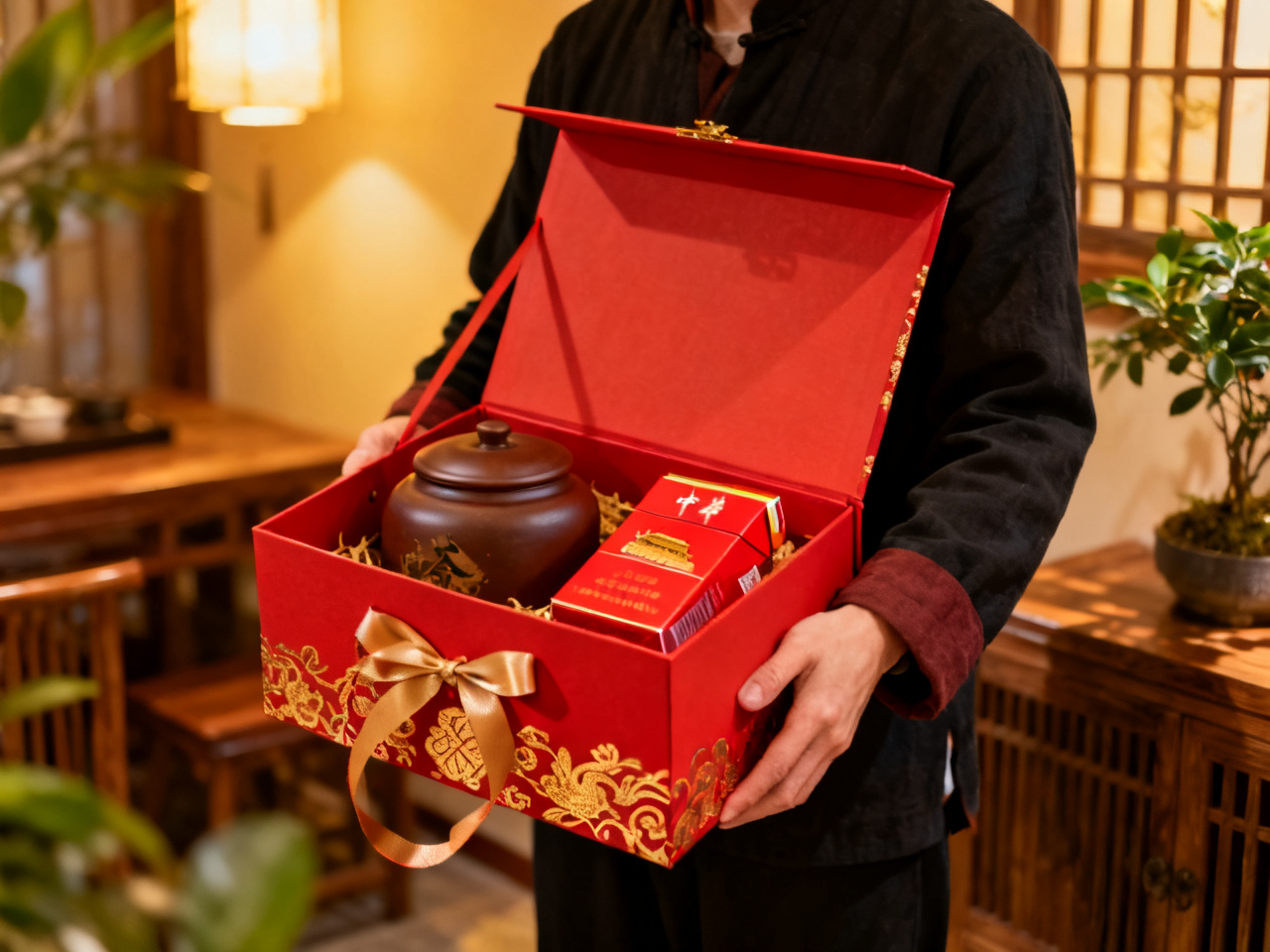
For elders, health-related gifts never miss: bird's nest, ginseng, massage devices. My colleague spent 1,200 yuan on a neck massager for his father-in-law last year and rocketed from the bottom to the top three on the "son-in-law rankings." Gifts for bosses require the most finesse — too expensive looks calculating, too cheap looks careless. Tea is the safe bet: a box of Longjing or Pu'er priced between 200 and 800 yuan strikes the right balance of respectability without overstepping.
给朋友送礼就随意得多,但也有潜规则。如果朋友刚搬新家,可以送一套餐具或者一盆绿植。如果朋友喜欢中国传统文化,一套精美的文房四宝或者手工茶具都是好选择。给小孩子的话,学习用品比玩具更受家长欢迎——这就是中国式送礼的隐藏逻辑:礼物不只是给收礼人的,还要让周围的人觉得你"懂事"。
Gifts for friends are more relaxed, but unspoken rules still apply. For a friend who just moved, a dinnerware set or potted plant works well. For someone who appreciates traditional Chinese culture, a fine set of the Four Treasures of the Study or handmade tea ware makes a great choice. For children, school supplies win more parental approval than toys — and that reveals the hidden logic of Chinese gift giving: the gift isn't just for the recipient, but must also make everyone around you think you "get it."
绝对不能踩的雷区
送钟(谐音"送终")、送伞(谐音"散")、送梨(谐音"离")——这三样是送礼界的"死亡三件套"。我有个法国朋友第一次去中国朋友家,精心挑了一座漂亮的座钟,结果对方脸色瞬间变了。白色和黑色的包装纸也要避免,因为这两种颜色和丧事有关。红色和金色是最安全的包装色,这和中国红的文化含义一脉相承。
Clocks (zhōng sounds like "funeral rites"), umbrellas (sǎn sounds like "separation"), pears (lí sounds like "parting") — these are the "deadly trio" of gift giving. A French friend of mine once carefully selected a beautiful mantel clock for his first visit to a Chinese friend's home; the host's expression changed instantly. White and black wrapping paper should also be avoided, as both colors are associated with funerals. Red and gold are the safest wrapping colors, consistent with the deep cultural significance of Chinese red.
数字也有讲究。红包金额避开4(死)和单数,偏爱6(顺)、8(发)、9(久)。婚礼红包通常是666、888或1314(一生一世)元。根据维基百科关于红包的词条,数字象征在红包文化中延续了上千年。
Numbers matter too. Red envelope amounts avoid 4 (sounds like "death") and odd numbers, favoring 6 (smooth sailing), 8 (prosperity), and 9 (longevity). Wedding red envelopes are typically 666, 888, or 1,314 yuan (meaning "one life, one world" — i.e., forever). According to Wikipedia's entry on red envelopes, numerical symbolism in red envelope culture has persisted for over a thousand years.
收礼的规矩你也得懂
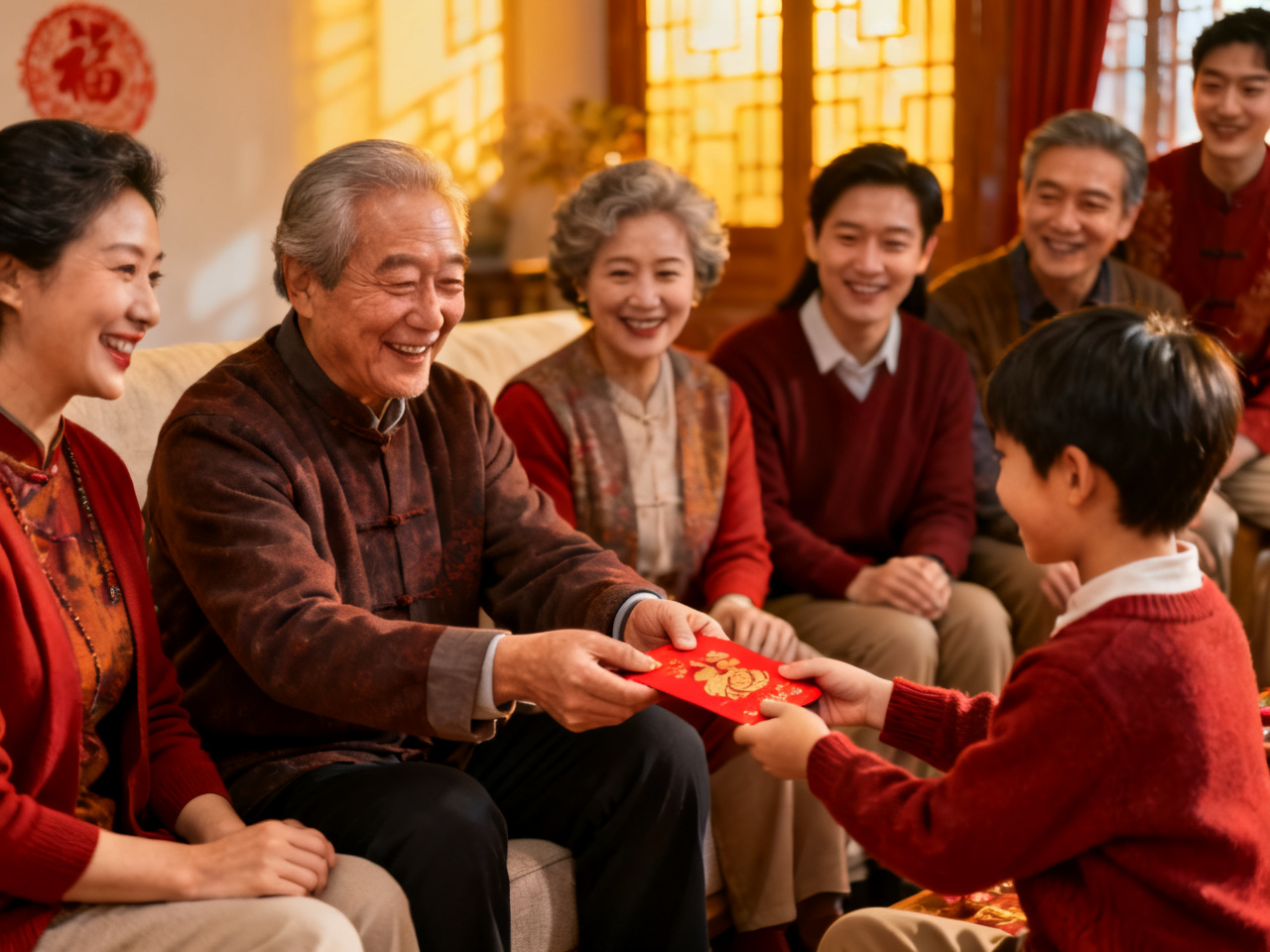
中国人收到礼物通常不会当面拆开,这不是冷漠,而是礼貌——避免让送礼人因为礼物价值而尴尬。如果有人送你礼物,正确的反应是双手接过,说"你太客气了",然后放在一边。第一次被拒绝也别慌,中国人有"推让"的习惯:送礼人要坚持,收礼人要推辞,来回两三次才显得双方都有教养。
Chinese people usually don't unwrap gifts in front of the giver — this isn't coldness but courtesy, meant to spare the giver any embarrassment over the gift's value. When someone gives you a gift, the correct response is to accept it with both hands, say "you're too kind," and set it aside. Don't panic if your gift is initially refused; the Chinese practice of ritual declining means the giver insists, the recipient demurs, and after two or three rounds both parties appear well-mannered.
还有一条隐形规则:收了礼要记得回礼,而且回礼的价值应该略高于收到的礼物。这不是攀比,而是一种维护关系平衡的方式。中国人把这叫"礼尚往来"——你来我往之间,人情的网就这样一层一层织起来了。
One more invisible rule: receiving a gift means you must reciprocate, and the return gift should be slightly higher in value than what you received. This isn't one-upmanship but a way of maintaining relational balance. The Chinese call this lǐ shàng wǎng lái — "courtesy demands reciprocity." Through this back-and-forth, the web of social bonds is woven layer by layer.
给外国游客的实战建议
如果你只是短期旅行,不用太紧张。去别人家做客带一份你家乡的特产就够了——巧克力、红酒、当地手工艺品都可以。记住用红色或彩色的袋子装好,别用白色。如果有人请你吃饭,饭后发一个小红包(通过微信,付款方式可以参考这篇文章)或者下次回请一顿,都是得体的做法。
If you're just visiting briefly, don't stress too much. Bringing a specialty from your hometown when visiting someone's home is sufficient — chocolate, wine, or local handicrafts all work. Remember to use a red or colorful bag, never white. If someone treats you to a meal, sending a small red envelope afterward via WeChat or treating them to a return meal are both appropriate responses.
送礼这件事,中国人自己也觉得累。但换个角度看,每一份礼物背后都是一句没说出口的话:"我在乎你。"懂了这一层,你就真正懂了中国的送礼学问。
Even Chinese people find gift giving exhausting. But look at it from another angle: behind every gift is an unspoken message — "I care about you." Once you understand that layer, you've truly grasped the art of gift giving in China.

- 四月江南烟雨游 | April in Jiangnan: Misty Rain and Ancient Water Towns
- 西安兵马俑:完整参观指南 | Xi an Terracotta Warriors: A Complete Guide
- 张家界最难写的,不是山有多像电影,而是两次惊叹之间身体怎么喘口气 | The Hardest Part of Writing Zhangjiajie Is Not How Cinematic the Peaks Look but How the Body Breathes Between Two Moments of Awe
- 现金还是手机支付?来华前必读 | Cash or Mobile Pay? What You Need to Know Before Visiting China
- 手机支付失败后,我给自己准备了三套备用方案 | After Mobile Payment Failed, I Prepared Three Backup Plans
- 中国高铁出行完全指南 | Complete Guide to China's High-Speed Rail
- 支付宝微信支付境外使用教程 | Alipay & WeChat Pay Guide for Foreign Visitors
- 云南雨季反向玩法:人少、景美、预算可控 | Yunnan in Rainy Season: Fewer Crowds, Better Value
- 中国丝绸制品 | Silk Products from China
- 南昌第一碗拌粉还没吃完,我就先看懂了这座城路口的脾气 | Before Finishing My First Bowl of Rice Noodles in Nanchang, I Had Already Read the Temper of Its Crossings
Comments (0)