
长沙一碗米粉的早晨,教我别只看招牌菜 | One Morning Bowl of Rice Noodles in Changsha Taught Me Not to Only Chase Signature Dishes
长沙一碗米粉的早晨,教我别只看招牌菜 | One Morning Bowl of Rice Noodles in Changsha Taught Me Not to Only Chase Signature Dishes
到长沙之前,我给自己列过一张很标准的美食清单。臭豆腐、小龙虾、糖油粑粑、茶颜悦色,每一项都像已经被无数游客验证过的答案。我以为这座城市的味道会从那些响亮的名字开始,最好有排队、有招牌、有别人推荐时的兴奋语气。可真正让我记住长沙的第一顿饭,不在夜市,也不在热门店门口,而是在一个普通早晨,一家门脸很窄的粉店里。
Before arriving in Changsha, I had made a very standard food list for myself: stinky tofu, crayfish, sugar-oil rice cakes, and the famous local milk tea. Each item seemed like an answer already tested by countless visitors. I thought the city’s flavor would begin with loud names, preferably with a queue, a signboard, and the excited tone people use when recommending something popular. But the first meal that truly made me remember Changsha was not in a night market or outside a famous shop. It was on an ordinary morning, inside a narrow rice noodle place.
那天我起得比计划早。酒店窗外还带着一点雾气,路面湿湿的,像夜里的热闹刚刚被水冲淡。原本想去找一家网上收藏很久的早餐店,可导航显示要换两次车。我站在路口犹豫时,看见对面有家粉店已经坐了几桌人。门头不大,字也不夸张,蒸汽从门里往外冒,老板娘一边收碗一边和熟客说话。我决定先过去看看,心里还安慰自己:反正只是早餐,不必每顿都像完成任务。
I woke earlier than planned that day. A faint mist hung outside the hotel window, and the road was damp, as if the excitement of the previous night had been rinsed away. I had meant to visit a breakfast shop saved online for a long time, but the route required two transfers. While hesitating at the intersection, I noticed a rice noodle shop across the street with several tables already occupied. Its sign was modest, steam drifted from the doorway, and the owner cleared bowls while chatting with regulars. I decided to take a look, telling myself that breakfast did not have to feel like completing an assignment.
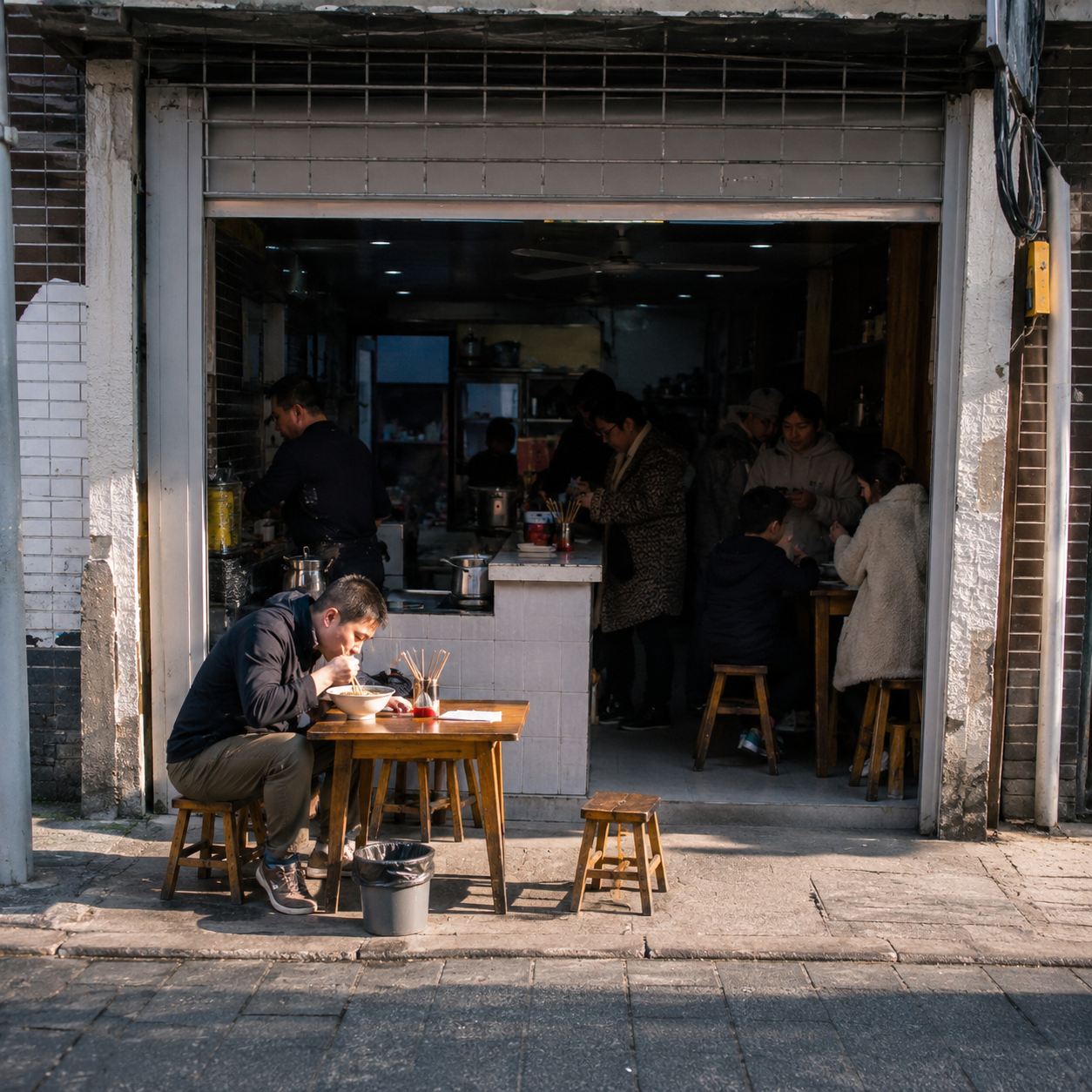
店里没有复杂菜单,墙上贴着几行字:肉丝粉、原汤粉、酸辣粉、码子另加。我看了半天,还是不知道该点什么。老板娘问我是不是外地来的,我点头。她没有推荐最贵的,也没有摆出“第一次来必须吃这个”的架势,只说早上清一点好,来碗原汤肉丝粉,自己加辣。我听她的,付了钱,找了张靠墙的小桌坐下。旁边的叔叔已经吃到一半,筷子在碗里轻轻一挑,米粉就带着汤汁卷起来。
The menu was not complicated. A few lines on the wall listed shredded pork noodles, original-broth noodles, sour-spicy noodles, and extra toppings. I stared for a while and still did not know what to order. The owner asked if I was from out of town. I nodded. She did not recommend the most expensive option or insist that first-time visitors must try a certain bowl. She only said that mornings were better with something lighter: original broth with shredded pork, chili added by myself. I followed her suggestion, paid, and sat at a small table by the wall. The uncle beside me was halfway through his bowl, lifting noodles with a slight turn of his chopsticks so they curled up with the soup.
粉端上来时,我第一反应是它看起来太朴素。白米粉铺在碗里,几片肉丝,几根葱花,汤面上浮着很薄的油光。它不像旅行视频里那种一出场就有冲击力的食物,没有夸张的颜色,也没有堆得很高的配料。我舀了一点汤,味道比想象中清,带着骨汤的暖和和米粉本身的米香。随后我按老板娘说的,加了一勺剁椒和一点酸豆角,整碗粉的性格才慢慢醒过来。
When the bowl arrived, my first reaction was that it looked too plain. White rice noodles lay in the bowl with a few strips of pork, some chopped scallion, and a thin shine of oil on the broth. It was not the kind of food that makes a dramatic entrance in travel videos. There were no exaggerated colors and no mountain of toppings. I tasted the soup first. It was clearer than I expected, warm with bone broth and the soft fragrance of rice. Then, following the owner’s advice, I added a spoonful of chopped chili and a little pickled long bean, and the bowl slowly woke up.
最有意思的是,长沙的辣在这碗早餐里并不急着证明自己。它不是一上来就把人推到满头冒汗,而是藏在汤里、码子里、酸豆角的咸香里,一口一口往上叠。我原本以为长沙的味道一定要猛烈才算有代表性,可这碗粉告诉我,地方味道也可以从克制开始。清汤给米粉留位置,辣椒给早晨提神,酸豆角负责让筷子停不下来。它们没有谁抢谁的风头,却把一碗简单早餐撑得很完整。
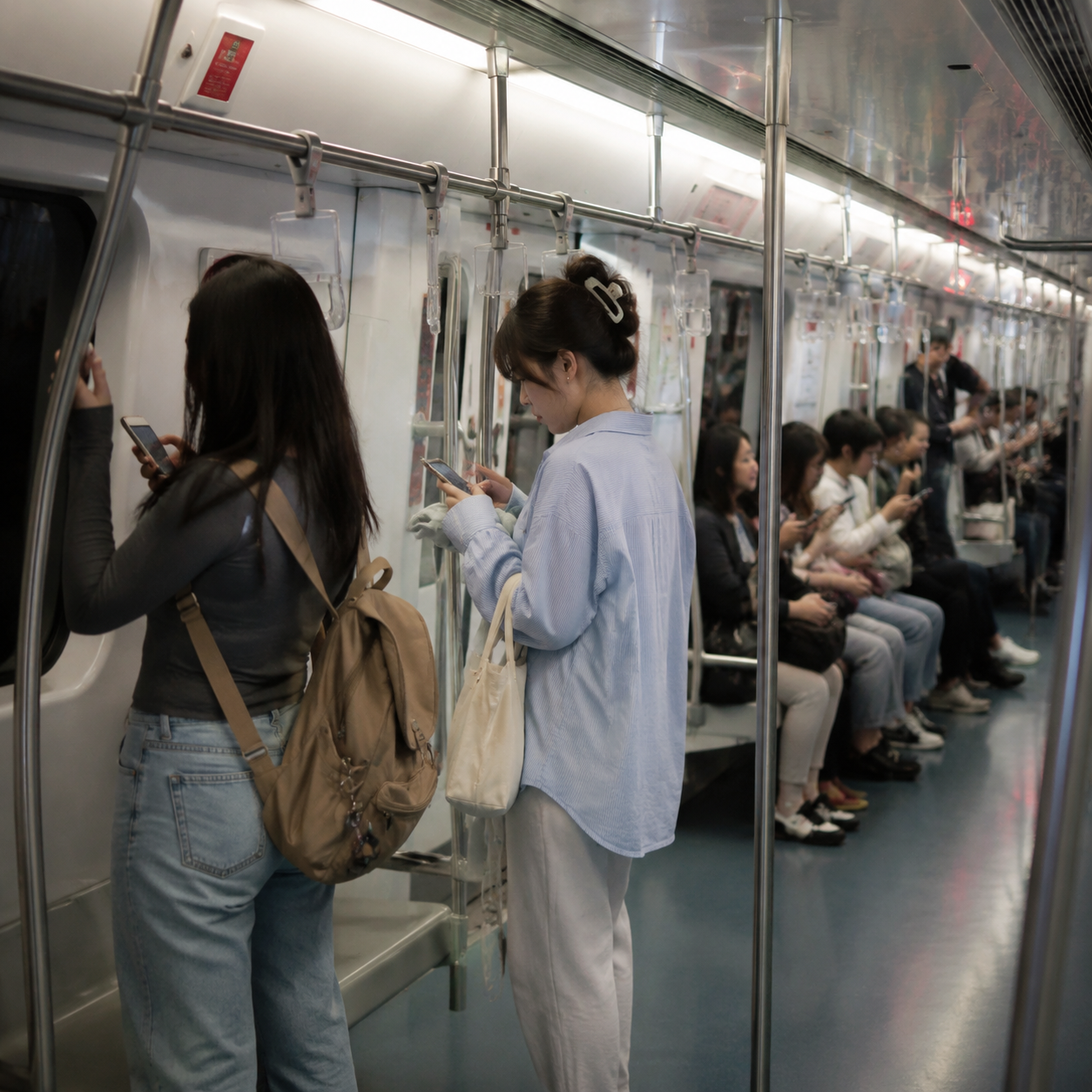
The most interesting part was that Changsha’s heat did not rush to prove itself in this breakfast bowl. It did not push me into sweating at the first bite. It hid in the soup, the toppings, and the salty fragrance of the pickled beans, building upward mouthful by mouthful. I had assumed that Changsha’s flavor had to be fierce to feel representative. This bowl taught me that local taste can also begin with restraint. The clear broth gave space to the noodles. The chili woke up the morning. The pickled beans made it hard to put the chopsticks down. None of them stole the spotlight, yet together they made the bowl complete.
我边吃边看店里的节奏。熟客进门不用看菜单,直接说“老样子”;上班的人把包放在膝盖上,几分钟吃完就走;学生模样的两个人分着一碟小菜,讨论今天的课。老板娘记得谁不要葱,谁要多加酸菜,谁的粉要软一点。她的动作像流水一样快,却不是冷冰冰的效率,而是一种长期生活磨出来的默契。对游客来说,这只是随机走进的一家店;对附近的人来说,它可能是许多早晨的固定开关。
While eating, I watched the rhythm of the shop. Regulars entered without reading the menu and simply asked for the usual. Office workers kept bags on their knees, finished in a few minutes, and left. Two students shared a small plate of vegetables while discussing class. The owner remembered who disliked scallions, who wanted extra pickles, and whose noodles should be softer. Her movements were quick like running water, but not coldly efficient. They carried the ease built by long familiarity. For a tourist, this was a random shop. For nearby people, it might be the switch that turned on many mornings.
那一刻,我意识到自己以前太容易被“招牌菜”牵着走。招牌菜当然有意义,它们浓缩了名气,也方便外地人快速进入一座城市。但如果只盯着它们,旅行就会变成追逐标签:到了哪里就必须吃什么,吃完拍照,拍完打勾。这样做不一定错,却容易错过城市更松弛的部分。长沙的这碗米粉没有要求我兴奋,也没有要求我证明来过。它只是让我像本地人的一天那样,从一碗热汤开始。
At that moment, I realized how easily I had been led by signature dishes. Signature dishes matter; they condense reputation and help outsiders enter a city quickly. But if I look only at them, travel becomes a chase after labels: arrive somewhere, eat the required thing, take a photo, check the box. That is not necessarily wrong, but it can make me miss the looser parts of a city. This bowl of rice noodles in Changsha did not ask me to be excited or to prove that I had been there. It simply let me begin the day the way a local day might begin: with a bowl of hot soup.
吃到后半碗时,汤的味道变得更厚。米粉吸了辣椒和酸豆角的味道,肉丝也不再只是配角。我开始明白老板娘为什么让我自己加辣。每个人的早晨不同,有人赶时间,有人胃口还没醒,有人需要一勺猛的,有人只想喝点热汤。把辣椒放在桌上,让客人自己决定,反而比固定口味更体贴。它不是把城市性格硬塞给你,而是允许你用自己的速度靠近它。
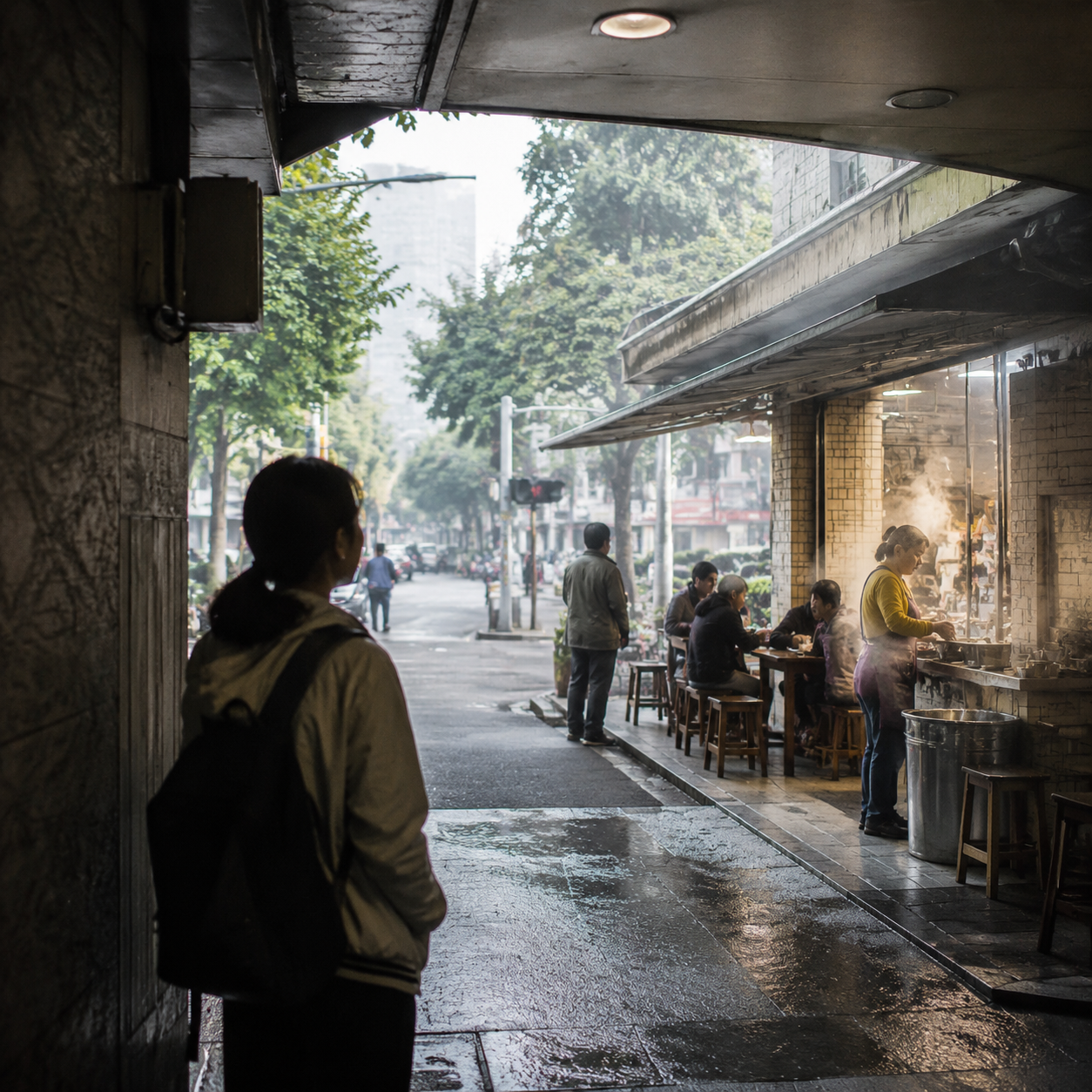
By the second half of the bowl, the soup had grown richer. The noodles had absorbed the chili and pickled bean flavors, and the shredded pork no longer felt like a minor detail. I began to understand why the owner had told me to add chili myself. Every morning is different. Some people are in a hurry. Some stomachs are not awake yet. Some need a sharp spoonful of heat, while others only want warm broth. Leaving the chili on the table and letting customers decide felt more considerate than fixing the taste in advance. It did not force the city’s personality into my mouth; it allowed me to approach it at my own speed.
我离开粉店时,门口又排了两三个人。太阳已经出来,街上的电动车多了起来,早餐摊的蒸笼一层层冒气。我原本计划中的那家网红早餐店还在收藏夹里,但忽然没那么着急了。不是因为它不值得去,而是我已经得到一个提醒:真正让人理解一座城市的,未必总是最被宣传的东西。有时候,一家不显眼的小店、一句随口的建议、一勺自己加的辣椒,更能把你带到生活的里面。
When I left the noodle shop, two or three people were waiting at the door. The sun had come out, electric scooters multiplied on the street, and steam rose from stacks of breakfast baskets. The popular breakfast place I had planned to visit was still in my saved list, but I suddenly felt less hurried about it. Not because it was unworthy, but because I had received a reminder: the things that help you understand a city are not always the most advertised ones. Sometimes an unobtrusive shop, a casual suggestion, and a spoonful of chili added by your own hand bring you closer to everyday life.
后来我还是吃了长沙那些有名的东西。臭豆腐外脆里软,小龙虾热闹得适合朋友围坐,甜甜的饮品也确实能缓解辣味。它们都好,也都构成了长沙的外向一面。只是回想起来,我最常想起的仍然是早晨那碗粉。因为它让我在还没准备好表演游客身份的时候,就先被城市接纳了。没有排队攻略,没有夸张期待,也没有必须喜欢的压力,只有一张小桌、一碗热汤和慢慢展开的味觉。
Later, I did eat the famous things in Changsha. The stinky tofu was crisp outside and soft inside. The crayfish was lively and best shared with friends. The sweet drinks really did soften the heat. They were all good, and they formed the city’s outward-facing side. Yet when I think back, I most often remember that morning bowl of noodles. It accepted me before I was ready to perform the role of a tourist. There was no queue strategy, no inflated expectation, and no pressure to love it. There was only a small table, a bowl of hot soup, and a flavor that unfolded slowly.
这顿早餐也改变了我之后几天的吃法。我开始少问“最有名的是哪家”,多问“你平时早上吃什么”。这个问题得到的答案常常不那么整齐,有人说楼下粉店,有人说单位旁边的包子,有人说赶时间就买杯豆浆。但这些答案有生活的温度。它们不一定适合做排行榜,却适合让旅人落地。旅行如果只追逐招牌,容易一直站在城市面前;愿意吃一顿普通早餐,才可能坐进城市的早晨。
That breakfast changed the way I ate over the next few days. I began asking less often, “Which place is the most famous?” and more often, “What do you usually eat in the morning?” The answers were not always neat. Someone mentioned the noodle shop downstairs. Someone liked the buns near the office. Someone bought soy milk when in a rush. But these answers carried the temperature of daily life. They may not fit a ranking list, but they help a traveler land. If travel only chases signature dishes, it can keep standing in front of the city. A plain breakfast lets you sit inside the city’s morning.
所以,如果再去长沙,我仍然会留时间给那些著名味道,但不会把所有胃口都交给清单。我会在早晨多走几步,看哪家店的蒸汽最早升起来,听谁和老板说话像认识很久,观察哪张桌子翻台最快。也许那家店没有显眼招牌,也许菜单只有几行字,但它可能会用一碗粉告诉我,这座城市每天怎样醒来。对我来说,这比完成一份美食任务更重要。
So if I return to Changsha, I will still leave time for the famous flavors, but I will not hand my whole appetite to a list. I will walk a little farther in the morning, see which shop sends up steam earliest, listen for customers who speak to the owner like old acquaintances, and notice which tables turn over fastest. The shop may not have a striking sign, and the menu may be only a few lines. But it may tell me, through one bowl of noodles, how the city wakes up each day. For me, that matters more than completing a food assignment.
长沙那碗米粉没有让我放弃招牌菜,它只是把顺序调了过来。先从普通的一餐进入,再去理解热闹的名气;先让身体适应当地的早晨,再让好奇心奔向夜晚的菜单。这样旅行会慢一点,却更容易留下真实的记忆。因为城市不只活在被推荐的店名里,也活在清晨的汤面、桌上的辣椒罐、老板娘记住的口味和邻桌熟客的一句“老样子”里。
That bowl of rice noodles did not make me give up signature dishes. It simply changed the order. Enter through an ordinary meal first, then understand the famous excitement. Let the body adjust to the local morning before curiosity runs toward the night menu. Travel becomes a little slower this way, but the memories stay more real. A city does not live only in recommended shop names. It also lives in morning broth, the chili jar on the table, the tastes remembered by the owner, and a regular at the next table asking for the usual.

- 春季赏花地图:全国最美花海 | Spring Bloom Map: China's Most Beautiful Flower Fields
- 苏州夜里最珍贵的经验,常常不是多走一座桥,而是在最好看的地方及时收住 | The Most Valuable Lesson in Suzhou at Night Is Often Not One More Bridge but Knowing When to Stop at the Beautiful Moment
- 我在杭州学会先看公交站牌再上车 | In Hangzhou I Learned to Read the Bus Stop Before Boarding
- 学打中国结之后,我终于理解“吉祥”为什么可以握在手里 | After Learning Chinese Knotting, I Finally Understood How Auspicious Meaning Can Be Held in the Hand
- 中国签证申请全流程 | Complete China Visa Application Guide
- 一碗面,走遍中国 | One Bowl of Noodles, One Country
- 海河风正冷的时候,一家小馆先把我的天津安顿下来了 | On a Cold Haihe Evening, a Small Eatery Settled Me into Tianjin
- 我在苏州骑共享单车绕错了两次,才学会怎么在中国城市里骑得省力 | I Took Two Wrong Turns on a Shared Bike in Suzhou Before Learning How to Ride Chinese Cities with Less Effort
- 花椒档案:一个植物学者眼中的四川味觉地图 | The Peppercorn Dossier: Sichuan's Flavor Map Through a Botanist's Eyes
- 在社区修理铺门口等十分钟,我才明白中国人为什么总说“先看看能不能修” | Waiting Ten Minutes Outside a Neighborhood Repair Shop, I Finally Understood Why People in China Always Say, “Let’s See If It Can Be Fixed First”
Comments (0)