
西街到古港的慢行课:在泉州听见海风 | A Slow Walk from West Street to the Ancient Port in Quanzhou
西街到古港的慢行课:在泉州听见海风 | A Slow Walk from West Street to the Ancient Port in Quanzhou
清晨六点半,西街的石板还留着夜里的潮气。我在开元寺塔影下系紧鞋带,把手机地图调成步行模式。卖面线糊的阿姨掀开锅盖,白汽一下漫到檐下;电动车轻轻按铃,店家正把竹椅从门里一张张搬出来。城市尚未完全醒来,我却先听见一种向外流动的声音:木门响、碗勺碰、远处公交起步,像海水尚未露面,潮汐已进入街巷。
At half past six, the flagstones of West Street still held the dampness of the night. Beneath the shadows of Kaiyuan Temple’s pagodas, I tightened my shoelaces and switched my phone map to walking mode. A woman selling mianxianhu lifted her pot lid, releasing steam beneath the eaves. Electric scooters chimed softly while shopkeepers carried bamboo chairs outside one by one. The city was not fully awake, yet I could already hear it moving outward: wooden doors, clinking spoons, and a distant bus pulling away, as if the sea remained unseen but its tide had entered the lanes.
我没有急着找“必看景点”,而是跟着早饭的香味拐进支巷。一个穿蓝围裙的老板把油条夹进纸袋,我接过来时,他用下巴指了指巷口:“往那边走,老城才有层次。”窄巷里,红砖墙被晨光切成深浅两色,窗台晾着童鞋,门边摆着刚洗过的青菜。寺庙的飞檐、民居的砖缝和寻常早餐挨在一起,泉州的历史并不端坐在玻璃柜里,它正弯腰扫地、开门做生意。
Instead of rushing toward a checklist of sights, I followed the smell of breakfast into a side lane. A vendor in a blue apron slipped a fried dough stick into a paper bag and nodded toward the alley mouth as he handed it over. “Walk that way if you want to see the old city in layers,” he said. Morning light divided the red-brick walls into dark and bright planes. Children’s shoes dried on a sill, and freshly washed greens sat beside a doorway. Temple eaves, household brickwork, and an ordinary breakfast shared the same frame. Quanzhou’s history was not seated inside a glass case; it was bending to sweep the ground and opening its doors for business.
走到一处骑楼转角,我看见墙上褪色的商号字迹,便停下来摸了摸粗糙的砖面。同行的朋友把吃完的纸袋折小,塞进口袋,提醒我别只抬头看屋顶,也要看门槛:有的被脚步磨出浅槽,有的门后供着一盏微亮的灯。街巷真正记录的是来往,人从这里出门买卖、寄信、等船,也从远方带回香料、语言和新的做法。海洋城市的第一层,并不是港口,而是这些被往返磨亮的入口。
At an arcade corner, faded characters from an old shop sign made me stop and run my fingers over the rough bricks. My companion folded the empty paper bag and put it in a pocket, reminding me not to look only at rooftops but also at thresholds. Some had shallow grooves worn by countless feet; behind others, a small lamp still glowed. Lanes record movement more faithfully than monuments do. People left through these doors to trade, post letters, and wait for ships, then returned with spices, languages, and unfamiliar ways of doing things. The first layer of a maritime city is not its harbor, but the entrances polished by repeated departures and returns.
真正的插曲发生在我们决定“朝古港走”之后。我看到地图上道路一路向南,便认定海在那个方向,拉着朋友穿过两条小路,还很自信地说顺着风就不会错。十几分钟后,眼前却出现熟悉的早餐铺背面,那口冒白汽的锅从另一扇窗露出来。朋友笑得停住脚,我则把手机转了两圈,才发现自己把地图锁定在了反向视角,刚才所谓的南,不过是屏幕下方。
The real mishap began when we decided to “walk toward the ancient port.” Seeing a road run downward on the map, I assumed the sea lay south and confidently pulled my companion through two lanes, insisting that following the breeze would keep us right. Ten minutes later, we found the back of the same breakfast shop, its steaming pot visible through another window. My friend stopped laughing long enough for me to rotate the phone twice. I had locked the map in reverse orientation. What I had called south was merely the bottom of the screen.
一位推着菜篮的伯伯看见我们原地争论,停下来问要去哪里。我说想往古港方向走,他没有报出一串路名,只伸手把我的手机转正,又沿着屏幕慢慢划出一条线:“先走出老城,再接车,港不是西街隔壁。”说完,他推车越过路口,篮里的葱叶随着步子一晃一晃。这句提醒纠正的不只是路线,也纠正了我的想象:古代商船抵达的港区与城中街市彼此相连,却从来不是两步就能跨过的布景。
An elderly man pushing a vegetable basket noticed us debating and stopped to ask where we were going. When I said we wanted to head toward the ancient port, he did not recite a series of road names. He turned my phone upright and slowly traced a route across the screen. “Leave the old city first, then connect by transport. The port isn’t next door to West Street.” He pushed his cart across the junction, scallion leaves swaying in the basket. His reminder corrected more than our route. It corrected my imagination: the harbor where merchant ships once arrived was linked to the city markets, but it was never a stage set only two steps away.
我们照他的话继续走,没有把“慢行”误解成全程硬走。到了老城边缘,街面变宽,骑楼与新楼交替出现,我们在站牌下核对去向,搭上一段公交,再下车步行。车窗外,店招、学校、厂房和河道依次后退,空间的变化替历史补上了距离。朋友用指尖在起雾的玻璃上画了一条船,我忽然意识到,海上贸易的宏大叙事其实由许多这样的接驳组成:货物要上岸,人要进城,消息要沿道路继续传递。
Following his advice, we continued without mistaking “slow travel” for stubbornly walking every kilometer. At the edge of the old city, the road widened and arcades alternated with newer buildings. We checked the direction at a bus stop, rode for part of the way, and resumed on foot. Shop signs, schools, workshops, and waterways receded beyond the window, while the changing landscape restored a sense of distance to history. My friend drew a small ship on the fogged glass. I suddenly understood that the grand story of maritime trade depended on countless transfers like this: cargo had to come ashore, people had to enter the city, and news had to continue along the roads.
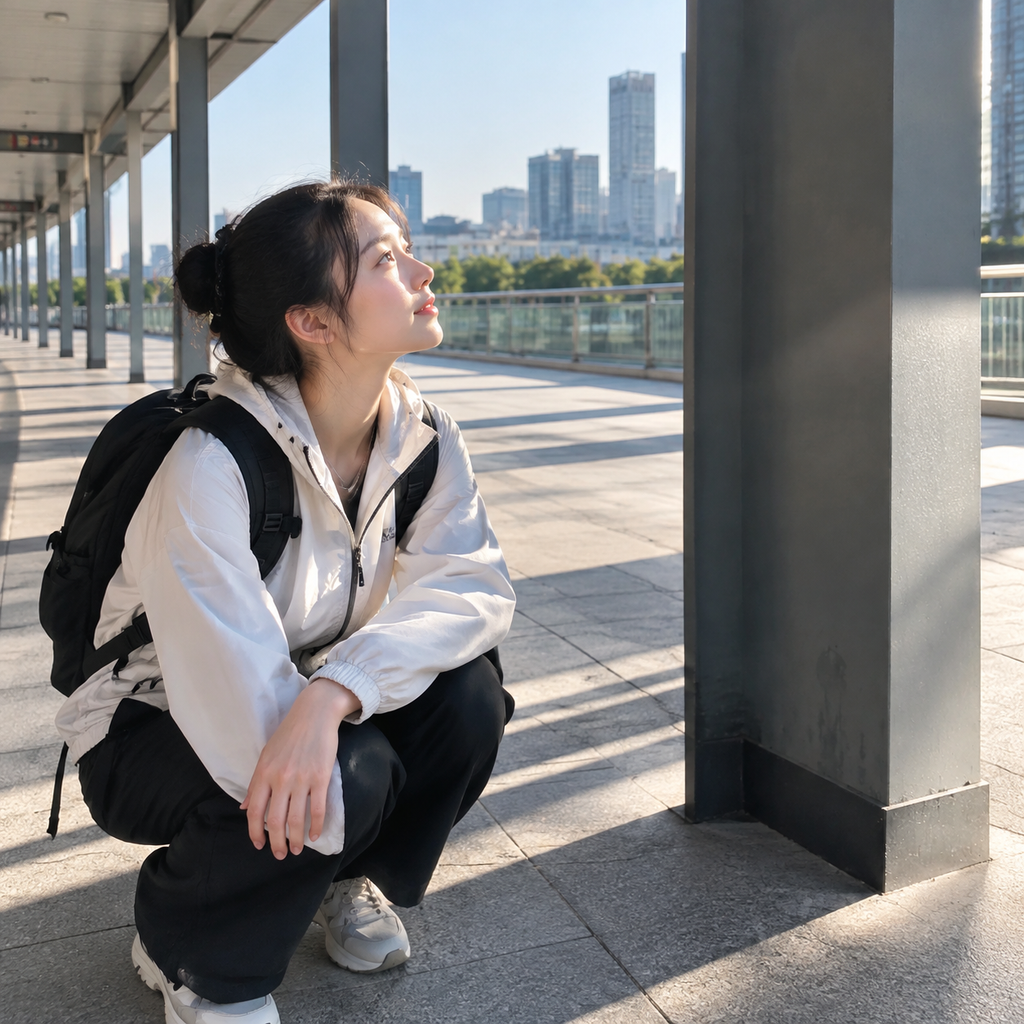
越靠近古港所指向的水域,风越有明确的咸意。岸边并没有我预想中密集的古船与喧闹码头,只有开阔水面、低声交谈的人和被风吹得猎猎作响的衣角。我蹲下系松开的鞋带,手指碰到鞋面上一层细灰;从西街走来的路,已经真实留在脚上。古港的意义也因此变得清楚:它不是供人复原一幅繁华旧画,而是让人站在水陆交界处,回望城里的塔、巷、店铺和不同口音如何被同一条航路牵在一起。
Closer to the waters associated with the ancient port, the wind carried a more definite trace of salt. There were no ranks of antique ships or roaring wharves as I had imagined, only open water, people speaking quietly, and jacket hems snapping in the wind. I crouched to retie a loose shoelace and felt fine dust on the leather. The route from West Street had left a physical mark on my feet. The port’s meaning became clearer: it was not there to reconstruct a busy old painting, but to let us stand where land met water and look back at how towers, lanes, shops, and different accents had once been tied together by the same sea routes.
回程前,我们在背风处坐了几分钟。鞋底发热,衣袖却被海风吹凉,西街清晨的锅盖声仿佛还在耳边。我想起那次可笑的路线误判:方向不是屏幕的上下,港口也不是一个孤立终点。从一碗早餐、一道门槛、一位推菜篮的伯伯,到眼前起伏的水光,泉州把海藏进了城市的动作里。朋友起身拍掉裤脚的沙,我也站起来;风正从港的方向吹来,这次不必看地图,我们都听见了。
Before returning, we sat for a few minutes out of the wind. The soles of my shoes were warm, though the sea breeze had cooled my sleeves, and I could almost hear the breakfast pot lid back on West Street. I thought of my ridiculous navigational mistake: direction is not the top or bottom of a screen, and a port is not an isolated endpoint. From a bowl of breakfast and a worn threshold to an old man with a vegetable basket and the shifting light on the water, Quanzhou had hidden the sea inside the city’s movements. My friend stood and brushed sand from a trouser leg; I rose too. The wind came from the harbor, and this time neither of us needed a map to hear it.
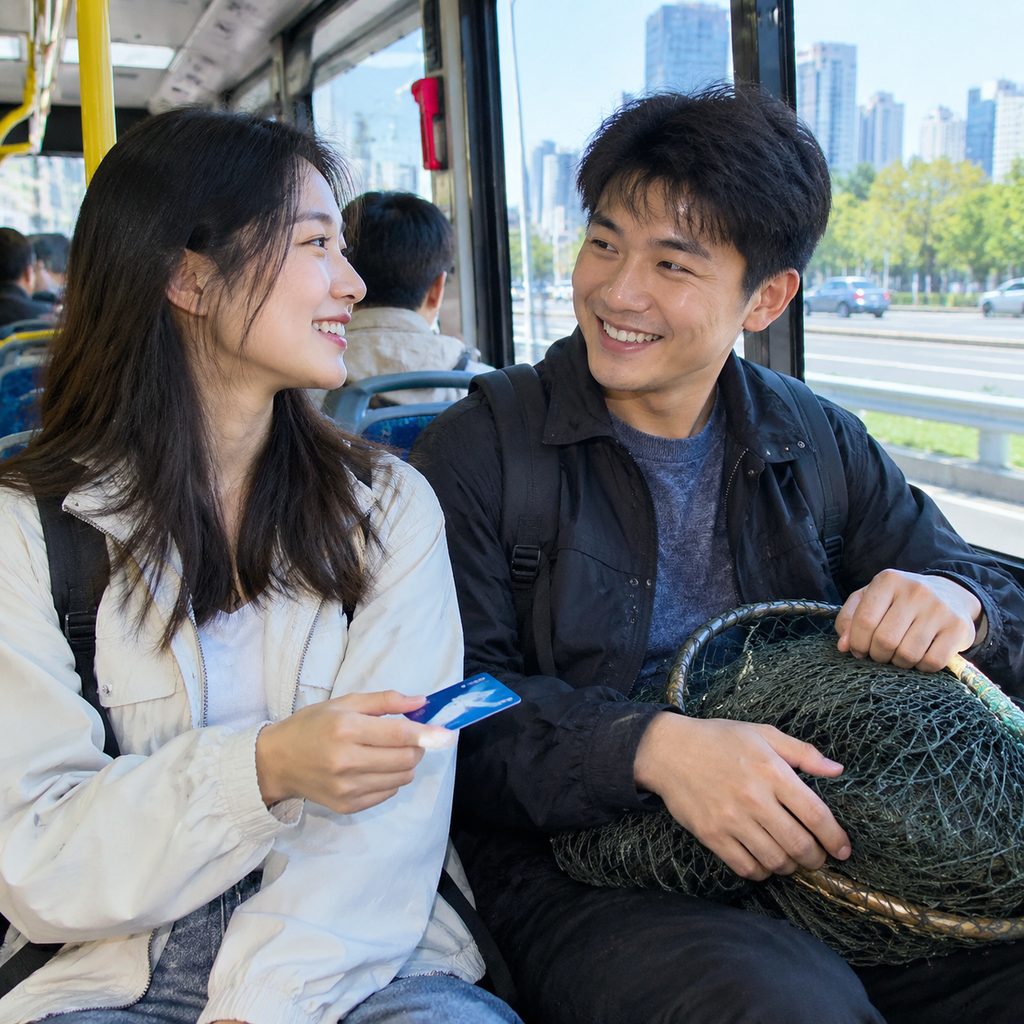
不过,我们并没有立刻折返。守在岸边修补渔网的林叔叫住朋友,问我们是不是从西街一路过来的。听见我们先步行、再换公交,他笑着把网梭放到膝上:“现在一张交通卡就接上了,以前可要看潮、等船,还得有人在岸上接货。”他让我们沿堤岸再走一小段,去看水道收窄的位置。脚下从平整人行道变成粗粝石面,手推车的轮印压在薄沙里;这种地面转换,比任何箭头都更直接地告诉人,城市在这里把街路交给了水路。
Yet we did not turn back immediately. Uncle Lin, who was mending a fishing net by the shore, called to my companion and asked whether we had come all the way from West Street. When he heard that we had walked and then transferred to a bus, he rested the netting shuttle on his knee and smiled. “Now one transit card joins the journey together. In the old days, you watched the tide, waited for a boat, and needed someone ashore to receive the cargo.” He told us to follow the embankment a little farther to where the channel narrowed. Smooth pavement gave way to coarse stone beneath our shoes, and cartwheel marks crossed a skin of sand. That change underfoot explained more clearly than any sign how the city once handed its roads over to the water.
堤边停着一辆载客小电瓶车,司机许师傅正招呼两位腿脚不便的老人上车。朋友的脚后跟也磨红了,我还想逞强继续走,许师傅却看了一眼我们的鞋,说前方风大、路直,看着近,走起来会把回程力气提前花光。他把我们捎到更开阔的岸段,途中慢慢讲起自己小时候:家里长辈从海边回来,衣服带着盐霜,口袋里偶尔装着叫不出名字的小零件;孩子们不懂远航,只知道闻到那股潮湿气味,便有人归家。短短一程车,把疲惫的双腿交给了轮子,也把一段家庭记忆交到了陌生旅人手里。
A small electric shuttle stood beside the embankment, and its driver, Master Xu, was helping two elderly passengers aboard. My companion’s heel had turned red, though I still wanted to prove we could keep walking. Master Xu glanced at our shoes and warned that the road ahead was straight and windy: it looked short, but would spend the strength needed for the return. He carried us to a more open stretch of shore and spoke quietly about childhood along the way. Older relatives came home from the sea with salt dried on their clothes and, sometimes, an unidentifiable little metal part in a pocket. The children knew nothing of voyages; they only knew that the damp, briny smell meant someone had returned. In that brief ride, we handed our tired legs to the wheels, while he handed a family memory to two strangers.
许师傅还指给我们看岸边几处不起眼的台阶。涨潮时,水会盖住最下面两级;退潮后,湿痕便像一把刻度尺留在石上。过去等船的人不必读复杂数字,只要看水线、听风声,就知道该快些卸货,还是把绳索再收紧一扣。他小时候常替长辈跑腿,把口信从岸边送到街口,换回一包糖或一块热饼。于是古港与老城之间并非只有货物流动,还有孩子奔跑的脚步、灶台等鱼的火,以及一家人因潮水早晚而改变的饭点。
Master Xu also pointed out several unremarkable stone steps along the bank. At high tide, water covered the lowest two; after it receded, a damp line remained like a ruler carved into the stone. People waiting for boats did not need complicated figures. By watching the waterline and listening to the wind, they knew whether to unload faster or tighten a rope by another turn. As a boy, he often carried messages from the shore to the street corner and returned with a packet of sweets or a warm flatbread. The route between harbor and old city therefore carried more than goods: it held children’s running footsteps, cooking fires waiting for fish, and family meals shifted earlier or later by the tide.
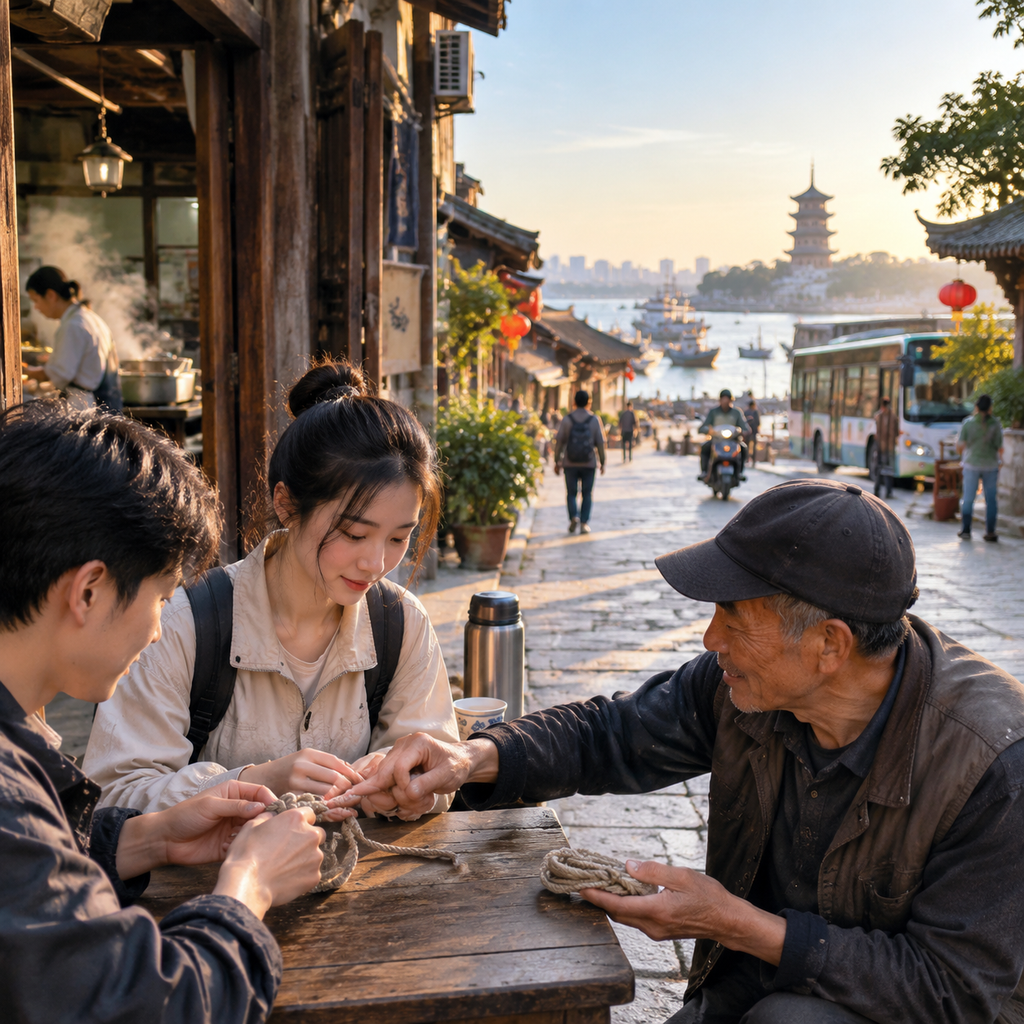
下车后,视野里终于没有楼房遮挡。潮水推着碎光往岸边靠,远处桥影横过水面,近处几根系缆桩被风和盐磨得发白。林叔随后骑车赶来,把一截废旧麻绳递给我们摸:外层扎手,内里却因反复受力而发软。他说港口留下的不只是船名和货单,还有人判断风向的习惯、打结的手势、听见雨声便去收网的本能。朋友试着照他的动作挽结,第一次一拉就散,第二次才勉强扣住。海洋记忆在那一刻不再遥远,它藏在掌纹与绳纹相互摩擦的声音里。
After we stepped off, no buildings blocked the view. The tide pushed broken light toward shore, a bridge lay in silhouette across the distance, and several mooring posts nearby had been bleached by wind and salt. Uncle Lin soon caught up on his bicycle and gave us a discarded length of hemp rope to feel. Its outer fibers pricked the skin, while the core had softened under repeated strain. A harbor, he said, leaves behind more than ship names and cargo lists. It survives in the habit of judging wind, the gesture used to tie a knot, and the instinct to collect a net at the first sound of rain. My companion copied his knot; the first one fell apart when pulled, while the second barely held. Maritime memory no longer felt remote. It lived in the dry whisper of rope crossing the lines of a palm.
回去时,许师傅把我们送到公交停靠点,车再把港区的风景一层层收回城市。厂房先挡住水面,随后是密集住宅、骑楼和熟悉的红砖;下车后,最后一段仍要靠双脚进入西街。午后的游客已经挤满街口,炸物香、茶店音乐和讲解声迎面扑来。我过去会把这当成从港口“回到”城市,如今却觉得只是同一条流动换了载体:船接水路,车接公路,人脚接小巷,气味和故事则越过所有换乘。
On the way back, Master Xu dropped us at a bus stop, and the bus folded the harbor landscape back into the city layer by layer. Workshops first hid the water, followed by dense housing, arcades, and familiar red brick. After getting off, we still had to cover the final stretch into West Street on foot. Afternoon visitors now crowded the entrance, and the smell of fried snacks, music from tea shops, and guides’ voices rushed toward us. I might once have called this a return “from the port to the city.” Now it felt like the same movement changing vehicles: boats carried it over water, buses along roads, feet into lanes, while smells and stories crossed every transfer.
我们回到早晨那家面线糊铺,蓝围裙老板一眼认出折返的两个人,问:“海找到了吗?”朋友把刚学会的绳结放在桌上,我说海没有藏在一个观景点里,它从古港沿道路进来,又在塔影、商号、早餐锅和人的口音里停住。老板把两碗热汤推过油亮桌面,笑说那就算没白走。窗外电动车铃又响起来,汤面上的胡椒香被风吹散;这一次,我知道那阵穿过西街的风从哪里来,也知道它为何总像带着归船的消息。
We returned to the mianxianhu shop from the morning. The vendor in the blue apron recognized the two wanderers at once and asked, “Did you find the sea?” My companion placed the newly learned knot on the table. I told him the sea was not hidden at a single viewpoint: it came inland from the ancient port along roads, then paused in pagoda shadows, old shop signs, breakfast pots, and the accents of people. He slid two bowls of hot soup across the shining tabletop and laughed. “Then the walk wasn’t wasted.” Outside, an electric scooter chimed again, and the breeze scattered the peppery aroma above the soup. This time I knew where the wind crossing West Street had come from, and why it always seemed to carry news of a returning boat.
其实在那碗汤见底之前,林叔发来一张刚拍的潮水照片,还在语音里补了一句:“下回别只盯着海面,看看码头背后的人家。”这句话让我们又改了主意。原先计划下午去几个热门寺庙,朋友却把收藏列表关掉,提议沿着旧商路的方向慢慢返回,不求走全,只找海风进入日常生活的痕迹。老板听见后,从抽屉里拿出一张印着南洋花砖的旧杯垫,说他祖父年轻时去过菲律宾,后来回泉州开店,这块花纹便一直留在柜台边。一个临时的转向,把下午从景点串联变成了寻找归家线索。
Before the soup bowls were empty, Uncle Lin sent us a photograph of the rising tide and added a voice message: “Next time, don’t watch only the water. Look at the homes behind the wharf.” That sentence changed our plan again. We had intended to visit several popular temples in the afternoon, but my companion closed the saved list and suggested following the direction of the old trade route back, not to cover it all, but to look for traces of sea wind entering daily life. The vendor overheard us and pulled an old coaster with a Southeast Asian tile pattern from a drawer. His grandfather had gone to the Philippines as a young man and later returned to open a shop in Quanzhou; the pattern had remained beside the counter ever since. A spontaneous turn changed our afternoon from linking sights to looking for signs of homecoming.
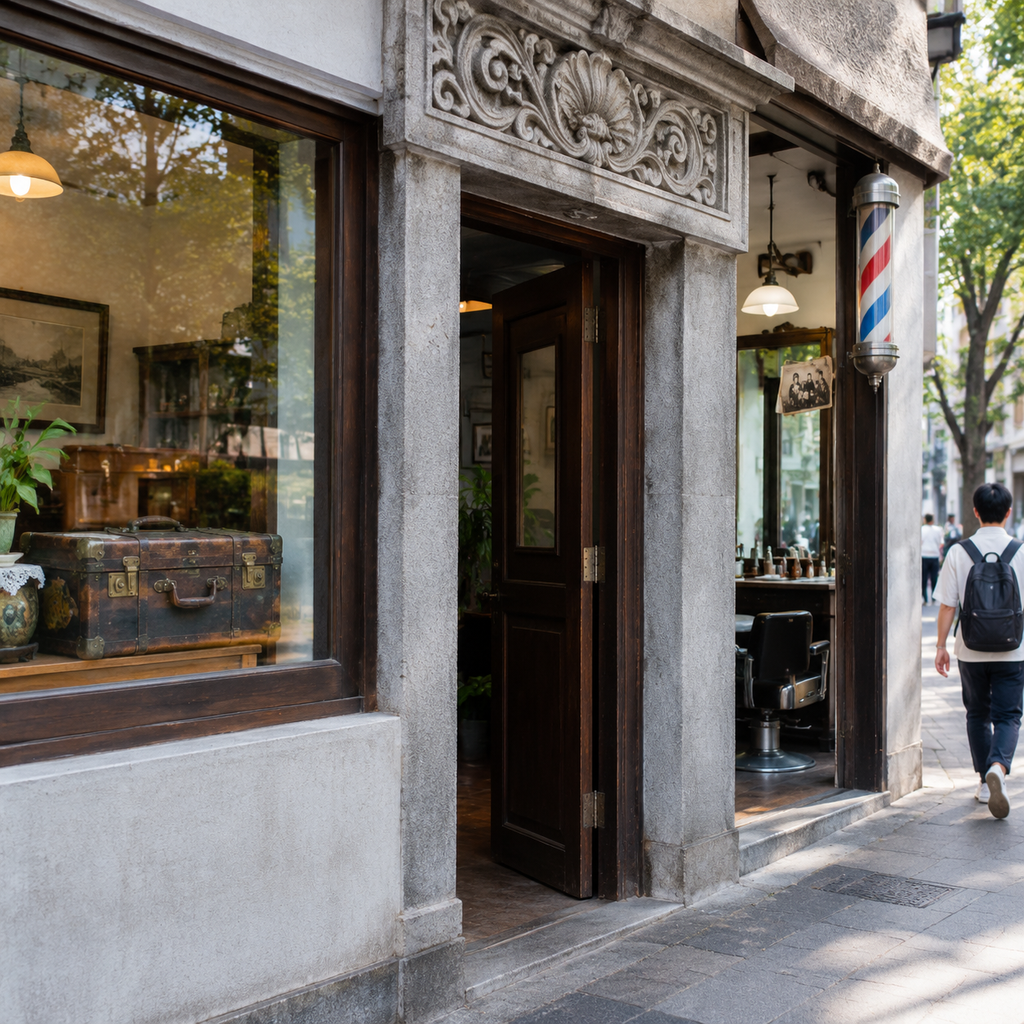
离开铺子后,我们在一排骑楼下发现了更多这样的细节。某户门楣上有卷草纹,隔壁窗内摆着旧式皮箱,理发店镜框边夹着一张泛黄合影。店里的陈姨正给客人扫碎发,见我们在门口迟疑,便招手让我们进来避一阵太阳。她指着照片中穿白衬衫的青年,说那是舅公,早年在马尼拉做生意,每封家书都把地址写得极细,怕信漂洋过海后找不到这条巷。后来人回来了,信封却舍不得丢。电风扇把照片角吹得微微翘起,我忽然明白,侨乡记忆不只属于宏大的家族史,也依附在镜框、抽屉和一句顺口的旧称呼里。
After leaving the shop, we found more such details beneath a row of arcades: curling-leaf motifs above one doorway, an old suitcase behind the next window, and a yellowed group photograph tucked into a barbershop mirror. Auntie Chen was brushing clipped hair from a customer. Seeing us hesitate outside, she waved us in to escape the sun. Pointing to a young man in a white shirt in the photograph, she said he was her granduncle, who had once traded in Manila. He wrote every home address in painstaking detail, afraid a letter might cross the ocean only to lose its way in this lane. He eventually returned, but the family could not bear to discard the envelopes. A fan lifted one corner of the photograph, and I understood that hometown memories of overseas Chinese families do not belong only to grand genealogies. They cling to mirror frames, drawers, and old forms of address spoken without ceremony.
陈姨见朋友脚后跟还贴着创可贴,没有让我们按地图上那条笔直的大路走。她说那段下午无遮阴,货车也多,转进菜市场旁的小街虽然多两个弯,却能一路走在骑楼影子下,还会经过一口老井。我们照她画在纸巾上的简图出发,果然在第一个岔口又险些犯错:手机把汽车入口当作步行通道,铁门后其实是封闭院落。卖甘蔗汁的小哥用沾水的手指点向另一边,叫我们认准墙上的绿色门牌,不要认高楼。路线于是从“跟着最短距离”改成“跟着可见地标”,人也不再被蓝色箭头牵着鼻子走。
Auntie Chen noticed the plaster on my companion’s heel and advised us against the straight avenue shown on the map. It had no shade in the afternoon and carried many delivery trucks. The lane beside the market added two turns, she said, but stayed beneath the arcades and passed an old well. We followed a sketch she drew on a napkin and nearly made another mistake at the first junction: the phone treated a vehicle entrance as a pedestrian passage, though an enclosed courtyard lay behind the gate. A sugarcane-juice seller pointed the other way with wet fingers and told us to follow the green address plates, not the tall buildings. Our method changed from choosing the shortest line to following visible landmarks, and we stopped letting the blue arrow lead us blindly.
那口井比想象中小,井栏被手掌磨得温润,旁边坐着一位摇蒲扇的黄奶奶。她说自己小时候常在这里听大人念海外来信,信里夹过汇款单,也夹过陌生港口的糖纸;孩子们抢着看花花绿绿的包装,却更关心寄信的人何时回来。海风吹进巷子时已经减弱,只把晾衣绳上的衬衫鼓起一瞬。黄奶奶抬手压住膝上的报纸,说码头的风到了侨家,会变成等待、添一副碗筷,或是把旧屋翻修时保留某块异国花砖。她没有讲传奇,只讲饭桌上总空着又总留着的位置。
The well was smaller than expected, its stone rim polished smooth by generations of palms. Grandma Huang sat beside it, moving a palm-leaf fan. As a child, she said, she often listened here while adults read letters from overseas. Some held remittance slips, others wrappers from unfamiliar ports. Children competed to see the bright packaging, yet cared more about when the sender would return. By the time the sea breeze entered the lane, it had weakened enough to lift a shirt on the clothesline for only a moment. Holding down the newspaper on her knees, she said that harbor wind changed inside migrant families: it became waiting, an extra bowl and pair of chopsticks, or a foreign tile preserved when an old house was renovated. She offered no legend, only the place at the dining table that seemed both empty and permanently reserved.
傍晚又经过老城边缘时,天色把红砖压成更深的赭色。我们站在公交站旁复盘当天的误判:第一次错在把屏幕下方当成南方,第二次错在把车行入口当成步道,更根本的错,则是认为抵达古港等于看见古港。林叔教我们看潮痕,许师傅让我们保留返程体力,陈姨给了阴凉路线,卖甘蔗汁的小哥教我们认门牌,黄奶奶把海外航线拉回一张饭桌。路线被他们一次次推着修正,才从抽象的直线变成有人生活的路径。
By dusk, when we again reached the edge of the old city, the fading light had deepened the red brick to burnt ocher. At the bus stop we reviewed the day’s errors: first mistaking the bottom of the screen for south, then mistaking a vehicle gate for a footpath, and, more fundamentally, believing that reaching the ancient port meant we had truly seen it. Uncle Lin taught us to read tide marks. Master Xu made us save strength for the return. Auntie Chen offered a shaded route, the sugarcane seller taught us to follow address plates, and Grandma Huang brought an overseas sea lane back to one dining table. Each person nudged our route into a new shape until an abstract line became a path inhabited by real lives.
车来时,司机打开前门,冷气裹着淡淡的海盐味涌出来。朋友先上车,又回头替黄奶奶指的那条巷拍了一张照片;画面里没有船,只有晾起的白衬衫、井边蒲扇和骑楼下刚亮的灯。车窗转弯后,远处水面闪了一下便被楼房遮住,我却不再觉得海消失了。它已经留在绳结的硬度、信封上的地址、桌边多摆的一只碗,也留在我们终于学会放下最短路线、肯向街坊开口的那一刻。
When the bus arrived, the driver opened the front door and cool air carrying a faint trace of salt flowed out. My companion boarded first, then turned back to photograph the lane Grandma Huang had indicated. There was no boat in the frame, only a white shirt on a clothesline, a palm fan beside the well, and lamps newly lit beneath the arcades. After the bus turned, the distant water flashed once and vanished behind buildings, but I no longer felt that the sea had disappeared. It remained in the stiffness of a knot, an address on an envelope, an extra bowl beside a table, and the moment we finally abandoned the shortest route and learned to ask the people of the street.
下午三点多的港边与清晨老城完全不同。太阳斜照在水泥坡道上,晒过的鱼筐散出咸腥味,几艘小船贴着浮桥轻轻磕碰。一个穿橙色胶鞋的女人把银亮的小鱼从蓝筐倒进泡沫箱,丈夫蹲在旁边压紧冰袋,读小学的女儿则握着记号笔,在箱盖上认真写下重量。她写歪了一个数字,母亲没有替她擦掉,只握住她的手腕带着重描一遍。码头生活就在这一家三口的接力里推进,没有谁停下来为游客表演。
The harbor after three in the afternoon felt entirely different from the old city at dawn. Slanting sunlight struck the concrete ramp, sun-warmed fish baskets gave off a briny smell, and several small boats knocked softly against the floating pier. A woman in orange rubber boots tipped shining fish from a blue basket into a foam box. Her husband crouched beside her to press down the ice packs, while their primary-school-aged daughter wrote the weight carefully on the lid with a marker. When she made one digit crooked, her mother did not erase it for her; she held the girl’s wrist and guided her over the number once more. Harbor life moved forward through the relay of this family of three, with no one pausing to perform for visitors.
再往前,卸货坡道忽然忙起来。船头的人抛出缆绳,岸上的年轻人后退两步接住,绕过系缆桩再用肩膀往后一沉;木船便从摇摆中稳住。朋友本想靠近拍照,被林叔抬臂挡了一下。他指向地面一条被海水浸黑的线,让我们站在线外,因为手推车一旦装满,转弯时看似缓慢,重量却收不住。话音刚落,两个工人就推着成筐海蛎经过,轮子碾过接缝发出连续闷响。我们贴墙让路,衣摆被带起的湿风扫了一下,也终于懂得码头的边界不是栏杆,而是劳动者默契留出的通道。
Farther on, the unloading ramp suddenly grew busy. A man at the bow threw a mooring line; a young worker ashore stepped back twice to catch it, looped it around a bollard, and dropped his weight through one shoulder. The wooden boat steadied from its rocking. My companion raised the camera and started closer, but Uncle Lin blocked the way with an arm. He pointed to a dark line soaked into the ground and told us to remain outside it: a loaded handcart might turn slowly, yet its weight could not stop quickly. As he spoke, two workers pushed baskets of oysters past us, the wheels making a chain of dull knocks over the pavement joints. We flattened ourselves against the wall, our clothes brushed by the damp wake of air, and understood that a pier’s boundary is not always a railing. Often it is the passage workers silently keep clear for one another.
靠近背风棚,几个老人坐在矮凳上解网。网眼里缠着碎贝壳和细草,一位戴草帽的阿婆用拇指顶住结头,小刀只挑断废线,不碰还能用的网目。她把完整的塑料浮子丢进脚边铁盆,清脆一声,旁边的人便伸手接着分类。我问这活要做到几点,她抬头看看光落到棚柱的位置,说不看钟,等这片影子爬过下一根柱子就收。随后她示意我拉住网角,我使劲过猛,整张网缩成一团;她笑着拍开我的手,重新把网铺平,手指像梳头一样一寸寸理过去。
Under a shelter out of the wind, several older people sat on low stools untangling nets. Bits of shell and fine weed clung to the mesh. A grandmother in a straw hat held each knot against her thumb and used a small knife to cut only the ruined thread, never the sections that could still serve. She tossed intact plastic floats into an iron basin at her feet. Each clear clang prompted the person beside her to sort another piece. I asked what time they would finish. She glanced at where the sunlight touched a support post and said they did not watch the clock; they would pack up when the shadow crossed the next post. Then she asked me to hold a corner of the net. I pulled too hard and gathered the whole sheet into a knot. Laughing, she tapped my hand away, spread the net flat again, and combed through it inch by inch with her fingers.
太阳再低一些,古港忽然从劳动的明亮里退进傍晚。水面由刺眼的银白变成旧铜色,浮桥下的浪一下一下推着阴影,岸边晾晒的绳索开始发凉。海风也换了脾气,午后它只把帽檐掀起,此刻却沿袖口钻进来,带着湿木、柴油和刚开箱的鱼腥。朋友把外套拉链拉到下巴,我站到背风棚外,听见远处船机停下后,四周反而多出细小声音:铁环碰桩、塑料浮子擦过船舷,还有归巢的白鹭从水道上方叫了一声。
As the sun dropped lower, the ancient port slipped out of the brightness of work and into evening. The water changed from glaring silver to the color of old copper, while waves beneath the floating pier pushed at the shadows one beat at a time. Ropes drying along the bank began to feel cold. The sea breeze changed character too. In the afternoon it had merely lifted our hat brims; now it slipped through our cuffs, carrying damp timber, diesel, and the sharp smell of fish from a newly opened box. My companion zipped her jacket to her chin. I stepped beyond the shelter and, once a distant boat engine stopped, heard smaller sounds emerge: an iron ring striking a post, plastic floats brushing a hull, and a homebound egret calling above the channel.
写箱盖的女孩已经做完功课似的差事,蹲在坡道边洗记号笔留下的蓝印。她把手伸进水桶,又被凉得立刻缩回来,母亲笑着递给她一块旧毛巾。女孩见我们还在,举起刚才写歪又描正的箱盖问朋友:“现在像不像?”朋友认真竖起拇指,还把手机里那张照片给她看。照片中的数字被落日照得很亮,女孩抿着嘴笑,转身去帮父亲收胶带。这个极短的对话,让港口的傍晚不只是光线柔下来,也是一个孩子结束帮忙、准备随父母回家吃饭的时刻。
The girl who had labeled the box had finished her homework-like task and was crouching beside the ramp, washing blue marker stains from her fingers. She dipped a hand into a bucket, then snatched it back at the cold, making her mother laugh and pass her an old towel. Seeing that we were still there, the girl lifted the lid whose crooked number she had retraced and asked my companion, “Does it look right now?” My companion gave her a solemn thumbs-up and showed her the photograph on the phone. The number glowed in the sunset. The girl smiled with her lips pressed together, then turned to help her father gather the tape. That tiny exchange made dusk at the port more than a softening of light; it was also the hour when a child finished helping and prepared to go home for dinner with her parents.
林叔把修好的网卷起时,风把他帽檐吹得不断拍额头。他用麻绳绕了两圈,叫我把下午学的结再打一遍。我第一次扣反,朋友在旁边提醒绳头要从内侧穿回去;这次拉紧后,绳卷没有散。林叔用手背敲了敲结,算是验收,然后把那截练习用的旧绳塞进我掌心:“带回去,下回来就不用从头教。”我说不敢保证什么时候再来,他摆摆手,说港口的人不催归期,只认得回来的人。说完便扛起网卷,朝停在坡下的摩托车走去。
When Uncle Lin rolled up the repaired net, the wind kept slapping his hat brim against his forehead. He looped the hemp rope twice and told me to tie the knot I had learned that afternoon. I crossed it the wrong way at first, until my companion reminded me to bring the loose end back through the inside. This time the coil held when I pulled it tight. Uncle Lin tapped the knot with the back of his hand in approval, then pressed the old practice rope into my palm. “Take it with you. Next time I won’t have to teach you from the beginning.” I said I could not promise when we would return. He waved that aside and said harbor people did not press anyone for a return date; they simply recognized those who came back. Then he shouldered the net and walked toward his motorcycle below the ramp.
四点半后,码头的节奏开始换挡。卖冰水的小摊收起遮阳布,船员把空筐叠成齐腰高的一摞,先前写箱盖的女孩用袖口擦掉手背上的蓝墨水。我们原想等落日再走,许师傅却看见西边积云,提醒傍晚港区下雨时打车不容易,最好趁班车还密先返回城里。他掏出手机替我们确认停靠点,又用手指划出两种走法:体力足可在晋江一带换乘后步行进老城,脚疼则一直坐到较近的市区站,再转小车到西街外围。朋友把站名复述了一遍,他才点头,转身去帮工人扶正摇晃的筐塔。
After half past four, the pier shifted into another rhythm. A cold-drink stall folded its sunshade, crew members stacked empty baskets as high as their waists, and the girl who had labeled the boxes rubbed blue ink from the back of her hand with her cuff. We had planned to wait for sunset, but Master Xu noticed clouds gathering in the west and warned that taxis were difficult to find around the harbor when evening rain arrived. It was wiser to leave while buses still ran frequently. He checked the stop on his phone and traced two return options with a finger. If we still had energy, we could transfer around Jinjiang and walk into the old city. If our feet hurt, we could ride to a stop closer to central Quanzhou and take a short car ride to the edge of West Street. Only after my companion repeated the stop name did he nod and turn away to steady a swaying tower of baskets.
天边的云层没有立刻压下来,反而被夕阳烧出一道窄窄的橘红。林叔站在堤岸尽头朝我们挥手,另一只手还压着没有收完的网。我们隔着一段渐暗的水面互相喊了一声,听不清内容,只能看见他抬臂的轮廓。朋友想跑过去道谢,我拉住她,说班车的时间不能再耽搁;她便把声音提高,朝林叔喊:“绳结我会了!”林叔听见后点点头,手掌在空中绕了一个结的动作。那不是正式的道别,却比客套话更像港口的告别:各自还有事情要做,仍要在天黑前把自己送回家。
The clouds on the horizon did not press down at once. Instead, the sunset burned a narrow strip of orange through them. Uncle Lin stood at the end of the embankment waving, one hand still holding down a net that had not been packed away. We called across the darkening water, but could not make out each other’s words; only the outline of his raised arm was clear. My companion wanted to run back to thank him, and I held her back because we could not miss the bus. She raised her voice and called, “I can tie the knot now!” Uncle Lin heard and nodded, then made the looping gesture of a knot in the air. It was not a formal farewell, but it felt truer than polite words: each person still had work to finish and had to get home before dark.
许师傅把小电瓶车停到路边,替我们把水瓶塞进座位下的网袋。朋友回头看了一眼那片岸,发现橙色胶鞋的女人已经收起蓝筐,女孩坐在泡沫箱旁晃着双腿,父亲正把车上的空筐固定好。远处棚灯一盏接一盏亮起,灯下的水汽被风吹成薄雾,人的脸只在转身时短暂清楚。我们没有再拍照,怕把这段收工时刻变成摆拍;只在车子启动前向他们挥了挥手。驶离堤岸的那一刻,我感觉肩膀终于松下来,脚底的酸胀也从刺痛变成一种可以承受的疲惫。
Master Xu pulled the small electric shuttle to the roadside and tucked our water bottles into the mesh pocket beneath the seat. My companion looked back at the shore. The woman in orange boots had already put away the blue baskets; the girl sat beside the foam boxes swinging her legs, while her father secured the empty crates on the vehicle. One harbor lamp after another came on in the distance. Wind thinned the moisture beneath the lights into a veil, and faces became clear only when people turned. We took no more photographs, unwilling to turn the end of their workday into a staged scene. We simply waved before the vehicle started. As we moved away from the embankment, I felt my shoulders finally release, and the ache in my soles changed from a sharp sting into a tiredness I could carry.
车轮刚驶过堤岸的第一个弯,朋友忽然说,今天认识的人都没有问我们从哪里来,也没有催我们马上离开,仿佛只要肯站在这里听一会儿,便自然会知道什么时候该走。她把那截旧麻绳放在膝上,指尖反复摸着粗细不均的纤维。我望向后窗,港灯在玻璃上缩成几粒晃动的黄点,海风仍追着车尾,却已经没有白天那样硬。疲惫让我们的声音低下来,告别反而变得清楚:不是把某个地方留在照片里,而是记住几个人如何在天黑前各自收工、各自回家。
As the wheels passed the first bend beyond the embankment, my companion suddenly said that none of the people we had met asked where we came from or urged us to leave. It was as if anyone willing to stand there and listen for a while would naturally know when it was time to go. She placed the old hemp rope on her knees and kept feeling its uneven fibers with her fingertips. In the rear window, harbor lamps shrank into a few trembling yellow dots. The sea breeze still followed the vehicle, but it had lost the force it carried in daylight. Weariness lowered our voices, making the farewells clearer. We would not keep the place only inside photographs; we would remember how several people finished their work before dark and made their own way home.
我们选了保守路线。先沿堤岸走到有顶棚的停靠点,上车后坐在右侧,水面便在窗外陪了我们一程;过桥后再换进城方向的车,不在货车多的岔路提前下。朋友把创可贴重新按牢,我把剩下的水递给她,又趁红灯时核对一次终点。车里有刚收工的码头工人,胶鞋边沾着浅灰泥,一位师傅把手套翻过来抖出细沙,才靠着窗闭眼。窗外由船棚变成仓库,由仓库变成住宅和亮起灯的便利店,咸味逐渐被空调风与乘客手里的熟食香盖住,返城不是突然切场,而是一层层把身体送回街巷。
We chose the more cautious route. First we followed the embankment to a covered stop. Once aboard, we sat on the right so the water remained beside the window for part of the ride. After crossing the bridge, we transferred to a city-bound service and avoided getting off too early at the junction crowded with freight trucks. My companion pressed the bandage firmly onto her heel again. I handed her the remaining water and checked our destination once more while the bus waited at a red light. Several dockworkers were heading home, pale gray mud clinging to the edges of their rubber boots. One man turned his gloves inside out, shook away the sand, and only then rested against the window with closed eyes. Outside, boat sheds gave way to warehouses, then homes and brightly lit convenience stores. The smell of salt gradually yielded to conditioned air and the aroma of cooked food in passengers’ hands. Returning to the city was not a sudden scene change; it delivered the body back to the lanes one layer at a time.
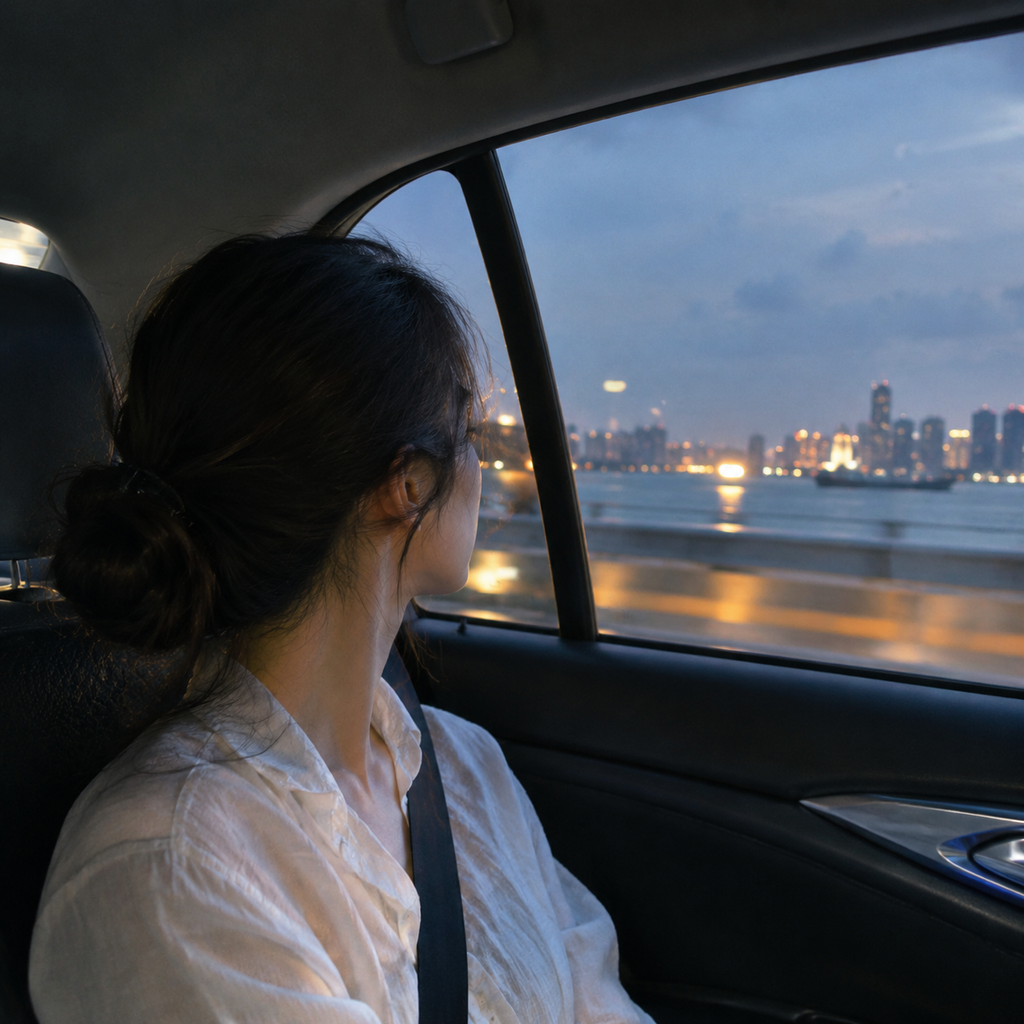
进老城前,雨只落了几滴,石路便先显出深色。我们没有马上钻进最热闹的西街,而是在城门附近下车,沿熟悉的骑楼慢慢走回去。朋友的步子比早上短,我也不再催她赶景点;经过水果摊时,她停下买了两只橘子,把其中一只塞给我。剥开的橘皮气味盖过衣服上的鱼腥,远处开元寺双塔从屋顶后露出来。身后公交关门起步,车灯在湿地面拉出一道橙光。我们回头时,码头已经看不见了,但那个女孩描数字的手、工人沉肩收缆的动作、阿婆顺网的指尖,还随着脚步一起进了城。
Only a few raindrops had fallen before we entered the old city, yet the stone road had already darkened. Instead of plunging into the busiest section of West Street, we got off near the city gate and followed the familiar arcades back at an easy pace. My companion took shorter steps than she had in the morning, and I no longer urged her toward another sight. At a fruit stall, she stopped to buy two mandarins and pushed one into my hand. The scent released from the peel replaced the fishy trace on our clothes, while Kaiyuan Temple’s twin pagodas appeared beyond the rooftops. Behind us, the bus shut its doors and pulled away, its lights drawing an orange streak across the wet ground. The harbor had disappeared from view when we turned around, but the girl’s hand retracing a number, the worker’s sinking shoulder on the mooring line, and the grandmother’s fingers smoothing the net had all returned to the city with our footsteps.
雨势很快停了,天却已经黑透。我们从城门旁一条不熟的横巷切进西街,没有追着最亮的招牌走,而是顺着屋檐下断断续续的灯往前。卖润饼菜的摊位正在收台,铁夹碰到不锈钢盘,发出清脆的响声;隔壁小店把半卷卷帘门留在胸口高的位置,里面的老板还在清点零钱。朋友想找地方坐下,我看见巷口有一排靠墙的木凳,便先把水瓶放到脚边,让她坐着换鞋。鞋垫被汗水浸得发硬,脱下来时带出一股橡胶和湿石板混在一起的气味。身体在这几分钟里慢下来,白天那些关于港口的判断也不再急着争一个结论。
The rain stopped quickly, but darkness had already settled over the city. We cut into West Street through an unfamiliar cross-lane beside the city gate, following intermittent lamps beneath the eaves instead of chasing the brightest signs. A spring-roll stall was packing up; metal tongs tapped a stainless-steel tray with a clear ring. Next door, a shopkeeper had left the roller shutter at chest height while he counted the day’s change. My companion wanted somewhere to sit, and I noticed a row of wooden benches along the wall. I set our water bottles by our feet and let her change shoes. The insoles had stiffened with sweat, releasing a smell of rubber and wet stone when she pulled them out. For those few minutes, our bodies slowed, and our daytime thoughts about the harbor no longer needed to win an argument.
坐够一会儿,我们才继续往西街深处走。夜里的骑楼像把白天收拢起来,檐柱之间只剩一段段被灯照亮的地面。修鞋摊的师傅把小台灯夹在膝边,针线穿过鞋底时,金属尖端反射出细小的白光;水果店门口堆着半人高的纸箱,老板用胶带封住最后一箱荔枝。我们经过一间还开着门的茶馆,里面有人打牌,碰杯声和笑声从木门缝里漏出来。朋友忽然停下,指着墙角一块被雨水冲亮的红砖,说它和古港那边的砖颜色不一样。我蹲下来观察,才发现老城的墙面更粗,缝里还夹着细沙;白天只顾赶路,到了夜里,眼睛反而开始辨认材料。
After sitting for a while, we continued deeper into West Street. The arcades at night seemed to fold the daytime city inward, leaving only short sections of pavement illuminated between the columns. A shoemaker clipped a small lamp beside his knee; each time his needle passed through a sole, its metal tip flashed white. Boxes reached waist height outside a fruit shop, where the owner sealed the final crate with tape. A tea house was still open, and the sounds of cards, clinking cups, and laughter leaked through its wooden door. My companion suddenly stopped and pointed to a red brick brightened by rain, saying it looked different from the bricks near the ancient port. I crouched to examine it and noticed that the old-city wall was rougher, with fine sand caught in its joints. During the day we had hurried past such things; at night our eyes began to recognize materials.
再往前,西街最热闹的那一段已经开始降温。游客把手里的小吃袋拎得更高,避开地面残留的水洼;骑电动车的人放慢速度,在行人之间留出一道能看见的缝。开元寺外的树影落在湿砖上,风从塔影方向穿过来,带走摊档最后一点油烟。朋友把旧麻绳从包里取出,在路灯下重新试着打结。她打得不算漂亮,绳头却没有滑开。一个拎着书包放学回家的男孩经过,看了一眼说:“这样绕,再收紧。”他用手在空中比了两下,没等我们道谢便跑进旁边的居民楼。白天在港边学来的动作,到了夜巷里又被一个陌生孩子补上最后一笔。
Farther on, the busiest stretch of West Street was beginning to cool down. Visitors lifted their snack bags to avoid puddles, while electric-scooter riders slowed and left a visible opening among the pedestrians. Tree shadows from outside Kaiyuan Temple fell across the wet bricks, and a breeze from the direction of the pagodas carried away the last traces of cooking smoke. My companion took the old hemp rope from her bag and tried the knot again beneath a streetlamp. It was not elegant, but the loose end did not slip. A boy going home with a schoolbag glanced at it and said, “Wrap it this way, then pull it tight.” He demonstrated twice in the air and ran into a nearby residential building before we could thank him. A movement learned beside the harbor in daylight had received its final correction from a stranger in the night lane.
我们在一间还亮着灯的小吃店吃了最后一顿。店面不大,四张桌子都靠墙摆着,老板娘先端来两碗热汤,又把一碟切好的醋肉放在中间,说走了这么远,别只吃橘子。汤里的胡椒和白酒香把喉咙暖开,朋友一边蘸酱,一边把今天遇到的人重新念了一遍:林叔、许师傅、陈姨、黄奶奶,还有那个没留下名字的男孩。她说这些名字像一条看不见的回程线,把古港和西街牵在一起。店外有人拖着折叠桌经过,桌脚在石板上刮出长长一声,老板娘抬头喊他慢点,别碰到门框。这样的提醒没有任何观光意义,却让夜晚显得真实而有秩序。
We ate our last meal at a small snack shop that was still lit. Four tables stood against the walls. The owner first brought two bowls of hot soup, then placed a plate of sliced vinegar pork between us and said that after walking so far, we should not live on mandarins alone. Pepper and rice wine warmed our throats. As my companion dipped the pork into sauce, she recited the people we had met: Uncle Lin, Master Xu, Auntie Chen, Grandma Huang, and the boy whose name we never learned. She said their names formed an invisible return line linking the ancient port with West Street. Outside, someone dragged a folding table across the stone pavement, making a long scrape. The owner looked up and called for him to slow down so he would not hit the doorframe. The warning had no sightseeing value, yet it made the night feel real and ordered.
吃完出来,街上的人已经少了许多。我们没有再回到主街中央,而是沿着一条能看见住家窗户的窄巷往旅店方向走。二楼有人晾衣服忘了收,白衬衫在夜风里轻轻摆动;一户人家把电视声关得很低,只听见碗筷偶尔相碰,巷尾还传来几声潮湿的脚步。拐角的香火店已经落闸,门前还留着一小圈檀香味。朋友把绳结握在手里,走到路灯下停住,说:“明天我想把它放进笔记本,不想放进行李箱。”我问为什么,她说行李箱会把东西带回家,笔记本却会让自己记得它是怎么来的。于是我们把绳结夹在当天画过路线的纸页之间,纸上仍有公交站名和一滴晕开的雨水。
After dinner, the street had thinned considerably. We avoided the center of the main road and walked toward the inn through a narrow lane where household windows were visible. Someone on the second floor had forgotten to collect a white shirt, which moved gently in the night breeze. In one home, the television was turned low; only the occasional meeting of chopsticks and bowls could be heard. A closed incense shop left a small circle of sandalwood in front of its shutter. My companion held the knot and stopped beneath a streetlamp. “Tomorrow I want to put it in my notebook, not in my suitcase,” she said. I asked why. A suitcase would carry it home, she answered, but a notebook would make her remember how it had arrived. We tucked the knot between the pages where we had drawn the day’s route. The paper still showed bus-stop names and one drop of rain that had spread into a pale mark.
- 陪妈妈在无锡看五月太湖烟雨,我终于学会听她慢慢讲年轻时的事 | Walking with My Mother Through Taihu Mist in Wuxi, I Finally Learned to Listen to Her Younger Stories Slowly
- 二月冬末旅游:南方暖意正浓 | Late Winter Travel: Warmth in Southern China
- 中国旅游网络与上网指南 | Internet & Connectivity Guide for China Travel
- 婚礼与节庆中的传统服饰 | Traditional Dress in Chinese Weddings & Festivals
- 木拱廊桥雨天慢行:听一座桥把山水说轻 | Walking Slowly Across a Wooden Covered Bridge in the Rain
- 昆明蓝花楹城市漫步:把春天走成一条紫色街巷 | A Jacaranda Walk in Kunming: Turning Spring into a Purple Street
- 凌晨五点的生料粉摊,把我带进了玉林 | A 5 A.M. Rice-Noodle Stall Led Me into Yulin
- 中国凉菜:一桌好饭从凉菜开始 | Chinese Cold Dishes: Every Great Meal Starts Here
- 中国教育体系与考试文化 | China's Education System and Exam Culture
- 遵义老城坡道上,我把台阶数错了 | I Lost Count of the Steps on Zunyi’s Old-Town Slopes
Comments (0)