
我在杭州学会先看公交站牌再上车 | In Hangzhou I Learned to Read the Bus Stop Before Boarding
我在杭州学会先看公交站牌再上车 | In Hangzhou I Learned to Read the Bus Stop Before Boarding
我以前在中国旅行时,很依赖地铁,因为线路清楚、站名固定、手机导航也更容易跟上。可是在杭州住进西湖边一段居民区之后,我才发现真正把我带进日常生活的,不是地铁,而是公交。第一天傍晚,我站在一处树荫很重的站台下,面前是好几路车同时进站,电子屏滚动得很快,旁边的阿姨已经自然地往前一步准备上车。我那时最紧张的不是不会付款,而是怕自己在错误的门前排队、怕上错方向、怕一车人都在动而我还在原地判断。对一个外国人来说,这种几秒钟内的微小犹豫,常常比大景点更能暴露旅行里的不安。
When I used to travel in China, I depended heavily on the metro because the lines were clear, the station names were fixed, and phone navigation was easier to follow. But after staying in a residential area near West Lake in Hangzhou, I realized that the system that truly pulled me into everyday life was not the metro. It was the bus. On my first evening, I stood beneath a stop shaded by heavy trees. Several routes were arriving at once, the electronic board was scrolling quickly, and an older local woman beside me had already taken one calm step forward to board. What made me nervous was not payment. It was the fear of queuing at the wrong door, taking the wrong direction, or freezing while everyone else was already moving. For a foreigner, this kind of tiny hesitation in a few seconds often exposes more travel anxiety than any major attraction.
我后来发现,公交系统最考验人的不是记忆力,而是观察顺序。以前我总是一看到自己那路车来了就急着靠近,像怕它立刻消失一样。可杭州那次让我学会了一件更重要的事:先读站牌,再看方向,再确认下一站逻辑,最后才上车。只要顺序对了,动作就不必慌。我越来越理解,为什么很多在中国慢慢建立稳定感的人,最后都会把注意力放回这些普通场景。像通过小动作融入中国生活、先把安全感建立在日常细节上,这些经验我以前读的时候觉得抽象,真正站在公交站台上时才突然懂了。
I later realized that buses do not test your memory as much as they test the order in which you observe things. I used to rush forward the moment I saw my route arriving, as if the bus might vanish at once. But Hangzhou taught me something more useful: read the stop sign first, check the direction second, confirm the logic of the next few stops third, and board only after that. Once the order is right, the movement no longer has to be panicked. I increasingly understood why people who slowly build steadiness in China end up focusing on ordinary scenes like this. Those ideas had once felt abstract when I read them. At a bus stop, they suddenly became concrete.
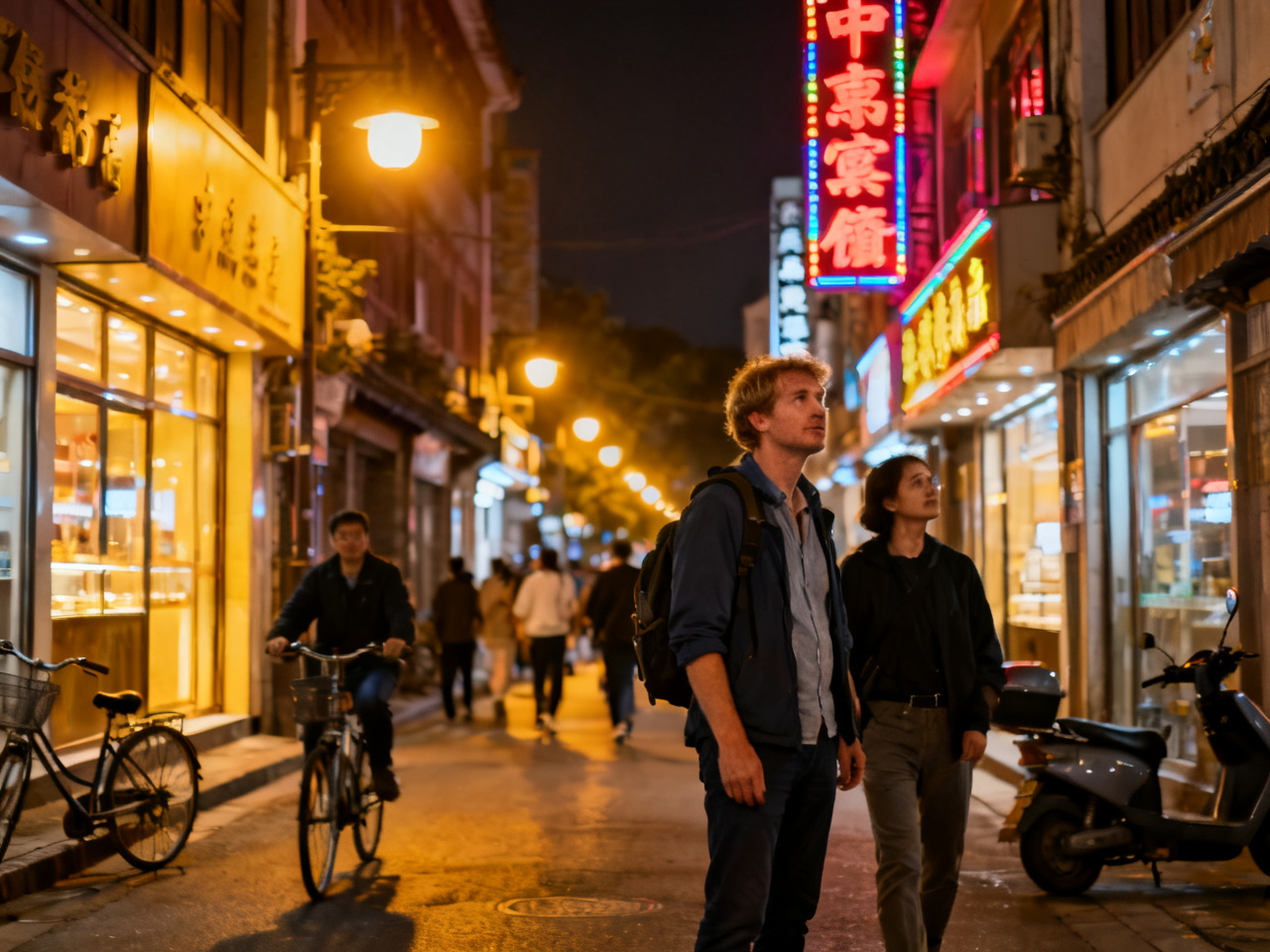
那天我准备去一条离湖边不远、但步行有点绕的小街吃晚饭。导航告诉我坐两站公交最省力,可我盯着站牌时才意识到,真正有用的信息不只是哪一路,还包括它开往哪里、经过哪些更大的地标、如果坐过站下一步能怎么补救。我开始强迫自己别只看一个站名,而是看一整段路线的结构。比如车会不会经过医院、商场、知名路口,车站名称是不是和地图上的片区一致。这种看法很像我后来在别的城市学会的夜间抵达判断:不要只抓一个点,要看整条链条是否合理。等我这样做之后,公交忽然不再像考试题,而更像一个信息很公开的系统。
That evening I was trying to reach a small street not far from the lake, but awkward on foot. My map said taking the bus for two stops would be easiest. Yet while staring at the stop board, I realized the useful information was not only which route to board. It also included where that route was headed, which larger landmarks it passed, and what my recovery option would be if I missed my stop. I began forcing myself not to read only one station name, but to read the structure of a section of the route. Would the bus pass a hospital, a mall, a recognizable intersection? Did the stop names match the district names on the map? The method resembled what I had later learned in other cities about late arrivals: do not cling to a single point; check whether the whole chain makes sense. Once I did that, the bus system stopped feeling like an exam and started feeling like a public system whose information was actually quite open.
上车之后,我也改掉了另一个以前常犯的毛病:一坐下就低头完全依赖导航。导航当然有用,但如果车里信号一慢、定位一漂,我心里也会跟着乱。现在我会先看车内电子屏,再听报站,再把窗外的大路名和地图对一下。只要三种信息能互相印证,我就会安心很多。有一次我差点因为只盯手机而坐过站,后来正是抬头看见车内屏幕和一家熟悉便利店,才及时按铃下车。这个小经验让我非常信服街头安全判断不是靠紧张,而是靠多重确认这种思路。对外国人来说,稳定比聪明反应更重要。
After boarding, I also corrected another bad habit: sitting down and relying entirely on navigation. Maps are useful, of course, but when the connection slows or the location drifts, my nerves drift with it. Now I first check the interior screen, then listen to the stop announcements, then compare the main road outside the window with the map. As long as those three sources confirm one another, I feel much calmer. Once I nearly missed my stop because I was watching only my phone; I was saved by looking up and recognizing both the bus display and a familiar convenience store outside. That tiny lesson made me believe strongly in the idea from everyday street safety depends on layered confirmation, not raw tension. For foreigners, steadiness matters more than quick cleverness.
我也慢慢发现,中国公交真正让我放松的地方,在于它把城市的生活面露得很自然。地铁更高效,但公交会经过小区门口、菜市场边、学校围墙、街角水果店、老人在树下聊天的长椅。坐在车上,我第一次觉得自己不只是从景点去景点,而是在看一座城市如何把普通一天组织起来。正因为这样,公交也会暴露一些最实用的旅行问题:什么时候该提前往门边站,什么时候不用挤,哪些时间段车上更空、带行李时该避开什么点。这些都不是“观光攻略”最爱写的内容,但对真实在中国移动的外国人来说,它们非常关键。
I also slowly discovered that what relaxed me about Chinese buses was how naturally they exposed the living surface of a city. The metro is more efficient, but buses pass residential gates, wet markets, school walls, corner fruit shops, and benches where older people sit talking under trees. Sitting there, I felt for the first time that I was not merely moving between attractions. I was watching how a city organized an ordinary day. Precisely for that reason, buses also reveal the most practical travel questions: when to move toward the exit in advance, when not to squeeze, which time windows are emptier, and which hours are worth avoiding if you have luggage. These are not the favorite topics of sightseeing guides, but for foreigners actually moving through China, they matter a great deal.
我给后来来杭州的朋友总结过几条公交经验。第一,站在站牌前不要只确认车次,要确认方向和你下车后的步行环境。第二,如果是第一次坐某一路,宁可提前两站开始留意,也别等快到了再匆忙判断。第三,高峰时段如果你带着大背包或行李箱,不要硬挤,下一班通常比你想象得更快。第四,付款和下车都尽量提前准备,不要等车停稳才开始找码。第五,如果你发现自己判断乱了,最好的办法不是逞强,而是先下车,在路边重新看站牌和地图。中国很多公交站附近都有便利店、亮灯商铺或者清晰的路口,这些都能给你一个重新组织信息的空间。
I later summarized a few bus habits for friends coming to Hangzhou. First, do not confirm only the route number at the stop; confirm the direction and the walking environment after you get off. Second, if it is your first time taking a specific line, start paying attention two stops early rather than waiting until the last moment. Third, during rush hour, if you have a large backpack or suitcase, do not force yourself onto a crowded bus; the next one usually comes sooner than you fear. Fourth, prepare payment and your exit timing in advance instead of searching for your code only when the bus stops. Fifth, if your judgment gets scrambled, the best solution is not stubbornness. Get off, stand aside, and reread the stop board and map. Many Chinese bus stops are near convenience stores, bright shops, or clear intersections, and those places give you room to reorganize information calmly.
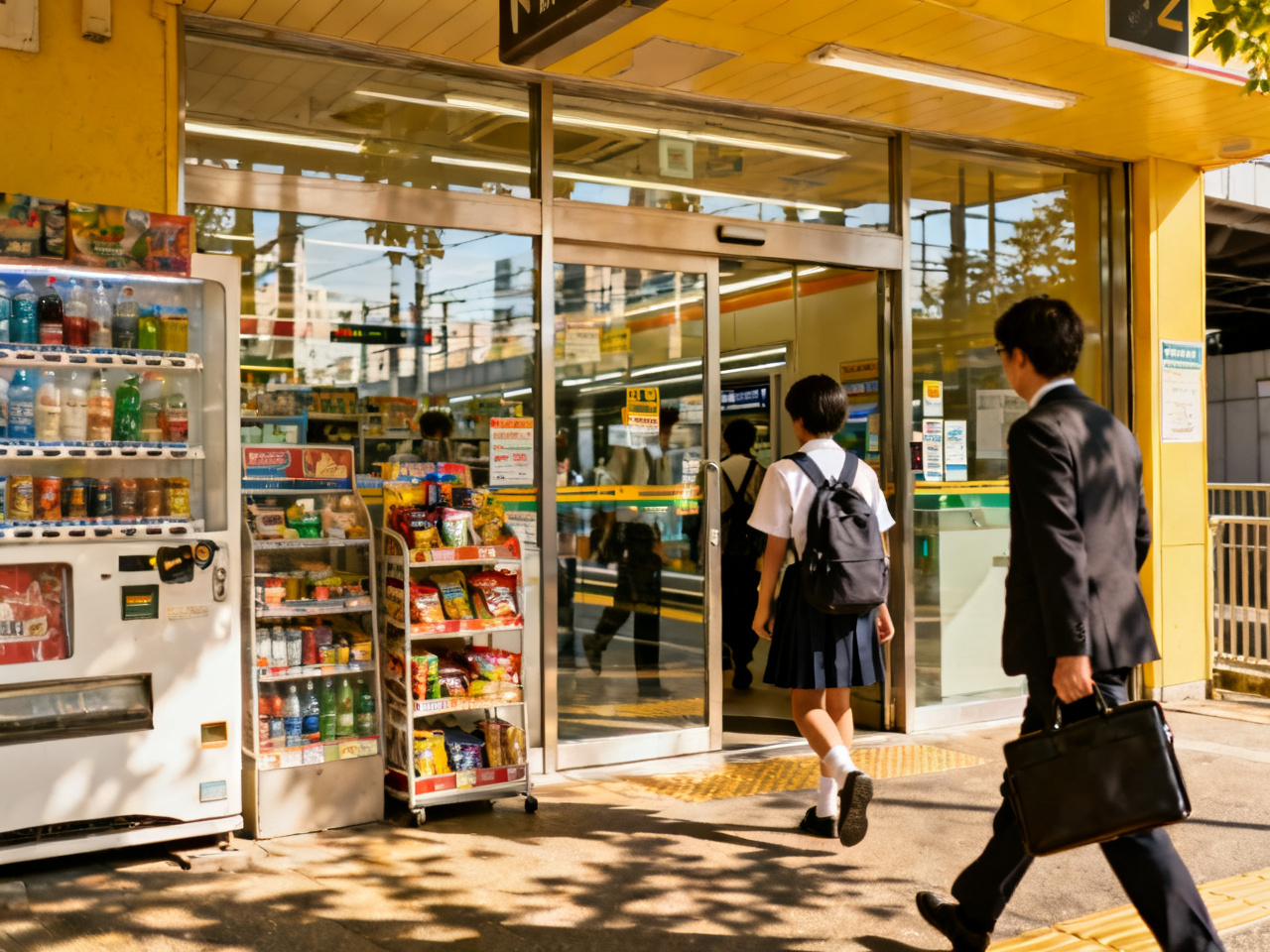
那顿晚饭最后只是很普通的一碗片儿川和一小碟凉菜,可我记住的不是味道,而是自己下车时没有慌。车门打开前,我已经站到合适位置;车停稳后,我跟着几位本地乘客自然地下车,没有挡路,也没有冲错方向。站在路边时,我忽然有一种很具体的轻松:原来我不是突然变成了很会旅行的人,我只是终于学会在一个中国公交站前,按正确顺序处理信息。这种能力看起来很小,却会一路外溢。它会让你更敢住进居民区、更敢去小馆子、更敢在不完全熟悉的街道上做出判断。对我来说,真正的融入往往不是大场面的突破,而是这些普通移动场景终于不再消耗我。
The dinner itself turned out to be an ordinary bowl of piàn er chuān noodles with a small cold side dish, but what I remembered was not the taste. It was the fact that I got off the bus without panic. Before the doors opened, I was already standing in the right place. After the bus stopped, I stepped off naturally with a few local passengers, neither blocking anyone nor rushing the wrong way. Standing at the curb, I felt a very concrete relief: I had not suddenly become some highly skilled traveler. I had simply learned how to process information in the right order at a Chinese bus stop. The skill looks small, but it spreads into everything else. It makes you more willing to stay in residential neighborhoods, enter small restaurants, and make decisions on streets you do not yet fully know. For me, real integration is often not a breakthrough in a dramatic setting. It is the moment ordinary movement stops draining me.

- 云南雨季反向玩法:人少、景美、预算可控 | Yunnan in Rainy Season: Fewer Crowds, Better Value
- 拉萨的雨停以后,连水洼边的小停顿都像一种进入方式 | After Rain in Lhasa, Even a Pause Beside a Puddle Felt Like a Way of Entering the City
- 贵阳的酸汤不是一道菜:从菜市场到晚饭桌 | Sour Soup in Guiyang Is More Than a Dish: From Market to Dinner Table
- 中国旅游交通换乘攻略 | China Transit & Transfer Guide
- 外国人在中国买东西被拒收现金怎么办? | What To Do When a Chinese Shop Refuses Your Cash
- 遵义老城坡道上,我把台阶数错了 | I Lost Count of the Steps on Zunyi’s Old-Town Slopes
- 刺绣体验:我第一次发现“安静”也可以有这么强的存在感 | Embroidery Workshop: The First Time I Realized Quietness Could Have Such a Strong Presence
- 烤鸭不只是一道菜,它是北京给世界的一封信 | More Than a Dish: Peking Duck as Beijing's Letter to the World
- 过节吃什么:中国三大节日的餐桌密码 | What to Eat at Chinese Festivals: The Table Code of Three Major Holidays
- 龙舟不只是比赛:一个外国人看懂端午的三年 | Dragon Boats Aren't Just Racing: 3 Years of an Outsider Learning Duanwu
Comments (0)