
绍兴黄酒的慢饮法:从乌篷船到晚饭桌 | A Slow Way to Drink Shaoxing Wine: From Black Canals to the Dinner Table
绍兴黄酒的慢饮法:从乌篷船到晚饭桌 | A Slow Way to Drink Shaoxing Wine: From Black Canals to the Dinner Table
下午四点多,乌篷船刚从石桥底下钻出来,船篷边缘还挂着水珠。绍兴的水巷不像明信片那样安静,远处有电动车的铃声,近处是船桨划过水面的哗响,岸边人家把洗好的衣服收进屋里,空气里混着潮湿石板和河鲜的味道。船夫说,别急着去找酒,先让水路把脚步放慢。那时我还以为这只是当地人的客套话。
A little after four in the afternoon, our black-canopied boat slipped beneath a stone bridge, with beads of water still clinging to the edge of the canopy. Shaoxing’s canals are not as silent as a postcard: an electric scooter bell rang in the distance, oars whispered against the water, and families along the bank pulled in their laundry. The air smelled of damp paving stones and river fish. The boatman told us not to rush toward the wine; let the waterways slow our steps first. I assumed it was merely local courtesy.
船靠岸后,我们走进一间不大的黄酒馆。木门被手摸得发亮,柜台后排着陶坛,坛口压着厚厚的泥封。老板娘没有先问我们要几斤,而是端来两只小杯,让我们闻一闻。酒液呈琥珀色,入口有甜意,我却马上皱了眉:它不像啤酒那么爽快,也没有白酒那种直冲鼻腔的烈,甚至有一点像煮过的谷物。我在心里把它归到“温吞、没劲”的一类。
After the boat docked, we stepped into a modest huangjiu tavern. The wooden door had been polished by countless hands, and earthenware jars stood in rows behind the counter, each mouth sealed with a thick cap of clay. Instead of asking how much we wanted, the proprietress poured two small cups and told us to smell first. The wine was amber and faintly sweet. I frowned after the first sip: it lacked beer’s briskness and baijiu’s sharp punch, with a flavor almost like cooked grain. In my mind, I filed it under “mild and unremarkable.”
真正的误判发生在点菜时。我们看见菜单上有醉鸡、绍兴醉虾、霉苋菜梗、油爆虾和清蒸鲫鱼,凭经验点了几道最熟悉的菜,还把酒当成饭前随便抿两口的饮料。老板娘听完只笑,说黄酒不是单独表演的演员,得让它和菜一起说话。她把醉鸡换到前面,又加了一盘茴香豆,提醒我们先吃咸香,再喝一小口,不要仰头灌。
The real mistake came when we ordered dinner. We saw drunken chicken, wine-soaked shrimp, fermented amaranth stems, stir-fried river shrimp, and steamed crucian carp. Drawing on habit, we chose the most familiar dishes and treated the wine as something to sip casually before the meal. The proprietress only smiled. Huangjiu, she said, is not a solo performer; it needs the dishes to speak with it. She moved the drunken chicken to the front, added a plate of fennel beans, and told us to taste something savory first, then take a small sip instead of tipping back the cup.
这一次,味道忽然有了层次。茴香豆的盐香把黄酒里的甜托了出来,醉鸡的冷润让酒显得更柔,油爆虾留下的焦香又把它的米香往前推。原先那股让我觉得“像谷物”的味道,并没有消失,只是不再孤零零地站在舌头上。酒杯很小,喝得慢,反而能听见自己每次吞咽后的余味。黄酒馆里的时间像被拆成许多细小的停顿。
This time, the flavor opened in layers. The salty fragrance of the fennel beans lifted the wine’s sweetness; the cool tenderness of the drunken chicken made it feel rounder; the charred aroma left by the river shrimp brought its rice-like character forward. The grainy note I had dismissed did not disappear—it simply stopped standing alone on my tongue. The cups were tiny, and drinking slowly made the aftertaste after each swallow easier to notice. Time inside the tavern seemed to break into a series of small pauses.
绍兴黄酒适合慢饮,还有一个原因是它很容易把饭桌变成聊天的中心。隔壁桌的老人给孙女夹了一块鱼肚,先把刺挑干净,才端杯抿酒;年轻人讨论哪道菜要留到最后,老板娘则在门口招呼刚进来的客人。没有人急着证明自己懂酒。有人把酒温热,有人喜欢冰一点,也有人只喝半杯,把注意力放在菜的变化上。慢不是规矩,而是给味觉留下回头路。
Shaoxing wine is suited to slow drinking for another reason: it easily turns the dinner table into the center of conversation. At the next table, an elderly man removed every bone from a piece of fish before placing it in his granddaughter’s bowl, then took a small sip. Young diners debated which dish should be saved for last, while the proprietress greeted newcomers at the door. Nobody seemed eager to prove expertise. Some warmed the wine, some preferred it slightly chilled, and others drank only half a cup so they could focus on how the food changed. Slowness is not a rule; it leaves the palate a way to return.
如果第一次喝觉得它淡,不必立刻下结论。可以先少点一种味道干净的菜,再试咸鲜、油香和带发酵气息的菜,观察酒在不同口味旁边怎样变形。喝之前闻一下,入口后停两秒,咽下后不要马上夹菜。若在绍兴住一晚,傍晚坐完乌篷船再吃饭会更合适,因为身体已经从水面的摇晃里安静下来,酒不再被当作刺激,而像晚餐的一部分。
If it tastes weak at first, there is no need to decide too quickly. Order one clean-tasting dish, then try something salty, oily, or fermented, and watch how the wine changes beside each flavor. Smell it before sipping, pause for two seconds after it enters your mouth, and do not reach for another bite immediately after swallowing. If you stay overnight in Shaoxing, it is worth taking the boat in the evening before dinner. By then, the gentle rocking of the water has settled the body, and the wine feels less like a stimulant and more like part of the meal.
点菜时也别把菜单当成考试卷。两三个人同行,先点一冷一热,再加一份能下酒的小菜,吃到一半再决定是否添菜,通常比一开始铺满整桌更舒服。黄酒的好处不是把每道菜都染成同一种甜味,而是让鱼的鲜、虾壳的焦、豆子的咸和发酵菜的酸各自显出边缘。桌面留一点空,谈话也会有呼吸,谁想再尝一口,谁想换个话题,都不用急着打断。
When ordering, do not treat the menu like an examination paper. For two or three people, start with one cold dish, one hot dish, and a small plate that pairs well with wine; then decide halfway through whether to add more. That is usually more comfortable than covering the whole table at once. Huangjiu does not make every dish taste equally sweet. Instead, it lets the freshness of fish, the char of shrimp shells, the salt of beans, and the tang of fermented vegetables keep their own edges. Leave a little space on the table, and conversation gets room to breathe as well.
离开酒馆时,天已经暗了。石桥的灯倒映在黑水里,船夫收起竹篙,岸边小店把最后一盏灯推到门外。我终于明白,绍兴人说的“慢”并不是把一杯酒拖很久,而是让水巷、菜香、谈话和一口酒各自占有一点时间。下一次再来,我大概仍会先误判,但会记得把杯子放低,先吃一粒茴香豆,再等黄酒把晚饭慢慢接住。
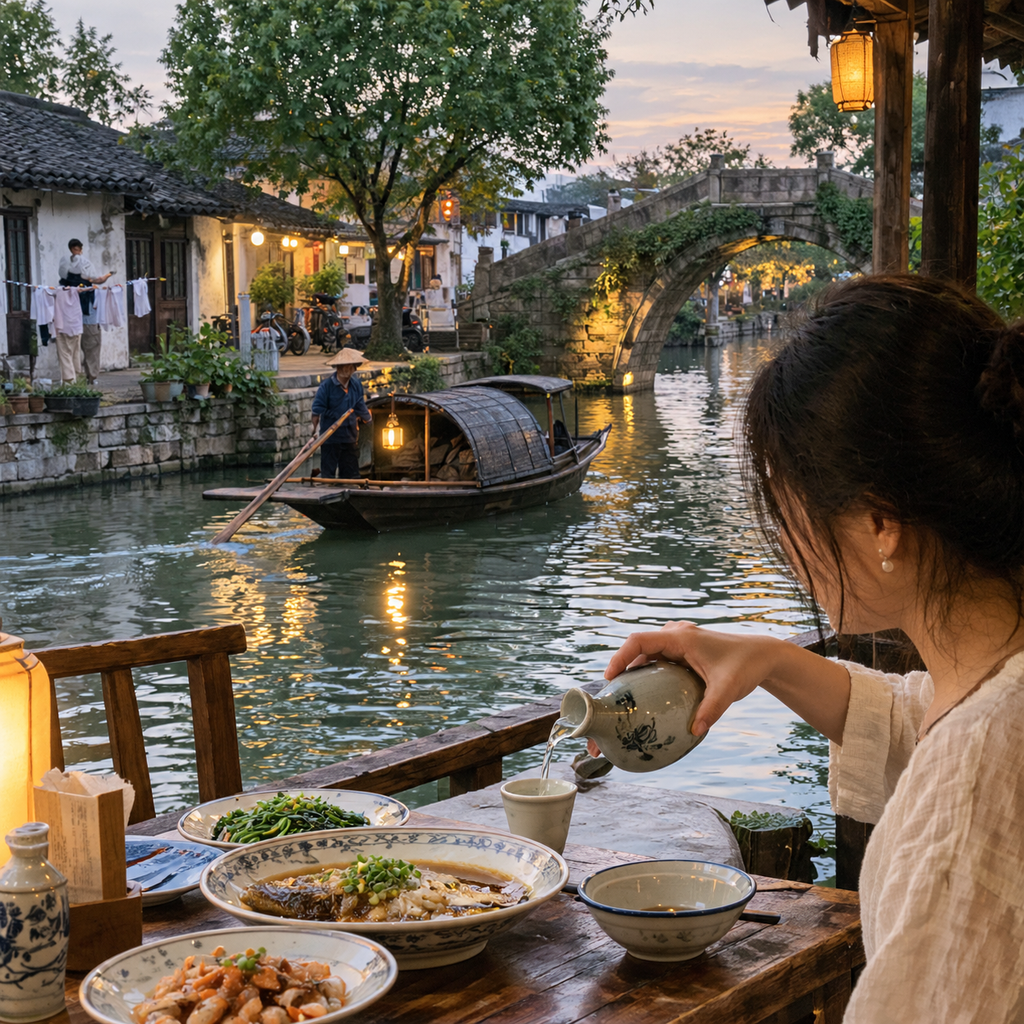
By the time we left the tavern, night had settled over the canals. Bridge lights trembled in the black water, the boatman folded away his bamboo pole, and the small shops pushed their last lamps toward the street. I finally understood that the local idea of “slow” does not mean stretching one cup forever. It means giving the waterways, the dishes, the conversation, and one sip of wine their own share of time. I may misjudge it again next time, but I will remember to keep the cup low, eat a fennel bean first, and let the huangjiu quietly catch the dinner as it unfolds.
第二天早晨,我又沿着前一晚走过的水巷绕了一圈。白天的绍兴比夜里更容易看清细节:临河的墙根长着一小片青苔,石阶被水汽磨得发亮,卖早点的摊子把蒸笼盖掀开,热气一下子撞到屋檐下。昨晚酒馆里那种柔和的甜味,到了清晨并没有变成强烈的记忆,反而像一条细线,牵着我重新想起每一道菜。原来味道并不只留在舌头上,也会藏在环境和节奏里。
The next morning, I walked once more along the waterways we had followed the night before. Shaoxing was easier to read in daylight: a patch of moss grew at the foot of a riverside wall, the stone steps shone from years of moisture, and a breakfast vendor lifted the lid of a steamer, sending a cloud of heat into the eaves. The wine’s gentle sweetness from the tavern had not become a loud memory. It was more like a thin thread leading me back to each dish. Flavor does not stay only on the tongue; it also hides in surroundings and in the pace of a meal.
我特意在一家小店门口停下,向店主请教温酒和冷饮的区别。他没有给出绝对答案,只说天气、菜式和个人习惯都会改变选择。天气凉时,温过的黄酒香气更快打开,入口显得圆;天气热或菜里有较鲜明的甜酸时,略凉的酒会让口腔更清爽。关键不是追求某一种“正确喝法”,而是留意酒温是否抢走了食物的声音。这个解释让我放下了前一晚的另一个误会:我曾把个人偏好误当成酒本身的高低。
I deliberately stopped at a small shop and asked the owner about the difference between warming the wine and drinking it cool. He offered no absolute answer. Weather, dishes, and personal habits all change the choice, he said. On a cool day, warmed huangjiu releases its aroma faster and feels rounder; in hot weather, or beside dishes with a pronounced sweet-and-sour note, a slightly chilled wine can make the mouth feel cleaner. The point is not to chase one “correct” method, but to notice whether the temperature drowns out the food. I had misunderstood again: I had mistaken personal preference for an objective judgment of the wine.
回到酒馆附近时,老板娘正在整理前一晚的杯子。她记得我们最初嫌酒淡,便笑着问后来有没有改变看法。我说不是酒变了,是我们终于把它放回了合适的位置。她听完点点头,又说绍兴人吃饭很少把“下酒菜”理解成一道固定菜名,咸、香、脆、糯,甚至一碟普通豆腐,都可能在某个时刻成为合适的陪伴。点菜因此不只是选择名菜,而是在安排一桌饭的起伏:先让舌头熟悉,再让香气加深,最后留一点清淡收尾。
When I returned near the tavern, the proprietress was arranging the cups from the night before. She remembered that we had first found the wine too light and asked, smiling, whether our opinion had changed. I told her the wine had not changed; we had finally put it in the right place. She nodded and added that Shaoxing diners rarely think of a “wine dish” as one fixed category. Salty, fragrant, crisp, soft, or even an ordinary plate of tofu can become the right companion at a particular moment. Ordering is therefore not merely choosing famous dishes. It is arranging the rise and fall of a meal: let the palate settle in, deepen the aromas, and finish with something quiet.
这也解释了为什么初到绍兴的人容易点错。菜单上的地方菜名常常带着故事,游客会本能地想一次尝遍,于是冷盘、重油、发酵和甜口同时堆在桌上,反而分不清黄酒究竟与什么相合。更稳妥的方式,是先告诉店家自己平时喜欢清淡还是浓郁,能不能接受发酵味,以及同行者有没有忌口。若对霉苋菜梗、醉虾这类菜没有把握,可以先点小份,把它当作认识绍兴味道的试探,而不是必须完成的任务。
This also explains why first-time visitors often order badly. Local dish names carry stories, and travelers naturally want to try everything at once. Cold dishes, heavy oil, fermented flavors, and sweetness then crowd the table, making it hard to tell what the huangjiu actually suits. A safer approach is to tell the restaurant whether you usually prefer light or rich flavors, whether fermented notes are comfortable for you, and whether anyone has dietary restrictions. If fermented amaranth stems or wine-soaked shrimp feel uncertain, order a small portion first. Treat it as a way to meet Shaoxing’s flavors, not as a task to complete.
我后来发现,修正口味误判并不需要复杂的品酒知识,只要把比较放慢。先闻酒,再含一小口,注意甜、酸、谷物香和微微的陈味;随后吃一口菜,等几秒钟,再重复一次。若只在酒入口的瞬间判断,很容易被第一印象带走;若把它放进一顿完整的饭里,味道会随着温度、油脂和咀嚼改变。黄酒的耐心,恰好要求饮用者也有一点耐心。它不会立刻把自己解释清楚,却会在第二口、第三口里补上前面的空白。
I later realized that correcting a mistaken impression does not require complicated tasting knowledge. It only requires slowing down the comparison. Smell the wine, take a small sip, and notice the sweetness, acidity, grain aroma, and faint aged character. Then taste a dish, wait a few seconds, and repeat. If you judge only the instant the wine enters your mouth, the first impression can take over. Placed within a complete meal, however, its flavor shifts with temperature, fat, and chewing. Huangjiu asks for patience from the drinker because it explains itself gradually, filling in what seemed missing with the second and third sip.
临走前我没有再买大坛酒,只在柜台选了一小瓶适合带回家的酒。老板娘用旧报纸包好,提醒我回去后不要急着和完全陌生的重口菜搭配。她建议先配一碟清蒸鱼、一点坚果,或者只在晚饭中倒半杯,观察自己真正喜欢的是甜香、米香还是收口的温暖。这个建议比“买最贵的”实用得多,也让我明白,旅行中的味觉记忆不必靠数量证明。留下一个愿意再次尝试的余地,往往比带走一整箱更有意义。
Before leaving, I did not buy a large jar. I chose a small bottle suitable for carrying home. The proprietress wrapped it in old newspaper and warned me not to pair it immediately with an unfamiliar, heavily seasoned meal. She suggested starting with steamed fish, a few nuts, or simply pouring half a cup with dinner and noticing whether I truly preferred its sweetness, rice aroma, or warm finish. Her advice was more useful than “buy the most expensive one.” Travel memories do not need to be proven by quantity. Leaving room to taste again can mean more than taking home a whole case.
绍兴的水巷、黄酒馆和饭桌,其实共同教的是同一件事:不要急着给陌生事物贴标签。水面看似重复,却在每座桥下换一层光;酒色看似温和,却会被不同菜肴重新照亮;一道菜看似奇特,也可能在合适的顺序里变得亲切。下一次点菜,我会先让店家了解我的口味,再留出一两道未知的选择。也许还会有误判,但那不再是失望,而是晚饭中一段可以慢慢修正的过程。
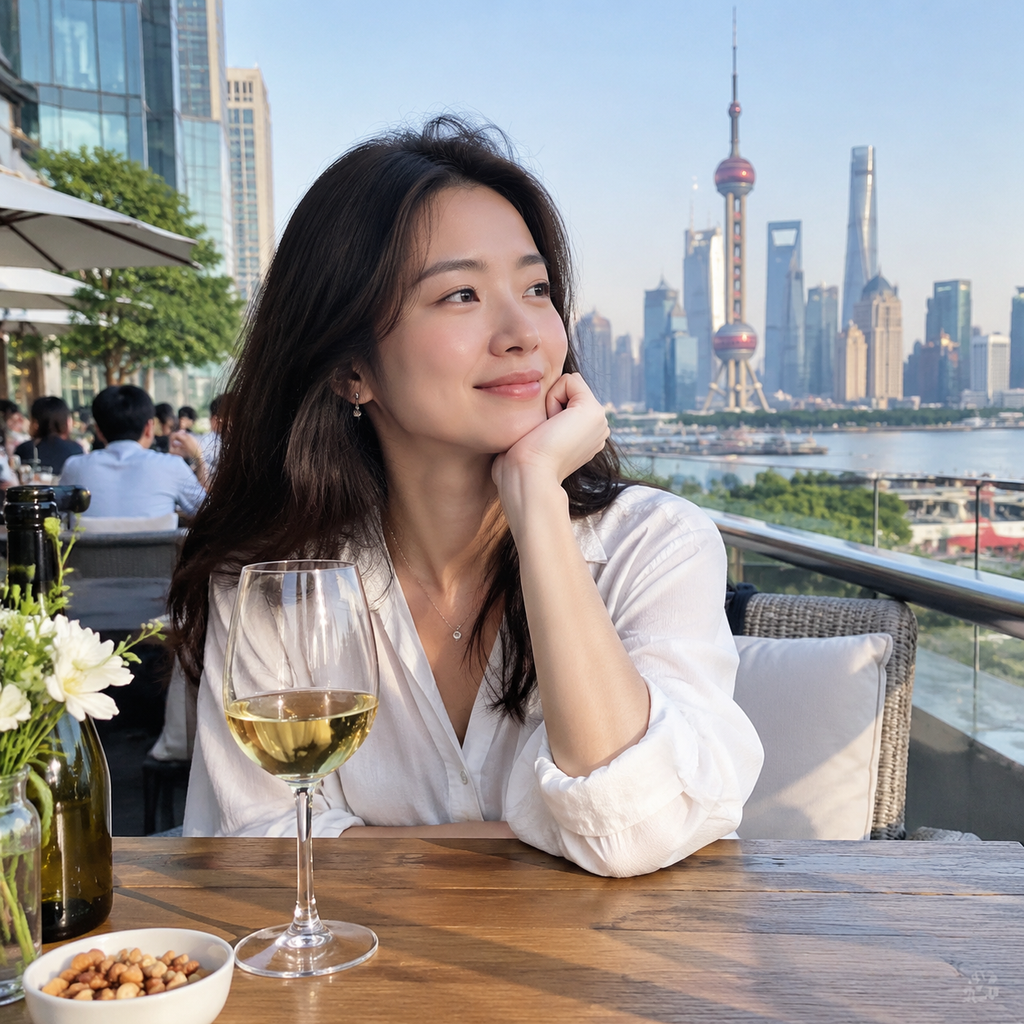
The canals, the huangjiu tavern, and the dinner table in Shaoxing all taught the same lesson: do not label unfamiliar things too quickly. The water may seem repetitive, yet the light changes beneath every bridge. The wine may look gentle, yet each dish illuminates it differently. A strange-looking dish may become familiar when served in the right order. Next time, I will tell the restaurant about my preferences, then leave room for one or two unknown choices. I may still misjudge something, but it will no longer feel like disappointment. It will be a part of dinner that can be quietly corrected as the evening continues.
天色彻底沉下来后,我又回到河埠头,准备坐一趟夜里的乌篷船。白天看过的石桥在灯光下换了模样,桥洞像一扇扇低矮的门,船篷只要稍稍倾斜,便能从门下穿过去。船夫把一盏小灯挂在篷角,灯光照不到很远,却正好照亮船头的水纹。两岸的窗户一盏接一盏亮起,有人收拾碗筷,有人隔着河喊家人,生活的声音比游客的惊叹更能说明这座城仍在自己的节奏里。
After night had fully settled, I returned to the riverside landing for another ride in a black-canopied boat. The stone bridges we had seen by day looked different under the lamps. Their arches resembled a row of low doors, and the boat had to tilt slightly to pass beneath them. The boatman hung a small light at the corner of the canopy. It did not reach far, but it illuminated the ripples at the bow perfectly. Windows on both banks came alive one after another. People cleared dinner dishes, and someone called to family across the water. Those ordinary sounds said more about the city than a visitor’s exclamation: Shaoxing was still moving at its own pace.
夜船上的酒不能倒得太满,船身一晃,杯中便会漾起细小的波纹。我把那瓶带回家的黄酒放在脚边,没有急着打开,只向船夫要了半杯店里的酒。河面很黑,酒的琥珀色在灯下短暂地亮了一下,随后又随着船的前行隐进阴影。入口时,我想起晚饭里的醉鸡和茴香豆,也想起自己第一次皱眉的表情。原来同一口酒在不同时间出现,会带着完全不同的重量。
Wine should not be poured too full on a night boat. A small sway of the hull sends fine ripples across the cup. I kept the bottle I had bought at my feet and did not open it. Instead, I asked the boatman for half a cup from the tavern’s supply. The river was nearly black, and the wine’s amber color flashed briefly beneath a lamp before disappearing into the shadow as the boat moved on. I thought of the drunken chicken and fennel beans from dinner, and of my frown at the first sip. The same wine, arriving at a different hour, could carry an entirely different weight.
船行到一段较宽的河面时,船夫没有马上划过去,而是让船顺着水势慢慢漂。远处一座拱桥的倒影被风吹开,碎成一片片金色。岸边有几株垂柳,枝条贴着水面,偶尔碰到船舷,发出轻轻的沙声。我们谁都没有说话,连喝酒也变得像一种观察:看灯影怎样拉长,看水波怎样把熟悉的房屋拆开再拼回去。白天走路时忽略的细节,到了夜里竟然一一浮现。
When we reached a wider stretch of water, the boatman stopped rowing and let the current carry us. The reflection of a distant arched bridge opened and broke in the wind, scattering into pieces of gold. Willow branches hung close to the surface and occasionally brushed the side of the boat with a soft rasp. None of us spoke. Even drinking became a form of observation: watching the lamps stretch, watching the ripples take familiar houses apart and assemble them again. Details overlooked while walking in daylight returned one by one in the night.
我问船夫,绍兴人是不是每天都这样喝酒、坐船。他笑着说,当然不是,大家也有赶时间的时候,也会在家里匆匆吃完一碗面。但只要客人愿意停下来,水巷就会把旧日的习惯借给他一会儿。这个回答很朴素,却比任何关于“江南慢生活”的形容都准确。慢不是城市永远不变的速度,而是人在某个晚上主动把速度调低,给自己留出听见水声的机会。
I asked the boatman whether people in Shaoxing drank and took boats like this every day. He laughed and said of course not. Locals also had hurried days and sometimes finished a bowl of noodles at home in a rush. But whenever a visitor was willing to pause, the waterways lent him their old habits for a while. His answer was plain, and more accurate than any description of a “slow Jiangnan life.” Slowness is not the city’s permanent speed. It is the choice to turn the speed down on a particular evening and leave room to hear the water.
船靠近终点时,岸上的酒馆招牌已经看不清字,只剩下一团暖黄的光。我把最后一口酒咽下,没有再追问它究竟属于甜型、干型还是哪一种年份。旅行有时需要知道答案,有时则只需要记住一次合适的相遇:一只小杯,一道咸香的小菜,一条被灯影分开的河。那一刻的满足不靠酒量,也不靠昂贵的餐桌,而是来自终于懂得怎样把注意力放在眼前。
As the boat neared its destination, the tavern signs on shore had lost their lettering and become pools of warm yellow light. I swallowed the last sip without asking whether it belonged to a sweet or dry style, or to a particular vintage. Travel sometimes requires answers, but sometimes it is enough to remember a fitting encounter: a small cup, a savory snack, and a river divided by reflections. The satisfaction of that moment came neither from drinking capacity nor from an expensive table. It came from finally learning to place my attention on what was directly in front of me.
上岸后,我沿着石板路走回住处,鞋底带着一点河边的湿气。路过桥头时,卖茴香豆的摊子已经收了,只在木案上留着几粒散落的豆壳。手机里还有晚饭前拍的照片,画面明亮、构图完整,却不如记忆里的声音和气味真实。我在门口停了几秒,把那小瓶黄酒放进包里最稳妥的夹层,心里给第二天的晚饭留了一个位置。它不必复制今晚,只要继续保持一点好奇就够了。
After landing, I walked back along the stone-paved lane, my shoes carrying a trace of dampness from the river. The fennel-bean stall near the bridge had already closed, leaving only a few scattered shells on its wooden counter. My phone held bright, neatly framed photographs from before dinner, yet they felt less real than the remembered sounds and smells. I paused at the doorway, placed the small bottle of huangjiu in the safest compartment of my bag, and saved a place in my mind for the next dinner. It did not need to copy this evening. A little curiosity would be enough.
如果要把这次经历写成一句具体的建议,我会这样说:下午先走水巷,傍晚选一家愿意慢慢介绍菜品的小酒馆,第一轮只点少量冷菜和一份热菜;饭后再坐夜船,不要在船上大声喧哗,也不要把酒当成打卡道具。回到住处前,站在桥边看完一班船经过,等水面重新恢复平静。这套安排不复杂,却能让绍兴从景点清单变成一段有前后呼应的晚上。
If I had to turn this experience into one concrete recommendation, it would be this: walk the waterways in the afternoon, choose a small tavern where someone is willing to explain the dishes, and begin with modest portions of one or two cold dishes and one hot dish. Take the night boat after dinner, without shouting or treating the wine as a prop for a check-in photo. Before returning to your lodging, stand by a bridge and watch one boat pass until the water settles again. The plan is simple, but it turns Shaoxing from a list of attractions into an evening with a beginning, a middle, and an echo.
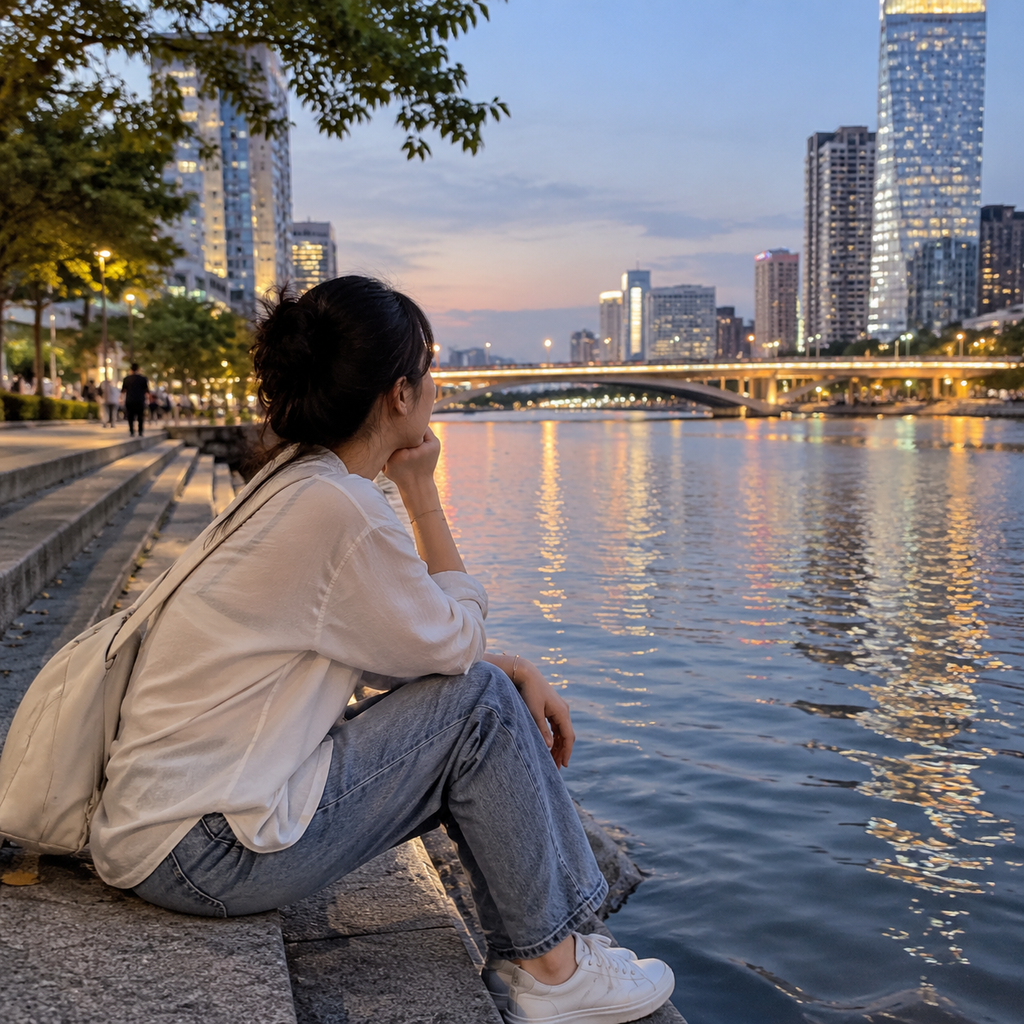
第二天离开绍兴时,我没有急着把这座城总结成“适合慢旅行”四个字。这样的总结太轻,也太容易被下一次匆忙推翻。我更愿意记住那些可以执行的小动作:把杯子放低,先尝一口菜;在桥下收起说话声;让船漂一会儿;在准备离开时回头看一眼灯影。黄酒教会我的不是如何成为懂酒的人,而是如何在陌生地方把一顿晚饭真正吃完。等车开过最后一座桥,我知道这次旅程已经结束,也知道我还会回来。
When I left Shaoxing the next day, I did not rush to summarize the city with the four words “good for slow travel.” That phrase felt too light and too easy to overturn the next time life became hurried. I preferred to remember a few actions I could actually repeat: lower the cup and taste the food first; quiet my voice beneath a bridge; let the boat drift for a while; turn back once before leaving to look at the reflected lamps. Huangjiu did not teach me how to become a wine expert. It taught me how to finish a dinner properly in an unfamiliar place. When the vehicle crossed the last bridge, I knew the trip was over—and that I would return.
如果把这次行程重新安排一次,我会把晚饭后的时间留得更宽一些。酒馆不必选在最热闹的街口,离住处步行十五到二十分钟即可,这样吃完饭可以沿河慢慢走回去,也不用为叫车、找路或赶下一场节目分心。黄酒只喝自己舒服的量,杯子见底并不代表夜晚完成得更好。真正重要的是离开餐桌时头脑清醒,能够记住桥的位置、河水的声音,以及自己最喜欢哪一道菜。
If I planned the trip again, I would leave more space after dinner. The tavern need not stand at the busiest corner; a place fifteen or twenty minutes on foot from the lodging would be ideal. That way, we could walk back beside the water without worrying about hailing a car, finding directions, or rushing to the next activity. Drink only as much huangjiu as feels comfortable; an empty cup does not make an evening more complete. What matters is leaving the table clear-headed enough to remember the bridge, the sound of the water, and which dish you liked best.
晚饭结束后,可以先在店门口坐几分钟,让口腔里的咸味和酒香自然退开,再决定是否去坐夜船。若同行的人已经有些疲倦,就把船程缩短,选择一段灯影较集中的水路;若精神还好,再往安静的河段走。绍兴的夜游不靠项目越多越值回票价,反而需要在选择之后接受一点空白。船上不宜饮酒过量,也不要把酒瓶放在船头,既容易滑动,也会破坏同行者对水巷的观感。
After dinner, sit outside the restaurant for a few minutes and let the saltiness and wine aroma fade naturally before deciding whether to take a night boat. If anyone in the group is tired, choose a shorter route with concentrated lights; if everyone still has energy, continue toward a quieter stretch. Night sightseeing in Shaoxing is not more rewarding simply because more activities are added. It needs a little empty space after each choice. Avoid drinking heavily on the boat, and do not place the bottle at the bow, where it may slide and distract everyone from the waterways.
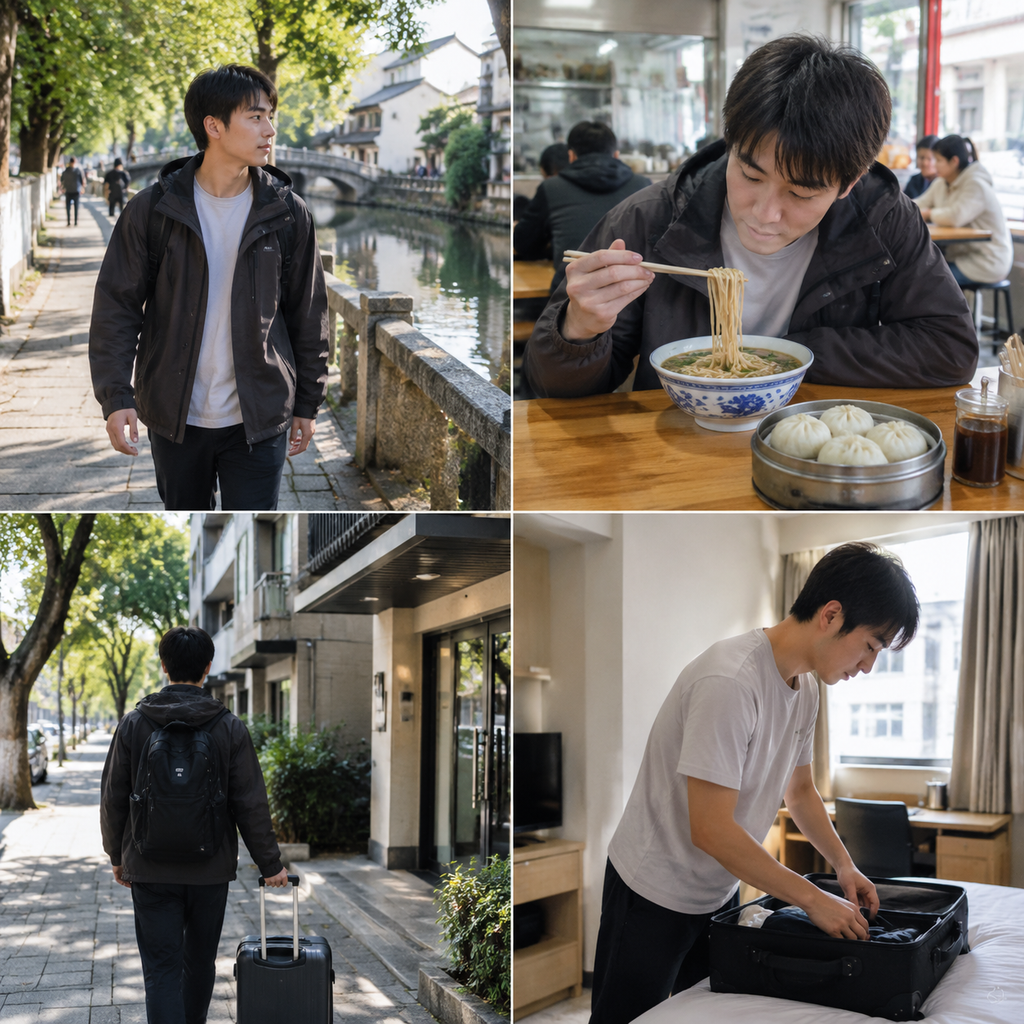
回到住处以后,最好先喝水、洗漱,把第二天要穿的衣服和车票信息放在容易拿到的地方。带回家的黄酒要直立收好,避免在行李箱里被衣物挤压;如果天气较热,途中还应尽量避开长时间暴晒。这样的准备看起来与旅行故事无关,却决定了第二天醒来时是否轻松。酒香属于夜晚,行程的余韵则要靠一个不慌张的清晨来完成。
Once back at the lodging, drink some water, wash up, and place the next day’s clothes and travel details somewhere easy to reach. Keep the bottle of huangjiu upright rather than pressed beneath clothes in the suitcase; in warm weather, avoid leaving it in direct sun for long periods. These preparations may seem unrelated to the story of a trip, but they determine whether the next morning feels easy. The aroma belongs to the night, while the aftertaste of the journey is completed by an unhurried morning.
第二天不必为了证明自己已经“深度体验”绍兴而安排满满一上午。起床后沿近处水巷走一小圈,找一家普通早点铺,吃一碗热面或一只刚出锅的点心,再回到住处取行李,时间通常已经足够。清晨不适合继续用昨晚的方式喝酒,若想回味,可以只闻一闻瓶口,或在心里把晚饭的味道重新排序。旅行的收束不是重复高潮,而是让身体慢慢回到日常。
The next day does not need to be packed with activities to prove that you experienced Shaoxing “deeply.” After waking, take a short walk along a nearby waterway, find an ordinary breakfast shop, and have a bowl of hot noodles or a freshly steamed snack. Return for the luggage, and the morning will usually be well spent. Morning is not the time to continue drinking as you did the night before. If you want to revisit the memory, smell the bottle or mentally arrange the dinner’s flavors again. A journey ends not by repeating its climax, but by allowing the body to return gently to ordinary life.
离开前还可以做一个很小的记录:写下黄酒适合自己的温度、最能衬托它的菜,以及下次不想错过的水巷。不要只记店名和照片,因为真正有用的是判断方法。比如我会记住,第一次尝试发酵味明显的菜时只点小份,遇到酒味偏甜时搭配咸鲜食物,吃得慢一些,便能分辨出米香和酱香。几行字足以让下一次重访少一点盲目,多一点主动。
Before leaving, make one small note: the temperature at which you liked the huangjiu, the dish that brought it out best, and the waterway you still want to explore. Do not record only restaurant names and photographs; the useful part is the method of judging. I would remember to order a small portion when trying a strongly fermented dish, pair a sweeter wine with salty and savory food, and eat slowly enough to distinguish rice aroma from sauce aroma. A few lines are enough to make a return visit less blind and more deliberate.
如果是自驾或需要长途换乘,黄酒更适合在抵达住处后少量品尝,饮后不要驾驶,也不要把“当地体验”当成放松安全边界的理由。绍兴值得记住的从来不只是酒的名字,还包括一桌人如何互相照看,如何让年长者先入座,如何给不饮酒的人准备茶水。有人举杯,有人只夹菜,大家仍然可以共享同一段晚饭。这样的体贴,才是地方滋味能够被带走的部分。
If you are driving or facing a long transfer, it is better to taste only a small amount after reaching your lodging. Never drive after drinking, and do not use “local experience” as a reason to relax basic safety boundaries. What makes Shaoxing memorable is not only the name of its wine, but also the way a table looks after one another: making room for an older guest, offering tea to someone who does not drink, and allowing everyone to share the dinner whether they raise a cup or simply take another bite. That consideration is the part of local flavor worth carrying away.
车站候车时,我把那只小瓶从包里取出来看了一眼,又很快放回原处。它已经不再是必须向朋友解释的纪念品,也不是用来证明我去过绍兴的证据,只是一段晚饭留下的具体触感。窗外的街景从临河老墙变成宽阔道路,早餐铺的蒸汽、夜船的灯影和小杯里的琥珀色,却在记忆里叠在了一起。原来一趟旅行最稳妥的结束方式,是带走一点东西,同时把更多东西留在原地。
While waiting at the station, I took the small bottle out of my bag for one last look, then placed it safely back inside. It was no longer a souvenir I needed to explain to friends, nor evidence that I had been to Shaoxing. It was simply a tangible trace of a dinner. Outside the window, riverside walls gave way to wider roads, while the steam from the breakfast shop, the lamps of the night boat, and the amber in the small cup overlapped in memory. Perhaps the most fitting way to end a journey is to carry one small thing away while leaving much more exactly where it belongs.
所以,这段绍兴黄酒之旅可以有一个很具体的收尾:晚饭先少量点菜,按照咸香、鲜味、发酵味逐步尝试;饭后散步或乘一小段夜船,保持清醒,不追求喝完;回住处补水休息,第二天吃一顿热早餐,再带着妥善包好的酒离开。等下一次打开瓶子,先别急着倒满,找一道简单的菜,给它一个安静的晚上。那时你会发现,所谓慢饮并不是延长酒的时间,而是把一次相遇认真地放进生活里。
Thus, a concrete ending for a Shaoxing huangjiu journey might look like this: order modestly at dinner and taste in stages, moving from salty fragrance to freshness and fermented notes; walk or take a short night boat afterward, staying clear-headed rather than trying to finish the bottle; hydrate and rest, then have a hot breakfast before leaving with the wine packed securely. When you open it again, do not fill the cup at once. Find a simple dish and give the bottle a quiet evening. You may then see that slow drinking is not about lengthening the hours of alcohol, but about placing an encounter carefully into everyday life.
若时间允许,退房后不要直接钻进车站,可以把行李寄存在前台,再去河边买一份简单的午间小食。白天的水面少了灯光装饰,显得平常,却更适合告别。看一艘乌篷船从桥洞出来,等它驶出视线,再转身取行李,离开的动作就有了明确的节点。旅程需要这样的节点,否则身体已经上车,心里还停在昨夜的桌边。
If time allows, do not head straight to the station after checking out. Leave the luggage at reception and buy a simple midday snack by the river. Without decorative lights, the daytime water looks ordinary, yet that makes it better for saying goodbye. Watch a black-canopied boat emerge beneath a bridge, wait until it leaves your sight, and then turn back for the luggage. The departure gains a clear moment of its own; without one, the body may board the train while the mind remains beside last night’s table.
列车启动后,我没有马上整理照片,只把手机收起来,让窗外的河网和屋顶慢慢后退。照片可以回家再选,味道却需要趁还清楚时安静地记住:第一口的迟疑、热菜上桌后的转折、夜船上没有说出口的话,以及清晨那碗简单早点带来的踏实。绍兴没有要求我成为黄酒专家,只让我在二十四小时里学会了何时举杯、何时停杯,也学会一段旅行怎样不仓促地结束。
After the train began to move, I did not sort through photographs. I put the phone away and watched the waterways and rooftops recede. Pictures could be selected at home, but the flavors deserved to be remembered quietly while still clear: the hesitation of the first sip, the change when the hot dishes arrived, the words left unspoken on the night boat, and the steadiness brought by a simple breakfast. Shaoxing did not ask me to become a huangjiu expert. In twenty-four hours, it taught me when to raise the cup, when to put it down, and how to let a journey end without haste.
后来回想,那趟夜游真正好看的地方并不只在船上。吃完饭走到河边的十几分钟,也是酒意和城市重新对焦的过程。店门口的蒸汽渐渐落在身后,石板路上留着一层薄亮的潮气,沿街店铺有人在擦桌,有人把写着菜名的小黑板搬回檐下。我们没有直奔码头,而是在一座桥边停下来,看两艘乌篷船一前一后穿过桥洞。前船挂着暖灯,后船没有亮灯,只能听见桨叶拨水。那一明一暗的间隔,让绍兴的夜色不至于变成整齐划一的观光布景。
Looking back, the best part of the night excursion did not belong only to the boat. The fifteen-minute walk from dinner to the canal allowed both the wine and the city to come back into focus. Steam from the restaurant faded behind us, a thin sheen of moisture brightened the flagstones, and shopkeepers wiped tables or carried chalkboards listing the day’s dishes back under the eaves. Instead of hurrying to the pier, we paused beside a bridge and watched two black-canopied boats pass through the arch. A warm lamp hung from the first; the second remained dark, announced only by the sound of its oar. That interval of light and shadow kept Shaoxing’s night from becoming a perfectly arranged tourist set.
码头工作人员问我们想看热闹一些的灯景,还是走安静一点的支河。同行的人起初都选灯多的路线,我却想起老板娘说过,黄酒要给味觉留一点空,于是建议把两段拼起来:先过灯火集中的桥,再绕进住户较多的小河。这样安排很合适。前半程能看见檐下红灯和水中倒影,后半程则只剩厨房关窗的响动、电视声和偶尔从巷口掠过的自行车灯。船速没有改变,周围的声音却一层层减下去,人也自然从交谈转为低声说话。
At the pier, an attendant asked whether we preferred the livelier illuminated route or a quieter branch canal. Everyone initially chose the brighter course, but I remembered the proprietress saying that huangjiu needs a little empty space around its flavor. I suggested combining the two: first pass the bridges with concentrated lights, then turn into a smaller residential waterway. It proved exactly right. The first half offered red lamps beneath the eaves and reflections on the canal; the second held only the closing of kitchen windows, muted television sounds, and an occasional bicycle light crossing the end of an alley. The boat did not slow, yet the layers of sound fell away, and our conversation softened by itself.
到了窄河段,船夫让我们把手肘从船篷边收回来。桥洞比想象中低,水位又刚好偏高,他要在进洞前连划两下,再借惯性穿过去。船头进入阴影的一瞬,岸上的灯都消失了,只听见水声被砖拱放大;几秒后船从另一头出来,灯光重新落在酒杯边缘。这个短暂的明暗转换,比一直亮着的夜景更有记忆点。我把杯子握稳,没有在桥洞里拍照,因为手机屏幕一亮,眼睛便看不见砖壁上被水汽染深的纹路。
On the narrow canal, the boatman told us to pull our elbows inside the canopy. The arch was lower than expected and the water level slightly high, so he took two quick strokes before entering and let momentum carry us through. The shore lights vanished the instant the bow entered shadow, leaving only water amplified beneath the brick vault. Seconds later, the boat emerged and lamplight returned to the rim of the cup. This brief change between darkness and light stayed with me more vividly than a continuously illuminated view. I held the cup steady and did not take a photograph inside the arch; once a phone screen lit up, the eyes could no longer see the moisture-darkened patterns in the brick.
夜游中途,同行者问能不能再开一瓶酒。船夫摇头,指了指晃动的船板,说夜风一吹,人常常会低估自己已经喝了多少。他建议把酒留到上岸后,船上只喝半杯,手里始终腾出一只手扶稳。这个提醒没有扫兴,反而让后半程更舒服。我们轮流把杯子放回小托盘,喝几口温水,等脸上的热意散下去。水乡夜游的分寸感就在这些细节里:不靠豪饮制造气氛,也不因为行程短就急着把所有体验塞进一条船。
Halfway through the ride, one companion asked whether we could open another bottle. The boatman shook his head and pointed to the moving floorboards. A night breeze, he said, often makes people underestimate how much they have already drunk. He advised saving the bottle until after landing, limiting ourselves to half a cup aboard, and keeping one hand free for balance. The warning did not spoil the mood; it made the second half more comfortable. We returned our cups to the small tray, drank some water, and let the warmth leave our faces. The measure of a canal night lies in such details: atmosphere need not come from heavy drinking, and a short trip need not contain every possible experience.
第二天清晨六点半,窗外先传来扫帚擦过石板的沙沙声。我拉开窗帘,昨夜黑亮的河面已经变成灰蓝色,早班船没有挂灯,船夫穿着深色外套,从桥边无声地划过去。头脑很清醒,喉咙却有一点干,我先喝完床边那杯水,再把黄酒瓶重新用衣服包住。昨晚听来的提醒此时很实用:瓶口朝上,外面再套一只密封袋,放在行李箱中央,不让它贴着硬壳边缘。一个安稳的返程,往往从这些不起眼的动作开始。
At half past six the next morning, the first sound outside was a broom brushing across stone paving. I opened the curtain. The glossy black canal of the night before had turned blue-gray, and an early boat passed the bridge without a lamp, its boatman in a dark jacket. My head was clear, though my throat felt slightly dry, so I finished the glass of water beside the bed before wrapping the huangjiu bottle in clothing again. The advice from the previous night now became practical: keep the neck upright, add a sealed bag around it, and place it at the center of the suitcase rather than against the hard shell. An easy return journey often begins with movements too ordinary to appear in photographs.
早餐没有追求名店。我们在离住处两个路口的一家小铺坐下,木桌边缘被磨得圆滑,老板把刚煮好的面端来,汤面浮着细葱和一点油光。我没有喝黄酒,只要了温水,让热汤把胃口慢慢叫醒。邻桌两位本地人谈的是孩子上学和当天的天气,昨夜那些适合旅行者的灯影完全退场,绍兴恢复成一座要上班、买菜、送孩子出门的城市。正因为如此,离开才显得真实:不是景区突然关门,而是我们从别人的日常里轻轻退了出去。
We did not chase a famous breakfast shop. Two intersections from our lodging, we sat at a small place where the edges of the wooden tables had been worn smooth. The owner brought noodles fresh from the pot, with chopped scallions and a thin gleam of oil on the broth. I did not drink huangjiu; warm water was enough while the hot soup gently woke my appetite. At the next table, two locals discussed school arrangements and the day’s weather. The reflections arranged for travelers had disappeared, and Shaoxing had returned to being a city of work, groceries, and children leaving home. That was precisely what made the departure real: the attraction had not closed; we were simply stepping quietly out of other people’s daily lives.
退房前还有半个多小时,我把昨晚没做完的事补上:去桥头再看一次河。白天没有绚丽倒影,桥脚旁漂着几片落叶,清洁工用长网兜把水面的杂物捞起来。昨夜卖茴香豆的摊位已经换成早餐篮,摊主认出我,问酒喝得怎么样。我说第一口不懂,最后半杯才喝明白。她笑着把纸袋折了两折,提醒我路上别饿着。这个极短的对话,比专门设计的告别仪式更贴近绍兴:酒和船可以是旅行主题,真正把人送走的,却是桥边一份还有温度的点心。
With half an hour left before checkout, I finished something I had not done the night before: I returned to the bridge for one last look at the canal. There were no brilliant reflections in daylight. A few fallen leaves floated beside the pier, and a cleaner used a long net to lift debris from the surface. The fennel-bean stall from the previous night had become a basket of breakfast snacks. The vendor recognized me and asked how the wine had been. I said I had not understood the first sip and only grasped it in the final half-cup. Laughing, she folded the paper bag twice and told me not to go hungry on the road. That brief exchange felt truer to Shaoxing than a designed farewell ritual: wine and boats may define the trip, but a warm snack beside a bridge is what actually sees a traveler off.
去车站的路上,司机没有走最快的高架,而是先沿河开了一段。他说早高峰快要起来,提前十分钟出发比在路上催更有用。车窗外,昨夜经过的桥一座座退到后面,我终于能把它们和地图上的方向对应起来。到站后先确认检票口,再买水、检查酒瓶,这个顺序让返程没有慌乱。若是需要换乘,也应把黄酒放在随身行李能扶稳的位置,不在站台上频繁开箱。旅行最后一小时的从容,不比夜船上的半小时次要。
On the way to the station, our driver followed the canal for a while instead of immediately taking the fastest elevated road. Morning traffic was about to build, he said, and leaving ten minutes early was more useful than urging the driver later. Bridges from the previous night slipped behind the window, and at last I could match them with directions on the map. At the station, we located the gate first, then bought water and checked the bottle. That order kept the return calm. During transfers, huangjiu should remain in a stable part of the hand luggage rather than prompting repeated unpacking on the platform. Composure in the final hour of a journey matters no less than the half-hour spent on the night boat.
列车离开绍兴后,那瓶酒在行李架下方稳稳立着。同行者问回家后准备什么时候喝,我想了想,没有说节日,也没有说招待客人。我决定选一个普通周五,下班后做一条清蒸鱼,另外摆一小碟豆子,把酒温到不烫手,只倒半杯。开瓶时先闻,吃过一口菜再喝,不用复制绍兴的河,也不用播放江南音乐。若那一口还能让我想起低桥下放大的水声,这瓶酒就已经完成了它从旅行回到日常的路。
After the train left Shaoxing, the bottle remained upright beneath the luggage rack. A companion asked when I planned to drink it at home. I did not choose a festival or a dinner for guests. I decided on an ordinary Friday: after work, steam a fish, set out a small dish of beans, warm the wine until the cup feels comfortable rather than hot, and pour only half a serving. I will smell it first and sip only after tasting the food. There will be no need to reproduce Shaoxing’s canal or play Jiangnan music. If one mouthful brings back the sound of water amplified beneath a low bridge, the bottle will have completed its journey from travel into daily life.
这次绍兴之行的终点,因此不是检票口,也不是列车越过市界的瞬间。它会落在那个周五的厨房里:锅盖边冒出白汽,鱼盘刚放上桌,我把旧报纸一层层拆开,将琥珀色的酒倒进小杯。第一口仍可能带着谷物的钝感,但我不会再急着判断。我会先夹一块鱼,等咸鲜退下,再慢慢喝第二口。若窗外恰好下雨,我大概会想起船夫在桥洞前收桨的动作,然后把杯子放回桌面,对身边的人说:“别急,这酒要跟晚饭一起喝。”
The journey’s true ending, then, is neither the ticket gate nor the moment the train crosses the city boundary. It will arrive in my kitchen on that Friday: steam escaping around the pot lid, the fish just placed on the table, and my hands unwrapping the old newspaper before pouring amber wine into a small cup. The first sip may still carry that muted grain note, but I will not hurry to judge it. I will taste the fish, wait for the savory flavor to settle, and then take the second sip slowly. If rain happens to touch the window, I may remember the boatman drawing in his oar before a low bridge. Then I will set down the cup and tell the person beside me, “There’s no rush. This wine is meant to be drunk with dinner.”
我也会把那只杯子留在桌上,不立刻添酒。等鱼盘只剩几根葱丝,窗上的雨声变得清楚,再把剩下的黄酒封好。第二次打开也许是几周以后,味道未必与绍兴那晚完全相同,但喝法已经留下来了:不空腹,不逞强,不催促同桌,也不让纪念品代替交谈。至于那张夜船照片,我会放在相册后面。最先想起的,仍是黑暗桥洞里那几秒钟的水声,以及出洞后重新落到杯沿的一线灯光。
I will also leave the cup on the table instead of refilling it immediately. When only a few scallion threads remain on the fish plate and the rain against the window becomes distinct, I will seal the rest of the wine. The next opening may come weeks later, and the flavor may not match that Shaoxing night exactly, but the way of drinking will remain: never on an empty stomach, never to prove toughness, never rushing a companion, and never letting a souvenir replace conversation. I will keep the night-boat photograph toward the back of the album. What returns first will still be those few seconds of water echoing in a dark bridge arch, followed by a thin line of light settling again on the rim of the cup.
- 凌晨一点我还敢一个人走回酒店:在中国把安全感走成了日常经验 | At 1 a.m. I Still Walked Back to My Hotel Alone: How Safety in China Became Ordinary to Me
- 去承德看山庄和寺庙之前,我先把手机训练成一天的领路人 | Before Seeing Chengde’s Mountain Resort and Temples, I Trained My Phone to Lead the Day
- 我在中国小区楼下听懂收废品吆喝后,第一次不再把它当噪音 | After I Learned to Understand the Scrap Collector’s Call Below My Chinese Apartment, I Stopped Hearing It as Noise for the First Time
- 文创好物推荐:故宫文创到地方博物馆 | Creative Souvenirs: Palace Museum to Local Museums
- 古代奇迹:长城全攻略 | The Ancient Wonder: Great Wall of China
- 陪爸妈在湖州的五月细雨里找饭馆,我才知道一家人最稳定的路线其实是“先坐下” | Looking for a Restaurant with My Parents in Huzhou Rain, I Learned the Steadiest Family Plan Begins with Sitting Down
- 桂林喀斯特山水:自然之美 | Guilin Karst Mountains: Nature at Its Best
- 西街到古港的慢行课:在泉州听见海风 | A Slow Walk from West Street to the Ancient Port in Quanzhou
- 去济南之前,我先把会让人慌张的那几样信息收进同一屏 | Before Jinan, I Gathered the Few Panic-Making Essentials onto One Screen
- 腾冲:火山热海之间的边地温度 | Tengchong: A Borderland Journey Between Volcanoes and Hot Springs
Comments (0)