
保温杯没有拧紧的那一刻,我才懂宜春的温泉不是赶场项目 | When My Thermos Came Loose, I Understood That Yichun’s Hot Springs Are Not a Race
保温杯没有拧紧的那一刻,我才懂宜春的温泉不是赶场项目 | When My Thermos Came Loose, I Understood That Yichun’s Hot Springs Are Not a Race
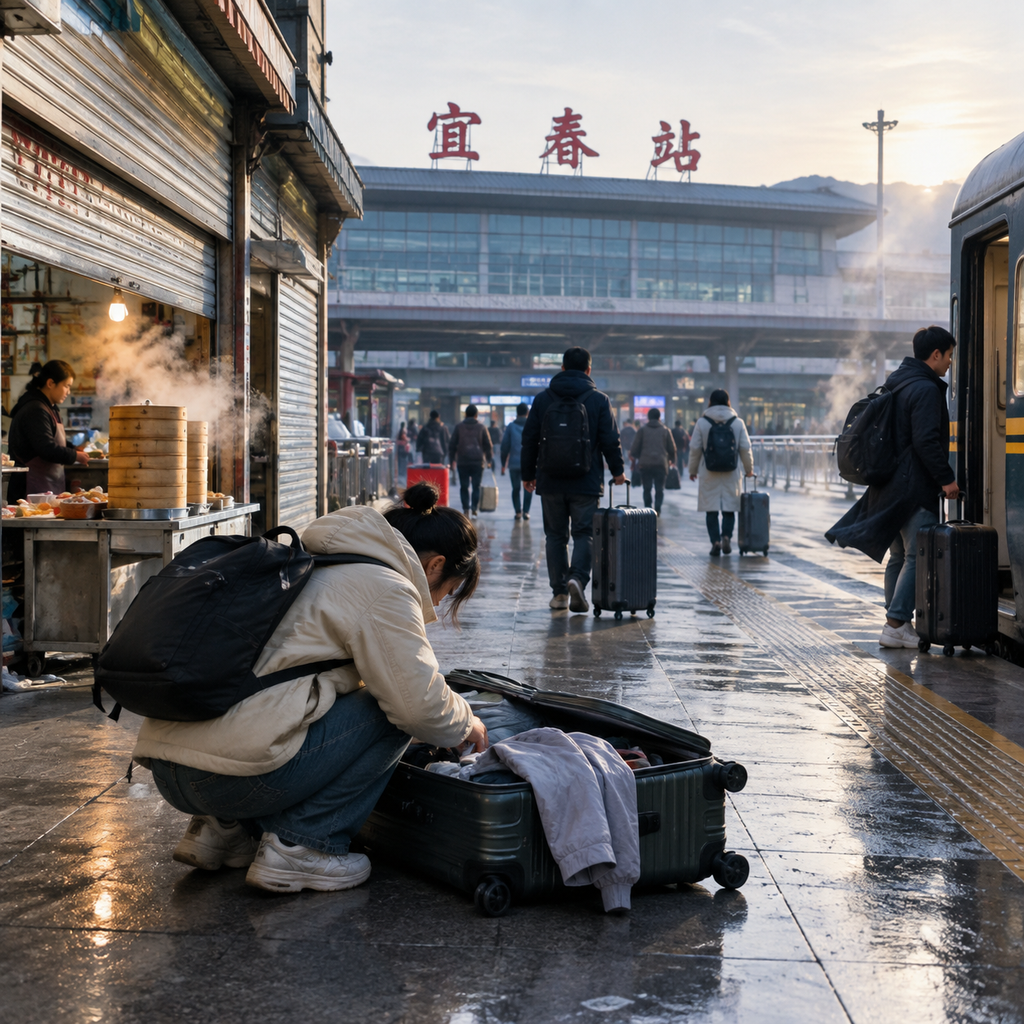
我到宜春那天,是一个被夜雨洗得发亮的清晨。车门打开时,站前的风从衣领里钻进去,我先听见出租车短促的喇叭声,又听见行李箱轮子在接缝处咯噔咯噔地响。天色还没有完全亮,路边店铺的卷帘门有的刚拉到一半,卖早餐的蒸笼已经冒出白气。我把背包往右肩提了提,左手夹着保温杯,右手捏着一张前一晚写满箭头的纸:先去山边看雾,再去温泉区,午后换一个地方走走,晚饭前还要拍到老街的灯。那张纸让我觉得自己很有准备,却没有告诉我宜春站出来的第一步该怎么慢下来。
I arrived in Yichun on a bright, rain-washed morning. When the vehicle door opened, wind slipped through my collar. I heard short taxi horns and suitcase wheels bumping over pavement joints. The sky was not fully light; some shop shutters were only halfway up, while breakfast steam was already rising from bamboo baskets. I shifted my backpack to my right shoulder, held a thermos in my left hand, and gripped a page covered with arrows in my right: mist by the hills, the hot-spring area, another walk in the afternoon, and old-street lights before dinner. The page made me feel prepared, but it gave me no instruction for slowing down during my first steps out of Yichun Station.
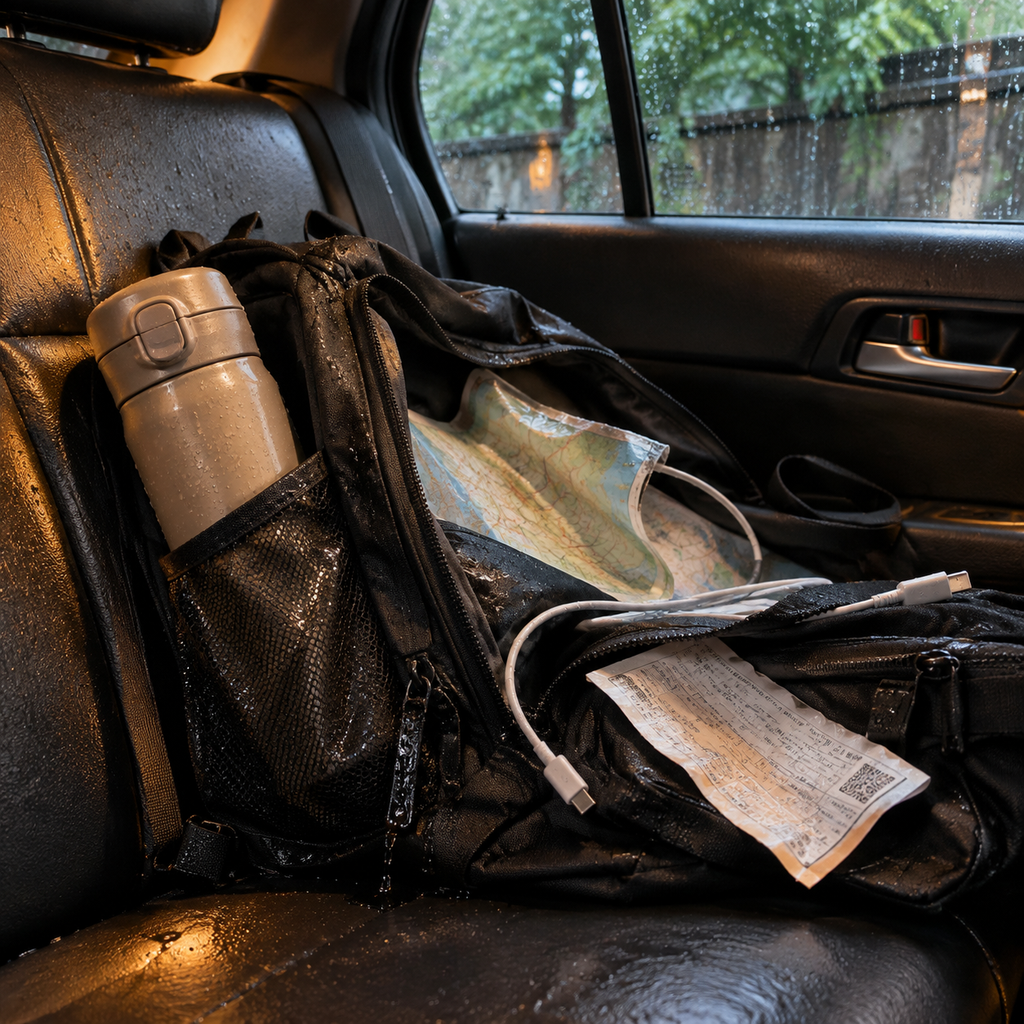
我急着找车,甚至没有把杯子放进包里。开车以后,窗外的建筑从站前的亮色招牌退成一排排湿漉漉的树和围墙,我低头翻手机上的地图,忽然感觉小腿外侧有一点热。我以为是暖气,伸手一摸,指尖沾到水,打开包的侧袋才发现里面已经湿透。杯盖没有拧紧,热水正沿着拉链往下流,纸地图的边角卷了起来,充电线被浸湿了一截,连我放在最外层的车票也软得像刚从水里捞出。那几秒里我只想说一句糟了,可车里有皮革、雨水和热水混在一起的味道,我先闻到那股潮气,才真正意识到事故已经发生。
I had been too eager to find a car to put the thermos inside my bag. As buildings beyond the station faded into wet trees and walls, I felt warmth against my calf. I thought it was the heater, then touched the spot and found water. The lid had not been tightened. Hot water was running down the zipper, curling the corners of my paper map, soaking part of my charging cable, and softening the ticket in the outer pocket. For a few seconds I could only think, “Oh no.” Then the smell of leather, rain, and hot water in the car made the problem real.
司机从后视镜里看见我翻纸巾,便把车停到路边一处不妨碍别人的位置。他没有催我,也没有把这件事说成笑话,只提醒我先拔掉充电线,把湿东西分开放在座位上。车窗外的雨丝很细,落在玻璃上像一层不急着消失的灰。我的第一反应是道歉并要求继续走,怕耽误后面的安排;司机却说,先把包弄干不会让山跑掉,也不会让水池凭空消失。他问我有没有吃东西,听说我从凌晨开始只喝过车上的几口水,便建议我先去吃早餐,再决定去哪里。他说得不重,像是在处理一件每天都会遇到的小麻烦,却让我第一次怀疑那张行程表是不是把人当成了永远不会疲倦的指针。
The driver saw me searching for tissues and pulled over somewhere out of the way. He did not hurry me or turn the accident into a joke. He told me to unplug the cable and separate the wet items on the seat. Fine rain traced the window like a gray layer that did not need to disappear quickly. I wanted to apologize and keep moving because I feared losing time. He said the hills would remain and the pools would not vanish. When he learned that I had eaten nothing since before dawn, he suggested breakfast before choosing the next stop. He handled the problem like an ordinary morning nuisance, but his calm made me question an itinerary that treated a traveler like a tireless clock hand.
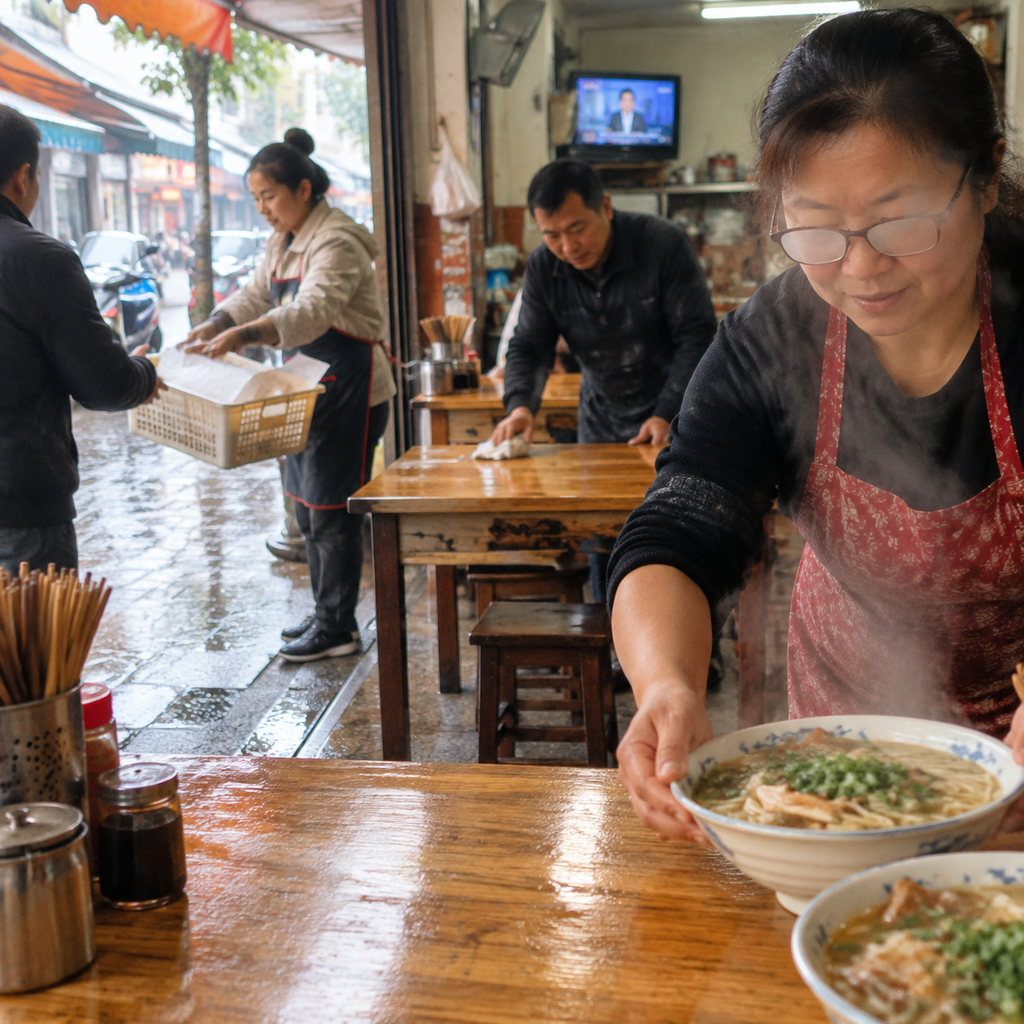
我们在一条不宽的街边停下。我跟着热气走进早餐店,鞋底踩过门口湿滑的地砖,先听见碗筷碰撞,再听见店里电视放得很低的新闻声。桌面是浅色的旧木纹,边缘被许多手掌磨得发亮。老板娘看见我的包滴水,没有追问我是不是把什么贵重物品弄坏了,只拿来一个塑料筐,让我把湿纸张摊开,又把一把小凳子放到门边。她问我吃不吃辣,我没听清,愣了半拍,她便指指自己的碗,又指指调料台,示意可以自己加。这个小动作让我放松下来。我点了一碗热汤粉和一杯豆浆,先用筷子把粉挑散,热气扑到眼镜上,世界短暂地变成了一片白。
We stopped beside a narrow street. I followed the steam into a breakfast shop. My soles crossed wet tiles; inside, chopsticks and bowls clicked beneath the quiet sound of television news. The pale wooden tables were polished bright at the edges by many hands. The owner saw my dripping bag but did not ask whether I had ruined anything valuable. She brought a plastic basket for the wet papers and placed a low stool by the door. When I did not catch her question about spice, she pointed at her bowl and then at the condiment counter, showing me that I could add it myself. I ordered hot rice noodles and soy milk. When steam fogged my glasses, the room briefly became white, and I stopped trying to see the whole day at once.
吃到一半,我把地图上的几个圈重新看了一遍。早餐店里有位正在收拾桌子的中年人听见我问温泉怎么走,便停下来给我指方向。他没有给出一个适合所有人的答案,而是先问我打算泡多久、有没有带干衣服、是否准备当天往返。他说如果只是想感受水汽和安静,最好别在几个地方之间反复折腾;到了温泉公共区域,先看入口的提示,再听工作人员怎么说,换衣、淋浴、寄存和泡池各有顺序。若遇到人多,不要为了拍照挡在通道中间,更不要把手机带到不适合使用的区域。他还提醒我,山路看雾要看天气和脚下,不要只盯着远处。他说完继续擦桌子,没有等待我把他的建议夸成地方智慧。
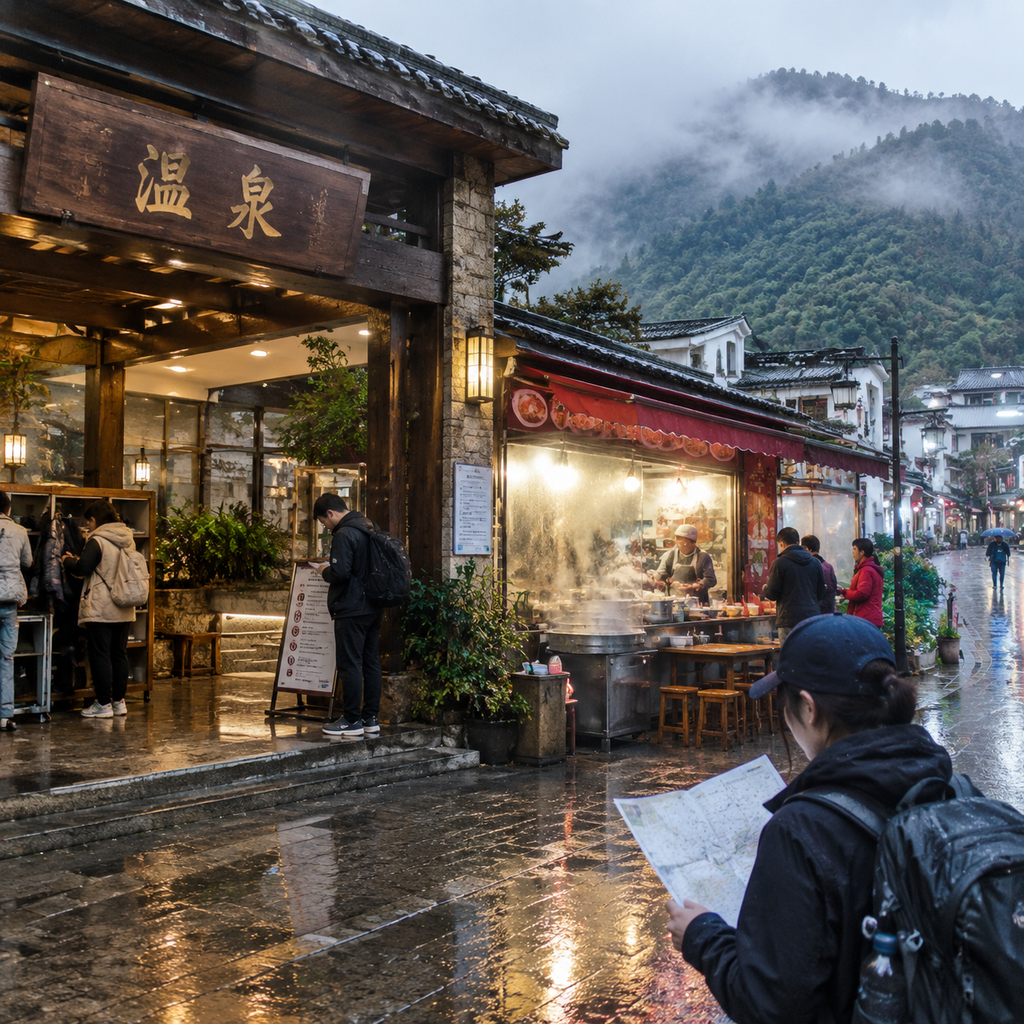
Halfway through breakfast, I looked again at the circles on my map. A man clearing tables heard me ask how to reach the hot springs and paused to point out the direction. He did not offer a universal answer. He asked how long I planned to soak, whether I had dry clothes, and whether I was returning the same day. If I wanted steam and quiet, he said, I should avoid shuttling between several places. In a public hot-spring area, I should read the posted notices and listen to staff: changing, showering, storage, and pools each have their order. When it is crowded, I should not stop in a passage for photographs or bring my phone where it does not belong. He returned to wiping the table instead of waiting for praise, which made the advice feel particularly usable.
我把原计划里的山路删掉了大半,只保留温泉附近的一段短走。这个决定并不潇洒,反而有点像承认自己准备不足。我原本以为旅行的体面是把每个想去的地方都安排进去,删掉地点好像是在向时间认输;但湿地图、发软的车票和还没有干的鞋袜摆在眼前,我终于明白,行程不是越满越认真。司机把车票放到暖风能吹到、又不会被烘坏的位置,早餐店老板娘则把我的背包倒扣在门边,让水从底角一点点滴下来。我喝完豆浆,杯子仍旧温热,可盖子已经被我拧了三遍。我决定先去温泉区附近走走,下午只做一件主要的事。
I removed most of the mountain walk and kept only a short route near the hot-spring area. The decision felt less elegant than admitting I had prepared badly. I had thought a proper trip should include every place on my list, and deleting destinations felt like surrendering to time. Yet the wet map, softened ticket, and damp socks in front of me made a fuller schedule look careless. The driver placed the ticket where warm air could reach it without damaging it, and the breakfast owner turned my bag upside down so water could drip from its lower corner. After soy milk, the thermos was still warm, but I tightened its lid three times. I chose one main task for the afternoon.
车再次开动时,我没有把手机地图放在最前面,而是看着窗外。宜春的城市边缘并不突然,楼房、菜地、低矮的店面和被雨打深颜色的山坡慢慢交错。路边有人撑伞买菜,塑料袋在手腕旁晃动;公交站的顶棚下,几个人把鞋尖朝向同一边,等一辆车拐过来。雨停后空气里有湿土和树叶的味道,车轮碾过积水,发出一串细碎的声响。我发现自己并没有错过什么,反而开始看见抵达本身:从车站离开并不是一个可以一笔带过的动作,而是身体逐渐把陌生城市的温度、坡度和声音接收进来的过程。
When the car moved again, I kept the map on my lap instead of holding my phone in front of my face. Yichun’s urban edge did not end abruptly. Buildings, vegetable plots, low shops, and rain-darkened slopes gradually overlapped. People under umbrellas bought groceries, plastic bags swinging beside their wrists. At a bus stop, several people pointed their shoes in the same direction while waiting for a bus to turn the corner. Wet soil and leaves scented the air, and tires crossing puddles made small strings of sound. I had not missed anything by watching this transition. I was finally noticing arrival as the body receiving a new city’s temperature, slopes, and noises.
温泉区给我的第一印象不是壮观,而是入口处那种需要先整理自己的秩序感。有人在柜台前确认寄存,有人把外套叠好,有人低头看提示牌。我没有急着往里面走,先把湿掉的纸张重新装进透明文件袋,再把手机调成静音。工作人员指给我更衣和淋浴的位置,我按顺序处理好衣物,冲洗身体后才进入公共泡池。那一刻我才发现,公共温泉并不是把私人浴缸放大,而是许多人共同使用的一块空间。每个人带来的疲惫、声音、毛巾和动作都可能影响别人,所以“舒服”不能只由我一个人定义。
My first impression of the hot-spring area was not grandeur but the need to organize myself at the entrance. Someone was checking storage, another person was folding a coat, and several visitors were reading the notices. I put the wet papers into a transparent folder and set my phone to silent before going farther. A staff member pointed out the changing and shower areas. I followed the order, rinsed first, and entered the shared pool only afterward. I realized that a public hot spring is not a private bathtub enlarged. It is shared space. Every visitor’s fatigue, volume, towel, and movement can affect others, so comfort cannot be defined by me alone.
泡池边的地面比我想象中更需要注意。水汽让视线变软,脚下的石面虽然有防滑处理,走路仍然不能大步跨。我把毛巾折好放在池边指定的位置,没有让它垂进水里;进入水中时先坐到边缘,再慢慢下去,避免水花溅到旁边的人。几位游客压低声音交谈,偶尔有人轻轻笑一下,声音很快被树叶上的滴水和循环水的细响接住。我没有拍照,也没有把手机拿出来查路线。那一段时间里,眼睛只能看见近处的水面、栏杆上的水珠和远处被雾遮掉一半的树,这种限制反而让注意力从“还要去哪儿”移到了“现在身体感觉怎样”。
The poolside required more care than I expected. Steam softened my vision, and although the stone floor was treated to reduce slipping, I still had to take small steps. I folded my towel and left it at the designated edge instead of letting it touch the water. I sat down before entering and lowered myself gradually so water would not splash nearby guests. A few visitors spoke quietly and an occasional soft laugh was absorbed by dripping leaves and the faint sound of circulating water. I did not take photographs or pull out my phone to check directions. I could see only the water close by, droplets on the rail, and trees half-hidden in mist. That limitation moved my attention from the next stop to my actual condition.
我原先对“泡温泉”的想象很粗糙,仿佛只要水够热,目的就达到了。实际坐下以后,真正需要判断的是许多小事:水温是否让我感到不适,身体是否已经疲倦,池里的人是否需要更安静的环境,自己是否该换一个位置或先出来休息。我没有把温泉当成治疗,也没有相信任何关于确定功效的说法。对我来说,它只是一次在旅行中放慢动作的体验。泡了一会儿,我的肩膀开始松下来,但这并不意味着可以逞强久留。我起身时扶住栏杆,先在淋浴区补水,擦干脚底,再坐到休息处,让心跳和呼吸恢复到平常的节奏。
My earlier idea of a hot spring was crude: if the water was hot enough, the purpose was met. Once seated, the real decisions were small ones: whether the temperature felt comfortable, whether I was already tired, whether other guests needed quiet, and whether I should change position or leave for a break. I did not treat the spring as medical care or rely on claims of guaranteed effects. For me, it was simply a way to slow down during travel. My shoulders relaxed after a while, but that was not a reason to stay too long. I held the rail when standing, drank water in the shower area, dried my feet, and rested until my breathing felt ordinary again.
休息时,我注意到一位带孩子来的父亲。他没有让孩子在池边奔跑,孩子想把小毛巾甩起来玩,他立刻握住毛巾的一角,俯身小声解释了几句。孩子虽然有点不高兴,还是跟着他走到休息区。另一边,一位年长游客起身时动作很慢,旁边的人主动把自己的拖鞋往旁边收了收,给他让出落脚的位置。没有人宣布规则,也没有人用夸张的礼貌互相表演,可每个小动作都在维持公共空间的平衡。我原本把礼仪理解成不能大声喧哗的几条规定,那时才感觉到它还包括留出通道、控制水花、照顾行动慢的人,以及知道什么时候不该把自己的兴奋传给别人。
During my rest, I noticed a father with a child. He did not let the child run beside the pool. When the child tried to swing a small towel, the father caught one corner and explained quietly. The child looked unhappy but followed him to the rest area. Nearby, an older visitor stood slowly, and someone moved their slippers aside to leave room for his feet. Nobody announced these rules or performed politeness for an audience, yet each small action kept the shared space balanced. I had reduced etiquette to a few rules about volume. Here I understood it also meant leaving passages open, controlling splashes, making room for slower bodies, and not forcing my excitement onto everyone else.
午后我本来还想去一处较远的街区,可从休息区出来时,雨又开始落,细密地打在玻璃顶棚上。我打开手机看交通,发现如果现在出发,就要在湿路上换乘,再用不多的时间匆匆吃饭。于是我把远处那站删掉,改为在温泉区附近找一处能坐下的茶馆。这个调整没有带来戏剧性的损失,只有一种很具体的轻松:我不必把鞋重新踩湿,不必边走边看时间,也不用为了证明自己没有浪费一天而强行增加一个地点。茶馆靠窗的位置能看见雨线落在树梢,我把保温杯放在桌角,直到确认杯盖纹丝不动,才敢把它放回包里。
I had planned to visit a farther neighborhood in the afternoon, but rain began again as I left the resting area, tapping densely on the glass roof. A transit check showed that I would need a wet transfer and a hurried meal if I continued. I deleted the distant stop and chose a tea shop nearby. Nothing dramatic was lost. I simply felt relief: I did not need to soak my shoes again, watch the clock while walking, or add a place just to prove that the day had not been wasted. From the window, I watched rain lines fall across tree branches. I placed the thermos on the table corner and returned it to my bag only after checking that the lid was firmly still.
茶馆里没有急着招呼我的人,我坐下后先把纸地图放在桌面晾开。被热水泡过的地方留下了浅浅的波纹,红笔圈出的字有些晕开,却仍能辨认。我用手机把真正重要的路段截了图,给第二天留下一个可变的空白,而不是继续填满。我还把司机和早餐店里听来的提醒写在纸背面:先吃东西,准备干衣物;公共池先看规则、先冲洗;地面湿时放慢脚步;不把毛巾放进水里;不在人多处举手机挡路;感觉疲倦就出来。它们听起来都很普通,普通到不像旅行心得,却正是我在陌生地方最需要的判断。
At the tea shop, nobody rushed to serve me. I spread the map on the table to dry. The hot water had left pale ripples in the paper, and the red circles had bled, though the names were still readable. I saved screenshots of the routes that actually mattered and left the next day partly open instead of filling every gap. On the back of the map I wrote what the driver and breakfast shop had told me: eat first and pack dry clothes; read the shared-pool rules and rinse first; slow down on wet floors; keep towels out of the water; do not block a crowded place with a phone; leave the pool when tired. These were ordinary reminders, but ordinary reminders were exactly what I needed in an unfamiliar place.
雨停后,我沿着附近的路走了一小段。没有目标时,步伐反而有了重量。我看见一家小店把刚洗好的抹布搭在门边铁架上,水滴在下面排成一串;看见骑电动车的人在转弯前提前减速;看见一位店员把门口的纸箱往里挪,给撑伞的人留出宽一点的位置。温泉带来的安静并没有把我带离生活,反而让我更容易注意到这些细节。宜春并没有因为我是游客就突然变成一幅等待观看的风景,它仍然是人们买菜、上班、收拾门面的地方。我只是暂时借住在这段节奏里,最好不要把自己的匆忙当成城市必须配合的理由。
After the rain, I walked a short distance without a destination. Without a target, my steps felt heavier and more honest. A shop had placed freshly washed cloths on an iron rack, water dripping in a line below. An electric-bike rider slowed before turning. A clerk moved cardboard boxes inward to give umbrella-carrying pedestrians more room. The quiet of the hot spring had not removed me from ordinary life; it helped me notice it. Yichun did not turn into scenery waiting for a tourist. It remained a place where people bought groceries, went to work, and arranged shopfronts. I was only borrowing its rhythm for a while, and my hurry was not a reason for the city to accommodate me.
傍晚我回到住处,先把包里所有东西取出来。地图平铺在窗边,车票夹在两本书之间,充电线没有继续使用,等完全干燥后再检查。衣服上残留着一点温泉区潮湿石面的气味,鞋垫摸起来仍有凉意。我没有马上整理照片,只把第二天必须用的证件和干燥的衣服放在椅背上。这个动作以前会让我觉得自己没有充分利用夜晚,现在却像是在给第二天留一块干净的起点。保温杯被我洗净、擦干,盖子拆下来放在一旁,直到里面没有水珠,才重新合上。
Back at my lodging in the evening, I emptied the entire bag. The map lay flat by the window, the ticket rested between two books, and I left the charging cable unused until it was completely dry. My clothes still carried a faint damp-stone smell from the hot-spring area, and the insoles felt cool. I did not immediately sort photographs. I placed the documents and dry clothes needed for the next day over the back of a chair. That used to feel like failing to use the evening fully; now it felt like leaving a clean starting point for tomorrow. I washed and dried the thermos, removed the lid, waited until no droplets remained, and only then closed it again.
第二天早上,我没有再把远处景点硬塞回来。早餐仍然是在附近解决,老板娘认出我,先看了一眼保温杯,伸手做了一个拧紧的动作。我笑着点头,说这次已经检查过。她没有追问事故的后续,只把热食推到我面前,提醒我山里如果路滑就别勉强往高处走,想看景色可以找视野开阔、脚下稳的地方。她的建议仍然不是一串精确到分钟的安排,而是把天气、体力和路况放在同一张桌子上考虑。我吃完后沿着更平缓的路走,遇见的雾比前一天薄,山的轮廓在树缝里一会儿出现,一会儿退回去。
The next morning, I did not force the distant attractions back into the plan. I ate nearby again. The owner recognized me, glanced at the thermos, and made a tightening gesture with her hand. I laughed and nodded to show that I had checked it this time. She did not ask for the rest of the accident. She pushed hot food toward me and advised me not to climb higher if the mountain path was slippery; for a view, I could choose a place with stable footing and an open sightline. Her advice was not a schedule precise to the minute. It put weather, stamina, and road conditions on the same table. I walked a gentler route, and the thinner mist let the mountain outline appear and disappear between trees.
离开宜春的那天,我提前收拾好行李,把保温杯放进包的中间位置,周围塞上柔软的衣服,盖子朝上。这个看似小心过头的动作让我想起抵达时那个夹在臂弯里的杯子:它当时摇晃得很轻,我却因为赶车、找车、看地图而没有听见。去车站的路上,司机不在,我坐了一段公共交通。车窗外的街道在晨光里慢慢后退,早餐店门口有人提着纸袋出来,蒸笼盖子被掀开又合上,白雾短暂遮住了店里的灯。我在站前下车,没有立刻进候车厅,先站在路边确认车票、手机和杯盖都干燥完好。
On the day I left Yichun, I packed the thermos in the middle of my bag, surrounded it with soft clothes and kept the lid upward. The overcareful gesture brought me back to the cup held in my elbow on arrival. It had moved only slightly, but I had been too busy catching transport, finding a car, and reading a map to notice. I took public transport to the station. Streets moved slowly past the window in morning light. Someone carried a paper bag from the breakfast shop, and a steamer lid opened and closed, briefly hiding the shop lights behind white vapor. Before entering the station, I stood at the roadside and checked that my ticket, phone, and thermos lid were dry and intact.
候车时,我没有把这几天概括成“去了哪些地方”。我更清楚地记得一些动作:司机让车靠边后,我怎样把湿纸巾一张张分开;早餐店的老板娘怎样把小凳子放到门边;我怎样在泡池旁先坐下,怎样把毛巾留在水外;雨重新落下时,我怎样删掉那段远路;离开前,我怎样把杯子放回包的正中央。这些动作没有让旅程看起来更丰富,却让我真正参与了宜春的节奏。温泉也因此不再是一个必须赶到、泡过、拍下、打卡的名词,而是一段要求我尊重水、尊重场地,也尊重自己状态的停留。
While waiting, I did not summarize the trip by listing places. I remembered actions more clearly: separating wet tissues after the driver pulled over; the breakfast owner placing a stool by the door; sitting before entering the pool and keeping the towel out of the water; deleting the distant route when rain returned; putting the thermos in the center of my bag before leaving. These actions did not make the journey look fuller, but they made me participate in Yichun’s pace. The hot springs stopped being a place to reach, soak in, photograph, and check off. They became a pause that asked me to respect the water, the shared space, and my own condition.
第二天泡完之后,我还专门在更衣区多停了一会儿,观察别人怎样收拾自己的东西。有人把换下来的衣服按顺序塞进袋子,有人先擦干储物柜把手再关门,也有人在出口处回头确认有没有落下发夹和钥匙。这样的小心并不显眼,却让我意识到温泉礼仪不只发生在水里。公共空间从更衣柜延伸到吹风机前、饮水处和出口的长廊,自己的湿脚、散开的衣物和突然停下的身体,都可能成为别人绕行的障碍。我把背包背到胸前,给一位抱着衣服的人让出柜前的位置,等她关好柜门才走过去。她朝我点了点头,我们谁也没有说话。
After my second visit, I stayed a little longer in the changing area and watched how people handled their belongings. Someone packed clothes in order, another wiped a locker handle before closing it, and someone at the exit turned back to check for hair clips and keys. These gestures were easy to miss, but they showed me that hot-spring etiquette does not end at the water. The shared space includes lockers, hair dryers, drinking stations, and the corridor outside. Wet feet, scattered clothes, and a body stopping suddenly can all make others detour. I moved my backpack to my chest, made room for a person carrying clothes, and waited until she closed her locker before passing. She nodded; neither of us needed to speak.
我也开始留意自己说话的音量。作为一个外地人,我常常因为听不懂周围的方言或提示而下意识提高声音,仿佛音量能替我补上理解。温泉里却没有这个必要。我把想问的问题拆成短句,先确认“更衣室在哪里”,再问“休息区怎么走”,听不清时说“麻烦您再说一遍”。工作人员用手指了指方向,我就沿着指示牌走,不在原地继续挡住后面的人。这个过程很小,却让我在陌生环境里找到一种可靠的沟通方式:先说明自己的需要,给对方时间回应,再移动到不妨碍别人的地方。
I also noticed my own volume. As an outsider, I often raised my voice when I could not understand a local accent or a notice, as if loudness could replace comprehension. There was no need for that in the hot-spring area. I broke questions into short sentences: first asking where the changing room was, then how to reach the rest area, and saying, “Could you please say that again?” when I missed something. The staff member pointed toward a sign, and I followed it instead of continuing to block people behind me. It was a small adjustment, but it gave me a dependable way to communicate: state the need, allow a response, and move somewhere that does not obstruct others.
午后茶馆的店员还提醒我一个很实际的细节:如果第二天要继续走,湿衣服不要为了省空间塞进包底,最好单独装起来,回到住处尽快摊开;鞋子若只是表面湿,可以用纸巾吸掉水,再让它自然通风,不要急着贴着过热的设备烘。她说自己见过不少游客把衣服、鞋和充电器一起塞进密闭袋里,第二天打开时一股闷味,东西也更难干。我听完立刻把备用袜子从包底拿出来。旅行经验有时不是漂亮的风景,而是有人在你还没来得及犯下更麻烦的错误时,把一个可执行的小动作递到你手边。
The tea-shop worker also gave me a practical detail. If I planned to walk again the next day, I should not stuff damp clothes into the bottom of my bag just to save space. I should keep them separate and spread them out as soon as I returned. For shoes that were only wet on the surface, I could blot them with tissue and let them air instead of placing them against an overly hot device. She had seen visitors seal clothes, shoes, and chargers together in a closed bag, only to find a stale smell and wetter belongings the next morning. I immediately pulled my spare socks out of the bottom pocket. Travel advice is sometimes not a beautiful view but a small action offered before a minor mistake becomes a larger one.
那天下午我在附近找路时还走错过一次。手机上的蓝点在两条相似的小路之间来回跳,我沿着一排围墙走了几分钟,发现脚下的路越来越窄,雨水从屋檐集中落在砖面上。以前的我可能会为了不承认走错而继续往前,直到把短走变成一次体力消耗;这次我停在一间小杂货店门口,先把手机收起来,再向店里的人问方向。店主没有只说左边或右边,而是走到门口,用手指给我看远处一棵高树和转角处的白色栏杆。我按他的描述退回去,果然在第二个路口看见了那条更平的路。人在旅行中承认迷路,并不会失去什么,反而能把注意力重新放回路面。
That afternoon I took a wrong turn nearby. The blue location dot moved between two similar lanes, and after several minutes the path narrowed while rainwater fell heavily from one roof onto the bricks. In the past I might have continued just to avoid admitting the mistake, turning a short walk into needless exertion. This time I stopped outside a grocery shop, put my phone away, and asked for directions. The owner did not merely say left or right. He came to the doorway and pointed toward a tall tree and a white railing at the next corner. I retraced my steps and found the flatter road at the second turn. Admitting that I was lost cost me little; it returned my attention to the ground.
我在那条平路上遇见一群刚下班的人。他们走得不快,有人手里提着菜,有人边走边把伞上的水抖到路旁。我没有把他们写成热闹的背景,只是跟在后面保持距离,偶尔让出迎面而来的窄口。走到一处屋檐下时,大家自然地收拢了一下队形,让骑车的人先过去。那一瞬间我想到公共泡池里的道理:共享空间没有一个人能够占满,舒服往往来自彼此都少占一点。温泉让人坐进水里,街道则让人一起穿过雨后的狭窄路口,两个地方的尺度不同,所需要的克制却相通。
On that flatter road I met a group of people walking home after work. They moved at an easy pace; one carried groceries and another shook rain from an umbrella toward the roadside. I kept a respectful distance and stepped aside whenever the lane narrowed. Under one roof, the group naturally tightened to let a cyclist pass. I thought of the shared pool: no one can occupy all of a common space, and comfort often comes from each person taking slightly less room. A hot spring places people in water together; a street brings them through a narrow, rain-dark passage. The settings differ, but the restraint they require is related.
第一次走进温泉区时,我还在门口犹豫过要不要把保温杯带进去。它已经被我擦干,杯身摸起来没有水,可我还是担心自己把东西放错地方。工作人员看见我站在储物柜前,便示意我把不需要的物品寄存,并提醒我先确认柜门是否锁好、钥匙是否随身。这个提醒让我想起车里那张被水泡软的车票:很多麻烦并不是因为事情多复杂,而是因为我总想一边做三件事,一边假设每件物品都会乖乖待在原位。我把杯子和相机一起收好,只带必要的毛巾和饮水。柜门合上的声音很轻,却像替我关掉了外面的催促。
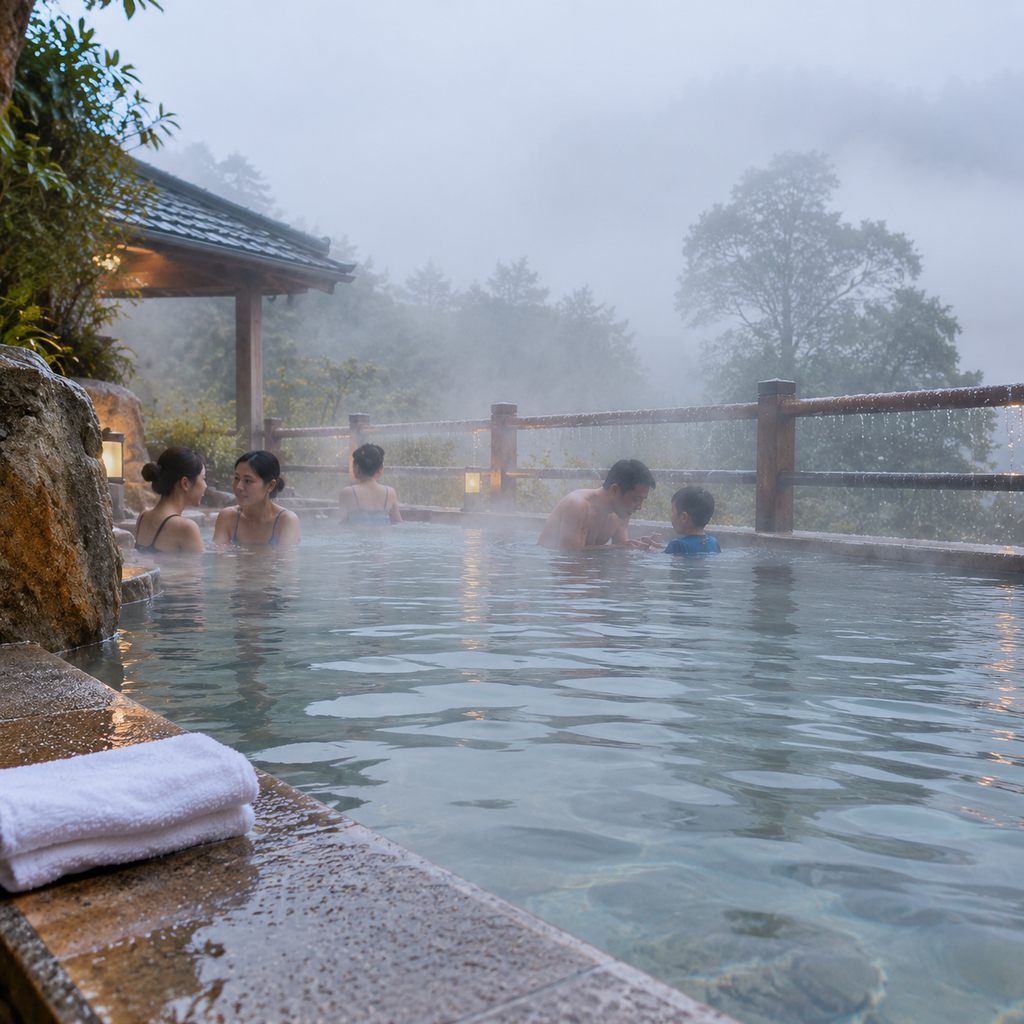
When I first entered the hot-spring area, I hesitated at the lockers about bringing the thermos farther inside. I had dried it, and the metal felt clean, but I still worried about leaving it in the wrong place. A staff member noticed me and indicated that unnecessary items should be stored. They also reminded me to check that the locker was locked and keep the key with me. I thought of the ticket softened in the car: trouble is often not complicated, but comes from trying to do three things at once while assuming every object will stay where it should. I stored the thermos and camera, carrying only what I needed. The locker closed with a quiet sound, as if it had shut out the outside hurry.
我在淋浴区还做了一个以前容易忽略的动作:把脚底和拖鞋上的水尽量冲净,再慢慢走向池边。那不是为了把自己变得“更讲究”,而是因为我注意到一位老人走路时需要看清每一步,鞋底带出的水若太多,旁边的人就更容易打滑。公共场合的规则常常没有戏剧性,它们像地面上不显眼的排水槽,只有在有人不留意时才会暴露出重要性。后来我离开水池,也先在边缘擦干脚,再把拖鞋穿稳,等身后的人通过。我没有因此变成特别有经验的游客,只是少给陌生人添了一点需要提防的事情。
In the shower area I made another small adjustment I used to overlook: I rinsed my feet and slippers as thoroughly as possible, then walked slowly toward the pool. It was not about appearing especially refined. I had noticed an older visitor watching each step, and excess water carried by someone’s footwear could make the nearby floor harder to manage. Public rules are often undramatic, like drainage channels that go unnoticed until carelessness makes them necessary. When I left the pool, I dried my feet at the edge, put on the slippers securely, and waited for the person behind me to pass. I had not become an expert traveler; I had simply created one less hazard for strangers.
早餐店的第二次点单也让我学会不把“当地建议”理解成一句听完就结束的话。我问老板娘附近有没有适合雨天走的路,她先问我想走多久,又问我鞋子是否防滑。我说只想走一小时左右,她便把选择缩小到几条靠近店铺、遇到雨可以随时进门的街巷。她没有替我保证哪条路一定没有积水,只说早上看起来还好,下午若雨再大,就别往低洼处绕。我把这些条件记在手机备忘里,后来实际出门时只走到第一处积水边就折返。以前我会把折返看成计划失败,这次却觉得它是对建议的完整使用:听见条件,观察现场,再根据变化做决定。
The second breakfast order taught me not to treat local advice as a sentence that ends once heard. I asked the owner which nearby route might work in rain. She asked how long I wanted to walk and whether my shoes had good grip. When I said about an hour, she narrowed the choice to lanes near shops, where I could step inside if rain returned. She did not promise that any route would stay free of puddles. She only said the morning looked manageable and that I should avoid low ground if the rain grew heavier. I saved the conditions in my phone. Later I turned back at the first serious puddle. Instead of calling that a failed plan, I saw it as using the advice properly: hear the conditions, inspect reality, and change course when reality changes.
那次事故之后,我还重新检查了自己对“效率”的理解。赶时间当然有它的必要,车次、预约、同行人的安排都不能靠感觉处理;但在没有必须守住的时间点时,我把每一分钟都填满,只会让小意外变得更昂贵。保温杯漏水带走的并不只是纸地图上的几个地名,它还暴露出我在旅途中很少给自己留下处理意外的余地。假如那天我仍然硬赶山路,湿掉的充电线、没有吃过早餐的身体和滑湿的鞋底都会一起跟着我。把路线缩短后,我反而有时间擦干物品、问清楚规则、观察天气,也有时间在泡完之后真正坐下来,而不是立刻站起来奔向下一站。
After the accident, I reconsidered what I meant by efficiency. Time matters when there is a train, a reservation, or a companion’s fixed plan. But when no deadline truly needs protecting, filling every minute only makes a small mishap more expensive. The leaking thermos took more than several place names from the map. It exposed how little room I usually leave for disruption. If I had insisted on the mountain route, the wet charger, empty stomach, and slippery shoes would all have traveled with me. By shortening the route, I had time to dry my things, ask about the rules, watch the weather, and actually sit after soaking instead of immediately running toward another stop.
晚上我终于打开相机,发现那些没有拍成的远景并没有让我失望。相册里有车窗上的水痕、早餐店玻璃上的雾、被热水泡皱的地图,还有池边栏杆上排成一线的水珠。它们不是我出发前想象的“宜春照片”,却比一串景点打卡更能让我回忆当天的变化。那只保温杯也出现在一张照片的角落,杯身上留着早餐店门边擦过的水印。我本来想把它擦得干干净净,后来保留了那一点痕迹。它提醒我,旅行并不总以顺利为开头,重要的是出错之后有没有认真处理,而不是急着把事故藏起来。
That night I finally opened my camera and found that the distant views I had not photographed did not disappoint me. The album held rain marks on the car window, fog on the breakfast shop glass, the map wrinkled by hot water, and droplets lined along the pool rail. They were not the “Yichun photographs” I had imagined before leaving, yet they recalled the day more clearly than a chain of check-ins. The thermos appeared at the edge of one frame, its body marked by a water streak from the breakfast shop doorway. I had wanted to polish it completely, but kept the trace. It reminded me that a trip does not need to begin smoothly; what matters is handling a mistake carefully instead of hiding it.
候车厅里比站外暖,玻璃门开合时,湿冷的风仍会从脚边扫进来。我找了靠近立柱的位置坐下,把背包放在双脚之间,先取出文件袋检查地图有没有再次沾水。旁边一位旅客正在给孩子剥橘子,橘皮的清香盖过了空气里淡淡的消毒水味;远处有人拖着行李经过,轮子声从地砖上连续滚过去。我没有急着把这些声音隔绝在耳机外,因为它们和抵达时的喇叭、雨声一样,组成了这趟行程的边界。列车还没进站,我把手机里的照片备份好,删掉了几张手抖的画面,却留下那张保温杯歪在车座上的照片。它并不漂亮,但我一看就记得那天车停在路边时,自己如何从慌乱里慢慢把东西分开。
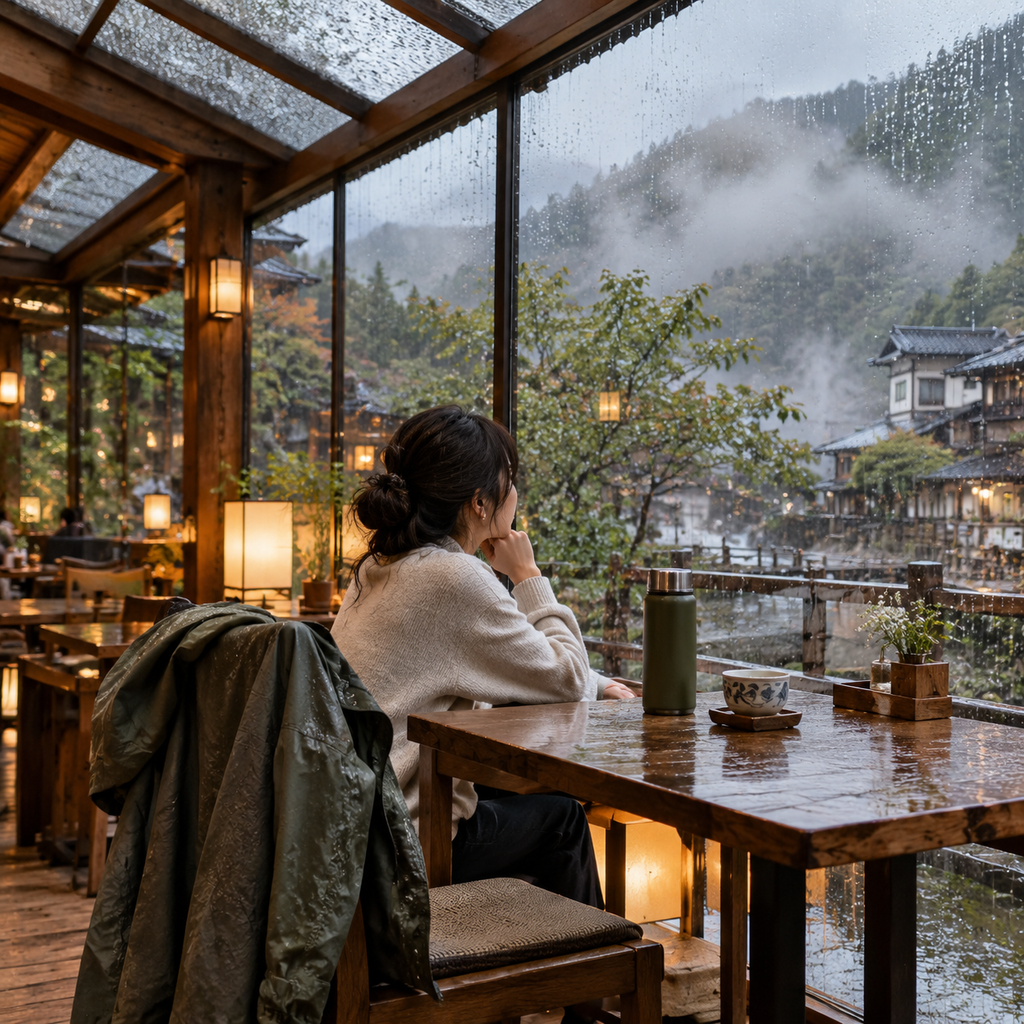
The waiting hall was warmer than the street, though every opening glass door sent cool damp air across the floor. I sat near a pillar with my backpack between my feet and checked the map inside its folder to make sure it had not become wet again. A traveler beside me peeled an orange for a child, its fresh scent covering the faint smell of disinfectant. Suitcase wheels rolled continuously over the tiles in the distance. I did not put on headphones to shut these sounds out. Like the horns and rain at arrival, they marked the edges of the trip. Before the train came, I backed up my photographs and deleted several shaky frames, but kept the one showing the thermos leaning on the car seat. It was not beautiful, yet it instantly recalled how I had separated my belongings after the car pulled over.
我走到检票口前又停了一次,把杯子拿出来轻轻晃了晃,里面的水没有发出异常的撞击声。这个动作后来让我觉得有些可笑,却也很诚实。旅行者常常愿意花很多时间确认导航上的蓝点,却不肯花十秒确认手边真正会影响行程的物品。我的纸地图可以被替代,照片也可以重新拍,充电线甚至可以另想办法,可如果我不检查杯盖,下一次漏水仍会在最不方便的时候发生。我把杯子放回包里,拉链拉到最上方,再看了一眼站台方向。那一眼不是为了追赶,而是为了知道自己下一步要走哪里。
I paused once more before the ticket gate and gently shook the thermos. The water inside made no troubling sound. The gesture felt slightly ridiculous, but it was honest. Travelers may spend a long time checking the blue dot on a map while refusing to spend ten seconds checking an object that can actually disrupt the day. The paper map could be replaced, photographs could be taken again, and the charger might be handled another way. But if I ignored the lid, the next leak would happen at the worst possible moment. I returned the thermos to the bag, pulled the zipper fully closed, and looked toward the platform. That glance was not about chasing time; it was simply knowing where I would walk next.
站台的广播切换成下一趟列车信息,我把文件袋压在外套下面,免得门缝里的风把纸吹散。有人从我身边快步走过,我往立柱旁让了让,等通道重新空出来才移动。那只杯子安静地待在包里,没有再发出任何动静。
The platform announcement switched to information about the next train. I pressed the folder beneath my coat so the draft from the opening doors would not scatter the papers. Someone hurried past, and I moved beside the pillar until the passage cleared. The thermos stayed quietly in my bag and made no further trouble.
列车进站的提示音响起时,我把湿地图收进文件袋,纸上的红色圈线已经干了,留下不规则的边缘。我最后喝了一口杯里的水,确认温度已经适合入口,再把杯盖拧好,听见螺纹咬合时轻轻的一声。我起身排队,背包贴在腿边,没有再边走边翻手机。站台的风比抵达时干一些,远处的玻璃顶棚映着浅色的天。我知道自己仍然会在下一次旅行里写计划,也仍然会想多看几个地方;只是当计划和现场发生碰撞时,我会先看脚下、看天气、看手里的东西,也看一眼身边的人。宜春留给我的不是一份完美路线,而是那个杯盖松开的清晨,以及后来我终于愿意把一天的一部分交给停留。
When the platform announcement sounded, I placed the dry map into its folder. The red circles had left irregular edges. I took one last sip from the thermos, waited until the temperature felt right, and tightened the lid until I heard the threads settle with a small click. I joined the queue with my backpack beside my leg instead of searching my phone while walking. The platform wind was drier than the one at arrival, and the glass roof held a pale sky. I will still make plans and want to see several places next time. But when a plan meets reality, I will first look at the ground, the weather, what I am carrying, and the people beside me. Yichun left me no perfect route. It left the loose thermos lid and the choice, afterward, to give part of a day to staying.
Public Source Notes
本文为第一人称原创旅行叙事。宜春城市街景、公共交通、早餐店与温泉公共空间的描写,依据旅行写作中的常见场景经验与公共场所礼仪常识组织;未引用具体网页、人物原话、精确价格或确定营业时间。涉及温泉区域的具体设施与现场规则,实际出行时应以当地现场提示和工作人员说明为准。
- 一根提线停在掌心时,我在泉州听见了海风 | When a Puppet String Rested in a Palm, I Heard the Sea Wind in Quanzhou
- 呼和浩特被雨洗亮以后,连烧麦店门口的白雾都值得慢慢看 | After Rain Brightened Hohhot, Even the Steam Outside a Shaomai Shop Was Worth Slowing For
- 上海外滩与弄堂文化探索 | Shanghai: The Bund & Longtang Culture
- 14天丝绸之路深度行程规划 | 14-Day Silk Road In-Depth Itinerary
- 西安兵马俑:完整参观指南 | Xi an Terracotta Warriors: A Complete Guide
- 行李打包清单:来中国旅行该带什么 | Packing List: What to Bring for a Trip to China
- 数字人民币来了,外国游客到底怎么用?| E-CNY Is Here — How Does It Actually Work for Foreign Visitors?
- 风筝制作与放飞:我第一次看懂中国人为什么把春天送上天空 | Kite Making and Flying: My First Real Understanding of How China Sends Spring into the Sky
- 威海的海风还没吹到脸上,我先把车票、地图和付款码排好了顺序 | Before Weihai’s Sea Wind Reached My Face, I Had Already Put Tickets, Maps, and Payment Codes in Order
- 上海到苏州两天慢线:园林、评弹和夜船都不赶 | Shanghai to Suzhou in Two Slow Days: Gardens, Pingtan, and Night Boats
Comments (0)