
敦煌到吐鲁番:三天穿越丝绸之路 | Dunhuang to Turpan: A 3-Day Silk Road Crossing
敦煌到吐鲁番:三天穿越丝绸之路 | Dunhuang to Turpan: A 3-Day Silk Road Crossing
去年九月底,我站在敦煌火车站的站台上,背包里塞着两瓶矿泉水和一袋牛肉干,准备坐K9668次列车穿过河西走廊的尾巴,一头扎进新疆。说实话,出发前我犹豫了好几天——三天时间,从甘肃到新疆,够吗?事实证明,不仅够,而且这可能是我走过的性价比最高的一段丝绸之路。
Late last September, I stood on the platform at Dunhuang station with two bottles of water and a bag of beef jerky stuffed in my backpack, about to board train K9668 and barrel through the tail end of the Hexi Corridor straight into Xinjiang. Honestly, I'd hesitated for days before committing — three days from Gansu to Xinjiang, is that even enough? Turns out it wasn't just enough; it might be the best-value Silk Road stretch I've ever done.
第一天:莫高窟与雅丹,敦煌的两张面孔 | Day 1: Mogao Caves & Yadan — Dunhuang's Two Faces
早上七点,我从敦煌青旅"驼铃客栈"出发(标间128元/晚,含早餐,老板姓马,人特别实在),打了个车直奔莫高窟。门票旺季238元,包含两场电影和八个实体洞窟的讲解。说真的,很多人抱怨只看八个窟太少,但我的建议是:提前在莫高窟官方预约平台抢A类票,不然你只能买应急票(100元),那就真的只有四个窟了。
At 7 AM I left my hostel in Dunhuang — Tuoling Inn (驼铃客栈), a standard twin at ¥128/night with breakfast included, run by a no-nonsense guy surnamed Ma — and grabbed a taxi straight to the Mogao Caves. Peak-season tickets are ¥238, covering two intro films and a guided tour of eight grottoes. Lots of people gripe about "only eight caves," but here's my advice: book A-class tickets on the official Mogao reservation platform well in advance. Otherwise you're stuck with emergency tickets (¥100) and only four caves.
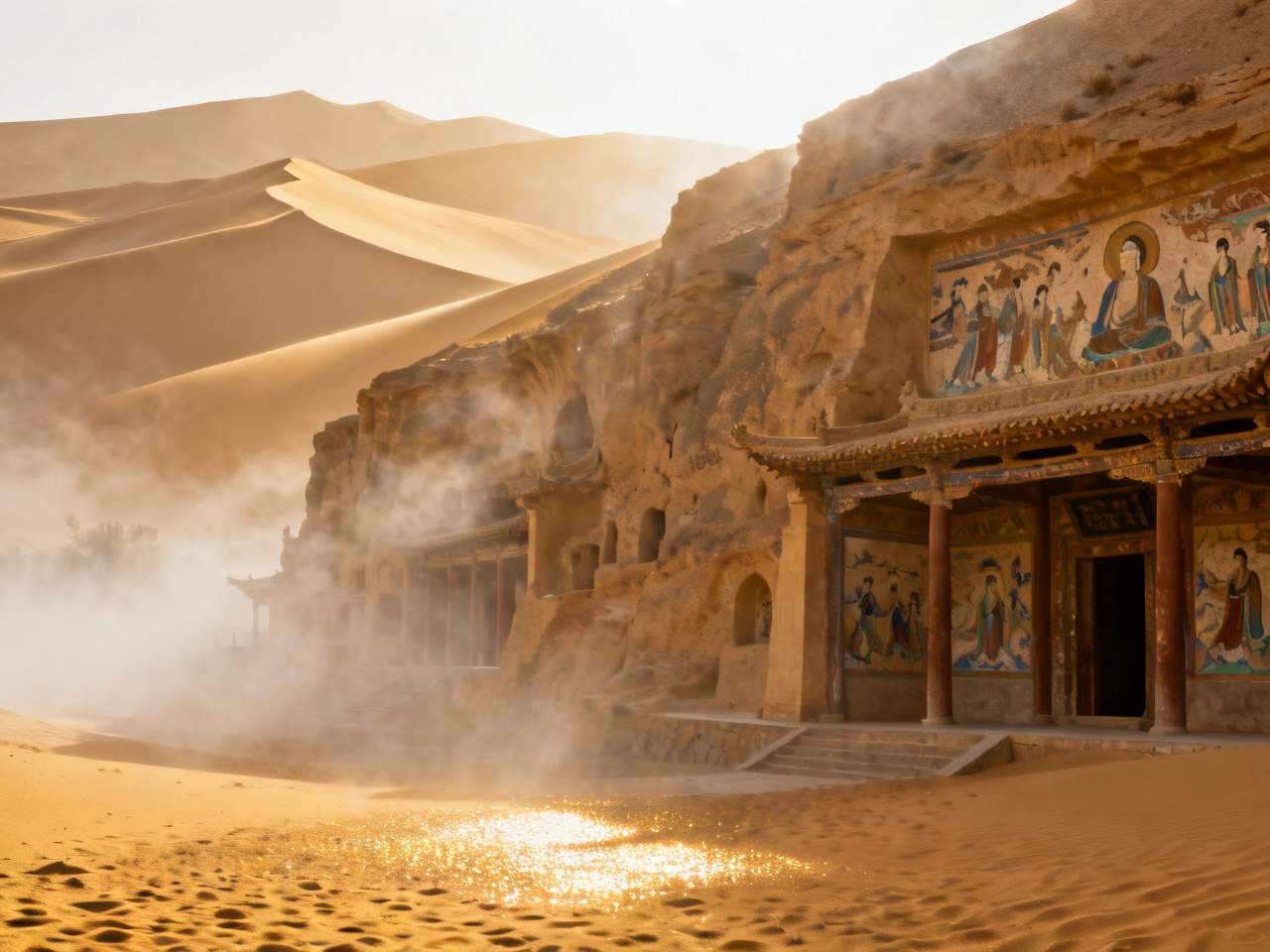
第17窟的藏经洞让我站了很久。导游说当年王道士发现这批文书的时候,根本不知道自己打开了什么。几万卷经文,最后大部分被斯坦因和伯希和带走了。站在那个小小的洞口前,你会忍不住想:如果历史能倒退一百年……算了,不说了,说多了上火。
I stood a long time at Cave 17, the Library Cave. The guide told us that when the Taoist priest Wang Yuanlu first cracked it open, he had no idea what he'd found. Tens of thousands of scrolls, most of which ended up carted off by Stein and Pelliot. Standing before that small opening, you can't help thinking: if we could rewind history a hundred years… Anyway, let's not go there. It just makes my blood pressure spike.
IMAGE_PLACEHOLDER_1
下午两点半,我包了一辆车去雅丹国家地质公园(拼车每人约80元,包车400元左右,从市区开过去大概两小时)。雅丹这个地方,怎么说呢,照片根本拍不出那种感觉。戈壁上矗立着一座座风蚀土丘,像是被遗弃的城堡群。日落时分,整片地貌变成深红色,风声呜呜的,你会觉得自己不是在中国西北,而是在火星上。司机老张说这里以前叫"魔鬼城",晚上风大的时候,声音像鬼哭狼嚎。我信。
At 2:30 PM I hired a car to Yadan National Geopark (shared ride about ¥80/person, private charter around ¥400; roughly two hours from town). How do I put this — photos simply cannot capture Yadan. Wind-eroded mounds rise from the Gobi like an abandoned fortress city. At sunset the whole landscape turns deep crimson, the wind howls, and you feel like you're on Mars, not northwest China. My driver Lao Zhang said locals used to call it "Ghost City" because on windy nights the sounds are straight-up terrifying. I believe him.
晚上回到敦煌,去沙洲夜市吃了一碗驴肉黄面(25元),又来了份杏皮水(5元)。敦煌的杏皮水是真的好喝,酸酸甜甜的,比奶茶健康多了。吃饱喝足回客栈收拾行李,因为明天一早要赶路了。
Back in Dunhuang that evening, I hit Shazhou Night Market for a bowl of donkey-meat yellow noodles (¥25) and a cup of apricot-skin juice (¥5). Dunhuang's apricot juice is legitimately delicious — tart, sweet, and way healthier than milk tea. Full and happy, I headed back to the inn to pack up, because tomorrow I'd be on the road early.
第二天:穿越无人区,从甘肃到新疆 | Day 2: Crossing No-Man's-Land from Gansu into Xinjiang
这一天才是整趟旅程的灵魂。我选择了坐火车K9668,早上从敦煌出发,下午到达吐鲁番北站。硬座票价大约90元,硬卧大概160元。车厢里大多是维吾尔族大叔大妈,有人拎着整箱葡萄上车,那场面特别有生活气息。
This day is the soul of the entire trip. I took train K9668, departing Dunhuang in the morning and arriving at Turpan North station in the afternoon. Hard seat runs about ¥90, hard sleeper around ¥160. The carriage was mostly Uyghur uncles and aunties; one guy lugged an entire crate of grapes on board. It was wonderfully, messily alive.
如果你不想坐火车,也可以走G3011高速自驾。全程大约500公里,中间会经过星星峡——这是甘肃和新疆的省界,也是古丝绸之路上的重要关口。我朋友去年自驾走的这条路,他说过了星星峡之后,手机时间要拨慢两个小时(新疆用北京时间但实际日照晚两小时),而且路两边的景色从戈壁突然变成了盐碱地,再变成远处若隐若现的天山山脉,"像是有人按了一下切换键"。如果你打算自驾走这段,可以参考这份高铁线路攻略里提到的沿途节点,很多信息是相通的。
If you'd rather not take the train, you can drive the G3011 expressway. It's about 500 km, and you'll pass through Xingxingxia — the provincial border between Gansu and Xinjiang and an important Silk Road checkpoint. My friend drove this route last year and said that after Xingxingxia, you mentally shift your clock two hours later (Xinjiang officially uses Beijing time but daylight runs about two hours behind), and the scenery flips from Gobi to salt flats to the distant Tianshan Mountains shimmering on the horizon — "like someone hit a scene-change button." If you're planning to drive this stretch, check out this high-speed rail route guide for waypoint info that overlaps nicely.
到了吐鲁番北站,出站就能感受到热浪扑面——即使是九月底,这里白天气温还有三十多度。我提前订了"吐鲁番丝路绿洲大酒店"(大床房260元/晚,含早),酒店离市区坎儿井景点很近,走路十五分钟。放下行李后,我直接去了坎儿井乐园(门票40元),这是一个地下灌溉系统的展示景区。说白了,就是古人在极度干旱的环境下,硬是用人工挖出的地下渠道把天山雪水引到了绿洲上。工程量之大,跟长城有一拼。
Stepping out of Turpan North station, the heat hit me like a wall — even in late September, daytime temps still top 30°C here. I'd pre-booked the Turpan Silk Road Oasis Hotel (king room ¥260/night with breakfast); it's a 15-minute walk to the Karez Wells scenic area. After dumping my bags, I went straight to Karez Paradise (ticket ¥40), a site showcasing the ancient underground irrigation system. Basically, people in an insanely arid environment hand-dug subterranean channels to divert Tianshan snowmelt to the oasis. The engineering rivals the Great Wall in sheer ambition.
晚饭在酒店附近的"阿凡提烤肉店"解决——大盘鸡68元,烤羊肉串5元一串,再来一个馕(3元),吃到撑。吐鲁番的葡萄是出了名的,路边水果摊上无核白葡萄8元一公斤,又甜又便宜。我买了两斤当零食,第二天爬火焰山的时候全吃光了。
Dinner was at Afanti BBQ near the hotel — a big-plate chicken (dapanji) for ¥68, lamb skewers at ¥5 each, plus a naan bread (¥3). Stuffed. Turpan's grapes are legendary; at roadside fruit stalls, seedless white grapes go for ¥8/kg — ridiculously sweet and cheap. I bought a kilo as snacks and demolished them all climbing the Flaming Mountains the next day.
第三天:火焰山、交河故城,与一场告别 | Day 3: Flaming Mountains, Jiaohe Ruins, and a Farewell
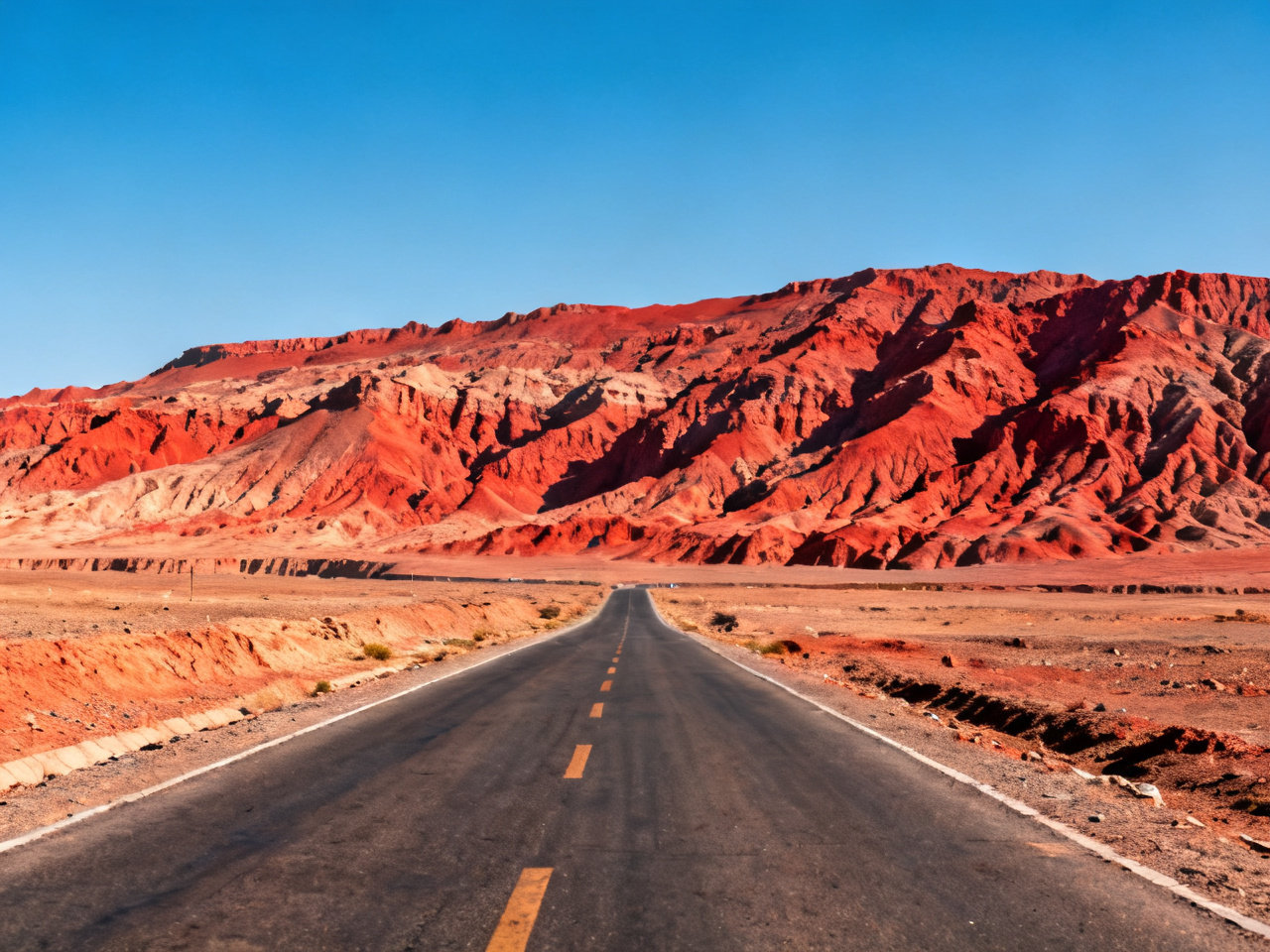
火焰山景区门票40元,但说实话,景区本身有点"到此一游"的感觉——就是一个巨大的温度计雕塑和一些西游记主题的塑像。真正震撼的是景区外面:你站在公路边,看着连绵起伏的红色砂岩山脉在阳光下发出热浪,整座山好像真的在燃烧。《西游记》里说孙悟空借芭蕉扇扇灭火焰山,我看他应该多借两把。
Flaming Mountains scenic area tickets are ¥40, but honestly the park itself is a bit touristy — a giant thermometer sculpture and some Journey to the West statues. The real spectacle is outside the park: you stand by the highway watching undulating red sandstone ridges shimmer with heat haze under the sun, as though the mountains are literally on fire. In Journey to the West, the Monkey King borrowed a magic fan to put out these flames. I reckon he should've borrowed two more.
IMAGE_PLACEHOLDER_2
下午去了交河故城(门票70元),这是世界上最大、最古老的生土建筑城市遗址之一,有两千多年的历史。整座城建在两条河之间的一座台地上(所以叫"交河"),城里的建筑不是往上盖的,而是从地面往下挖的——没错,是挖出来的城市。走在里面,四周是黄土断壁,头顶是蓝天白云,安静得只能听到风声和自己的脚步。那种苍凉感,让我想起了在两周中国行攻略里读到的一句话:"中国最好的风景,往往在最不方便到达的地方。"
In the afternoon I visited Jiaohe Ruins (ticket ¥70), one of the world's largest and oldest rammed-earth city ruins, over 2,000 years old. The city sits on a plateau between two rivers (hence "Jiaohe," meaning "where rivers meet"), and the buildings weren't constructed upward but carved downward into the earth — yes, a city excavated from the ground. Walking through it, surrounded by crumbling loess walls under a vast blue sky, the only sounds are the wind and your own footsteps. That desolate beauty reminded me of a line I'd read in a two-week China itinerary: "China's best scenery is often in its least accessible places."
傍晚回到吐鲁番市区,在葡萄沟景区门口转了一圈(门票75元,但其实在外面看看也差不多)。葡萄架搭成的长廊,阳光透过叶片洒下来,绿得不像话。当地人在葡萄架下喝茶、下棋、聊天,那种悠闲劲儿让我特别羡慕。我在路边买了几盒葡萄干(15元一盒),给家人带回去当手信。
That evening I swung by the Grape Valley scenic area entrance (ticket ¥75, though peeking from outside gives you most of the experience). Vine-covered corridors with sunlight filtering through leaves in an impossibly vivid green. Locals drink tea, play chess, and chat beneath the trellises — a pace of life I deeply envy. I picked up a few boxes of raisins at a roadside stall (¥15/box) as gifts for family back home.
一些实用的碎碎念 | Practical Bits & Pieces
关于时间: 九月底到十月中旬是这条线路的黄金窗口。夏天太热(吐鲁番地表温度能到70°C),冬天很多景区关闭或缩短营业时间。
On timing: Late September to mid-October is the golden window for this route. Summer is brutally hot (Turpan's surface temperature can hit 70°C), and in winter many sites close or slash their hours.
关于花费: 三天下来,我的总花费大约在1800元左右(不含从其他城市到敦煌的大交通),包括住宿、门票、餐饮和市内交通。如果你住青旅、吃得简单一点,1200元也能搞定。
On budget: My three-day total came to roughly ¥1,800 (excluding transport to Dunhuang from elsewhere), covering accommodation, tickets, food, and local transport. Hostel-and-street-food mode could bring that down to about ¥1,200.
关于安全: 新疆的安检比内地严格很多,火车站、景区入口都要查身份证,外国朋友记得随身带护照。别紧张,就是流程多一点而已,治安非常好。如果这是你第一次来中国旅行,不用担心,新疆是中国最安全的地区之一。
On safety: Security checks in Xinjiang are stricter than in inland China — ID checks at stations, scenic-area entrances, etc. Foreign visitors, keep your passport on you at all times. Don't stress; it's just extra process — public safety is excellent. If this is your first time visiting China, don't worry; Xinjiang is one of the safest regions in the country.
三天时间,从莫高窟的壁画到火焰山的热浪,从雅丹的魔鬼城到交河的千年废墟——这段丝绸之路不长,但每一步都踩在历史上。如果你也想试试,九月出发吧,记得多带水。
Three days, from the murals of Mogao to the heat waves of the Flaming Mountains, from Yadan's Ghost City to Jiaohe's millennial ruins — this Silk Road stretch isn't long, but every step lands on history. If you're tempted to try it, head out in September. And bring extra water.
- 我在中国县城汽车站学会先看人群走向,再找检票口 | I Learned at a Chinese County Bus Station to Watch Where People Flow Before Looking for the Gate
- 我在杭州菜市场学会了不装懂:真正的文化融入,常常从承认自己不会开始 | In a Hangzhou Wet Market I Learned Not to Pretend: Real Cultural Integration Often Starts by Admitting You Don't Know
- 带爸妈游中国七日:一份不累不赶的行程单 | 7 Days in China with Aging Parents: A No-Rush Itinerary
- 我在中国景区接驳车排队时,第一次学会先看阴凉处而不是先冲最前面 | At a Chinese Scenic Shuttle Queue, I First Learned to Look for Shade Instead of Charging to the Front
- 中国旅游安全须知 | Safety Tips for Traveling in China
- 在八大关和海边之间,我才明白青岛好走的从来不是直线 | Between Badaguan and the Waterfront, I Learned That Qingdao Is Never Best Read in a Straight Line
- 中医传统疗法 | Traditional Chinese Medicine
- 在中国吃素这件事,比你想象的难,也比你想象的容易 | Eating Vegetarian in China: Harder Than You Think, Easier Than You Fear
- 中国街头小吃十选:从北到南,一路吃过去 | Ten Chinese Street Snacks: Eating Your Way from North to South
- 十月赏银杏:满城尽带黄金甲 | October Ginkgo Season: When China Turns to Gold
Comments (0)