
在中国看病 | How to See a Doctor in China as a Foreigner
在中国看病 | How to See a Doctor in China as a Foreigner
凌晨三点,我们的一位读者——来自加拿大的Mike——在成都的青旅里捂着肚子疼得直冒冷汗。他不会说中文,手机里没有任何医院的信息,房东大姐二话没说骑着电动车把他送到了最近的华西医院急诊。四个小时后,Mike做完了CT、验了血、打了点滴,急性肠胃炎确诊,总费用:847元人民币,折合不到120美元。他后来跟我们说:"在加拿大,光等急诊就要等六个小时。"
At 3 AM, one of our readers — Mike from Canada — was doubled over with stomach pain in a Chengdu hostel, drenched in cold sweat. He spoke no Chinese, had no hospital information on his phone, and the hostel owner wordlessly drove him to the nearest West China Hospital ER on her electric scooter. Four hours later, Mike had completed a CT scan, blood tests, and an IV drip. Diagnosis: acute gastroenteritis. Total cost: 847 yuan — under 120 USD. He later told us: "In Canada, just waiting in the ER takes six hours."
这个故事代表了很多外国人在中国就医的真实体验:快、便宜、但过程让人懵。这篇文章用一个完整的就医流程帮你做好准备。
This story represents the real experience many foreigners have with Chinese healthcare: fast, cheap, but confusing. This article walks you through the complete process so you'll be prepared.
第一步:选对医院
中国的医院分三个等级:三级(最高)、二级和一级。三甲医院是三级甲等,属于顶级综合医院。如果你在大城市,尽量选择三甲医院的国际医疗部——北京的协和医院、上海的华山医院、广州的中山大学附属第一医院都设有专门的外宾门诊,配备英语导诊服务。国际医疗部的挂号费通常在200-500元之间,普通门诊则只需要5-50元。
Chinese hospitals are ranked in three tiers: tertiary (highest), secondary, and primary. A "3A hospital" (三甲) is a top-tier Grade A institution. In major cities, try to choose the international medical department of a 3A hospital — Peking Union Medical College Hospital in Beijing, Huashan Hospital in Shanghai, and the First Affiliated Hospital of Sun Yat-sen University in Guangzhou all have dedicated foreign patient clinics with English-speaking staff. Registration fees at international departments typically range from 200-500 yuan, while regular outpatient clinics charge just 5-50 yuan.
除了公立医院,大城市还有不少外资或合资私立医院和诊所,比如北京的和睦家医院、上海的百汇医疗。这些机构的服务完全对标西方标准:预约制、不用排队、全英文沟通、医生有充足的问诊时间。但价格也对标西方——一次普通感冒门诊可能花费1500-3000元。如果你有国际医疗保险,这些私立机构通常支持直接结算。
Beyond public hospitals, major cities have foreign-invested or joint-venture private hospitals and clinics, such as Beijing United Family Hospital and ParkwayHealth in Shanghai. These facilities match Western standards entirely: appointment-based, no queuing, full English communication, and ample consultation time. But the prices also match — a routine visit for a cold might cost 1,500-3,000 yuan. If you have international health insurance, these private facilities usually support direct billing.
第二步:挂号——一切的起点
中国公立医院实行"先挂号后看病"制度。挂号的方式有四种:现场排队挂号(最原始但最可靠)、医院官方App或微信公众号预约、支付宝里的"医疗健康"功能预约、以及114电话预约(仅限北京等部分城市)。热门科室的专家号经常一放出来就被秒光,普通号则基本随到随挂。
Chinese public hospitals operate on a "register first, see doctor later" system. There are four registration methods: queuing in person (most basic but most reliable), the hospital's official app or WeChat account, Alipay's healthcare function, and 114 phone reservation (available only in some cities like Beijing). Expert appointments at popular departments often sell out within seconds of release, while general appointments are usually available on a walk-in basis.
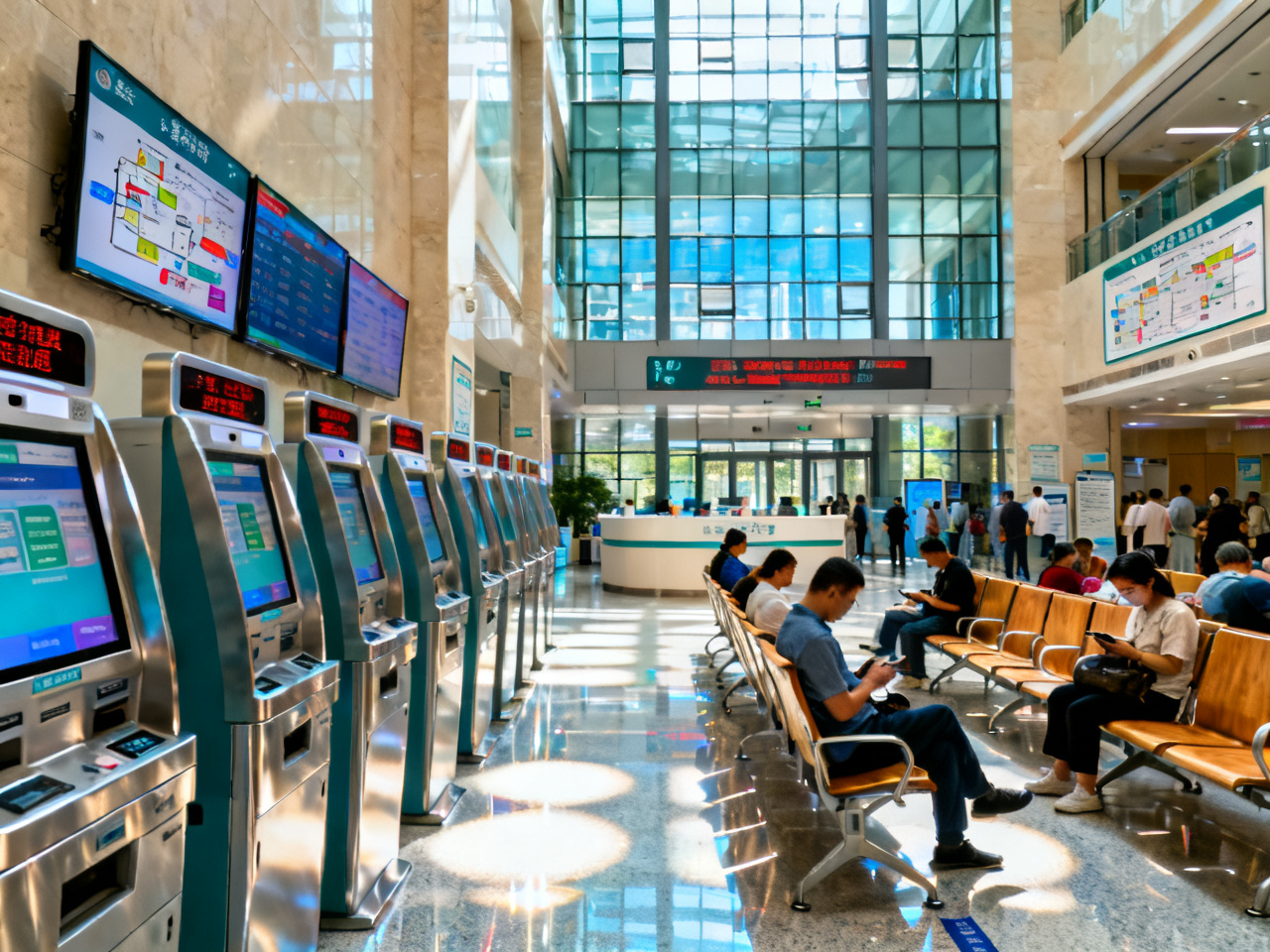
挂号时你需要提供护照信息。有些医院的自助挂号机只接受身份证,这时候你就得去人工窗口。建议提前在手机里存好护照首页的照片,方便工作人员录入信息。挂号费包含在诊察费里,普通门诊5-50元,专家门诊50-300元。
You'll need your passport for registration. Some hospitals' self-service kiosks only accept Chinese ID cards, in which case you'll need to go to the manual counter. Keep a photo of your passport's main page on your phone for easy data entry. The registration fee is included in the consultation charge: 5-50 yuan for general outpatient, 50-300 yuan for specialist consultations.
第三步:看诊——快节奏的面对面
挂完号,拿着挂号单(或电子凭证)去对应科室候诊。中国公立医院的看诊速度极快——平均每个病人的问诊时间只有5-8分钟。医生会快速问你症状、查看体征,然后开检查单或处方。如果你不会中文,有两个解决方案:一是提前用翻译App(推荐百度翻译或DeepL)把自己的症状写成中文打印出来;二是带一个会中文的朋友。
After registration, take your slip (or electronic voucher) to the relevant department and wait. Chinese public hospitals move fast — average consultation time per patient is just 5-8 minutes. The doctor will quickly ask about symptoms, check vital signs, then issue test orders or prescriptions. If you don't speak Chinese, two solutions: prepare a printout of your symptoms in Chinese using a translation app (Baidu Translate or DeepL recommended) before your visit, or bring a Chinese-speaking friend.
医生可能会开出一系列检查:验血、B超、X光、CT等。你需要拿着检查单去缴费(可以用微信或支付宝扫码支付,也可以去收费窗口用现金或银行卡),然后去相应的检查科室排队做检查。检查结果出来后(有的当天出,有的需要等1-3天),再回到医生那里复诊。整个流程涉及多次排队,这也是为什么中国人常说"看病难"——不是医术难,是流程累。
The doctor may order various tests: blood work, ultrasound, X-ray, CT scan, etc. Take the test orders to the payment counter (you can scan and pay via WeChat or Alipay, or pay with cash or card at the window), then queue at the respective examination departments. Once results are ready (some same-day, some take 1-3 days), return to the doctor for follow-up. The entire process involves multiple queues — which is why Chinese people often say "seeing a doctor is hard." It's not that the medicine is hard; the process is exhausting.
第四步:拿药和付费
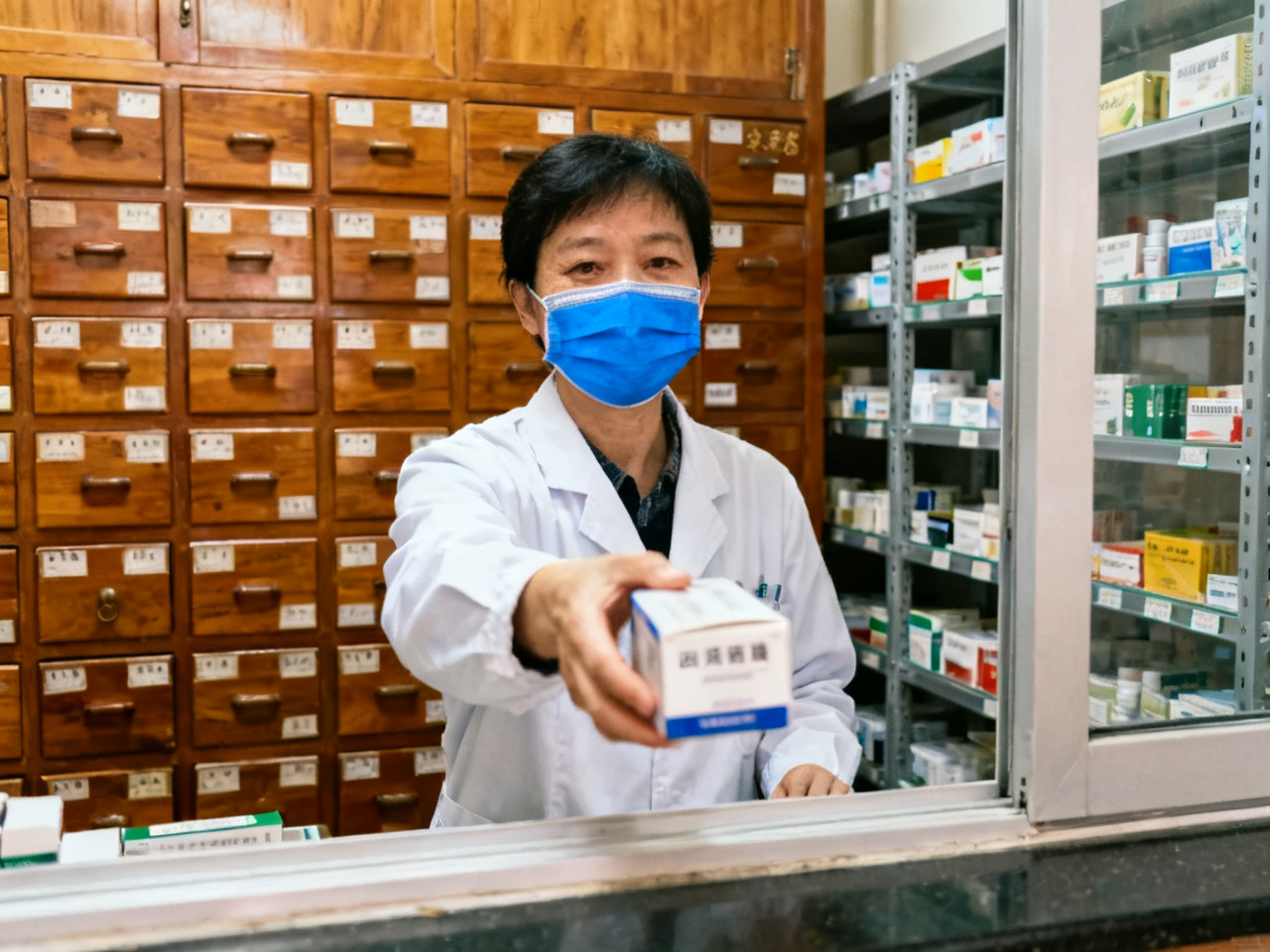
医生开完处方后,你去收费窗口缴费,然后凭缴费凭证去药房取药。中国医院的药房和西方不同——它就在医院里面,通常在一楼大厅。药剂师会把药配好装在袋子里递给你,上面标注了用法用量。中成药和西药可能会同时出现在你的处方里——这是中国医疗的特色之一。
After the doctor writes a prescription, pay at the billing counter, then collect medication at the pharmacy with your receipt. Chinese hospital pharmacies differ from Western ones — they're located inside the hospital, usually on the ground floor lobby. The pharmacist will package the medication in bags with dosage instructions labeled. Both traditional Chinese medicine and Western medicine may appear on your prescription simultaneously — a distinctive feature of Chinese healthcare.
费用方面,中国公立医院的收费标准由政府指导定价。一次普通感冒门诊(挂号+看诊+药费)通常在100-300元。一次需要做CT的急诊大约在800-2000元。住院费用根据病情差异极大,但总体而言远低于欧美国家。Mike那次急诊的847元账单在中国人看来其实算正常偏贵的——因为他去的是华西医院的急诊,CT检查本身就要400多元。
Regarding costs, Chinese public hospital fees follow government-guided pricing. A typical cold visit (registration + consultation + medication) runs 100-300 yuan. An ER visit requiring a CT scan costs roughly 800-2,000 yuan. Hospitalization costs vary enormously by condition but are far lower than in Europe or the US overall. Mike's 847-yuan ER bill is actually considered normal to slightly expensive by Chinese standards — because he went to West China Hospital's ER, and the CT scan alone cost over 400 yuan.
第五步:医保和保险——外国人能用吗
如果你在中国工作并且公司为你缴纳了社会保险,那么恭喜你,你可以享受中国的基本医疗保险。门诊和住院费用按比例报销,具体比例因城市和医院等级而异。北京的职工医保门诊报销比例约为70%,住院可达85%以上。
If you work in China and your employer pays social insurance on your behalf, congratulations — you're covered by China's basic medical insurance. Outpatient and hospitalization costs are reimbursed proportionally, with specific ratios varying by city and hospital tier. In Beijing, employee medical insurance reimburses about 70% of outpatient costs and over 85% of hospitalization expenses.
如果你是短期游客,强烈建议购买涵盖中国的国际旅行医疗保险。世界游牧(World Nomads)、安联(Allianz)等公司都提供包含中国的计划。就医后记得保存所有单据——挂号单、检查报告、处方单、缴费收据——这些是事后理赔的必要材料。关于在中国的其他生活成本和预算建议,我们有专门的文章可以参考。
If you're a short-term tourist, strongly consider purchasing international travel medical insurance covering China. World Nomads, Allianz, and other companies offer plans that include China. After treatment, save all documents — registration slips, test reports, prescriptions, payment receipts — these are essential for subsequent claims. For other cost and budget advice in China, we have a dedicated article you can reference.
急救电话和药店买药
中国的急救电话是120。拨打后会有调度员接听,大城市的120已经开始配备英语服务,但不保证每次都有。建议用手机的翻译功能辅助沟通。说清楚地址是最关键的——提前学会用中文说出你所在酒店或位置的名称。
China's emergency number is 120. A dispatcher will answer; major cities' 120 services have begun offering English, though it's not guaranteed every time. Use your phone's translation function to assist. Stating your address clearly is the most critical part — learn to say your hotel or location name in Chinese in advance.
如果只是小毛病——头疼、感冒、拉肚子——不用去医院,直接去药店就行。中国的药店遍布街头,绿色十字标志很好认。感冒药(如999感冒灵)、退烧药(布洛芬)、止泻药(蒙脱石散)都可以在药店直接购买,不需要处方。价格通常在10-50元之间。药盒上的说明都是中文,可以拍照用翻译App识别。如果你对中式英语有所了解,你会发现有些药品的英文说明相当有趣。
For minor issues — headache, cold, diarrhea — skip the hospital and go straight to a pharmacy. Chinese pharmacies are everywhere on the streets, easily identified by their green cross signs. Cold medicine (like 999 Ganmaoling), fever reducers (ibuprofen), and anti-diarrheal medication (montmorillonite powder) can all be purchased over the counter without a prescription. Prices typically range from 10-50 yuan. Instructions are in Chinese — photograph them and use a translation app. If you're familiar with Chinglish, you'll find some medication English instructions rather entertaining.
在中国看病这件事,总结起来就是六个字:便宜、快速、复杂。便宜和快速是优势,复杂是门槛。但只要你读完了这篇文章,这个门槛就已经降低了一大半。根据维基百科关于中国医疗体系的介绍,中国拥有全球最大的医疗服务网络之一,覆盖了超过95%的人口。作为外国人,你同样可以享受到这个庞大系统的服务——只要你知道怎么进入它。
Seeing a doctor in China can be summed up in three words: cheap, fast, complicated. Cheap and fast are advantages; complicated is the barrier. But having read this article, you've already lowered that barrier significantly. According to Wikipedia's entry on healthcare in China, China operates one of the world's largest healthcare networks, covering over 95% of its population. As a foreigner, you can access this vast system too — as long as you know how to navigate it.

- 退潮后的石滩,比准点的海景更懂钦州 | The Stone Flats After Low Tide Taught Me More Than a Timed Sea View in Qinzhou
- 青岛海边的雾气,让我把拍照计划改成了散步计划 | Sea Fog in Qingdao Turned My Photo Plan into a Walking Plan
- 外国人第一次夜游中国城市的安全感 | The Sense of Safety I Felt on My First Night Walk in a Chinese City
- 少数民族服饰巡礼:苗族藏族彝族 | Ethnic Minority Costumes: Miao, Tibetan & Yi
- 云南雨季反向玩法:人少、景美、预算可控 | Yunnan in Rainy Season: Fewer Crowds, Better Value
- 广州夜里最好走的那条线,往往不是最热闹的,而是最知道什么时候该坐下的 | Guangzhou’s Best Night Route Is Rarely the Loudest One but the One That Knows When to Sit Down
- 烤鸭不只是一道菜,它是北京给世界的一封信 | More Than a Dish: Peking Duck as Beijing's Letter to the World
- 站在深圳北站外第一个红灯前,我开始读懂这座城的速度 | At My First Red Light Outside Shenzhen North, I Began to Read the City’s Speed
- 第一次在中国水果店买西瓜,我学会先说想现场切还是带走 | The First Time I Bought Watermelon in a Chinese Fruit Shop, I Learned to Say Whether I Wanted It Cut to Eat Now or Taken Home
- 云南大理到丽江:慢游洱海边的五天四夜 | Dali to Lijiang, Yunnan: A Slow 5-Day Journey Along Erhai Lake
Comments (0)