
我在上海地铁早高峰里学会先站稳再看地图 | In Shanghai Morning Rush Hour, I Learned to Stand Still Before Reading the Map
我在上海地铁早高峰里学会先站稳再看地图 | In Shanghai Morning Rush Hour, I Learned to Stand Still Before Reading the Map
早上八点十二分,我们从人民广场站的扶梯下来,第一件事不是看见列车,而是听见一阵非常密的脚步声。鞋底敲在浅色地砖上,像一场没有鼓点的雨。同行的朋友把手机举起来,想确认去陆家嘴该往哪条线换,我伸手挡了一下,不是因为我已经知道答案,而是因为我们正站在扶梯出口最容易被后面人撞到的位置。
At 8:12 in the morning, we stepped off the escalator at People’s Square Station. The first thing we noticed was not a train, but a dense layer of footsteps. Shoes struck the pale floor tiles like rain without drums. My friend lifted his phone to check which line we needed for Lujiazui, and I gently stopped him. Not because I already knew the answer, but because we were standing at the exact spot where people coming off the escalator could run into us.
那一秒我才明白,上海地铁早高峰里最重要的动作不是“快”,而是“别挡”。如果你刚到中国,尤其刚到上海这种大城市,很容易把地铁站当成一个巨大的地图界面:线路颜色、箭头、站名、出口编号,好像只要读懂它们就够了。但真正进到早高峰的人流里,地图只是第二步,第一步是给自己找一个不会打断别人节奏的小角落。
In that second I understood that the most important action in Shanghai’s morning rush hour is not “be fast,” but “do not block.” If you have just arrived in China, especially in a large city like Shanghai, it is easy to treat the metro station as a huge map interface: line colors, arrows, station names, exit numbers. It feels as if reading them is enough. But once you enter the rush-hour flow, the map is only the second step. The first step is finding a small corner where you do not interrupt other people’s rhythm.
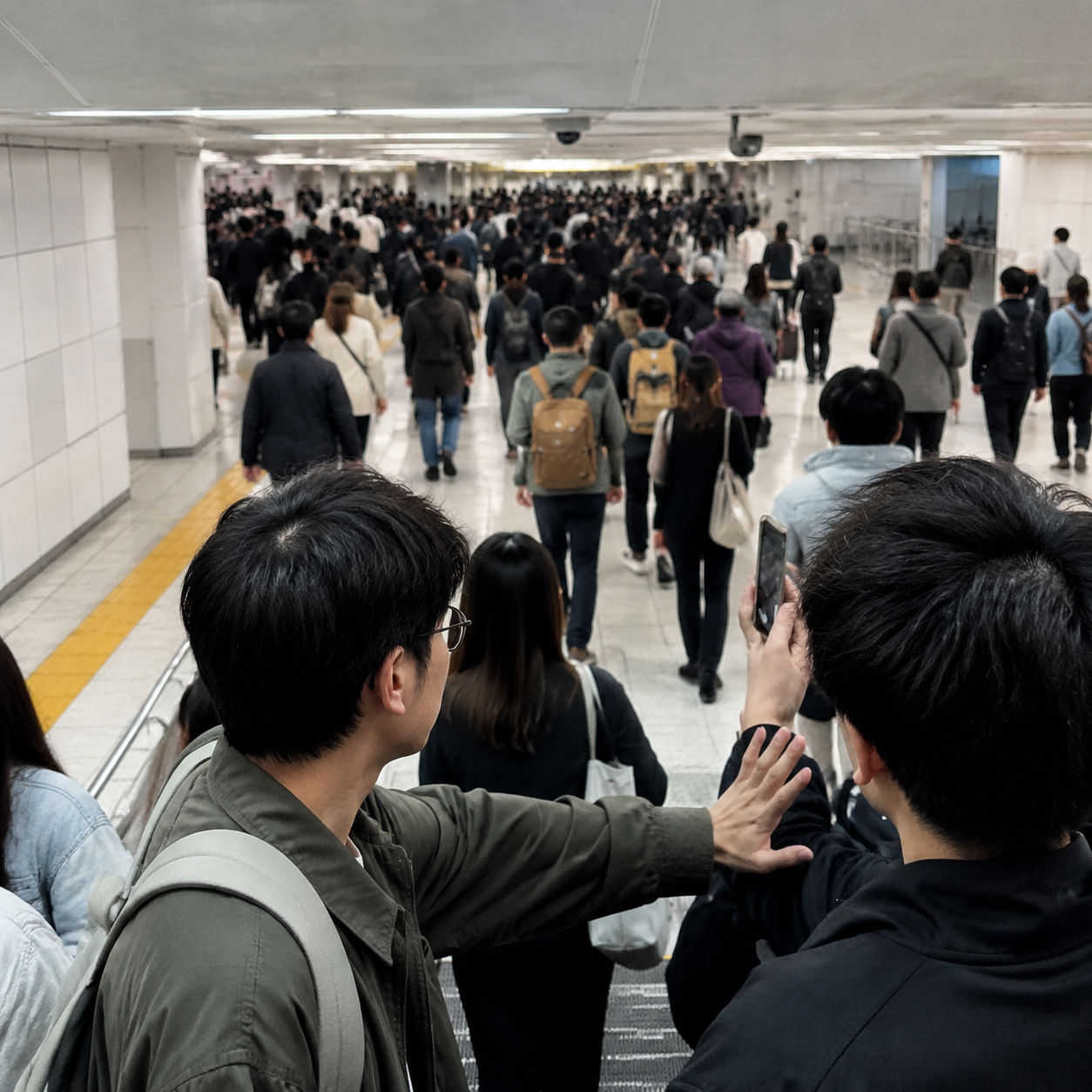
我们退到柱子旁边。不是完全贴墙,因为墙边也有人排着等自动售货机;也不是站到通道中央,因为那里每半秒都会有人拖着电脑包擦过去。柱子旁有一点空白,够两个人并肩站住。我把背包转到胸前,朋友把手机屏幕压低,只留给自己看。这个姿势有点笨,但马上就安全多了。
We moved beside a column. Not completely against the wall, because people were already waiting near a vending machine there; not in the middle of the corridor either, because someone with a laptop bag brushed past every half second. Beside the column, there was just enough empty space for two people to stand shoulder to shoulder. I turned my backpack to the front, and my friend lowered his phone screen so only he could see it. The posture felt a little clumsy, but immediately it felt safer.
上海地铁的早高峰有一种很清楚的秩序,只是它不总是写在牌子上。你会看见有人走得很快,却很少横着切进人群;有人在闸机前慢了一拍,后面的人会自然换到旁边通道;有人错过了电梯,也不会站在口子上懊恼太久,而是顺着人流再找一个回转的位置。这个秩序不是温柔的慢动作,它更像一条已经排好速度的河。
Shanghai’s rush-hour metro has a very clear order, but it is not always written on signs. You see people walking quickly, but rarely cutting sideways into the crowd. If someone slows down at the gate, the person behind naturally switches to another lane. If someone misses an escalator, they usually do not stand at the opening feeling upset for long; they move with the flow and find another place to turn back. This order is not a gentle slow motion. It is more like a river whose speed has already been set.
朋友问:“我们是不是该现在看地图?”我说:“再等五秒。”这五秒里,我看了三件事:去换乘通道的人流从哪里变窄,头顶箭头在哪个位置重复出现,工作人员站在哪个岔口。然后我们才低头看手机。地图告诉我们要换二号线,但现场告诉我们应该先沿左侧走二十米,再跟着蓝色指示牌转进去,而不是在第一个岔口立刻拐。
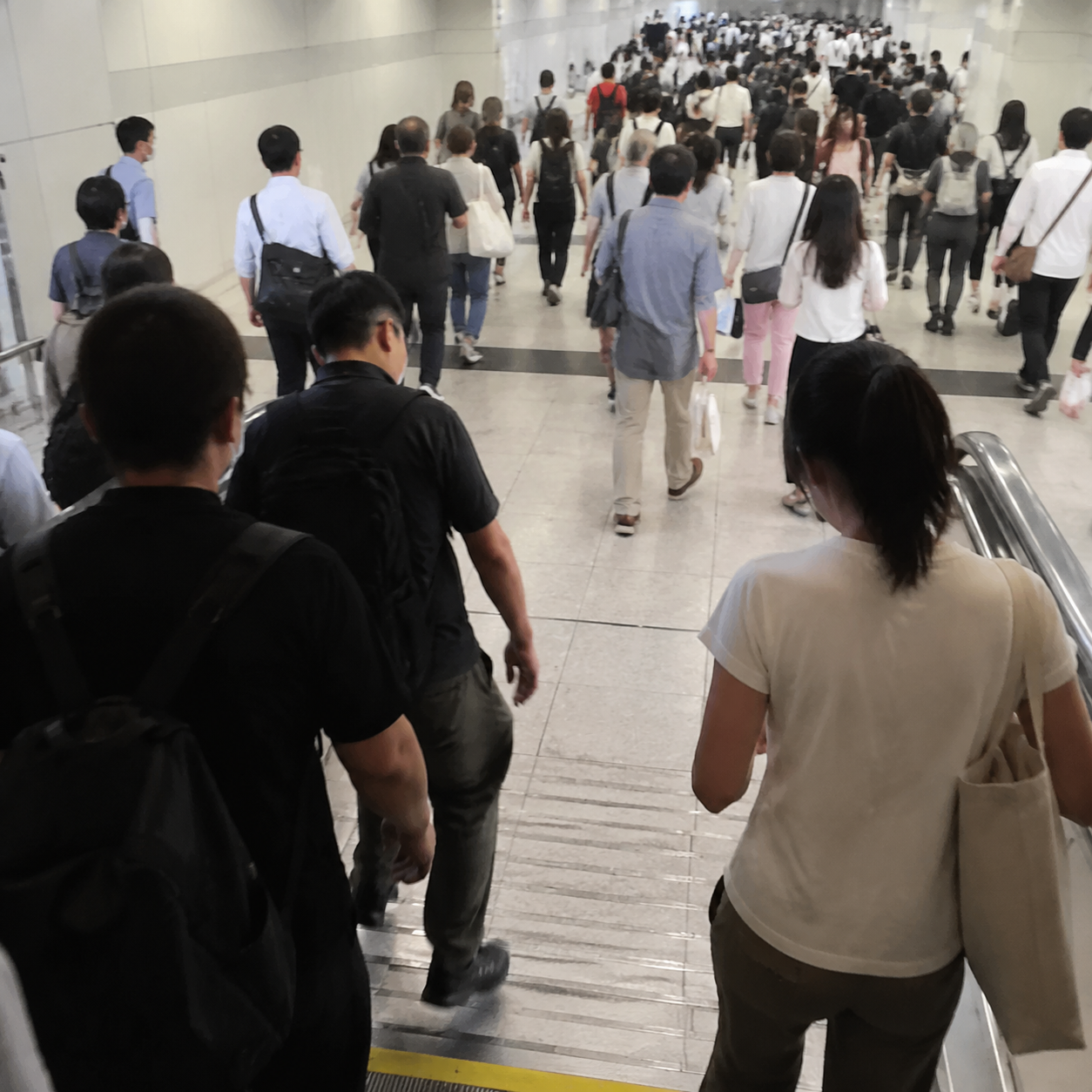
My friend asked, “Should we check the map now?” I said, “Wait five seconds.” In those five seconds, I looked at three things: where the transfer flow narrowed, where the overhead arrows repeated, and at which fork the staff member was standing. Only then did we look down at the phone. The map told us to transfer to Line 2, but the station told us to walk about twenty meters on the left first and then turn with the blue sign, instead of turning at the first fork.
这听起来像小技巧,可早高峰的小技巧常常决定你会不会紧张。我们刚转进通道时,一位穿灰色西装的上班族从旁边经过,他没有说话,只用手里的咖啡杯轻轻往右侧示意了一下。前面有人停住拍站名,他绕开了;我们也跟着绕开。没有人责备谁,大家只是用很小的动作把通道重新让出来。
This sounds like a tiny trick, but tiny tricks in rush hour often decide whether you become nervous. As we turned into the corridor, an office worker in a gray suit passed us. He did not speak; he simply used the coffee cup in his hand to gesture slightly to the right. Someone ahead had stopped to photograph the station name, and he moved around them. We followed. No one blamed anyone. People simply used small movements to open the corridor again.
我以前在国外坐地铁时,常常把“找路”理解成个人任务:我看我的地图,我决定我的方向,我承担我的错误。上海早高峰让我改了这个想法。在这种密度里,找路其实是一个公共动作。你站在哪里、停多久、包放在哪一侧、什么时候抬头,都会影响别人,也会影响你自己的安全感。
When I used metro systems abroad, I often understood wayfinding as a personal task: I read my map, I choose my direction, and I deal with my mistakes. Shanghai’s morning rush changed that idea. In this kind of density, wayfinding is actually a public action. Where you stand, how long you pause, which side your bag is on, and when you look up all affect other people, and they also affect your own sense of safety.
到了站台,我们没有挤到最前面。朋友一开始想靠近车门,我指了指地上的排队线,又指了指已经站好的两列人。上海地铁站台的线条非常有用,但它们要配合人一起看。有的门前队伍已经很厚,有的门前还留着一点空。我们往后走了两个门,站在队尾,反而更快上了车。
When we reached the platform, we did not push to the front. My friend first wanted to move closer to the doors, but I pointed at the queue lines on the floor and then at the two lines of people already standing there. The markings on Shanghai metro platforms are very useful, but you have to read them together with the people. Some doors already had thick queues; others still had a little space. We walked two doors farther, stood at the back of a shorter line, and actually boarded more easily.
车门打开后,又是另一套节奏。先下后上不是一句口号,而是一段很具体的时间差。里面的人出来时,队伍会自然向两边裂开,中间留出一道窄口;等最后一个人拖着行李箱出来,外面的人才向里合。我们没有抢第一步,只等前面人的肩膀开始往前动,再跟着进去。车厢里空气有点热,扶手上还有前一位乘客留下的体温。
When the doors opened, another rhythm began. “Let passengers get off before boarding” is not just a slogan; it is a very concrete time gap. As people came out, the queue naturally split to both sides, leaving a narrow opening in the middle. Only after the last person with a suitcase stepped out did the outside crowd close in. We did not take the first step. We waited until the shoulders ahead began to move, then followed. Inside the carriage, the air was a little warm, and the handrail still held the body heat of the previous passenger.
朋友终于笑了,说:“我们像不像本地人?”我说:“还不像,但至少不像挡路的人。”这句话说完我自己也笑了。旅行里很多进步不是突然变熟练,而是先少制造麻烦。你不一定马上知道每条线怎么换乘,但你可以先学会在人流里把自己放对位置。
My friend finally laughed and asked, “Do we look like locals now?” I said, “Not yet, but at least we do not look like people blocking the way.” After saying it, I laughed too. Many improvements in travel do not mean suddenly becoming skilled. They begin with creating fewer problems. You may not immediately know every transfer route, but you can first learn where to place yourself in a moving crowd.
这趟早高峰之后,我对中国大城市地铁有了几个更具体的理解。换乘站不是越早看手机越好,而是先离开出口、扶梯口和闸机口。站台不是越靠近车门越好,而是看哪一列队伍更薄。问路也不是一边走一边问,而是站稳以后,把目的地或线路名清楚地给工作人员看。
After that rush-hour ride, I understood Chinese big-city metros in more concrete ways. At transfer stations, it is not better to check your phone as early as possible; first move away from exits, escalator mouths, and gates. On the platform, it is not always better to stand closest to the door; look for the thinner queue. Asking for directions is not something to do while walking; stand still first, then clearly show the destination or line name to a staff member.
最让我意外的是,早高峰并没有让我讨厌上海。相反,它让我看见这座城市怎样在高密度里维持运转:广播一遍遍提醒,工作人员用手势分流,乘客用很短的停顿互相让位,地面线条和头顶标识一起工作。它紧张,但不是混乱;它快速,但不是没有规则。
What surprised me most was that rush hour did not make me dislike Shanghai. Instead, it showed me how the city keeps operating in high density: announcements repeat, staff guide people with hand gestures, passengers give way through very short pauses, and floor markings work together with overhead signs. It is tense, but not chaotic. It is fast, but not ruleless.
我们到陆家嘴时,外面的玻璃幕墙已经映着上午的光。朋友把手机收起来,说他终于明白为什么我刚才一直让他“先站稳”。不是因为地图不重要,而是因为地图只负责告诉我们去哪里;在上海早高峰里,身体先站对地方,脑子才有空间判断下一步。
When we arrived at Lujiazui, the glass facades outside were already catching the morning light. My friend put his phone away and said he finally understood why I kept telling him to “stand still first.” It was not because the map was unimportant. It was because the map only tells us where to go; in Shanghai’s morning rush hour, the body has to be in the right place before the mind has room to decide the next step.
- 中国社交礼仪速成:称呼、送礼与餐桌文化 | Chinese Social Etiquette: Greetings, Gifts & Dining
- 7天经典华东行程:上海-杭州-苏州 | 7-Day East China Itinerary: Shanghai-Hangzhou-Suzhou
- 我在青岛学会把海边步行和补水当成一件事 | In Qingdao I Learned to Treat Waterfront Walking and Hydration as One Task
- 青岛这座城,白天该先进馆,晚上才适合把海慢慢走出来 | In Qingdao, the Day Belongs to Museums First, and the Sea Should Be Walked Out Slowly at Night
- 我们在西塘的雨夜里分着一把伞走散又重逢,那一晚比酒吧更像青春 | Sharing One Umbrella in Xitang Rain, We Got Lost and Found Again in a Night That Felt More Like Youth Than Any Bar
- 广州真正上镜的,不只是早茶和烧味,而是吃这件事怎样带着整座城往前走 | What Truly Films Well in Guangzhou Is Not Only Dim Sum and Roast Meats but the Way Eating Pulls the Whole City Forward
- 在成都点微辣,我才知道辣度不是翻译能完全解决的 | Ordering Mild Spice in Chengdu Taught Me Translation Cannot Fully Explain Heat
- 无锡下班路口最动人的,不是风景,而是每个人都知道怎么让一让 | What Moves Me Most at a Wuxi Rush-Hour Crossing Is Not the View but the Way People Yield
- 华东五城10日经典环线 | 10-Day East China Five-City Loop
- 十月赏银杏:满城尽带黄金甲 | October Ginkgo Season: When China Turns to Gold
Comments (0)