
龙舟不只是比赛:一个外国人看懂端午的三年 | Dragon Boats Aren't Just Racing: 3 Years of an Outsider Learning Duanwu
龙舟不只是比赛:一个外国人看懂端午的三年 | Dragon Boats Aren't Just Racing: 3 Years of an Outsider Learning Duanwu
我对端午节的第一印象是一个粽子。准确地说,是我在广州一个同事递给我的、用竹叶包裹的、我完全不知道怎么打开的三角形物体。我花了整整两分钟拆包装,把糯米弄得满手都是,同事们笑到桌子底下去。那是2022年的六月,我来中国的第一年,距离我真正理解端午节还有很长一段路。
My first impression of the Dragon Boat Festival was a zongzi. Specifically, a bamboo-leaf-wrapped triangular object my Guangzhou colleague handed me that I had absolutely no idea how to open. I spent two full minutes unwrapping it, getting sticky rice everywhere, while my coworkers laughed themselves under the table. That was June 2022, my first year in China, still a long way from truly understanding Duanwu.
第一年:粽子、困惑与三天假期 | Year One: Zongzi, Confusion, and a Three-Day Holiday
端午节是中国四大传统节日之一,每年农历五月初五,通常落在公历六月前后。对于刚到中国的我来说,它最初只意味着三件事:放假三天、吃粽子、电视上有龙舟比赛。然而,光是"吃粽子"这一件事,就够我研究好一阵子了。
The Dragon Boat Festival is one of China's four major traditional holidays, falling on the fifth day of the fifth lunar month, usually around June. For freshly-arrived me, it initially meant three things: three days off, eating zongzi, and dragon boat races on TV. But "eating zongzi" alone was enough to keep me busy for a while.
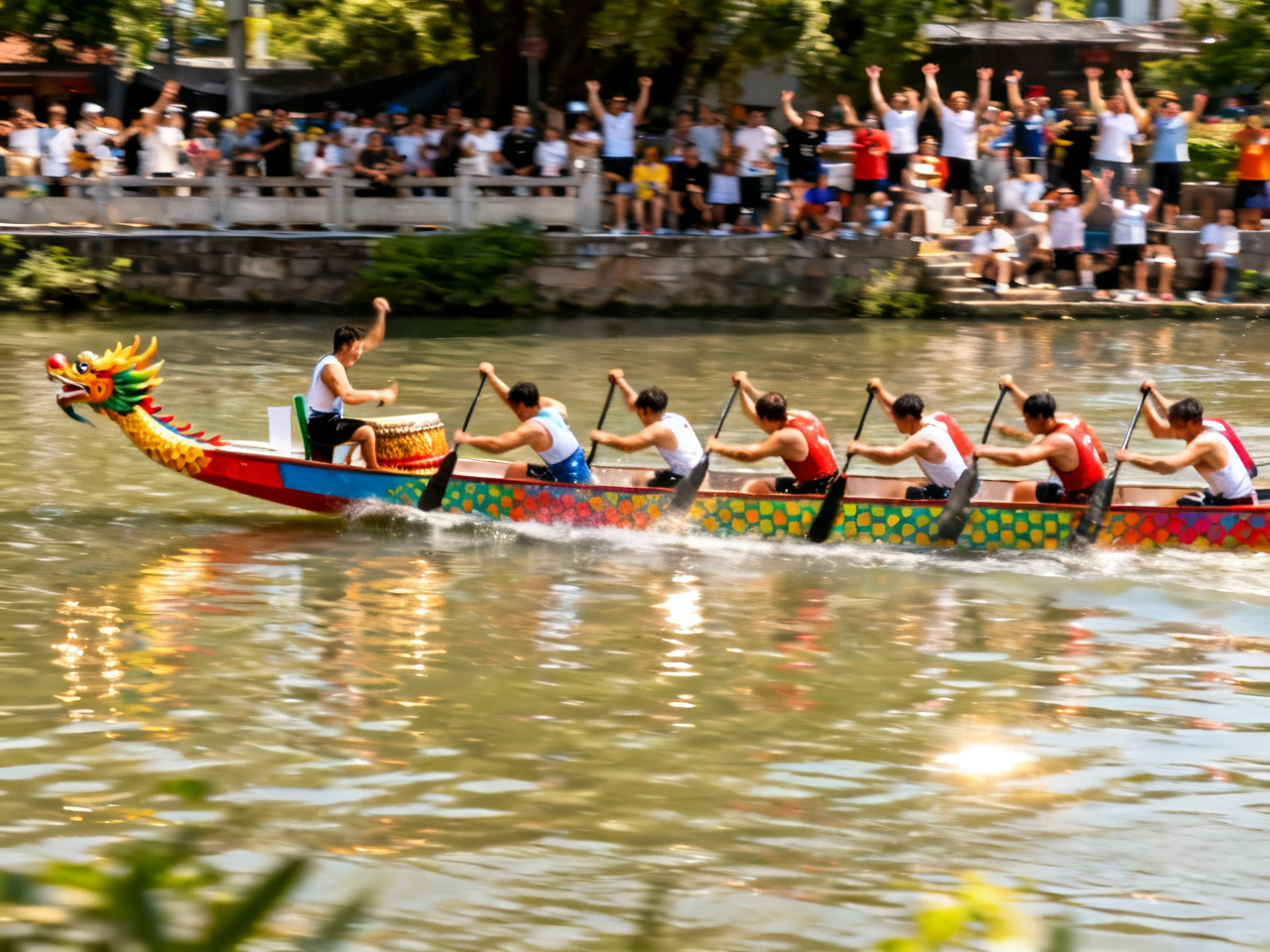
粽子这东西,第一次吃我就上瘾了。但很快我发现,粽子的世界远比我想象的复杂。广东同事给我的是咸肉粽——糯米里面包着五花肉、咸蛋黄、绿豆和香菇,油润咸香,一个能顶一顿饭,市场价大约8-15元。然后我的浙江朋友说:"你应该尝尝嘉兴肉粽,酱油味的,7块钱一个,火车站就有卖。"接着,我的北方同事拿来了蜜枣粽和豆沙粽——甜的!关于粽子甜咸之争,和中国所有食物的南北之争一样激烈,这和那场永恒的南甜北咸饮食大辩论如出一辙。
I was hooked on zongzi from the first bite. But I quickly discovered the zongzi universe was far more complex than imagined. My Guangdong colleague's version was savory meat zongzi — sticky rice stuffed with pork belly, salted egg yolk, mung beans, and shiitake, rich and umami, one practically a meal, around 8-15 RMB at market. Then my Zhejiang friend said: "Try Jiaxing meat zongzi, soy sauce flavor, 7 RMB each, sold at train stations." Next came my northern colleague with honey date and red bean paste ones — sweet! The sweet-vs-savory zongzi war is every bit as fierce as all north-south food battles, perfectly mirroring the eternal sweet-south-vs-salty-north culinary debate.
IMAGE_PLACEHOLDER_1
我最后统计了一下,在那个端午节假期里我一共吃了十一个粽子,四种口味。回到办公室的第一天,我需要跑三公里来消化。但这些粽子教会了我一件重要的事:在中国,食物从来不只是填饱肚子,它是文化密码、地域认同、家庭记忆。每一种粽子的背后,都是一个地方的故事。
Final count: during that Dragon Boat holiday I consumed eleven zongzi, four flavors. The first day back at the office I needed to run three kilometers to digest. But those zongzi taught me something important: in China, food is never just about filling your stomach — it's cultural code, regional identity, family memory. Behind every style of zongzi lies a place's story.
第二年:屈原、艾草与一整套仪式 | Year Two: Qu Yuan, Mugwort, and a Whole System of Rituals
第二个端午来临时,我决定认真做功课。首先是搞清楚端午节到底纪念谁——答案是屈原,战国时期楚国的一位诗人和政治家。公元前278年,楚国都城被秦国攻破,屈原悲愤交加,抱石投入汨罗江自尽。当地百姓划船去救他,来不及了,就往江里扔米饭,希望鱼虾吃米饭而不去啃屈原的身体。这就是龙舟和粽子的起源传说。我第一次听这个故事的时候觉得有点暗黑,但中国朋友告诉我:屈原之所以被纪念两千多年,不是因为他的死亡方式,而是因为他的诗歌《离骚》和他对国家的忠诚——"路漫漫其修远兮,吾将上下而求索",这句话至今被中国人当作人生格言。
By my second Duanwu, I decided to do proper homework. First: who exactly does this festival honor? Answer: Qu Yuan, a poet and statesman from the State of Chu during the Warring States period. In 278 BCE, when Chu's capital fell to Qin, Qu Yuan, overcome with grief, walked into the Miluo River clutching a stone. Local people raced boats to save him — too late — so they threw rice into the river, hoping fish would eat rice instead of his body. That's the origin legend of dragon boats and zongzi. I found it rather dark the first time, but Chinese friends explained: Qu Yuan has been commemorated for over 2,000 years not for how he died, but for his poetry "Li Sao" and his loyalty — "The road ahead is long; I shall search high and low" remains a life motto for Chinese people today.
第二年我还发现了端午节的另一面:艾草。端午前后,几乎每家每户的门口都挂着一束艾草或菖蒲。走在杭州的老小区里,空气中弥漫着一股药草味。菜市场里艾草一把卖3-5元,大妈们人手一把。据说艾草和菖蒲可以驱蚊避邪——农历五月在古代被称为"毒月",因为天气炎热潮湿,蚊虫疾病多发。端午的很多习俗——挂艾草、佩香囊(里面装着各种中药材,10-30元一个)、喝雄黄酒——其实都是古代的公共卫生措施。中国人真的很擅长把实用主义包装成浪漫的仪式。
Year two also revealed another side of Duanwu: mugwort. Around the festival, nearly every household hangs a bundle of mugwort or calamus by the door. Walking through old Hangzhou neighborhoods, the air carries an herbal fragrance. At wet markets, mugwort goes for 3-5 RMB a bunch, every auntie carrying one. Mugwort and calamus supposedly repel mosquitoes and evil — the fifth lunar month was historically called "poison month" due to hot, humid weather breeding insects and disease. Many Duanwu customs — hanging mugwort, wearing sachets (stuffed with medicinal herbs, 10-30 RMB each), drinking realgar wine — were actually ancient public health measures. Chinese people are remarkably good at packaging pragmatism as romantic ritual.
第三年:上船! | Year Three: Get on the Boat!
第三年,我终于做了一件一直想做的事——参加龙舟比赛。不是作为观众,而是作为一名桨手。我加入了广州一支业余龙舟队,每周末在珠江上训练。一条标准龙舟长约12米,坐20名桨手,加上一个鼓手和一个舵手。鼓手是灵魂——他敲击的节奏决定所有人划桨的速度和力度。而我,一个身高一米八五的外国人,被安排在中间位置,因为"你力气大但节奏感不行,放中间不影响整体"。
Year three, I finally did something I'd always wanted — joined a dragon boat race. Not as spectator, but as a paddler. I joined an amateur dragon boat team in Guangzhou, training on the Pearl River every weekend. A standard dragon boat is about 12 meters long, seating 20 paddlers plus a drummer and helmsman. The drummer is the soul — their rhythm dictates everyone's speed and power. Me, a 185cm foreigner, was placed in the middle because "you're strong but your rhythm is off, the middle position won't affect the whole team."
IMAGE_PLACEHOLDER_2
训练比我想象的苦得多。每次划完两个小时,手掌全是水泡,腰疼得直不起来。但那种二十个人喊着号子、桨叶同时切入水面的瞬间,有一种无法描述的集体力量感。教练是一个五十多岁的广州本地人,他说:"龙舟不是一个人的事,是一条村的事。"在传统的广东乡村,龙舟比赛是宗族荣誉的象征。每年端午前一个月,各村就开始"起龙"——把埋在河泥里保存的龙舟挖出来,清洗、修缮、重新上漆。起龙那天,全村出动,鞭炮齐鸣,仪式感不亚于一场小型奥运会开幕式。
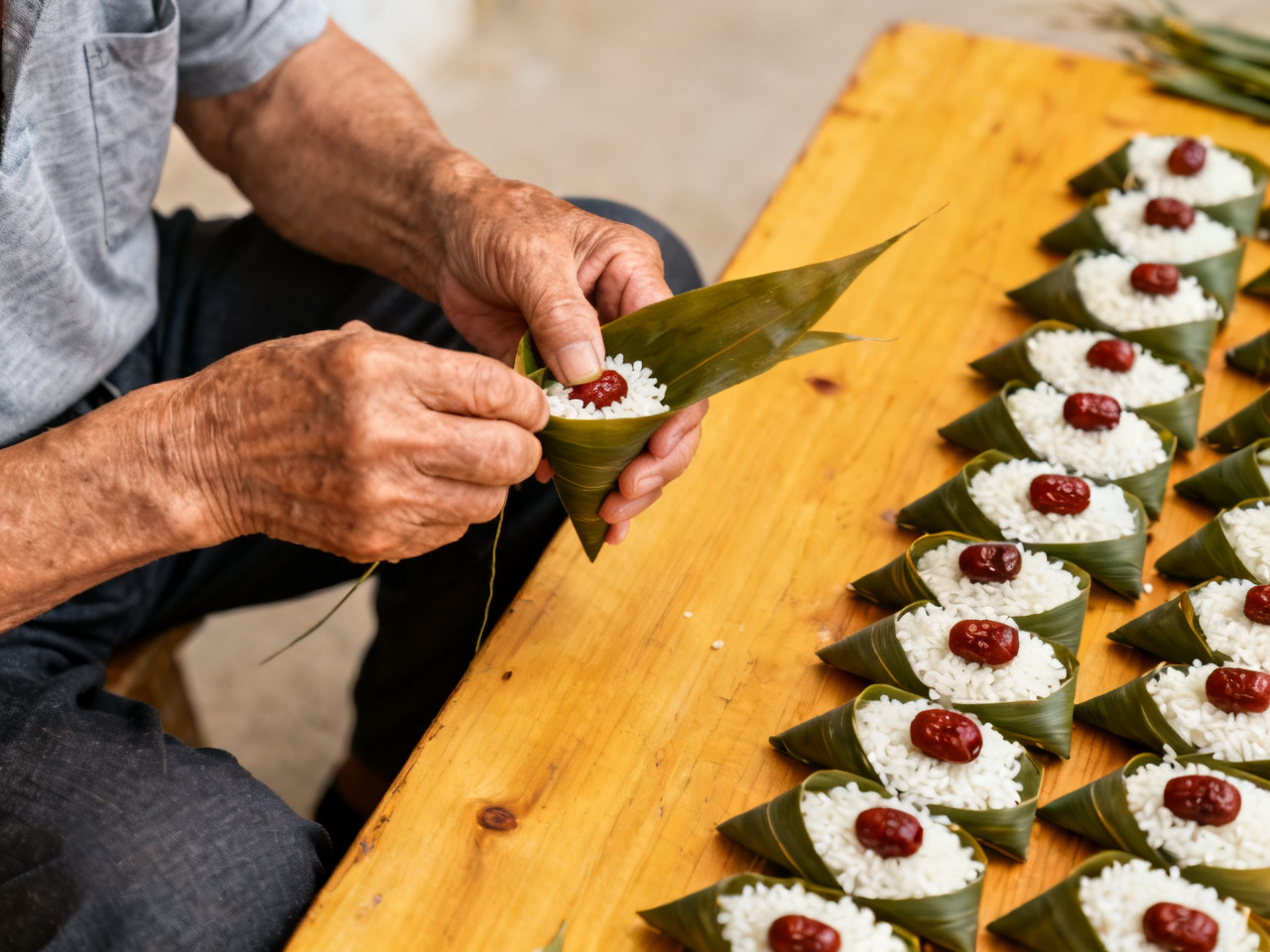
Training was tougher than imagined. After each two-hour session, my palms were blistered, my back couldn't straighten. But the moment twenty people chant in unison and paddles slice the water simultaneously — there's an indescribable feeling of collective power. Our coach, a Guangzhou local in his fifties, said: "Dragon boating isn't one person's thing — it's a whole village's thing." In traditional Guangdong villages, dragon boat racing symbolizes clan honor. A month before Duanwu, villages "raise the dragon" — dig out boats preserved in river mud, wash, repair, repaint. On raising day, the entire village turns out with firecrackers blazing, ceremony no less grand than a mini Olympics opening.
在佛山,龙舟文化更是登峰造极。佛山叠滘龙舟赛尤其出名——龙舟要在窄得像胡同一样的水道里急转弯,技术要求极高,被网友称为"龙舟漂移"。佛山这座城市对传统文化的热爱令人敬佩——从英歌舞到龙舟,你在这里能看到活生生的非遗。而龙舟上雕刻的龙头,则让人想起中国龙在这个文明中的核心地位——龙是力量、尊贵和好运的象征,所以龙舟从来都不只是一条船,它是一个文化符号。
In Foshan, dragon boat culture reaches its zenith. The Diejiao race is especially famous — boats must navigate hairpin turns in alley-narrow waterways, demanding extreme skill, earning the internet nickname "dragon boat drifting." Foshan's love for traditional culture is admirable — from Yingge Dance to dragon boats, living intangible heritage thrives here. And the carved dragon heads on the boats remind you of the Chinese dragon's central place in this civilization — the dragon symbolizes power, nobility, and good fortune, so a dragon boat is never just a boat — it's a cultural symbol.
不只是中国的节日 | Not Just a Chinese Festival
有意思的是,龙舟已经传播到了全世界。目前全球有超过85个国家和地区有龙舟运动,国际龙舟联合会每年举办世界锦标赛。2010年广州亚运会上,龙舟成为正式比赛项目。在我的家乡,每年夏天也有龙舟赛——虽然规模远不如中国,但那种在水上拼搏的精神是共通的。只不过我们的龙舟上没有雕龙头,也没有放鞭炮的环节,总觉得少了点什么。
Interestingly, dragon boating has spread worldwide. Over 85 countries and regions now have the sport, with the International Dragon Boat Federation holding annual world championships. At the 2010 Guangzhou Asian Games, dragon boating became an official event. My hometown hosts races every summer too — though nothing like China's scale, the spirit of water-borne competition is universal. Except our boats lack carved dragon heads and firecrackers, which somehow feels incomplete.
写在三年之后 | After Three Years
三年过去了,端午节对我来说再也不只是"那个吃粽子的节日"。它是一个关于忠诚、记忆、集体力量和季节更替的故事。每年五月,当我看到超市里开始卖粽子、药店门口挂出艾草、珠江上传来鼓声的时候,我知道,我已经不再是那个连粽子都不会拆的外国人了。我是一个对中国文化怀有深深敬意的参与者。明年端午,我还要上船。
Three years on, Duanwu is no longer just "that zongzi festival" to me. It's a story about loyalty, memory, collective strength, and seasonal change. Every May, when supermarkets start selling zongzi, pharmacies hang mugwort, and drums echo across the Pearl River, I know I'm no longer that foreigner who couldn't unwrap a zongzi. I'm a participant with deep respect for Chinese culture. Next Duanwu, I'm getting on the boat again.
- 北京最怕第一次来的人一上来就把所有重量景点挤在同一天 | Beijing Is Hardest on First-Time Visitors When They Pack All the Heaviest Sights into One Day
- 中山装与唐装:男士传统服饰怎么穿 | Zhongshan Suit & Tang Suit: Men's Traditional Wear
- 微信支付开通全流程(境外用户) | WeChat Pay Setup for Foreign Visitors
- 中国西部丝绸之路探险 | Silk Road Adventures in Western China
- 如何在中国使用网约车应用 | How to Use Ride-Hailing Apps in China
- 在中国点外卖全流程:美团饿了么实操 | Ordering Food Delivery in China: Meituan & Ele.me Guide
- 我们在常熟尚湖的五月雨里轮流拿伞拍照,最后笑到谁都不在乎照片拍没拍好 | Passing One Umbrella Around in Changshu's May Rain, We Laughed Until None of Us Cared About the Photos Anymore
- 文创好物推荐:故宫文创到地方博物馆 | Creative Souvenirs: Palace Museum to Local Museums
- 坡子街地面刚发亮的时候,我决定不再拿长沙和时间赛跑 | When Pozi Street Began to Shine After Rain, I Stopped Racing Changsha
- 五月去绍兴的那场朋友旅行,最后记住我们的不是黄酒,是雨里那段走错的路 | On a May Friend Trip to Shaoxing, What Stayed with Us Was Not the Wine but the Road We Missed in the Rain
Comments (0)