
我们班来了一个新同学,他把“可以”说成“可乐”之后,大家反而更快熟起来了 | When the New Kid in Class Said “Cola” Instead of “Okay,” Everyone Somehow Became Friends Faster
我们班来了一个新同学,他把“可以”说成“可乐”之后,大家反而更快熟起来了 | When the New Kid in Class Said “Cola” Instead of “Okay,” Everyone Somehow Became Friends Faster
“老师,他是不是想喝可乐?” 这句话一出来,我们那排靠窗的位置先安静了一秒,接着像被风吹动的树叶一样,全都抖着笑起来。那是周一上午第二节课,黑板上刚写完“可 以”两个字,粉笔灰还白白地停在边角上。新来的外国同学站在讲台边,手里攥着课本,耳朵红红的,本来想回答“可以”,结果一紧张,说成了“可乐”。
“Teacher, does he want cola?” The moment that line came out, our row by the window went silent for one second, then started shaking with laughter like leaves in a gust of wind. It was the second class on Monday morning. The teacher had just finished writing the two characters for “可以” on the board, and white chalk dust still clung to the edges. The new foreign student stood by the front desk, clutching his textbook, ears bright red. He meant to answer “okay,” but in his nervousness he said “cola” instead.
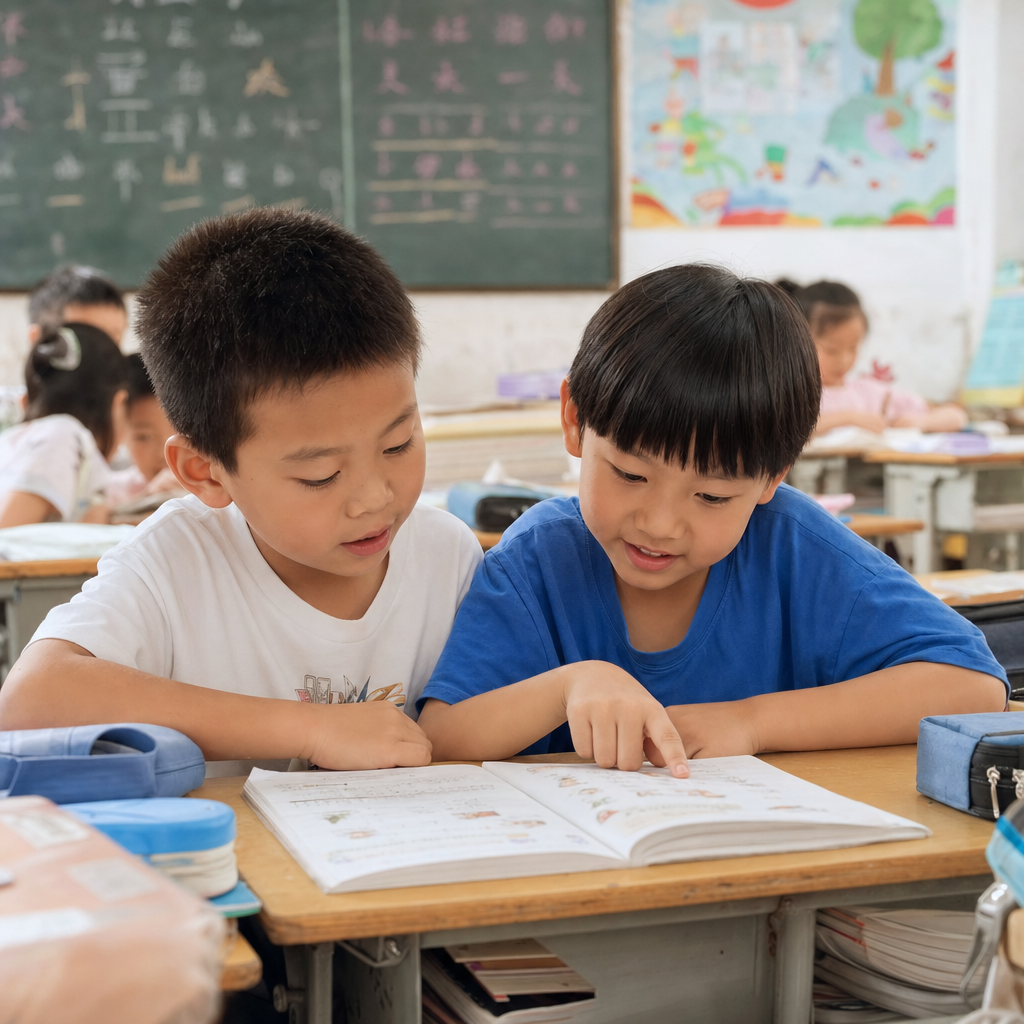
老师没有马上纠正发音,先笑着摆摆手,让大家别起哄。她把“可 以”和“可 乐”重新写大一点,又在拼音旁边画了一条小小的弯线,说:“你们听,后面这个字不一样,口气也不一样。”新同学咽了一下口水,又试了一次,这回还是差一点。坐在我前面的男生干脆回过头,小声给他做口型,旁边扎短辫的女生还把自己的手举起来,比划了一个轻轻往下落的动作,帮他记声调。
The teacher did not correct the pronunciation immediately. She smiled first and waved for everyone to settle down. Then she wrote “可以” and “可乐” bigger on the board and drew a tiny curved line beside the pinyin. “Listen,” she said. “The last syllable is different, and so is the feeling in your mouth.” The new student swallowed and tried again. He was still a little off. The boy in front of me turned around and silently shaped the mouth movement for him, while the girl with short braids next to him lifted her hand and moved it gently downward to help him remember the tone.
“可——以。” “可以。” “可以!” 第三次,他终于说对了。教室里没有那种取笑人的大笑,只是一起松了一口气,然后很自然地响起一阵桌面轻轻拍动的声音。那一瞬间,我忽然觉得,小朋友之间学语言和大人不太一样。大人一出错,往往先怕尴尬;小朋友一出错,如果气氛是好的,反而会多出一个一起玩的入口。
“Ke—yi.” “Keyi.” “Keyi!” On the third try, he finally got it right. There was no cruel laughter in the room. Instead, everyone relaxed at once, and a soft patter of hands tapping desks spread across the class. At that moment, I suddenly felt that children learn language differently from adults. When adults make mistakes, they often fear embarrassment first. But when children make mistakes in a good atmosphere, that mistake can become a doorway into friendship.
下课铃响后,事情没有停在那句“可乐”。几个同学围过去,不是为了继续笑他,而是开始一本正经地教他别的“最容易说错但最好用”的词。有人教“老师”,有人教“同学”,有人教“谢谢”,还有人直接从文具盒里掏出一支蓝笔,指着说“这是蓝色”。新同学起初还不太敢看大家,后来慢慢抬起头,跟着一个一个重复。走廊里有跑步声,风从没关严的窗缝挤进来,把课本页角吹得轻轻翻起,那一小圈孩子却站得很稳,像临时搭起来的一座语言小桥。
When the bell rang, the story did not stop with the word “cola.” A few classmates gathered around him, not to keep laughing, but to teach him with serious little faces the other words that were easy to mess up and useful every day. One taught “teacher,” another taught “classmate,” another taught “thank you,” and one even pulled a blue pen from a pencil case and said, “This is blue.” At first the new student did not dare to look directly at them. Then he slowly raised his head and repeated the words one by one. There were footsteps running in the hallway, and wind squeezed through a window that was not fully shut, lifting the corners of workbook pages. But that little circle of children stood steady, like a temporary language bridge built on the spot.
那天大家其实教了他什么 / What Everyone Was Really Teaching Him
不是只有发音。
It was not only pronunciation.
第一,是“说错也能继续”。 如果你把“可以”说成“可乐”,世界不会裂开。最重要的是你还愿不愿意再试一次。
First, they taught him that you can keep going after saying something wrong. If you say “cola” instead of “okay,” the world does not crack open. What matters is whether you are willing to try again.
第二,是“中文要跟动作一起学”。 那个短辫女生用手势帮他记声调,比单纯讲规则更快。对外国小朋友来说,中文常常不是只靠耳朵学,还要靠眼睛和身体一起记。
Second, they taught him that Chinese is often learned together with movement. The girl with braids used a hand gesture to help him remember the tone, and that worked faster than a rule alone. For foreign children, Chinese is often learned not only with the ears, but with the eyes and the body too.
第三,是“先学教室里最常用的话”。 像“可以吗”“我不知道”“借我一下”“老师好”“谢谢”,这些句子不会让你一下子显得很厉害,却能让你很快融进去。
Third, they taught him to learn the most useful classroom phrases first. Expressions like “Is it okay?” “I don’t know,” “Let me borrow that,” “Hello, teacher,” and “Thank you” will not make you sound brilliant immediately, but they help you belong quickly.
第四,是“笑不一定是坏事”。 有时候孩子们笑,是因为意外、可爱、一下子没忍住,不一定是恶意。学会分辨这种笑,你会轻松很多。
Fourth, they taught him that laughter is not always a bad thing. Sometimes children laugh because something is surprising, cute, or simply funny. It is not always cruel. Learning to tell the difference makes everything easier.
第五,是“朋友会让中文变快”。 课本会教你规则,同学会教你活的语言。两样都重要,但第二样往往更让人记得住。
Fifth, they taught him that friendship makes Chinese move faster. Textbooks teach rules. Classmates teach living language. Both matter, but the second one often stays in memory longer.
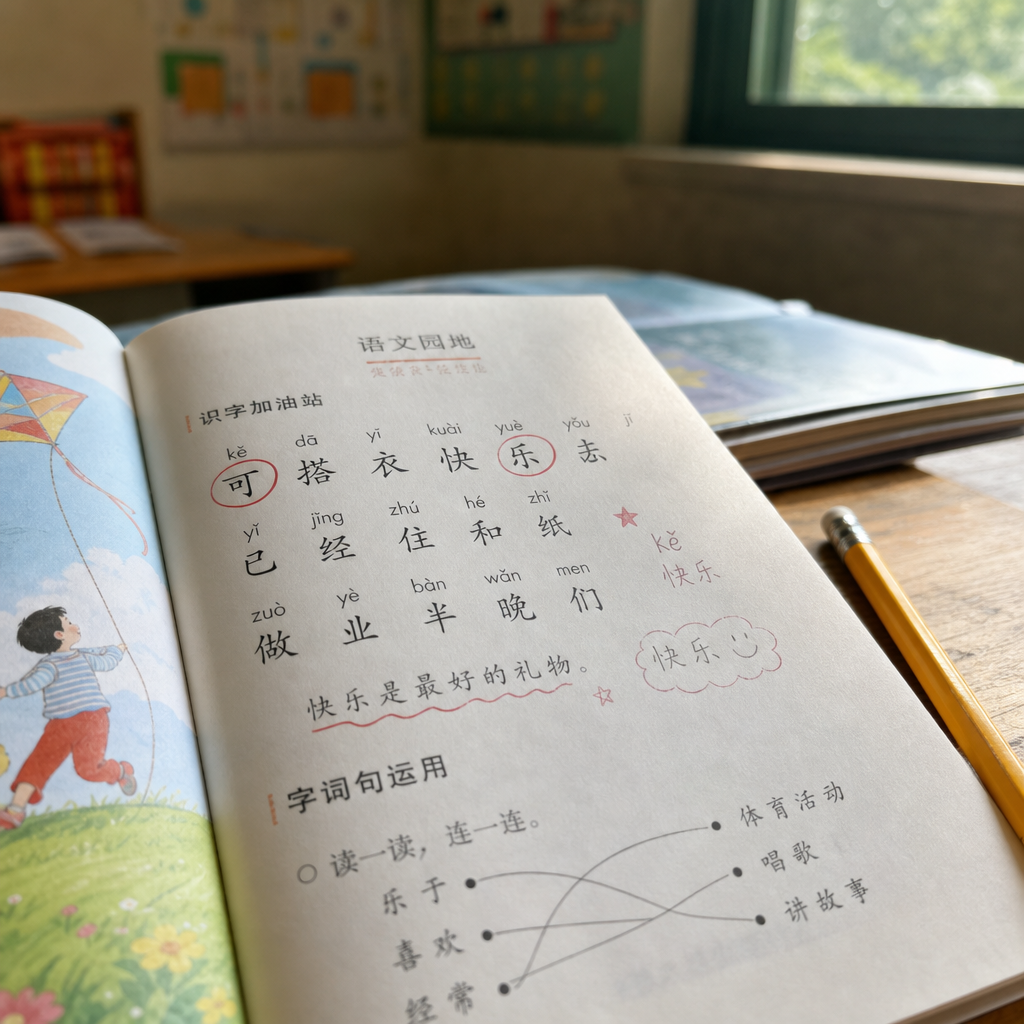
后来午休的时候,我又看见那个新同学坐在操场边的台阶上,手里拿着酸奶,小声练“可以”“可乐”“可以”“可乐”。教他的那个男生故意逗他:“你现在想喝哪个?”他终于自己笑出来了,说:“我想喝可乐,但是我可以说可以。”旁边几个人一下笑弯了腰。那句中文还不算完美,可那一刻已经没人只在乎完美了。
Later, during lunch break, I saw the new student sitting on the steps by the playground with a yogurt drink in his hand, quietly practicing “keyi, kele, keyi, kele.” The boy who had helped him grinned and teased, “So which one do you want now?” This time the new student laughed by himself and said, “I want cola, but I can say okay.” The children around him bent over laughing. His Chinese was still not perfect, but by then nobody cared only about perfection.
如果你也是外国小朋友,正在学中文,我很想把这个教室里的小故事送给你。你以后也许会把词说错,会把“老师”说得太重,会把“谢谢”说得太快,会在全班面前卡一下。没关系。很多时候,语言真正往前走,不是从你一句都不错开始,而是从你说错之后,旁边有人愿意回头等你开始。
If you are also a foreign child learning Chinese, I want to give you this small classroom story. One day you may say a word wrong, make “teacher” too heavy, rush through “thank you,” or freeze in front of the whole class. That is okay. Very often, language does not truly begin moving forward when you get everything right. It begins when someone next to you is willing to turn back and wait for you after you get something wrong.
如果你还想看一个更贴近校门口真实语气的小故事,也可以读读 school-gate Chinese story。
If you want one more story about real Chinese around a school gate, you can also read school-gate Chinese story.

- 我在中国早餐摊前慢慢看懂,大家为什么总有自己的固定搭配 | At Chinese Breakfast Stalls, I Slowly Understood Why Everyone Seems to Have a Usual Combo
- 手机支付失败后我学会准备备用方案 | After My Mobile Payment Failed, I Learned to Prepare a Backup Plan in China
- 我第一次在中国寄快递,把纸箱、胶带和身份证明全学会了 | My First Time Shipping a Parcel in China: Boxes, Tape, and ID Checks
- 川藏线进藏路线拆解与海拔应对 | Sichuan-Tibet Highway: Route Breakdown & Altitude Tips
- 五月在宁波老外滩遇到雨,我一个人看着江面发亮,忽然觉得赶路也值得被原谅 | Rain at Ningbo's Old Bund in May Made Me Feel Even a Hurried Life Deserved Forgiveness
- 中式婚礼服饰 | Chinese Wedding Attire
- 苏州园林不是用来赶场的,我在一扇漏窗前停了十分钟 | Suzhou Gardens Are Not for Rushing; I Stopped Ten Minutes Before One Lattice Window
- 带爸妈游中国七日:一份不累不赶的行程单 | 7 Days in China with Aging Parents: A No-Rush Itinerary
- 烤鸭不只是一道菜,它是北京给世界的一封信 | More Than a Dish: Peking Duck as Beijing's Letter to the World
- 一场突来的雨,让我在中国学会把屋檐下当成一种临时公共空间 | A Sudden Rain in China Taught Me to See the Eaves as Temporary Public Space
Comments (0)