
从灰色水泥到绿荫长廊:中国城市道路绿化的二十年蜕变 | From Grey Concrete to Green Canopies: Two Decades of Urban Road Greening in China
从灰色水泥到绿荫长廊:中国城市道路绿化的二十年蜕变 | From Grey Concrete to Green Canopies: Two Decades of Urban Road Greening in China
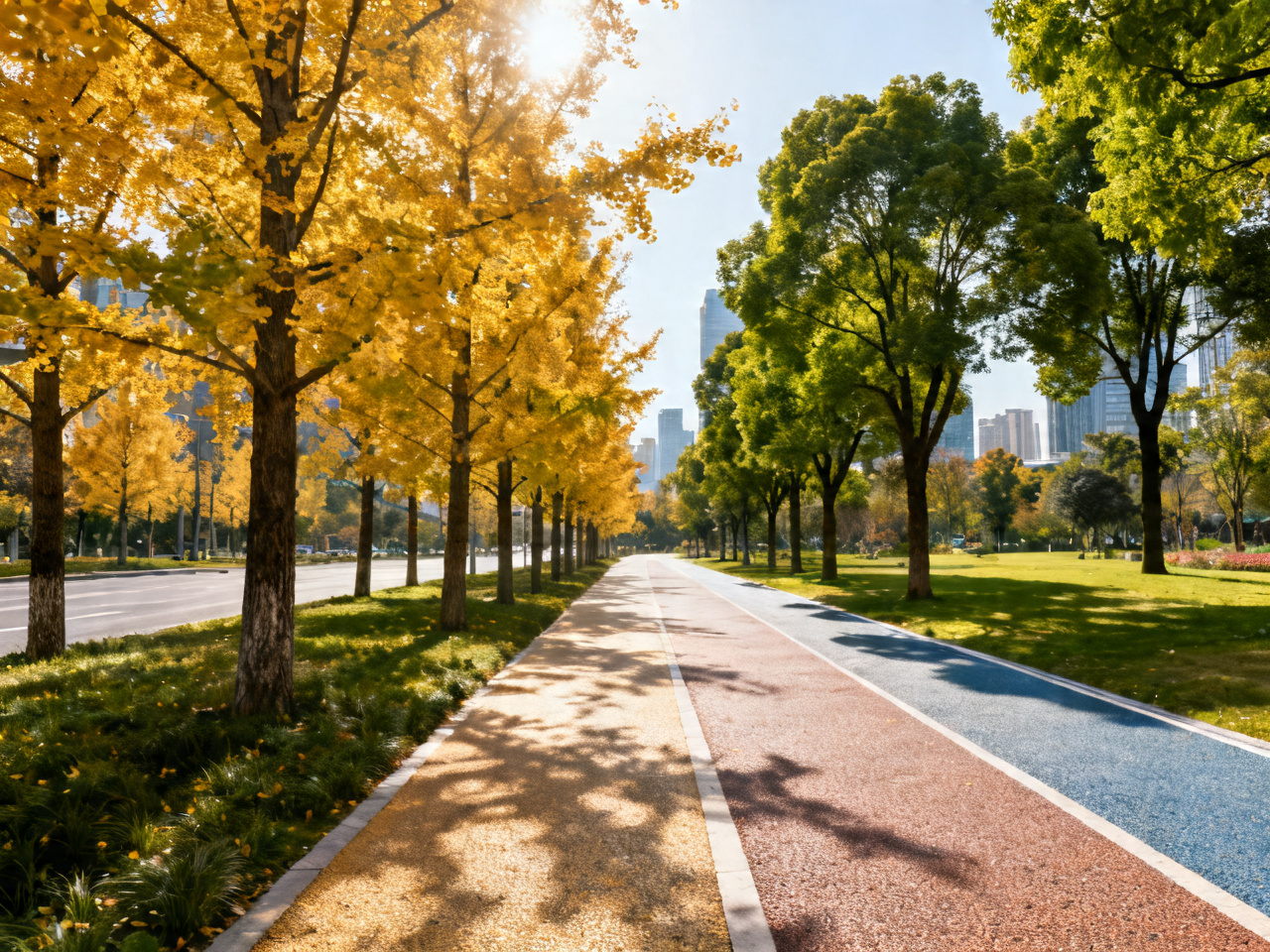
走在成都的交子大道上,头顶是密密层层的银杏与香樟交织出的金绿色穹顶,脚下是透水铺装的人行步道,旁边骑行道与机动车道之间隔着两排法国梧桐。很难想象,二十年前这条路还只是一片裸露的灰色沥青,两侧连一棵像样的行道树都没有。这不是个例——这是整个中国城市面貌变迁的缩影。
Walking along Jiaozi Avenue in Chengdu, you're sheltered under a golden-green canopy woven by ginkgos and camphor trees. Beneath your feet lies permeable paving; between the cycling lane and the motorway stand two rows of plane trees. It's hard to imagine that twenty years ago, this road was nothing but bare grey asphalt without a single decent street tree. This isn't an isolated case — it's a microcosm of how Chinese cities have transformed.
数据背后的绿色革命 | The Green Revolution Behind the Numbers
根据住建部统计,2003年中国城市建成区绿化覆盖率仅为31.15%,城市人均公园绿地面积不足6平方米。到2023年,这两个数字分别攀升至42.69%和15.29平方米。全国城市道路绿化普及率从不到70%提升至超过95%。深圳更是从一个"关外荒地"起步,如今拥有超过1200公里的林荫道路,城市绿化覆盖率达到45.1%,在一线城市中领跑。
According to the Ministry of Housing and Urban-Rural Development, China's urban built-up area green coverage rate was only 31.15% in 2003, with per-capita park green space under 6 square meters. By 2023, these figures climbed to 42.69% and 15.29 square meters respectively. The national urban road greening rate rose from under 70% to over 95%. Shenzhen, which started as barren land "outside the checkpoint," now boasts over 1,200 kilometers of tree-lined roads and a 45.1% green coverage rate — leading among first-tier cities.
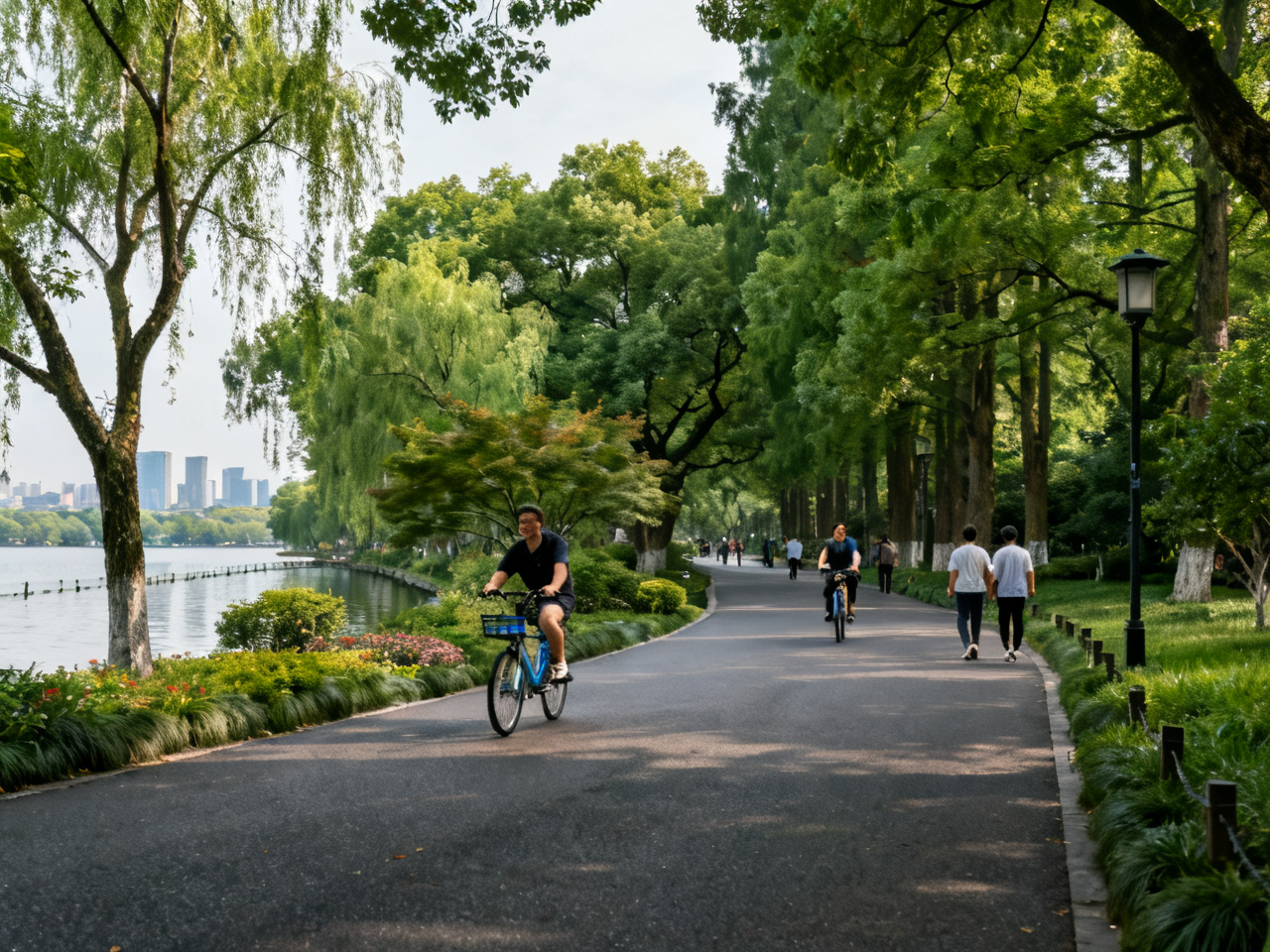
杭州的变化同样令人印象深刻。西湖区的杨公堤两侧,当年移栽的水杉如今已经长到了近二十米高,形成了一条天然的绿色隧道。每年秋天,这条路的红杉变色照片在社交媒体上刷屏,成了杭州除西湖之外的又一张城市名片。而在钱塘江南岸的滨江区,新建道路从规划阶段就要求行道树冠幅覆盖率不低于60%,这在2005年之前是完全不可想象的标准。
Hangzhou's transformation is equally striking. Along Yanggong Causeway in the West Lake district, the dawn redwoods transplanted years ago now tower nearly twenty meters, forming a natural green tunnel. Every autumn, photos of their crimson foliage flood social media, making this road a city icon rivaling West Lake itself. On the south bank of the Qiantang River in Binjiang District, new roads are required from the planning stage to achieve at least 60% tree canopy coverage — a standard utterly unimaginable before 2005.
海绵城市:不只是种树那么简单 | Sponge Cities: It's More Than Just Planting Trees
中国的城市绿化早已超越了"在路边种一排树"的初级阶段。2015年启动的海绵城市建设试点项目,将道路绿化与城市水循环系统深度整合。以武汉青山区为例,改造后的和平大道采用下凹式绿化带设计,行道树种植池与雨水花园相连,暴雨时路面径流先汇入绿化带进行自然净化和下渗,再通过溢流口进入市政管网。实测数据显示,这种设计使该路段年径流总量控制率达到了78%,远超传统道路的30%左右。
China's urban greening has long moved beyond the rudimentary stage of "planting a row of trees along the road." The Sponge City pilot program launched in 2015 deeply integrates road greening with urban water cycle systems. Take Qingshan District in Wuhan: the renovated Heping Avenue uses sunken green belt design where tree planting pits connect to rain gardens. During storms, surface runoff first flows into green belts for natural filtration and infiltration, then enters municipal pipes through overflow outlets. Field data shows this design achieves a 78% annual runoff volume control rate — far exceeding the roughly 30% of conventional roads.
成都在2018年提出建设"公园城市"的理念,把整座城市当作一个大公园来规划。天府绿道体系全长超过5000公里,串联起城市中几乎所有的道路绿化带、社区公园和郊野湿地。走在锦城绿道上,你会发现行道树的品种选择极其考究——上层是高大的栾树提供遮荫,中层是开花的紫薇增添色彩,下层是常绿的茶梅维持冬季景观。这种"乔灌草"三层配置模式,如今已经成为国内道路绿化的标准做法。
Chengdu proposed its "Park City" concept in 2018, planning the entire city as one grand park. The Tianfu Greenway system stretches over 5,000 kilometers, connecting virtually all road green belts, community parks, and suburban wetlands. Walking along the Jincheng Greenway, you'll notice the tree species are meticulously selected — tall golden rain trees for shade on top, flowering crape myrtles for color in the middle, and evergreen sasanqua camellias for winter interest below. This three-tier "tree-shrub-groundcover" configuration has become the standard practice for road greening nationwide.
行道树的"中国速度"与反思 | Street Trees at "China Speed" — And the Rethinking
速度确实惊人。一条新建城市主干道,从破土动工到行道树成荫,在中国往往只需要三到五年——因为大量采用胸径15厘米以上的大规格移栽苗木。相比之下,欧洲城市通常种植胸径6-8厘米的幼树,等待十五到二十年才能形成林荫效果。这种"即时绿化"的策略让城市面貌快速改善,但也带来了争议:大树移栽的成活率问题、对原产地生态的破坏、以及养护成本的激增。
The speed is indeed staggering. A newly built urban arterial road in China typically goes from groundbreaking to shaded canopy in just three to five years — because large-caliber transplant stock with trunk diameters over 15 cm is widely used. In contrast, European cities usually plant young trees of 6-8 cm diameter and wait fifteen to twenty years for canopy effect. This "instant greening" strategy rapidly improves cityscapes but has sparked debate: survival rates of transplanted large trees, ecological damage to source regions, and surging maintenance costs.
近年来,越来越多城市开始反思这种模式。深圳在2020年发布的新版道路绿化导则中,明确鼓励使用乡土树种和适当规格的苗木,减少"大树进城"的做法。广州则开始重视老城区现有行道树的保护——那些在老广州街头生长了半个世纪的细叶榕,不仅是城市绿化的功臣,更承载着几代人的街巷记忆。东山口一带的榕树气根垂落到骑楼廊道中,形成了独特的亚热带城市景观,如今已被列为城市古树名木加以保护。
In recent years, more cities are rethinking this approach. Shenzhen's 2020 updated road greening guidelines explicitly encourage native species and appropriately sized nursery stock, reducing the practice of "moving big trees into cities." Guangzhou has begun prioritizing protection of existing street trees in old urban areas — those small-leaf banyans that have grown for half a century on old Guangzhou streets are not just greening contributors but carriers of generations of neighborhood memories. Around Dongshan Kou, banyan aerial roots draping into arcade corridors create a unique subtropical cityscape, now protected as heritage trees.
未来的城市绿廊 | The Urban Green Corridors of Tomorrow
站在2025年回望,中国城市道路绿化已经走过了从无到有、从有到优的完整历程。下一个阶段的关键词是"韧性"和"生态服务"——行道树不再只是美化城市的装饰品,而是要真正发挥降温、固碳、蓄水、维护生物多样性的生态功能。北京正在推进的"凉爽街道"计划,目标是通过优化行道树配置使夏季人行道表面温度降低5-8摄氏度。上海的外环绿带已经从最初的简单防护林升级为宽度达500米的城市生态廊道,记录到的鸟类种数从十年前的47种增加到了如今的156种。
Looking back from 2025, China's urban road greening has completed the full journey from nothing to something, from adequate to excellent. The next phase revolves around "resilience" and "ecosystem services" — street trees are no longer mere urban decoration but must genuinely deliver cooling, carbon sequestration, water retention, and biodiversity functions. Beijing's ongoing "Cool Streets" initiative aims to reduce summer sidewalk surface temperatures by 5-8°C through optimized tree canopy design. Shanghai's Outer Ring Green Belt has evolved from a simple shelter forest into a 500-meter-wide urban ecological corridor, with recorded bird species increasing from 47 a decade ago to 156 today.
中国的城市绿化故事远没有结束。当你下次走在任何一座中国城市的林荫大道上,抬头看看那些为你遮挡烈日的树冠,想想二十年前那片灰扑扑的天空——就能真切感受到这场绿色变革的分量。
China's urban greening story is far from over. Next time you walk along a tree-lined boulevard in any Chinese city, look up at the canopy shielding you from the blazing sun, and think about that grey, dusty sky of twenty years ago — you'll truly feel the weight of this green transformation.
本文数据来源:住房和城乡建设部城市建设统计年鉴、各市园林绿化局公开报告
Data sources: Statistical Yearbook of Urban Construction (MoHURD), public reports from municipal parks and greening bureaus
- 在西安城墙下走慢一点,历史才不是一张照片 | Walking Slowly Under Xi’an City Wall Made History More Than a Photo
- 中国对游客安全吗?一个在华生活多年的人告诉你真相 | Is China Safe for Tourists? An Honest Answer from Someone Who Lives Here
- 工作日中午排队十分钟后,我才真正听懂中国午饭高峰的节奏 | After Ten Minutes in a Weekday Lunch Line, I Finally Understood the Rhythm of China’s Noon Rush
- 大盘鸡:一盘端上来,整桌人都不说话了 | Dapanji: When This Plate Arrives, the Whole Table Goes Silent
- 水果摊前站了十五分钟,我才学会在中国买水果不是只看价格 | Fifteen Minutes at a Fruit Stall Taught Me That Buying Fruit in China Is About More Than Price
- 在中国吃素这件事,比你想象的难,也比你想象的容易 | Eating Vegetarian in China: Harder Than You Think, Easier Than You Fear
- 第一次在中国地铁安检口,我学会把保温杯先拿在手上 | The First Time at a Chinese Metro Security Check, I Learned to Hold My Thermos Before I Reached the Belt
- 风筝制作与放飞:我第一次看懂中国人为什么把春天送上天空 | Kite Making and Flying: My First Real Understanding of How China Sends Spring into the Sky
- 陪妈妈在无锡看五月太湖烟雨,我终于学会听她慢慢讲年轻时的事 | Walking with My Mother Through Taihu Mist in Wuxi, I Finally Learned to Listen to Her Younger Stories Slowly
- 清晨六点半的重庆小面店,我靠一碗豌杂面听懂了这座城 | At 6:30 a.m. in a Chongqing Noodle Shop, a Bowl of Wanza Mian Explained the City
Comments (0)