
手机支付失败后,我给自己准备了三套备用方案 | After Mobile Payment Failed, I Prepared Three Backup Plans
手机支付失败后,我给自己准备了三套备用方案 | After Mobile Payment Failed, I Prepared Three Backup Plans
我第一次真正意识到“手机支付也会失败”,是在上海一家很小的社区药店里。那天傍晚我有点喉咙痛,雨刚停,路边的梧桐叶还在往下滴水。我拿着一盒含片和一瓶温和的感冒冲剂站到收银台前,像过去几天一样打开手机,扫了柜台旁边的付款码。屏幕转了一圈,又转了一圈,最后跳出一行让我心里发紧的提示:支付失败,请稍后再试。
The first time I truly realized that mobile payment could fail was inside a tiny neighborhood pharmacy in Shanghai. It was early evening, my throat hurt a little, and the rain had just stopped, leaving plane tree leaves dripping along the road. I carried a box of lozenges and a mild cold remedy to the counter, opened my phone as I had done many times during the previous days, and scanned the payment code beside the register. The screen spun once, then again, and finally showed a line that made my stomach tighten: payment failed, please try again later.
药店并不大,后面还有一位阿姨等着买创可贴。收银员看见我愣住,先没有催我,只是把小票压在桌面上,轻声说:“没关系,再试一下。”我点头,手心却开始出汗。对一个刚来中国不久的外国游客来说,移动支付太顺的时候,反而容易让人忘记它仍然是一套需要网络、银行、应用和身份验证同时配合的系统。它方便得像空气,可空气突然不流通时,人会一下子慌。
The pharmacy was small, and an auntie behind me was waiting to buy bandages. When the clerk saw me freeze, she did not hurry me. She simply held the receipt on the counter and said softly, “It’s okay, try again.” I nodded, but my palms had already started sweating. For a foreign visitor new to China, mobile payment can become so smooth that you forget it still depends on network signal, bank systems, app verification, and identity settings all working together. It feels as easy as air, until the air suddenly stops moving.
我又扫了一次,还是失败。我切到英文界面看原因,提示却很模糊。可能是外卡限额,可能是网络延迟,也可能是应用风控临时拦住。那一刻最困难的不是二十多元的药费,而是排队、语言、身体不舒服和“我是不是挡住别人了”的尴尬同时压过来。我很想立刻解释清楚,但越急越说不完整,只能把手机转给收银员看。
I scanned again, and it failed again. I switched to the English interface to check the reason, but the message was vague. It might have been a foreign card limit, a network delay, or temporary risk control from the app. The hardest part at that moment was not the medicine bill of a little over twenty yuan. It was the queue, the language gap, my sore throat, and the embarrassment of wondering whether I was blocking other people. I wanted to explain everything immediately, but the more anxious I became, the less complete my sentences sounded, so I turned the phone toward the clerk.
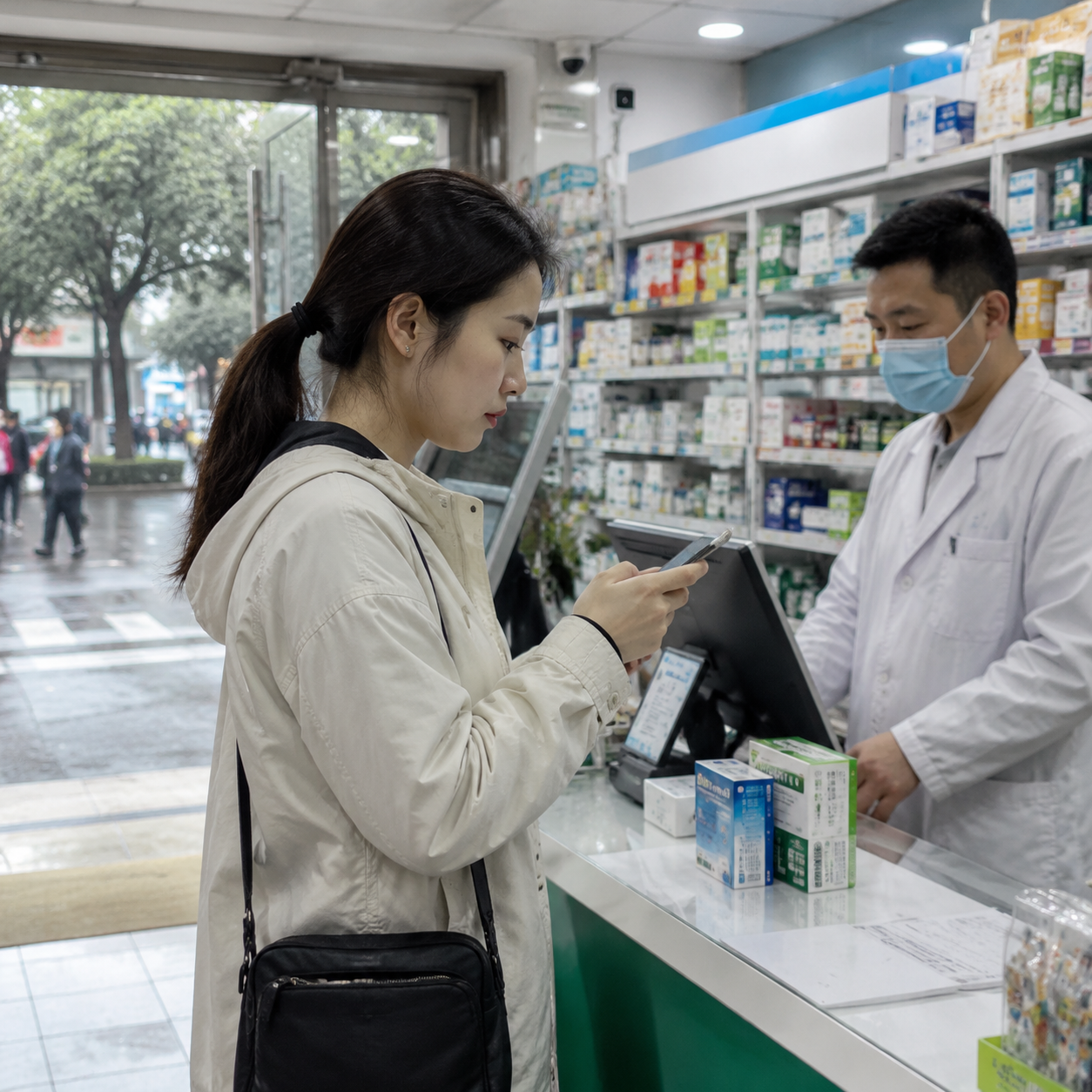
她看了看屏幕,没有表现出不耐烦,而是指了指旁边的凳子:“你先坐一下。”后面的阿姨也没有抱怨,反而说了一句我没完全听懂但语气很友善的话。收银员先帮阿姨结账,又回来问我有没有另一个支付软件。我那时才想起,自己的另一个应用也绑定过同一张银行卡,只是从来没有在中国实际用过。于是第一套备用方案,就在这场小小的尴尬里被我记住了:不要只依赖一个支付入口。
She looked at the screen without irritation and pointed to a small stool nearby. “Sit for a moment,” she said. The auntie behind me did not complain either; she said something I did not fully understand, but her tone was kind. The clerk helped her check out first, then came back and asked whether I had another payment app. Only then did I remember that I had linked the same bank card to another app, although I had never actually used it in China. That was how my first backup plan was born in this small embarrassment: do not depend on only one payment entrance.
我打开第二个应用时,才发现自己平时准备得并不彻底。它能不能付,取决于我有没有完成实名信息、银行卡有没有通过验证、当天有没有额度、手机号码能不能收到验证码。幸好那天我之前已经做过大部分设置,只是没有把它放在主屏幕上,也没有试过小额支付。我花了几分钟重新登录,收银员帮我确认金额,最后那笔药费终于从第二个应用里扣掉了。
When I opened the second app, I realized that my preparation had not been thorough. Whether it could pay depended on whether my identity information was complete, whether the bank card had been verified, whether there was a daily limit, and whether my phone number could receive a code. Fortunately, I had already completed most of the setup earlier; I simply had not placed the app on my home screen or tested it with a small purchase. I spent a few minutes logging in again, the clerk confirmed the amount for me, and the medicine bill finally went through with the second app.
我走出药店时,没有立刻离开,而是站在屋檐下把两件事写进备忘录:第一,两个支付应用都要提前测试,不是在收银台前第一次测试;第二,两个应用最好绑定不同来源的资金,比如一张外卡和一张可用的旅行卡,或者至少确认同一张卡在两个应用里都能通过。这个笔记听起来很技术,但它背后其实是旅行中的情绪安全。你越清楚备用路径,遇到失败时越不容易把小问题放大成危机。
When I stepped out of the pharmacy, I did not leave immediately. I stood under the eaves and wrote two things into my notes: first, test both payment apps in advance, not for the first time at the cashier counter; second, try to connect the two apps to different funding sources, such as a foreign card and a travel card, or at least confirm that the same card works in both apps. This note may sound technical, but it is really about emotional safety while traveling. The clearer your backup route is, the less likely a small failure becomes a crisis.
第二套备用方案是在第二天早上形成的。我的朋友听完药店的事后,建议我不要只想着“另一个应用”,还要准备一张能在线下尝试的实体卡。我们一起去便利店买水,他让我观察收银台:有的店会贴出多种支付标识,有的店有刷卡机,有的店没有。中国的移动支付非常普及,但“非常普及”不等于“所有场景都只接受同一种方式”。尤其在酒店、车站、较大的药房或商场服务台,实体卡有时能成为一个稳定的补位。
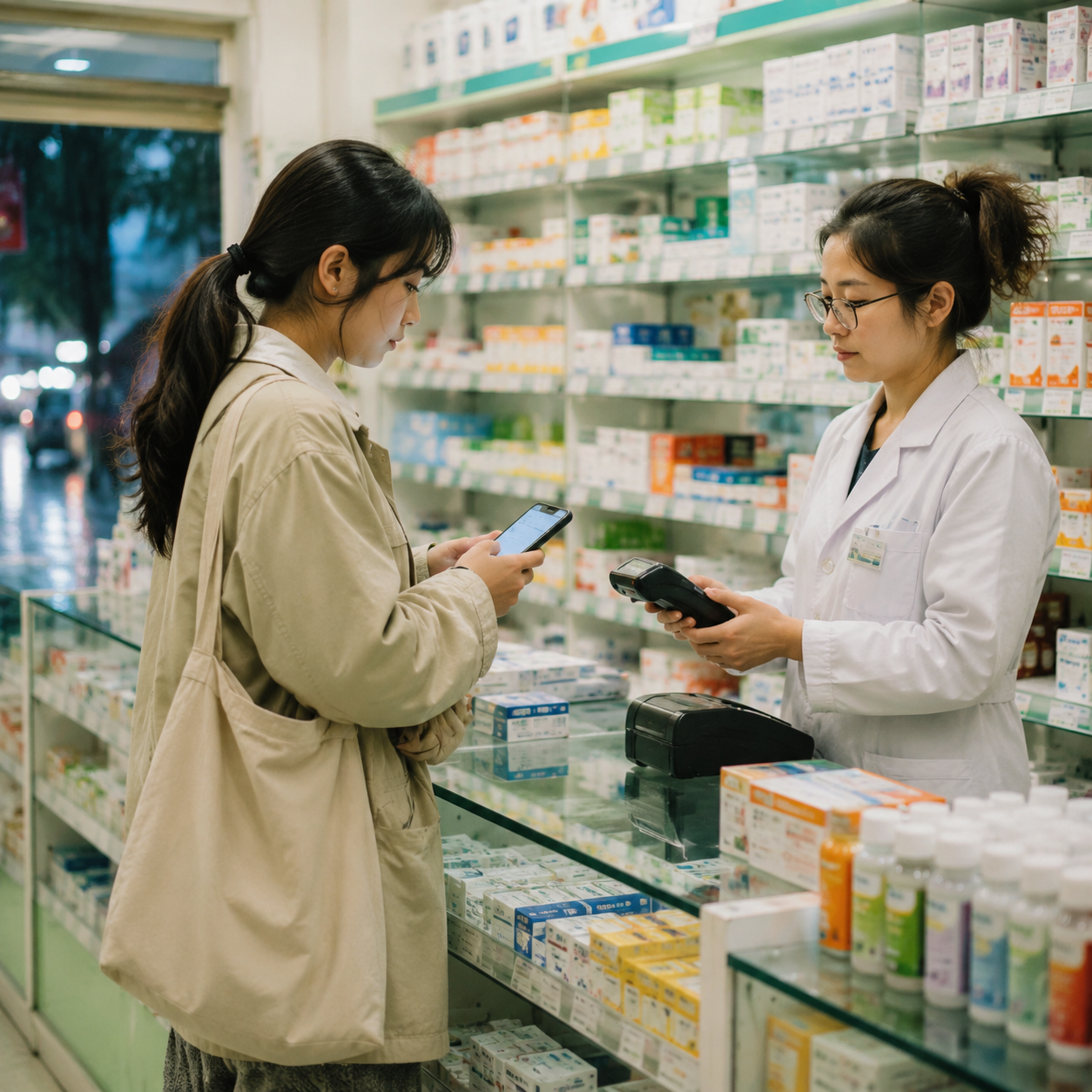
My second backup plan formed the next morning. After hearing the pharmacy story, my friend told me not to think only about “another app,” but also to keep a physical card ready for offline attempts. We went to a convenience store together to buy water, and he asked me to observe the cashier area: some shops displayed several payment signs, some had card terminals, and some did not. Mobile payment is extremely common in China, but “extremely common” does not mean every situation accepts only one method. Especially at hotels, stations, larger pharmacies, or mall service desks, a physical card can sometimes become a stable substitute.
我以前把银行卡放在行李夹层里,觉得既安全又少麻烦。朋友提醒我,真正需要备用方案时,卡如果在酒店房间或箱子最里面,就不算备用方案。备用方案必须在你站在柜台前、出租车旁、车站窗口边时能立刻拿到。于是我把一张常用卡放进贴身小包,但没有和护照、全部现金放在同一个口袋里。这样即使一个包临时找不到,另一个安全层级还在。
I used to keep my bank card in a hidden layer of my luggage, thinking it was safe and convenient. My friend reminded me that if the card was in the hotel room or buried deep inside a suitcase, it did not truly count as a backup plan. A backup plan must be reachable when you are standing at a counter, beside a taxi, or near a station window. So I placed one useful card in a small bag close to my body, but not in the same pocket as my passport and all my cash. That way, even if one pouch was temporarily misplaced, another safety layer remained.
这件事后来在一个地铁站旁的小卖部得到验证。那天下午我买了一瓶水和一包纸巾,手机信号突然变得很弱,付款页面迟迟打不开。老板看我在门口反复举手机,笑着说:“这里信号有时候不好。”我先换了第二个应用,仍然打不开;于是问他能不能刷卡。他摇头,说店太小,没有机器。这个场景让我明白,第二套方案不是万能的,它只是让你多一个选择,而不是保证每个小店都能接受。
This was later tested at a small shop beside a metro station. That afternoon I bought a bottle of water and a pack of tissues, but my phone signal suddenly weakened, and the payment page would not load. The owner saw me lifting my phone near the doorway and smiled. “The signal here is sometimes bad,” he said. I tried my second app first, but it still would not open. Then I asked whether he could take a card. He shook his head and said the shop was too small and had no terminal. That scene taught me that the second plan is not universal. It gives you one more choice, not a guarantee that every tiny shop can accept it.
也正因为这样,第三套备用方案变得更重要:少量现金和可求助联系人。朋友之前已经提醒我,在中国旅行带一点现金并不落后,它像雨伞一样,最好用不到,但不能完全没有。我开始把一百元左右的小额纸币和零钱分开放,不把它们当主要支付方式,也不把它们塞得太深。那天在小卖部,我拿出一张纸币,老板很自然地找了零钱,整个过程不到半分钟。
For that reason, the third backup plan became even more important: a small amount of cash and reachable help contacts. My friend had already reminded me that carrying a little cash in China was not old-fashioned. It was like carrying an umbrella: ideally unused, but not something to lack completely. I began keeping around one hundred yuan in small notes and coins separately. I did not treat it as my main payment method, but I also did not bury it too deeply. At the small shop that day, I took out a note, the owner gave change naturally, and the whole process took less than half a minute.
现金解决了那一次买水,却没有解决所有问题。真正让我把“求助联系人”也写进第三套方案的,是后来一次出租车经历。那晚我从一个朋友聚餐的地方回酒店,车到门口后,司机的收款码在车内灯光下反光,我扫了几次都没有成功。手机又提示网络不稳定,我的现金只剩下较大的纸币,司机也没有足够零钱。车停在酒店门口,后面还有车要进来,我能感觉到自己又开始紧张。
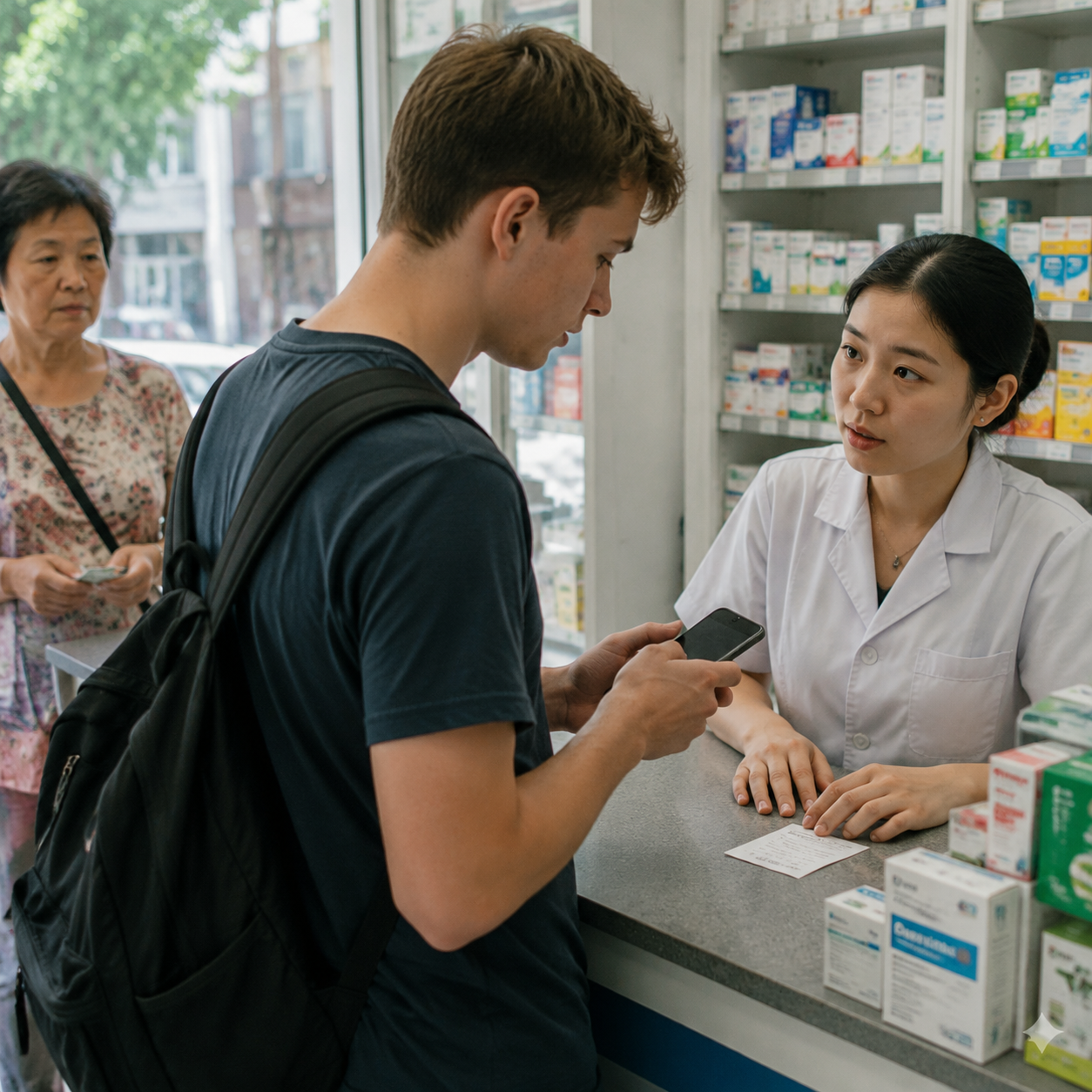
Cash solved that small purchase, but it did not solve every situation. What made me add “help contact” to the third plan was a later taxi experience. One night I returned to my hotel after dinner with friends. When the taxi arrived, the driver’s payment code reflected the interior light, and I failed to scan it several times. My phone again warned that the network was unstable. I only had a larger cash note left, and the driver did not have enough change. The car was stopped at the hotel entrance, another vehicle was waiting behind us, and I could feel myself getting tense again.
这次我比药店那天冷静得多。我先跟司机说:“不好意思,我支付有点问题,请等一下。”然后打开酒店地址截图,让他知道我确实住这里,不是在逃避付款。接着我给刚才一起吃饭的朋友发消息,请他帮我确认该怎么处理。朋友很快回电话,让我把电话递给司机。他用中文和司机沟通后,建议我先进酒店前台换零钱,如果不行,他可以先帮我转账给司机,我再还给他。
This time I was much calmer than in the pharmacy. I first told the driver, “Sorry, I’m having a payment problem. Please wait a moment.” Then I showed him the screenshot of my hotel address so he knew I really stayed there and was not avoiding payment. Next, I messaged the friend I had just eaten with and asked what I should do. He called back quickly and asked me to hand the phone to the driver. After speaking with him in Chinese, he suggested that I go to the hotel front desk to break the larger note; if that failed, he could transfer the fare to the driver first, and I could repay him later.
酒店前台也帮了忙。值班员工听完情况后,没有把它当成麻烦,而是问我车费多少,帮我把大额纸币换成几张小额钞票。司机收到现金后点点头,还提醒我以后晚上打车前可以先看一下手机网络。我道谢时有点不好意思,但心里已经没有最初那种“完了”的感觉。因为这次我知道自己有顺序:先说明情况,再证明身份和目的地,再联系朋友,再寻求现场工作人员帮助。
The hotel front desk helped too. After hearing the situation, the staff member did not treat it as a nuisance. She asked how much the fare was and helped me change the large note into smaller bills. The driver accepted the cash, nodded, and even reminded me to check my phone signal before taking a taxi at night. I felt a little embarrassed while thanking everyone, but I no longer had that first “everything is ruined” feeling. This time I knew the sequence: explain the situation, show identity or destination context, contact a friend, and ask nearby staff for help.
从那以后,我把三套备用方案整理得更清楚。第一套是“第二支付入口”:另一个应用、提前完成验证、做一次小额测试、把图标放在容易找到的位置。第二套是“实体卡入口”:带一张能用的卡,知道它可能在哪些场景更有机会成功,也接受小店未必能刷。第三套是“低技术入口”:少量现金、酒店前台或车站服务台、一个能及时接电话的朋友或本地联系人。三套方案不是为了显得谨慎,而是为了在失败发生时让自己还有路可走。
After that, I organized the three backup plans more clearly. The first was a “second payment entrance”: another app, completed verification, one small test payment, and the icon placed somewhere easy to find. The second was a “physical card entrance”: carry one usable card, know where it is more likely to work, and accept that small shops may not take it. The third was a “low-tech entrance”: a little cash, hotel front desks or station service counters, and a friend or local contact who can answer promptly. These plans are not about looking overly cautious. They are about making sure there is still a path when failure happens.
我也学会了给自己设一个不慌的流程。付款失败时,先不要连续疯狂扫码,因为这只会让应用、商家和自己都更混乱。先看金额是否正确,再看网络是否正常,再换第二个应用;如果还不行,礼貌地告诉店员“支付失败,我换一种方式”,然后拿出卡或现金;如果涉及出租车、车站、酒店这类场景,就尽快找工作人员或联系人帮忙沟通。越早说明,别人越容易帮你,误会也越少。
I also learned to give myself a calm procedure. When payment fails, do not scan repeatedly in panic, because that only makes the app, the merchant, and yourself more confused. First check whether the amount is correct, then whether the network is working, then switch to the second app. If that still fails, politely tell the clerk, “My payment failed; I’ll try another way,” and take out a card or cash. If the situation involves a taxi, station, or hotel, ask staff or a contact to help communicate as soon as possible. The earlier you explain, the easier it is for others to help and the fewer misunderstandings arise.
这里面最重要的安全感,其实来自“冷静而不是逞强”。不要因为尴尬就跑到很偏的角落摆弄手机,也不要把钱包、护照和手机全摊在柜台上。需要重新登录应用时,站在明亮、有人流但不挡路的位置;需要打电话求助时,简单说明你在哪里、欠多少钱、对方是谁;需要现金时,只拿出需要的部分。旅行中的安全不总是大事件,有时就是在小小的支付失败里保护好自己的节奏和物品。
The most important sense of safety here comes from being calm rather than pretending to be strong. Do not move to a dark corner just because you feel embarrassed, and do not spread your wallet, passport, and phone across a counter. If you need to log in again, stand somewhere bright and public but not blocking traffic. If you need to call for help, briefly explain where you are, how much you owe, and who the other person is. If you need cash, take out only the amount needed. Travel safety is not always a dramatic event. Sometimes it means protecting your rhythm and belongings during a small payment failure.
那家药店后来成了我在上海记得很清楚的地方。不是因为药有多特别,而是因为它让我看见中国旅行里一种很实际的友善:收银员没有把我的失败当作麻烦,排队的人没有把我的停顿当作冒犯,朋友也没有嘲笑我的紧张。他们的帮助并没有替我取消准备的重要性,反而让我更明白,越是有人愿意帮你,你越应该把自己能做的部分先做好。
That pharmacy later became one of the places I remembered most clearly in Shanghai. Not because the medicine was special, but because it showed me a very practical kind of kindness in China travel: the clerk did not treat my failed payment as a problem, the person in line did not treat my pause as an offense, and my friend did not laugh at my nervousness. Their help did not cancel the importance of preparation. Instead, it made me understand that the more people are willing to help, the more I should do my own part first.
现在我每次出门前,都会用三十秒检查手机:两个支付应用是否能打开,网络是否正常,卡和少量现金是否在固定位置,酒店地址和朋友联系方式是否能快速找到。这听起来像很小的动作,却让我在车站、药店、小店和出租车里都轻松了很多。移动支付失败并不代表旅行失败,它只是提醒我,方便不是没有边界,真正可靠的旅行方式,是把方便和备用方案一起带上路。
Now, before I go out, I spend thirty seconds checking my phone: whether both payment apps open, whether the network works, whether my card and small cash are in their fixed places, and whether my hotel address and friend’s contact are easy to find. It sounds like a tiny habit, but it has made stations, pharmacies, small shops, and taxis much easier for me. A failed mobile payment does not mean a failed trip. It simply reminds me that convenience has boundaries, and the most reliable way to travel is to carry both convenience and backup plans with you.

- 中国旅游语言障碍解决方案 | Overcoming Language Barriers in China
- 我在中国学会外卖自取礼貌,不是学会说哪句话,而是先别挡住别人的流程 | Learning Takeout Pickup Etiquette in China Was Not About Memorizing a Phrase, but About Not Blocking Other People’s Flow First
- 中国茶具:完美伴手礼 | Chinese Tea Set: A Perfect Gift
- 我在重庆磁器口边走边吃陈麻花:现金和扫码怎么备份 | Walking and Snacking in Ciqikou, Chongqing: Payment Backup Plan
- 路边那口锅,才是一座城市的真心话 | The Roadside Wok Doesn't Lie
- 中国景区门口的安检队伍,其实有自己的节奏 | Security Lines at Chinese Scenic Spots Have Their Own Rhythm
- 坡子街地面刚发亮的时候,我决定不再拿长沙和时间赛跑 | When Pozi Street Began to Shine After Rain, I Stopped Racing Changsha
- 太原老街的灯不抢眼,却把回家、吃面和晚风都照得刚刚好 | Taiyuan’s Old-Street Lights Are Modest, Yet They Hold Homecoming, Noodles, and Night Wind Just Right
- 我带着一只行李箱在天津站外学会了先找节奏,再找景点 | Outside Tianjin Station I Learned to Find Rhythm Before Sights
- 五月的苏州雨丝落进园林时,我一个人学会把行程放轻一点 | In Suzhou's May Drizzle, I Learned to Travel Alone with a Lighter Grip
Comments (0)