
中国凉菜:一桌好饭从凉菜开始 | Chinese Cold Dishes: Every Great Meal Starts Here
中国凉菜:一桌好饭从凉菜开始 | Chinese Cold Dishes: Every Great Meal Starts Here
在中国,凉菜是一桌饭的序章。
热菜还没上,凉菜先到。几碟小菜摆在桌上,拍黄瓜、凉拌木耳、口水鸡、夫妻肺片——颜色各异,味道各有侧重,有的酸,有的辣,有的麻,有的清爽。你边喝茶边吃,等热菜的时间就这样过去了。
这个习惯在中国南北都有,但凉菜的风格差异极大。四川的凉菜重麻辣,东北的凉菜重酸甜,广东的凉菜清淡,云南的凉菜生猛。同样是"凉拌",各地做出来完全是两回事。
In China, cold dishes are the overture to a meal.
The hot food hasn't arrived yet, but the cold dishes are already on the table. A few small plates — smashed cucumber, wood ear mushroom salad, mouthwatering chicken, husband-and-wife beef slices — different colors, different emphases: sour, spicy, numbing, refreshing. You eat while drinking tea, and the wait for the main courses passes without noticing.
This habit exists across China, but the style of cold dishes varies enormously. Sichuan cold dishes are heavy on numbing spice; Northeast cold dishes lean sour-sweet; Cantonese versions are light; Yunnan's are bold and raw. "Cold-dressed" means something completely different depending on where you are.
川式凉菜:麻辣是灵魂
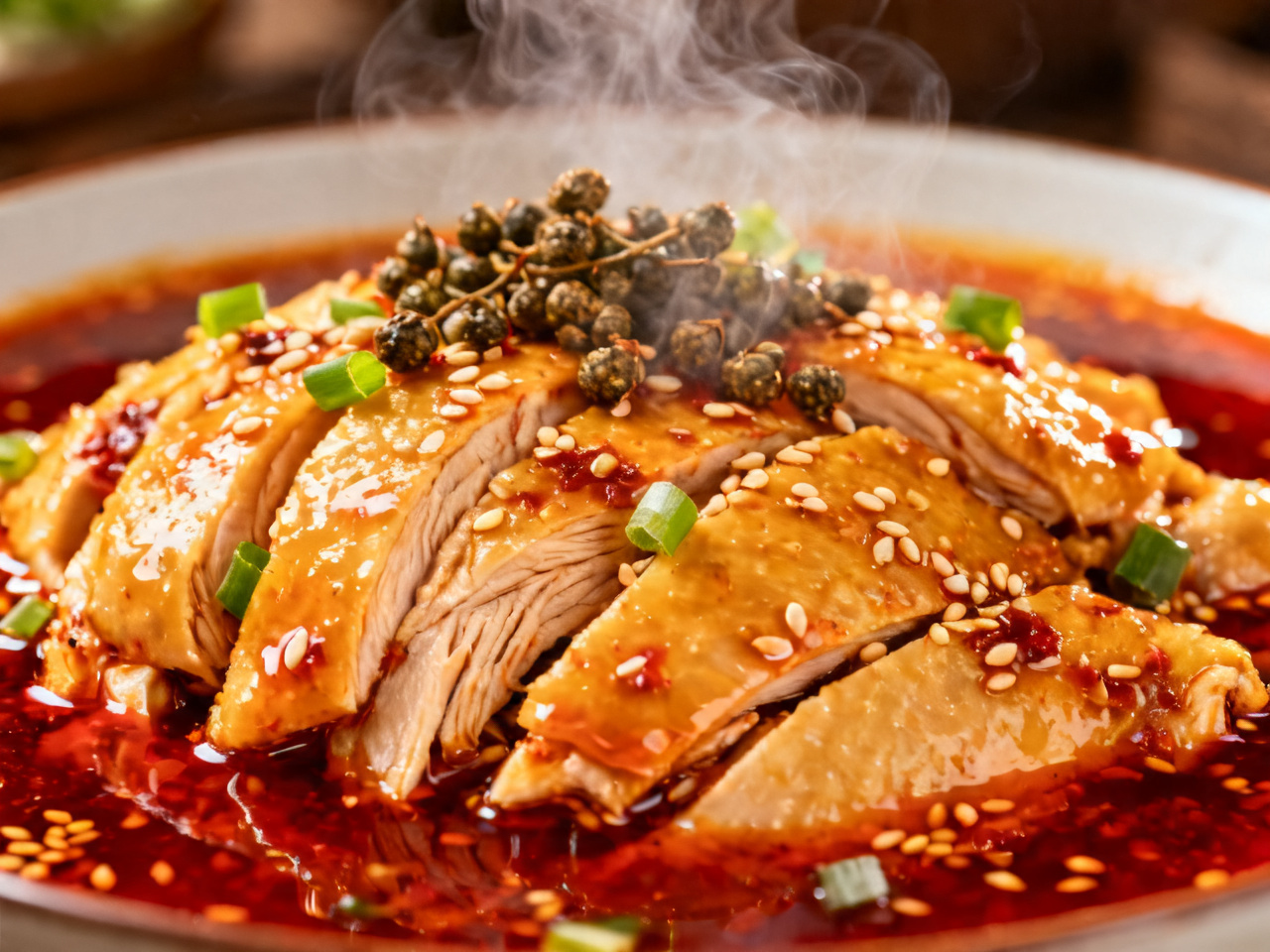
四川凉菜的核心调味是红油和花椒。
口水鸡是川式凉菜的代表。鸡腿煮熟后冷却,切块,浇上红油、花椒油、酱油、醋、蒜泥、姜末、芝麻,最后撒花生碎和葱花。名字来自郭沫若的诗,意思是让人垂涎三尺。好的口水鸡,鸡肉嫩滑,红油香而不燥,花椒麻而不木。
夫妻肺片其实没有肺。这道菜用的是牛头皮、牛心、牛舌、牛肚,切薄片,拌红油、花椒、芹菜。名字来自成都一对夫妻摆摊卖这道菜的故事,后来"肺片"成了这道菜的专有名词,和肺没有关系了。
棒棒鸡是乐山的名菜,用棒子敲打鸡肉使其松软,再拌芝麻酱、红油、花椒。和口水鸡类似,但芝麻酱的比例更高,口感更厚重。
Sichuan cold dishes are built on two things: chili oil and Sichuan peppercorn.
Mouthwatering chicken (口水鸡) is the archetype. Poached chicken thigh, cooled and sliced, dressed with chili oil, Sichuan pepper oil, soy sauce, vinegar, garlic paste, ginger, sesame, finished with crushed peanuts and scallions. The name comes from a poem by Guo Moruo — it means "makes your mouth water." Good mouthwatering chicken has silky meat, chili oil that's fragrant without being harsh, and peppercorn that numbs without going numb.
Husband-and-wife beef slices (夫妻肺片) contains no lung. The dish uses beef head skin, heart, tongue, and tripe, thinly sliced and dressed with chili oil, Sichuan pepper, and celery. The name comes from a Chengdu couple who sold it from a street stall; "fèi piàn" became the dish's proper name, no longer connected to lungs.
Bàng bàng jī is a Leshan specialty — the chicken is tenderized by beating with a stick, then dressed with sesame paste, chili oil, and Sichuan pepper. Similar to mouthwatering chicken but with a higher sesame paste ratio and a richer texture.
东北凉菜:酸甜爽口
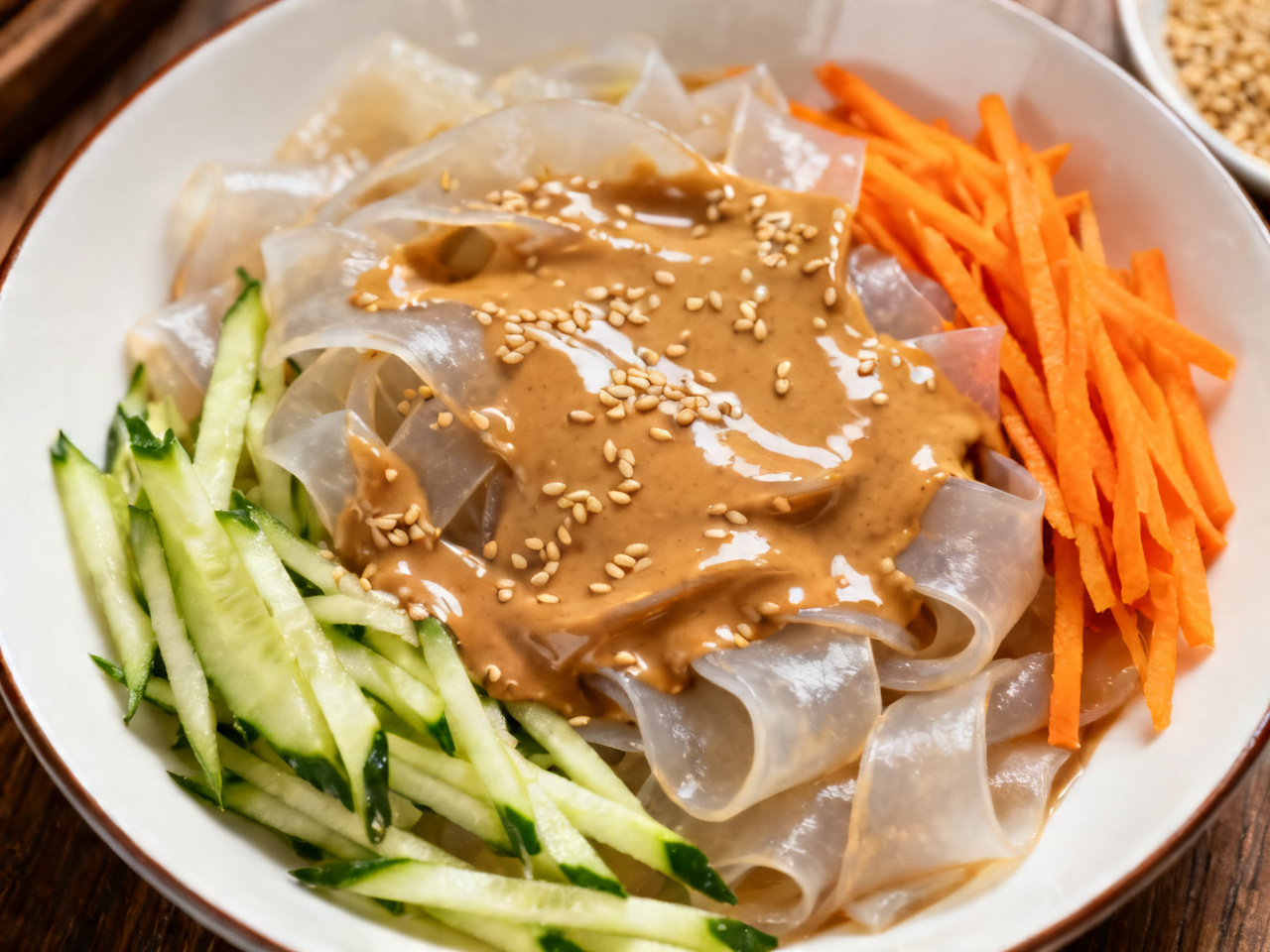
东北凉菜和川式完全不同,主打酸甜清爽。
拍黄瓜是最简单的凉菜,也是最难做好的。黄瓜用刀拍裂,加蒜末、盐、醋、香油、少量辣椒油。关键在于拍的力度——拍裂的黄瓜比切的更容易入味,但不能拍烂。东北版本的拍黄瓜蒜味重,醋味足,清爽解腻。
东北大拉皮是宴席必备。宽粉(绿豆淀粉制成)煮熟冷却,加黄瓜丝、胡萝卜丝、鸡蛋皮、猪肉丝,浇芝麻酱、蒜汁、醋、酱油,拌匀。粉皮Q弹,酱料浓郁,是东北人最有情感的一道凉菜。
Northeast cold dishes are the opposite of Sichuan — the emphasis is sour, sweet, and refreshing.
Smashed cucumber (拍黄瓜) is the simplest cold dish and one of the hardest to get right. Cucumber smashed with the flat of a knife, dressed with garlic, salt, vinegar, sesame oil, and a little chili oil. The key is the smashing — cracked cucumber absorbs dressing better than sliced, but it can't be pulverized. The Northeast version is heavy on garlic and vinegar, clean and palate-cleansing.
Northeast glass noodle salad (大拉皮) is a banquet staple. Wide mung bean noodles cooked and cooled, mixed with julienned cucumber, carrot, egg strips, and shredded pork, dressed with sesame paste, garlic juice, vinegar, and soy sauce. The noodles are chewy, the sauce is rich — it's the Northeast cold dish with the most emotional weight.
凉菜的调味逻辑
中国凉菜的调味,本质上是几种基础味道的组合与平衡。
酸:米醋、陈醋、柠檬汁。陈醋颜色深,味道醇厚,适合重口味凉菜;米醋清淡,适合清爽型。
辣:新鲜辣椒、干辣椒、辣椒油。四川红油是辣椒油的最高形态,用多种辣椒和香料炼制,香气复杂。
麻:花椒油或花椒粉。麻和辣是两种感觉,麻是舌头发麻,辣是灼热感,好的川式凉菜两者平衡。
鲜:酱油、蚝油、鱼露。生抽提鲜,老抽上色,不同菜用不同酱油。
香:芝麻酱、香油、花生碎、葱姜蒜。芝麻酱是很多凉菜的底味,用温水调开才顺滑。
The seasoning logic of Chinese cold dishes is essentially the combination and balance of a few base flavors.
Sour: rice vinegar, aged vinegar, lemon juice. Aged vinegar is dark and mellow, suited to bold dishes; rice vinegar is lighter, better for refreshing styles.
Spicy: fresh chili, dried chili, chili oil. Sichuan red oil is the highest form of chili oil — made by infusing multiple chili varieties and spices, with a complex fragrance.
Numbing: Sichuan pepper oil or powder. Numbing and spicy are two different sensations — numbing is the tingling of the tongue, spicy is heat. Good Sichuan cold dishes balance both.
Savory: soy sauce, oyster sauce, fish sauce. Light soy adds umami, dark soy adds color.
Aromatic: sesame paste, sesame oil, crushed peanuts, scallion, ginger, garlic. Sesame paste is the base note of many cold dishes — thin it with warm water for a smooth texture.
实用信息 / Practical Notes
- 川式凉菜推荐:成都锦里、宽窄巷子周边餐厅,人均50-100元
- 口水鸡、夫妻肺片在大多数川菜馆都能点到,15-45元/份
- 东北凉菜:哈尔滨、沈阳的东北菜馆,大拉皮是必点,20-35元
- 自制凉菜:拍黄瓜是最容易复刻的,食材简单,10分钟完成
-
夏天推荐:凉菜是中国夏季餐桌的主角,清爽解暑
-
Sichuan cold dishes: restaurants around Jinli and Kuanzhai Alley in Chengdu, ¥50-100 per person
- Mouthwatering chicken and husband-and-wife beef slices available at most Sichuan restaurants, ¥15-45
- Northeast cold dishes: Harbin and Shenyang Northeast restaurants; glass noodle salad is essential, ¥20-35
- DIY: smashed cucumber is the easiest to replicate at home — simple ingredients, 10 minutes
- Summer recommendation: cold dishes are the stars of Chinese summer tables
延伸阅读 / Related Reads
- 中国八大菜系全览 | The 8 Great Cuisines of China
- 第一口就着了魔:一个外乡人在成都的麻辣沉沦 | Spellbound at First Bite: A Stranger's Descent into Chengdu's Heat
- 街头那碗热气,才是中国城市的真实体温 | Street Steam: The Real Pulse of Chinese Cities
- 花椒档案:一个植物学者眼中的四川味觉地图 | The Peppercorn Dossier: Sichuan's Flavor Map Through a Botanist's Eyes
- 华东五城10日经典环线 | 10-Day East China Five-City Loop
- 丽江的雨停在屋檐上以后,我开始跟着水渠和石板路慢慢走 | After Rain Stopped Along Lijiang’s Eaves, I Began Following the Canals and Stone Lanes Slowly
- 我在中国县城汽车站学会先看人群走向,再找检票口 | I Learned at a Chinese County Bus Station to Watch Where People Flow Before Looking for the Gate
- 重庆不需要滤镜:一座让赛博朋克自惭形秽的城市 | Chongqing Needs No Filter: A City That Makes Cyberpunk Feel Inadequate
- 皮影戏:光与影之间的千年叙事 | Shadow Puppetry: A Thousand Years of Storytelling Between Light and Shadow
- 西安一日极限暴走:城墙骑行、回民街、大雁塔一天全收 | Xi'an in One Day: City Wall Cycling, Muslim Quarter, and Big Wild Goose Pagoda
- 和爸爸在周庄躲雨的半天,我第一次发现他其实比我更会旅行 | A Rainy Half Day in Zhouzhuang with My Father Showed Me He Was Better at Traveling Than I Was
- 中国街头小吃十选:从北到南,一路吃过去 | Ten Chinese Street Snacks: Eating Your Way from North to South
- 在西安城墙下走慢一点,历史才不是一张照片 | Walking Slowly Under Xi’an City Wall Made History More Than a Photo
- 南京早餐摊前的队伍,让我第一次看懂城市早晨 | A Breakfast Queue in Nanjing Helped Me Read a City’s Morning
- 共享单车不是难用,难的是先看停车区 | Shared Bikes Are Not Hard; the Hard Part Is Checking Parking Zones First
Comments (0)