
我在苏州学会先找一条不费力的厕所路线 | In Suzhou I Learned to Find a Low-Effort Restroom Route First
我在苏州学会先找一条不费力的厕所路线 | In Suzhou I Learned to Find a Low-Effort Restroom Route First
很多人第一次来中国旅行时,会认真研究门票、地铁、打车、排队和吃什么,却很少把“厕所路线”当成一个值得提前想的问题。我以前也是这样,总觉得这种事不够体面,好像只有真正出了状况才需要考虑。可是在苏州平江路附近待了两天之后,我才发现,尤其对外国人来说,能否及时、低压力地找到一处干净、容易进入、回头也好找的洗手间,会直接影响你整段步行的体力、心情和安全判断。它听起来很小,但在陌生城市里,这种小事常常比景点本身更决定一天是否顺利。
When people travel in China for the first time, they usually study tickets, metro lines, taxis, queues, and food. Very few treat the “restroom route” as something worth planning. I used to do the same. It felt somehow undignified, as if such a matter should be considered only when something already went wrong. But after spending two days around Pingjiang Road in Suzhou, I learned that for foreigners especially, being able to find a clean, easy-to-enter restroom and then return smoothly to the street can directly affect stamina, mood, and safety judgment. It sounds small, but in an unfamiliar city, small things like this often decide whether a whole day works.
我第一次真正意识到这个问题,是在一个闷热的下午。那天我从拙政园一带慢慢往平江路走,手里拿着刚买的冰饮,沿途又不断停下来拍桥、看巷子、进小店。等我忽然想找洗手间时,身体已经开始有一点急了。人一急,判断就会缩窄。我差点冲进一家餐馆直接问厕所,却又担心打扰;看到一处商场指示牌,又不确定是不是要绕很大一圈。那几分钟让我非常清楚地感觉到,旅行中的安全感不是只在大问题上才重要,很多时候它藏在这种很日常的身体需求里。后来我再回头看一些关于在中国建立生活稳定感的经验,像学会自然求助和在街头做小而稳的安全判断,我才更明白这些建议为什么实用。
The first time I truly understood the issue was on a humid afternoon. I had been walking slowly from the Humble Administrator’s Garden area toward Pingjiang Road, holding an iced drink, stopping often to photograph bridges, look into alleys, and enter small shops. By the time I suddenly needed a restroom, the need was already becoming urgent. When urgency rises, judgment narrows. I almost rushed into a restaurant to ask directly, then hesitated because I did not want to disturb anyone. I saw a sign for a commercial building but was not sure whether it required a long detour. Those few minutes made me feel very clearly that travel safety is not important only in big emergencies. Often it hides inside ordinary bodily needs. Later, when I looked back at advice about building steadiness in China—such as learning to ask for help naturally and making small, steady safety judgments on the street—I understood much better why that advice works.
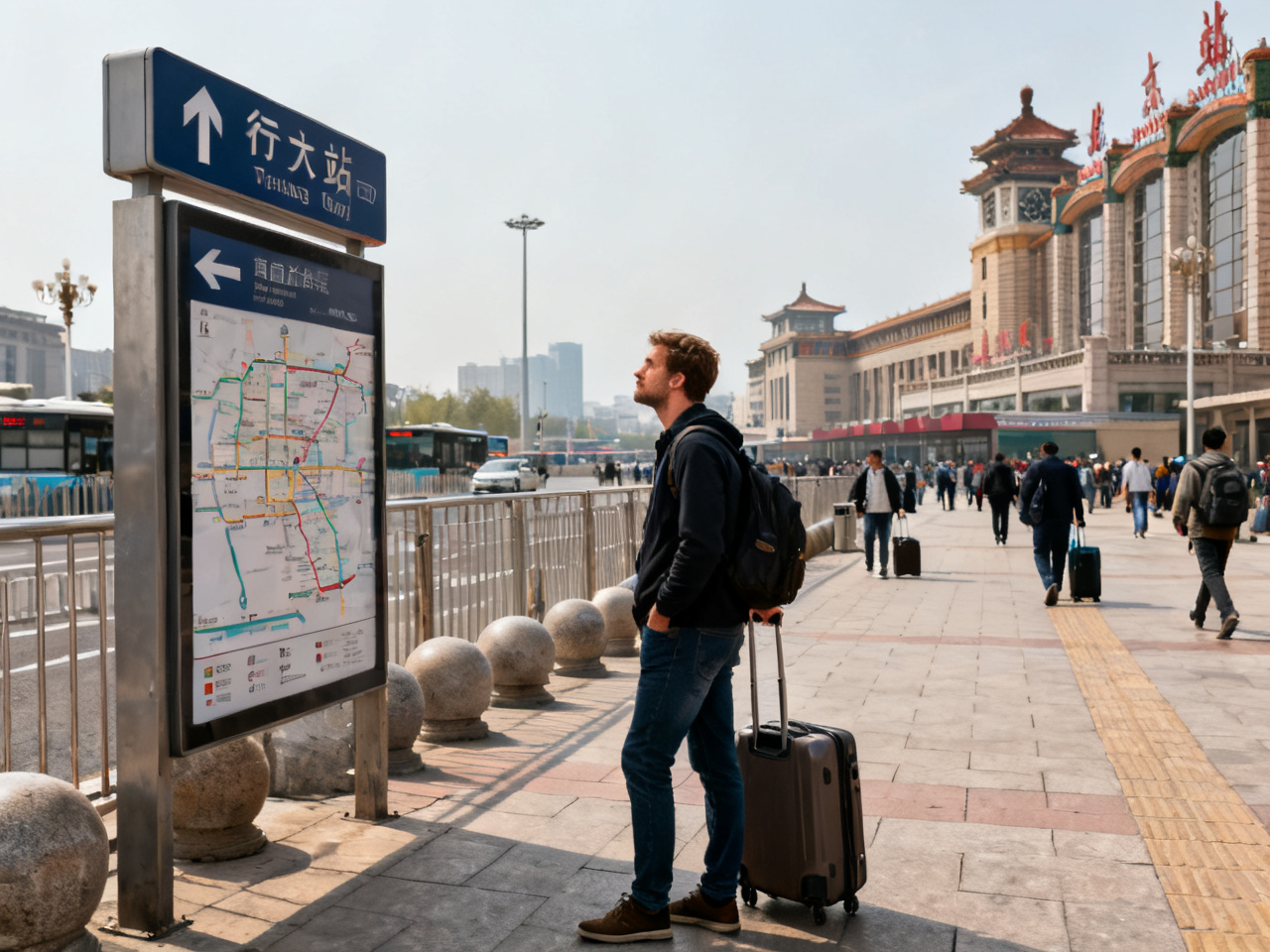
后来我把这件事想得更实在了一点:在中国城市里,厕所不只是一个设施点,它还是一条路线。你需要判断的不仅是“有没有”,还包括“好不好找”“是不是明亮”“出来以后会不会迷路”“周边有没有可以顺便坐一下或买水的地方”。苏州这种既有古街又有现代商业体的地方,尤其适合训练这种判断。古街上的气氛很好,但巷子弯、游客多、方向感容易被切碎;而大型商场、博物馆、游客中心虽然不总在你脚边,却往往提供更清晰的标识、更稳定的环境和更容易重新校准路线的空间。那之后,我每到一个新区块,都会先顺手记两个点:最近的公共洗手间大概在哪,以及附近有没有一个我能重新“站稳”的室内空间。
Later I began thinking about it more practically: in Chinese cities, a restroom is not just a facility point. It is also a route. What you need to judge is not only whether one exists, but whether it is easy to find, well lit, easy to return from, and near some place where you can sit down or buy water afterward. A place like Suzhou, where old lanes and modern commercial spaces coexist, is especially good for learning this kind of judgment. The old streets are atmospheric, but the alleys bend, the tourist flow is dense, and your sense of direction can easily be cut into pieces. Large malls, museums, and visitor centers may not always sit right under your feet, but they usually offer clearer signs, more stable environments, and more room to recalibrate your route. After that experience, whenever I entered a new area, I made a habit of quietly noting two things: roughly where the nearest public restroom was and whether there was an indoor space nearby where I could regain my bearings.
这个习惯很快就帮了我一次。第二天上午,我准备从平江路转去苏州博物馆周边,但天气比前一天更闷,游客也更多。我在一座桥边拍了十来分钟照片后,突然想起前一晚路过的一处游客服务点。那时我没有立刻需要它,可我记住了方向。于是这次我没有等到身体着急,而是提前走过去,顺利解决,然后坐在门口阴凉处喝了几口水,再重新看地图。整个过程不超过十五分钟,却让我后半天的状态稳定了很多。对很多本地人来说,这也许只是普通常识;可对一个外国旅行者来说,能把身体需求提前纳入路线判断,本身就是一种融入和自我照顾的能力。
That habit helped me almost immediately. The next morning I was planning to move from Pingjiang Road toward the Suzhou Museum area, but the weather was even muggier and the streets were more crowded than the day before. After spending ten minutes photographing a bridge, I suddenly remembered a visitor service point I had passed the previous evening. I had not needed it then, but I had remembered the direction. So this time I did not wait until my body was in a hurry. I walked there early, solved the problem calmly, sat in the shade by the entrance for a few sips of water, and checked my map again. The whole process took less than fifteen minutes, yet it stabilized the rest of my day. For many locals, this may sound like ordinary common sense. For a foreign traveler, though, building bodily needs into route judgment is itself a form of integration and self-care.
我也因此开始更注意哪些地方适合临时求助。如果你在中国一时找不到洗手间,最实用的往往不是站在街中央硬看地图,而是进入一个有明确秩序的空间:商场前台、博物馆入口、地铁站服务台、连锁咖啡店、品牌书店、游客中心。这些地方不一定人人都会直接陪你去,但通常会给你一个很清楚的方向。比起慌张地问路,我后来更喜欢这样开口:“不好意思,麻烦问一下,洗手间在哪边?”短短一句,既礼貌,也足够高效。我越来越认同一个经验:求助最顺的时候,不是你已经快撑不住,而是你还留有一点镇定。那时得到的信息也最容易被你真正用上。
Because of this, I began paying more attention to which places are best for asking quick practical questions. If you cannot find a restroom in China for the moment, the most useful move is often not standing in the middle of the street staring at your map. It is stepping into a space with clear order: a mall information desk, a museum entrance, a metro service counter, a chain café, a bookstore, or a visitor center. These places may not always escort you there, but they usually provide a very clear direction. Instead of panicked questioning, I came to prefer one simple sentence: “Excuse me, may I ask which side the restroom is on?” It is polite and efficient. I increasingly believe one thing: asking for help works best not when you are already at your limit, but when you still have a bit of calm left. That is also when the information is easiest to use well.
我后来给朋友总结过几条“厕所路线”原则。第一,天气热、饮料喝得多、步行时间长的时候,不要等到急了再找,最好在你还轻松的时候顺手解决。第二,古街、景区、湖边这种容易让人一路走下去的地方,更要提前记住服务中心、商场或博物馆的位置。第三,如果你带长辈、孩子或身体状态一般的同行人,这件事更应该前置,因为别人未必会像你一样忍着不说。第四,找到之后别急着马上冲回去,给自己半分钟整理地图、补水、确认下一段路线,往往更值。第五,如果某个地方让你感觉昏暗、狭窄、标识混乱,不必勉强,宁可多走几分钟去一个更公开、更好判断的空间。
Later I summarized a few “restroom route” principles for friends. First, in hot weather, after drinks, or on long walking days, do not wait for urgency; solve it while you are still comfortable. Second, in old streets, scenic zones, and lakefront areas that encourage endless strolling, memorize the locations of visitor centers, malls, or museums earlier than you think you need to. Third, if you are traveling with parents, children, or anyone not in ideal physical condition, this should be planned even earlier, because others may not speak up the way you do. Fourth, after finding the restroom, do not rush back out instantly; take thirty seconds to reset the map, drink some water, and confirm your next segment. It is usually worth it. Fifth, if a location feels dark, narrow, or badly marked, do not force it. Walking a few more minutes toward a more public, more legible space is often the better choice.
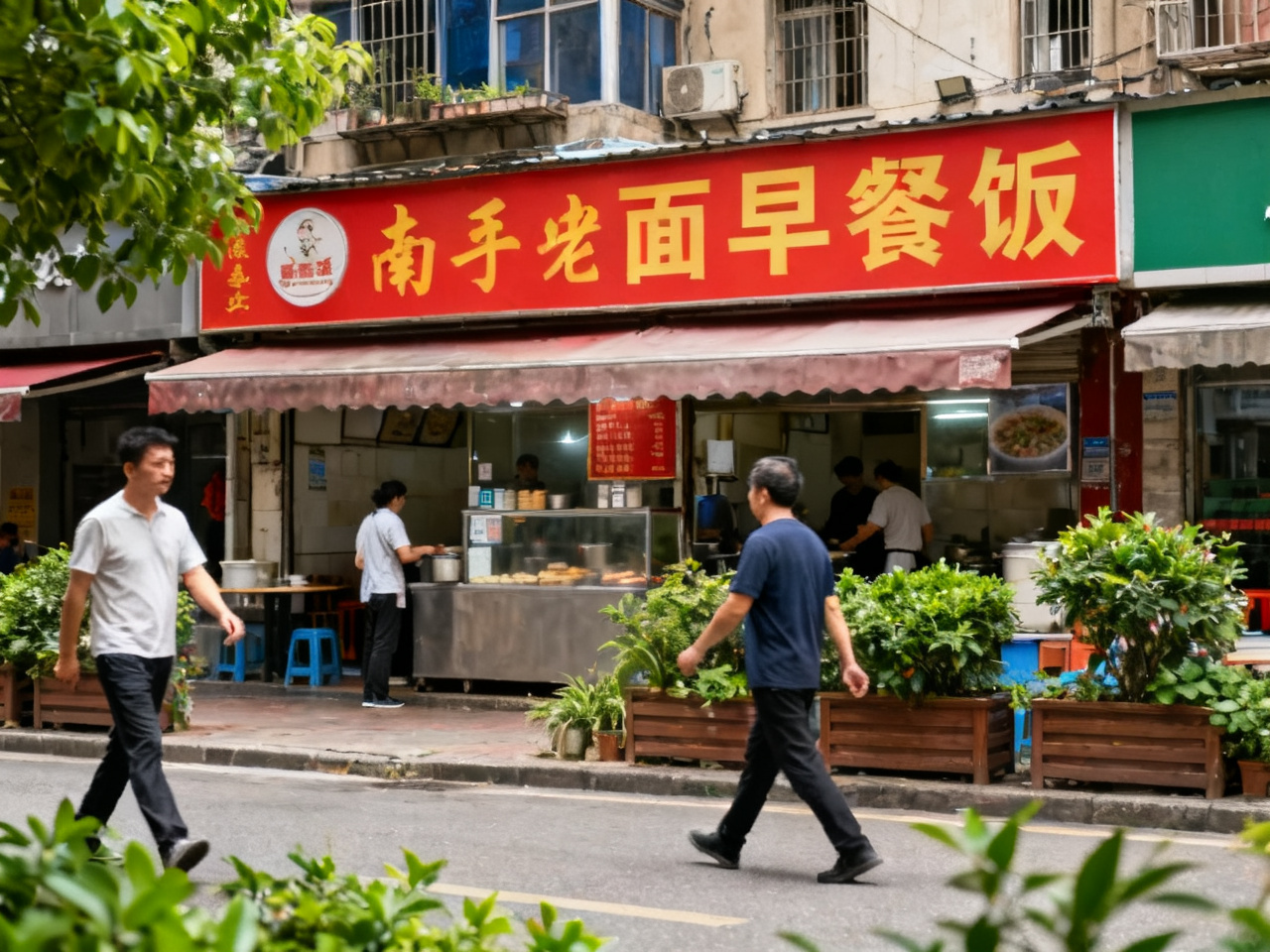
很多旅行建议喜欢强调“不要被小事影响心情”,可我现在反而觉得,真正成熟的旅行方式,是承认小事本来就会影响心情,所以要提前给它们安排位置。苏州那两天之后,我不再觉得找洗手间是一个不好意思谈的细节,而把它看成路线设计的一部分。它和找水、找阴凉、找能坐的地方一样,都是让身体继续稳定配合旅行的条件。对外国人来说,这种思路尤其重要,因为你原本就在陌生语言和陌生街区里做判断,越能把身体照顾好,越能把其他决定做稳。后来我再次走进平江路那些弯弯的小巷时,心里已经没有第一天下午那种忽然被需求推着跑的慌乱。那不是因为苏州突然变简单了,而是因为我终于学会给自己预留一条不费力的厕所路线。
Many travel tips like to say, “Don’t let small things affect your mood.” I now think the more mature way to travel is to admit that small things do affect your mood, and therefore deserve a place in your planning. After those two days in Suzhou, I stopped treating restroom-finding as an embarrassing detail and started treating it as part of route design. Like finding water, shade, or a place to sit, it is one of the conditions that let your body keep cooperating with the journey. For foreigners, that mindset matters even more because you are already making judgments inside unfamiliar language and unfamiliar streets. The better you care for your body, the steadier your other decisions become. When I later walked back into the winding alleys of Pingjiang Road, the panicked feeling from my first afternoon was gone. Suzhou had not suddenly become simpler. I had simply learned to leave myself a low-effort restroom route.
- 秦汉唐宋明清——六个朝代串起你的中国旅行 | Six Dynasties That Frame Your China Trip
- 广州雨后那条骑楼街,让我重新理解城市散步 | A Rain-Washed Arcade Street in Guangzhou Changed How I Understand City Walks
- Good Good Study, Day Day Up:那些让老外笑出腹肌的中式英语 | Chinglish That Makes Foreigners Laugh Till They Cry
- 中国白酒与黄酒:送礼自饮怎么选 | Chinese Baijiu & Huangjiu: Gift & Tasting Guide
- 中国城市的绿色脉络:那些被树荫覆盖的街道 | China's Green Veins: The Tree-Lined Streets That Define Its Cities
- 从高铁站到古镇,我终于不再慌:一条把换乘、寄存和吃饭都算进去的苏州落地路线 | From High-Speed Rail to Old Town Without Panic: My Suzhou Arrival Route with Luggage, Transfers, and Meals Built In
- 中国书法用品 | Chinese Calligraphy Supplies
- 佛山老街那家杂货铺门前的圆灯,把一整条街照得比名片更真实 | The Round Lamp Outside a Foshan Old-Street General Store Lit the Street More Truthfully Than Any Brochure
- 七月在杭州安安静静避雨,我终于不再把下雨当行程损失 | My First Rainy July Plan in Hangzhou Taught Me to Stop Treating Rain as Lost Travel Time
- 竹编小课:我第一次发现“柔软的材料也可以有骨架” | Bamboo Weaving Workshop: The First Time I Realized Soft Material Can Still Have a Spine
Comments (0)