
我在重庆学会先看楼层关系,再看地图距离 | In Chongqing I Learned to Read Vertical Space Before Map Distance
我在重庆学会先看楼层关系,再看地图距离 | In Chongqing I Learned to Read Vertical Space Before Map Distance
第一次去重庆的人,很容易被地图骗。屏幕上看起来只有几百米的两点,现实里可能隔着扶梯、坡道、过街天桥、商场夹层,甚至是你根本没想到的上下十几米高差。我以前也习惯先看距离,再看路线,觉得步行十分钟总比等车方便。可真正到了重庆解放碑和较场口一带,我才发现这里最该先理解的不是“多远”,而是“在第几层、从哪一层出去、我脚下这块地到底接的是桥、广场还是马路”。对一个外国人来说,这种垂直空间的判断会直接影响疲劳、迷路概率和夜里是否敢继续走。
First-time visitors to Chongqing are easily fooled by the map. Two points that look only a few hundred meters apart on a screen may in reality be separated by escalators, slopes, pedestrian bridges, mall mezzanines, or a height difference of ten or more meters that you never expected. I used to judge distance first and route second, assuming a ten-minute walk was always easier than waiting for transport. But once I actually reached the Jiefangbei and Jiaochangkou area, I realized the first thing to understand there is not “how far,” but “which level, which exit level, and whether the ground under my feet connects to a bridge, a plaza, or a road.” For a foreigner, this kind of vertical judgment directly affects fatigue, the chance of getting lost, and whether you still dare to keep walking after dark.
我第一次被这个问题教育,是在一个傍晚。天还没黑透,我从商场里出来,本以为跟着导航往前走五分钟就能到一家朋友推荐的小面馆。结果我站到出口外,眼前同时出现了栏杆、下行扶梯、跨街平台和车流,导航箭头却像贴在空气里一样,根本没有告诉我“这一层”和“下一层”是不是同一条路。我来回绕了两次,甚至短暂地怀疑是不是自己方向感太差。可后来我冷静下来才明白,这不是单纯的方向问题,而是我还在用平面的城市思维看重庆。类似的适应逻辑,我后来在夜间落地把问题拆小和通过细节建立融入感这些文章里也看到过,只是在重庆它变得特别具体。
The city taught me this lesson on an early evening. It was not fully dark yet. I came out of a mall, thinking I only had to follow the map for five minutes to reach a noodle shop a friend had recommended. Instead, when I stepped outside, I faced railings, a downward escalator, an elevated crossing platform, and moving traffic all at once, while the navigation arrow seemed pasted onto the air, giving me no clue whether “this level” and “the next level” were even the same street. I circled twice and briefly wondered whether my sense of direction was simply poor. But after calming down, I realized it was not a simple direction problem. I was still trying to read Chongqing with a flat-city mindset. I had seen similar adaptation logic before in other China travel writing, but in Chongqing the lesson became unusually concrete.
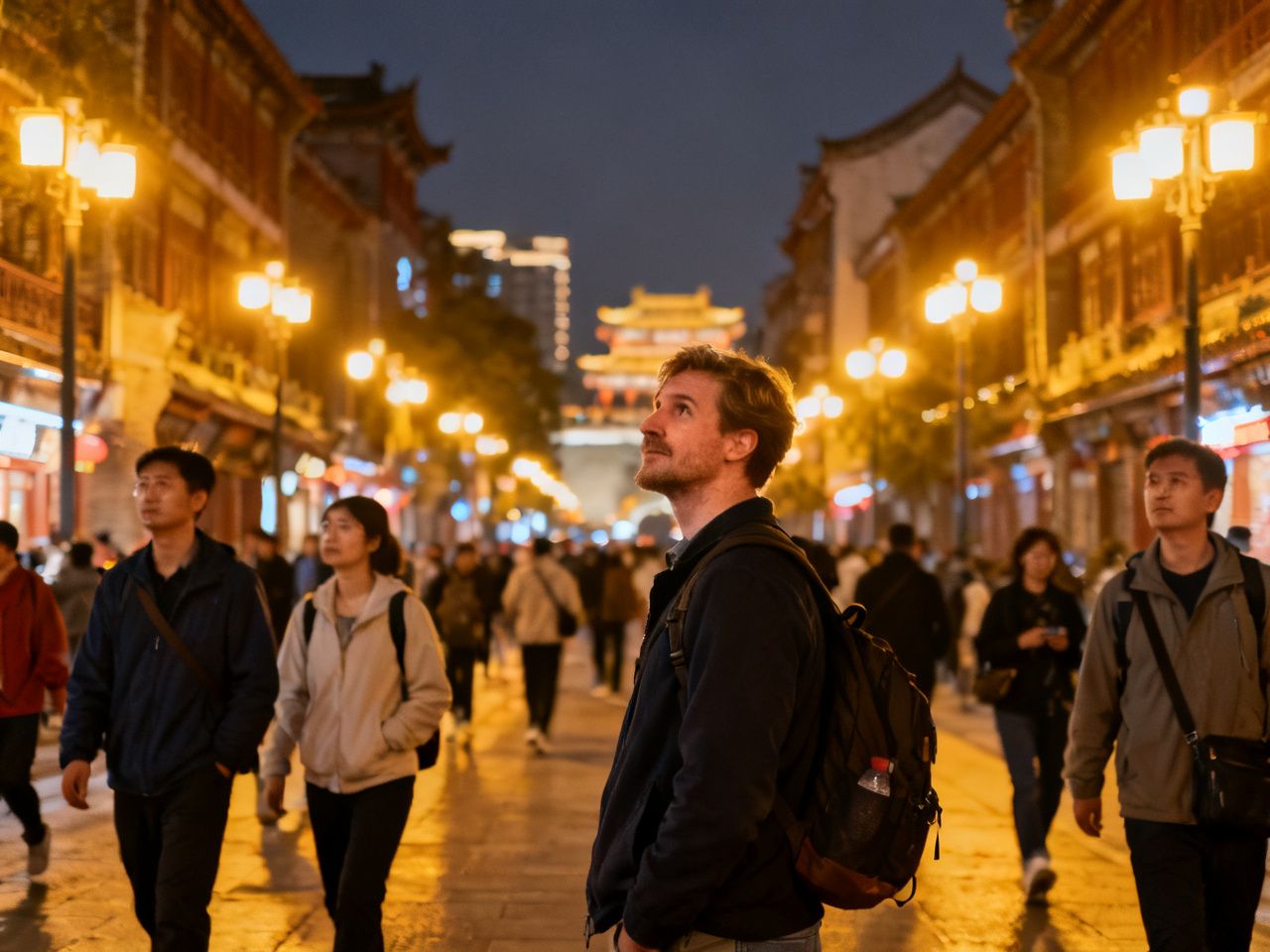
后来我给自己定了一个新规则:在重庆,先问“我要去的地方和我现在是不是同一高度”,再问“它离我多远”。这条规则看起来好笑,却极其有效。我开始更认真看商场导视、地铁出口说明、天桥的连接方向,以及扶梯是把我送往更接近目的地的层级,还是只是把我带进另一个商业空间。慢慢地,我发现重庆并没有别人说得那么“魔幻”,它只是要求你在走之前多做一步空间判断。只要接受这个前提,很多原本令人沮丧的绕路,都能变成可理解的系统。
Later I gave myself a new rule: in Chongqing, ask first whether the place I want and the place I am standing occupy the same height, and only then ask how far apart they are. The rule sounds almost funny, but it was extremely effective. I began paying closer attention to mall directories, metro exit descriptions, bridge connections, and whether an escalator was taking me toward the level of my destination or merely into another commercial space. Slowly I discovered that Chongqing was not as “magical” or chaotic as people liked to claim. It simply requires one extra stage of spatial judgment before walking. Once I accepted that, many detours that had felt frustrating became understandable parts of a system.
这个变化也让我在体力管理上轻松很多。以前看见地图上只有八百米,我会本能地选择步行;在重庆,这个判断常常不够。八百米如果包含连续下坡、再绕回上坡、再穿过一段复杂平台,消耗感可能比坐一站轨道交通还大。尤其对白天已经走了不少、晚上还想继续吃饭和逛街的外国人来说,误判高差会让疲惫来得很突然。后来我学会了在出发前先看三个东西:高差大不大、出口层级对不对、如果走错有没有容易回头的公开空间。只要这三点心里有数,我就不容易在半途情绪崩掉。
The change also made stamina management much easier for me. In the past, if the map showed only eight hundred meters, I would instinctively choose to walk. In Chongqing, that judgment is often incomplete. Eight hundred meters with repeated downhill sections, a return climb, and a confusing elevated platform may cost more energy than riding one stop on rail transit. For foreigners who have already walked a lot by day and still want to eat and wander at night, misjudging height differences can bring fatigue very suddenly. Later I learned to check three things before moving: how big the elevation change was, whether the exit level matched my target, and whether there would be an easy public place to reset if I went wrong. As long as I had those three points in mind, I was far less likely to emotionally crash halfway.
有一次这个方法真的救了我。那天晚上我准备去看洪崖洞夜景前,先在附近找点东西吃。导航给我两条路,一条看起来更短,一条看起来稍绕。我先看出口说明,发现短路线要经过一段我不熟的连桥和上下切换,而长一点的路线虽然多走几分钟,却几乎都在明亮、连续、有人流的街面。最后我选了后者。事实证明那是更好的选择:我一路都知道自己在第几层,也看得见便利店、路口和能停下来重新确认的位置。这种体验让我想到街头安全不是逞强走最短,而是选择更清楚的环境。重庆尤其如此,因为“最短”常常只是地图上的假象。
One night this method genuinely saved me stress. Before going to see Hongyadong lit up after dark, I wanted to eat something nearby. My map offered two routes, one that looked shorter and one that seemed slightly longer. I checked the exit notes first and realized the shorter one involved an unfamiliar bridge connection and several level changes, while the longer one took a few more minutes but remained mostly on bright, continuous, populated street level. I chose the second option. It proved to be the better one: the whole way, I knew which level I was on, and I could see convenience stores, intersections, and places where I could stop to reconfirm the route. The experience reminded me of the idea in everyday street safety is not about forcing the shortest route, but choosing the clearest environment. Chongqing makes that lesson especially obvious because “shortest” is often just a map illusion.
我后来给第一次去重庆的朋友总结过几条特别实用的原则。第一,不要只截图店铺地址,还要截图地铁出口编号和商场楼层提示。第二,如果一个地方在商圈内部,先确认它是街面入口、平台入口还是商场内部入口。第三,晚上或下雨天,宁可选明亮、平稳、能随时重新判断的路线,也别为了省三分钟去赌复杂近道。第四,如果导航开始飘,不要边走边硬猜,先停在一个清楚的点上重新看。第五,别把改坐一站车当成失败,在重庆,少走一段错误的坡,就是很成功的决定。
Later I summarized a few very practical rules for friends visiting Chongqing for the first time. First, do not screenshot only the address of a place; also save the metro exit number and any floor guidance from the mall or district. Second, if a destination sits inside a commercial cluster, confirm whether the entrance is at street level, platform level, or inside a building. Third, at night or in rain, choose bright, stable routes where you can easily recalculate, rather than gambling on a complicated shortcut to save three minutes. Fourth, if navigation starts drifting, do not keep walking and guessing at the same time; stop at a legible point and check again. Fifth, do not treat taking one station of transport as failure. In Chongqing, avoiding one wrong slope can be a very successful choice.
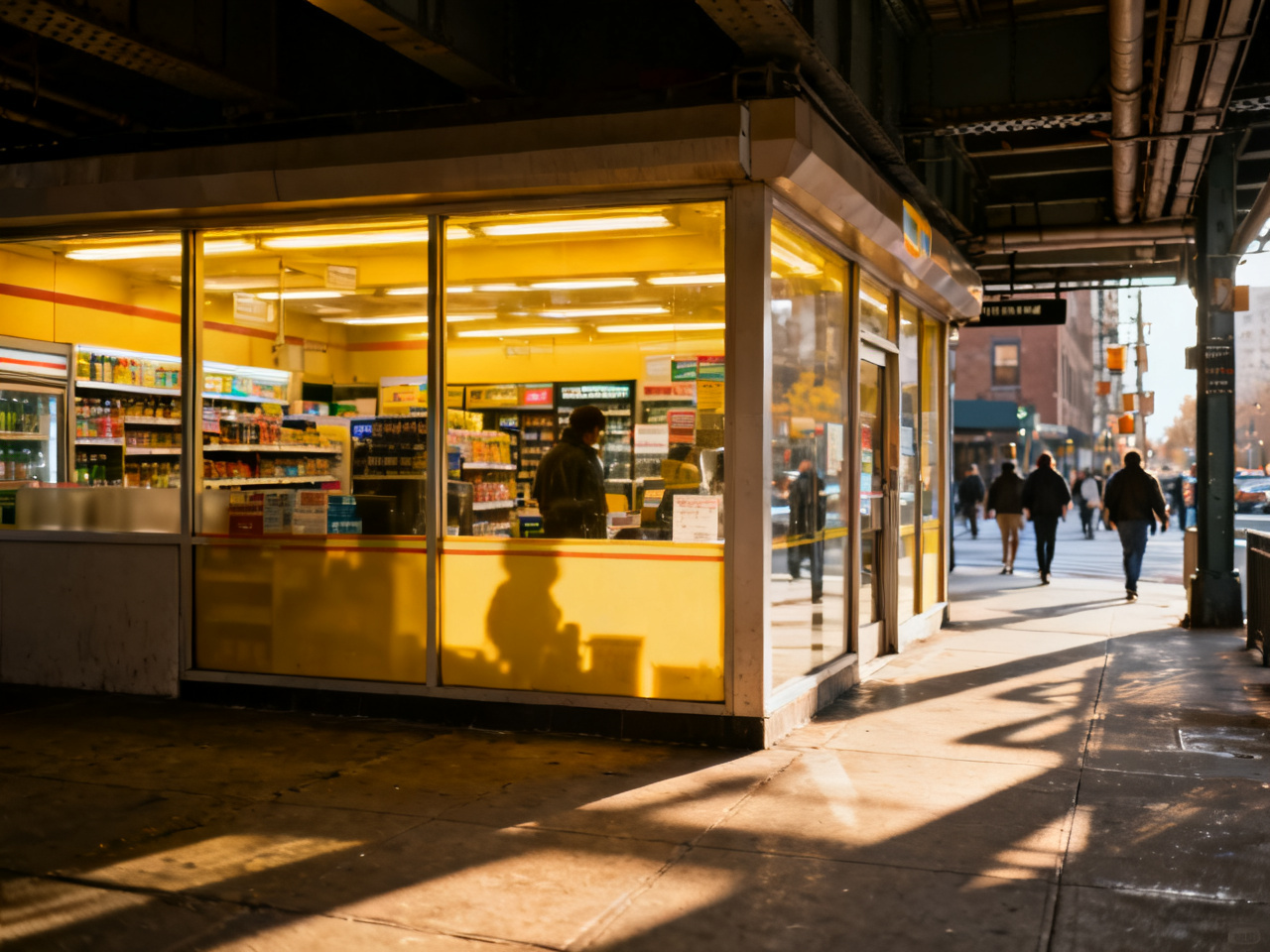
后来我真的走到那家小面馆时,店里只剩几张空桌,门口还能看见远处一层层亮起来的楼和桥。我坐下时的轻松感,和吃到什么味道几乎同样重要。因为我终于明白,重庆真正考我的不是体力,而是愿不愿意先承认这座城市和我熟悉的平面逻辑不同。只要我接受这一点,很多焦虑都能提前消掉。对外国旅行者来说,这样的变化很宝贵:你不必装作自己完全不会迷路,也不必把每一次绕路都看成挫败。你只是慢慢学会,在一座垂直城市里先读楼层关系,再读地图距离。等这个顺序练熟之后,重庆就不再只是“很复杂”的城市,而会变成一座你能够逐步合作、逐步看懂的城市。
When I finally reached that noodle shop, only a few tables were still empty, and from the doorway I could see distant layers of illuminated buildings and bridges. The relief I felt while sitting down mattered almost as much as the food itself. I had finally understood that Chongqing was not testing my stamina as much as my willingness to admit that its urban logic differed from the flat logic I knew best. Once I accepted that, much anxiety could be removed in advance. For foreign travelers, this is valuable: you do not need to pretend you will never get lost, and you do not need to interpret every detour as failure. You are simply learning, step by step, to read vertical relationships before map distance in a vertical city. Once that order becomes familiar, Chongqing stops being merely “complicated” and becomes a city you can gradually cooperate with and gradually understand.
- 手机支付失败后我学会准备备用方案 | After My Mobile Payment Failed, I Learned to Prepare a Backup Plan in China
- 中国八大菜系全览 | The 8 Great Cuisines of China
- 西藏拉萨朝圣之旅:布达拉宫与大昭寺 | Lhasa Pilgrimage: Potala Palace & Jokhang Temple
- 路边那口锅,才是一座城市的真心话 | The Roadside Wok Doesn't Lie
- 花椒烫过舌尖之后,你才算见过川菜 | Sichuan Cuisine Begins Where the Pepper Numbs You
- 下车后先找薄外套,我在六盘水重新学会看天气 | I Looked for a Light Jacket First and Learned to Read the Weather in Liupanshui
- 十二月的中国:北方玩雪,南方过冬 | December in China: Snow Up North, Warmth Down South
- 围炉而坐,这顿饭没有终点 | The Meal That Never Ends: China's Hot Pot Ritual
- 十一月最适合旅游的城市 | Best Chinese Cities to Visit in November
- 泉州古城不适合一口气走完:我把海丝路线拆成几次停留 | Quanzhou Old City Is Not a One-Sitting Walk
Comments (0)