
我在上海学会先看地铁口周边,再决定在哪家咖啡馆坐下 | In Shanghai I Learned to Read the Metro Exit Area Before Choosing a Café
我在上海学会先看地铁口周边,再决定在哪家咖啡馆坐下 | In Shanghai I Learned to Read the Metro Exit Area Before Choosing a Café
我第一次在上海认真找“能坐着工作半天的地方”,并不是从大众点评评分开始的,而是从地铁口出来那十几秒钟的观察开始的。那天上午有点闷,南京西路一带的风被高楼切得断断续续,我背着电脑,手里还拎着一瓶刚买的水。地图上附近明明有很多咖啡馆,可我站在出口边时还是犹豫了:哪一家适合真正坐下来处理事情,哪一家只是适合拍照、适合快速喝完就走,哪一条路在中午以后会变得过于拥挤,哪一边在下雨时更方便撤回地铁。后来我才明白,外国人在中国城市里找临时工作点,判断顺序其实很重要,先看出口周边环境,再看店名和评分,往往比反过来更省力。
The first time I seriously tried to find a place in Shanghai where I could sit and work for half a day, I did not begin with review scores. I began with the first few seconds after stepping out of the metro. The morning felt humid, the wind along Nanjing West Road was cut into fragments by tall buildings, and I had a laptop on my back and a bottle of water in my hand. The map clearly showed many cafés nearby, yet I still hesitated. Which one was suitable for actually settling down with work, and which one was mainly for photos or a quick drink? Which side of the street would become too crowded after noon, and which path would let me retreat easily to the metro if it rained? Later I understood that for a foreigner trying to build a temporary work rhythm in a Chinese city, the order of judgment matters. Reading the exit area first, then choosing the café, is often far easier than doing it the other way around.
我以前常犯一个错误:一看到附近有名气大的店,就直接走过去,心里默认“热门 = 好坐 = 安全 = 稳定”。可上海这种大城市很快把我教育了。热门店当然不一定不好,但热门常常意味着两件事:一是翻台快,二是人流复杂。对一个只想安静处理邮件、充电、顺手吃点东西的旅行者来说,这两点都可能带来额外负担。所以我后来给自己定了一条简单规则:先站在地铁口边上看一分钟,确认周边有没有便利店、商场洗手间、能坐下的公共区域、打车上客点和明显的行人主流方向,然后再决定往哪边走。这个习惯和先把一天过顺,再谈看多少的思路很像,也和先把安全感建立在日常细节上那篇文章里说的逻辑一致:真正的稳定感,往往不是靠一个完美选择,而是靠你提前看见退路。
I used to make the same mistake again and again. If I saw a famous café nearby, I walked there immediately and assumed that popular automatically meant comfortable, safe, and stable. Shanghai corrected that assumption very quickly. A popular place is not necessarily bad, but popularity usually brings two things: rapid table turnover and a more complicated flow of people. For a traveler who simply wants to answer emails, charge devices, and maybe eat something small, both can become extra burdens. So I made a simple rule for myself: stand by the metro exit for one minute first. Check whether there is a convenience store nearby, a mall restroom, a place to sit in public, a clear taxi pickup point, and an obvious main pedestrian flow. Only then decide which direction to walk. This habit feels close to the logic in getting the day into a smooth rhythm before trying to do too much, and it also matches what building safety through daily details argues. Real steadiness often comes not from one perfect choice, but from seeing your backup options early.
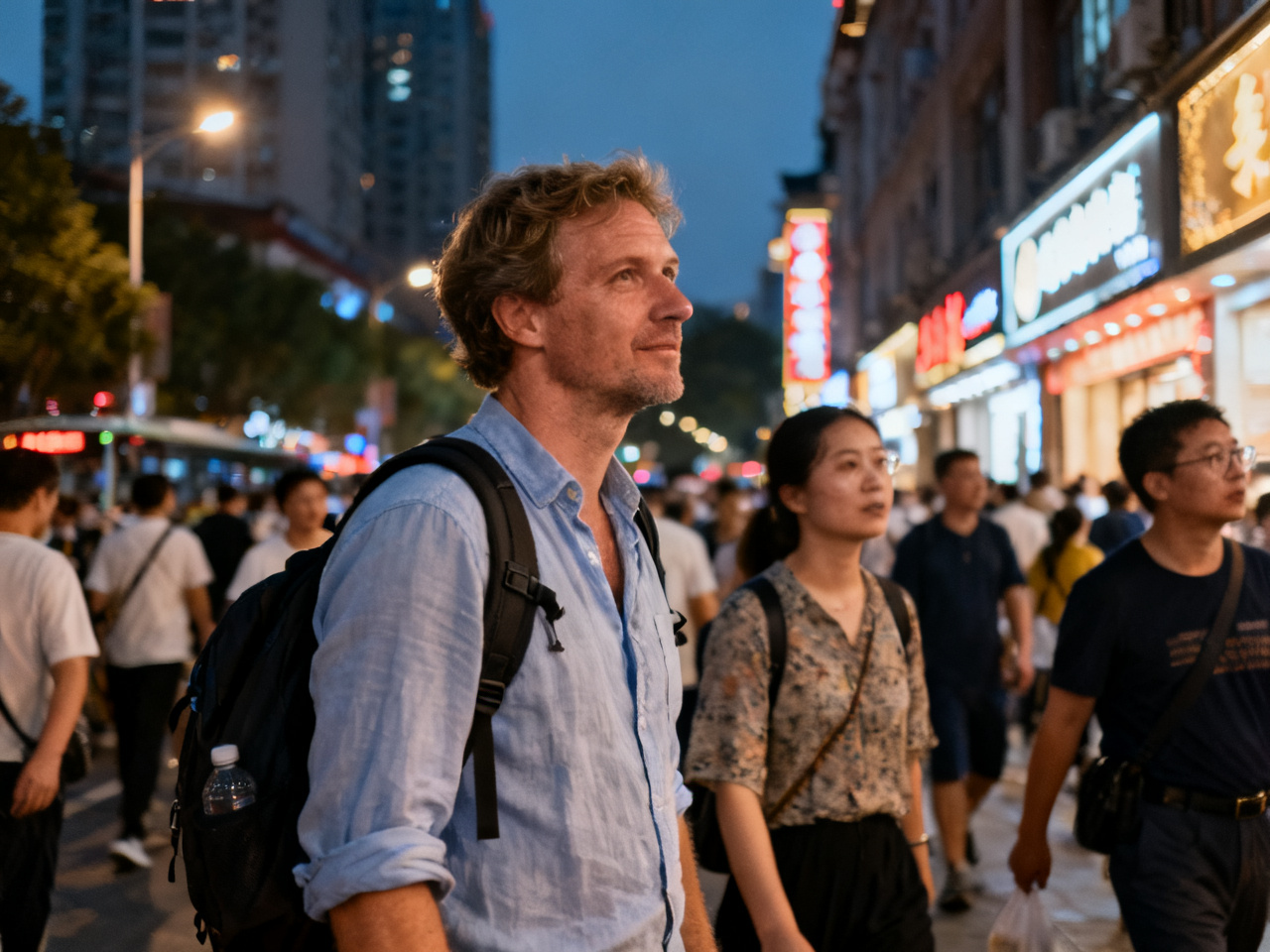
那次我最后没有选离出口最近的那家网红咖啡馆。不是因为它不好,而是因为门口一直有人等位,取餐区和出入口挤在一起,店里每隔几十秒就会有人拉着箱子进出。我转而去了稍远一点的一家,靠商场侧门,玻璃窗外能看见树影,里面桌距更宽,洗手间在同层走廊尽头,离便利店也不过两分钟。坐下后我才意识到,我真正买到的不是那杯咖啡,而是一段低摩擦的城市时间。外国人在中国旅行时,很多时候需要的不是“最值得推荐”的点,而是“最不消耗判断力”的点。尤其当你身上背着电脑、证件、移动电源,又还要处理导航和付款时,这种差别会非常明显。
That day I did not choose the trendy café closest to the exit. It was not because it was bad. It was because people were constantly waiting outside, the pickup area and entrance were squeezed together, and every few seconds someone dragged a suitcase in or out. Instead, I went to another place slightly farther away, beside a mall side entrance. Through the window I could see tree shadows, the distance between tables was wider, the restroom was at the end of the corridor on the same floor, and a convenience store was only two minutes away. Once I sat down, I realized I had not really paid for coffee. I had paid for a stretch of low-friction city time. For foreigners traveling in China, what we often need is not the most recommended spot, but the spot that consumes the least judgment energy. If you are carrying a laptop, documents, and a power bank while also dealing with navigation and payment, the difference becomes very clear.
我后来越来越会通过几个小细节判断一家店适不适合“暂时把自己安放进去”。第一,看门口动线。如果点单的人、外卖骑手、等位的人和进门的人都卡在一起,我通常不会进去。第二,看桌面大小和插座位置,不是因为我要“占位置”,而是因为临时办公需要把动作做顺,电脑、手机、杯子和纸巾至少得能同时放下。第三,看背景噪音的类型。音乐大不一定糟,真正让我头疼的是不断被打断的尖锐噪音,比如机器提示、外卖喊号和窄门反复开关。第四,看撤退成本:如果坐下二十分钟后发现不适合,我能不能很轻松地换到另一家店或回地铁。这种判断方式,和通过小动作建立融入感的经验很像——你不是在追求一次神奇适应,而是在训练自己和环境合作。
Over time, I learned to judge whether a café was suitable for temporarily placing myself inside it by reading a few small signals. First, the entrance flow. If customers ordering, delivery riders waiting, people queuing, and people entering are all trapped together, I usually do not go in. Second, the table size and outlet position. Not because I want to occupy space, but because temporary work only feels smooth when my actions are smooth: laptop, phone, cup, and tissues should all fit without stress. Third, the kind of background noise. Loud music is not necessarily the problem. What wears me down is sharp interruption noise: machine alerts, order numbers shouted repeatedly, and a narrow door opening and closing all the time. Fourth, the cost of retreat. If after twenty minutes I realize the place does not work, can I easily move to another one or go back to the metro? This way of judging a place feels similar to building a sense of integration through small actions. You are not searching for magical adaptation. You are training yourself to cooperate with the environment.
有一次我在静安寺附近就吃过没看周边的亏。那天下午我只顾着追一家评分很高的店,进门后才发现它虽然装修漂亮,但桌子小得刚好只能放一杯饮料,插座被一对长聊的情侣占着,厕所还要穿过一段人特别多的共享空间。更糟的是,天快下雨时门口的人流一下子涨起来,我连收电脑都觉得狼狈。最后我站在商场檐下重新整理背包时,突然意识到这根本不是“运气不好”,而是我一开始就跳过了最关键的判断层。上海给我的一个重要教训就是:地图上的便利,不一定等于身体上的便利;评分高,也不一定等于节奏适合你。
Once near Jing’an Temple, I paid the price for ignoring the surroundings. That afternoon I chased a highly rated café and only after entering did I discover that although the design was beautiful, the tables were barely large enough for one drink, the outlets were occupied by a couple in a long conversation, and the restroom required crossing a crowded shared space. Worse, once rain was about to start, the entrance traffic suddenly swelled, and even packing my laptop felt awkward. As I stood under the edge of the mall roof reorganizing my bag, I realized this was not bad luck at all. I had skipped the most important layer of judgment from the beginning. One major lesson Shanghai taught me is this: convenience on the map is not always convenience for the body, and a high rating does not necessarily mean a rhythm that fits you.
如果你也会在中国城市里一边旅行一边找地方处理事情,我现在会给你几个很实用的建议。先看出口出来以后五十米范围内有没有第二选择,不要把第一家店当成唯一方案。尽量优先商场边、写字楼边、地铁主出口附近那种信息公开、撤退容易的点。进店前看一眼玻璃门里的人是不是大多只坐十分钟,还是明显有人能稳定待更久。坐下前先把支付、充电、厕所、离开路线这些小问题想清楚,后面反而更自由。还有一点特别重要:如果你已经很累,就不要为了“更文艺”或者“更本地”勉强自己钻进一个判断成本很高的空间。旅行里的稳定,比风格正确更值钱。
If you also travel through Chinese cities while trying to find places to handle practical tasks, I now have a few useful suggestions. First, check whether there is a second option within fifty meters of the exit. Do not treat the first café as the only plan. Whenever possible, prefer places near malls, office towers, or major metro exits where information is public and retreat is easy. Before entering, glance through the glass and notice whether most people stay only ten minutes or whether the place clearly supports longer sitting. Before settling down, think through payment, charging, restroom access, and how you will leave. Once those small questions are settled, you actually become much freer. One more point matters a lot: if you are already tired, do not force yourself into a high-judgment environment just because it looks more stylish or more local. Stability in travel is worth more than performing the right aesthetic.
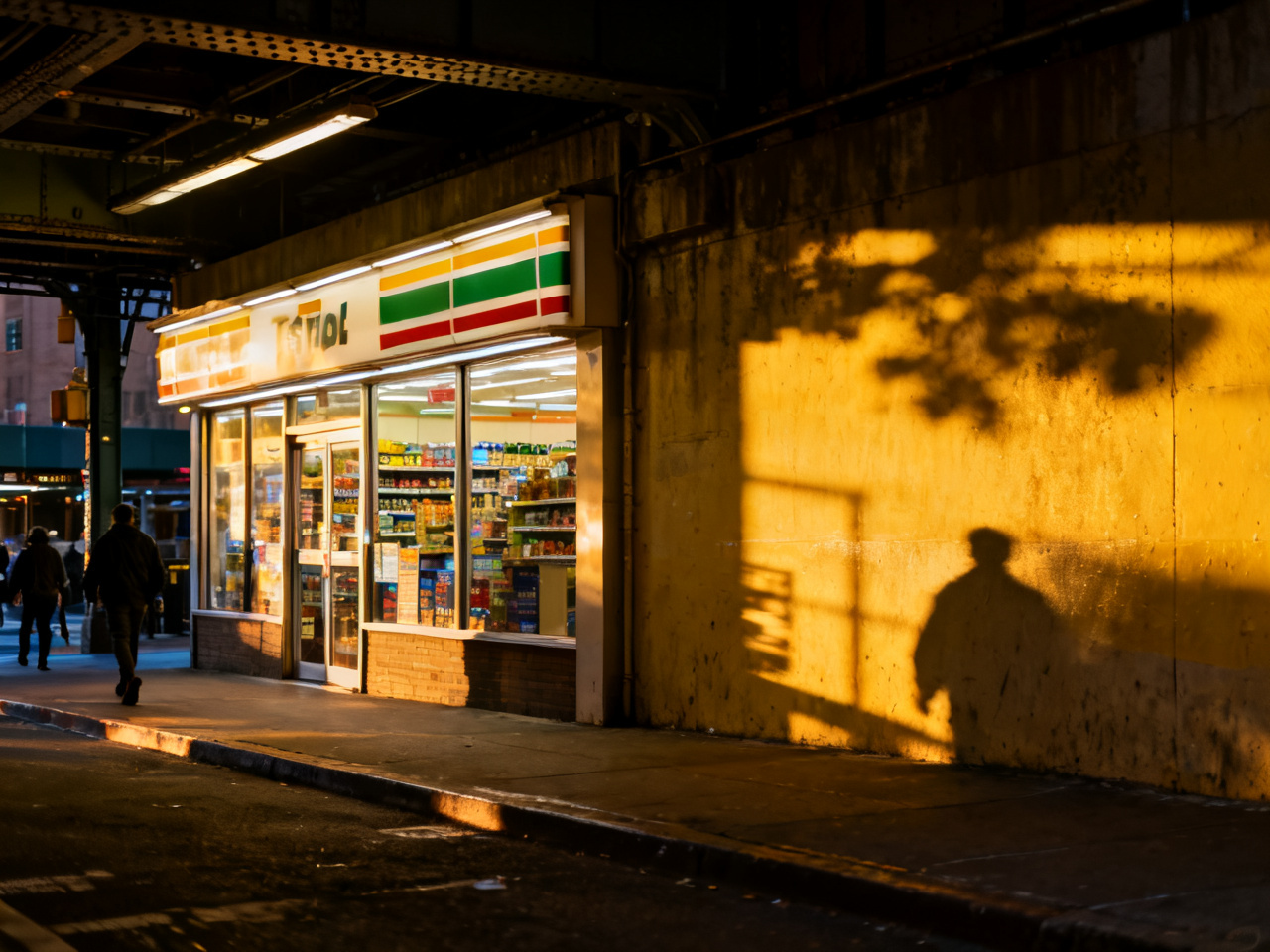
那天下午我最后在窗边坐了将近四个小时。中间出去买了一次水,顺手看了一眼同层有没有安静角落;后来雨真的下起来,我也没有慌,因为我已经知道最近的出口、最近的便利店和回地铁的路线都在哪里。傍晚收电脑时,玻璃外的路灯刚亮,树叶在雨后反光,我忽然觉得,自己在上海学到的并不只是“怎么选咖啡馆”。更准确地说,我学会了在一座信息很多、选择很多、诱惑也很多的中国城市里,先帮自己把判断顺序排好。顺序一旦对了,陌生感就会小很多,连一杯普通的咖啡都能变成一种安稳的落脚方式。
In the end, I sat by the window for almost four hours that afternoon. At one point I stepped out to buy water and casually checked whether there were any quiet corners on the same floor. Later, when the rain really arrived, I did not panic, because I already knew where the nearest exit was, where the nearest convenience store was, and how to get back to the metro. When I packed up at dusk, the streetlights outside had just come on and the wet leaves were reflecting the light. I suddenly felt that what Shanghai had taught me was not only how to choose a café. More precisely, it had taught me how to arrange the order of my judgments inside a Chinese city full of information, options, and temptation. Once that order is right, unfamiliarity shrinks, and even an ordinary cup of coffee can become a steady place to land.
- 在中国用手机支付:支付宝和微信支付外国人能用吗? | Mobile Payments in China: Can Foreigners Use Alipay and WeChat Pay?
- 灯彩作坊里的一小时:我第一次发现光也可以被“做出来” | In a Lantern Workshop: The First Time I Realized Light Can Be Crafted by Hand
- 传统服饰购买指南:网购与实体店推荐 | Where to Buy Traditional Chinese Clothing
- 我在重庆学会先看楼层关系,再看地图距离 | In Chongqing I Learned to Read Vertical Space Before Map Distance
- 扬州早茶的一场耐心训练 | A Lesson in Patience at Yangzhou Morning Tea
- 在南宁,真正安抚一天疲惫的常常只是一桌家常晚饭 | In Nanning, What Often Soothes the Day Is Simply a Home-Style Dinner Table
- 我在中国黄昏公园里学会一个人坐着,不急着把空白填满 | In a Chinese Park at Dusk, I Learned to Sit Alone Without Rushing to Fill the Silence
- 苏州不是靠滤镜取胜的城市,先后顺序一错,再美也会被看空 | Suzhou Is Not a City Won by Filters; Get the Sequence Wrong and Even Beauty Goes Flat
- 广州雨后那条骑楼街,让我重新理解城市散步 | A Rain-Washed Arcade Street in Guangzhou Changed How I Understand City Walks
- 热海蒸汽打湿车票后,我把腾冲行程缩短了 | Steam at Rehai Wet My Ticket and Made Me Shorten the Tengchong Plan
Comments (0)