
在中国打车这件事,没你想的那么难 | Ride-Hailing in China: Easier Than You Think
在中国打车这件事,没你想的那么难 | Ride-Hailing in China: Easier Than You Think
手机屏幕亮起,地图上一个小绿点正朝你移动——三分钟后,一辆白色比亚迪停在路边,司机已经帮你把后备箱打开了。这就是2025年在中国打车的日常:快、便宜、几乎不需要说话。
Your phone lights up, a little green dot gliding toward you on the map — three minutes later, a white BYD pulls up and the driver has already popped the trunk. That's everyday ride-hailing in China circa 2025: fast, cheap, and you barely need to speak.
两大平台,各有脾气
滴滴出行是绝对的老大哥,市场份额超过70%。打开App,输入目的地,系统自动匹配快车、优享、专车等不同档次。快车最便宜,起步价大约在10-13元之间,每公里1.6-2.5元不等,具体看城市。北京机场到三里屯,大约80-120元;上海虹桥到外滩,60-90元。
Didi Chuxing is the undisputed king, holding over 70% market share. Open the app, type your destination, and the system matches you with Express, Premier, or Luxury tiers. Express is cheapest — base fare around 10-13 RMB, per-kilometer rates of 1.6-2.5 RMB depending on the city. Beijing airport to Sanlitun runs about 80-120 RMB; Shanghai Hongqiao to the Bund, 60-90 RMB.
高德打车是另一个狠角色。它本身不养车队,而是聚合了几十家中小平台的运力,一键叫车能同时呼叫多个平台,谁先接单谁来。价格有时比滴滴还低一截,尤其在二三线城市。我在成都试过,同样的路线高德比滴滴便宜了将近8块钱。
Amap (Gaode) ride-hailing is the other heavy hitter. It doesn't own fleets — instead it aggregates dozens of smaller platforms, so one tap pings multiple services simultaneously and whoever accepts first gets the job. Prices sometimes undercut Didi, especially in second- and third-tier cities. I tested the same route in Chengdu once and Amap came in nearly 8 RMB cheaper.
外国护照也能用,但要过几道坎
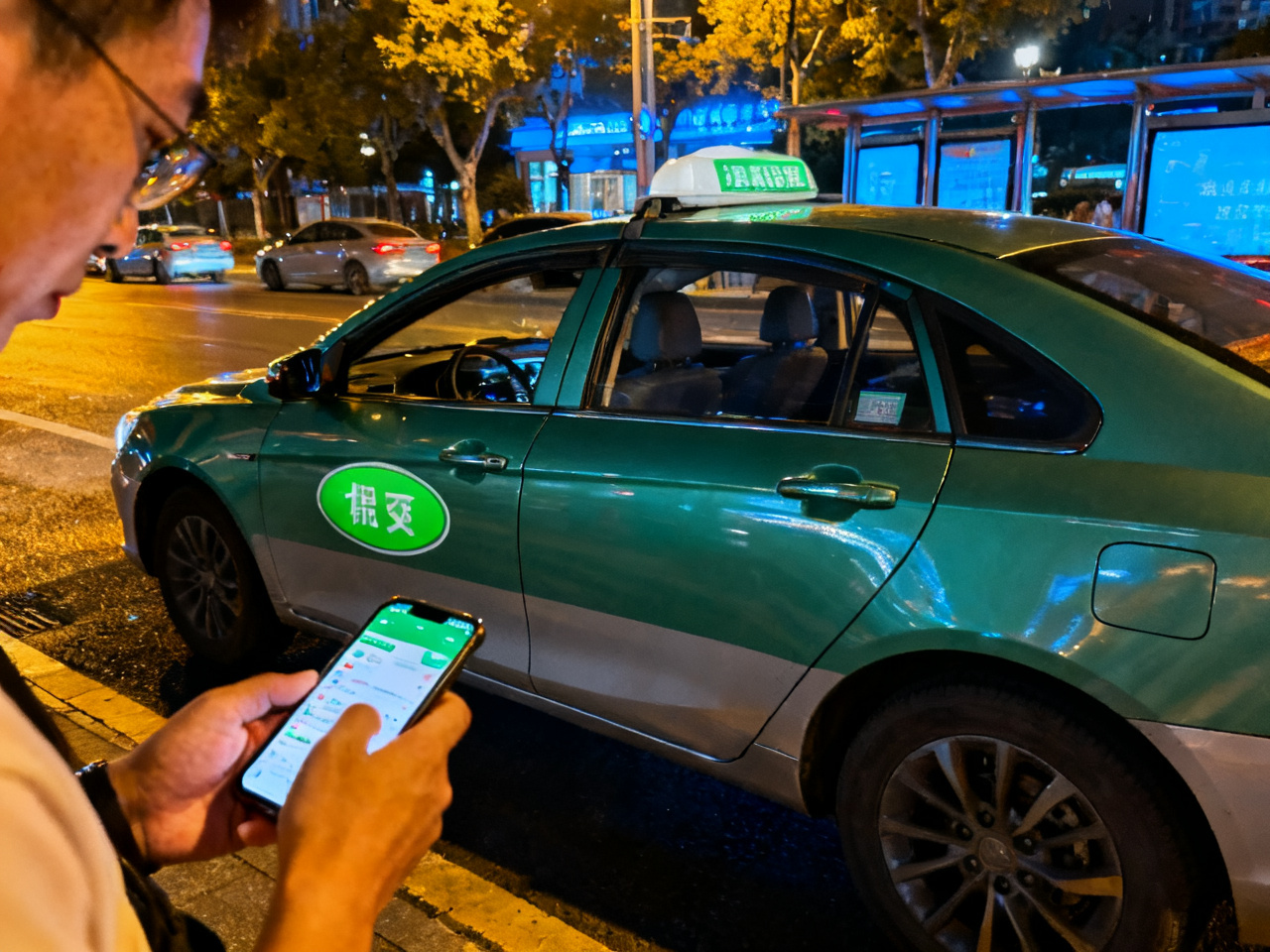
如果你第一次来中国,注册滴滴需要一个中国手机号和支付方式。好消息是,滴滴国际版已经支持Visa/Mastercard绑定,界面也有英文。坏消息是,国际版在某些城市覆盖不全,高峰期可能叫不到车。
If it's your first time in China, registering for Didi requires a Chinese phone number and a payment method. Good news: the international version of Didi now supports Visa/Mastercard binding with an English interface. Bad news: coverage in some cities is patchy, and you might struggle during rush hour.
实测建议:落地后先买一张本地SIM卡,用中国手机号注册国内版滴滴,绑定微信支付或支付宝。如果你之前遇到过被拒收现金的尴尬,就知道移动支付在中国有多重要了。整个过程大约20分钟搞定,之后打车体验和本地人完全一样。
Practical tip: grab a local SIM card after landing, register the domestic Didi app with your Chinese number, and link WeChat Pay or Alipay. If you've ever experienced the awkwardness of having cash refused, you already know how essential mobile payment is here. The whole setup takes about 20 minutes, and after that your ride-hailing experience is identical to a local's.
车上那些事:安全与潜规则
中国网约车的安全机制在经历了2018年的几起恶性事件后大幅升级。现在每趟行程都有全程录音,滴滴还加入了行程分享、一键报警和人脸识别验证司机身份的功能。根据交通运输部2024年数据,全国网约车日均订单量超过3000万单,投诉率低于万分之一。
Safety mechanisms in Chinese ride-hailing were massively upgraded after several serious incidents in 2018. Every trip now has full audio recording; Didi also added trip-sharing, one-tap emergency calling, and facial recognition to verify driver identity. According to 2024 data from the Ministry of Transport, daily ride-hailing orders nationwide exceed 30 million, with a complaint rate below 0.01%.
几个实用细节:上车前核对车牌号和司机头像,这是基本操作。深夜打车建议选专车而非快车,司机素质更稳定。如果语言不通,直接把目的地用中文打在屏幕上给司机看——比手舞足蹈有效一百倍。高速费和过桥费由乘客承担,App会提前显示预估价格,不会有"惊喜账单"。
A few practical details: verify the license plate and driver photo before getting in — that's basic. For late-night rides, choose Premier over Express for more consistent driver quality. If there's a language barrier, just type your destination in Chinese and show the screen to the driver — a hundred times more effective than charades. Highway tolls and bridge fees are on the passenger, but the app shows estimated costs upfront, so no surprise bills.
出租车没死,只是换了个活法
别以为网约车杀死了传统出租车。在很多城市,出租车已经接入了滴滴和高德平台,你线上叫到的可能就是一辆出租车。区别在于出租车打表计费,价格透明但不能提前锁定。在广州,出租车起步价12元/2.5公里,之后每公里2.6元——和网约车快车几乎持平。
Don't assume ride-hailing killed traditional taxis. In many cities, taxis have joined Didi and Amap platforms, so the car that shows up to your online request might well be a cab. The difference is taxis run on meters — transparent pricing but no fare lock-in. In Guangzhou, taxi base fare is 12 RMB for 2.5 km, then 2.6 RMB per km after that — nearly on par with Express ride-hailing.
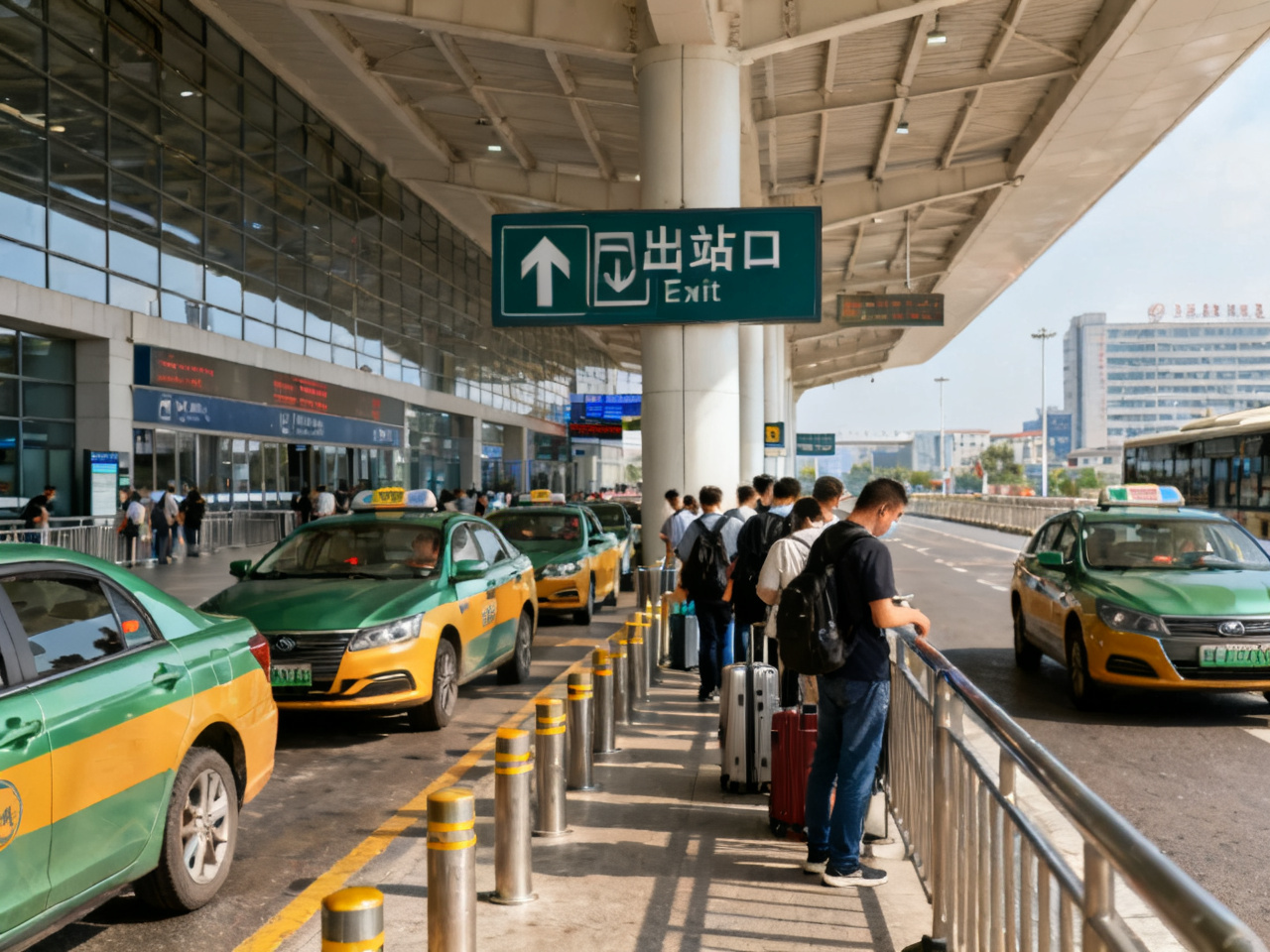
一个冷知识:在机场和火车站,排队打出租车有时反而比叫网约车快。因为网约车有指定上客点,经常要走很远才能到,而出租车候车区就在出口旁边。我在重庆江北机场就吃过这个亏,叫了滴滴结果走了十五分钟才找到上车点,早知道直接排队了。
Here's a lesser-known fact: at airports and train stations, queuing for a taxi is sometimes faster than hailing a car online. Ride-hailing pickup points are often far from the terminal, while taxi stands sit right by the exit. I learned this the hard way at Chongqing Jiangbei Airport — called a Didi and spent fifteen minutes finding the pickup zone. Should've just queued.
最后一点真心话
中国的打车生态是全世界最成熟的之一。价格低、效率高、覆盖广,对旅行者来说是真正的福音。唯一的门槛就是那个初始设置——手机号、支付、App下载。跨过这道坎,整个中国的城市交通就在你指尖。根据交通运输部官网的公开数据,2024年全国网约车平台已达300多家,持证司机超过700万人。这个系统每天都在运转,等你来用。
China's ride-hailing ecosystem is among the most mature in the world. Low prices, high efficiency, broad coverage — a genuine blessing for travelers. The only hurdle is that initial setup: phone number, payment, app download. Clear that bar, and urban transport across all of China is at your fingertips. According to public data on the Ministry of Transport website, over 300 ride-hailing platforms operated nationwide in 2024, with more than 7 million licensed drivers. The system runs every single day, waiting for you to hop in.

- 上海外滩与弄堂文化探索 | Shanghai: The Bund & Longtang Culture
- 皮影戏:光与影之间的千年叙事 | Shadow Puppetry: A Thousand Years of Storytelling Between Light and Shadow
- 广东广西10日海陆游 | 10-Day Guangdong-Guangxi Sea & Land Tour
- 五月第一次去北京,我是怎么把暴走行程改成舒适慢线的 | My First Beijing Trip in May: How I Turned an Exhausting Route into a Gentle Slow-Paced Plan
- 从高铁站到古镇,我终于不再慌:一条把换乘、寄存和吃饭都算进去的苏州落地路线 | From High-Speed Rail to Old Town Without Panic: My Suzhou Arrival Route with Luggage, Transfers, and Meals Built In
- 我第一次在中国寄快递,把纸箱、胶带和身份证明全学会了 | My First Time Shipping a Parcel in China: Boxes, Tape, and ID Checks
- 阿坝雨后的路面只给我半个答案 | Aba’s Wet Road Gave Me Only Half an Answer
- 给刚开始学中文的小朋友的一封信:别急着背太多字,先把“会开口”这件事练顺 | A Letter to Kids Starting Chinese: Don’t Rush to Memorize Too Many Characters Before You Learn to Speak Naturally
- 我在成都宽窄巷子喝盖碗茶:坐下来才看见成都节奏 | Sitting Down for Gaiwan Tea in Kuanzhai Alley, Chengdu
- 雨后的绍兴黄酒馆里,老板一句话让我重新理解“慢” | In a Shaoxing Yellow Wine Tavern After Rain, One Sentence Changed How I Understood Slowness
Comments (0)