
天黑了才是正片开始 | When the Sun Sets, the Real Show Begins — China's Night Economy
天黑了才是正片开始 | When the Sun Sets, the Real Show Begins — China's Night Economy
你有没有发现,中国的城市白天和晚上简直是两个物种?白天是写字楼、地铁、行色匆匆;一到傍晚六七点,街道像被施了魔法——霓虹亮起,烟火升腾,人群从地下冒出来,整座城市切换到另一个频道。
Have you noticed that Chinese cities by day and by night are practically two different species? Daytime means office towers, subways, hurried faces. But around six or seven in the evening, the streets transform as if by spell — neon flickers on, smoke rises from grills, crowds emerge from underground, and the whole city switches to a different channel.
夜市:胃的深夜派对
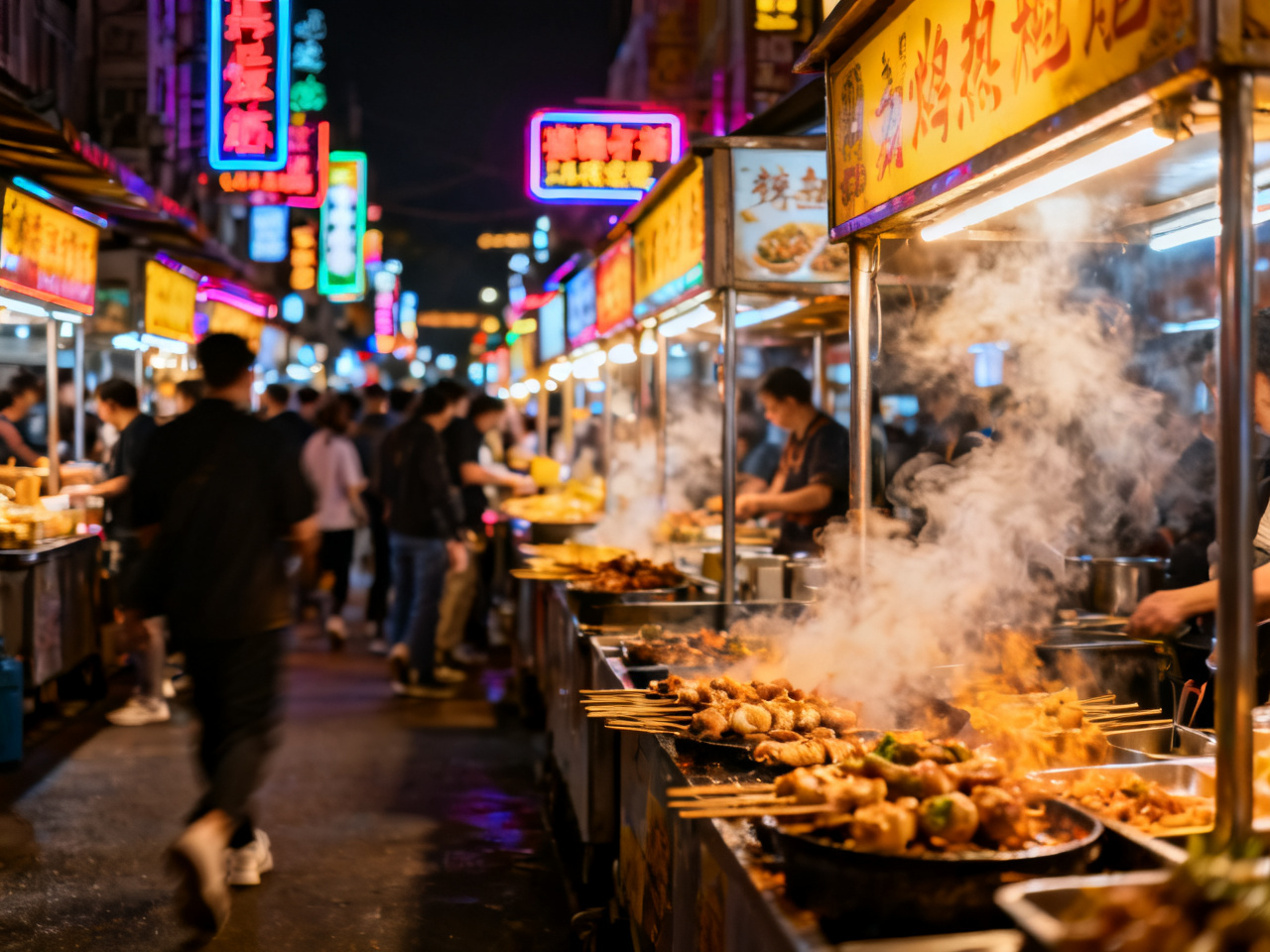
说到中国夜生活,绕不开夜市。但我们不聊那些被旅游攻略写烂了的地方,聊点真实的。长沙的扬帆夜市,每晚九点以后才进入高潮——臭豆腐摊前排着二十多人的队,糖油粑粑的甜香混着烤串的孜然味,空气都是黏稠的。摊主们的吆喝声此起彼伏,一个比一个大声,像在比赛。2024年长沙夜间消费占全市社会消费品零售总额的比重超过60%,这个数字在全国排名前三。
When it comes to Chinese nightlife, night markets are unavoidable. But let's skip the spots every travel guide has beaten to death and talk about something real. Changsha's Yangfan Night Market doesn't peak until after 9 PM — twenty-plus people queue at the stinky tofu stall, the sweet aroma of sugar oil baba mingles with cumin from kebab grills, and the air itself turns thick. Vendors holler over each other, each louder than the last, like a competition. In 2024, Changsha's nighttime spending accounted for over 60% of the city's total retail consumption — a figure ranking in the national top three.
西安的夜市又是另一种画风。回民街的灯笼在晚上格外好看,但本地人更爱去洒金桥和大皮院。羊肉泡馍的汤底熬了一整天,到了夜里味道最浓。一碗下去,从胃暖到脚底。
Xi'an's night markets paint a different picture. The lanterns on Muslim Quarter look especially gorgeous at night, but locals prefer Sajin Bridge and Dapi Yuan. The lamb broth for paomo has been simmering all day and reaches peak flavor by nightfall. One bowl warms you from stomach to toes.
夜游:当城市变成舞台
重庆的洪崖洞不用多说了,晚上看起来像《千与千寻》的现实版,每天吸引上万人打卡。但更让人惊艳的是各地兴起的沉浸式夜游项目。杭州西湖的"印象西湖"演出,张艺谋导演,水面就是舞台,灯光在湖面上画出整个白蛇传的故事。票价280-680元不等,旺季场场爆满。
Chongqing's Hongya Cave needs no introduction — at night it looks like a real-life Spirited Away set, drawing tens of thousands of visitors daily. But what's even more impressive is the wave of immersive night-tour projects popping up everywhere. Hangzhou's "Impression West Lake" show, directed by Zhang Yimou, uses the lake surface as its stage, with lights painting the entire Legend of the White Snake across the water. Tickets range from 280 to 680 RMB, and peak-season shows sell out consistently.
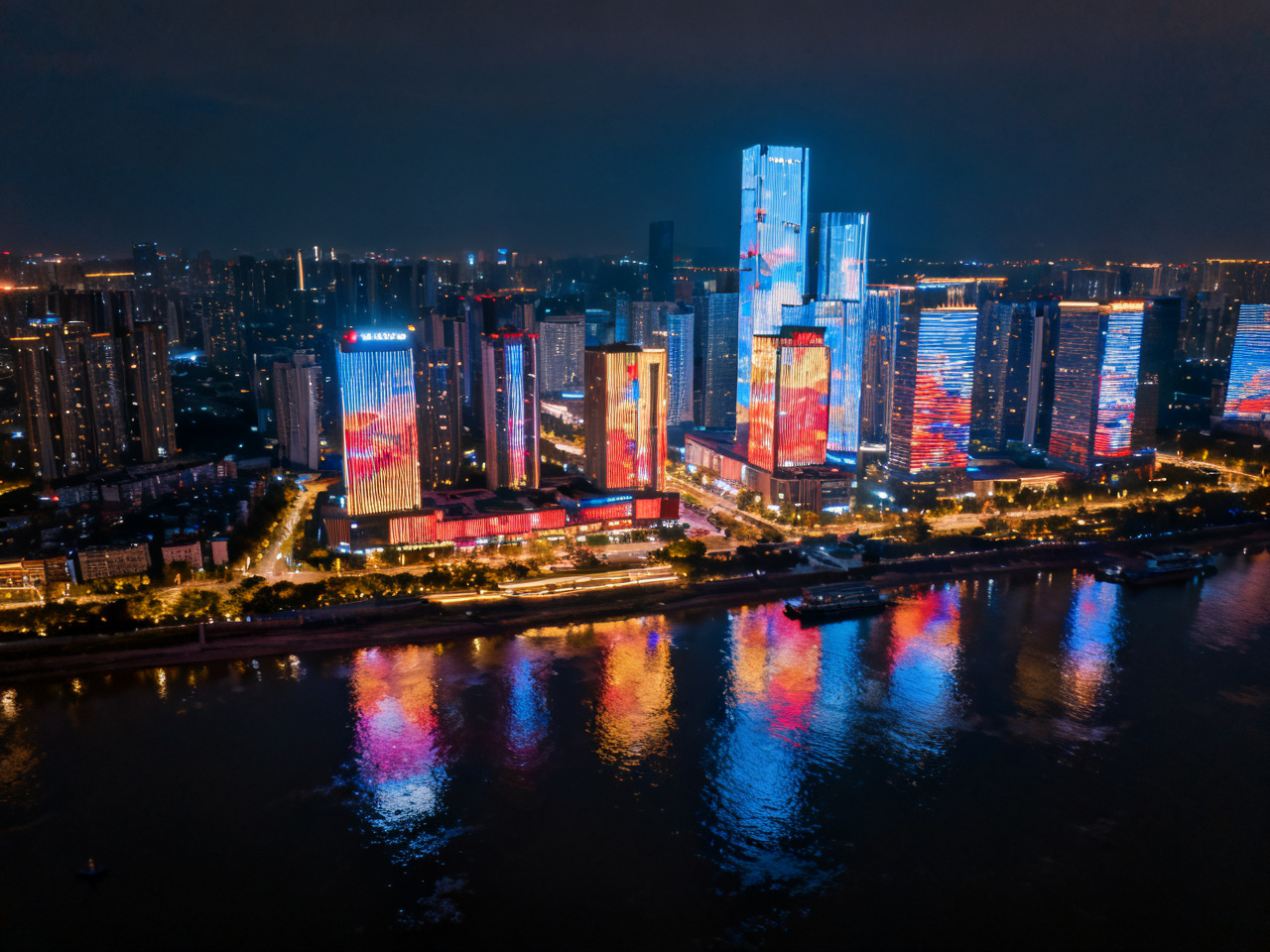
武汉的长江灯光秀则是免费的城市奇观。每晚七点半到九点半,两岸25公里的建筑外墙同步播放动画,主题随节日变换。国庆期间的"我爱你中国"主题,把整条江面映成红色,连对岸的人脸都能看清楚。据武汉市文旅局统计,灯光秀自2017年启动以来,累计吸引观众超过8000万人次。
Wuhan's Yangtze River light show is a free urban spectacle. Every evening from 7:30 to 9:30, building facades along 25 kilometers of both banks synchronize animated displays, themes rotating with holidays. During National Day, the "I Love You China" theme turns the entire river surface red, bright enough to make out faces on the opposite bank. According to Wuhan's Bureau of Culture and Tourism, the light show has drawn over 80 million cumulative viewers since its 2017 launch.
深夜食堂:凌晨两点的人间烟火
中国的"深夜食堂"不是日剧里那种安静的小店,而是热闹到让你怀疑这些人明天不用上班。北京簋街的小龙虾一条街,凌晨一点还在排队。成都的玉林路,火锅店营业到凌晨四点,空气里全是牛油的味道——如果你喜欢重庆火锅,成都的深夜火锅同样不会让你失望。广州的大排档更夸张,有些店干脆24小时营业,凌晨三点还有人在喝早茶——或者该叫"晚茶"?
China's "midnight diners" aren't the quiet little joints from Japanese dramas — they're so lively you'd wonder if these people have work tomorrow. Beijing's Gui Street crayfish row still has queues at 1 AM. Chengdu's Yulin Road keeps hotpot restaurants open until 4 AM, the air saturated with beef tallow — if you love Chongqing hotpot, Chengdu's late-night hotpot won't disappoint either. Guangzhou's dai pai dong take it further: some run 24 hours, with people doing dim sum at 3 AM — or should we call it "late tea"?
夜间经济的另一面
这些热闹背后是真金白银。根据国家统计局数据,2024年中国夜间经济规模突破50万亿元,占GDP比重持续上升。各地政府也在推波助澜——上海发布"夜生活首席执行官"制度,北京划定"夜京城"地标,成都评选"夜间经济示范点"。这不只是吃喝玩乐,而是一整套城市运营逻辑的转变。
Behind all this buzz is real money. According to National Bureau of Statistics data, China's night economy exceeded 50 trillion RMB in 2024, its share of GDP continuing to climb. Local governments are fanning the flames — Shanghai appointed "Nightlife CEOs," Beijing designated "Night Capital" landmarks, and Chengdu selected "Night Economy Demonstration Sites." This isn't just eating, drinking, and entertainment; it's a fundamental shift in how cities operate.
对旅行者来说,这意味着一件简单的事:别太早回酒店。中国城市的夜晚,才是最有人情味的时候。地铁末班车大约在十点到十一点之间,之后打车也很方便。如果你正在规划两周中国行,记得给每座城市至少留一个完整的夜晚。你会发现,天黑之后的中国,比白天更迷人。
For travelers, this means one simple thing: don't go back to the hotel too early. Chinese cities at night are at their most human. Last metro trains run between 10 and 11 PM, and ride-hailing is easy after that. If you're planning a two-week China trip, make sure to give each city at least one full evening. You'll find that China after dark is even more captivating than by day.
- 我在杭州把西湖走成一天慢电影:从晨雾到夜船都不赶 | I Turned West Lake into a Slow Day Film from Morning Mist to Night Boat
- 江南水乡7日慢行:苏州杭州乌镇 | 7-Day Jiangnan Water Towns: Suzhou, Hangzhou & Wuzhen
- 我带着一只行李箱在天津站外学会了先找节奏,再找景点 | Outside Tianjin Station I Learned to Find Rhythm Before Sights
- 云南古城最怕被一句“适合慢下来”说完,真正值钱的是慢下来以后怎么走 | Yunnan’s Old Towns Deserve More Than “Good for Slowing Down”; What Matters Is How You Move Once You Slow
- 洛阳牡丹花期里,我学会把热闹拆成几个小时 | During Luoyang Peony Season, I Learned to Divide Crowds by the Hour
- 广州夜里最好走的那条线,往往不是最热闹的,而是最知道什么时候该坐下的 | Guangzhou’s Best Night Route Is Rarely the Loudest One but the One That Knows When to Sit Down
- 中国旅游礼仪与文化禁忌 | Travel Etiquette & Cultural Taboos in China
- 火锅点单避坑指南:第一次吃别踩这些雷 | Hot Pot Ordering Survival Guide: Avoid These Mistakes on Your First Visit
- 摊位编号不重要,重要的是你站在哪座城市 | The Stall Number Doesn't Matter — What Matters Is Which City You're Standing In
- 我在北京学会别把最后一班地铁当成唯一计划 | In Beijing I Learned Not to Treat the Last Metro as My Only Plan
Comments (0)