
茶国度如何爱上咖啡 | How a Tea Nation Fell for Coffee
茶国度如何爱上咖啡 | How a Tea Nation Fell for Coffee
三个场景,三个时代。
Three scenes, three eras.
1989年,上海南京路。 一个年轻白领在友谊商店柜台前犹豫了五分钟,最终花了二十八元买下一罐雀巢速溶咖啡。这差不多是他半个月的工资。他并不真的喜欢这个苦涩的棕色粉末泡出来的东西,但办公桌上摆一罐雀巢,意味着"洋气"和"有品位"。
1989, Nanjing Road, Shanghai. A young office worker hesitates five minutes at the Friendship Store counter before spending twenty-eight yuan on a jar of Nescafé instant coffee — nearly half his monthly salary. He doesn't truly enjoy the bitter brown powder it produces, but having a jar of Nescafé on his desk signals sophistication and worldliness.
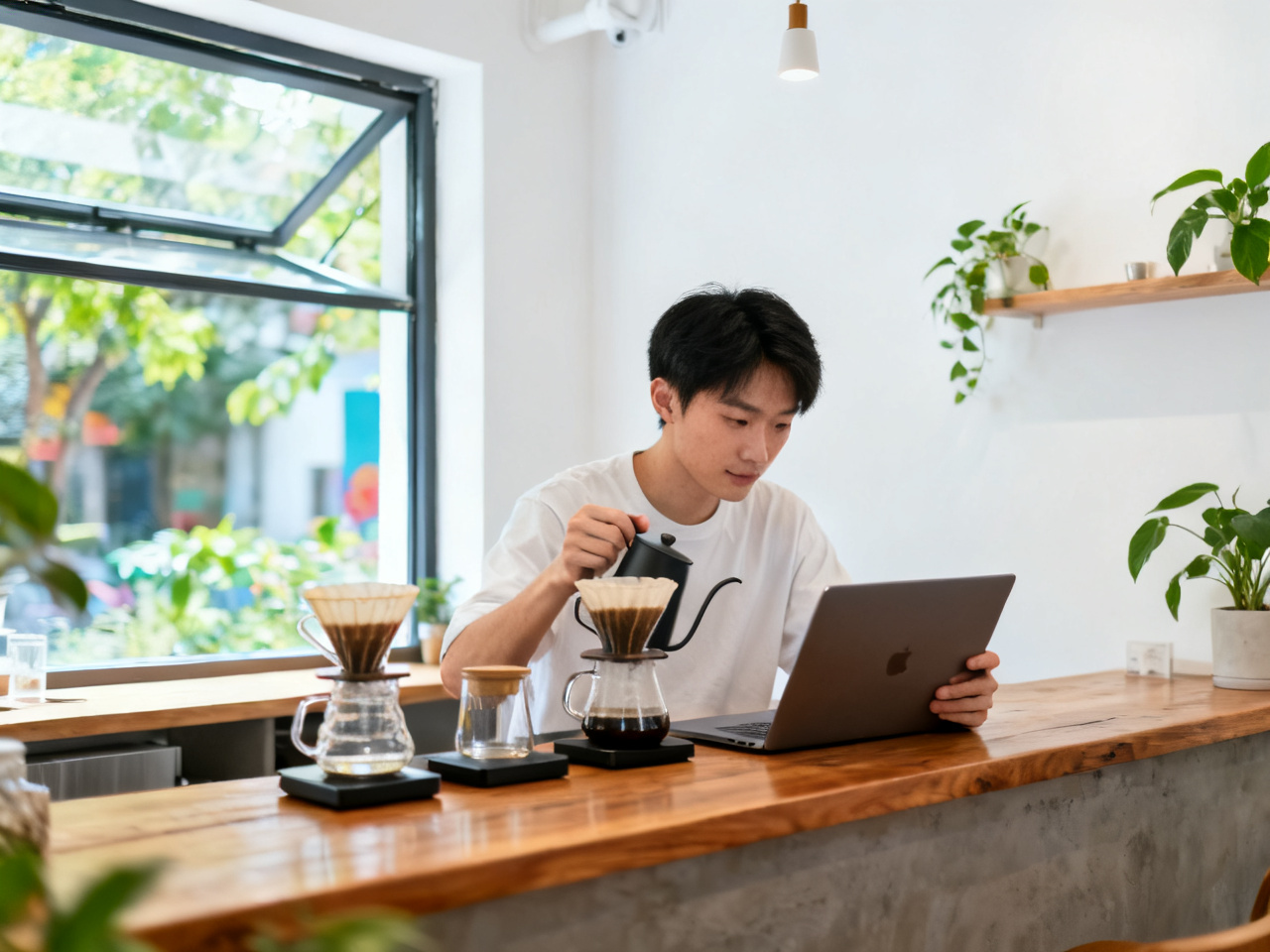
2015年,北京国贸。 一家精品咖啡馆里,留学归来的女生用英文向咖啡师询问埃塞俄比亚耶加雪菲的风味笔记。手冲壶里的水以九十二度的温度画着同心圆,一杯咖啡卖五十八元,没人觉得贵。
2015, China World Trade Center, Beijing. In a specialty coffee shop, a young woman back from studying abroad asks the barista in English about the flavor notes of an Ethiopian Yirgacheffe. The pour-over kettle traces concentric circles at ninety-two degrees. A single cup costs fifty-eight yuan, and nobody bats an eye.
2024年,县城十字路口。 一家瑞幸开在沙县小吃和兰州拉面中间,穿校服的高中生用手机下单了一杯九块九的生椰拿铁,边喝边刷短视频。咖啡对他来说不是仪式,不是身份,只是一杯好喝的冷饮。
2024, a county town intersection. A Luckin Coffee sits between a Shaxian snack shop and a Lanzhou noodle joint. A high-schooler in uniform orders a 9.9-yuan coconut latte on his phone, sipping while scrolling short videos. To him, coffee isn't ritual or status — just a tasty cold drink.
这三个场景浓缩了中国咖啡三十五年的狂飙史。
These three scenes compress thirty-five years of China's coffee revolution.
速溶时代:咖啡作为符号(1980s-2000s)
雀巢1989年正式进入中国市场时,面对的是一个年人均咖啡消费不足一杯的国度。这里的人喝了几千年的茶,骨子里信奉的是"茶为国饮"。雀巢的策略很聪明——它没有试图教中国人欣赏咖啡的风味,而是把咖啡塑造成一种现代生活方式的入场券。那句经典广告词"味道好极了"成了一代人的记忆。到2000年,雀巢占据中国速溶咖啡市场超过百分之七十的份额。
The Instant Era: Coffee as Symbol (1980s–2000s)
When Nescafé officially entered the Chinese market in 1989, it faced a nation where annual per-capita coffee consumption was less than one cup. People here had been drinking tea for millennia, holding fast to the belief that "tea is the national drink." Nescafé's strategy was clever — rather than teaching Chinese consumers to appreciate coffee's flavor, it positioned coffee as a ticket to modern living. The classic slogan "Taste is great!" became a generational memory. By 2000, Nescafé held over seventy percent of China's instant coffee market.
那个年代喝咖啡的中国人大多加很多糖和伴侣,因为他们本质上喝的不是咖啡,而是"喝咖啡"这个动作所代表的意义。这和当年许多中国人对西方事物的态度一脉相承——重要的不是味道,而是那个来自远方的想象。
Most Chinese coffee drinkers of that era loaded their cups with sugar and creamer, because what they were really consuming wasn't coffee itself but the meaning the act of "drinking coffee" carried. This mirrored the era's broader attitude toward Western things — what mattered wasn't the taste but the faraway world it conjured.
星巴克中场:第三空间降临(1999-2017)
1999年,星巴克在北京国贸开了中国第一家门店。它带来的不只是更好喝的咖啡,而是一个全新的概念——"第三空间"。在家和办公室之外,中国的城市中产突然发现自己需要一个可以坐下来、打开笔记本电脑、看起来很忙的地方。星巴克完美地填补了这个空缺。到2017年,星巴克在中国拥有超过三千家门店,平均每十五小时开一家新店。一杯拿铁三十多元,在人均月收入五千元的城市里算是轻奢消费,但中国消费者甘之如饴。
The Starbucks Middle Act: The Third Space Arrives (1999–2017)
In 1999, Starbucks opened its first China store at Beijing's China World Trade Center. It brought more than better-tasting coffee — it introduced a whole new concept: the "third space." Beyond home and office, China's urban middle class suddenly discovered they needed somewhere to sit, open a laptop, and look busy. Starbucks filled that gap perfectly. By 2017, Starbucks operated over 3,000 stores in China, opening a new one every fifteen hours on average. A latte cost over thirty yuan — light-luxury spending in cities with average monthly incomes of 5,000 yuan — but Chinese consumers happily paid up.
有意思的是,星巴克在中国卖得最好的从来不是美式咖啡,而是各种加奶加糖的花式饮品。这说明中国消费者接受了咖啡因,但口味偏好依然带着本土基因。就像中国人对所有外来文化的态度一样——来可以,但得按我的规矩来。这种文化融合的力量在中国处处可见,从节日传统到饮食习惯,皆是如此。
Tellingly, Starbucks' best sellers in China were never black Americanos but various milk-and-sugar confections. Chinese consumers had embraced caffeine, yet their taste preferences still carried local DNA. Like the Chinese approach to all imported culture — you can come in, but you play by our rules. This power of cultural fusion is visible everywhere in China, from festival traditions to eating habits.
瑞幸狂飙:咖啡平民化(2018至今)
2018年,瑞幸咖啡横空出世,用互联网打法掀翻了桌子。首杯免费、社交裂变、外卖配送——它把咖啡的价格从三十元区间直接拉到十五元以下。尽管2020年经历了财务造假丑闻几乎猝死,瑞幸却奇迹般地活了过来。到2023年底,瑞幸门店数量突破一万六千家,单季度营收超过星巴克中国,成为中国门店数量最多的咖啡连锁品牌。
The Luckin Blitz: Coffee for the Masses (2018–Present)
In 2018, Luckin Coffee burst onto the scene, flipping the table with internet-era tactics. Free first cup, social-media referral splits, delivery — it dragged coffee prices from the thirty-yuan range to under fifteen. Despite nearly dying after a 2020 financial fraud scandal, Luckin staged a miraculous comeback. By late 2023, it surpassed 16,000 stores, with quarterly revenue overtaking Starbucks China, making it the largest coffee chain in the country by store count.
瑞幸的真正贡献不在于它自己卖了多少杯咖啡,而在于它彻底改变了中国人对咖啡的认知。九块九一杯的生椰拿铁让咖啡从"白领专属"变成了"人人可喝"。县城青年、外卖骑手、工地工人——咖啡因的民主化在中国以一种极其中国式的方式完成了:靠价格战和供应链效率。
Luckin's real contribution isn't how many cups it sold but how it fundamentally reshaped Chinese perceptions of coffee. A 9.9-yuan coconut latte transformed coffee from "white-collar exclusive" to "everyone's drink." County-town youth, delivery riders, construction workers — the democratization of caffeine in China was accomplished in a distinctly Chinese way: through price wars and supply-chain efficiency.
云南的逆袭:从产地到精品
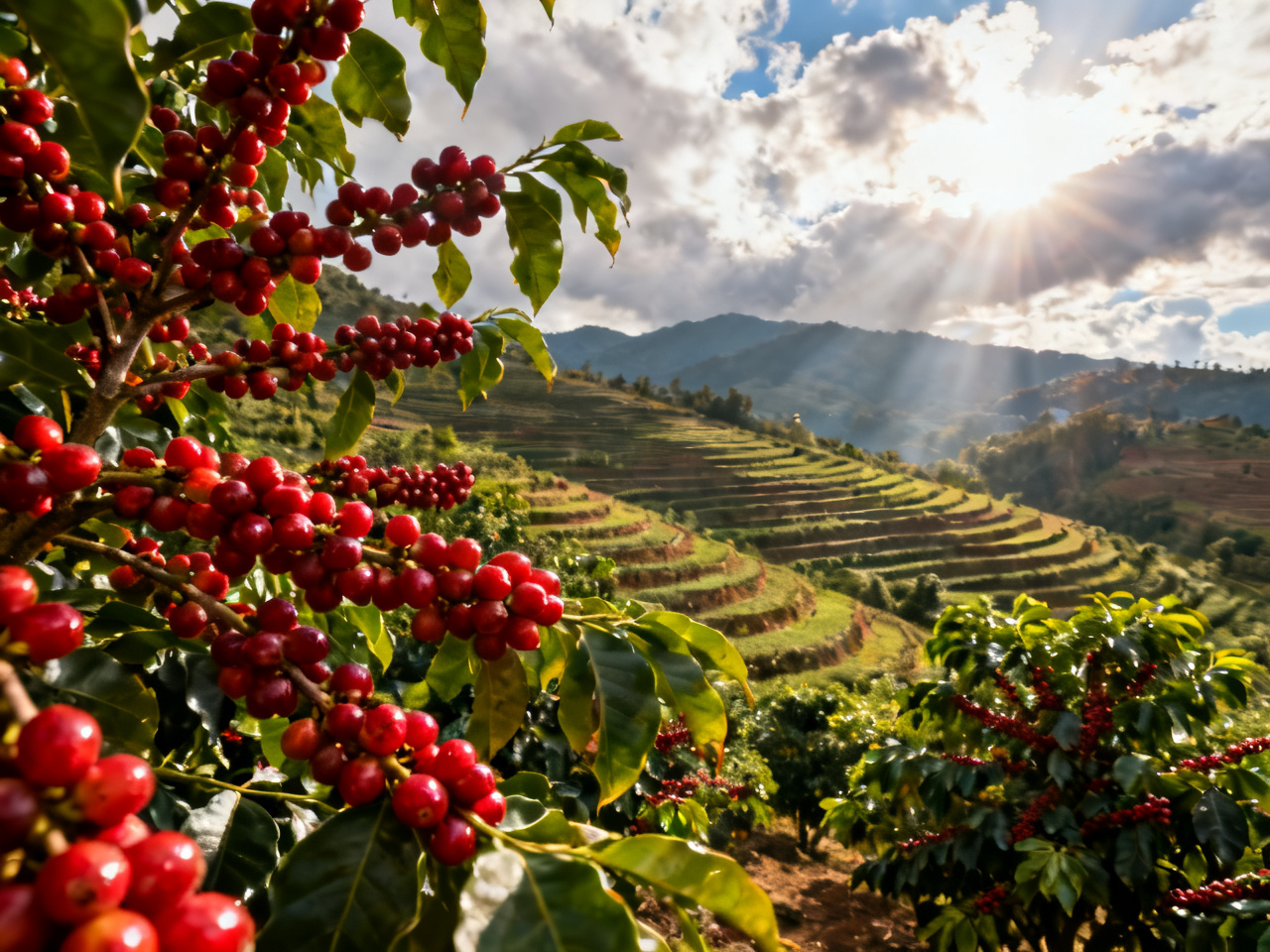
故事还有另一条线。云南普洱和保山种植咖啡已有超过一百年的历史,但长期以来只是国际供应链上的廉价原料产区。近五年一切开始改变。2023年云南咖啡豆产量占全国百分之九十八以上,精品级豆子的比例从不足百分之五跃升到接近百分之十五。昆明和大理冒出了数百家独立咖啡馆,用本地豆做手冲,一杯二十五元就能喝到不输肯尼亚AA的品质。如果你的旅行预算有限,云南的咖啡之旅绝对是性价比极高的选择。
Yunnan's Rise: From Plantation to Specialty
There's another thread to this story. Yunnan's Pu'er and Baoshan regions have grown coffee for over a century, but for most of that time served only as a cheap-commodity source in the global supply chain. The last five years changed everything. In 2023, Yunnan produced over ninety-eight percent of China's coffee beans, with specialty-grade beans jumping from under five percent to nearly fifteen percent of output. Kunming and Dali have sprouted hundreds of independent cafés using local beans for pour-overs — twenty-five yuan gets you quality rivaling Kenya AA. If you're traveling on a tight budget, a Yunnan coffee trip is an exceptional value proposition.
茶与咖啡:不是替代,是共存
2023年中国咖啡市场规模突破六千亿元人民币,人均年消费量达到约十六杯。这个数字和日本的两百杯、韩国的三百五十杯比起来仍然很低,但增速惊人——过去五年年均增长率超过百分之十五。然而茶叶消费并没有因此下降,反而同样在增长。中国人没有抛弃茶去拥抱咖啡,而是在生活里给两者都留了位置:早上一杯美式提神,下午一壶龙井静心。
Tea and Coffee: Not Replacement, but Coexistence
China's coffee market exceeded 600 billion yuan in 2023, with per-capita annual consumption reaching roughly sixteen cups. Compared to Japan's two hundred or South Korea's three hundred fifty, that figure remains low — but the growth rate is staggering, averaging over fifteen percent annually for the past five years. Yet tea consumption hasn't declined; it's growing too. The Chinese haven't abandoned tea for coffee. They've simply made room for both: an Americano in the morning for energy, a pot of Longjing in the afternoon for calm.
也许这就是最中国的答案。五千年茶文化没有被三十五年的咖啡浪潮冲垮,咖啡也没有永远停留在"洋饮料"的标签上。两种树叶(没错,咖啡豆本质上也来自一片叶子),在这片土地上找到了各自的位置。就像这个国家一直在做的那样——不是非此即彼,而是兼容并蓄。
Perhaps this is the most Chinese answer possible. Five thousand years of tea culture haven't been washed away by thirty-five years of coffee waves, and coffee hasn't remained forever labeled a "foreign drink." Two kinds of leaves — yes, coffee beans essentially come from a leaf too — have each found their place on this land. Just as this country has always done: not either-or, but both-and.
- 我在上海城隍庙买南翔小笼:怎么支付最快、最稳 | Buying Nanxiang Soup Dumplings at Shanghai City God Temple
- 少数民族服饰巡礼:苗族藏族彝族 | Ethnic Minority Costumes: Miao, Tibetan & Yi
- 西藏拉萨朝圣之旅:布达拉宫与大昭寺 | Lhasa Pilgrimage: Potala Palace & Jokhang Temple
- 成都最会让国外镜头停久一点的,往往不是熊猫,而是人坐下来以后那股松弛 | What Most Often Makes Foreign Cameras Linger in Chengdu Is Not the Pandas but the Ease That Begins Once People Sit Down
- 低价团不是不能报,但合同要比宣传页更重要 | Cheap Tours Are Not Always Bad, but the Contract Matters More Than the Brochure
- 重阳登高:全国最美山岳推荐 | Chongyang Hiking: China's Most Beautiful Mountains
- 秦皇岛那晚我没去找海鲜名店,只想找一张能坐下来吃热饭的桌子 | In Qinhuangdao, I Skipped the Famous Seafood Spots and Looked for a Table Where I Could Eat Something Hot
- 中国送礼学问 | The Art of Gift Giving in China
- 广州宵夜:凌晨两点,我在惠福东路吃炒螺 | Guangzhou After Midnight: Stir-Fried Snails at 2am on Huifu East Road
- 旗袍:中国经典服装 | Qipao: The Iconic Chinese Dress
Comments (0)