
- 青岛海岸三站法:栈桥、八大关和崂山怎么排更顺 | Qingdao in Three Stops: Pier, Badaguan, and Laoshan in Better Order
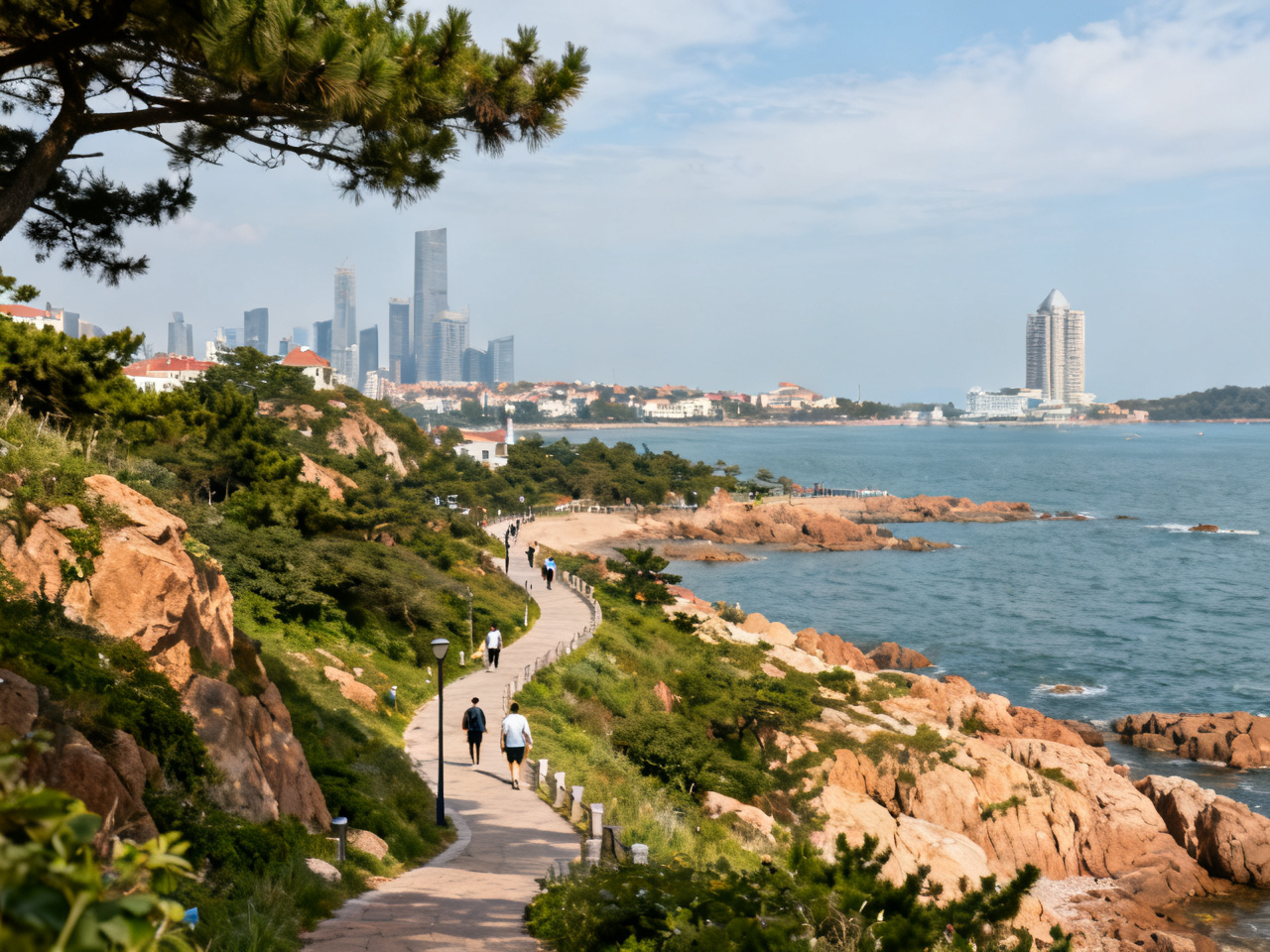
- 很多人做青岛行程时,第一反应是把栈桥、八大关、崂山都塞进同一天,仿佛地图上三个名字能连成线,现实里就一定能顺着完成。真正走过一遍才知道,青岛的舒服,不在于“景点打满”,而在于你是否理解海岸城市的展开方式:它不是平面的列表,而是由海风、坡度、视野、体力和交通节拍共同决定的层次。栈桥适合拿来开场,因为它像一枚简洁的引子,能让人最快建立“我已经到青岛了”的身体感;八大关适合放在中段,让视线从海面退回来,落到树荫、院墙、拐角和建筑纹理上;崂山则
推荐文章
- 五一去哪儿?8个你可能没听过的宝藏目的地 | Where to Go for May Day? 8 Hidden Gems You Probably Haven't Heard Of
- 竹编小课:我第一次发现“柔软的材料也可以有骨架” | Bamboo Weaving Workshop: The First Time I Realized Soft Material Can Still Have a Spine
- 木拱廊桥雨天慢行:听一座桥把山水说轻 | Walking Slowly Across a Wooden Covered Bridge in the Rain
- 我原以为汉代节日只是热闹,后来才发现真正难忘的是厨房里那股蒸汽 | I Used to Think Han Festivals Were Only About Excitement, Until I Realized the Kitchen Steam Was What Stayed With Me
- 中国社交礼仪速成:称呼、送礼与餐桌文化 | Chinese Social Etiquette: Greetings, Gifts & Dining
- 第一次一个人进中国银行,我学会先取号再去找窗口 | The First Time I Entered a Chinese Bank Alone, I Learned to Take a Number Before Looking for a Counter
- 支付宝绑定国际银行卡实操 | Alipay Foreign Card Binding Walkthrough
- 苏州夜里最会骗人的,不是方向,而是那种“看着很轻松”的安静 | What Misleads Most at Night in Suzhou Is Not Direction but the Quiet Ease It Seems to Promise
- 中国书法用品 | Chinese Calligraphy Supplies
- 黄河、桥和夜市之间,我先把兰州装进了一块手机屏幕里 | Between the Yellow River, Bridges, and Night Markets, I First Fit Lanzhou into My Phone Screen