
清晨到达北京,我才知道第一天行程不能排太满 | Arriving in Beijing at Dawn Taught Me Not to Overpack the First Day
清晨到达北京,我才知道第一天行程不能排太满 | Arriving in Beijing at Dawn Taught Me Not to Overpack the First Day
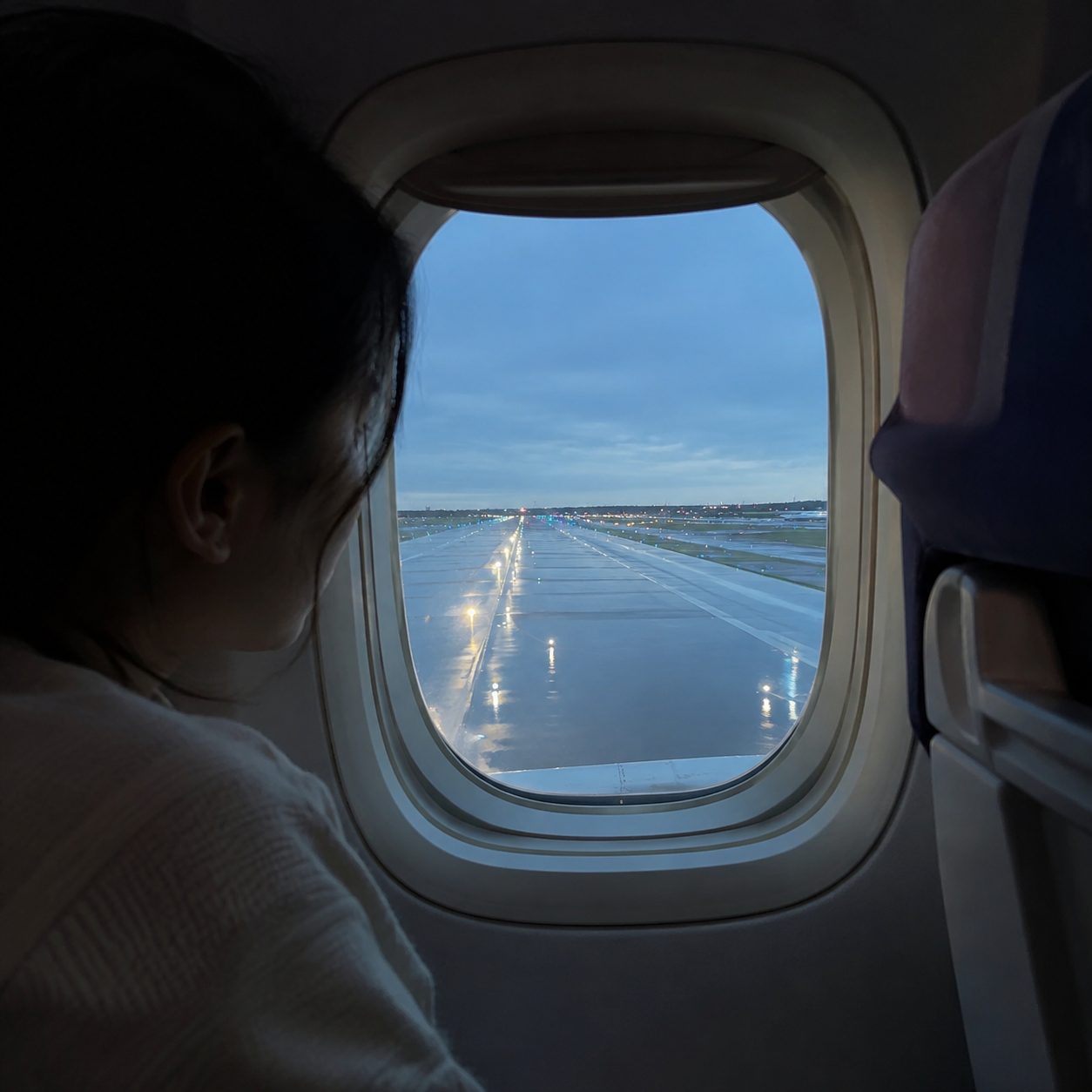
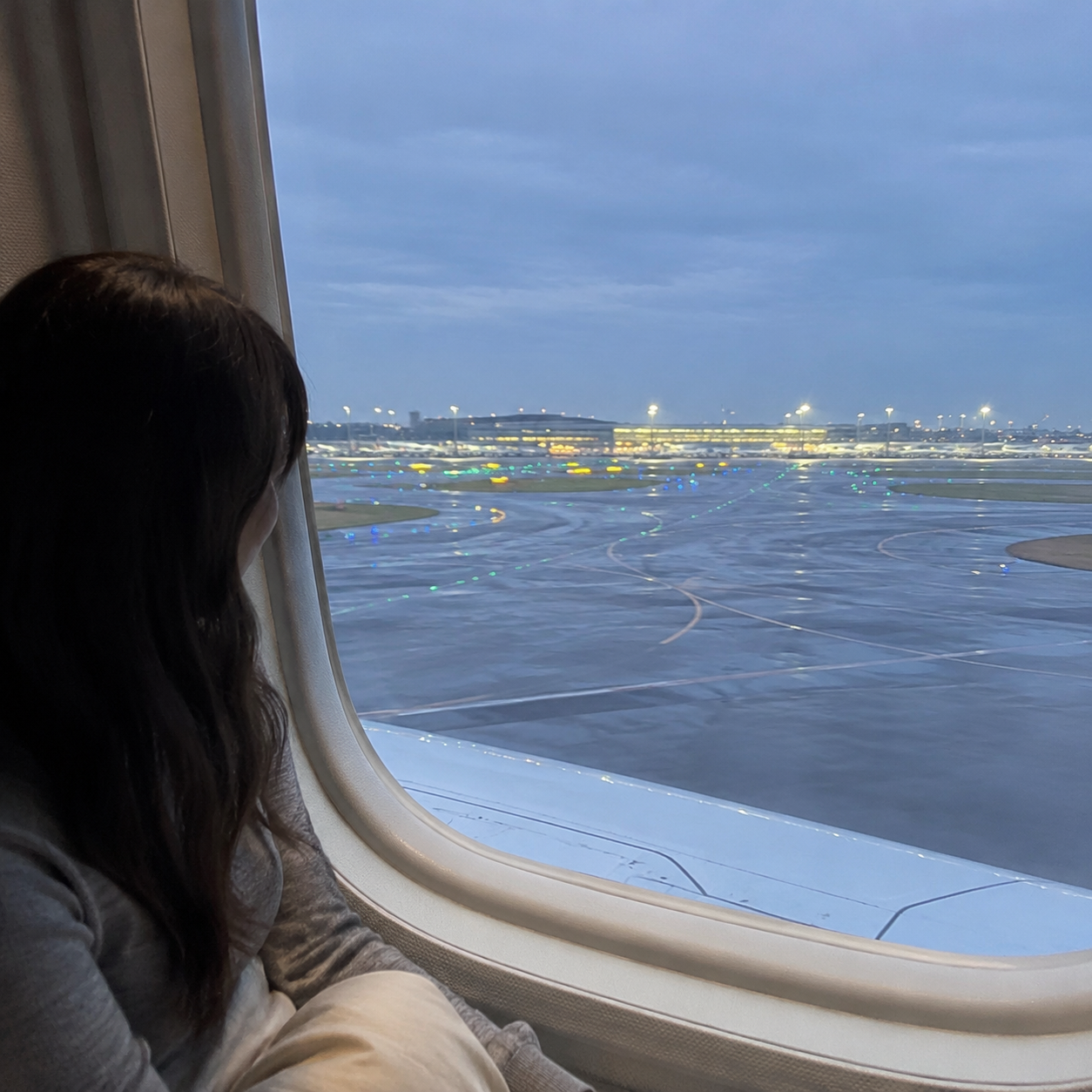
飞机降落时,北京还没有完全醒来。舷窗外是一层淡蓝色的光,跑道灯像被雨水洗过的细线,一盏一盏向远处退去。我从十几个小时的飞行里慢慢坐直,脖子僵硬,眼睛发干,却仍然因为“终于到了北京”这件事而兴奋。手机里那张行程表被我改过很多次:天安门、故宫、景山、胡同、烤鸭、夜景,我把第一天排得像一张必须完成的考试卷,仿佛只要少看一个地方,就辜负了这张机票。
When the plane landed, Beijing had not fully woken up. Outside the window, the runway lights stretched like thin wet threads under a pale blue sky. I sat up slowly after a long flight, stiff-necked and dry-eyed, yet thrilled by the simple fact that I had arrived. On my phone, my first-day itinerary looked ambitious: Tiananmen, the Forbidden City, Jingshan Park, hutongs, roast duck, night views. I had arranged the day like an exam paper to be completed, as if missing one place would somehow waste the ticket that had brought me here.
入境大厅里,脚步声被高高的天花板放大。指示牌很清楚,队伍移动得也不慢,可我的身体比我的计划诚实得多。它在每一次停下时提醒我:肩上的背包比出发前重,胃里空着,耳朵还留着飞机发动机的嗡鸣。我跟着人流向前,看到有旅客在整理文件,有家人隔着栏杆挥手,也有工作人员用平静的声音回答重复的问题。北京给我的第一印象不是宏大的城门,而是一种清晨特有的秩序感:所有人都在前进,但没有人真正急着证明什么。
In the arrival hall, footsteps echoed beneath a high ceiling. The signs were clear and the lines moved steadily, but my body was more honest than my itinerary. Each pause reminded me that the backpack on my shoulders felt heavier than it had at departure, that my stomach was empty, and that the hum of the airplane still lived in my ears. Around me, travelers sorted documents, families waved from behind barriers, and staff answered repeated questions in calm voices. My first impression of Beijing was not a grand gate or a postcard landmark, but a dawn-like sense of order: everyone was moving, yet no one seemed in a hurry to prove anything.
我原本打算把行李寄存在酒店前台,然后立刻出门。我甚至在地图上标了最短路线,像一名指挥官安排部队。可是走到机场快线站台时,我第一次犹豫了。列车还没来,站台风从隧道里吹出来,带着金属和清洁剂的味道。我靠着柱子站了一会儿,低头看见自己的鞋带松了。就是这个小小的画面让我突然意识到,我并不是一台刚充满电的相机,而是一个跨过时区、睡眠不足、还要重新学习街道节奏的人。
I had planned to drop my luggage at the hotel and go out immediately. I had even marked the shortest route on the map, as if I were a commander moving troops. But when I reached the Airport Express platform, I hesitated for the first time. The train had not arrived yet, and a wind came from the tunnel carrying the smell of metal and cleaning fluid. I leaned against a pillar and noticed that my shoelace had come undone. That tiny image was enough to remind me that I was not a fully charged camera. I was a person who had crossed time zones, slept badly, and still needed to learn the rhythm of the streets.
车厢里不算拥挤。几个上班族安静地看手机,一位老人把布袋放在膝盖上,窗外的清晨从灰色慢慢变亮。我坐在角落,努力不让自己睡着,因为害怕坐过站。每到一站,广播先响起,屏幕再跳动,门打开又合上。我曾经以为旅行的第一天应该用来“抢时间”,但在那节车厢里,我开始感觉时间并没有被我抢走,它只是以北京自己的速度展开。我如果硬要追它,只会先把自己追丢。
The carriage was not crowded. A few commuters looked quietly at their phones, an older man rested a cloth bag on his knees, and the morning outside shifted from gray to bright. I sat in a corner and tried not to fall asleep because I was afraid of missing my stop. At each station, the announcement came first, the screen changed, the doors opened and closed. I had imagined that the first day of a trip should be used to seize time. In that carriage, however, I began to feel that time was not escaping me. It was unfolding at Beijing’s own pace, and if I chased it too hard, I would lose myself before I found the city.
到酒店时还没到入住时间。前台愿意帮我寄存行李,也很耐心地告诉我附近有早餐店和便利店。我听见自己用有些迟钝的中文说“谢谢”,又补了一句英文,像是在给刚刚醒来的大脑找备份。出了酒店门,我没有立刻打开景点清单,而是朝有热气的地方走。街边的小店已经亮灯,蒸笼旁边排着几个人,玻璃上蒙着一层水汽。我买了一杯豆浆和两个包子,坐在靠窗的位置,看外面的人骑车、停车、打电话、抬头看天。
When I reached the hotel, check-in time had not yet arrived. The front desk stored my luggage and kindly pointed out nearby breakfast shops and convenience stores. I heard myself say “thank you” in slightly delayed Chinese, then added it in English, as if my waking brain needed a backup language. Outside the hotel, I did not open my list of sights. I walked toward steam. A small shop on the street was already lit, several people stood near bamboo baskets, and the window was fogged with warmth. I bought soy milk and two buns, sat by the window, and watched people ride bikes, park scooters, make calls, and glance up at the sky.
那顿早餐没有任何戏剧性,却救了我的第一天。豆浆是烫的,包子皮柔软,馅料有一点胡椒味。我吃得很慢,像是在把自己从飞机上带回地面。隔壁桌的年轻人讨论工作,一位阿姨把零钱数得很认真,店员把新出笼的包子倒进托盘,动作熟练得像一段重复多年的舞。我忽然觉得,旅行并不总是从著名景点开始。有时它从一口热的食物、一把结实的椅子、一扇能让你看见当地早晨的窗开始。
That breakfast had no drama, but it rescued my first day. The soy milk was hot, the bun skin was soft, and the filling carried a little pepper. I ate slowly, as if bringing myself down from the airplane and back to the ground. At the next table, young people discussed work. An auntie counted coins with care. The shop worker tipped fresh buns onto a tray with the ease of a movement repeated for years. I suddenly felt that travel does not always begin at a famous attraction. Sometimes it begins with something warm to eat, a sturdy chair, and a window that lets you watch a local morning.
吃完后,我把行程表重新打开。原本密密麻麻的安排让我有些尴尬,好像那是另一个自信过头的人写的。我删掉了下午的两个地点,把晚上的项目也取消,只留下一个主要目标:去天安门广场周边走走,如果状态好,再看一眼故宫外侧的红墙。我告诉自己,今天不是为了收集最多的名字,而是为了和这座城市建立第一次可持续的接触。这个决定让我轻松得出乎意料,像把背包里一件用不上的厚外套拿了出来。
After breakfast, I opened my itinerary again. The dense schedule embarrassed me a little, as if it had been written by another person with too much confidence. I deleted two afternoon stops and canceled the evening plan, leaving only one main goal: walk around the Tiananmen area and, if I felt steady enough, see the red walls outside the Forbidden City. I told myself that the day was not about collecting as many names as possible. It was about making a first contact with the city that I could actually sustain. The decision made me unexpectedly lighter, like removing an unnecessary heavy coat from my backpack.
去市中心的路上,我开始认真观察那些以前只会被我当作背景的细节。地铁换乘时,扶梯左侧和右侧的人流有自己的默契;站厅里有人停下来查路线,却会先靠边;安检口前的动作快而安静。作为外国游客,我最担心的是自己挡住别人或错过规则,可越看越明白,只要我放慢一点,先观察,再行动,大多数时刻都能找到位置。北京不是故意考验我,它只是很大,而大城市需要人先承认自己的步幅有限。
On the way toward the center, I began to notice details I would once have treated as background. During subway transfers, the escalator had its own quiet agreement of movement. In station halls, people stopped to check routes, but first moved aside. At security checks, gestures were quick and calm. As a foreign visitor, I worried most about blocking others or missing a rule. Yet the more I watched, the more I understood that if I slowed down, observed first, and then acted, I could usually find my place. Beijing was not trying to test me. It was simply large, and a large city asks you to admit the limits of your stride.
走到广场附近时,太阳已经升高,空气里有一点干净的凉意。我的脚步比计划中慢很多,但眼睛反而更清楚。远处的建筑线条庄重,红色和金色在光里显得沉稳,不像照片上那样只是颜色,而像时间留下来的重量。游客们举起手机,孩子被家长牵着,警察和工作人员站在固定的位置。我没有急着拍照,而是站在不妨碍通行的地方看了很久。那一刻我明白,很多地方不是靠“抵达”就能立刻拥有的,还要给自己一点空白,让印象慢慢落下。
By the time I reached the area near the square, the sun had risen, and the air held a clean coolness. My pace was much slower than planned, but my eyes felt clearer. The lines of the buildings in the distance were solemn, and the red and gold under the light did not look like mere colors from a photograph; they felt like the weight of time. Tourists lifted phones, children held their parents’ hands, and police and staff stood at their posts. I did not rush to take pictures. I stood where I would not block anyone and looked for a long while. In that moment, I understood that many places cannot be possessed simply by arriving. You need to give yourself some blank space so the impression can settle.
中午以后,疲惫突然追上来。它不是一种浪漫的倦意,而是很具体的:太阳照在后颈上,肩带压着锁骨,手机电量下降,注意力开始变钝。我本来还想绕去景山,可站在路口等灯时,身体给出了明确的反对意见。我没有再和它争辩。旅行前我总觉得取消计划等于失败,真正站在北京的街头才发现,懂得取消也是一种能力。它不是退缩,而是保护第二天、第三天,以及整段旅程的质量。
After noon, tiredness caught up with me all at once. It was not a romantic weariness, but something practical: sun on the back of my neck, straps pressing my collarbones, phone battery dropping, attention becoming dull. I had still wanted to detour toward Jingshan Park, but while waiting at a crossing, my body gave a clear refusal. I did not argue with it. Before traveling, I had thought canceling plans meant failure. Standing on a Beijing street, I realized that knowing when to cancel is also a skill. It is not surrender. It protects the second day, the third day, and the quality of the whole journey.
我回到酒店附近,买了水和水果,又在大堂等到可以入住。房间门关上的瞬间,城市的声音变成了隔着玻璃的低频背景。我洗了澡,把衣服挂好,给家人发了消息,然后拉上窗帘睡了两个小时。醒来时,窗外已经是下午的光,头脑清楚很多。我没有因为睡掉了时间而懊悔,反而觉得自己终于真正到了北京。飞机把我送到机场,休息才把我送进旅行。
I returned to the area near the hotel, bought water and fruit, and waited in the lobby until check-in. When the room door closed, the city’s sound became a low background behind glass. I showered, hung up my clothes, messaged my family, drew the curtains, and slept for two hours. When I woke, the window held afternoon light and my mind felt clear again. I did not regret sleeping through part of the day. Instead, I felt that I had finally arrived in Beijing. The airplane had delivered me to the airport; rest delivered me into the trip.
傍晚我只做了一件事:在酒店周围散步。没有宏大的目标,也没有必须拍下的照片。我路过一个小公园,看见老人慢慢甩臂,孩子追着球跑,年轻人坐在长椅上分一盒水果。便利店门口有人拆快递,路边餐馆飘出葱油和热汤的味道。这样的北京并不在我的清单上,却比清单更能安抚一个第一天的旅人。它告诉我,城市不是只在景点处存在,日常生活也在不断发光,只是光线比较低,需要疲惫的人安静下来才看得见。
In the evening, I did only one thing: I walked around the hotel neighborhood. There was no grand goal and no photograph I had to take. I passed a small park where older people swung their arms slowly, children chased a ball, and young adults shared a box of fruit on a bench. Someone opened a delivery package outside a convenience store, and nearby restaurants released the smell of scallion oil and hot soup. This version of Beijing had not appeared on my list, but it comforted a first-day traveler more than the list could. It told me that a city does not exist only at its landmarks. Daily life is also quietly lit, though the light is lower and can be seen only when a tired person becomes still.
后来回想那个清晨,我最感谢的不是自己去了哪里,而是自己没有继续硬撑。北京的第一天教我的不是懒散,而是分寸:把重要的地方留给清醒的眼睛,把复杂的路线留给有力气的双腿,把惊喜留给没有被塞满的时间。一个外国游客来到这里,当然想多看、多学、多记住,可第一天最需要完成的任务也许只是适应。适应空气、方向、语言、付款方式、交通节奏,也适应自己在陌生城市里会变慢这件事。
When I think back to that dawn, what I appreciate most is not where I went, but the fact that I stopped pushing myself. Beijing’s first day did not teach me laziness; it taught me proportion. Save important places for clear eyes, complicated routes for legs with energy, and surprises for hours that have not been packed tight. A foreign visitor naturally wants to see more, learn more, and remember more. But perhaps the most important task on the first day is adaptation: to the air, directions, language, payment habits, transport rhythm, and also to the fact that in an unfamiliar city, you may move more slowly than you expected.
如果有人问我清晨抵达北京后应该怎么安排,我不会给一张完美路线。我会建议先把当天变小:一个可靠的交通目标,一顿真正坐下来吃的饭,一个可以提前结束的景点,一段回酒店的余地。把“必须”换成“如果状态允许”,把“尽量多”换成“真正看见”。这样做并不会让旅行变少,反而会让它变得更长。因为你不再只是在城市里奔跑,而是开始让城市进入你。
If someone asks me how to plan a dawn arrival in Beijing, I would not offer a perfect route. I would suggest making the day smaller: one reliable transport goal, one meal eaten while seated, one sight that can be ended early, and enough space to return to the hotel. Replace “must” with “if I have the energy,” and replace “as much as possible” with “what I can truly see.” This does not make the trip smaller. It makes it longer in the best sense, because you are no longer merely running through the city. You are beginning to let the city enter you.
第二天,我起得不算早,却精神很好。我重新去看那些前一天舍弃的地方,排队、步行、听讲解、在阴影里休息,一切都比我想象中顺。那时我才明白,第一天留白不是损失,而是一种铺垫。它像给纸张留出的边距,让后面的文字有地方呼吸。北京那么大,不需要我用一天证明热爱;它更像一本厚书,愿意让我慢慢读,只要我不在第一页就把自己读累。
On the second day, I did not wake especially early, but I felt well. I returned to places I had given up the day before, stood in lines, walked, listened, rested in shade, and found that everything went more smoothly than expected. Only then did I understand that leaving space on the first day was not a loss. It was preparation. It was like giving a page enough margin so the later words could breathe. Beijing is too large to require proof of devotion in one day. It is more like a thick book willing to be read slowly, as long as I do not exhaust myself on the first page.
- 那次“低价团”之后,我学会了这样避开旅游强制消费 | After One Cheap Tour, I Learned How to Avoid Forced Shopping in China
- 云南雨季反向玩法:人少、景美、预算可控 | Yunnan in Rainy Season: Fewer Crowds, Better Value
- 我在青岛学会把海边步行和补水当成一件事 | In Qingdao I Learned to Treat Waterfront Walking and Hydration as One Task
- 广州早茶桌上,孩子先学会了听,再学会了说 | At a Guangzhou Dim Sum Table, My Child Learned to Listen Before Speaking
- 清晨六点半的重庆小面店,我靠一碗豌杂面听懂了这座城 | At 6:30 a.m. in a Chongqing Noodle Shop, a Bowl of Wanza Mian Explained the City
- 中国街头小吃十选:从北到南,一路吃过去 | Ten Chinese Street Snacks: Eating Your Way from North to South
- 贵阳夜市里的一张塑料凳,让我放下了游客的架子 | A Plastic Stool in a Guiyang Night Market Made Me Drop My Tourist Distance
- 青岛的啤酒不只在海边喝:一顿旧城晚饭把我留下来 | Qingdao Beer Took Me Beyond the Coast for an Old-City Dinner
- 春节倒计时:除夕夜到初七,每天都在干什么 | Chinese New Year Day by Day: What Actually Happens from New Year's Eve to Day 7
- 我在上海学会先看地铁口周边,再决定在哪家咖啡馆坐下 | In Shanghai I Learned to Read the Metro Exit Area Before Choosing a Café
Comments (0)