
春节倒计时:除夕夜到初七,每天都在干什么 | Chinese New Year Day by Day: What Actually Happens from New Year's Eve to Day 7
春节倒计时:除夕夜到初七,每天都在干什么 | Chinese New Year Day by Day: What Actually Happens from New Year's Eve to Day 7
很多外国人知道春节,但不知道春节是一个持续七天的仪式序列——每一天都有特定的事要做,特定的禁忌要避开,特定的食物要吃。
Many foreigners know about Chinese New Year, but don't realize it's a seven-day ritual sequence — each day has specific things to do, specific taboos to avoid, specific foods to eat.
除夕夜 / New Year's Eve
这是整个春节最重要的一夜。
年夜饭是核心。一家人围坐在一起,菜的数量和种类都有讲究:鱼(年年有余)、饺子(北方,形似元宝)、汤圆(南方,象征团圆)、年糕(年年高升)。
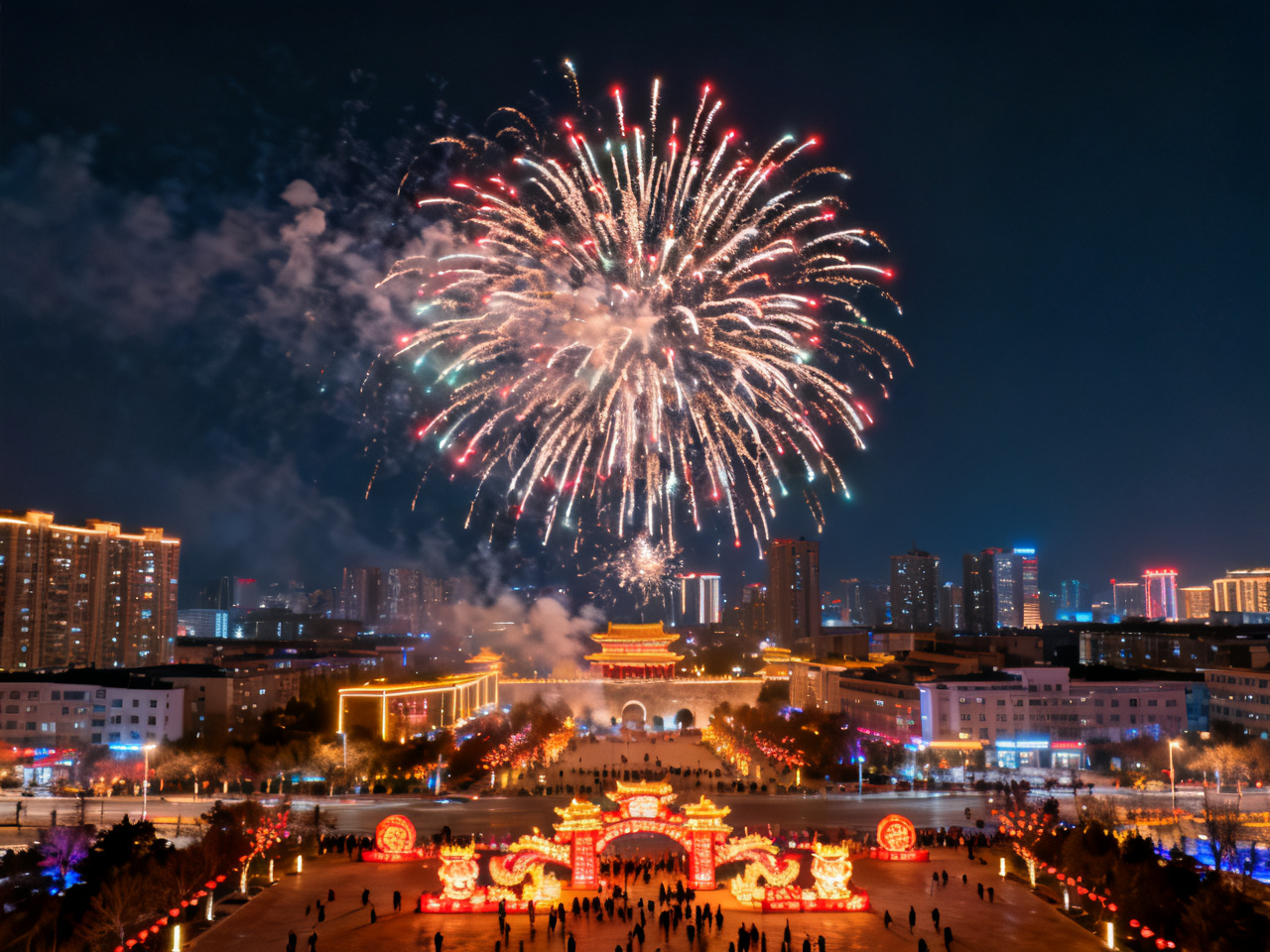
吃完饭,全家守岁——等到零点。零点一到,鞭炮声(现在很多城市改成电子炮)和烟花把整个城市点亮。
This is the most important night of the entire festival.
The reunion dinner is the centerpiece. The family gathers, and the dishes carry meaning: fish (年年有余, abundance year after year), dumplings (北方 north, shaped like gold ingots), tangyuan (南方 south, symbolizing reunion), and nian gao (年糕, rising higher each year).
After dinner, the family stays up to welcome midnight — 守岁 (shǒu suì). At midnight, firecrackers (now replaced by electronic versions in many cities) and fireworks light up the entire city.
初一 / Day 1 — 拜年,不扫地
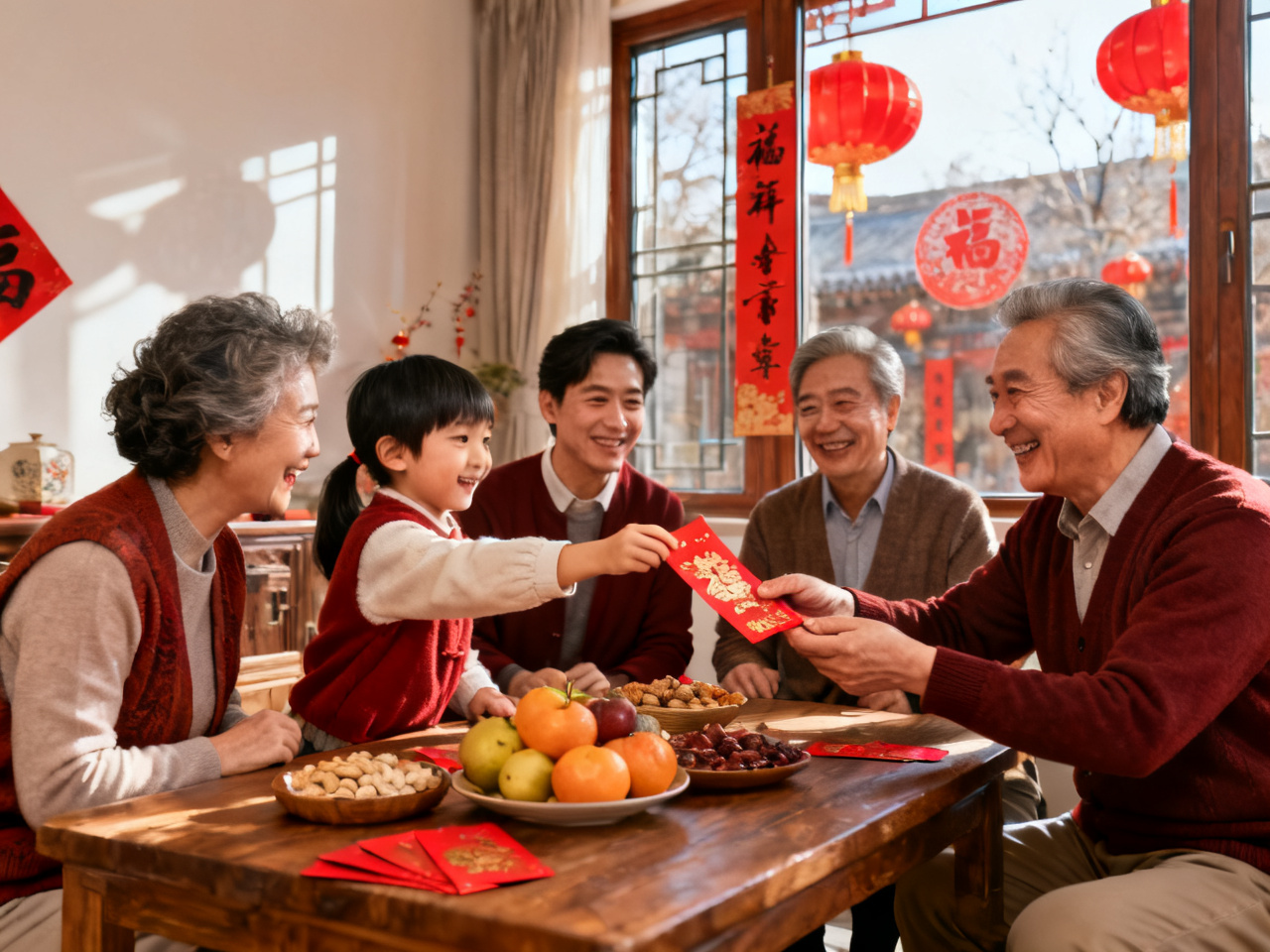
大年初一,第一件事是拜年——给长辈磕头或鞠躬,说"新年快乐""恭喜发财",长辈给晚辈发红包(压岁钱)。
禁忌: 初一不能扫地,怕把财气扫走。不能说不吉利的话,不能打破东西(打破了要说"岁岁平安"化解)。
红包金额有讲究——中国送礼学问里有详细说明,但基本原则是:金额要吉利(6、8、9结尾),不能给4(谐音"死")。
Day 1: the first act is paying New Year's respects — bowing or kowtowing to elders, saying "新年快乐" (Happy New Year) or "恭喜发财" (Wishing you prosperity). Elders give children red envelopes (压岁钱, yuǎsuì qián).
Taboos: No sweeping on Day 1 — you'd sweep away good fortune. No unlucky words. If you break something, immediately say "岁岁平安" (peace every year) to neutralize the bad omen.
Red envelope amounts follow rules — see The Art of Gift Giving in China for detail. Basic principle: amounts ending in 6, 8, or 9 are auspicious; never give amounts with 4 (sounds like "death").
初二到初六 / Days 2–6
初二:回娘家。出嫁的女儿带丈夫回娘家拜年,这是雷打不动的传统。
初三:各地习俗不同,有些地方叫"赤狗日",不宜出门拜年,适合在家休息。
初四:迎灶神回家。传说灶神在除夕前上天汇报这家人一年的表现,初四回来,要摆供品迎接。
初五:破五,迎财神。这天可以扫地了(之前积攒的垃圾统一清理),商店开门营业,鞭炮声又响起来。
初六:送穷,开市。很多企业选在初六正式开工,寓意"六六大顺"。
Day 2: Married daughters return to their parents' home with their husbands — an unbreakable tradition.
Day 3: Customs vary by region. Some areas call it "Red Dog Day" — not ideal for visiting, better to rest at home.
Day 4: Welcome the Kitchen God back. Legend says the Kitchen God ascends to heaven before New Year's Eve to report on the family's behavior; on Day 4 he returns, and offerings are prepared to receive him.
Day 5: "Breaking Five" — welcoming the God of Wealth. Sweeping is now allowed (all the accumulated trash from Days 1–4 gets cleared). Shops reopen. Firecrackers sound again.
Day 6: Sending away poverty, opening the market. Many businesses choose Day 6 to officially resume work — "六六大顺" (smooth sailing all the way).
初七 / Day 7 — 人日,吃七宝羹
初七叫"人日",传说女娲在创世第七天造了人。这天有吃"七宝羹"的习俗——用七种蔬菜做的汤,各地食材不同,但芹菜(勤劳)、葱(聪明)、蒜(会算计)几乎必有。
在广东,初七还有"捞鱼生"的习俗——一大盘生鱼片配各种配料,全家人用筷子一起捞,越捞越高,边捞边喊吉祥话,场面热闹。
Day 7 is "Renri" (人日, Human Day) — legend says Nüwa created humans on the seventh day of creation. The tradition is eating "Seven Treasure Soup" — a vegetable soup with seven ingredients that vary by region, but almost always includes celery (勤劳, diligence), scallions (聪明, intelligence), and garlic (会算计, good with numbers).
In Guangdong, Day 7 also features "lo hei" (捞鱼生) — a platter of raw fish with various toppings, where the whole family tosses the ingredients together with chopsticks, lifting them as high as possible while shouting auspicious phrases. Loud and festive.
如果你在中国过春节 / If You're in China During Spring Festival
几个实用提示:
- 提前订好住宿和交通:春运是全球最大规模的人口迁徙,高铁票和机票在节前一个月就开始紧张。
- 很多店会关门:尤其初一到初三,超市、餐厅、药店可能关门或缩短营业时间。提前备好食物和常用药。
- 接受被邀请吃饭:如果中国朋友邀请你去家里过年,去。这是最真实的春节体验,比任何旅游景点都值。
- 红包礼仪:如果你要给中国朋友的孩子发红包,金额参考中国送礼学问,别给4的倍数。
A few practical notes:
- Book transport and accommodation early: The Spring Festival travel rush (春运, chūnyùn) is the world's largest annual human migration. Train tickets and flights sell out weeks in advance.
- Many shops close: Especially Days 1–3. Supermarkets, restaurants, and pharmacies may be closed or have reduced hours. Stock up on food and medicine beforehand.
- Accept dinner invitations: If a Chinese friend invites you to their home for New Year, go. It's the most authentic Spring Festival experience available — better than any tourist attraction.
- Red envelope etiquette: If giving red envelopes to friends' children, check The Art of Gift Giving in China for amounts. Never give multiples of 4.

- 端午龙舟节旅游攻略 | Dragon Boat Festival Travel Guide
- 清晨到达北京,我才知道第一天行程不能排太满 | Arriving in Beijing at Dawn Taught Me Not to Overpack the First Day
- 从桂林北站到阳朔西街,我选了一条不最省钱但最顺手的慢路线 | From Guilin North Station to Yangshuo West Street, I Chose the Route That Felt Easiest, Not Cheapest
- 重庆火锅不需要你懂,它只需要你坐下来 | Chongqing Hotpot Doesn't Need You to Understand It — Just Sit Down
- 成都最会让国外镜头停久一点的,往往不是熊猫,而是人坐下来以后那股松弛 | What Most Often Makes Foreign Cameras Linger in Chengdu Is Not the Pandas but the Ease That Begins Once People Sit Down
- 贵阳晚饭最先把人叫醒的,往往不是招牌菜,而是那口酸汤 | In Guiyang, What Wakes You at Dinner Is Often Not a Signature Dish but the Sour Broth
- 在景德镇看一只碗怎么出生:窑火、白粉和老师傅的手势 | Watching a Bowl Be Born in Jingdezhen: Kiln Fire, White Clay Dust, and a Master's Hands
- 围炉而坐,这顿饭没有终点 | The Meal That Never Ends: China's Hot Pot Ritual
- 长沙一碗米粉的早晨,教我别只看招牌菜 | One Morning Bowl of Rice Noodles in Changsha Taught Me Not to Only Chase Signature Dishes
- 在泉州老城听见海风的回声 | Hearing the Sea Wind in Quanzhou's Old Town
Comments (0)