
我在青岛学会把海边步行和补水当成一件事 | In Qingdao I Learned to Treat Waterfront Walking and Hydration as One Task
我在青岛学会把海边步行和补水当成一件事 | In Qingdao I Learned to Treat Waterfront Walking and Hydration as One Task
海边城市最容易让人误判体力。风一吹,温度似乎没那么高;景一开,脚步也会不自觉越走越远。第一次在青岛沿海边走的时候,我就是这样被“看起来很轻松”的感觉骗了。从栈桥出来时,我只想着慢慢看海、看礁石、看拍婚纱照的人,觉得一路有风、有商店、有座椅,应该不会太累。可真正走到中段,我才意识到沿海步行和普通城市散步完全不同:日晒、反光、风带来的口渴、停不下来的拍照冲动,会一起把你的体力一点点掏空。对一个外国游客来说,如果你还要同时看路线、判断交通、注意个人物品,这种消耗会来得更隐蔽。
Coastal cities make it very easy to misjudge your stamina. When the wind is blowing, the temperature feels lower than it really is, and once the view opens up, your feet keep going farther almost without permission. The first time I walked the waterfront in Qingdao, that “it feels easy” illusion fooled me completely. Leaving Zhanqiao Pier, I only wanted to watch the sea, the rocks, and the couples taking wedding photos. I assumed that with the breeze, shops, and occasional seating, it could not be too tiring. But halfway through, I realized that waterfront walking is very different from ordinary city strolling. Sun, reflected light, thirst pushed by wind, and the irresistible urge to keep stopping for photos all drain your energy together. For a foreign visitor who is also checking routes, judging transport, and watching personal belongings, the drain becomes even more hidden.
我真正学会这件事,是在一个下午接近两点的时候。那时阳光正硬,海面亮得有点刺眼,我一边觉得景色好看,一边又开始出现那种“只是有点渴,不算什么”的自我安慰。结果等我走到一个上坡转角,突然发现自己注意力明显下降,连地图都不太想看,只想赶紧找地方坐。这种状态其实很危险,不是说青岛海边有多可怕,而是人在轻微脱水时很容易高估自己。后来我回想起一些关于在中国把日常节奏排顺的文章,像用路线和体力管理去稳住旅行节奏,还有先把一天过顺,再谈看多少,突然觉得这些经验并不保守,反而非常实际。
I truly learned this lesson at around two in the afternoon. The sunlight was hard, the sea surface was bright enough to sting the eyes, and while I still thought everything looked beautiful, I also began telling myself that I was “only a little thirsty” and therefore fine. Then I reached a slight uphill corner and suddenly noticed my attention dropping. I did not even want to look at the map anymore. I just wanted to sit down somewhere quickly. That condition is more dangerous than it sounds—not because Qingdao’s waterfront is frightening, but because mild dehydration makes people overestimate themselves. Later I remembered some articles about keeping everyday travel rhythm smooth in China, such as using route and energy management to stabilize a day and making the day function before measuring how much you saw. Suddenly those ideas seemed not conservative but extremely practical.
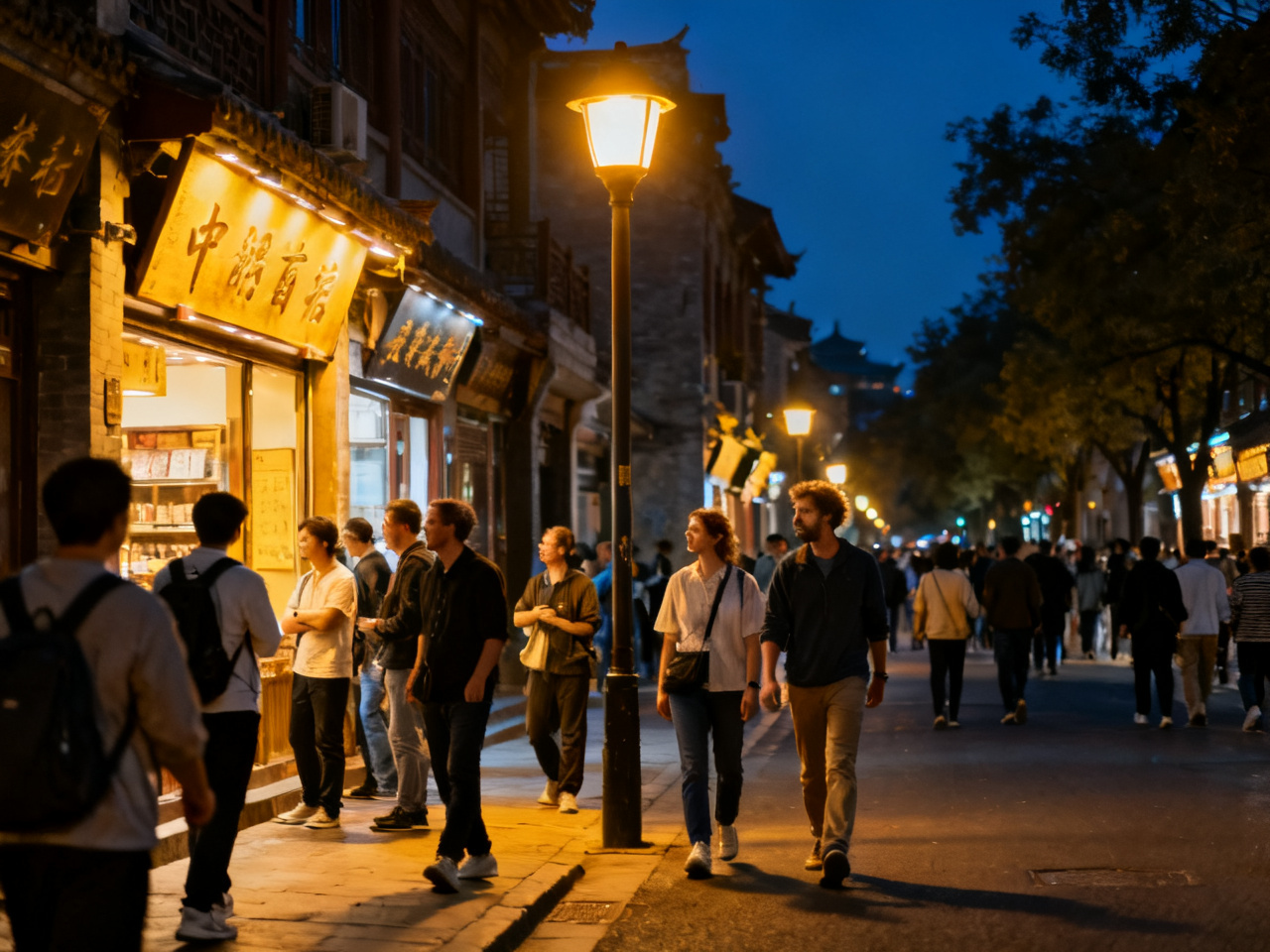
从那以后,我开始把“补水”从一个随机动作,改成海边路线的一部分。也就是说,我不再想“渴了再买”,而是提前判断下一次方便补水的地点大概在哪:便利店、咖啡店、景区入口、游客中心,或者至少是一家我能坐两分钟的店。这样做最大的好处,不只是身体舒服一点,而是我的判断不会突然塌下去。很多外国人在中国沿海城市旅行时,会把主要注意力放在风景和拍照上,可实际上,能否稳定喝水、偶尔坐下、适时补一点盐分或糖分,往往更决定你后面还有没有心情继续走。青岛海边看起来开放、轻松、没有压力,恰恰因此更容易让人拖延这些基础动作。
After that, I stopped treating hydration as a random action and made it part of my waterfront route. In other words, I no longer thought, “I’ll buy water when I feel thirsty.” Instead, I estimated in advance where the next convenient refill point would likely be: a convenience store, café, scenic entrance, visitor center, or at least a place where I could sit for two minutes. The biggest benefit was not merely physical comfort. It was that my judgment no longer collapsed suddenly. Many foreigners traveling in China’s coastal cities focus primarily on scenery and photos. In practice, though, whether you can drink water steadily, sit down now and then, and sometimes take in a little salt or sugar often matters more for whether you still have the mood to continue walking. Qingdao’s seafront looks open, relaxed, and pressure-free, and that is exactly why it makes people delay basic self-care.
后来有一次我从八大关往海边继续走时,特意提前在包里放了一小瓶水,又记下两个可以补给的点。结果那天反而走得更从容。我没有一路想着“还行,再撑一下”,而是知道自己大概什么时候该停,什么时候可以继续。中途我在一家临海咖啡店门口坐了十分钟,补了水,看了一会儿路上的骑行者和推婴儿车的家庭,再继续往前。那种状态让我特别喜欢,因为它不是被疲惫逼着休息,而是主动把休息纳入节奏。对旅行者来说,这两者差别很大。前者常常伴随着烦躁和判断变差,后者则会让你保留对环境的观察力。
Later, when I walked from Badaguan back toward the sea on another day, I deliberately packed a small bottle of water and noted two places where I could resupply. That day I moved much more calmly. I was no longer thinking, “I’m still okay, I can push a bit more.” I knew roughly when I should pause and when I could continue. At one point I sat outside a seaside café for ten minutes, drank water, watched cyclists and families with strollers passing by, and then resumed. I loved that state because it was not rest forced on me by exhaustion. It was rest built deliberately into the rhythm. For travelers, that difference matters a lot. The first state often comes with irritation and poorer judgment; the second helps preserve your ability to observe the environment clearly.
我现在如果给第一次来青岛的朋友建议,一定会把补水写进路线,而不是写进备注。比如从栈桥到某一段海边,你可以设一个“看到下一家便利店就补水”的小规则;如果中午阳光强,就别把长步行放在一点到三点最晒的时候;如果你准备继续去崂山或别的地方,当天上午的海边散步就更该保守一点。再具体一点说,帽子、轻便包、能快速拿到的水、以及愿意走进一家店坐五分钟的心态,都是海边安全的一部分。它们看起来没有任何戏剧性,却会决定你后面还有没有余力享受这座城市。
If I advise a friend visiting Qingdao for the first time now, I always put hydration into the route itself, not into a side note. For example, on the walk from Zhanqiao to a later stretch of coastline, you can make a small rule like “refill when I see the next convenience store.” If the midday sun is strong, do not place your longest walk in the brightest hours between one and three. If you plan to continue to Laoshan or somewhere else later that day, then your morning waterfront stroll should be even more conservative. More concretely, a hat, a light bag, water that is easy to reach, and the willingness to enter a shop and sit for five minutes are all part of seaside safety. None of this sounds dramatic, but it determines whether you still have the energy to enjoy the city afterward.
我也因此重新理解了“会旅行”这件事。以前我总把会旅行理解成路线排得满、移动速度快、景点覆盖多。可青岛海边教我的却是另一种成熟:你能不能在看起来最轻松的环境里,也保持对身体信号的尊重。很多真正让旅行变糟的事,不是突发大问题,而是你在小口渴、小疲劳、小暴晒里不断说服自己“没事”。这和我后来在别的城市学到的经验其实一致——真正的稳定,往往来自对微小风险的提前处理,而不是临场硬扛。
Because of this, I also rethought what it means to be “good at traveling.” I used to define it as full routes, fast movement, and broad attraction coverage. But Qingdao’s waterfront taught me a different kind of maturity: can you still respect your body’s signals in the environment that looks easiest of all? Many things that ruin a trip are not dramatic emergencies. They are the repeated moments when you tell yourself that mild thirst, mild fatigue, or mild sun exposure is “nothing.” This fits what I later learned in other cities as well—real steadiness often comes from handling tiny risks early, not from forcing yourself through them in the moment.
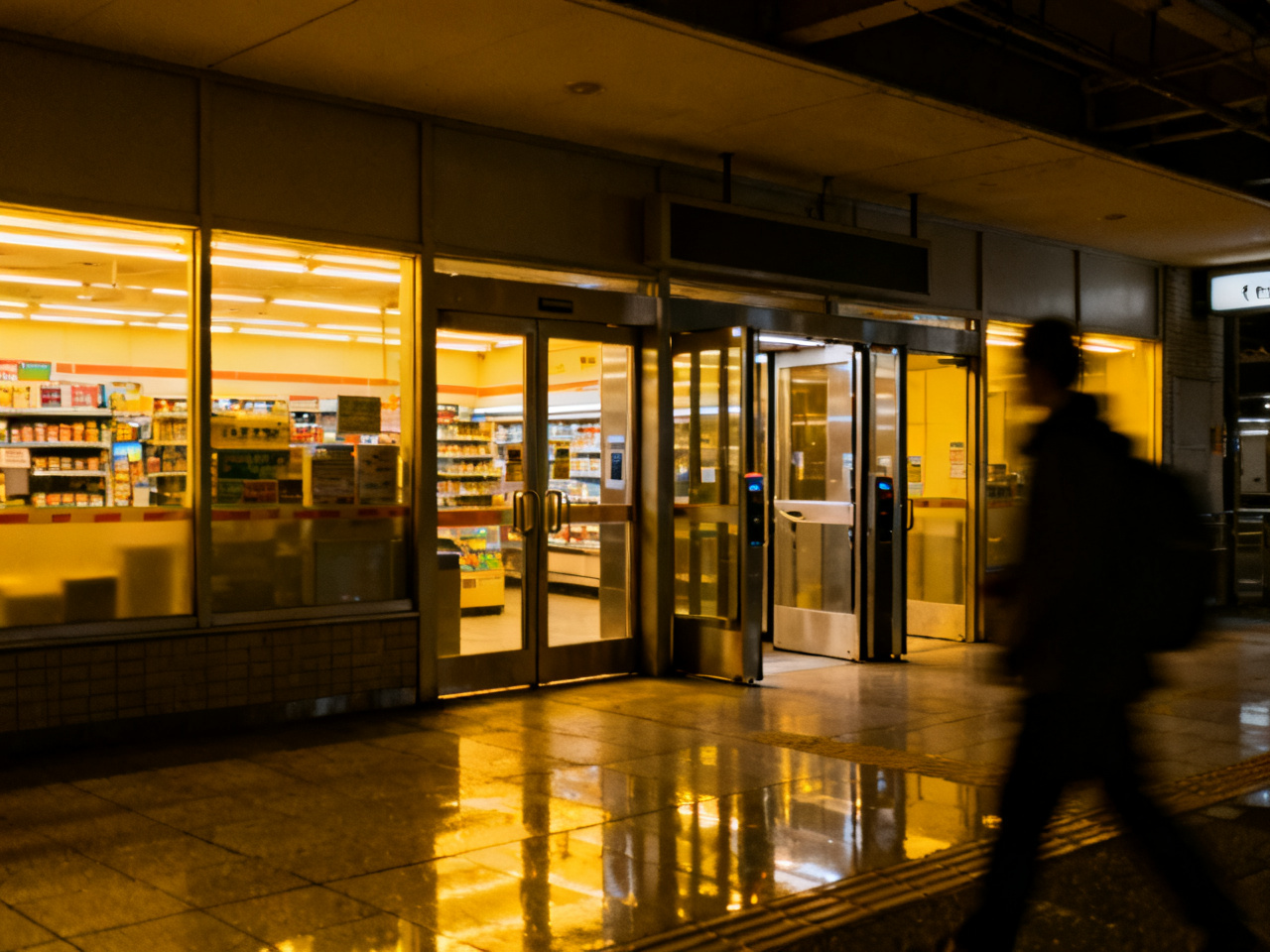
傍晚时分,海边的光终于软下来,路上的人也从撑伞快走变成慢慢散步。我拿着刚在便利店补的常温水,坐在栏杆边看远处海面从亮白转成灰蓝。那一刻我很清楚地知道,自己今天之所以还能轻松地看这片海,不是因为我更能走,而是因为我终于学会把海边步行和补水当成同一件事。对外国人来说,这种调整很值得,因为它不仅保护身体,也保护判断力和情绪。以后再去中国别的海边城市,我大概都会带着这个习惯:路线不只由风景和距离组成,还应由饮水点、阴凉处和能短暂停下来的地方组成。真正让旅程顺下来的,从来不只是你看见了什么,也包括你如何照顾自己,直到还有余力继续看下去。
By evening, the light over the waterfront had finally softened, and the people on the road had shifted from hurrying under umbrellas to strolling slowly. Holding the room-temperature water I had just bought from a convenience store, I sat by the railing and watched the sea turn from bright white to gray-blue in the distance. In that moment I knew very clearly why I was still able to enjoy the view with ease. It was not because I had become stronger at walking. It was because I had finally learned to treat waterfront walking and hydration as the same task. For foreigners, this adjustment is worth making because it protects not only the body but also judgment and mood. In future coastal cities in China, I will probably carry this habit with me: a route should be shaped not only by scenery and distance, but also by drinking points, shade, and places where you can pause briefly. What makes a journey run smoothly is never only what you managed to see. It is also how you cared for yourself well enough to keep seeing.
- 那本被果汁弄湿的拼音本,让本人第一次学会声调不是唱歌,而是方向 | A Pinyin Notebook Spilled with Juice Taught Me That Tones Are Not Singing but Direction
- 人民币使用常识:面额、兑换与防伪 | RMB Basics: Denominations, Exchange & Counterfeit Tips
- 二十四节气:中国人骨子里的时间密码 | The 24 Solar Terms: China's Ancient Calendar Hidden in Plain Sight
- 桂林码头清晨的雾,教我别把山水只当背景 | Morning Mist at a Guilin Pier Taught Me Not to Treat Landscape as Background
- 配饰指南:扇子、帽子等 | Accessories: Fans, Hats, and More
- 绍兴黄酒的慢饮法:从乌篷船到晚饭桌 | A Slow Way to Drink Shaoxing Wine: From Black Canals to the Dinner Table
- 我在北京胡同便利店刷不过码的那一分钟,后来成了最好用的支付预案 | The Minute My QR Code Failed in a Beijing Hutong Store Became My Best Payment Backup
- 我们在常熟尚湖的五月雨里轮流拿伞拍照,最后笑到谁都不在乎照片拍没拍好 | Passing One Umbrella Around in Changshu's May Rain, We Laughed Until None of Us Cared About the Photos Anymore
- 福建土楼与海岸线7日游 | 7-Day Fujian Tulou & Coastline Tour
- 在中国用手机支付:支付宝和微信支付外国人能用吗? | Mobile Payments in China: Can Foreigners Use Alipay and WeChat Pay?
Comments (0)